Syria and Lebanon at risk from rapidly spreading cholera epidemic
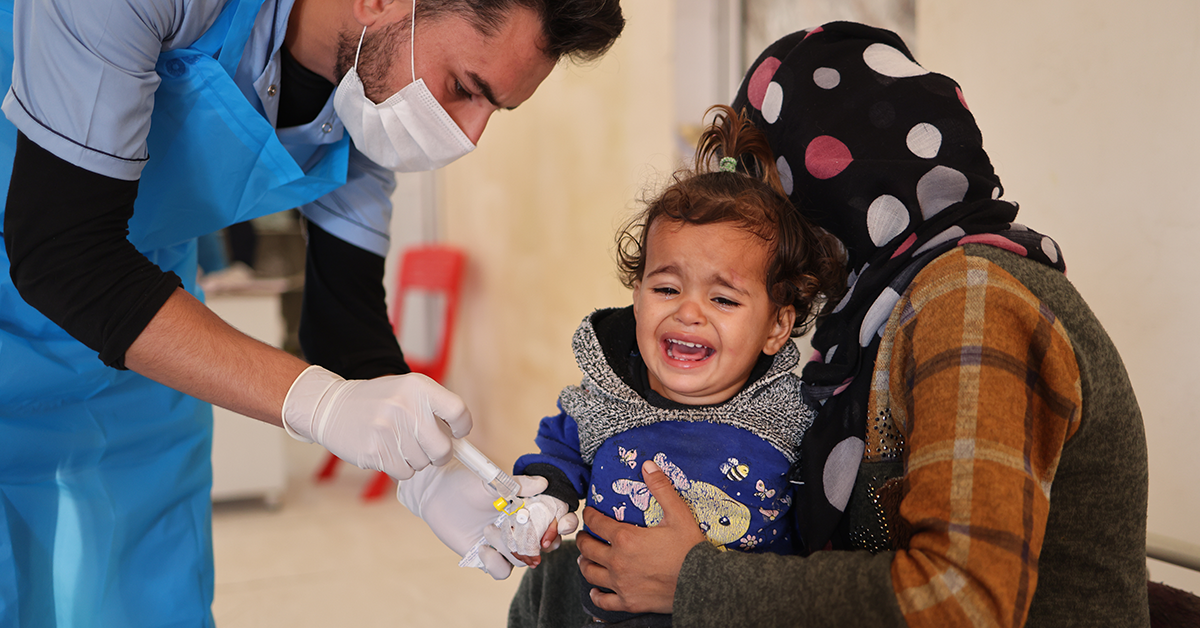
Cholera continues to sweep through Syria and Lebanon at an alarming pace, leaving thousands sick and hundreds dead in its wake, with only a small fraction of cases officially registered in databases.
Frozen Syria? Assessing the state of play and opportunities for engagement
Russia’s Feb. 24 invasion of Ukraine has given rise to speculation that it might fully withdraw from Syria, creating a power vacuum that could ignite new fighting. Yet these fears are likely misplaced and a deeper examination of the current state of Syria reveals unique opportunities for engagement from the international community.
Syria’s Failings Should Guide Misdirected Iran Policy
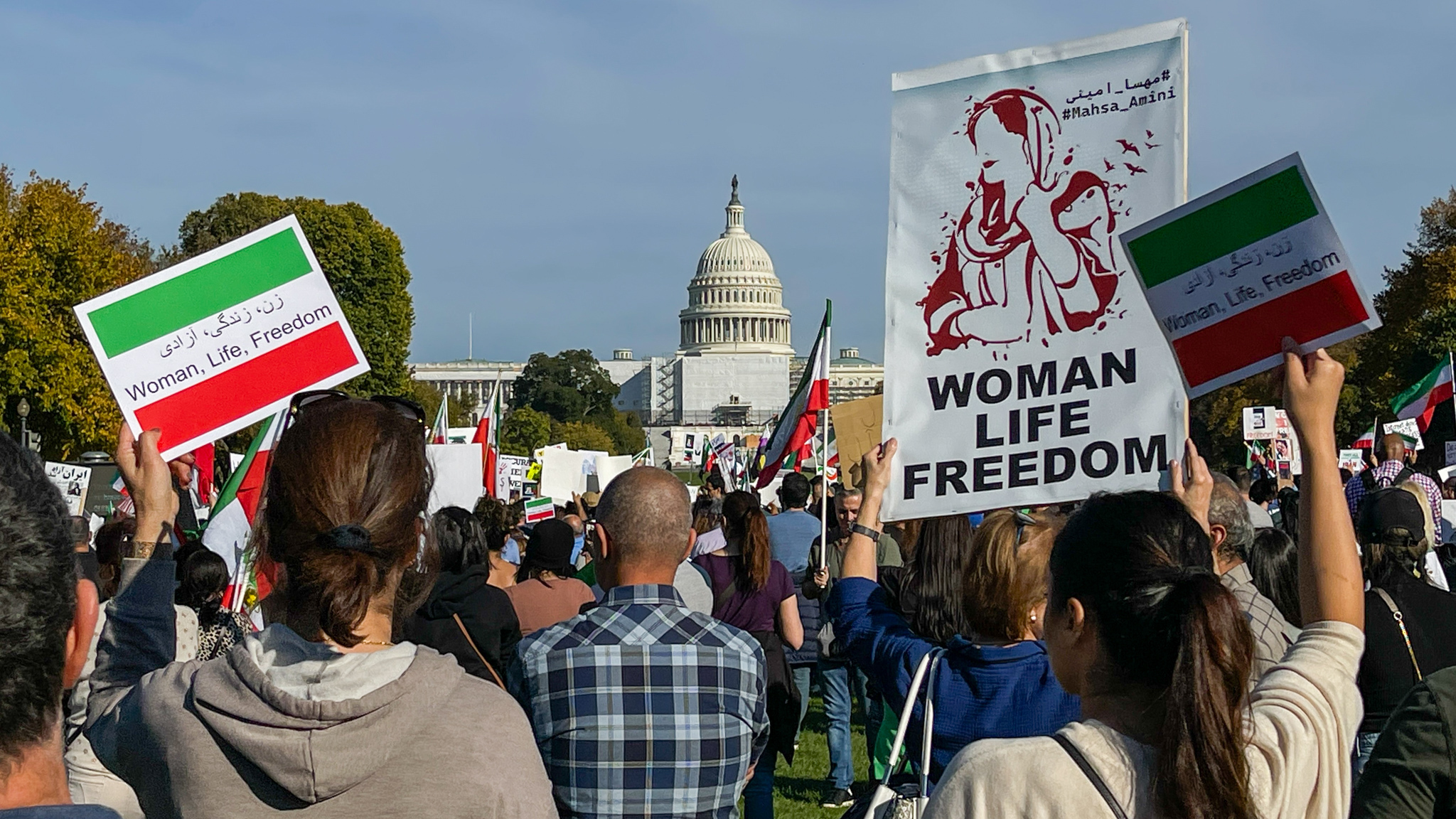
If the West is committed to not repeat the mistakes of the past, it can forge a third way that honors the protestors and rejects the tyrants in Tehran.
Tehran lashes out at Israelis’ support for Iranian protest movement
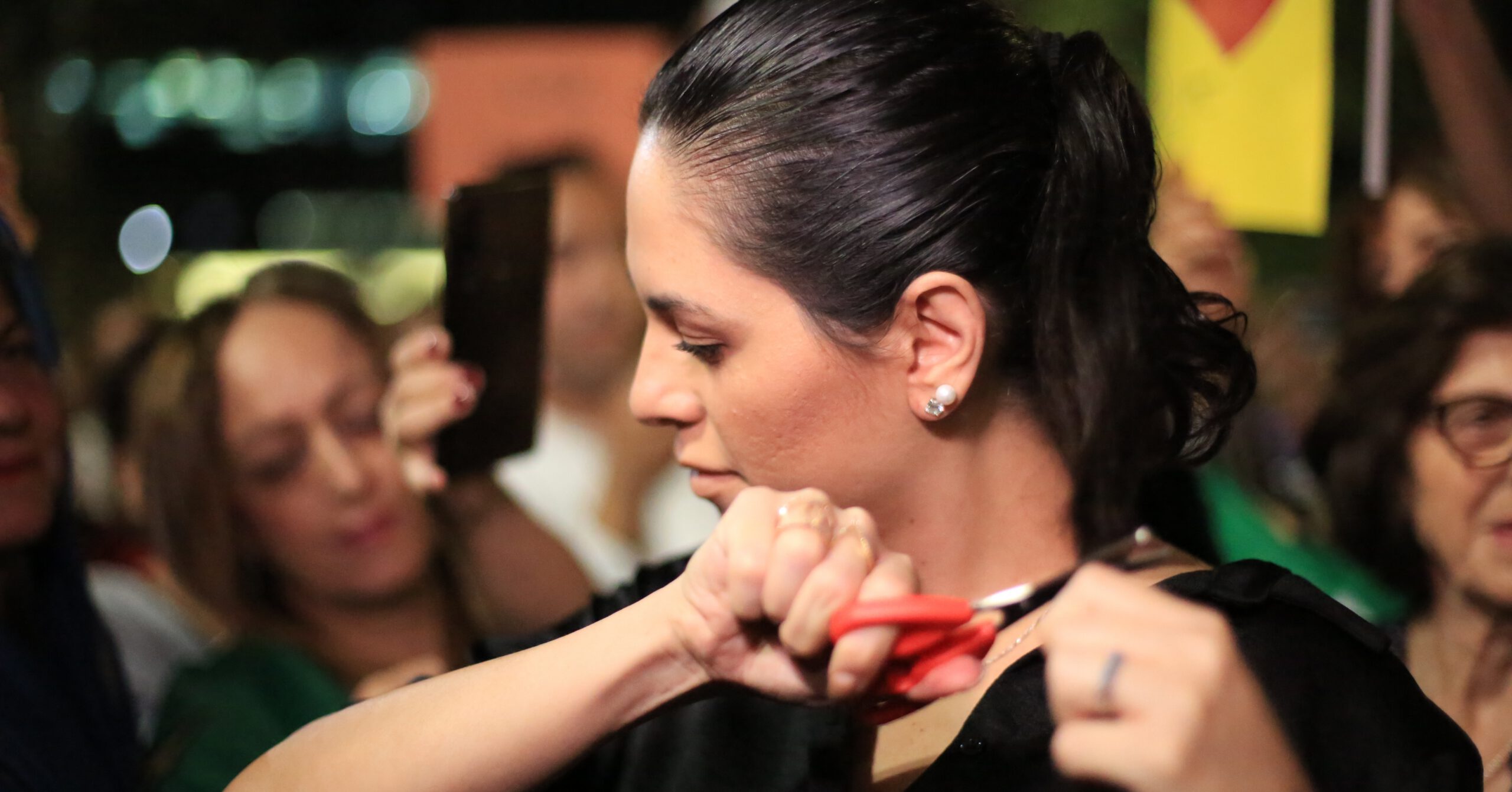
The Iranian regime is pointing the finger at Israel and the U.S. for allegedly orchestrating the nationwide protests. But while the U.S. and Israel both might have an interest in shaping and aiding the protest movement once it began, this large-scale mobilization of the Iranian public is a result of the regime’s own policies.
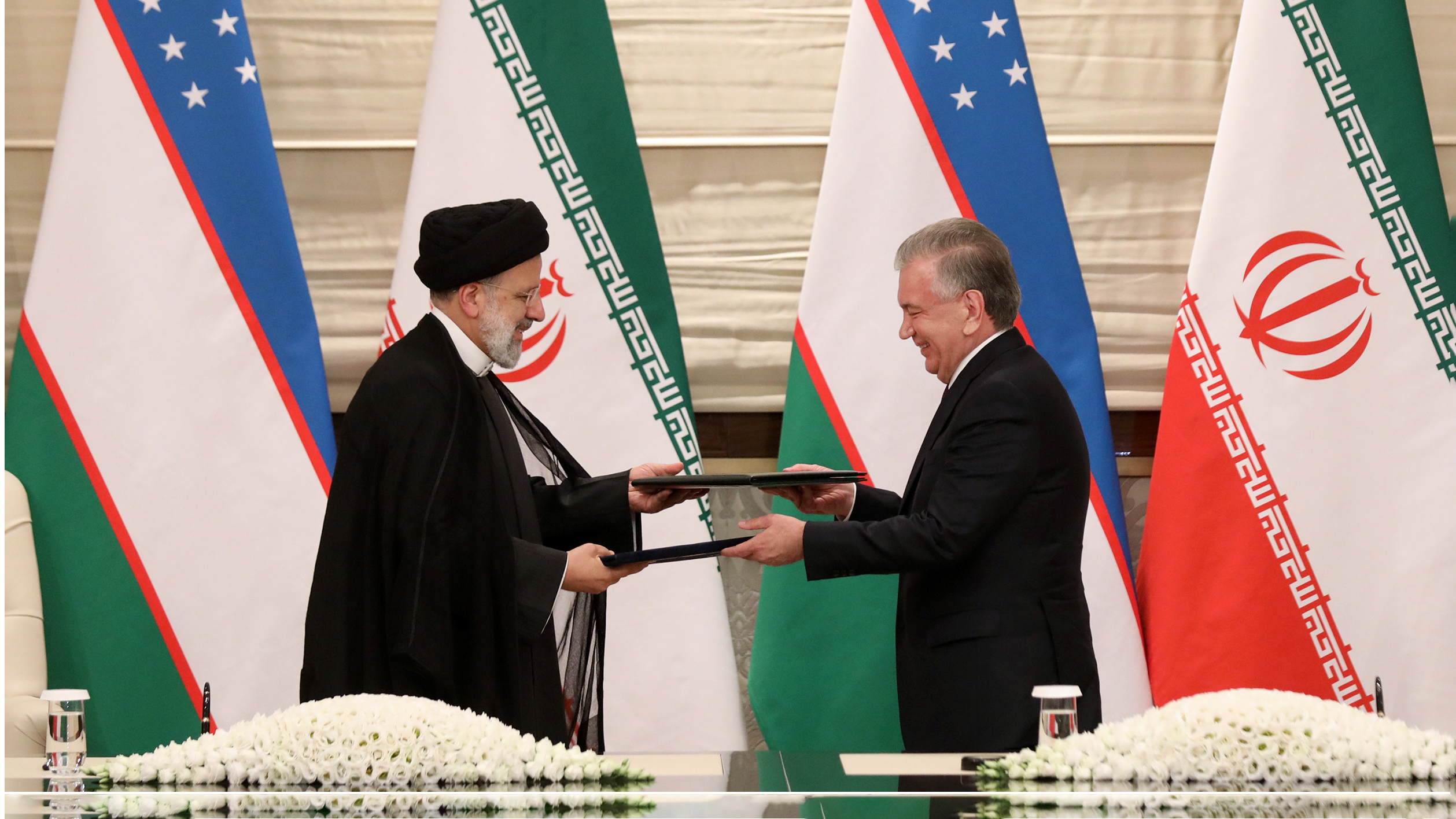
The SCO Summit in Samarkand: Reviving Iran and Uzbekistan relations on an oil and transit axis
The 22nd Shanghai Cooperation Organization (SCO) summit in the Uzbekistani city of Samarkand this past September turned out to be a boon for Iran’s regional policy. Not only was the Islamic Republic extended a roadmap to join the grouping, but the meeting also offered a convenient opportunity to revive and strengthen ties with Uzbekistan.
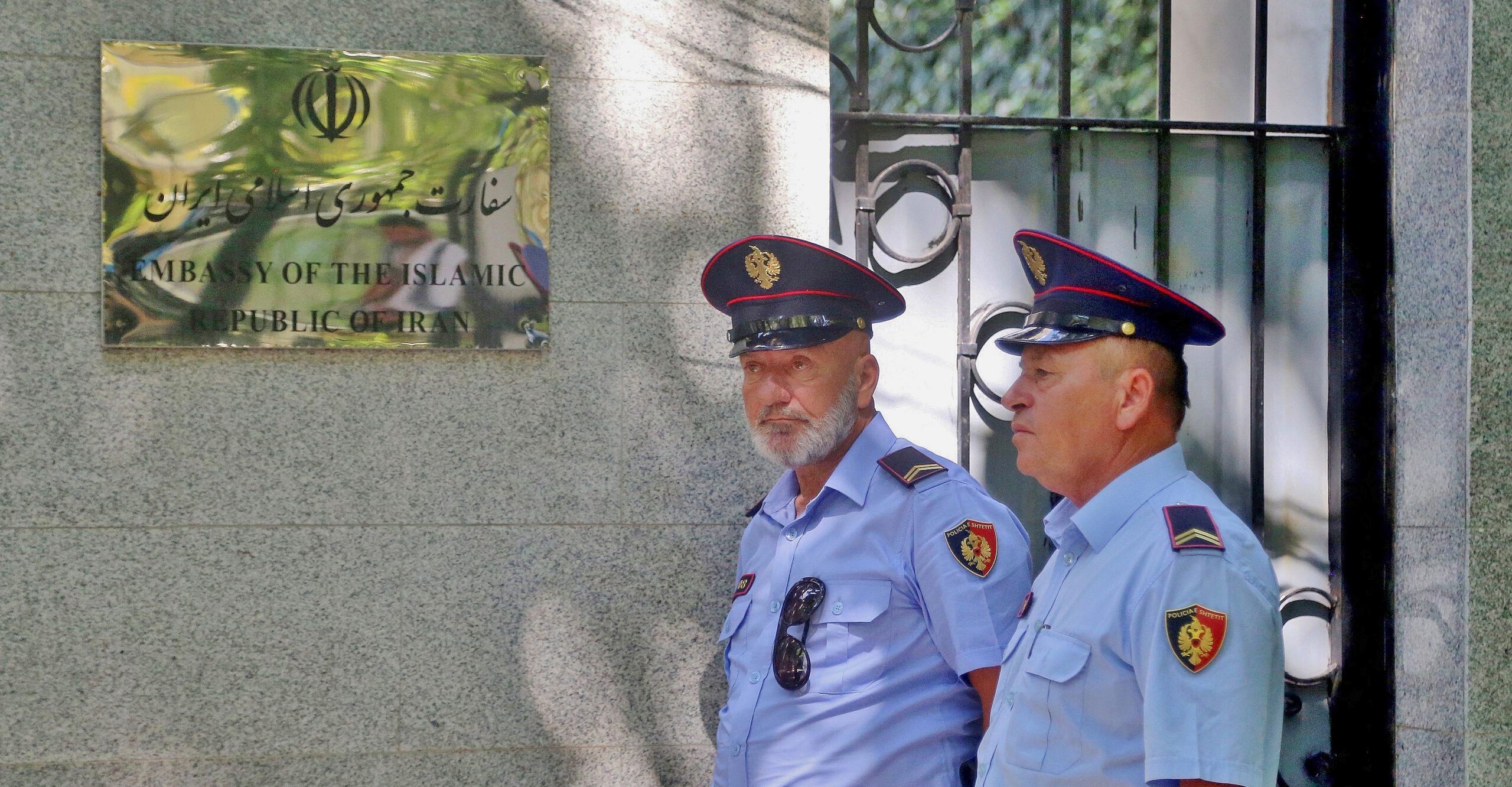
Albania finds itself caught in the middle as Iran and the West square off
Albania, a close U.S. ally, has found itself on the front line of the clash between the West and Iran. Though angered by the MEK’s presence in Albania, to date, there is little evidence to suggest that Tehran intends to further fuel the conflict with Tirana. This could change, however, If the Iranian proxy war with the U.S. and Israel intensifies.
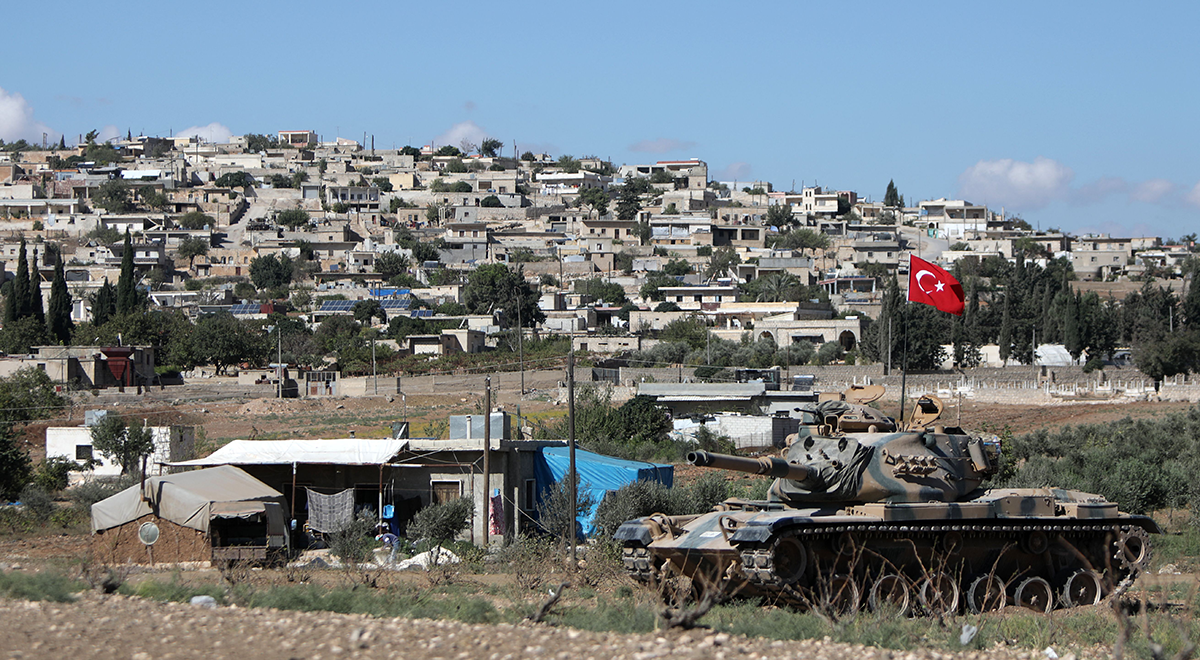
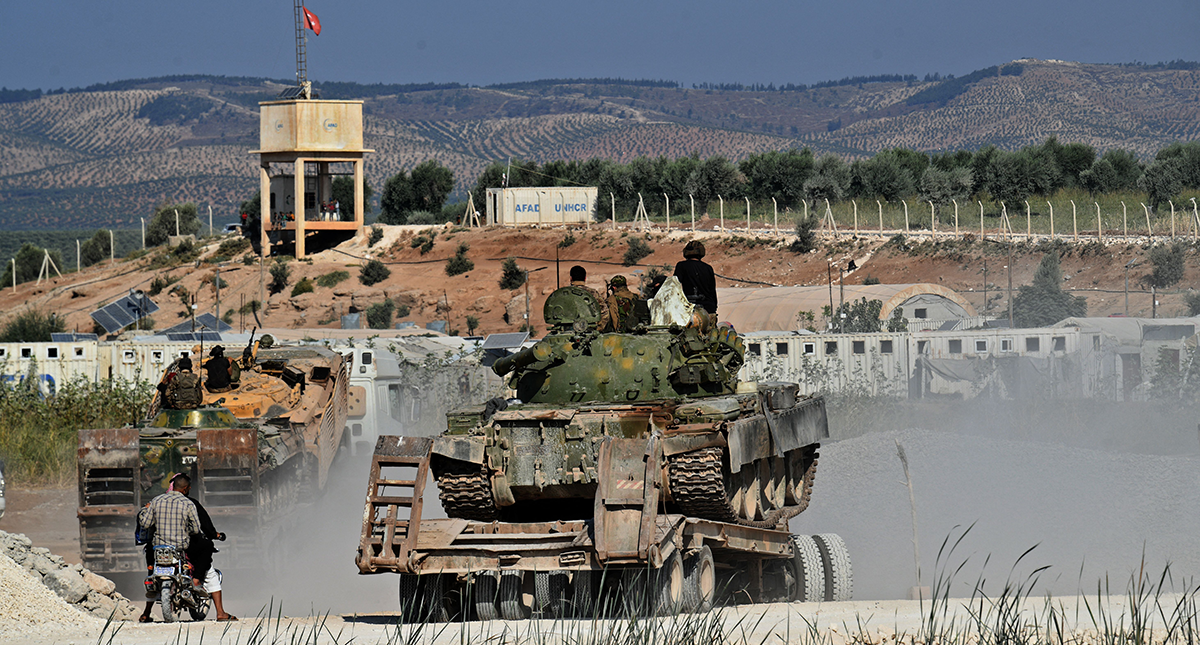
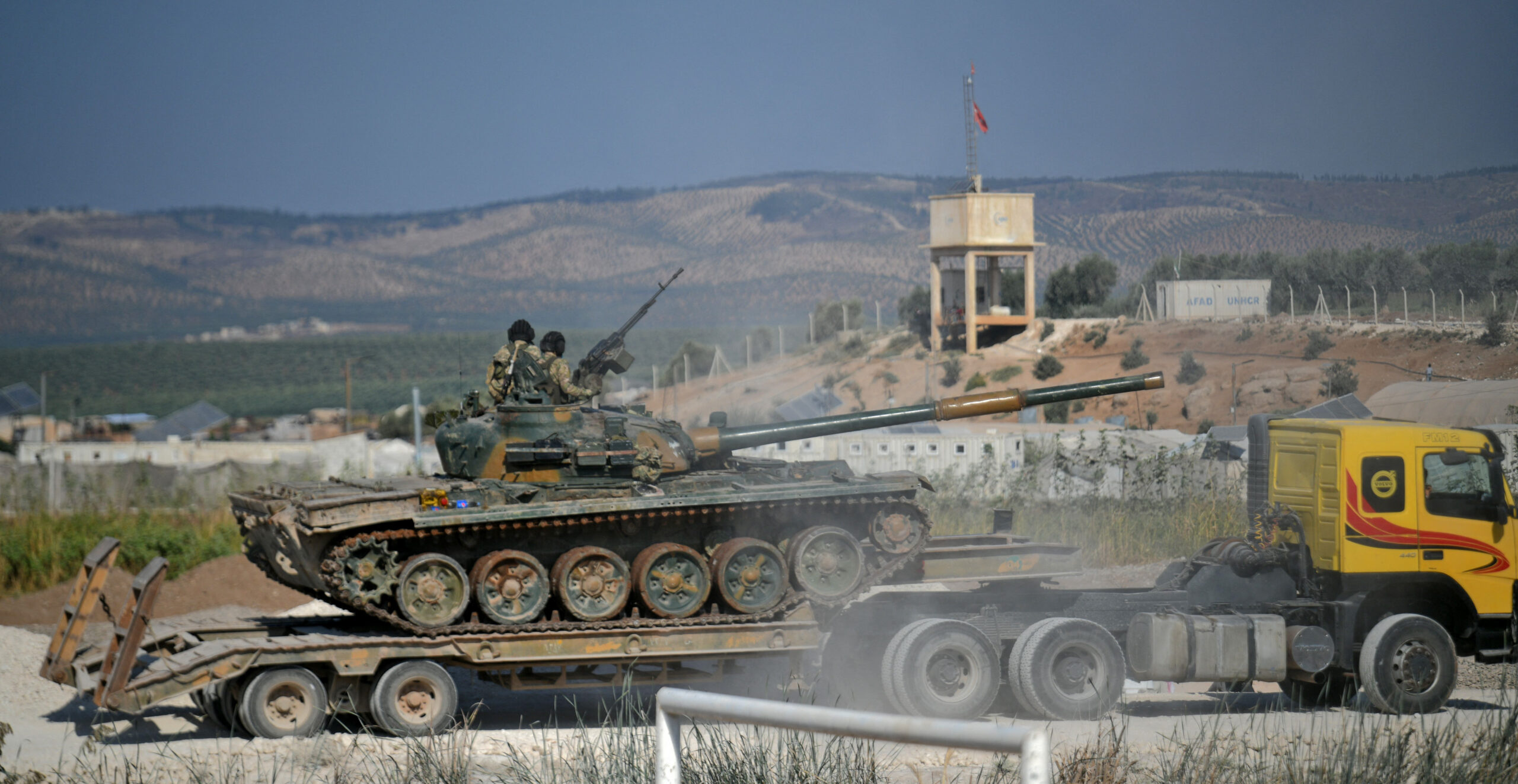
During the second week of October, unprecedented full-fledged military confrontations broke out in northern Syria between factions of the Turkish-backed Syrian National Army (SNA), with Hay’at Tahrir al-Sham (HTS) subsequently intervening in support of some factions over others. Tukey’s weariness about the constantly deteriorating state of security in the north, resulting mainly from infighting among the SNA forces it backs, and its willingness to impose order on them, could explain its silence on HTS’s military aggression. For HTS, however, expanding its rule and settling scores with some SNA factions may be the main drivers behind its recent attacks.
The Islamic Republic’s authorities have learned that they don’t need to take Washington’s reactions to internal oppressions very seriously. Presumably, in their view, as long as the Biden administration maintains even the slightest hope for a new nuclear deal with Tehran, it will not take any tough actions vis-à-vis Iran’s domestic policies.
Iran’s playbook in the Arab world: Ideology or domestic politics?
Over a span of more than four decades, Iran’s foreign policy toward the United States, Israel, and the Arab world has demonstrated remarkable continuity. The ideological underpinnings of the first decade were substituted with regime security and national security exigencies in the later decades.
As protesters’ slogans and chants have made clear, the current protests are definitely not about the economy, but about opposition to the regime more broadly and its political and social oppression. Yet Iran’s economic problems have created an atmosphere that encouraged and fueled protesters’ anger and have done nothing to help the regime.
Pragmatic jihadist or opportunistic warlord? HTS’s Jolani expands his rule in northern Syria
The jihadist group Hayat Tahrir al-Sham (HTS) in Syria has dispatched its fighters from greater Idlib eastward, taking full control of Afrin city and at least 26 towns and villages to its southwest, most without a fight. This has placed many of its jihadist opponents back under HTS’s control. The dynamics of northwestern Syria are shifting, and the consequences look likely to be extremely significant.