Russia’s approach to Responsibility to Protect in the Black Sea and Syria
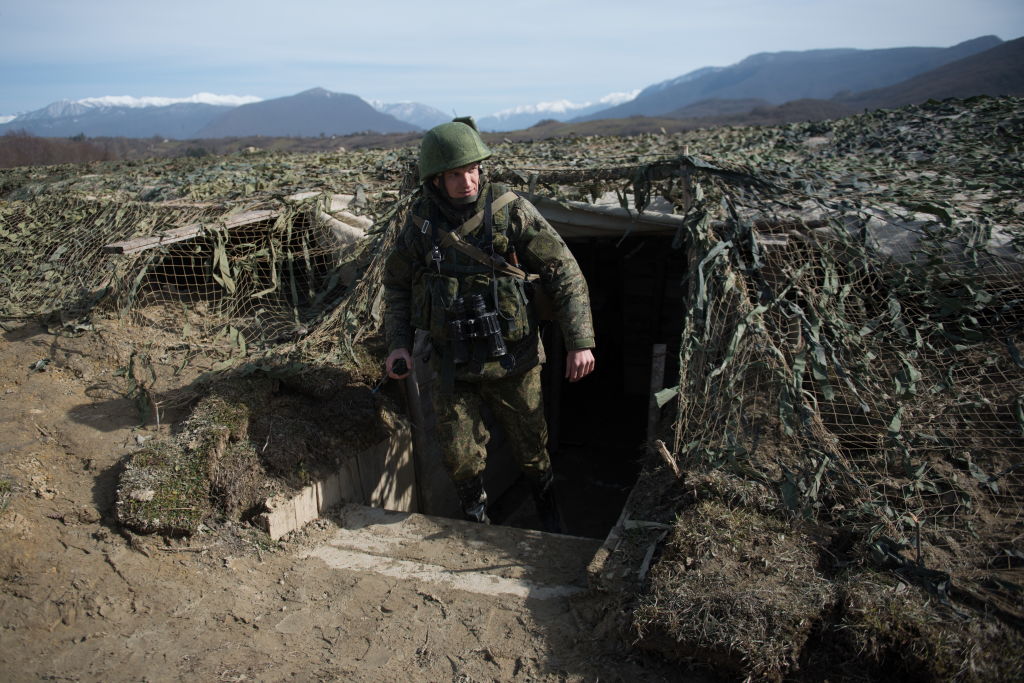
Where most of the international community sees R2P as a mechanism for protecting human rights when a state cannot or will not ensure them, Russia’s take on the same concept focuses on the protection of national sovereignty at any cost. However, Moscow’s commitment to the notion of sovereignty has been selectively applied to the states of the Middle East and the Black Sea.
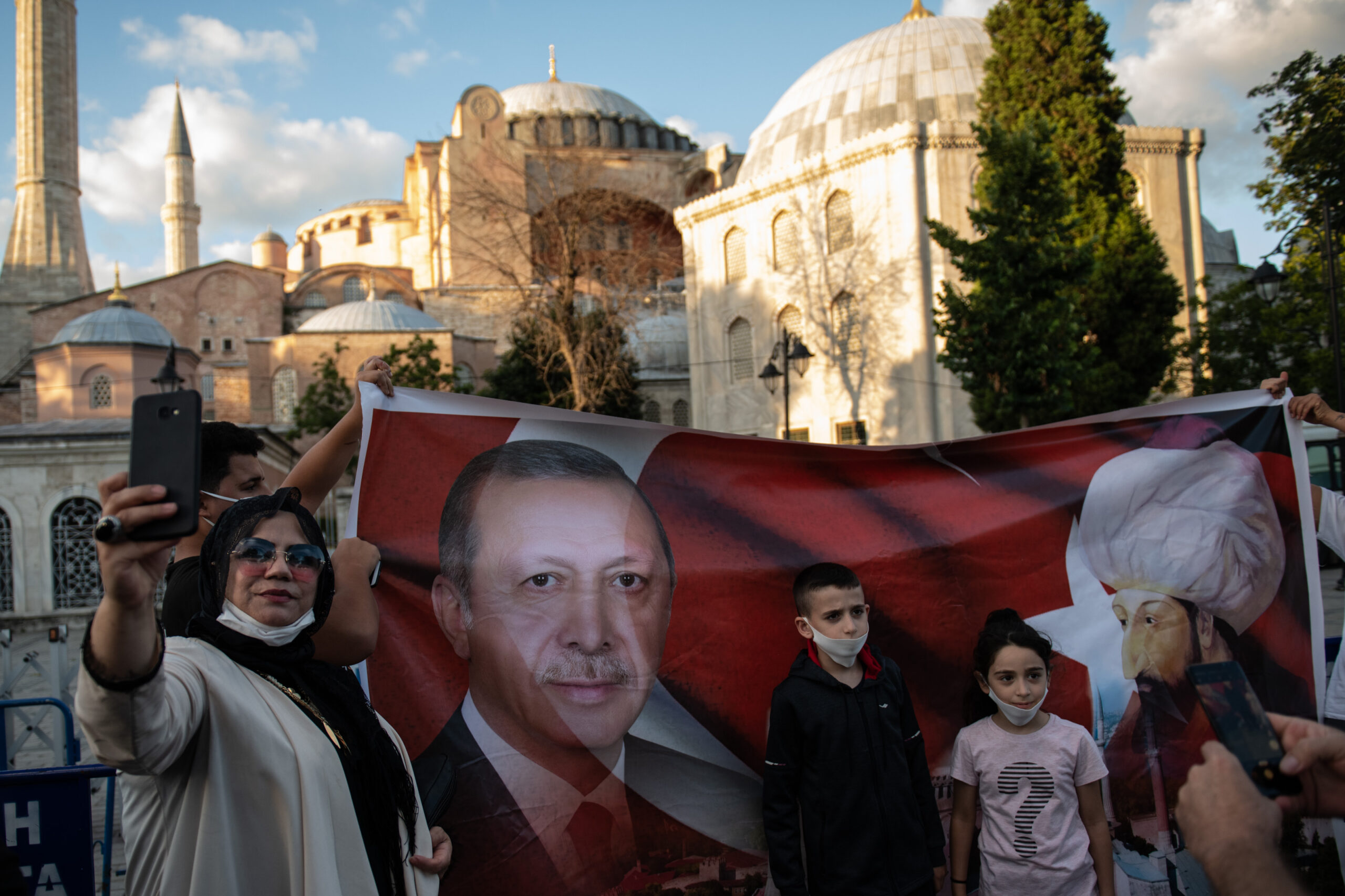
Monday Briefing: Erdoğan and the “symbolic war” over Hagia Sophia
This week’s briefing on recent news and upcoming events in the region featuring Seren Selvin Korkmaz, Marvin G. Weinbaum, Mirette F. Mabrouk, Robert S. Ford, and Nilsu Goren.
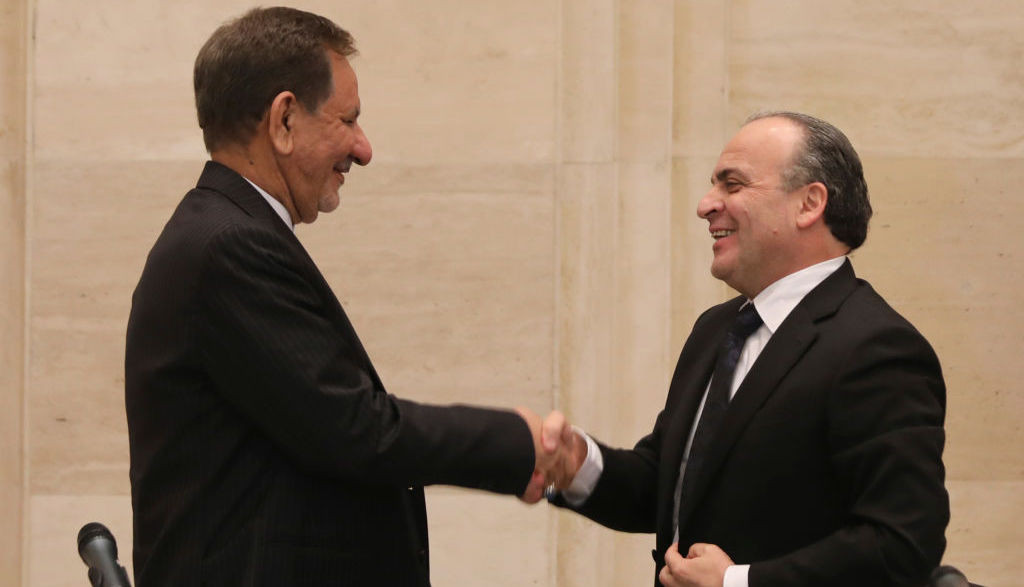
Investing in Syria: “Photo ops” outweigh real change
As in other countries, not all announced investments come to fruition. But the ratio in Syria is particularly staggering. Of the 118 projects approved by the Syrian Investment Agency in 2018, only 46 percent have taken any serious steps toward implementation as of early 2020.
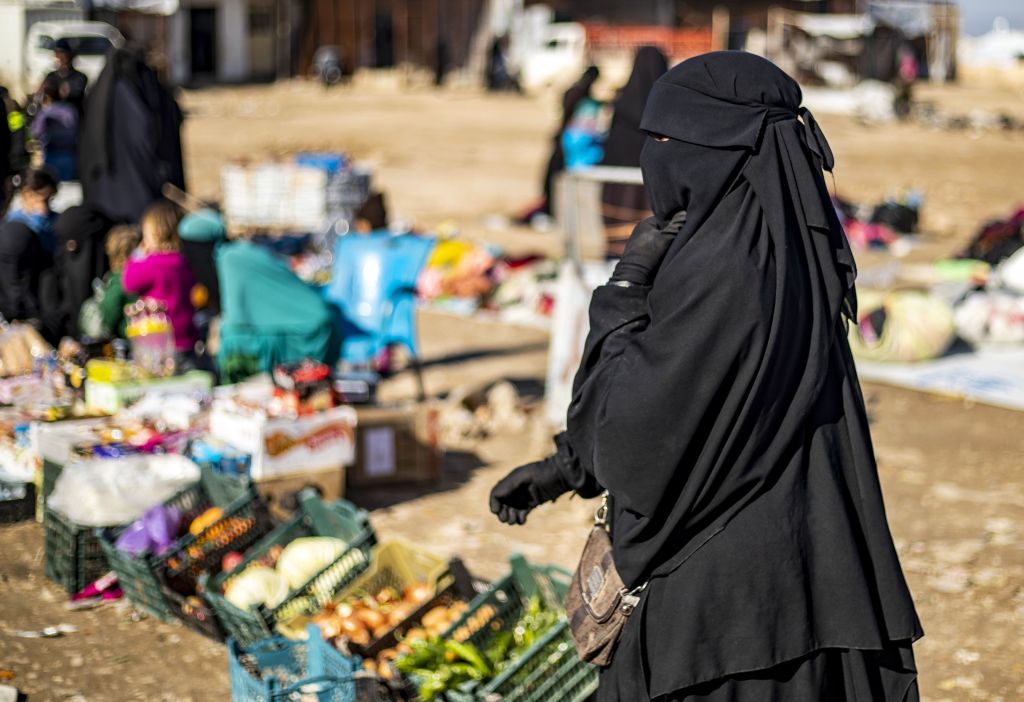
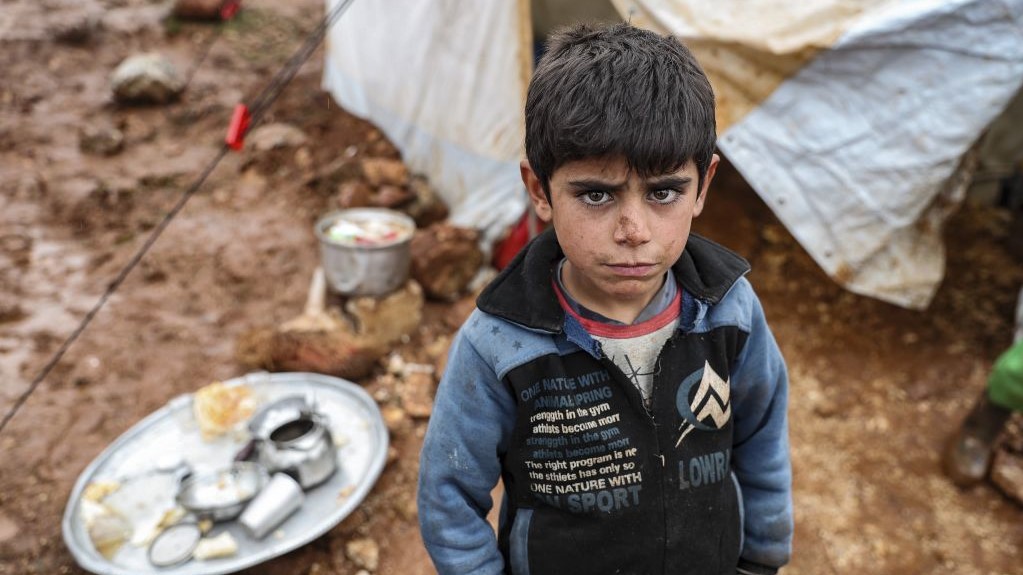
After the fall of ISIS in 2019, many relatives of fighters who were detained or killed, including 10,000 families of foreign fighters, were housed in camps like Roj and al-Hol in territory controlled by the Syrian Democratic Forces. Like any closed society, the foreigners’ annex in al-Hol has its own dynamic and life there is much more complicated than is often portrayed.
Brussels conference highlights tensions between Syria’s growing needs and political stalemate
The fourth Brussels Conference on Supporting the Future of Syria and the Region concluded last week with a drop in donations for 2020 for those affected by the decade-long war, a result which is disappointing but not surprising.
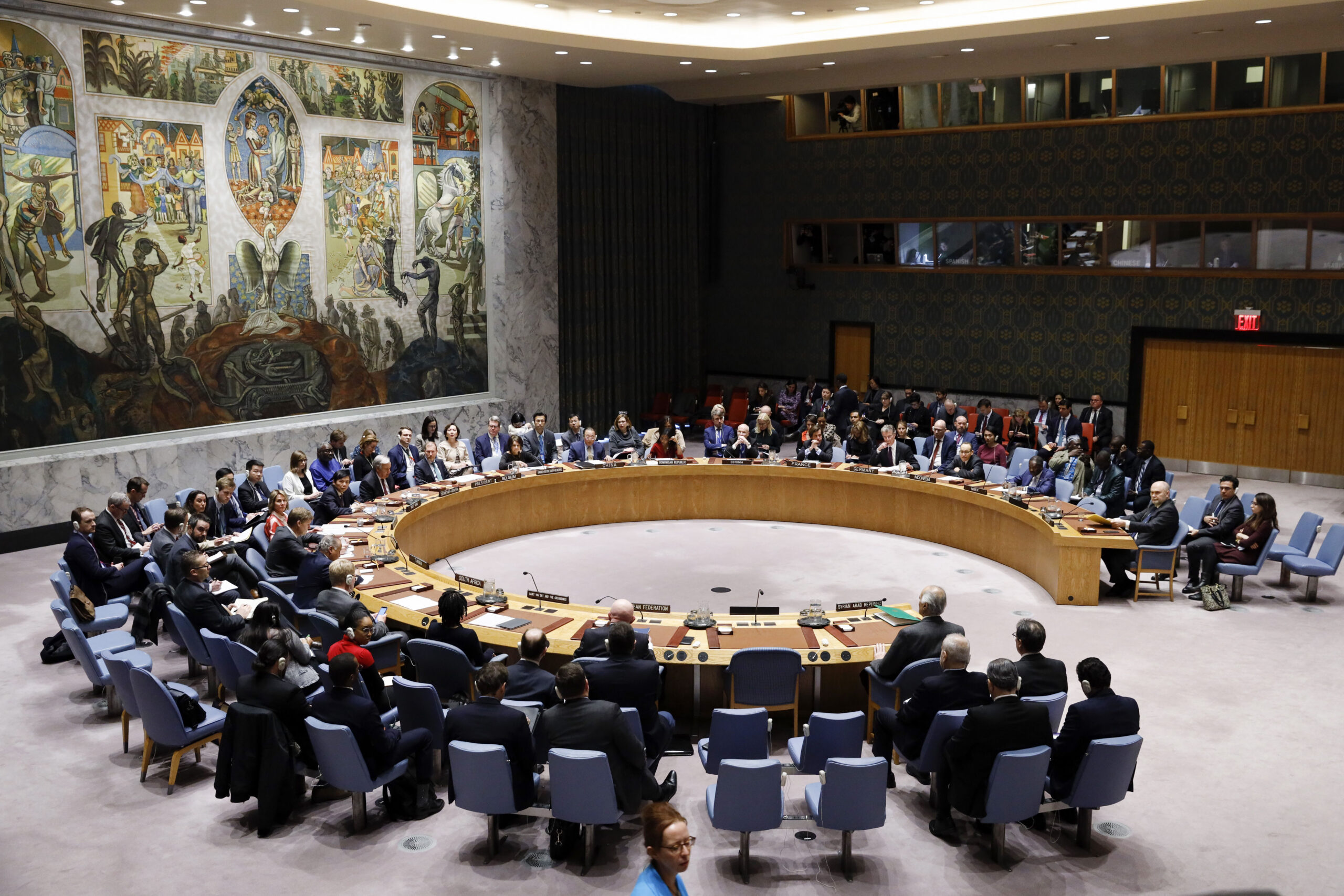
Monday Briefing: The UN Security Council must act now to save northwest Syria
This week’s briefing on recent news and upcoming events in the region featuring Dara Conduit, Marvin G. Weinbaum, Mark Heller, Syed Mohammad Ali, Gonul Tol, and Guled Ahmed.
Finding Lebanon: Hope, dignity, and the right to know
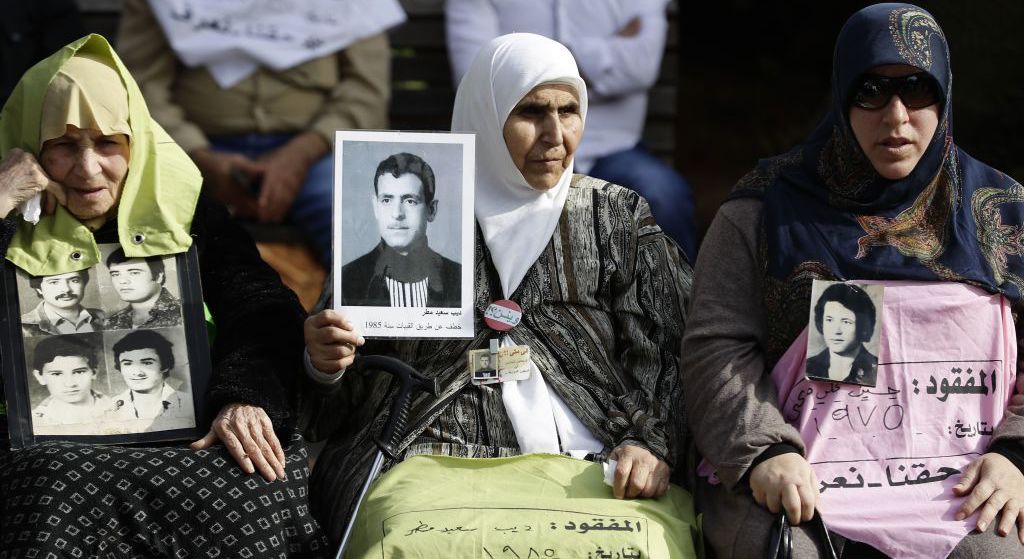
As many as 17,000 people “disappeared” during the Lebanese civil war. From 1975 to 1990, Lebanese factions, Palestinian militias, and the Syrian and Israeli militaries waged war in Lebanon. In that time, they and associated actors — be they Syrian security services, or armed Lebanese gangs using the war to turn a profit — “disappeared” people. Now, 30 years after the war ended, Lebanon has finally created a national commission for the disappeared, and in doing so, has taken a small step toward helping families grapple with the consequences of a conflict that has never, really, ended — certainly not for them.
Is Ahmad al-Oda winning the “hearts and minds” of Daraa’s people?
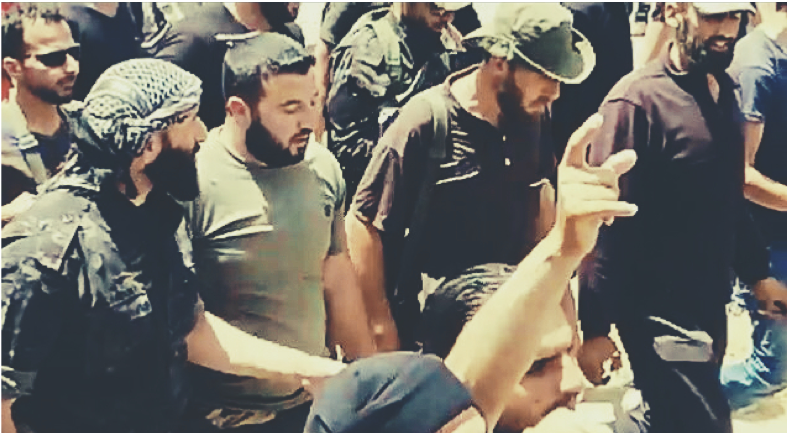
On June 20 a bus carrying soldiers from the Eighth Brigade of the Fifth Corps, travelling from Latakia to Busra al-Sham, hit a roadside IED near the town of Kahil in eastern Daraa, leaving nine dead and 13 injured. The following day, the funeral for the nine soldiers who died in the IED attack quickly turned into the largest protest Daraa has seen since 2018, including both Eighth Brigade fighters and hundreds of civilians from several nearby areas.
Syria: The Caesar Act takes effect amid unprecedented economic turmoil
While the regime and its allies have cast the current crisis as the result of Western sanctions, Syria’s economic troubles are largely due to the regime’s “Assad or we burn the country” policies.
The Syrian Regime’s Combat Losses in Spring 2020, and What Lies Ahead
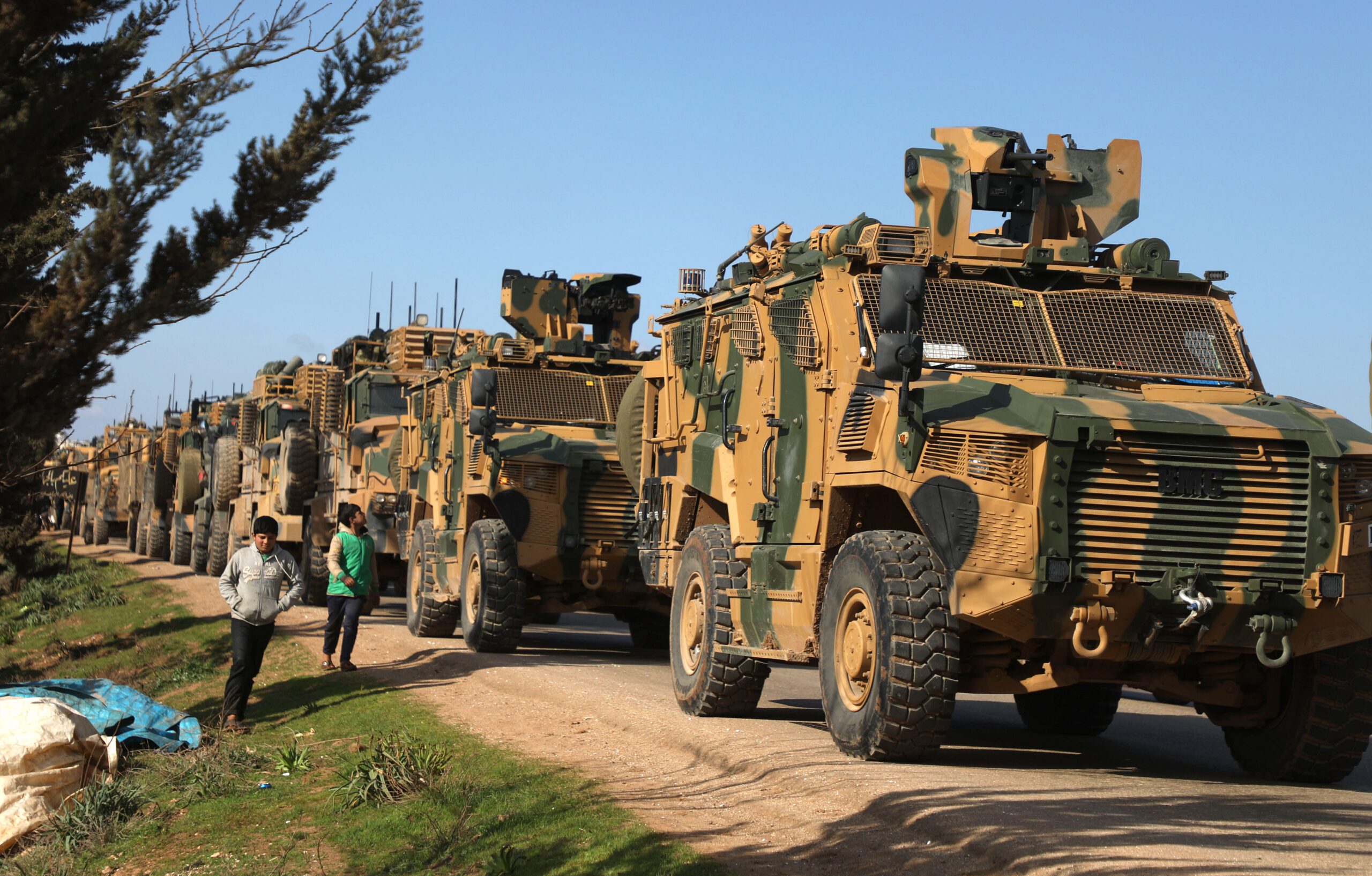
After a brief but deadly Turkish offensive in Idlib, a new phase of the Syria war began on March 5 with the signing of a Turkish-Russian cease-fire deal. Reported deaths dropped drastically following the cease-fire, and this spring has been defined by the slow attrition of pro-regime forces due to the two ingoing insurgencies in south and central Syria and the two frozen frontlines in the northwest and northeast.
Syrians respond to COVID-19 with renewed volunteer and community efforts
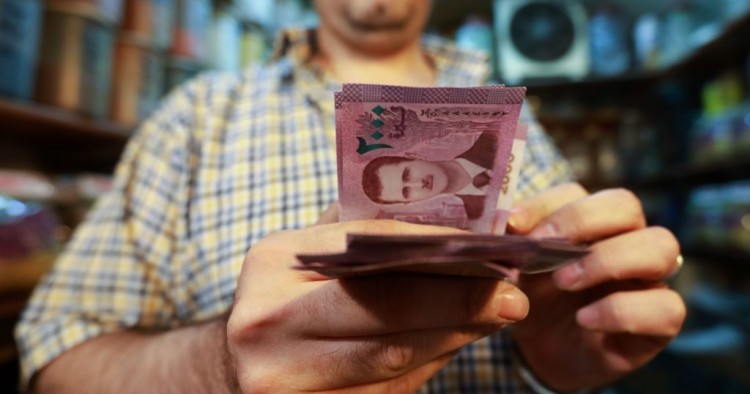
With an economy already on the brink of collapse and a shocking devaluation of the Syrian pound — hitting 3,175 pounds to the dollar earlier this month — the COVID-19 pandemic has come at an exceptionally dangerous time in Syria.
The administration hopes additional economic pressure will compel Damascus to take a series of political gestures, including releasing political prisoners and establishing an accountability process for the atrocities its forces committed.