تشكيل الحكومة العراقية الجديدة: تحولات استراتيجية وتغييرات تكتيكية
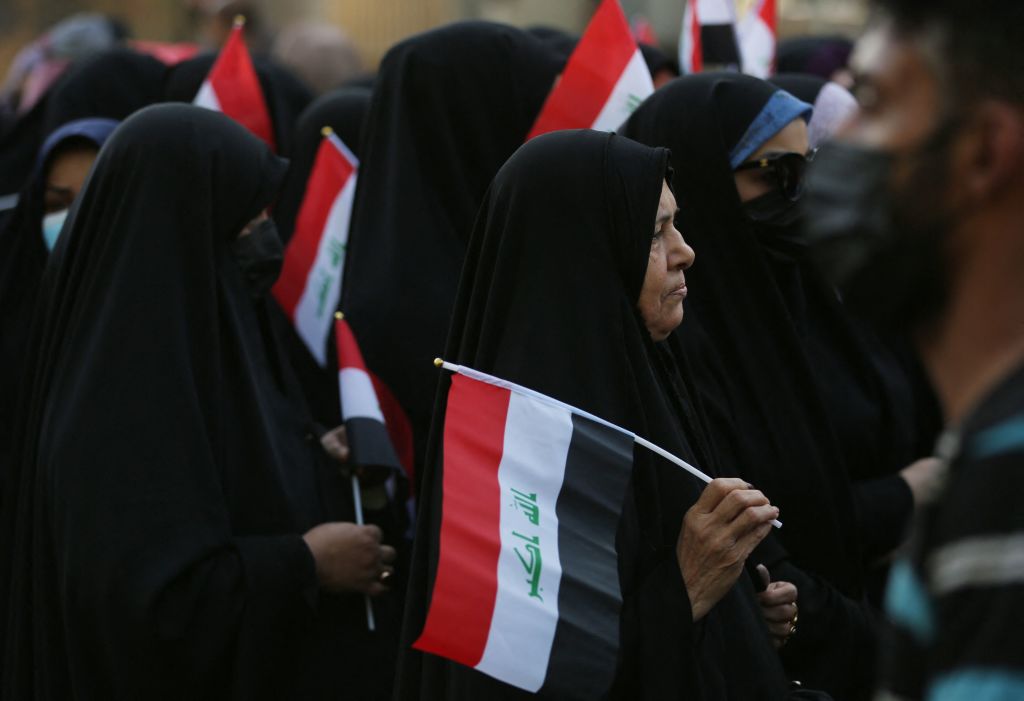
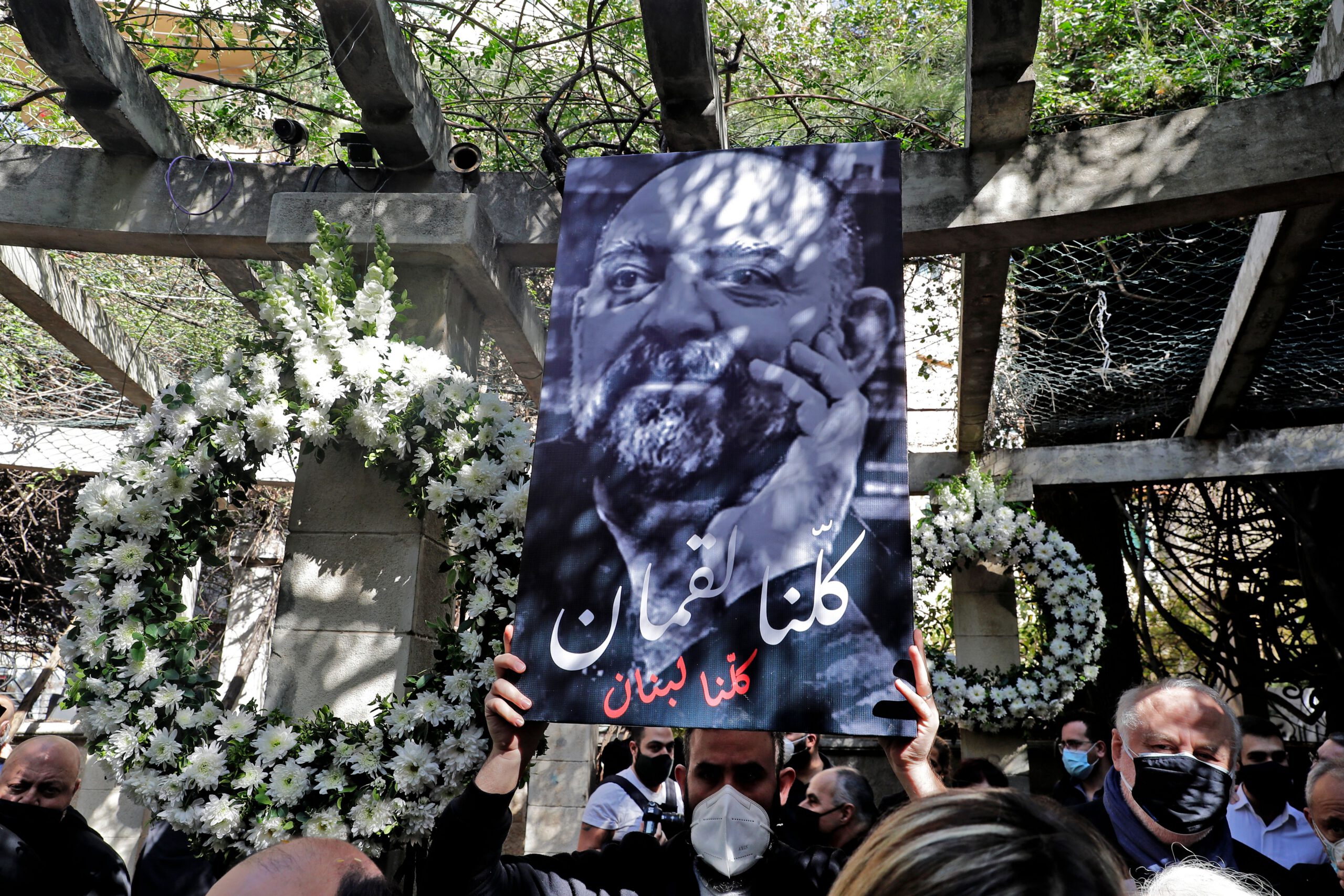
أحدثت انتخابات 10 أكتوبر/تشرين الأول 2021 ثلاث تحولات استراتيجية رئيسية في العملية السياسية العراقية، والتي على الرغم من أنها لم تسفر بعد عن تغييرات جوهرية في عملية تشكيل الحكومة الحالية، إلا أنها تتمتع بإمكانية هائلة لإحداث المزيد من التغييرات الجوهرية في المستقبل. أولاً، تعرضت الفصائل الموالية لإيران عبر القوائم والأحزاب السياسية العراقية، سواء داخل الكتل الكردية أو السنية أو الشيعية، لخسارة ثقيلة. ثانيًا، فازت الأحزاب التي انبثقت عن الاحتجاجات الشعبية في أكتوبر/تشرين الأول 2019، “امتداد وإشراقات كانون”، بتسعة مقاعد وستة مقاعد على التوالي في منافستها الانتخابية الأولى.
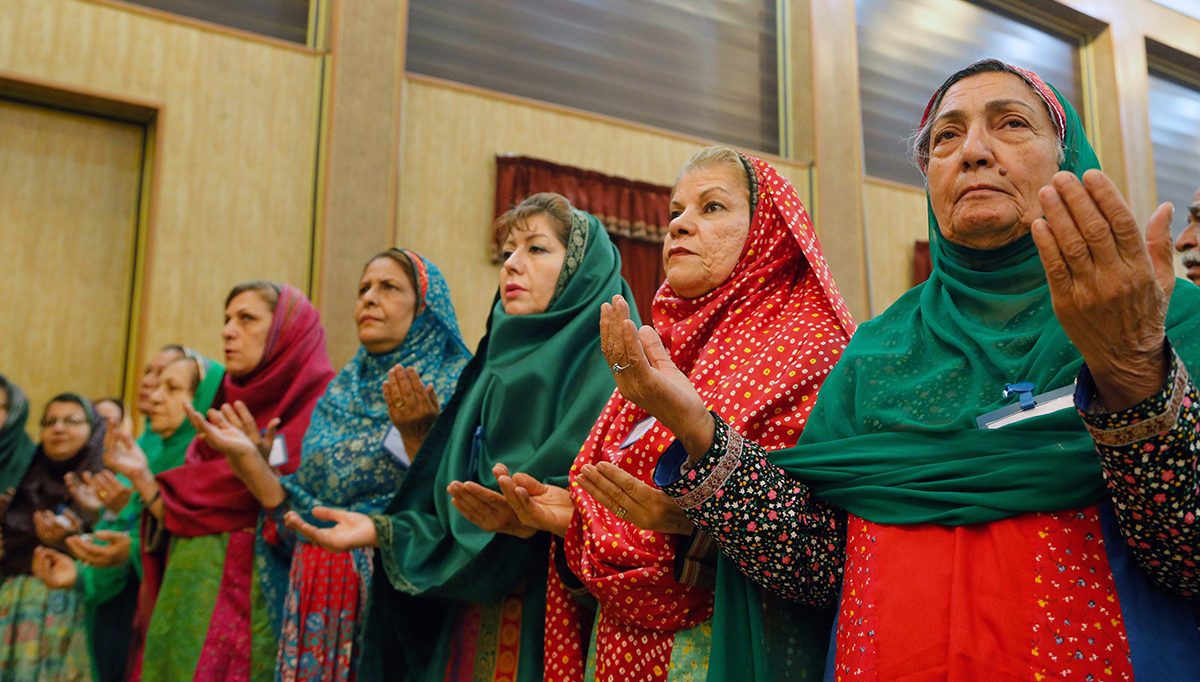
A stranger among us: Iran's tightening grip on religious minorities
For thousands of years, Iran has stood out as a culture that prized diversity and a place where religious minorities have flourished as independent communities. The Islamic Republic now seeks to change that, however, by implanting its own leaders inside different faith groups to protect and advance its interests.
Khamenei’s concerns over the future of the Iranian clergy (Part 2)
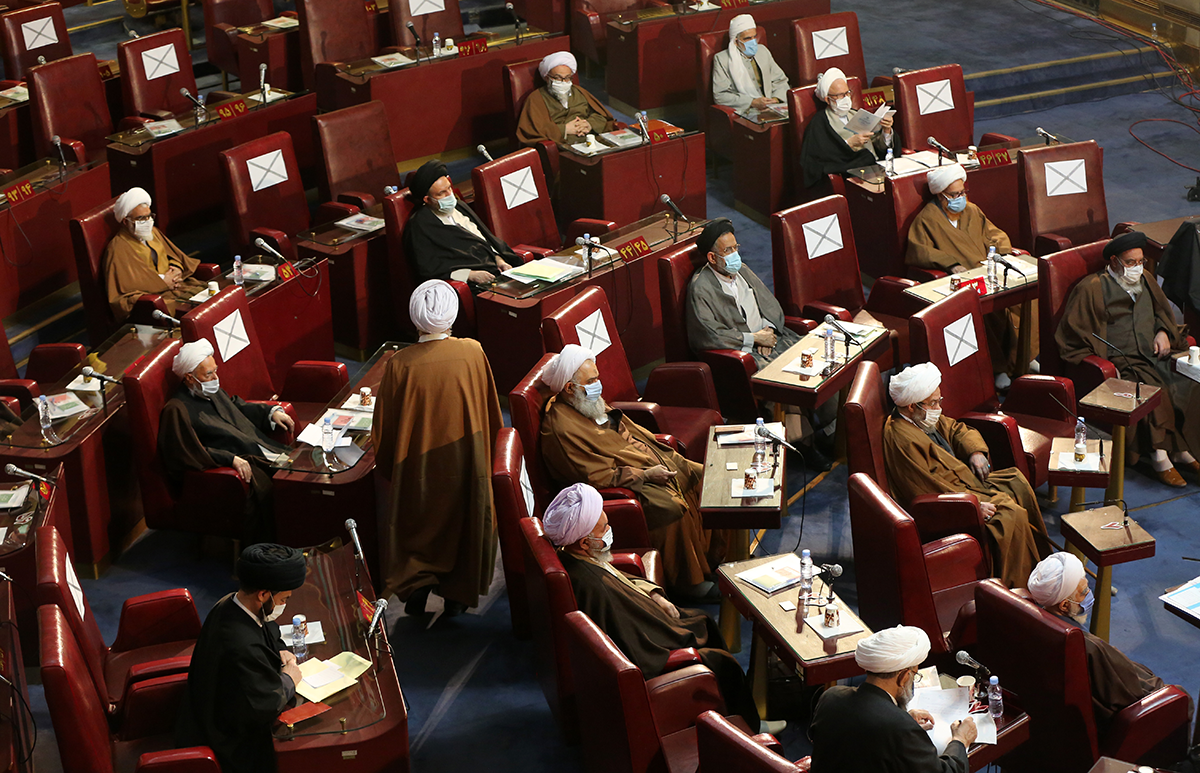
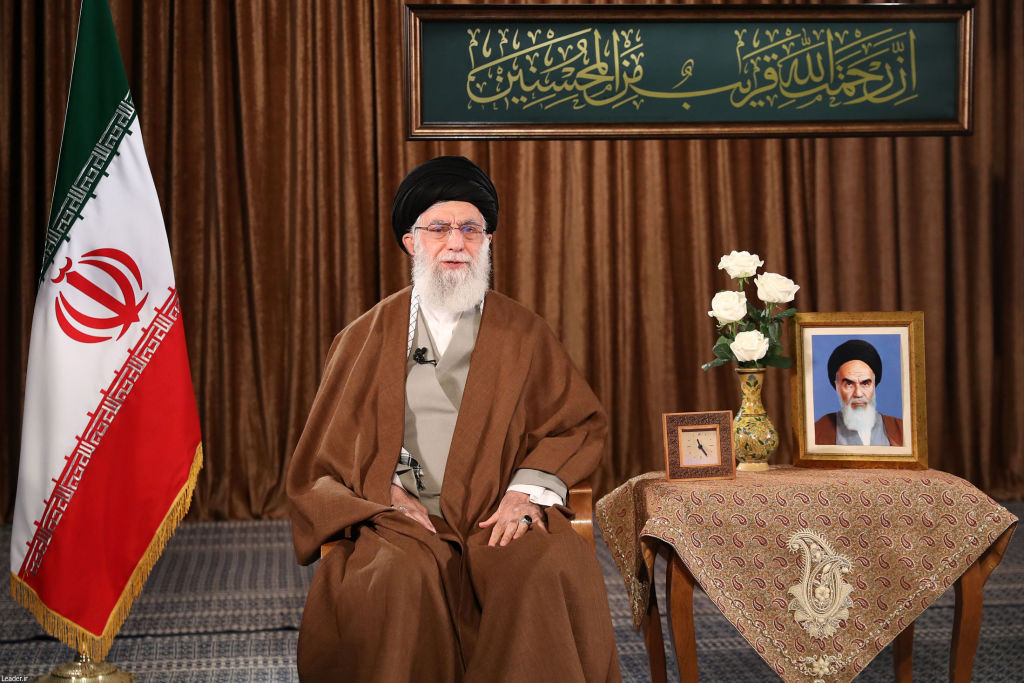
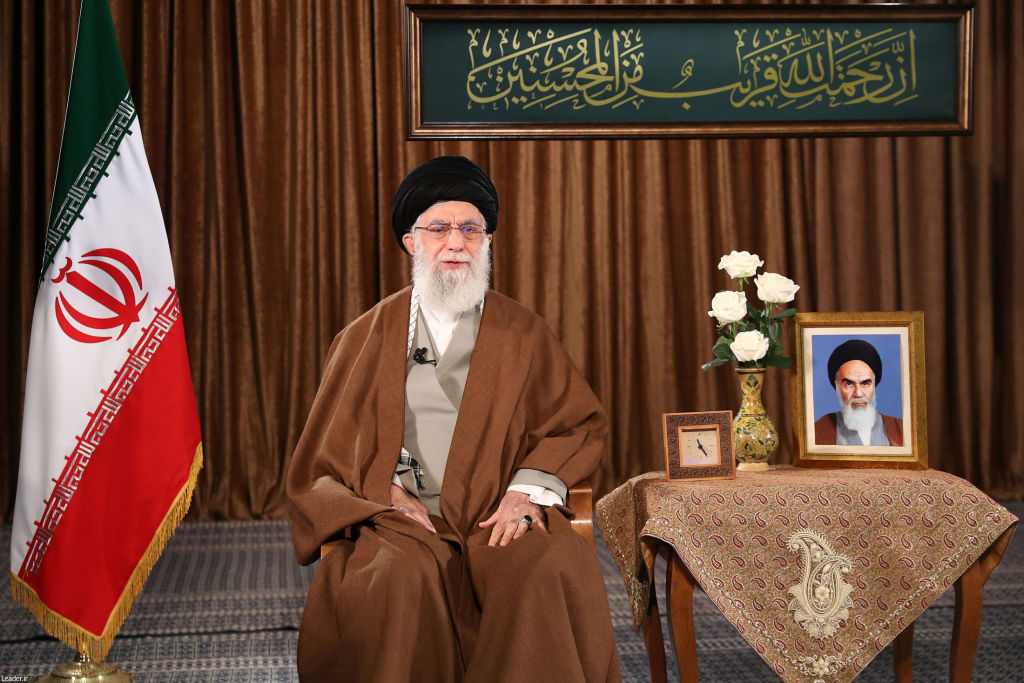
In recent years, numerous analyses have been published on the increasing influence of the IRGC within the Iranian regime. Nevertheless, the rise in the power of the military should not overshadow the fact that in the Islamic Republic, not only the paramount position of supreme leader, but also many other key roles are held exclusively by clerics. Moreover, many of these clerics, including the highest-ranking ones, must be appointed by the supreme leader. This system was designed to ensure the loyalty of key officials, but over time has given rise to growing concerns over the reliability of the next generation of clerics and the transfer of power.
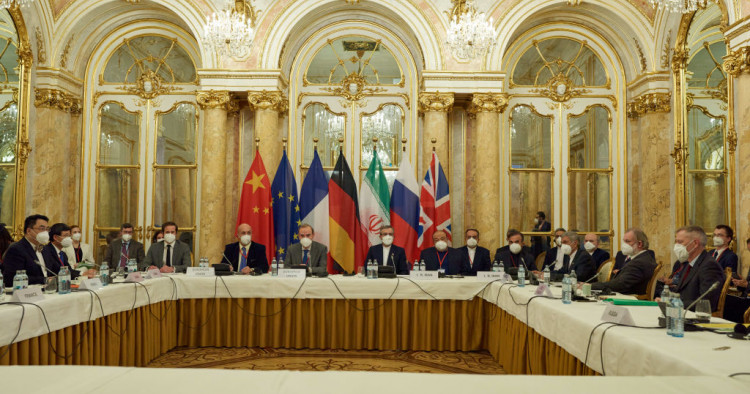
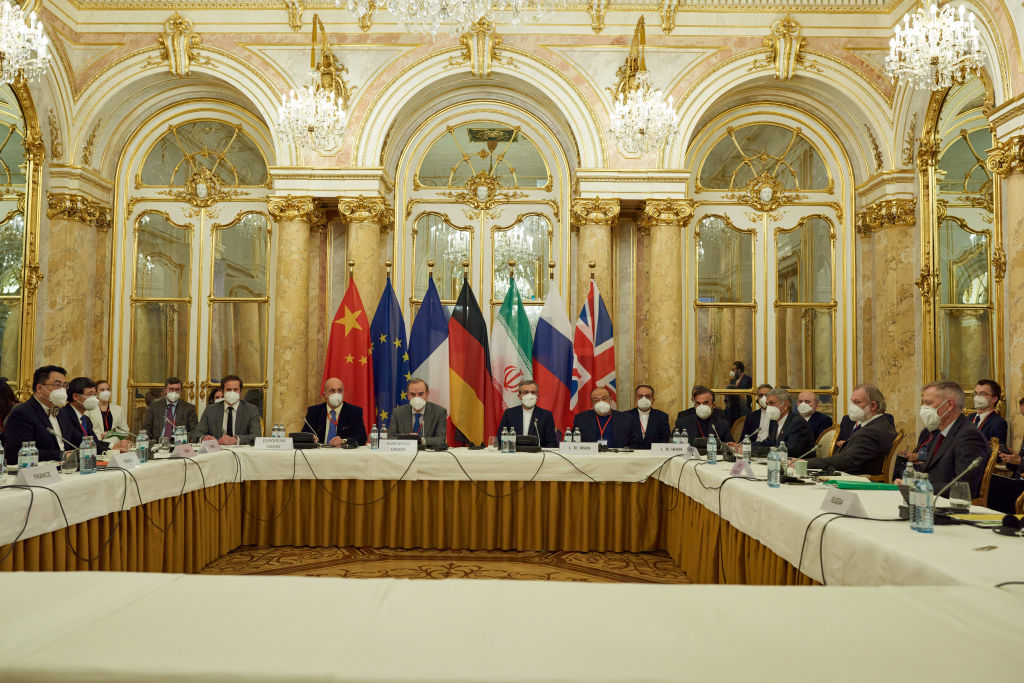
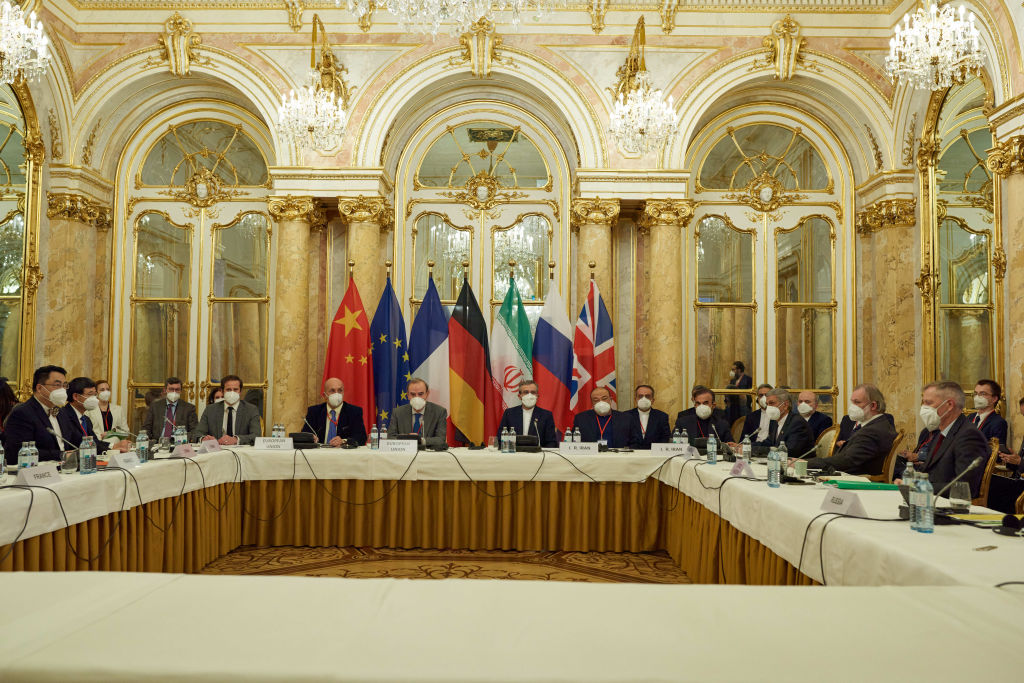
Ahead of the seventh round of the Iran nuclear negotiations that ended on Dec. 3 in Vienna, many observers interpreted Ebrahim Raisi’s election to the presidency and his recent rhetoric as representing a distinct shift in Iran’s nuclear strategy. Indeed, in November, Raisi’s government’s official newspaper Iran explained that Tehran’s strategy in Vienna has changed, and that it has embraced a new approach looking to compel the West to agree with Iran’s terms for a “good deal.” Yet there is more continuity than change in Iranian decision-making on the nuclear file than meets the eye, and Raisi’s election by itself has not represented a fundamental rearrangement.
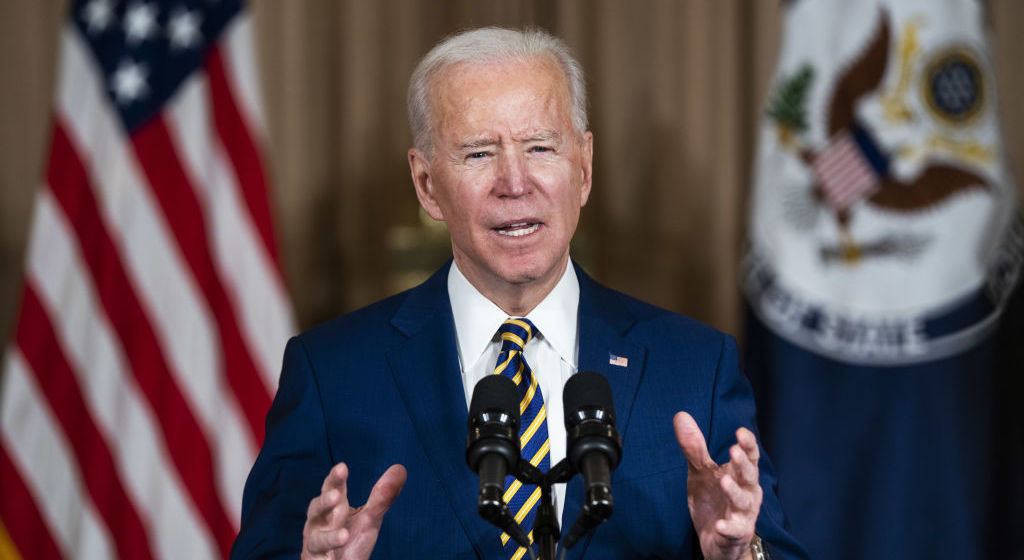
Iranians are disillusioned with Biden’s soft approach to the Islamic Republic
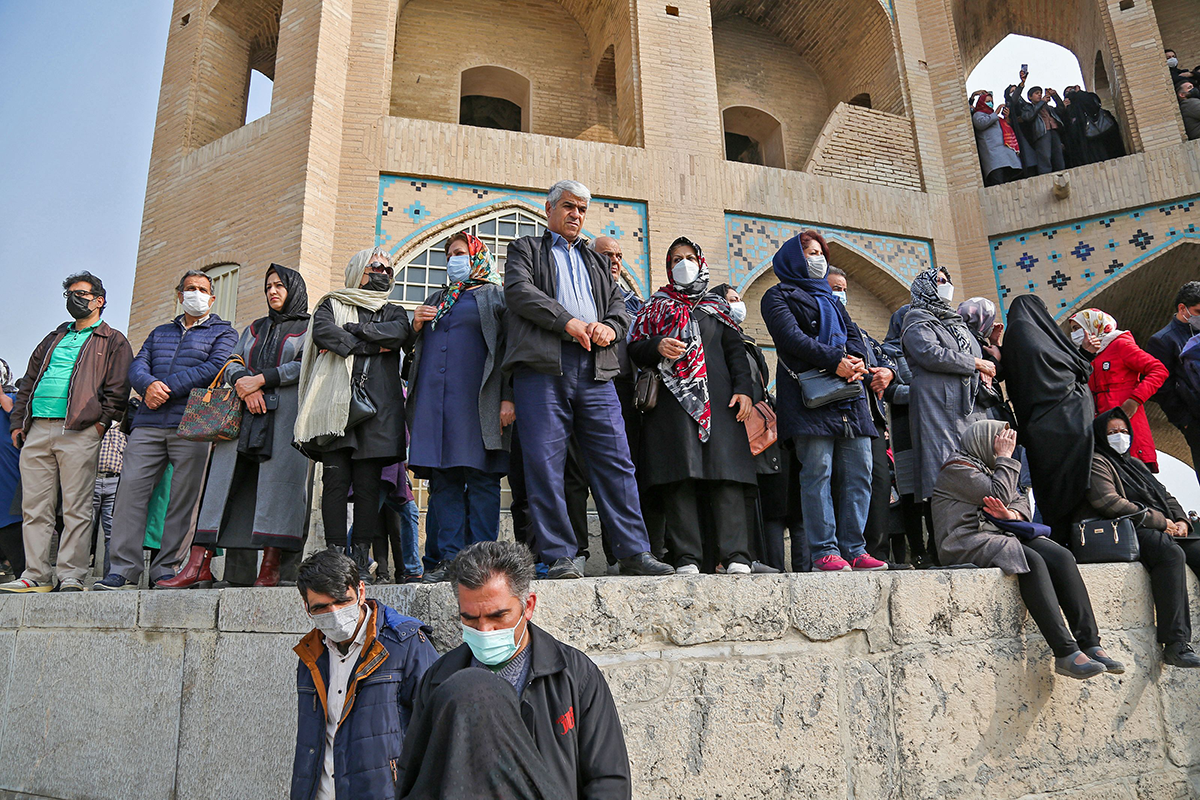
If the Biden administration makes concessions to appease the Islamic Republic of Iran as part of the recently resumed Vienna nuclear talks, it will be a historic mistake. The Islamic Republic is facing a deep legitimacy crisis of its own making, as a series of disastrous decisions have hardened the people’s views against the regime. These days, anyone who is seen to be throwing the Islamic Republic a lifeline will be wildly unpopular among Iranians.
منذ البداية، عرَّفت جمهورية إيران الإسلامية نفسها على أنها دولة دينية يتمتع فيها رجال الدين بمكانة مميزة. ومع ذلك، لم تتمكن السلطات قط من إخفاء مخاوفها المستمرة بشأن ما تعتبره فجوة متنامية بين أفكار العديد من رجال الدين الإيرانيين ووجهات نظر المرشد الأعلى لإيران.
Khamenei’s concerns over the future of the Iranian clergy (Part 1)
The Islamic Republic of Iran, from the very beginning, has defined itself as a religious state, in which the clergy enjoy a privileged status. Nevertheless, the authorities have never managed to hide their fears over what they see as a growing gap between the ideas of many Iranian clerics and the views of Iran’s supreme leader.
Plotting like a revolutionary: The need for growing like-minded humanistic networks of Iranians and Arabs
It is a mistake to view Iran’s regional aggression and hegemony as purely a result of violence and terrorism. Iran’s powerplay also has important media, political, economic, and cultural aspects.
Alex Vatanka and Michael Metrinko discuss the Iranian hostage crisis, how it has shaped US-Iran relations, and what that history tells us about the present and potential future of the Islamic Republic. Metrinko also recounts his experience as a political officer at the embassy in Iran in 1979 and being one of the 52 hostages.
Simmering frustration and a demand for change: Public service protests in the Kurdistan Region
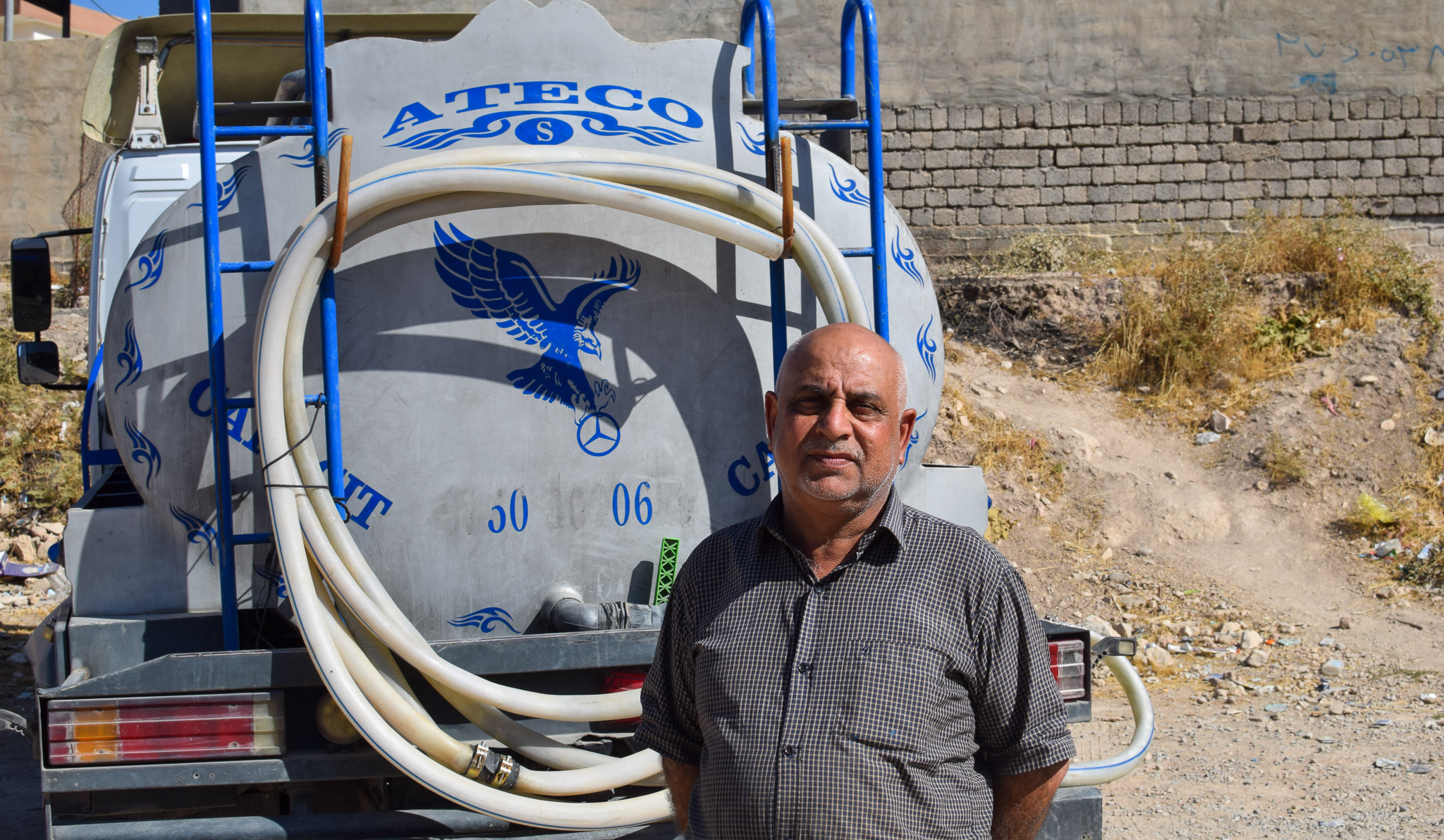
Despite its reputation for relative political stability and economic prosperity compared with its neighbors, the Kurdistan Region of Iraq (KRI) frequently experiences protests, driven by popular anger over the government’s unreliable provision of public services, especially water, electricity, and roads. These protests point to simmering dissatisfaction with governance in the KRI across broad swathes of the population. Although uncoordinated and localized at present, these protests have the potential to develop into a potent political force if they become better organized.