This text has been translated by AI and may contain errors.
Skip to Content

Research & Commentary Results

Filter by
2668 Results
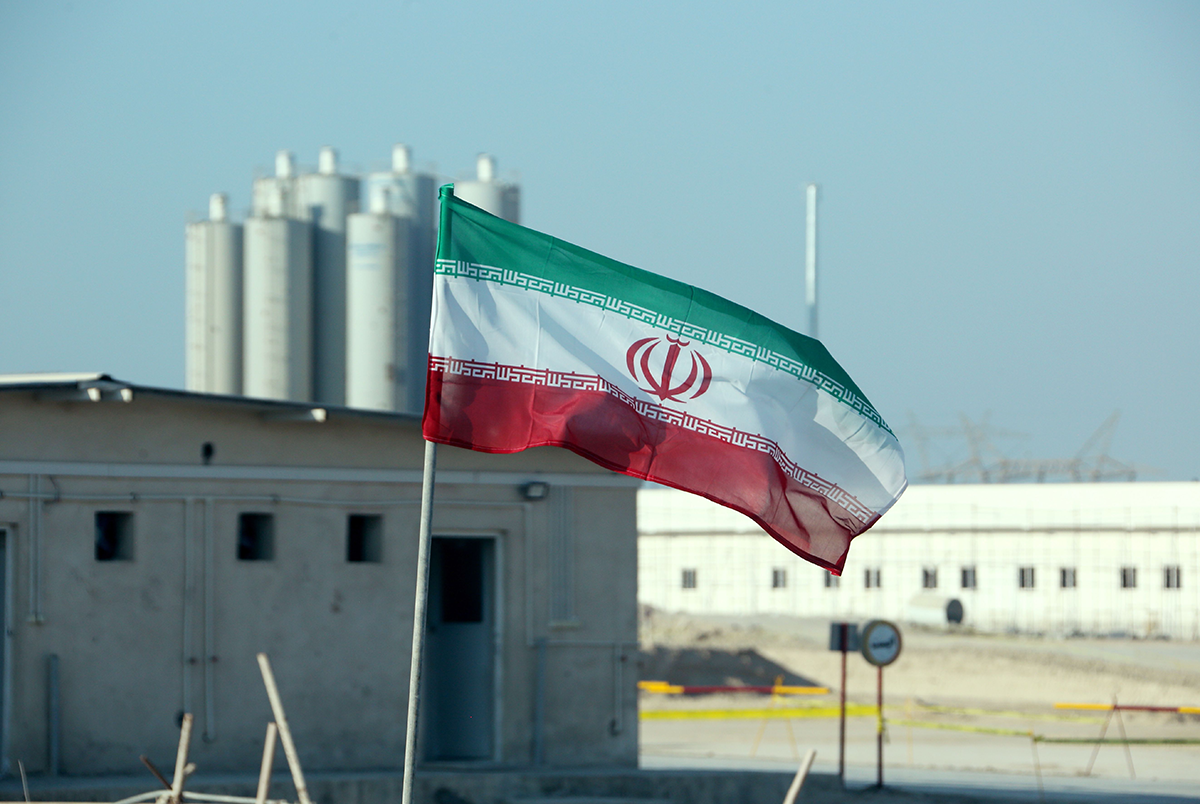
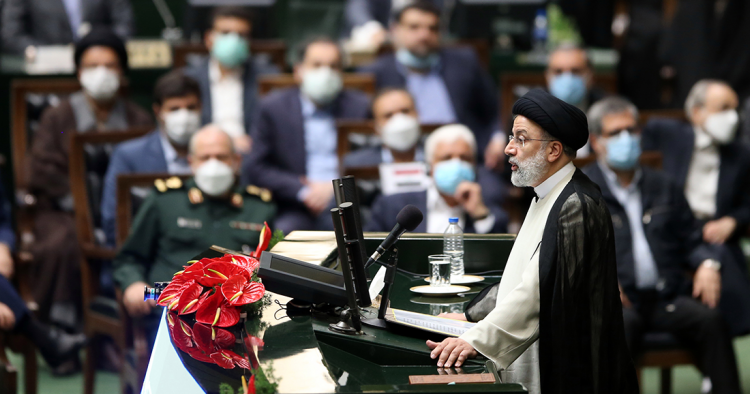
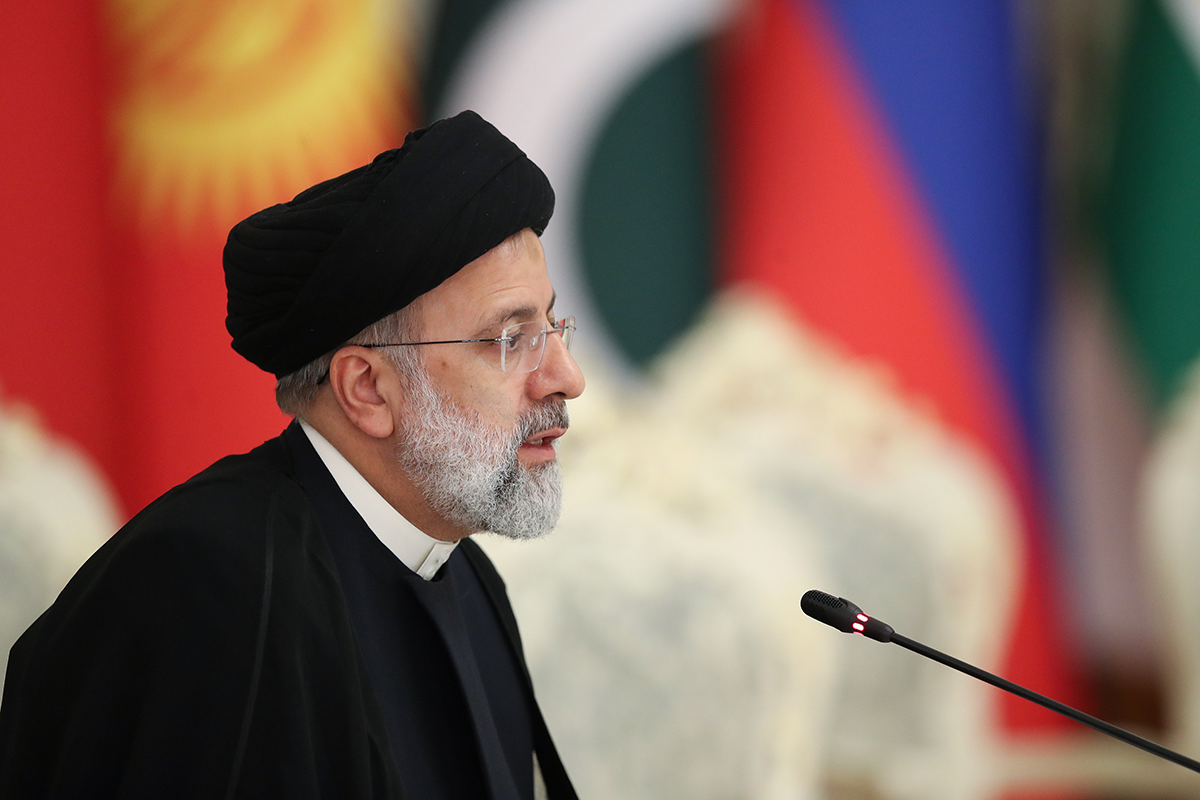
Iran’s President Raisi takes over a ruined country
Photo by Fatemeh Bahrami/Anadolu Agency via Getty Images
  • Analysis
  • Iran’s President Raisi takes over a ruined country

    On Aug. 25, Iran’s parliament voted on the cabinet of its new president, Ebrahim Raisi, approving 18 out of the 19 ministers put forward. Raisi’s government is full of revolutionaries likely to adopt a hardline approach to domestic and international affairs, leading to heightened geopolitical risk and potentially prolonging the country’s economic crisis.

    September 7, 2021

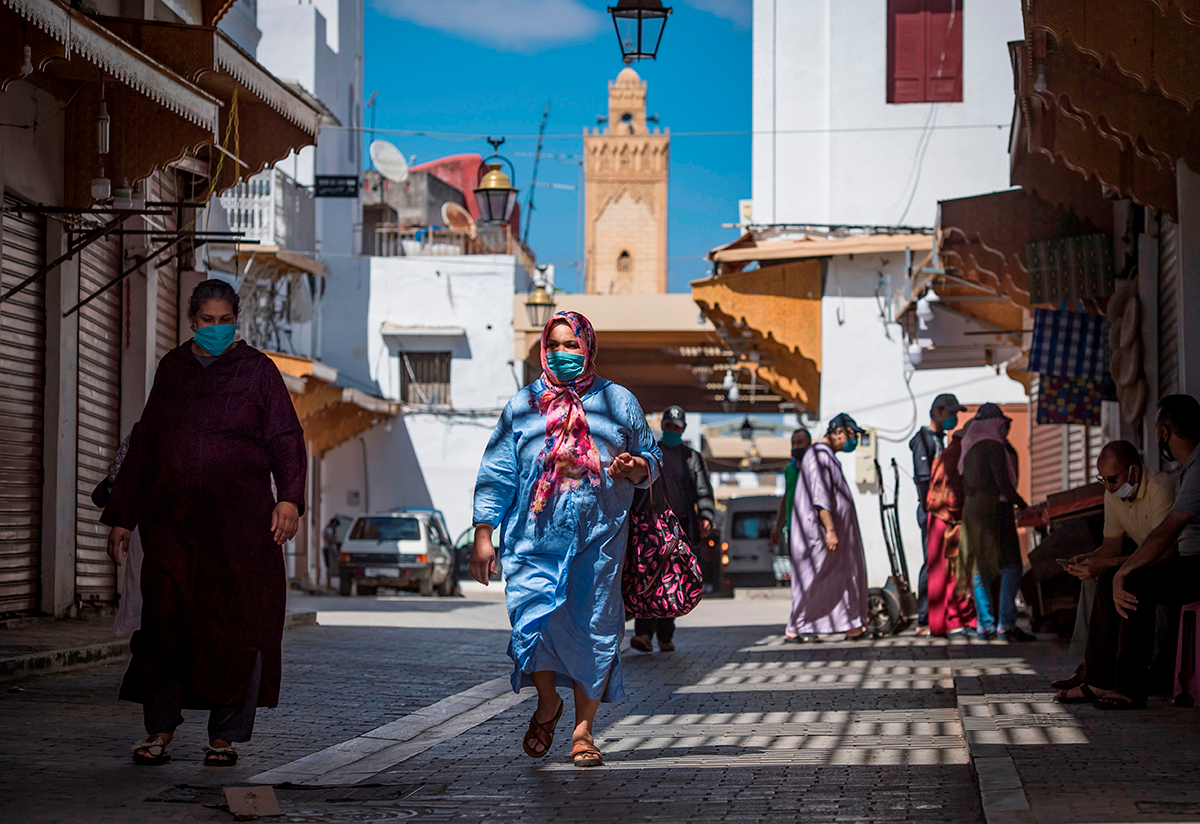
    Morocco's “first in North Africa” electric car production is a European manufacturing gain over China
    Photo by FADEL SENNA/AFP via Getty Images
  • Analysis
  • Morocco's “first in North Africa” electric car production is a European manufacturing gain over China

    In an automotive first for North Africa, German automaker Opel will soon begin producing electric cars in Morocco. Opel’s electric car manufacturing in Kénitra leapfrogs China’s plan to build electric cars in Egypt, giving Morocco’s automotive industry an important first-mover advantage. The move also represents a strategic gain for European automotive manufacturing over China. As a gateway to West Africa, Morocco provides Opel and its parent company Stellantis a nearby production base for the eventual cost-effective export of electric vehicles to rapidly expanding markets in Sub-Saharan Africa.

    Raisi and the Revolutionary Guards
  • Commentary
  • Raisi and the Revolutionary Guards

    Under President Ebrahim Raisi, the Islamic Revolutionary Guard Corps (IRGC) is poised to exert greater control over Iran’s national security agenda and economy. Several of his ministers and advisors were members of the IRGC or have connections to it.

    What’s driving the escalating tensions between Algeria and Morocco?
    Photo by RYAD KRAMDI/AFP via Getty Images
  • Analysis
  • What’s driving the escalating tensions between Algeria and Morocco?

    On Aug. 24 Algeria broke off its already minimal bilateral relations with Morocco, declaring this was due to the kingdom’s “hostile actions” and accusing it of involvement in the wildfires that struck the Kabylia region earlier that month. The heightened tension between the two countries brings into focus regional uncertainty and may spell the end of their limited collaboration in the energy sector.

    Sectarianism and ideology: The cases of Iran and Saudi Arabia
    Photo by Michael Gruber/Getty Images
  • Analysis
  • Sectarianism and ideology: The cases of Iran and Saudi Arabia

    Many analysts oversimplify the political conflict between Iran and Saudi Arabia as one driven by sectarianism or Shi’a-Sunni tensions that has shaped the two states’ outlook and actions in the Middle East. However, their political differences are actually much more complex and deeper rooted.

    August 27, 2021

    What prompted Iran to strike the Mercer Street?
    Photo by KARIM SAHIB/AFP via Getty Images
  • Analysis
  • What prompted Iran to strike the Mercer Street?

    The July 29 suicide drone attack on the Israeli oil tanker Mercer Street, which left two British and Romanian crewmembers dead in the Arabian Sea, was carried out by Iran and was intended to cause human casualties and physical damage, according to the investigative report from U.S. Central Command(CENTCOM). While Tehran denied any hand in the strike, the G7 directly blamed Iran and U.S. Secretary of State Antony Blinken promised a “collective response.”

    August 26, 2021

    Iranian women campaign to stop the rise in “honor killings”
  • Analysis
  • Iranian women campaign to stop the rise in “honor killings”

    Every year 400-500 women are killed brutally in Iran to protect men’s “honor.” The killers are usually close relatives — often the victim’s father, husband, or brother. According to a report published in The Lancet in October 2020, at least 8,000 such killings were reported in Iran between 2010 and 2014. “The number of honor killing victims is greater than reported as in some cases women were driven to suicide or the cause of the death was not reported as murder but as illness,” according to Dr. Rezvan Moghadam, founder of the Iranian organization Stop Honor Killings. Dr. Moghadam has documented more than 1,200 cases of honor killings in the country. According to research, which will soon be published as a book and made available to the public, these kinds of violent killings of women and girls have been increasing for the last 20 years in different cities and villages in Iran.

    August 26, 2021

    Saudi Arabia Returns
    Photo by Saudi Royal Council/Anadolu Agency via Getty Images.
  • Analysis
  • Saudi Arabia Returns

    At the dawn of the Biden era of American foreign policy, a more mature, realistic Saudi foreign policy is emerging to match the shifting signals from Washington. In some measure, the Saudis are readopting elements that traditionally characterized their policy preferences before the meteoric rise of Crown Prince Mohammed bin Salman (MbS), the kingdom’s de facto ruler.

    Consistency and change: Morocco under King Mohammed VI
    Photo by Carlos Alvarez/Getty Images
  • Analysis
  • Consistency and change: Morocco under King Mohammed VI

    In July, Morocco marked the 22nd year of King Mohammed VI’s rule and 10 years under the new constitution ushered in by a popular referendum in the aftermath of the 2011 protests. The past 22 years have transformed Morocco, the region, and the world in fundamental ways, yet the country’s politics have continually snapped back to a familiar equilibrium. During these past 22 years Morocco has gone through three distinct phases in managing these internal and external dynamics.

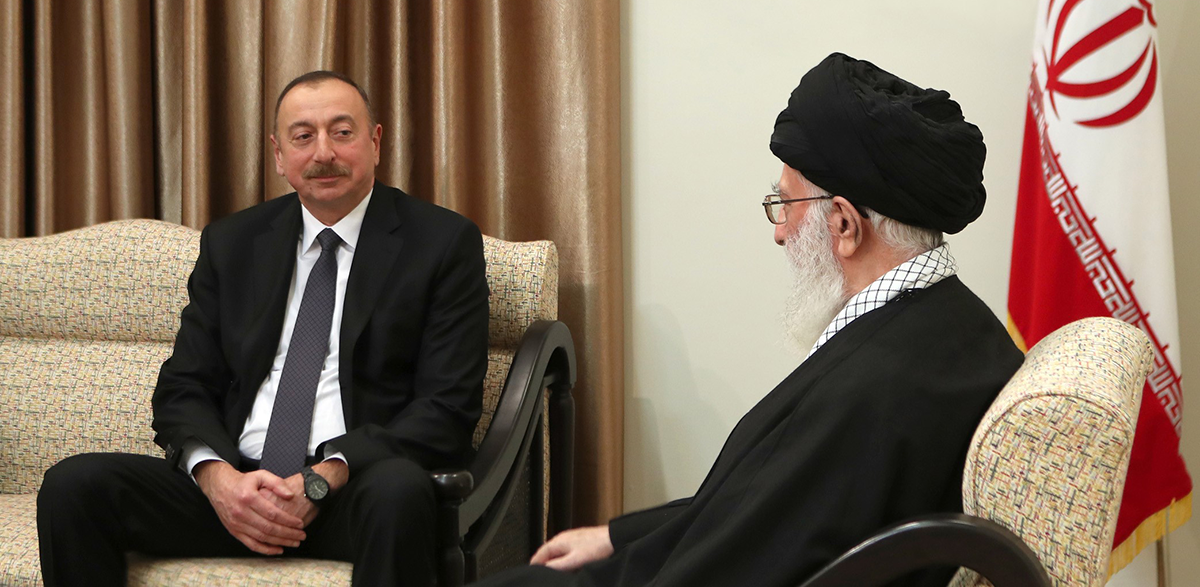
    Time to flip the script on Iran
    Photo by Iranian Presidency / Handout/Anadolu Agency via Getty Images
  • Analysis
  • Time to flip the script on Iran

    Since 1979 U.S. policies toward Iran have alternatively ranged from some version of “maximum pressure” to appeasement and back again while maintaining the same assumptions and calculus: the clerics would ultimately fall when the elite and middle class had enough and were willing to pay the price for revolting. Today, however, the landscape is evolving. While Iran’s leaders appear to be adapting, U.S. thinking is rooted in the past.

    August 23, 2021

    The Abraham Accords one year on
    Photo by Alex Wong/Getty Images
  • Analysis
  • The Abraham Accords one year on

    On Sept. 15, 2020, Emirati Foreign Minister Abdullah bin Zayed al-Nahyan, Bahraini Foreign Minister Abdullatif bin Rashid al-Zayani, then-Israeli Prime Minister Benjamin Netanyahu, and then-U.S. President Donald Trump met on the South Lawn of the White House to sign the Abraham Accords, normalizing relations between the two Gulf Arab states and Israel. Morocco followed suit several months later, signing a similar agreement with Israel on Dec. 22, and a week and a half after that, on Jan. 6, 2021, Sudan and Israel also agreed to normalize relations. A year on, these accords have had a significant, if not yet fully realized, impact on the Middle East, affecting everything from geopolitics and economics to tourism and people-to-people (P2P) ties, and they also reflect the changing dynamics in the region and beyond, particularly with the U.S. and China.

    August 19, 2021

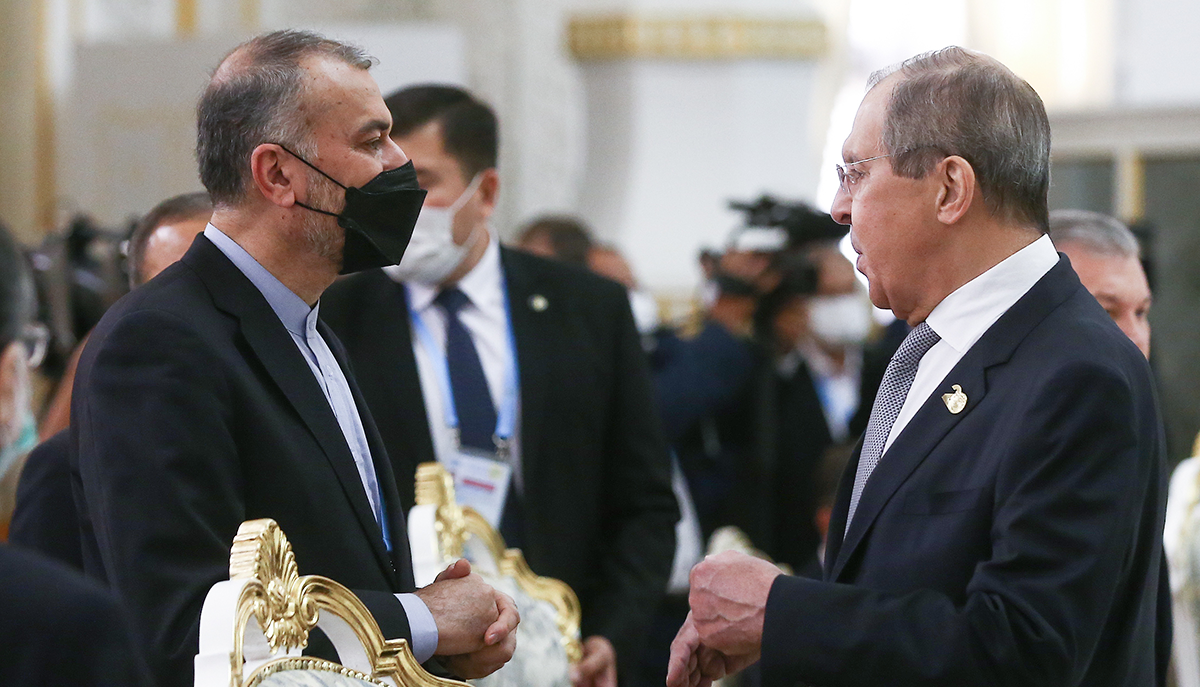
    Hossein Amirabdollahian: A Quds Force favorite becomes Iran’s new foreign minister (Part 2)
    Photo by AFP via Getty Images
  • Analysis
  • Hossein Amirabdollahian: A Quds Force favorite becomes Iran’s new foreign minister (Part 2)

    Due to his divergent views on Iran’s international and regional policies, Hossein Amirabdollahian had various disagreements with then-Foreign Minister Mohammad Javad Zarif while serving as deputy foreign minister beginning in 2011, and these ultimately led to his removal from the post in June 2016. The official reason announced for the change was Amirabdollahian’s appointment as Iran’s new ambassador to Oman, although he refused to accept the position.

    August 18, 2021