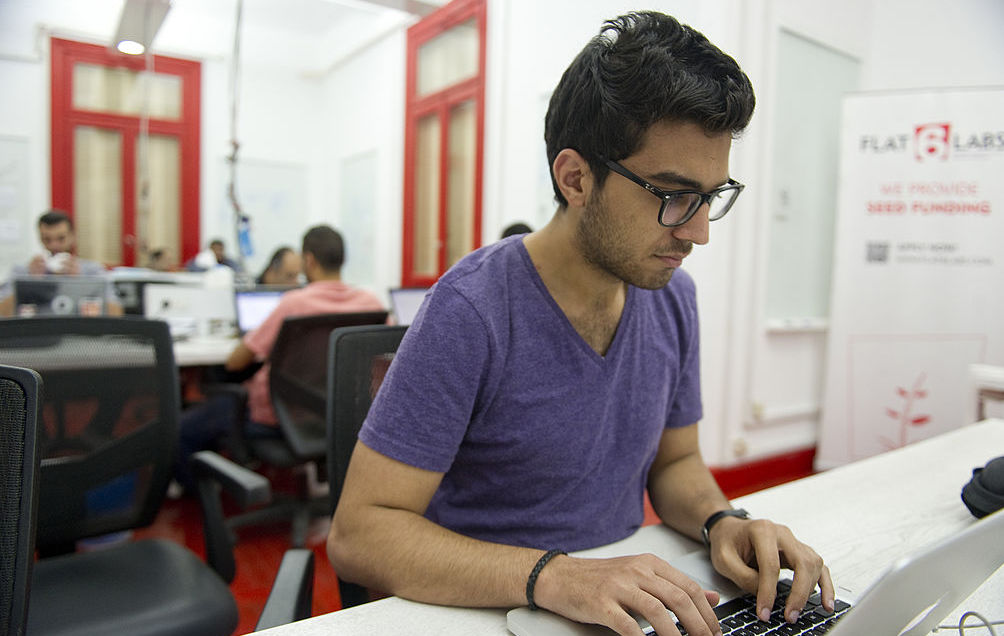
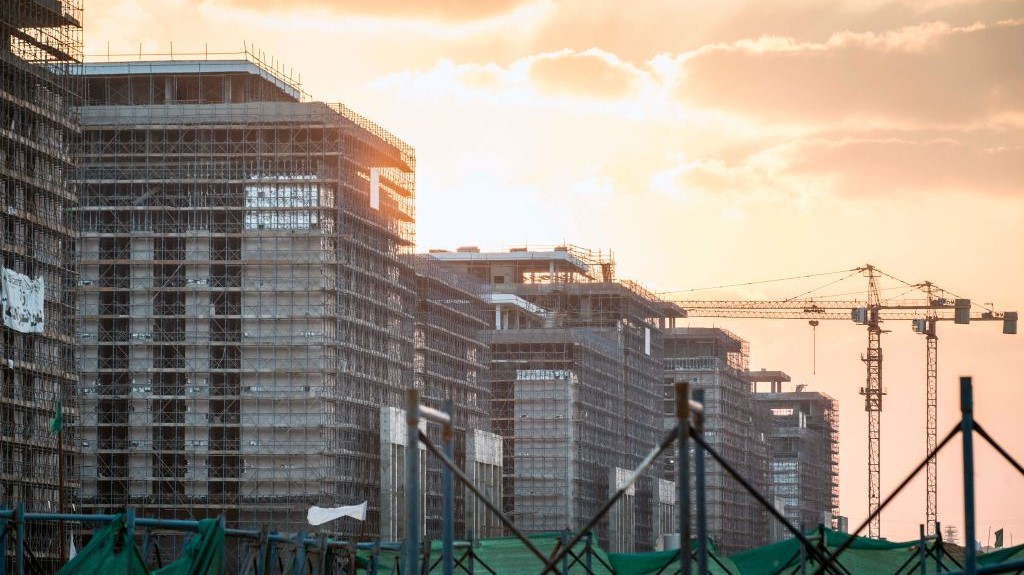
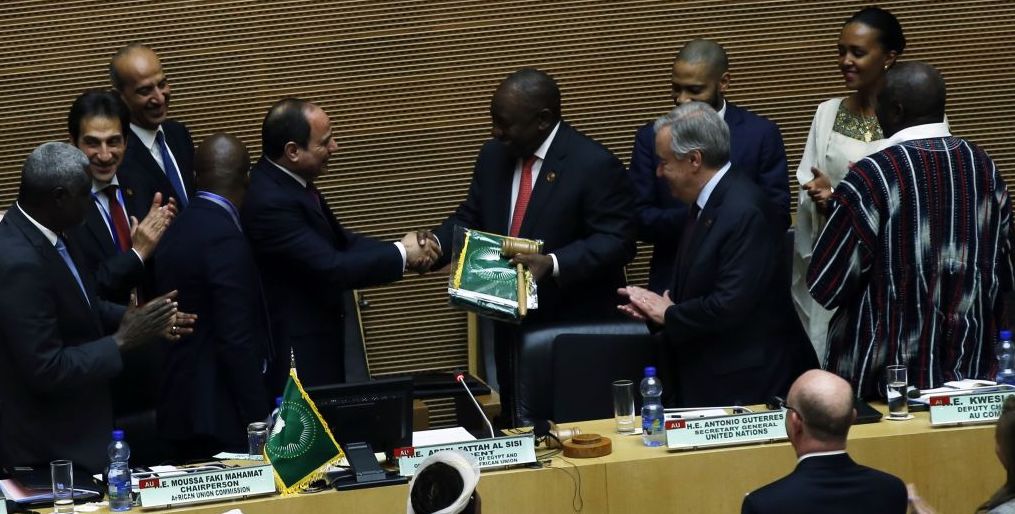
There has been a largely overlooked yet significant trend in entrepreneurship in Egypt, the Arab world’s most populous country. Much of this has been concentrated in the country’s two main economic centers, Cairo and Alexandria, but there are also signs of a broader and more inclusive trend. Despite this boom, few start-ups seem to have left much of a mark beyond the early development stages. A lack of access to finance has long been recognized as a key obstacle, yet the approaches taken by the government and international development lenders have proven largely ineffective. If this, along with other obstacles, can be addressed, the country’s nascent start-up scene could become a catalyst for economic development.
Understanding EU-MENA relations: Current and changing dynamics
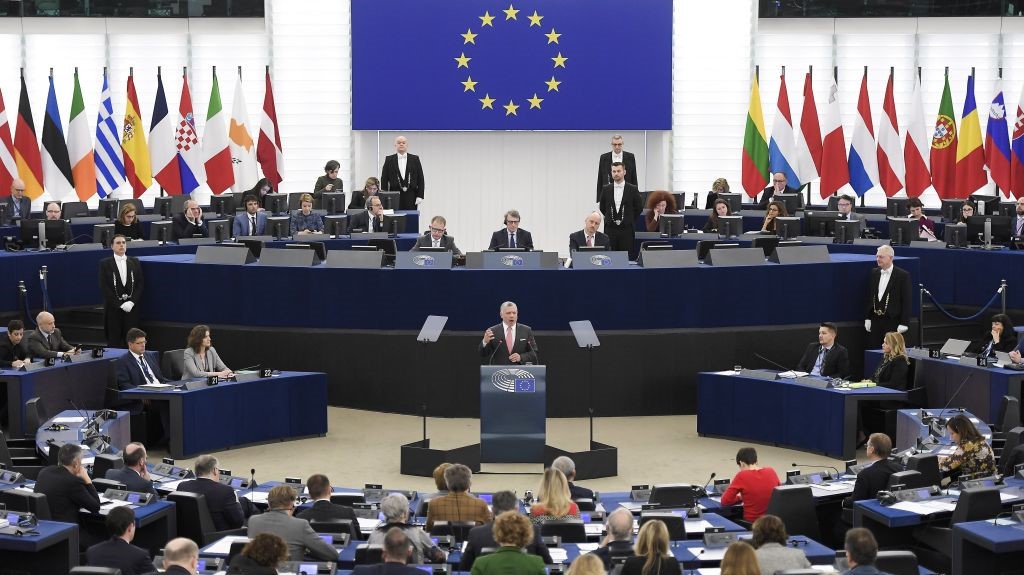
This year could mark a turning point in the European Union’s relations with the countries of the MENA region. If the EU is to realize the objectives laid out in its 2016 global foreign and security policy strategy and become a major world power, it has to be more proactive and creative, especially in the Middle East.
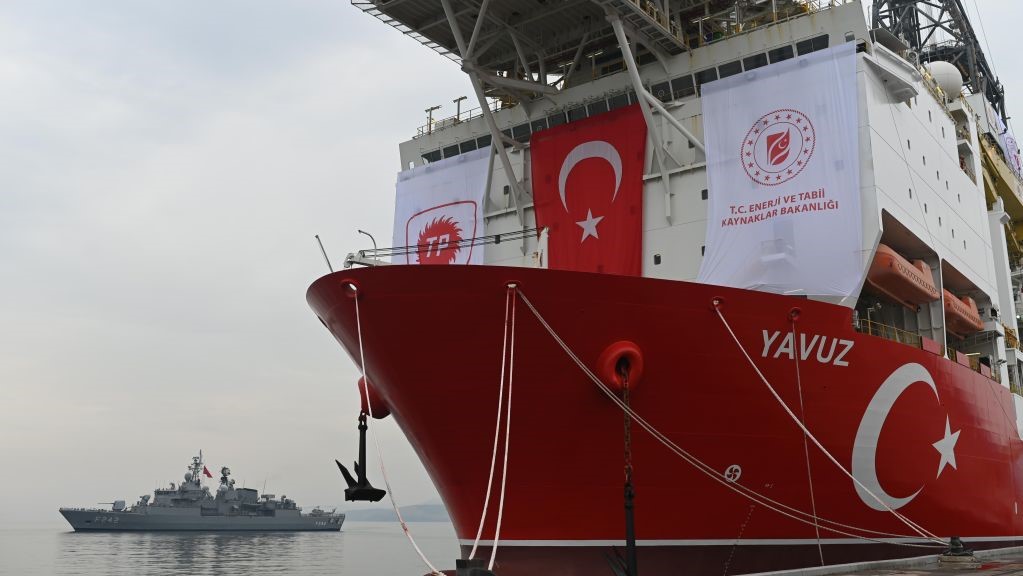
The eastern Mediterranean has become an increasingly important focus for Turkey’s foreign and security policy, but the interlocking of new issues like energy politics and sovereignty rights with old problems like Cyprus has created significant challenges for Ankara.
Turkey faces potential Russian blowback on Syria — and tomatoes are only the beginning
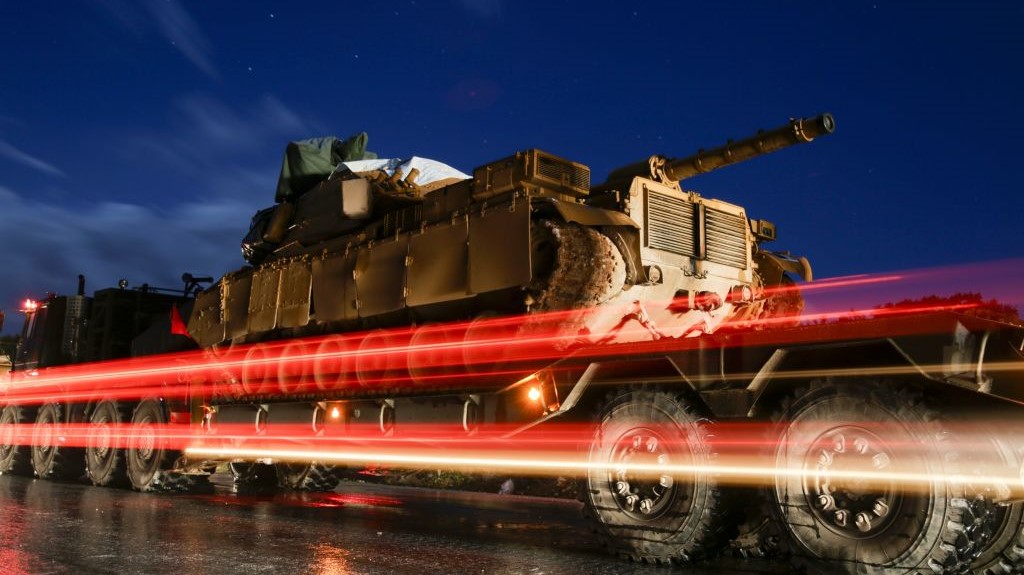
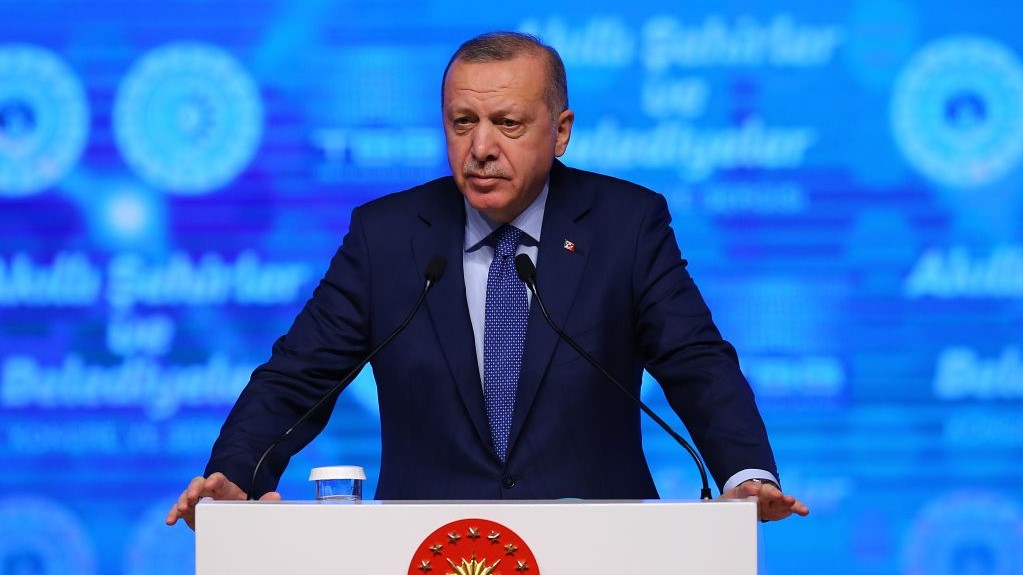
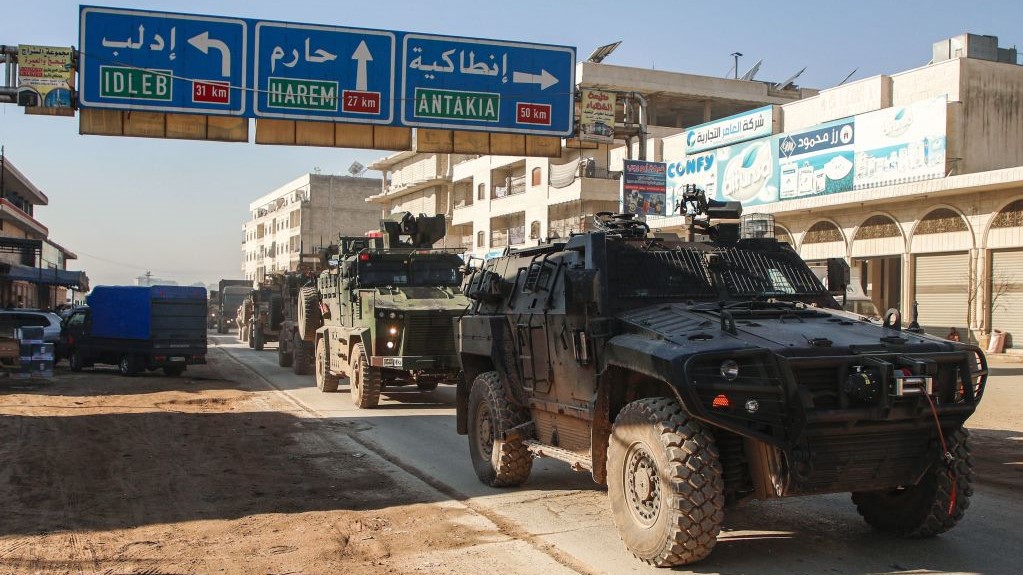
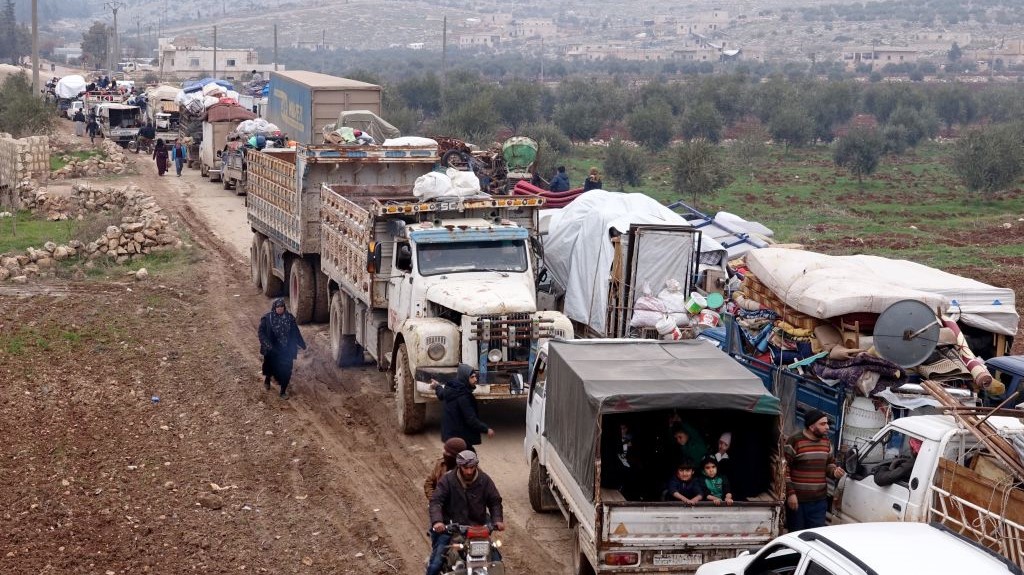
Turkish President Recep Tayyip Erdogan finds himself in a tough spot with Russia as tensions in Syria have escalated dramatically. In a rare direct military confrontation between Turkish and Syrian regime forces, 14 Turkish soldiers and over 100 regime troops were killed in two separate clashes in Idlib over the past 10 days.
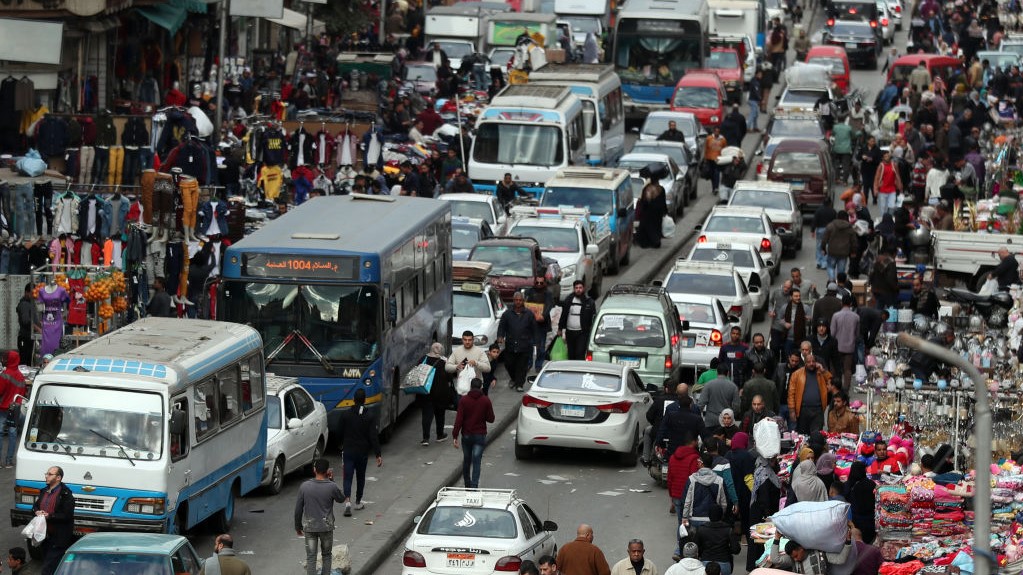
The green movement has been slow to catch on in Egypt, but the January announcement by the Egyptian government that it is finalizing plans to launch the country’s first green bonds could provide the financial incentives to further promote sustainable development. “Sustainability” is one of the fastest growing sectors globally, estimated to reach as much as $12 trillion annually by 2030.
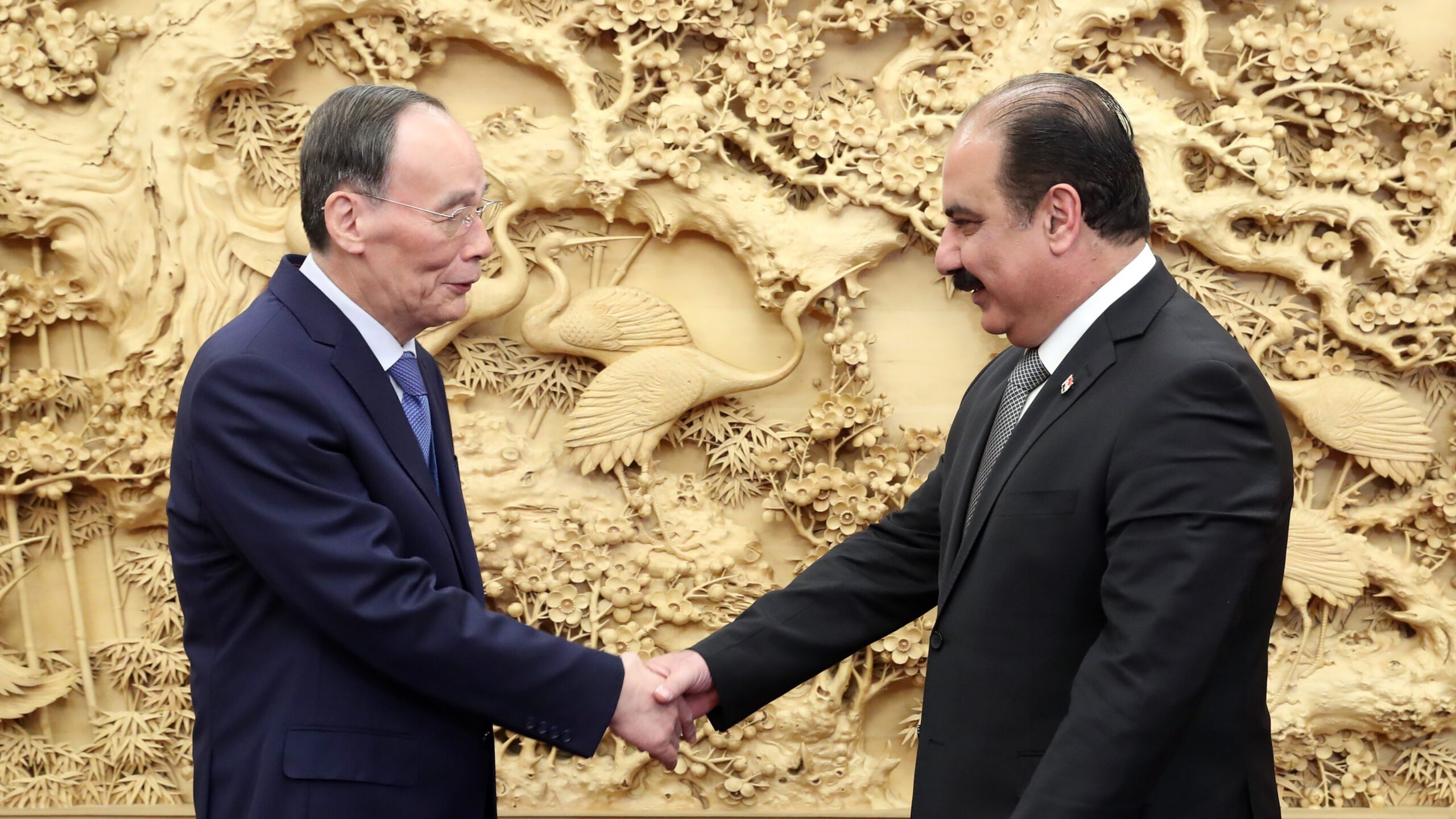
Since the beginning of the Syrian civil war in 2011, many analysts have examined the role played by a handful of key outside actors, such as Russia, Iran, Turkey, and the member states of the Gulf Cooperation Council (GCC). Yet China has received comparatively little attention in most discussions about the Syrian crisis. A deeper look at Sino-Syrian relations and Beijing’s policies vis-à-vis Syria is long overdue as this bilateral relationship is set to become increasingly important to both China’s ambitious foreign policy as well as the Syrian government’s vision for reconstruction and redevelopment.
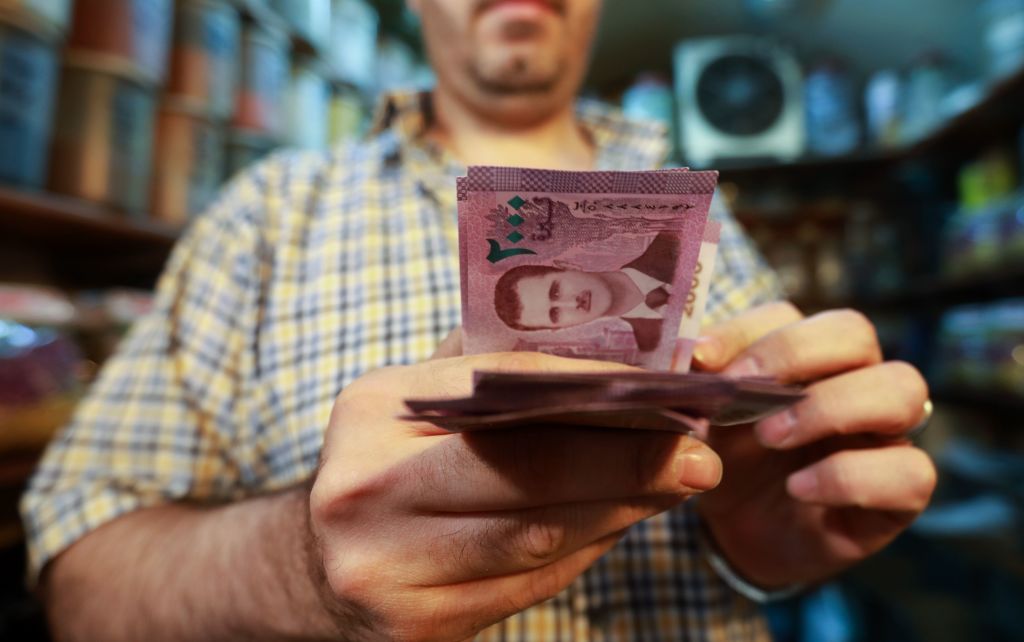
Damascus battles economic collapse as the Syrian pound plummets
Faced with the threat of further sanctions, a volatile situation in neighboring Lebanon, and a brutally tough winter, the only thing currently rising from the embers of war-torn Syria is the value of the dollar against the struggling Syrian pound. This marks the beginning of a dangerous new phase in the Syrian conflict as the government, fresh from its eight-year-long war for survival, tries to fend off an economic collapse from within.
In Syria, we’re getting counter-terrorism all wrong
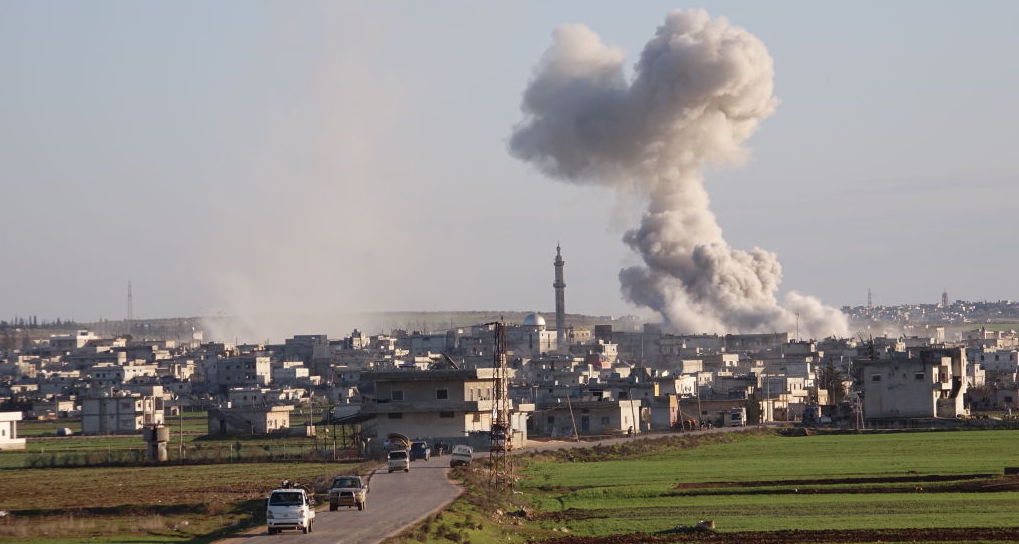
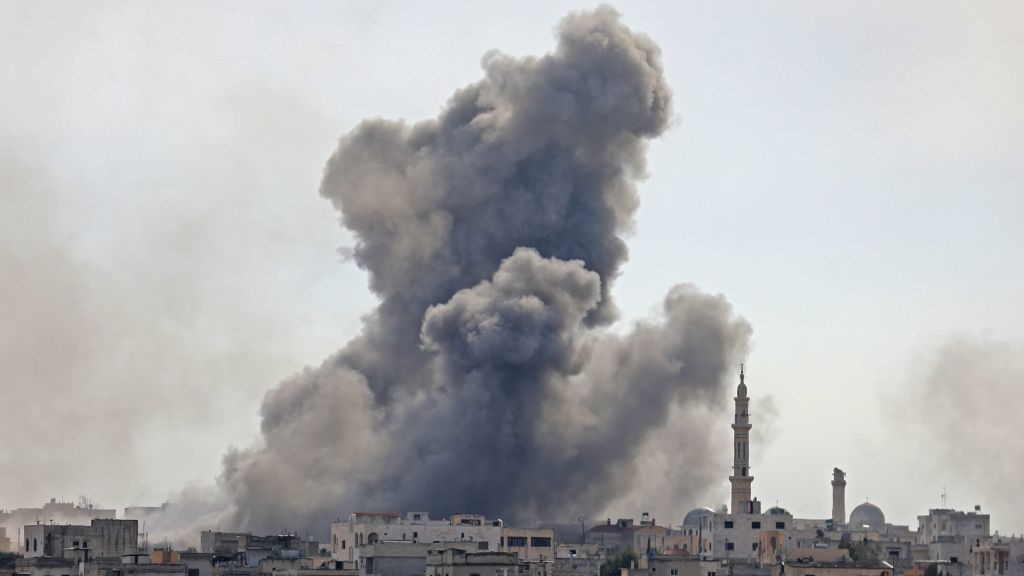
While proclamations of ISIS’s defeat were certainly premature, international policy and attention on countering terrorism in Syria has since declined — as if to suggest that the job is done. In fact, as 2020 sets in, the world seems to be getting counter-terrorism all wrong in Syria, in three interlinked ways.
By any objective standard, the Lebanese protest movement has failed. This is not necessarily an indictment against it. Rather, it’s a reality one cannot and should not ignore. The responsible thing to do now is to try to understand why it has fallen flat, despite more than 100 days of demonstrations in various regions of the country including the capital, Beirut.
First, a word of solace. In the annals of history, the Lebanese are in good company as most uprisings and revolutions failed to attain their goals. And even when they did, success either didn’t last long or was completely reversed due to counterrevolutions and other spoilers, both foreign and domestic.