Pakistan-Afghan Taliban relations face mounting challenges
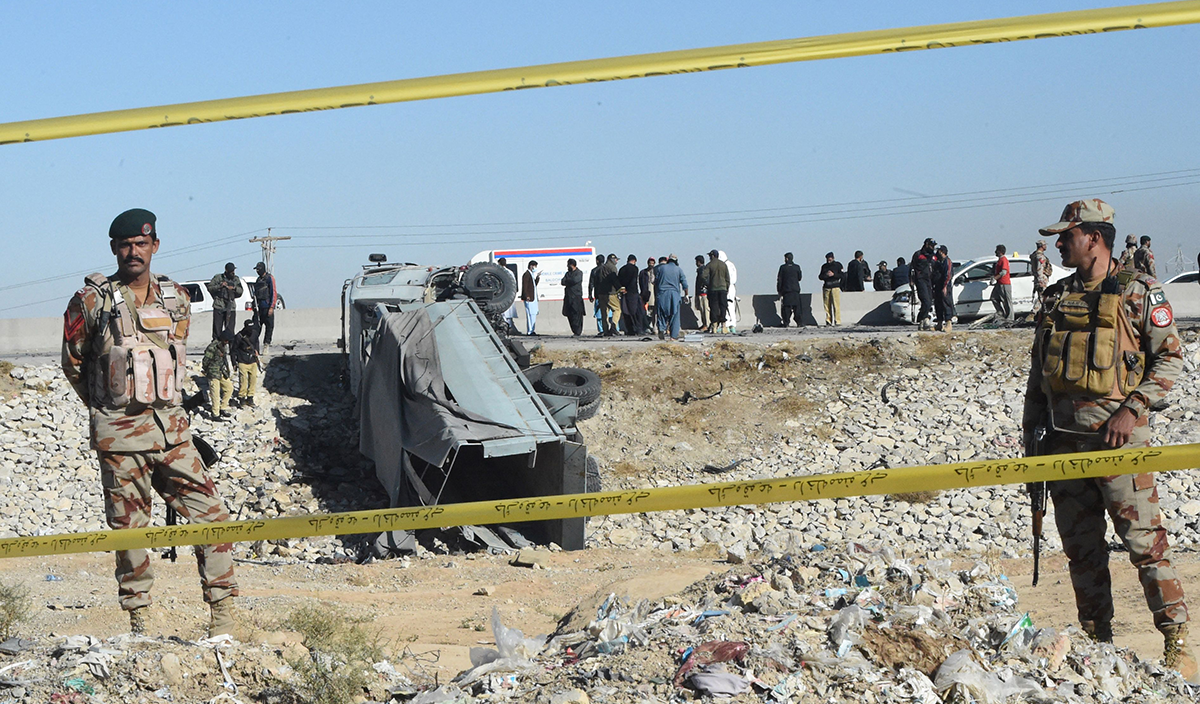
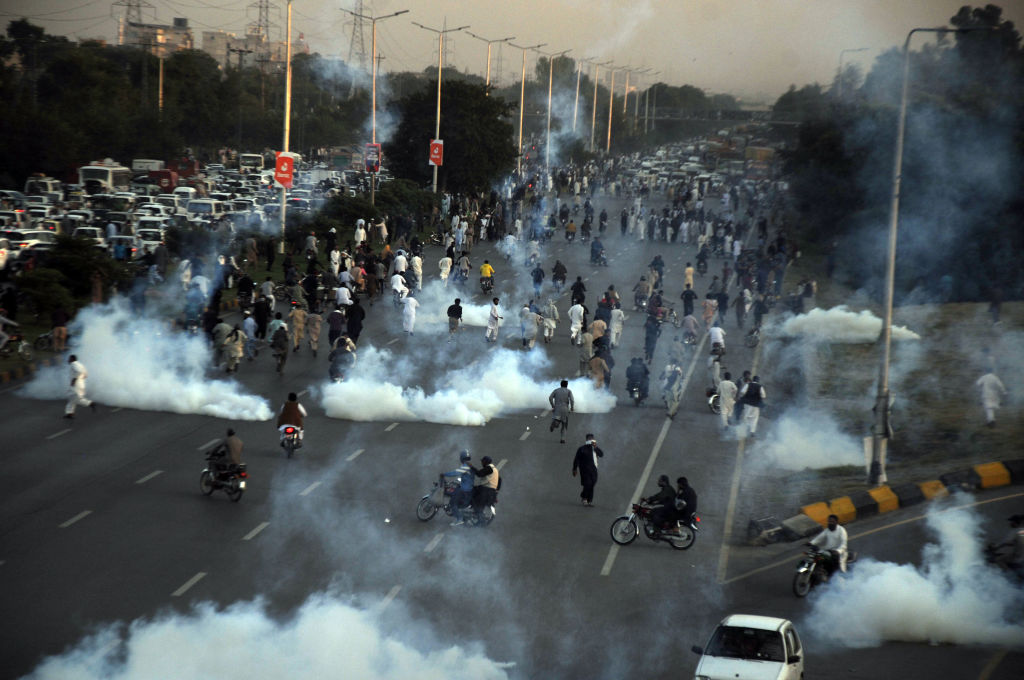
Tensions between Islamabad and Kabul continue to rise. While Pakistan has made efforts to smooth over the growing rift, reopening a key border crossing closed following cross-border gunfire that killed a Pakistani security guard and sending its minister of state for foreign affairs on an official visit to the Afghan capital, there are clear signs that Pakistan’s leverage with the Afghan Taliban seems to be slipping fast.
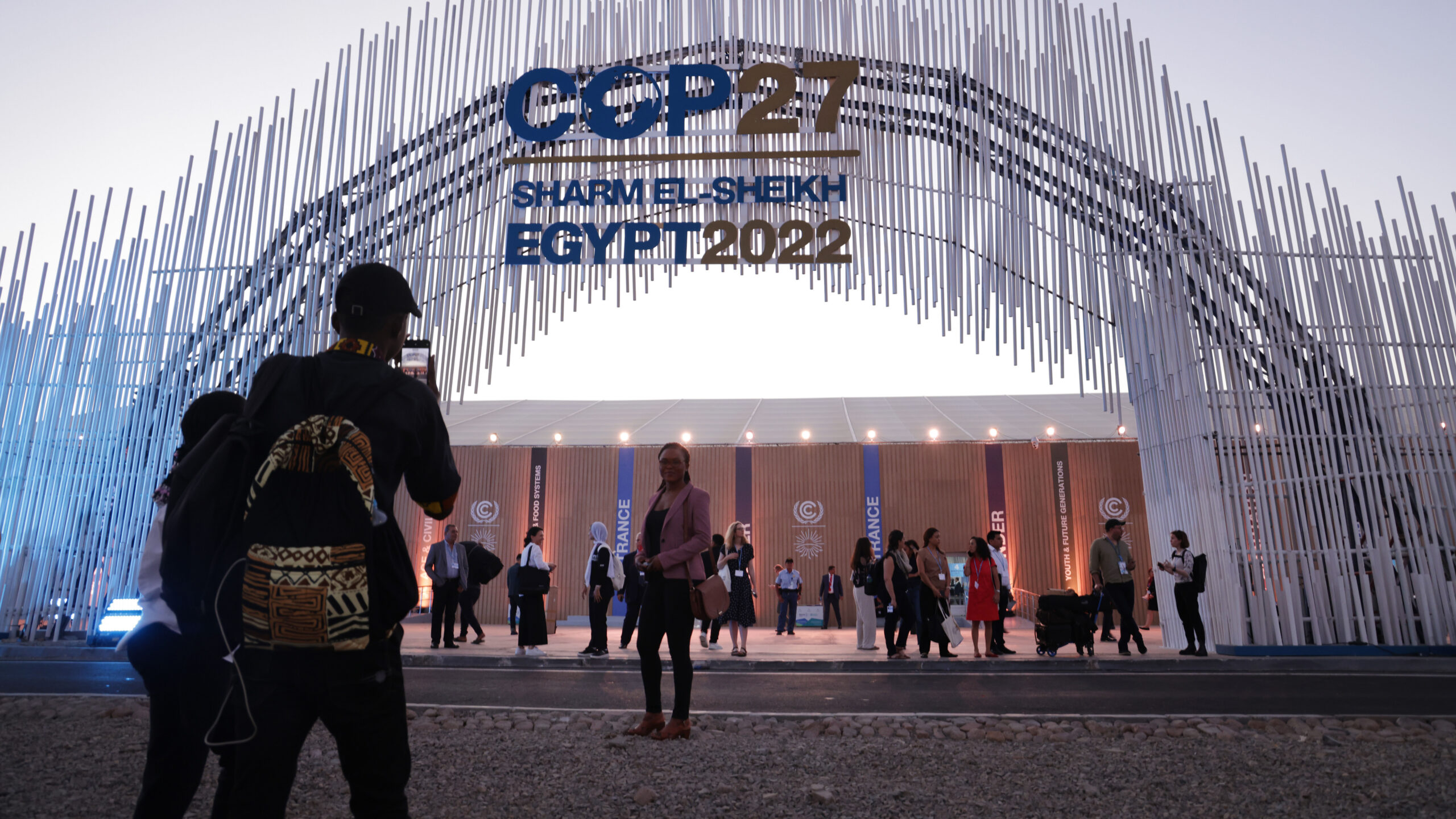
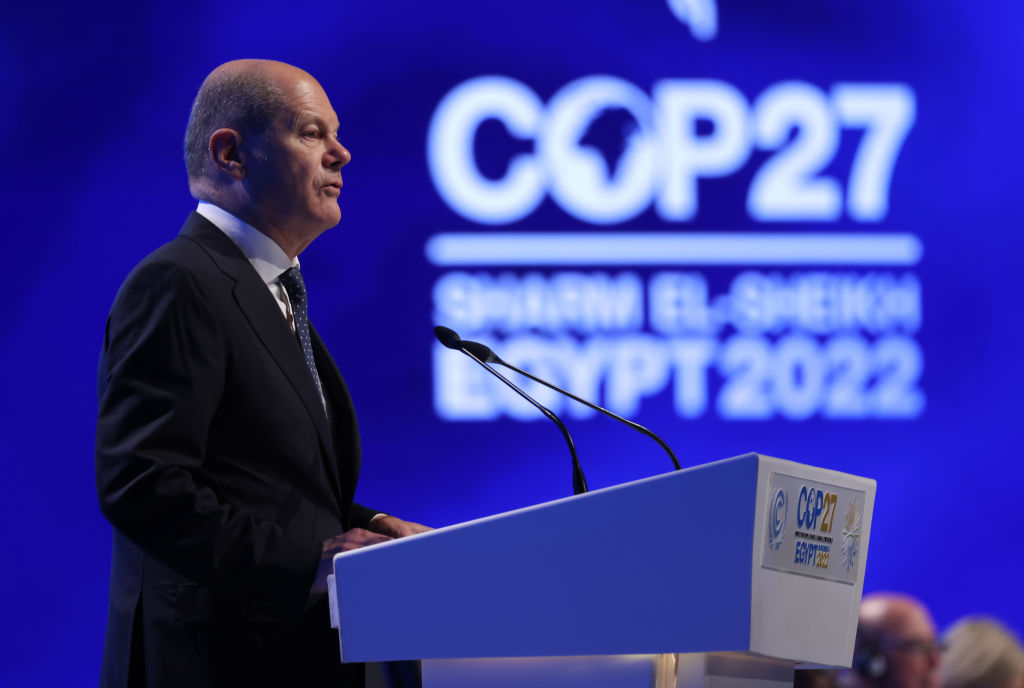
Dispatches from Sharm el-Sheikh: Reviewing COP27 from the MENA perspective
Participating in COP27 provided a unique opportunity to view the proceedings firsthand and evaluate the effectiveness of the meeting in advancing critical climate priorities that can alter the alarming trajectory of future climate change.
Iranians need more than condemnation in Geneva; they want recognition of their right to democracy
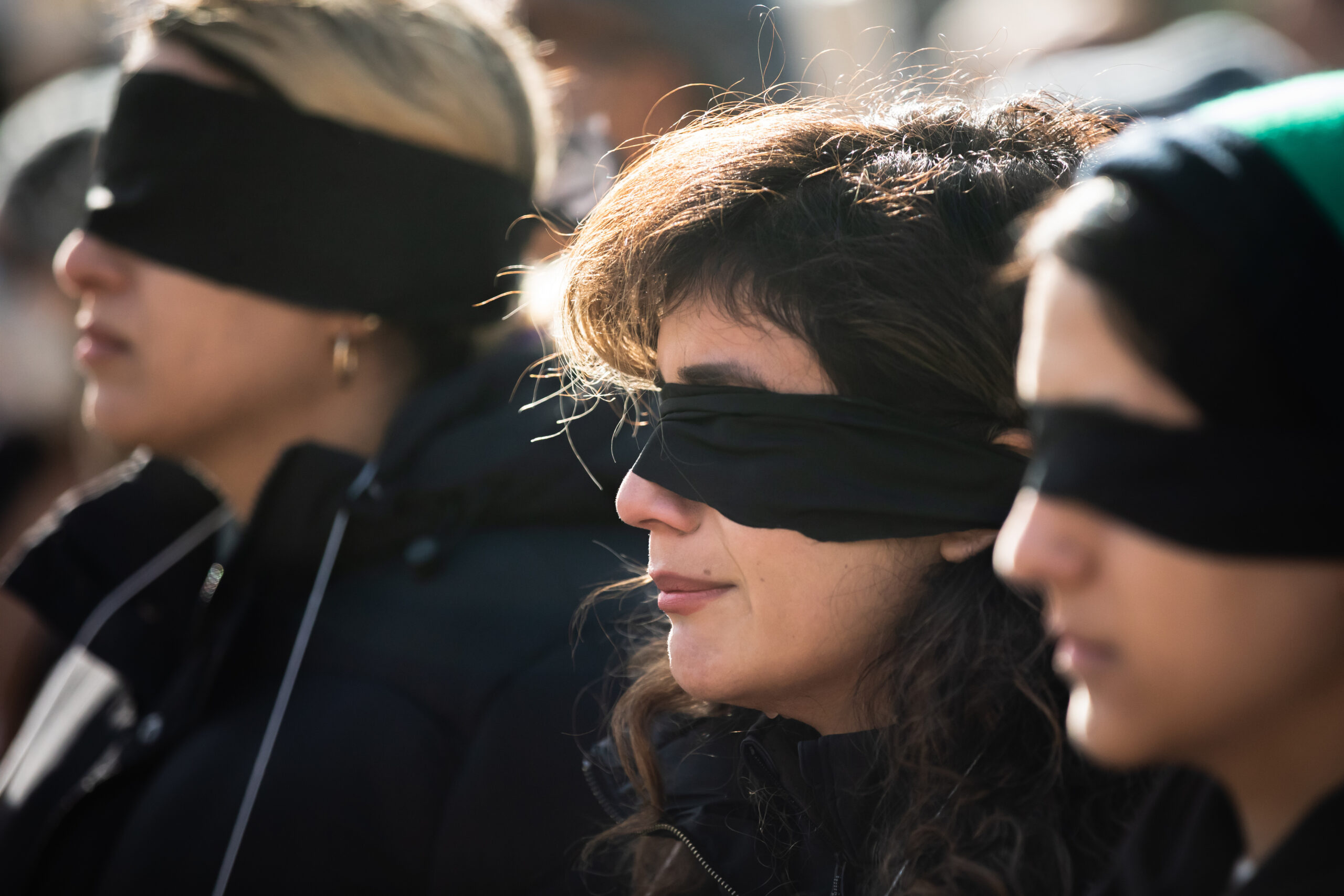
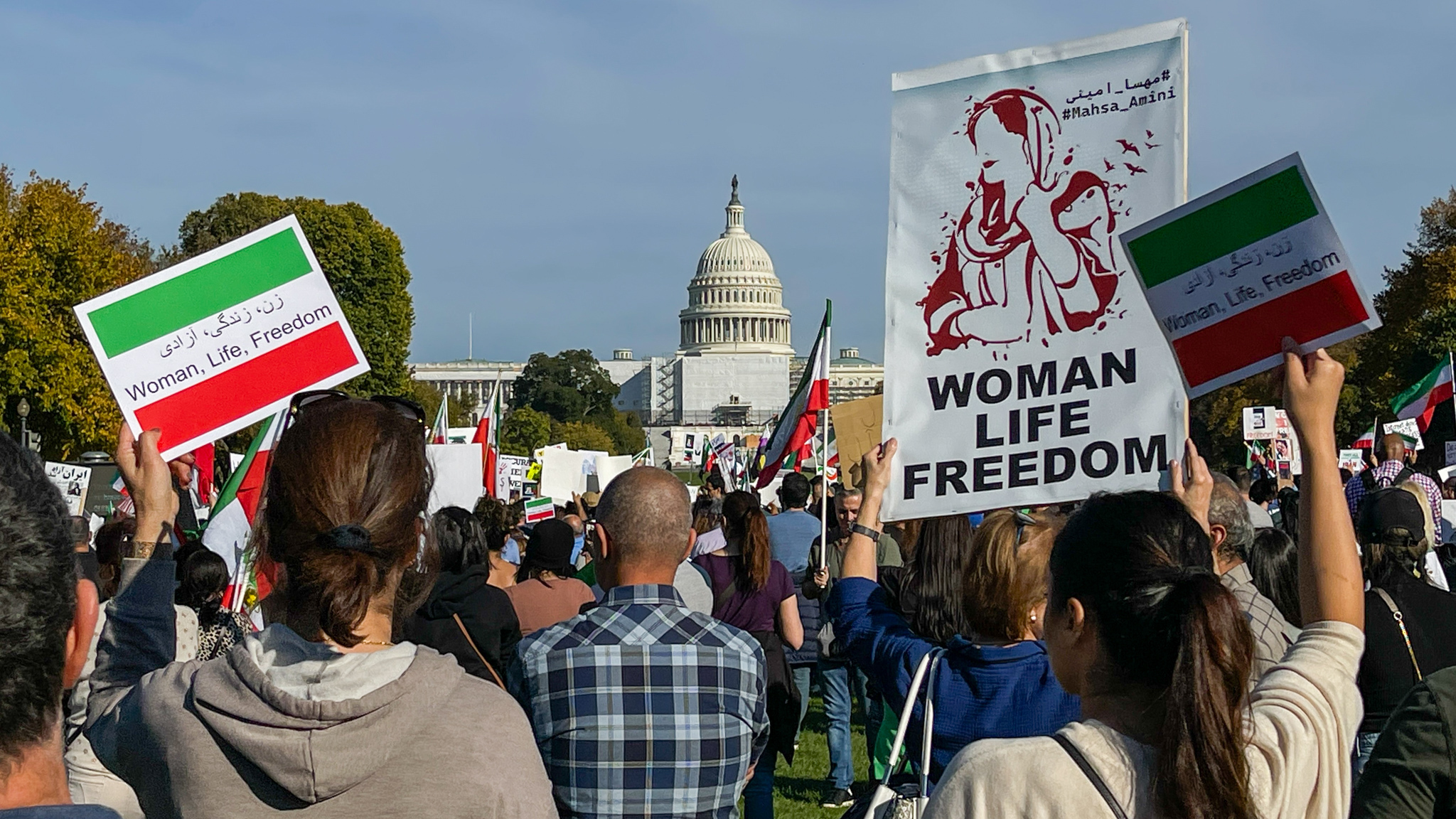
As the U.N. Human Rights Council convenes in Geneva this week, it may be tempting to just focus on the rights of women and girls and make demands of the regime that Tehran will inevitably ignore. But instead, the HRC members should focus on how the international community can give the protesters a much-needed psychological and political boost.
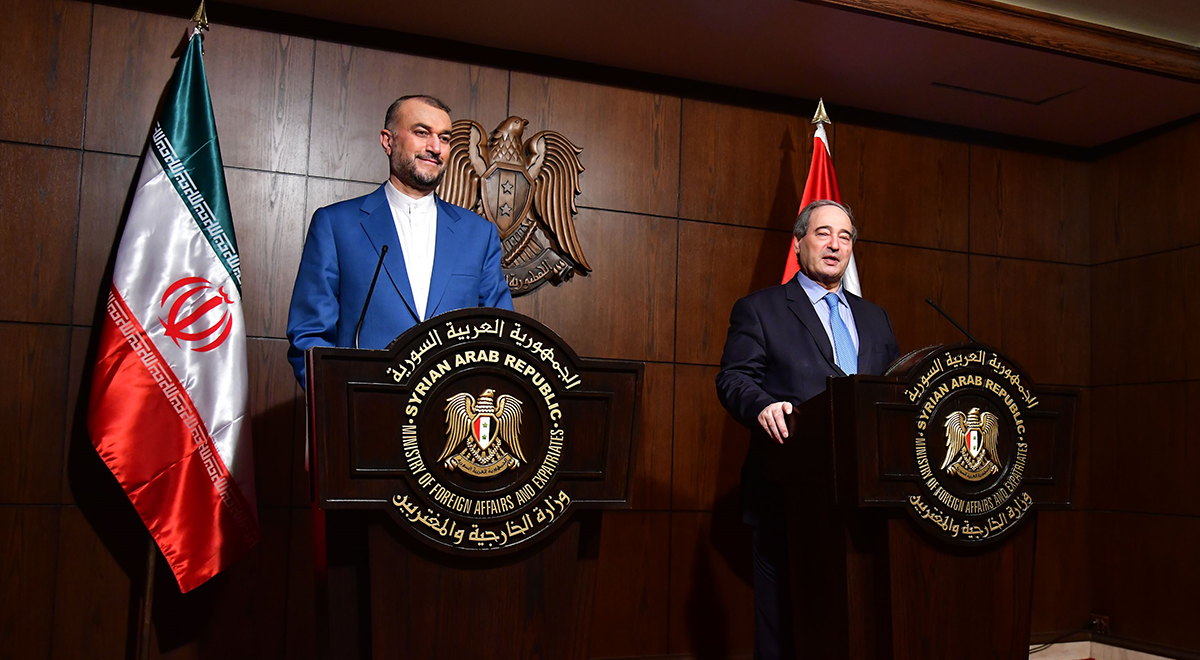
Syria’s Failings Should Guide Misdirected Iran Policy
If the West is committed to not repeat the mistakes of the past, it can forge a third way that honors the protestors and rejects the tyrants in Tehran.
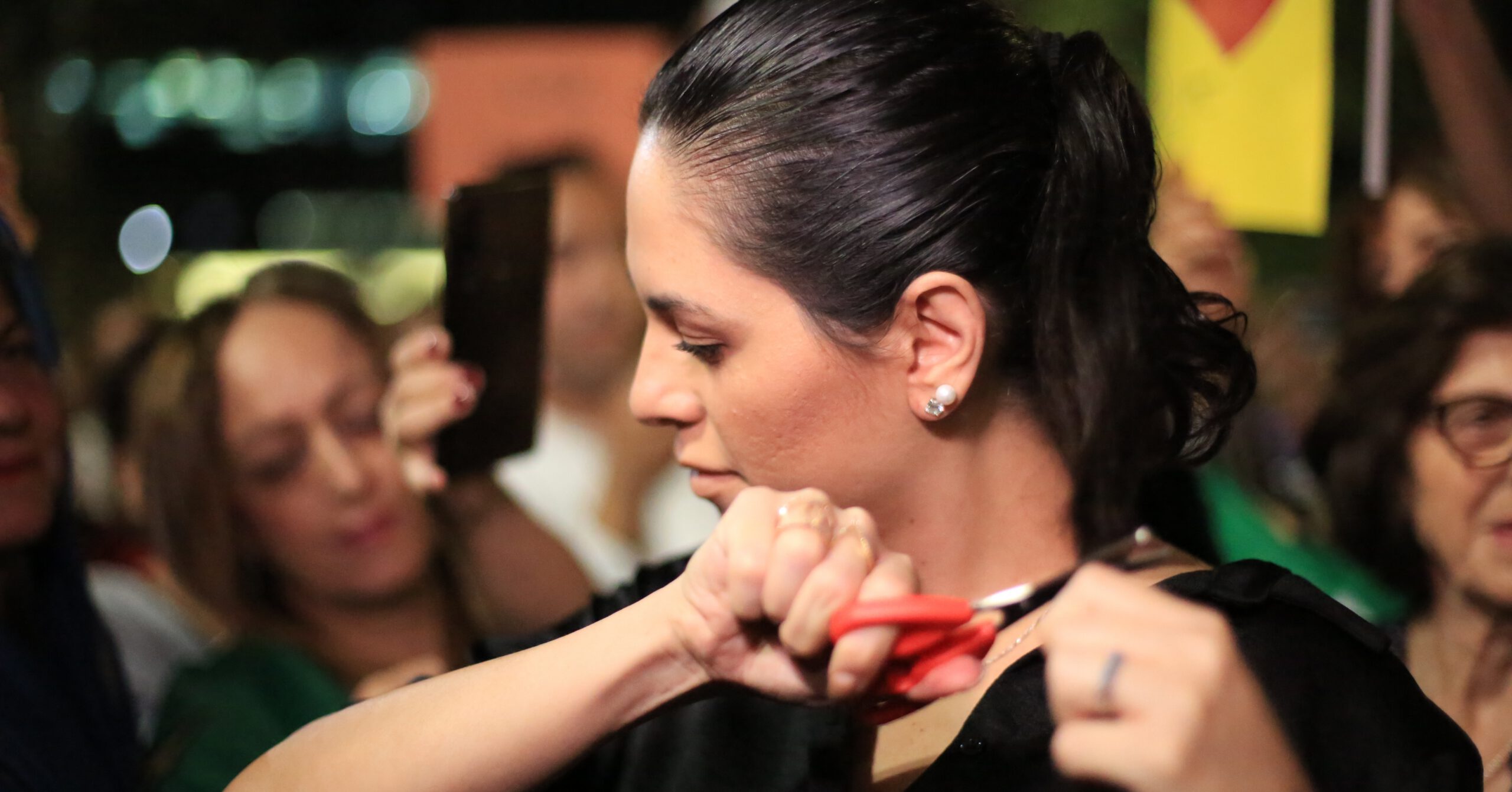
Tehran lashes out at Israelis’ support for Iranian protest movement
The Iranian regime is pointing the finger at Israel and the U.S. for allegedly orchestrating the nationwide protests. But while the U.S. and Israel both might have an interest in shaping and aiding the protest movement once it began, this large-scale mobilization of the Iranian public is a result of the regime’s own policies.
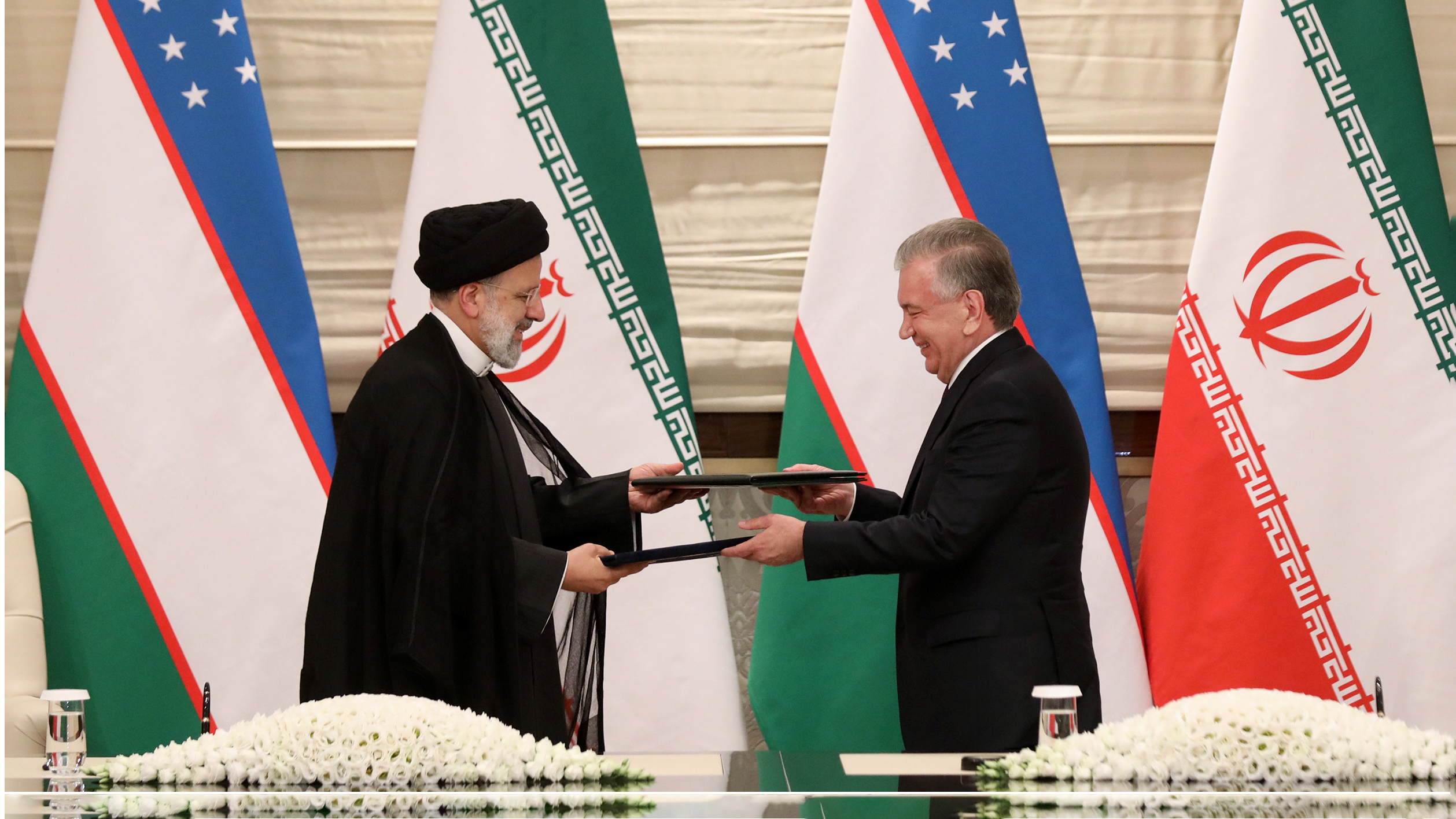
The SCO Summit in Samarkand: Reviving Iran and Uzbekistan relations on an oil and transit axis
The 22nd Shanghai Cooperation Organization (SCO) summit in the Uzbekistani city of Samarkand this past September turned out to be a boon for Iran’s regional policy. Not only was the Islamic Republic extended a roadmap to join the grouping, but the meeting also offered a convenient opportunity to revive and strengthen ties with Uzbekistan.
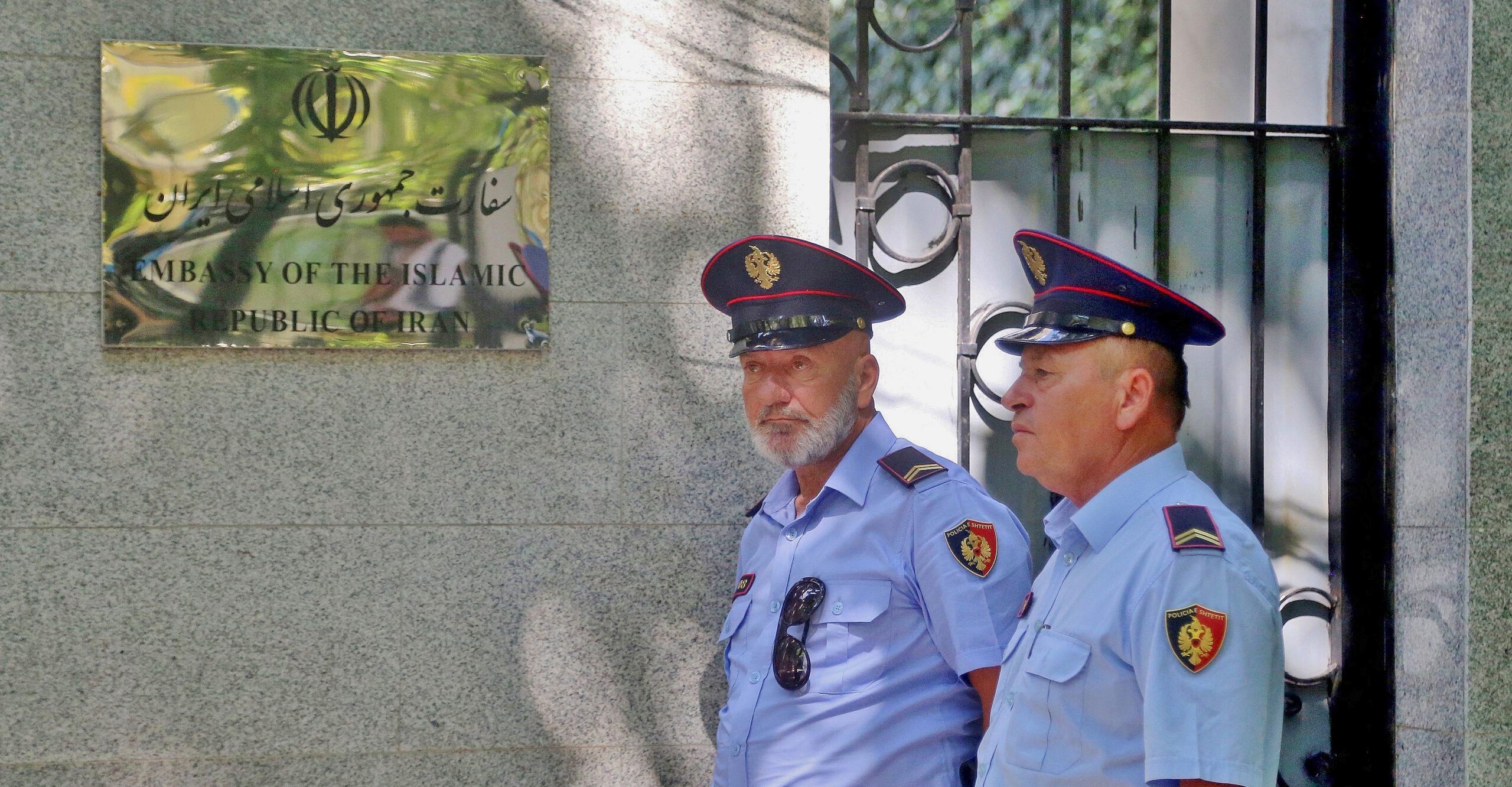
Albania finds itself caught in the middle as Iran and the West square off
Albania, a close U.S. ally, has found itself on the front line of the clash between the West and Iran. Though angered by the MEK’s presence in Albania, to date, there is little evidence to suggest that Tehran intends to further fuel the conflict with Tirana. This could change, however, If the Iranian proxy war with the U.S. and Israel intensifies.
The Islamic Republic’s authorities have learned that they don’t need to take Washington’s reactions to internal oppressions very seriously. Presumably, in their view, as long as the Biden administration maintains even the slightest hope for a new nuclear deal with Tehran, it will not take any tough actions vis-à-vis Iran’s domestic policies.