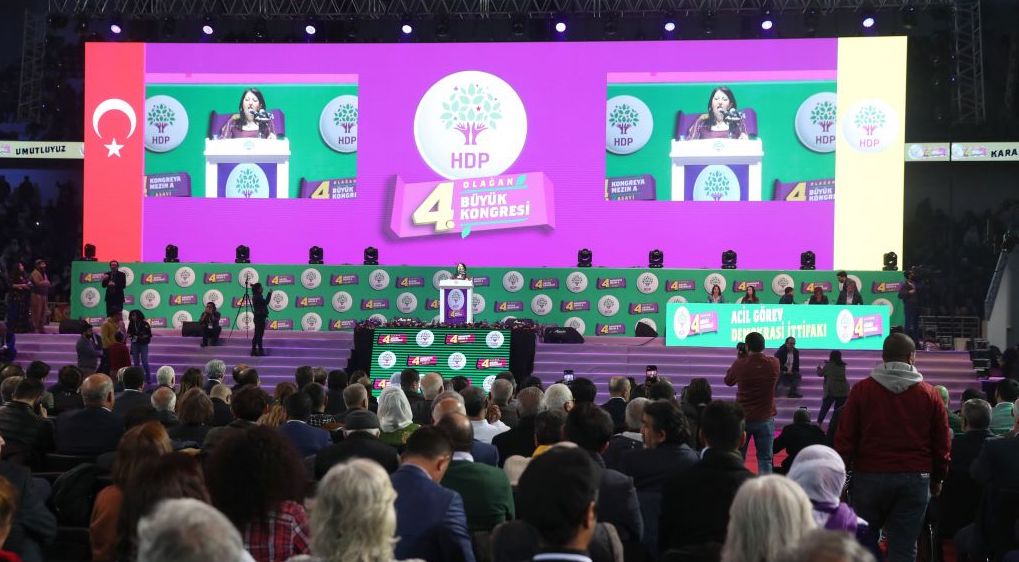
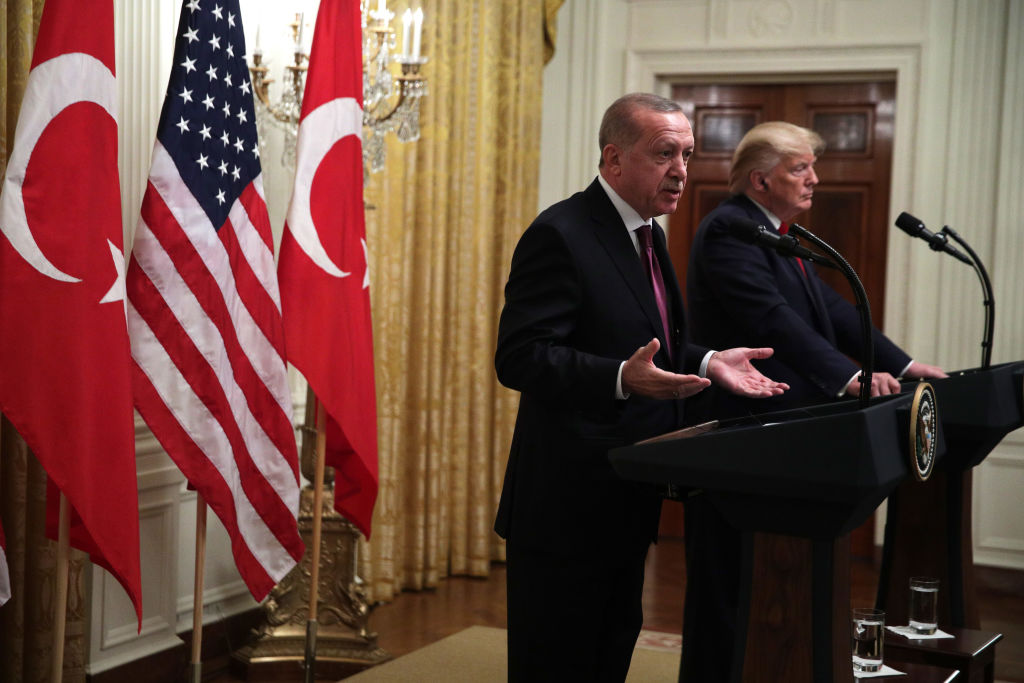
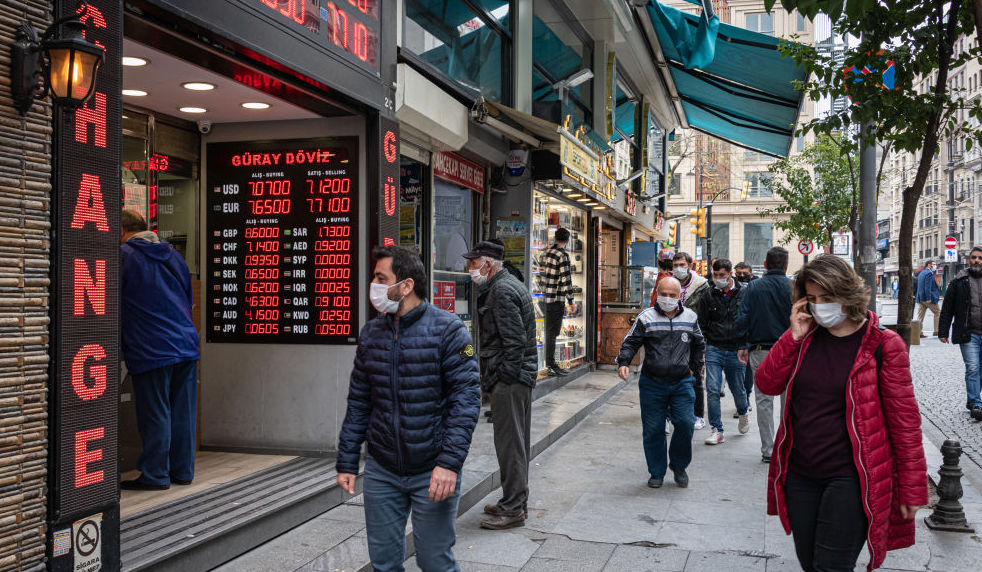
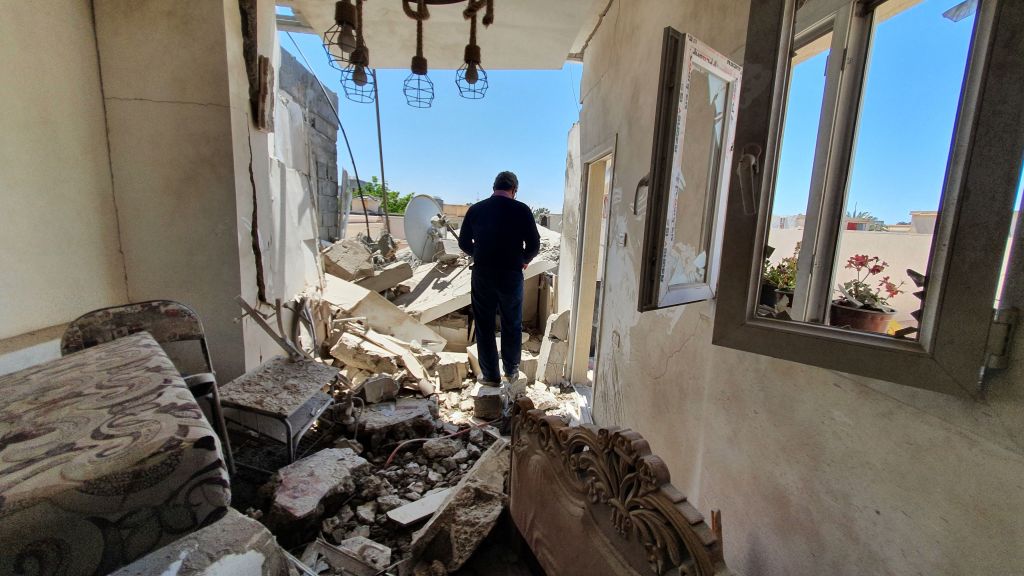
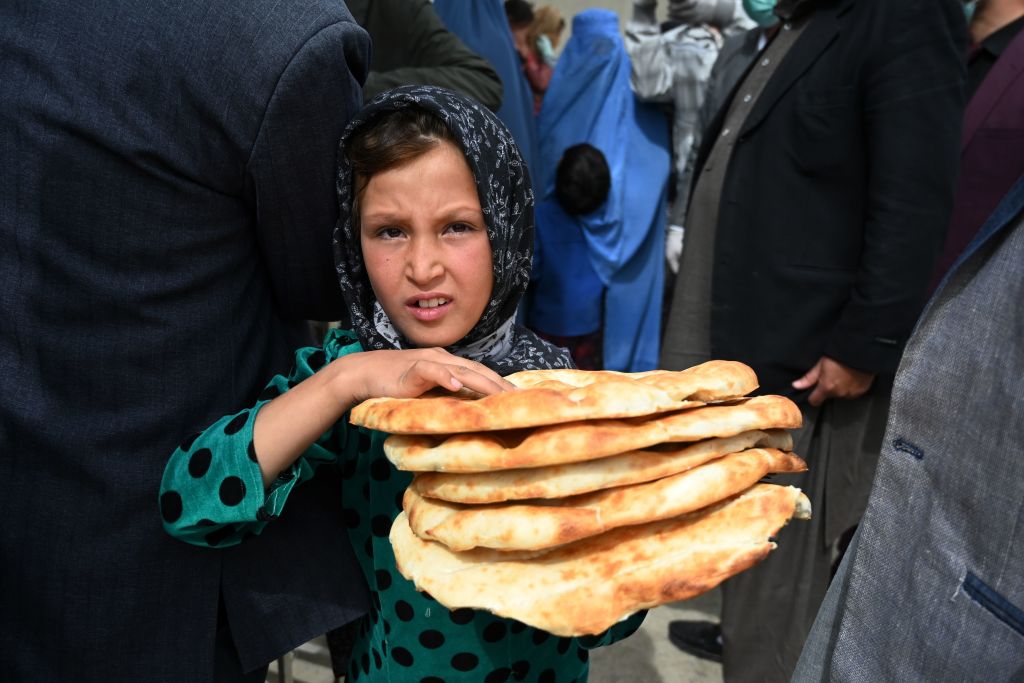
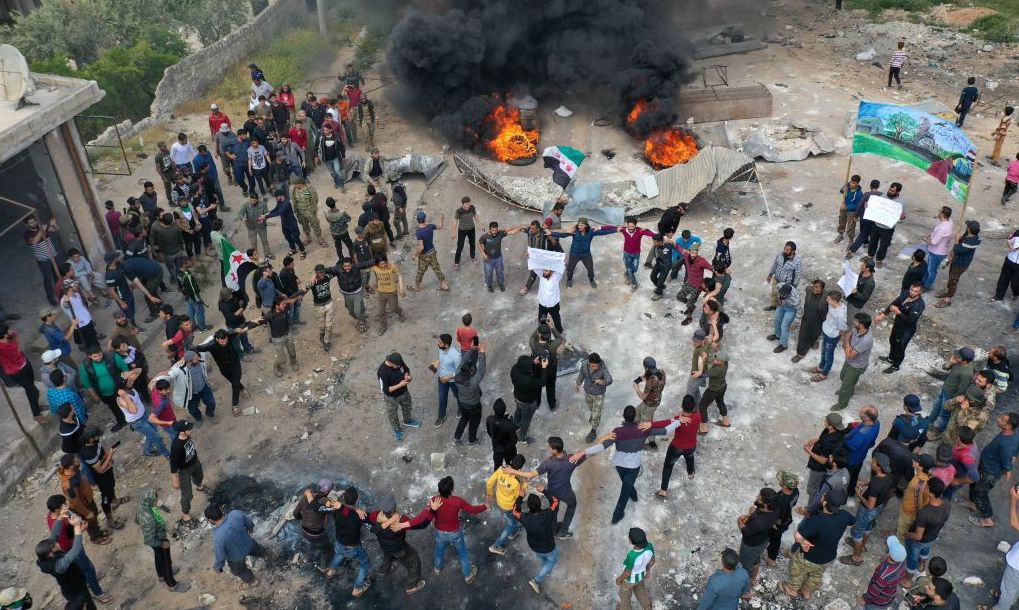
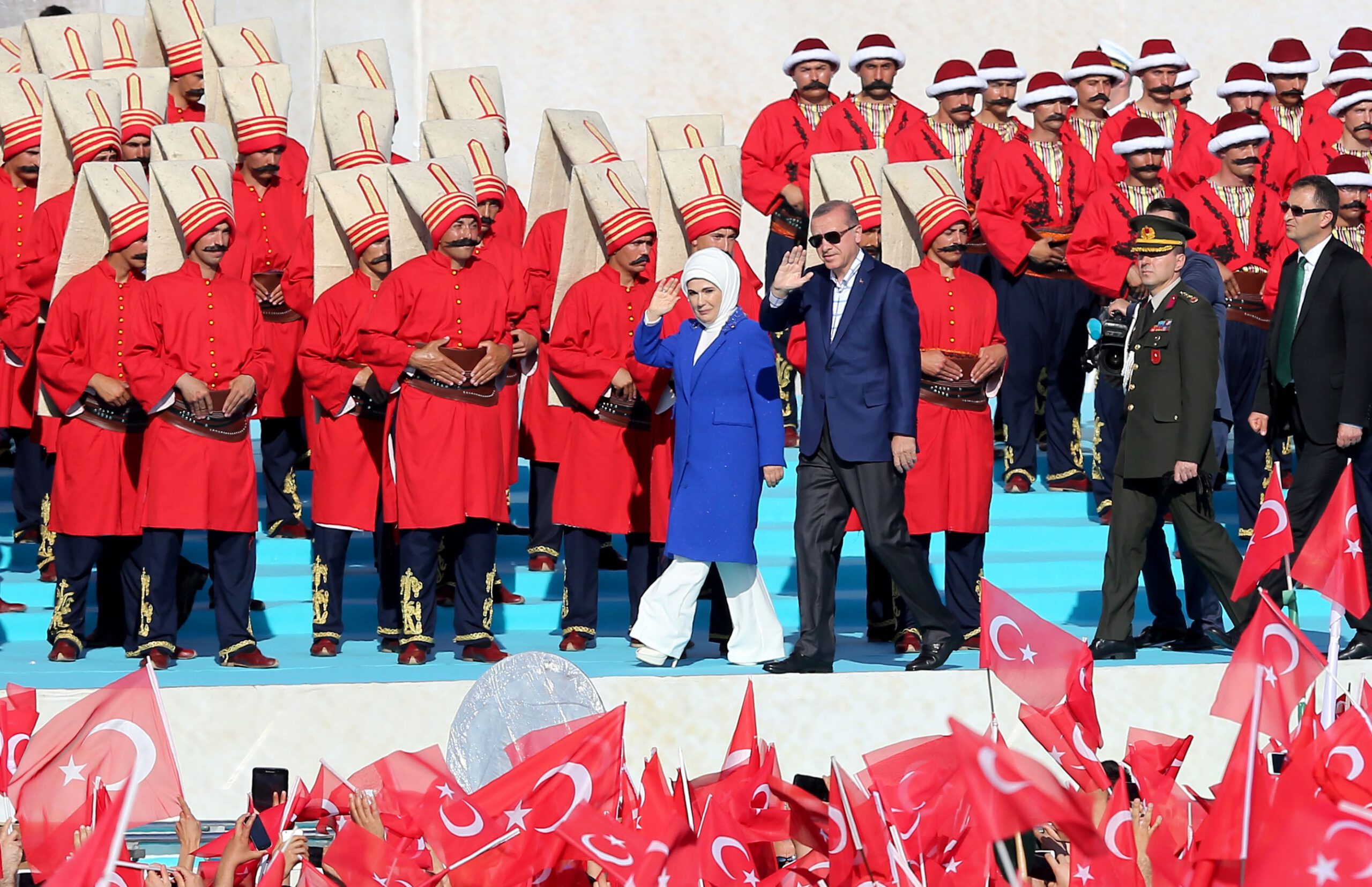
Arguably the time is now ripe to begin accumulating such nuances in regard to Turkey. The difficulties of dealing with Turkey and President Recep Erdogan are incontestable and well-known. Nevertheless, Turkey’s geopolitical significance is equally indisputable and far-reaching. Many of the major issues in European security – migration, Libya’s civil war, confronting Syria’s civil war (the equivalent in our time of the Spanish Civil War in the 1930s), stabilizing the Balkans, defending the Black Sea, European energy security, and in particular accessing the energy in the Eastern Mediterranean – would benefit from the restoration of a true and ongoing strategic dialogue with Turkey. Indeed, neither we nor Turkey can make progress on them without such a dialogue.
Protracted conflict on Yemen’s island of Socotra reflects rival geopolitical ambitions
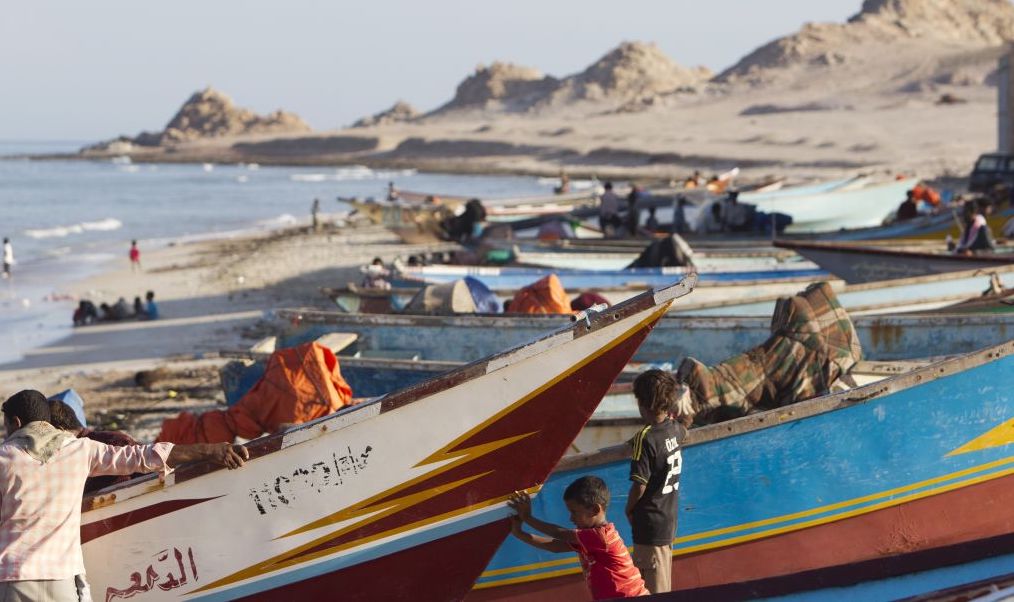
On April 30, roughly a week after the Southern Transitional Council (STC) declared self-administration in Aden, a military confrontation broke out on the remote Yemeni island of Socotra between members of the STC and government forces. After just a few days, the situation was diffused when the island’s governor and the STC asked the Saudis to intervene. Although an agreement was reached quickly, it is likely to be fragile because the causes of the conflict are not entirely local. The island of Socotra is simply too important to multiple international players that are not willing to let it easily slip outside their sphere of influence.
With its territory under increasing pressure, its finances dwindling, and manpower more challenged than ever, HTS’s ability to balance its extremism with controlled uses of pragmatism is under strain. Internally, its leadership is bitterly divided over decisions of the past, present, and future and externally, its rivals and enemies all appear to be conspiring against it. In an attempt to protect internal cohesion, HTS has become determinedly self-assertive in recent weeks, pursuing unpopular policies such as trading with the regime and lashing out at those brave enough to express their dissatisfaction. In response to HTS aggressions, a wider array of opposition voices — both moderate and Islamist — are declaring loudly that HTS now represents a threat to their revolution.
Can corona diplomacy cure Turkey’s foreign policy isolation?
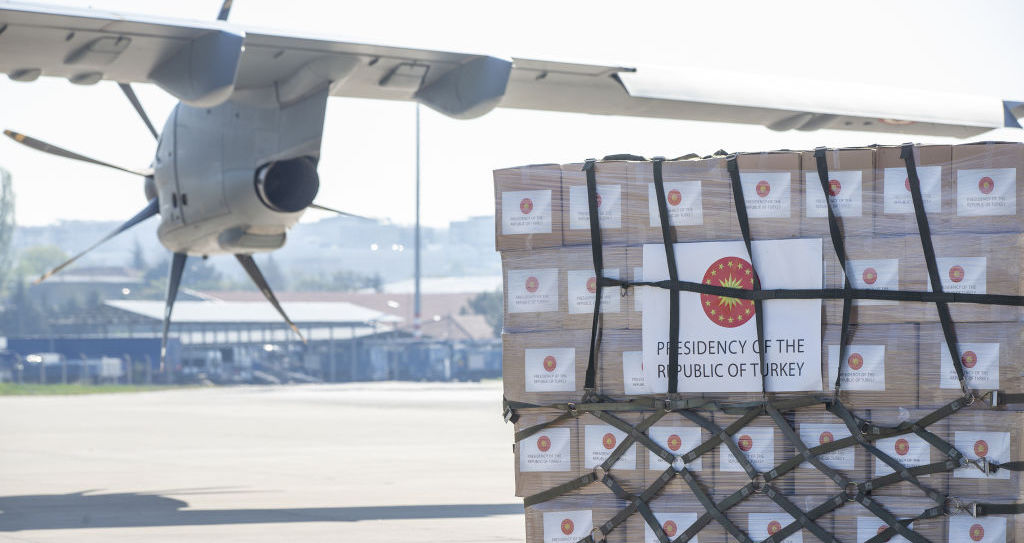
Even before the coronavirus upended life around the world, Turkey’s President Recep Tayyip Erdogan was already grappling with a host of problems. Then COVID-19 hit the country. Many argue the virus will exacerbate Erdogan’s problems but where others see a problem, Turkey’s president sees an opportunity. He is using the crisis to undercut the opposition, distribute government contracts to his loyalists, and punish his critics. Erdogan is relying on the virus to score foreign policy points as well. Sending medical aid to its neighbors and beyond helps assert Turkey’s leadership and improves its shattered image. The coronavirus likewise provides an excuse to remove a long-time irritant in Ankara’s ties with Washington and perhaps end its isolation in the region.
Gen. Joseph Votel on US military challenges in the Middle East
MEI Distinguished Senior Fellow Joseph Votel, a retired four-star general in the Army and former commander of U.S. Central Command, joins host Alistair Taylor to discuss the challenges facing American forces in the Middle East today, from COVID-19 and ISIS to the turbulent situations in Iraq and Afghanistan.
Turkey’s Dangerous New Exports: Pan-Islamist, Neo-Ottoman Visions and Regional Instability
There is certainly no shortage of writings on Turkey today regarding that country’s “drift” away from its Western orientation. Some who espouse this argument frame the consequences in terms of Turkey’s increased ties to China. While Turkey itself has launched an “Asia Anew” policy, the outsized focus on this and other alleged signs of Turkey’s “drift from the West” distracts from the very palpable effects of its adventurism in the Middle East, North Africa, and Eastern Mediterranean. Turkey’s increasingly reckless foreign policy is on full display — from weaponizing refugees to extort the European Union to exporting mercenary Jihadist fighters to Libya. These are hardly the actions of a responsible regional power, much less a key member of the NATO alliance.
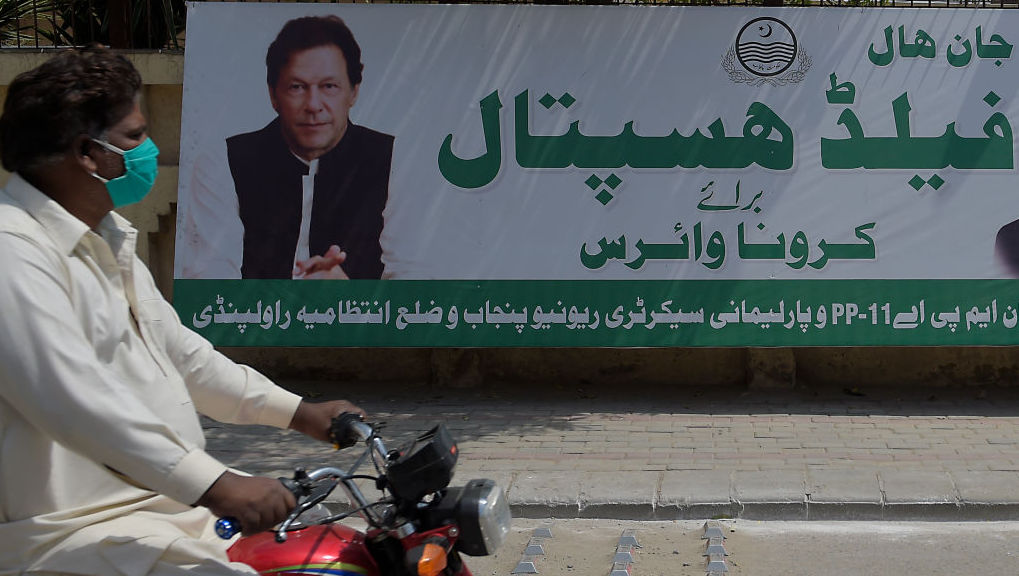
Pakistan’s coronavirus controversies fall along familiar fault lines
Rather than being visibly engaged, the military seems content with having the civilian authorities carry the responsibility for dealing with the crisis.
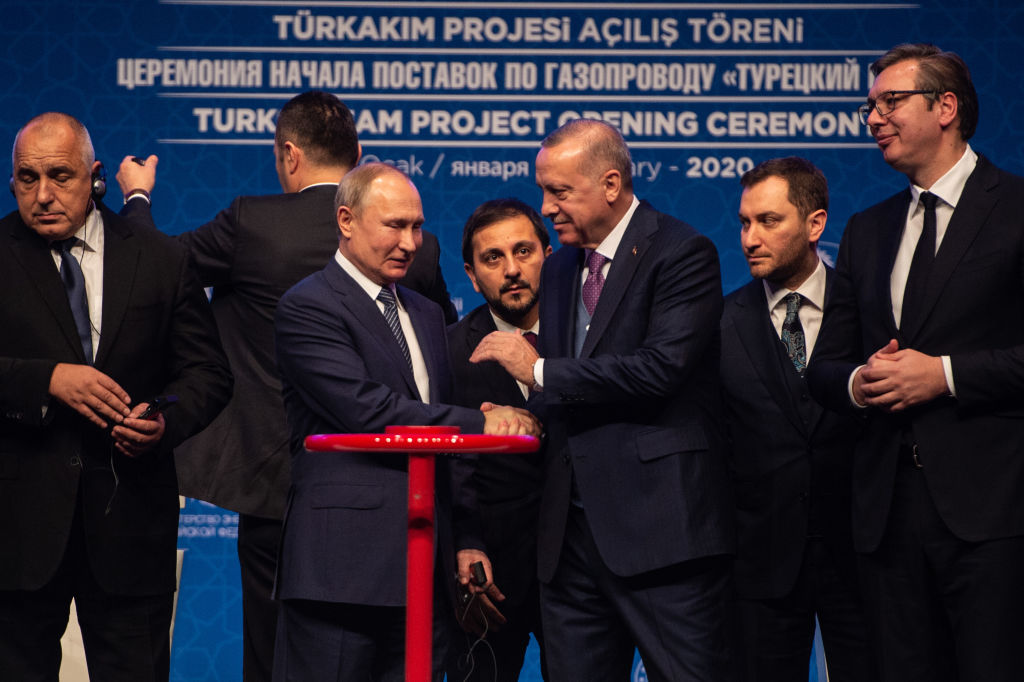
Diversify and expand: Turkey’s drive towards natural gas security
President Recip Tayyip Erdogan has sought to dramatically reorient Turkey’s role and relationships in the region. Gradually at first but then abruptly, he has pivoted from the Republic’s historical status as a key member of the transatlantic alliance towards new partnerships – including Russia. Erdogan has consistently aimed for freedom in executing his foreign policy agenda, of which energy concerns are pivotal. It remains to be seen whether this hard-sought autonomy will be limited or expanded by Turkey’s domestic energy needs and its prime position as a hydrocarbon transit state.
US engagement in the Black Sea and Middle East. What more can be done?
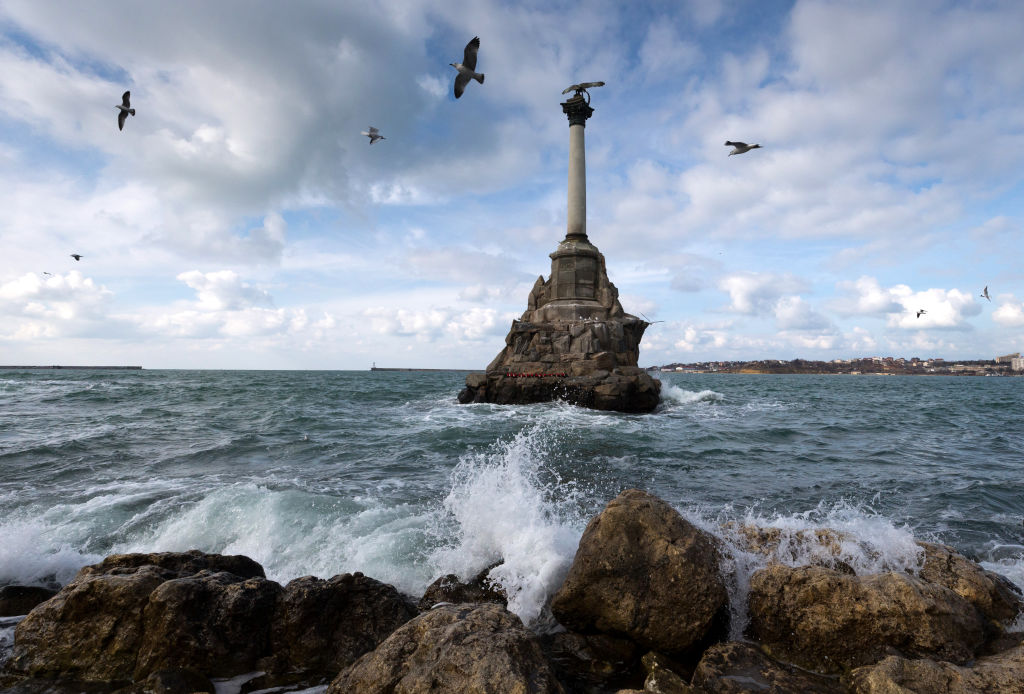
US support for the Black Sea and the Middle East has been through several phases in recent years, with President Donald Trump’s generals having the biggest impact on policy change. While there has been increased engagement in the region, much more is needed from the US – as well as NATO and the EU – to ensure Black Sea security.
Iran’s Unconventional Alliance Network in the Middle East and Beyond
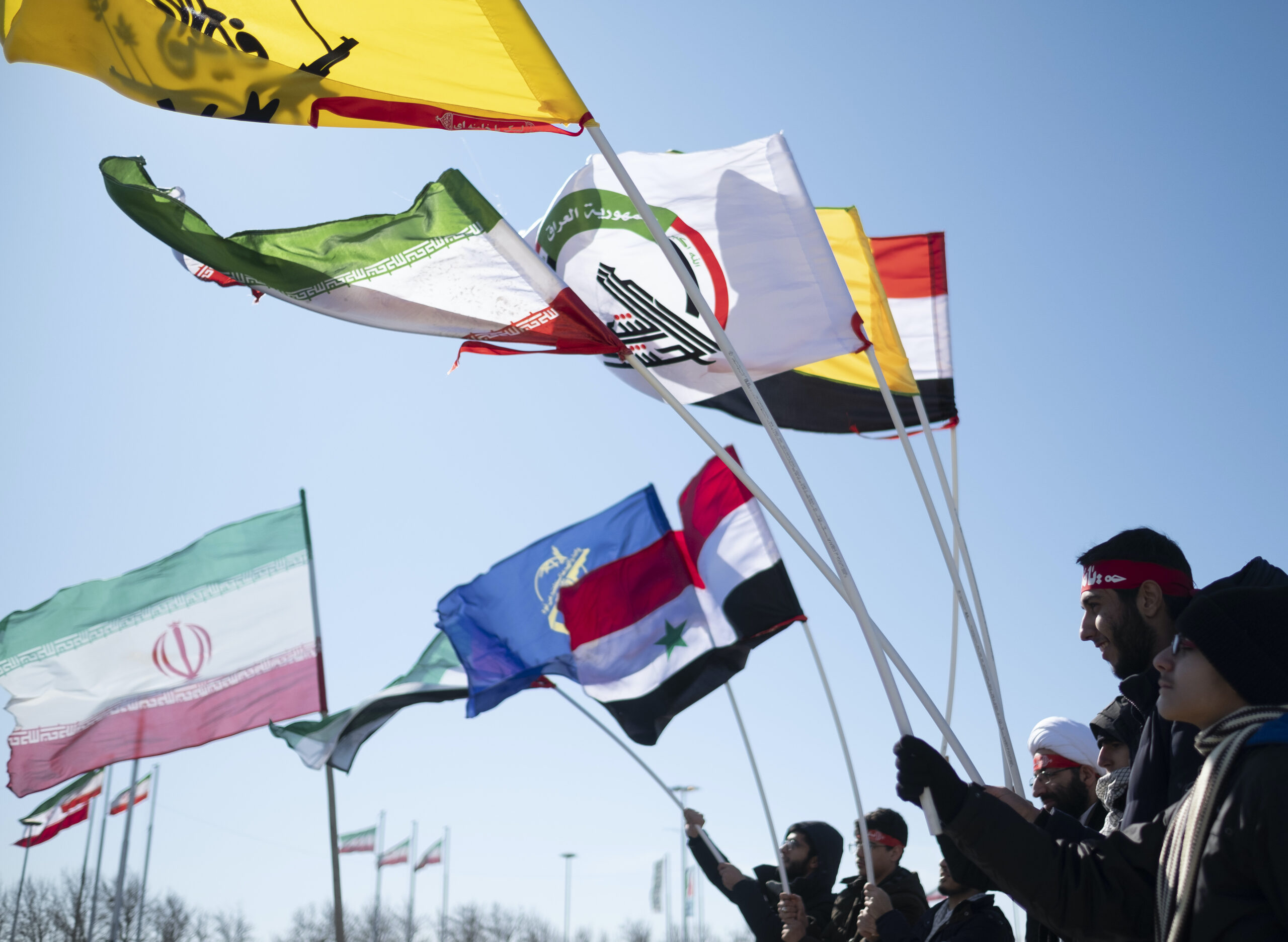
The Islamic Republic’s unconventional alliance network reaches far and wide, and its workings have only intensified since the killing of Gen. Qassem Soleimani in early January 2020. The systematic effort to consolidate these alliances, indicated by the swift appointment of Gen. Esmail Qaani and his new deputy Gen. Mohammad Hosseinzadeh Hejazi to lead the Quds Force, is about much more than just retaliation and revenge against the United States. It is also, and perhaps more importantly, a calibrated response to the Trump administration’s reckless and escalatory changes to the established “rules of engagement” between Washington and Tehran.