Al Qaeda and lessons from the past 20 years of counterterrorism
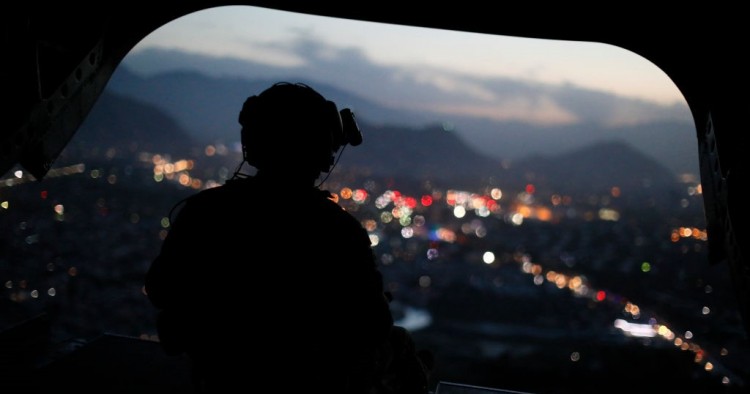
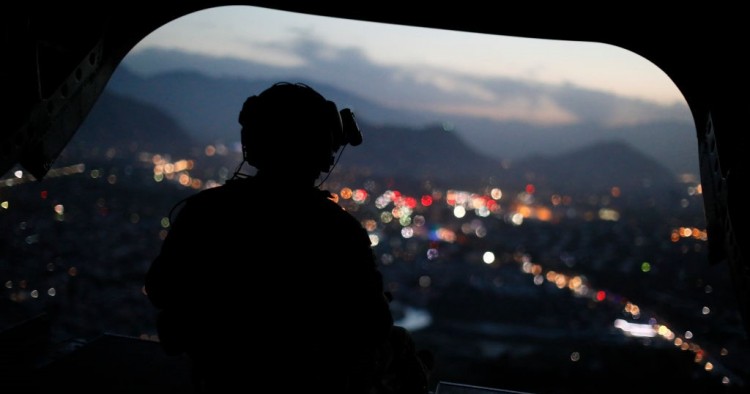
Peter Bergen and Colin Clarke join guest host Charles Lister to discuss Bergen’s new book, The Rise and Fall of Osama Bin Laden, as well as the Biden administration’s handling of the US withdrawal from Afghanistan and concerns about the country once again becoming a safe haven for Al Qaeda under the Taliban.
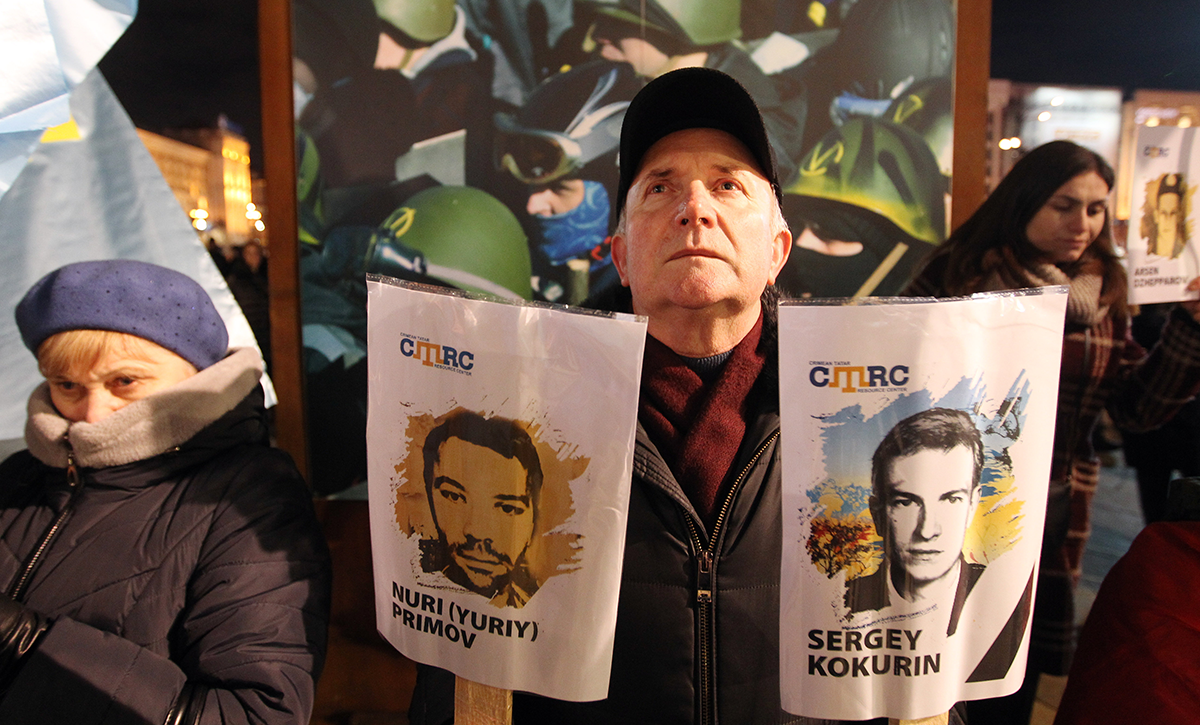
Human rights consequences of Russian occupation: Georgia and Ukraine
Despite their unique characteristics and contexts, the Russian occupation of two regions in Georgia and its annexation of Crimea in Ukraine share a variety of similarities when it comes to the human rights situation on the ground.
At the dawn of the Biden era of American foreign policy, a more mature, realistic Saudi foreign policy is emerging to match the shifting signals from Washington. In some measure, the Saudis are readopting elements that traditionally characterized their policy preferences before the meteoric rise of Crown Prince Mohammed bin Salman (MbS), the kingdom’s de facto ruler.
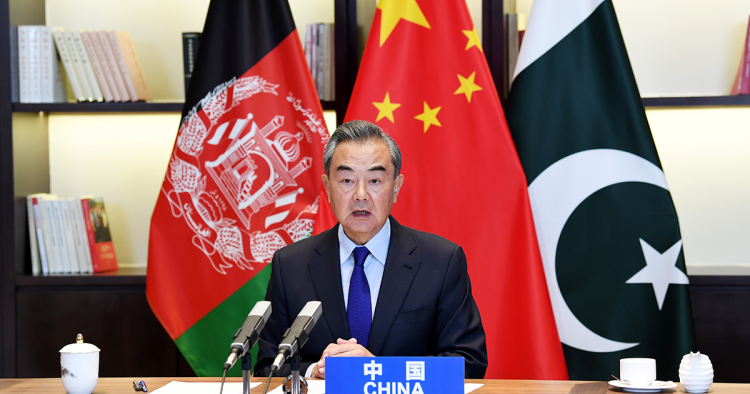
As the Great Game between the United States and China unfolds on a global scale, American and Chinese leaders have to make a choice — will they clash more openly in a struggle to dominate Afghanistan and its neighboring regions or will they rein in their ambitions and jealousies to accomplish goals that benefit themselves and many others?
“Zero means zero”: What we can learn from our mistake in Iraq and apply in Afghanistan
Now as we watch this debacle unfold in our exit from Afghanistan, what lessons learned from Iraq should we apply today and is there still time? There are lessons learned from Iraq that are applicable in Afghanistan because although history does not repeat itself, it certainly rhymes a lot and yes, there is always time.
"صفر يعني صفر": ما يمكن أن نتعلمه من خطأنا في العراق ونطبقه في أفغانستان
في ديسمبر/كانون الأول 2011، كُنتُ في مُعسكر أمريكي صغير بالقرب من بغداد أتحدث مع القادة الميدانيين لأحد أجهزتنا الاستخباراتية حول الخيارات للحد من فقدان كل من الاستخبارات التقنية والبشرية بعد أن تم تخفيض القوات العسكرية الأمريكية إلى الصفر في العراق. في وقت متأخر من تلك الليلة بعد انتهاء اجتماعاتي التي استمرت طوال اليوم، قمت بإجراء مكالمة مع قائدي الجنرال جيم ماتيس، الذي كان وقتها يتولى رئاسة القيادة المركزية الأمريكية (CENTCOM).
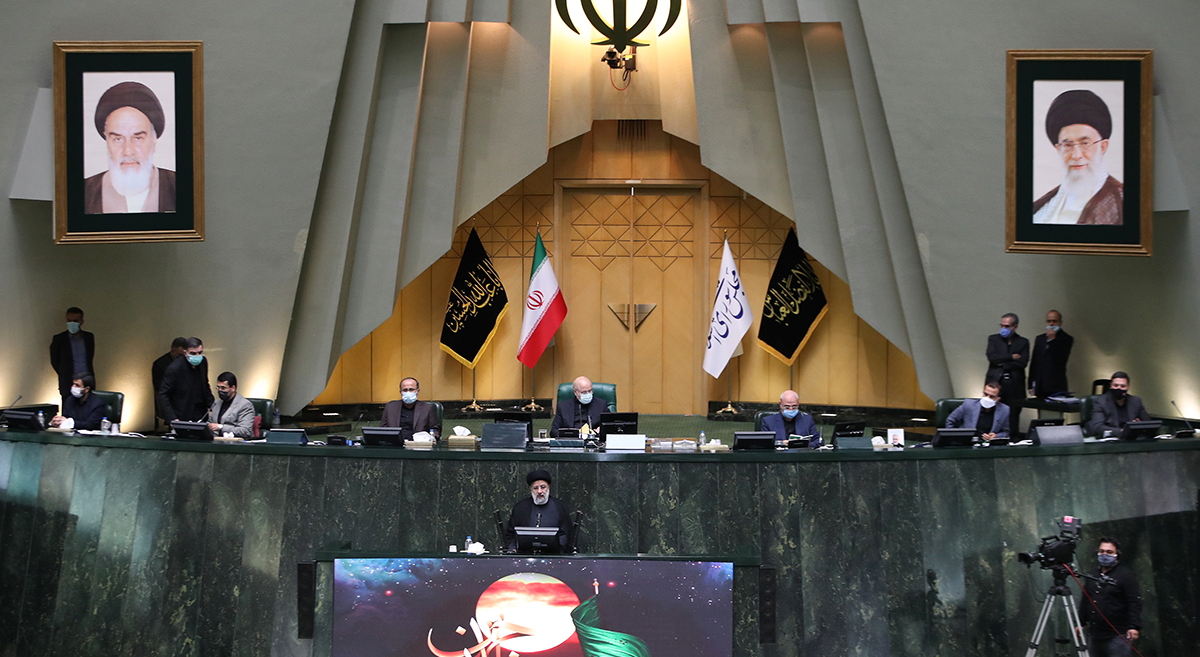
Since 1979 U.S. policies toward Iran have alternatively ranged from some version of “maximum pressure” to appeasement and back again while maintaining the same assumptions and calculus: the clerics would ultimately fall when the elite and middle class had enough and were willing to pay the price for revolting. Today, however, the landscape is evolving. While Iran’s leaders appear to be adapting, U.S. thinking is rooted in the past.
Preparing for advancements in Russian warfare in the Black Sea region
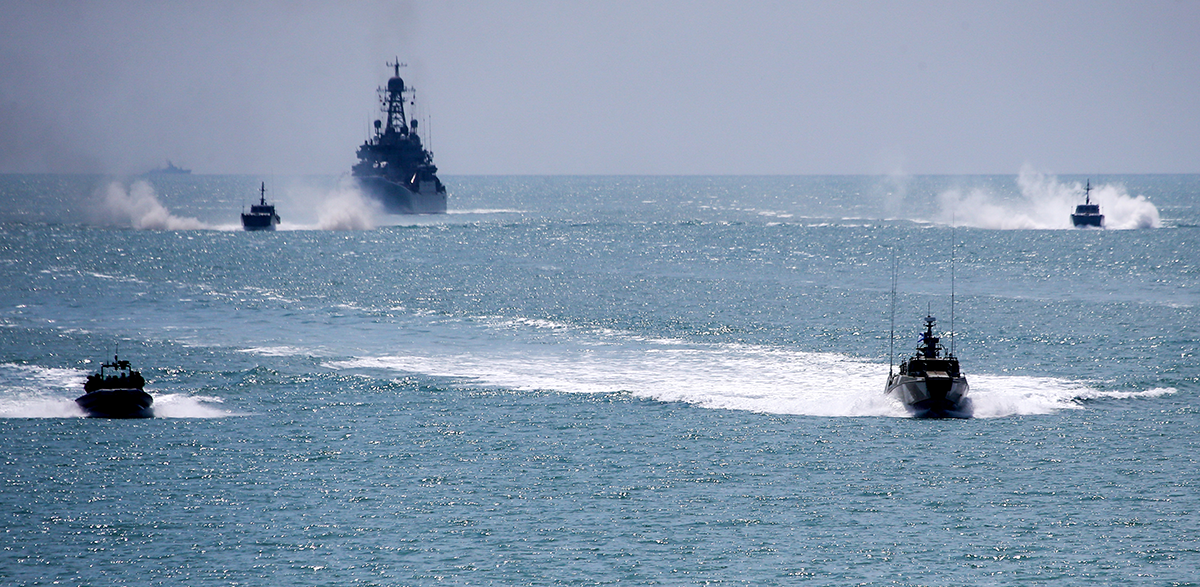
Suddenly and seemingly without warning, Russian forces amassed in Crimea and near the Ukrainian border in April 2021. Heavy armor, long-range missiles and artillery, modern air forces, and elite airborne infantry units deployed into positions that raised alarm in Ukraine and throughout Europe. The situation today appears stable, but reports of new and upgraded hardware, including unmanned vehicles, demand a fresh evaluation of the Russian way of war.
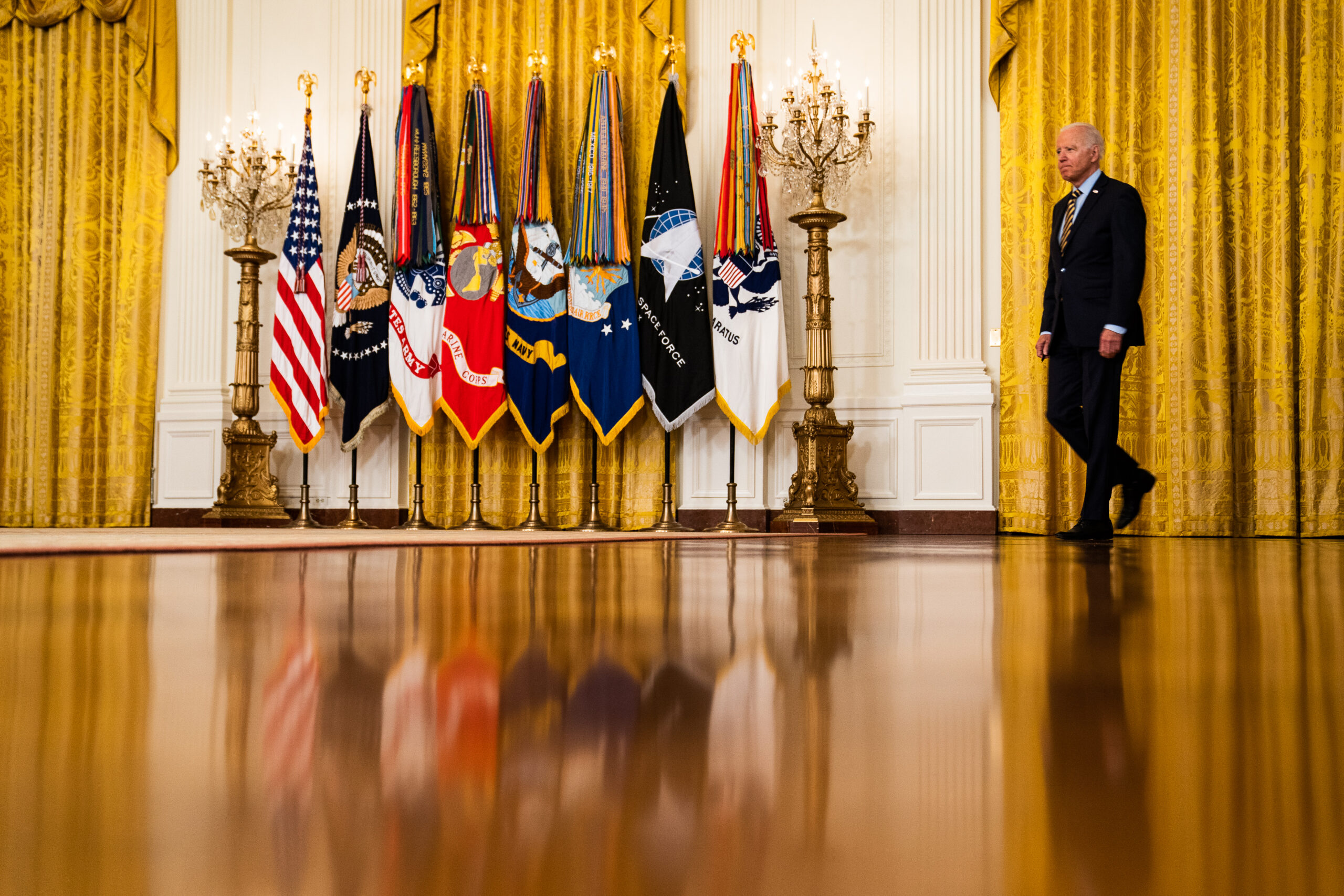
Biden Must Keep U.S. Operatives in Afghanistan To Enable the Counterterrorism Mission
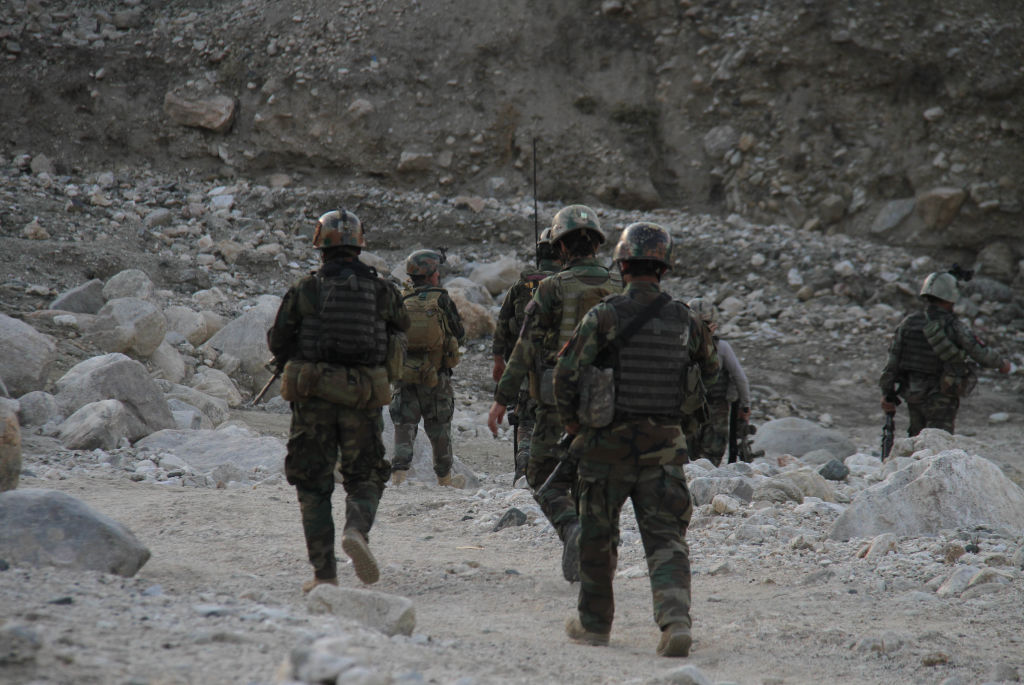
We can and must provide that assistance not to help defeat the Taliban, fix Afghanistan, or remove our moral stain, but to achieve a much more limited objective, one that’s stated by the President himself, which is to ensure that no major attack against the U.S. or U.S. strategic interests is launched from Afghanistan.
What’s next in Afghanistan? The prospects for future political violence
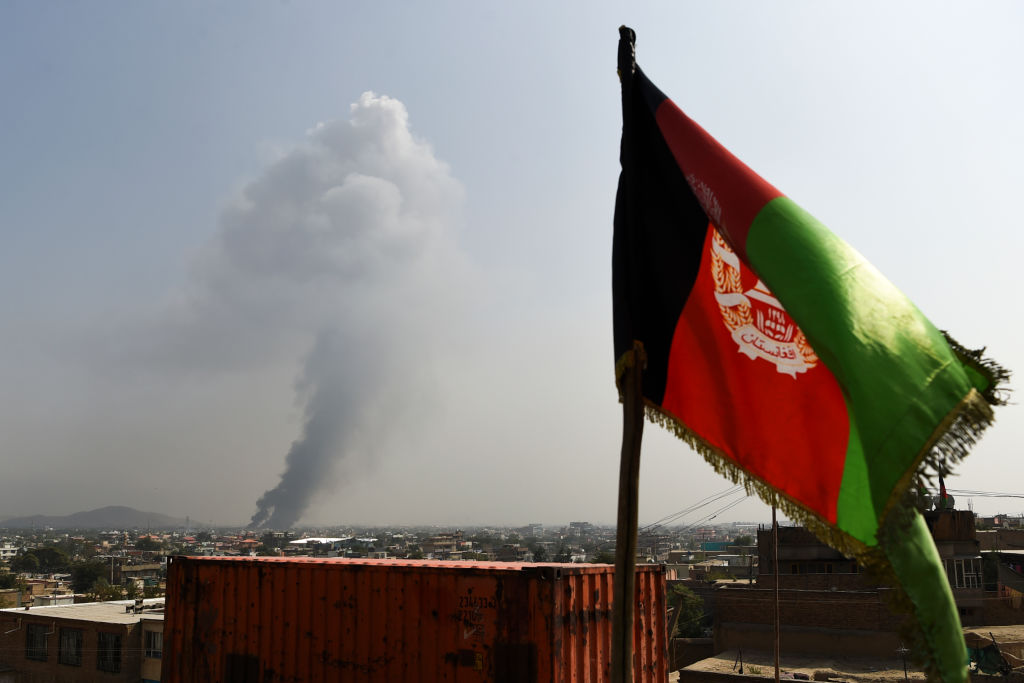
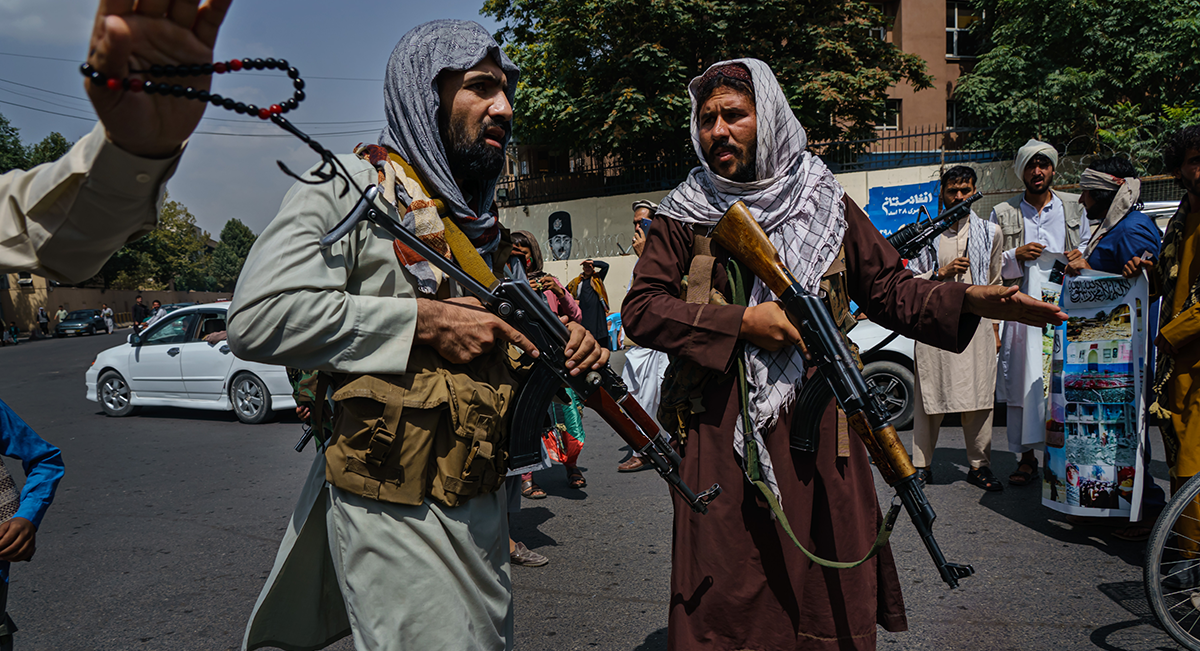
As the U.S. withdrew troops from Afghanistan, the Taliban pushed through large portions of the country, capturing strategic regional centers and ultimately securing the capital city of Kabul. In its pursuit, the Taliban faced relatively little resistance as it seized government strongholds. Rather than widespread fighting, reports indicate that Taliban fighters often cut deals with soldiers, offering payoffs or demanding surrenders. At the same time and as of the time of writing, the Taliban announced a general amnesty, encouraging former government officials and women to support the group.
Whether and how long this period of limited resistance and amnesty might last are unclear. What are the prospects for future political violence both within and outside the country?
The Cipher Brief:Did you ever envision that the U.S. would pull out so quickly or completely leaving the Afghan military on its own without U.S. air support?
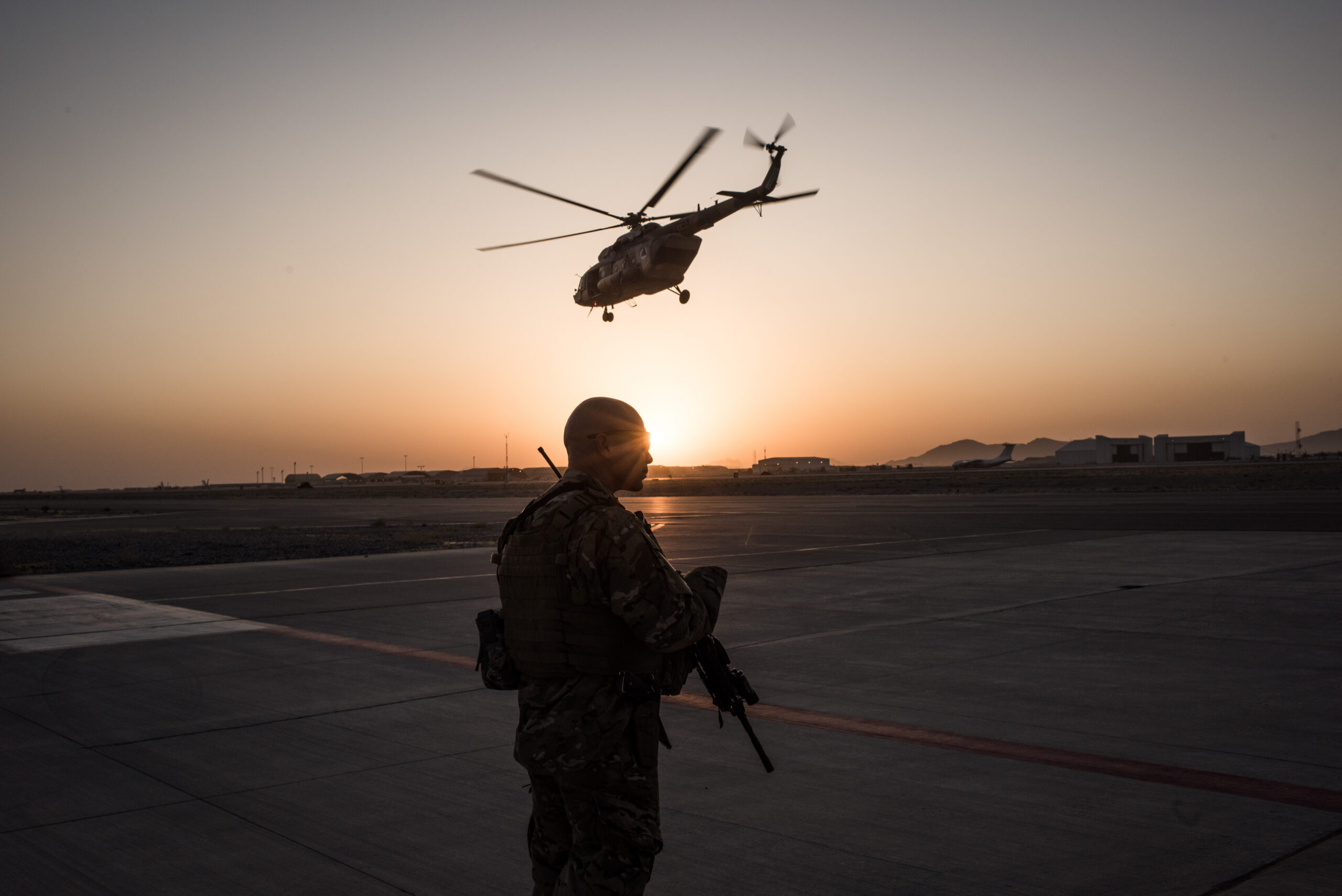
General Votel: I did not anticipate this during my time – but once the President sets a hard departure date – then a fast withdrawal is inevitable. No Commander wants to accept unnecessary risk with troops on the ground when you are up against a clearly articulated departure date.
In June 2021, southern Syria once again dominated the headlines when the regime laid siege to the Daraa al-Balad area of Daraa city. A few days after the monthlong siege, an agreement to end the escalation collapsed and the Syrian army’s Fourth Division spearheaded a major military push in the area. Intense clashes broke out as groups of unreconciled rebels violently repelled the advancement of Syrian military forces. Armed confrontations spread into eastern and western Daraa amid heavy bombardment via missiles, artillery, and mortar shells, marking the deadliest and most intense fighting in Syria’s south-west since the conclusion of the 2018 “reconciliation” agreements.