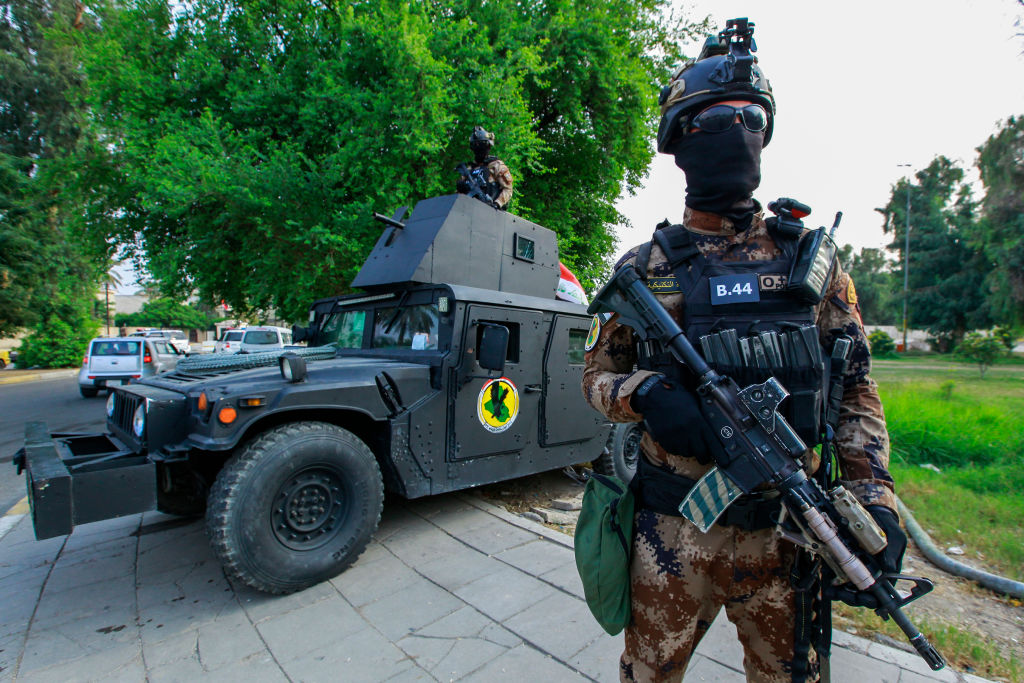
Late on June 25, the Iraqi Counter Terrorism Service carried out an operation against Kataib Hezbollah, a powerful Iran-backed militia, in the suburbs of Baghdad, detaining militiamen, confiscating mobile Katyusha rocket launchers, and accusing the group of plotting another round of rocket attacks targeting the Green Zone and Baghdad International Airport.
Digitization and the future of Middle East economies
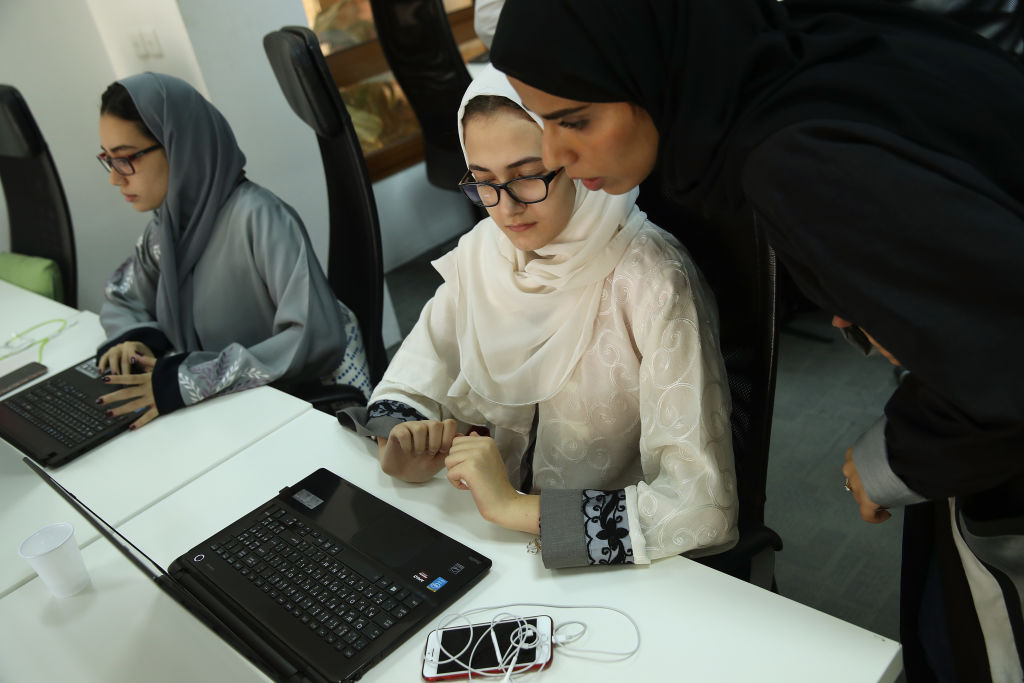
The digitization of business in the Middle East has enormous implications for the future of regional economies, as well as for education, employment, and beyond. The way this digital transition shapes the region will be influenced by the degree to which policymakers consider this shift in its context and with an eye toward the future, as the opening session of the MEI Cyber Program’s recent conference explored.
Egypt’s path forward from the pandemic’s economic fallout
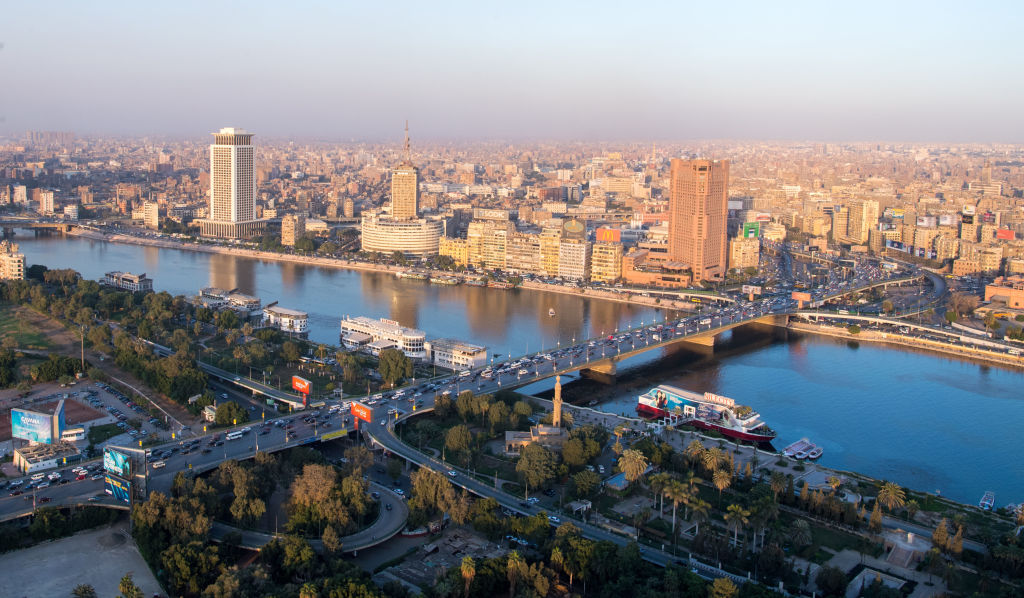
Today marks almost three months of a global shutdown to curb the spread of the COVID-19 pandemic, and the Middle East and North Africa region faces a double whammy from the resulting economic fallout and the sharp decline in oil prices this spring. While Egypt is rightly focused on its short-term response to the crisis, it should take advantage of the international and regional shock caused by the pandemic to change its growth model for the longer term and implement much-needed structural reforms on a variety of fronts.
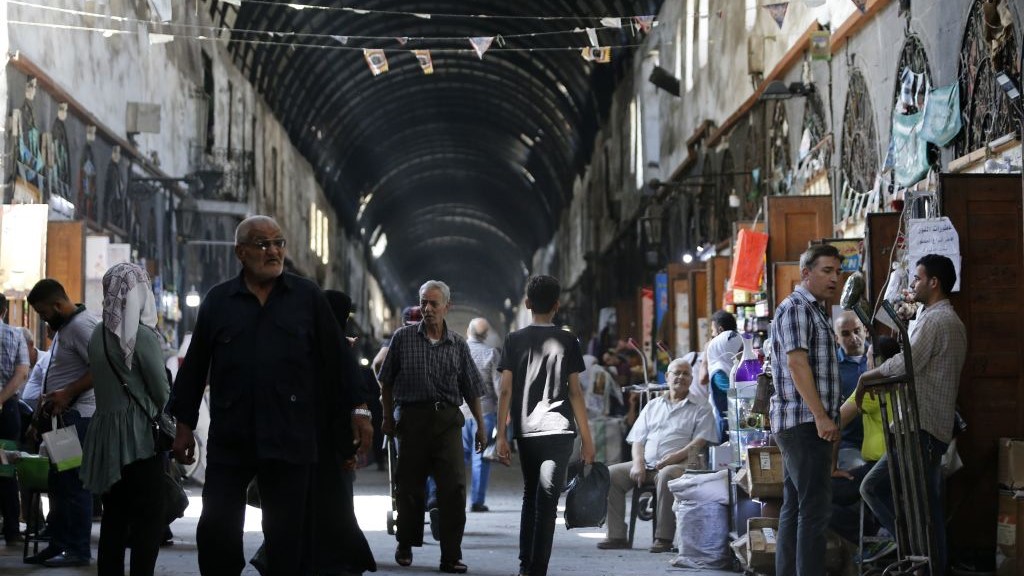
Syria: The Caesar Act takes effect amid unprecedented economic turmoil
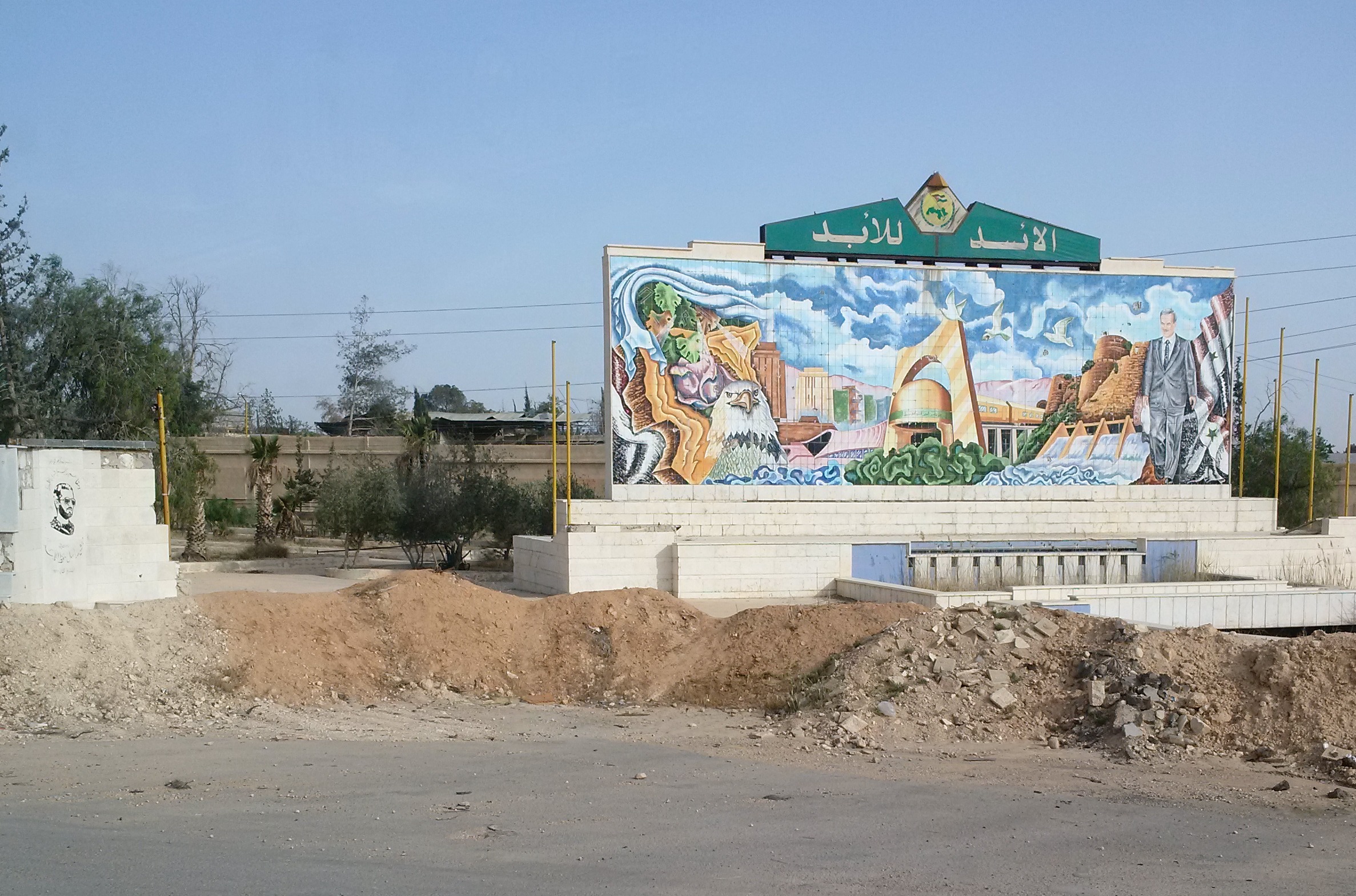
While the regime and its allies have cast the current crisis as the result of Western sanctions, Syria’s economic troubles are largely due to the regime’s “Assad or we burn the country” policies.
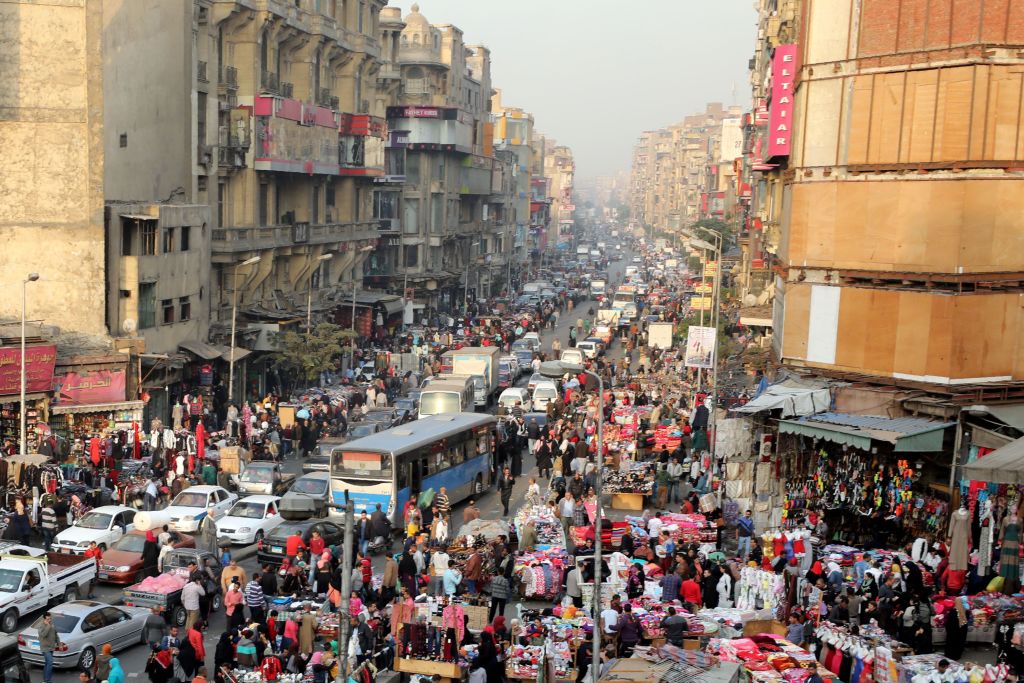
Egypt’s sizeable informal economy complicates its pandemic response
The lockdown conditions have meant that demand for the services of informal market laborers has declined, leaving them with no means of making a living and no form of insurance or savings to fall back on.
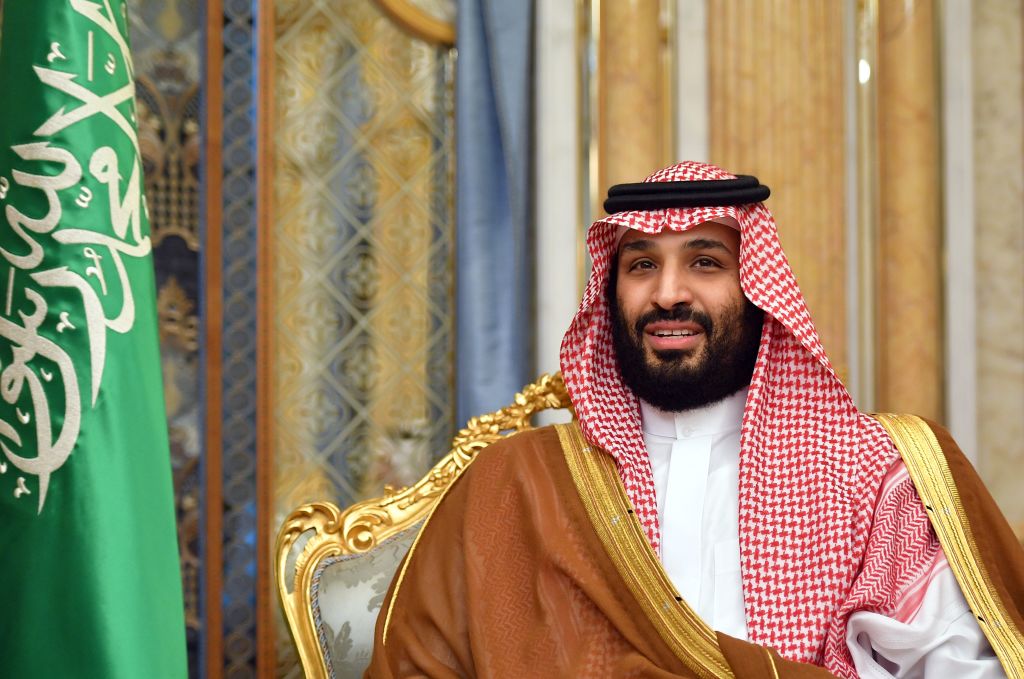
Mohammed bin Salman marks 1,000 controversy-filled days as crown prince
As MbS approaches three years as Saudi Arabia’s crown prince and, in the eyes of many, the de facto ruler of the kingdom, he remains an enigmatic figure on the world stage.
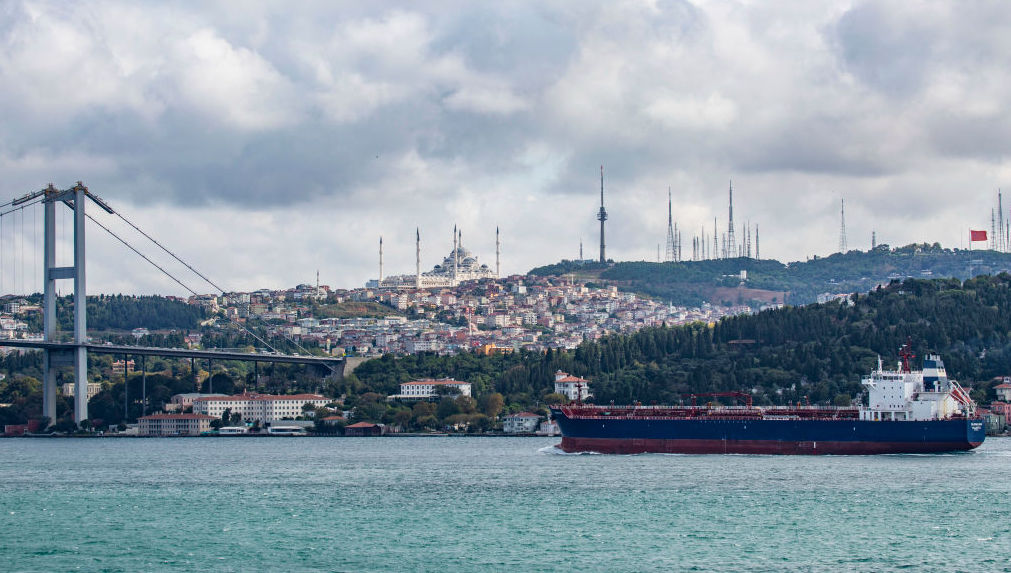
Turkey, the Gulf, and Libya: The economic impact of a growing geopolitical divide
Turkish support for the Tripoli-based Government of National Accord (GNA) in the Libyan civil war has added a new dimension to relations between Turkey and Gulf countries like the United Arab Emirates (UAE) and Saudi Arabia. But what impact have the growing geopolitical divides and diplomatic disagreements had on Turkish-Emirati and Turkish-Saudi economic relations?
Syrians respond to COVID-19 with renewed volunteer and community efforts
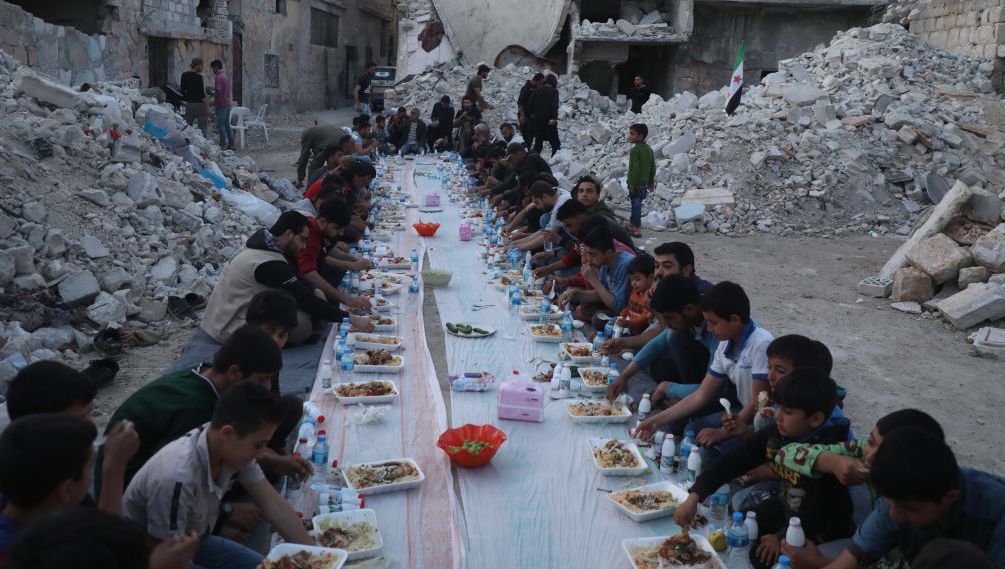
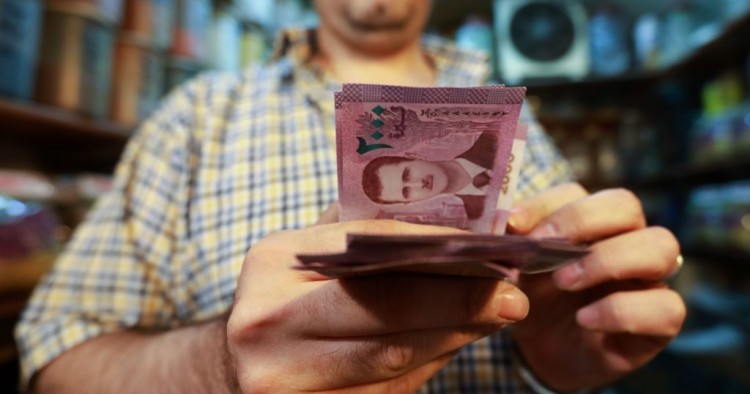
With an economy already on the brink of collapse and a shocking devaluation of the Syrian pound — hitting 3,175 pounds to the dollar earlier this month — the COVID-19 pandemic has come at an exceptionally dangerous time in Syria.
The administration hopes additional economic pressure will compel Damascus to take a series of political gestures, including releasing political prisoners and establishing an accountability process for the atrocities its forces committed.
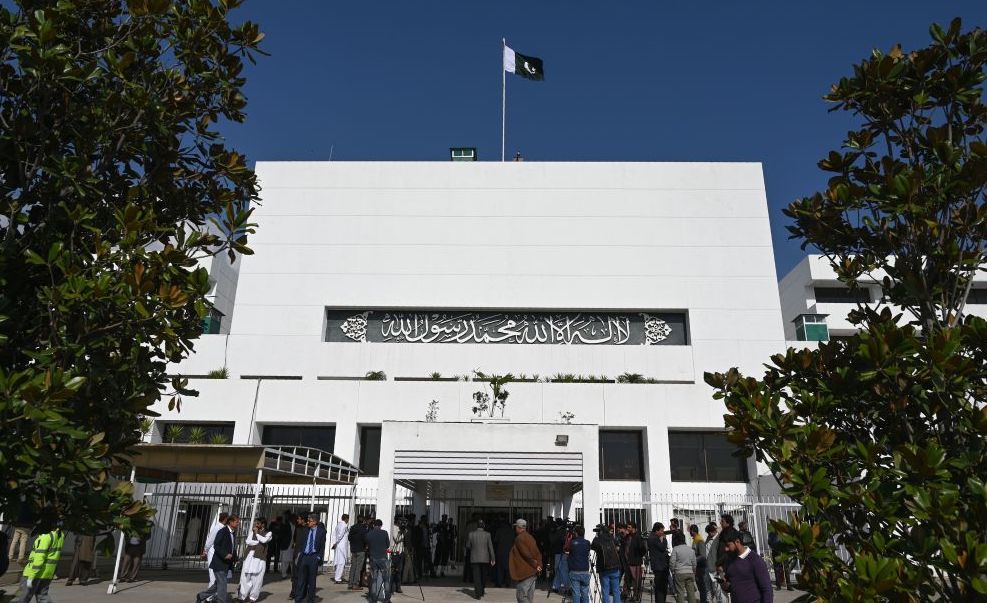
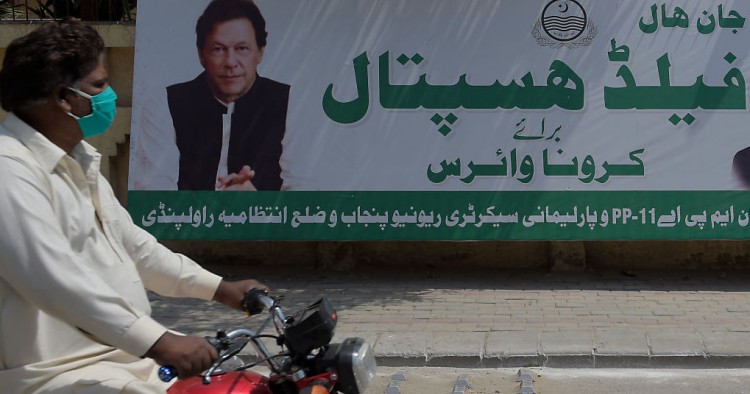
Mainly at issue for the country is the difficult choice of whether to prioritize saving lives or saving the economy for a Pakistan that can ill afford to ignore either.
The Assad-Makhlouf spat: A complicated family affair
When Bashar’s father Hafez al-Assad started his regime, the Makhloufs became key allies. This alliance deepened with Bashar’s rise to power, and the Makhloufs became increasingly entrenched in the system until they became its economic pillar. The house of Assad was the political arm of the regime while the house of Makhlouf was the economic and financial arm. But then it all fell apart.
Battle of the Syrian charity giants: Asma al-Assad versus Rami Makhlouf
Charities are useful fronts for all sorts of activities in Syria, but above all perhaps, they are vehicles of control. The Assads have long understood that the biggest danger to their rule comes from within, from a civil society that rejects their governance — never more so than today.