U.S.-Turkey Relations Hit All-Time Low | Weekly Briefing
In this week’s Monday Briefing, MEI experts Gonul Tol, Ibrahim al-Assil, Amal Kandeel, and Jonathan M. Winer provide analysis on recent and upcoming events including the diplomatic row between Turkey and the United States, the arrival of Turkish troops in Idlib, Morocco’s establishment of a national water security strategy amid climate concerns, and the resumption of talks on the Libya Political Agreement in Tunis.
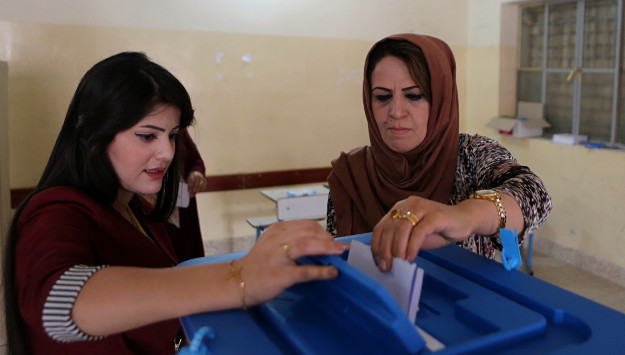
On September 25 Iraq’s Kurdish region pressed ahead with a controversial independence referendum. It had a high voter turnout of 73%, 93% of whom voted in favor of independence. The referendum is technically non-binding but it has sparked a political crisis with threats of action against the Kurdish region from its neighbors, Turkey and Iran, as well as Iraq’s central government. The United States also opposed the vote. MEI experts Randa Slim, Gonul Tol, and Ahmad Majidyar join host Paul Salem to discuss the implications of the vote and what happens next.
Erdogan Visits Iran as Tension Rises over Kurdish Vote | Monday Briefing
In this week’s Monday Briefing, MEI experts Alex Vatanka, Randa Slim, Marvin G. Weinbaum, Yousef Munayyer, and Gerald Feierstein provide analysis on recent and upcoming events including Turkish President Erdogan’s visit to Iran, Ayatollah Ali al-Sistani’s efforts to push for dialogue after the Kurdish independence referendum, the pending indictment of Nawaz Sharif in Pakistan, signs of progress in the reconcilliation attempt between Hamas and Fatah, and the Saudi king’s visit to Moscow.
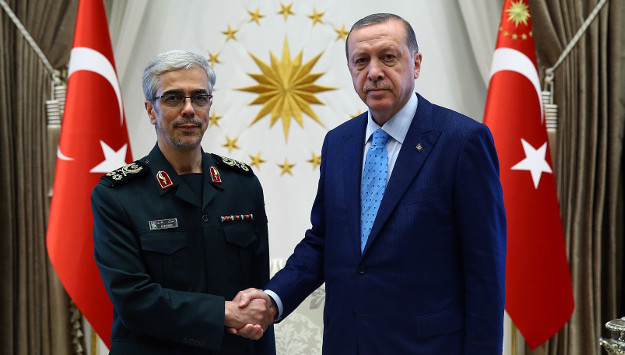
Turkish Military Delegation in Tehran ahead of Erdogan’s Visit
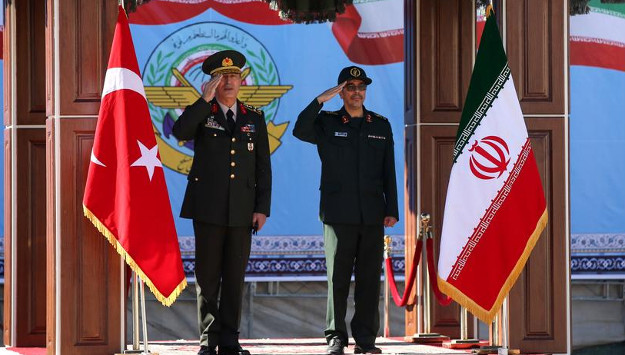
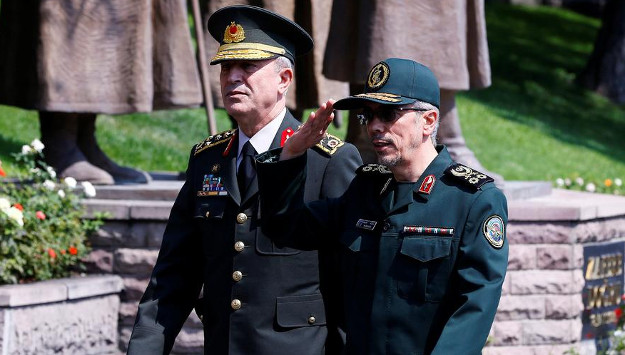
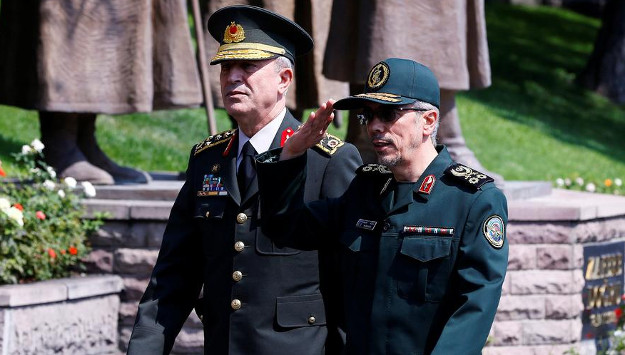
Turkey’s Chief of General Staff Hulusi Akar held talks with senior Iranian leaders in Tehran earlier today to discuss ways of boosting military cooperation between the two countries, the Iranian media reported.
Turkey has been threatening economic sanctions and military action against its long-time ally, the Kurdistan Regional Government (K.R.G.) over Erbil’s decision to hold an independence vote.
It is increasingly clear that Turkey has been seeking to expand its role in the war-torn and conflict-ridden Afghanistan by making a concerted effort to step up diplomatic, developmental, and military engagements in the country. The scope and scale of Turkey’s interests in Afghanistan are an expression of the transformation of Turkish foreign policy in recent years.
High-Level Turkish Military Delegation to Visit Iran Next Week
Turkey’s Chief of the General Staff Hulusi Akar, leading a high-ranking military delegation, will visit Tehran for strategic talks next week, the Iranian media reported today. Akar is expected to meet with his Iranian counterpart General Mohammad Hossein Bagheri, President Hassan Rouhani and other top Iranian military and political leaders.
Kurdish Leaders Confident Referendum Won’t Result in War | Monday Briefing
In this week’s Monday Briefing, MEI experts Randa Slim, Gonul Tol, W. Robert Pearson, and Alex Vatanka provide analysis on recent and upcoming events including the Kurdish independence referendum and how it will impact the K.R.G.’s negotiations with Baghdad, Turkey’s limited options to respond to the referendum, growing ties between Turkey and Russia, and the mounting political pressure on Iran’s President Rouhani amid President Trump’s attacks on the nuclear deal.
Top Iranian, Turkish Military Leaders Discuss Regional Issues over Phone
The top Iranian and Turkish military officials discussed the Iraqi Kurdistan’s independence referendum plan and its implications in a telephone call earlier today, Iranian media reported. “The two sides stressed the significance of enhancing bilateral relations and cooperation and described the potential independence referendum in the Iraqi Kurdistan and its ramifications on regional security, peace and stability – including on Iran and Turkey – as detrimental and dangerous,” Iran’s Fars News Agency reported.
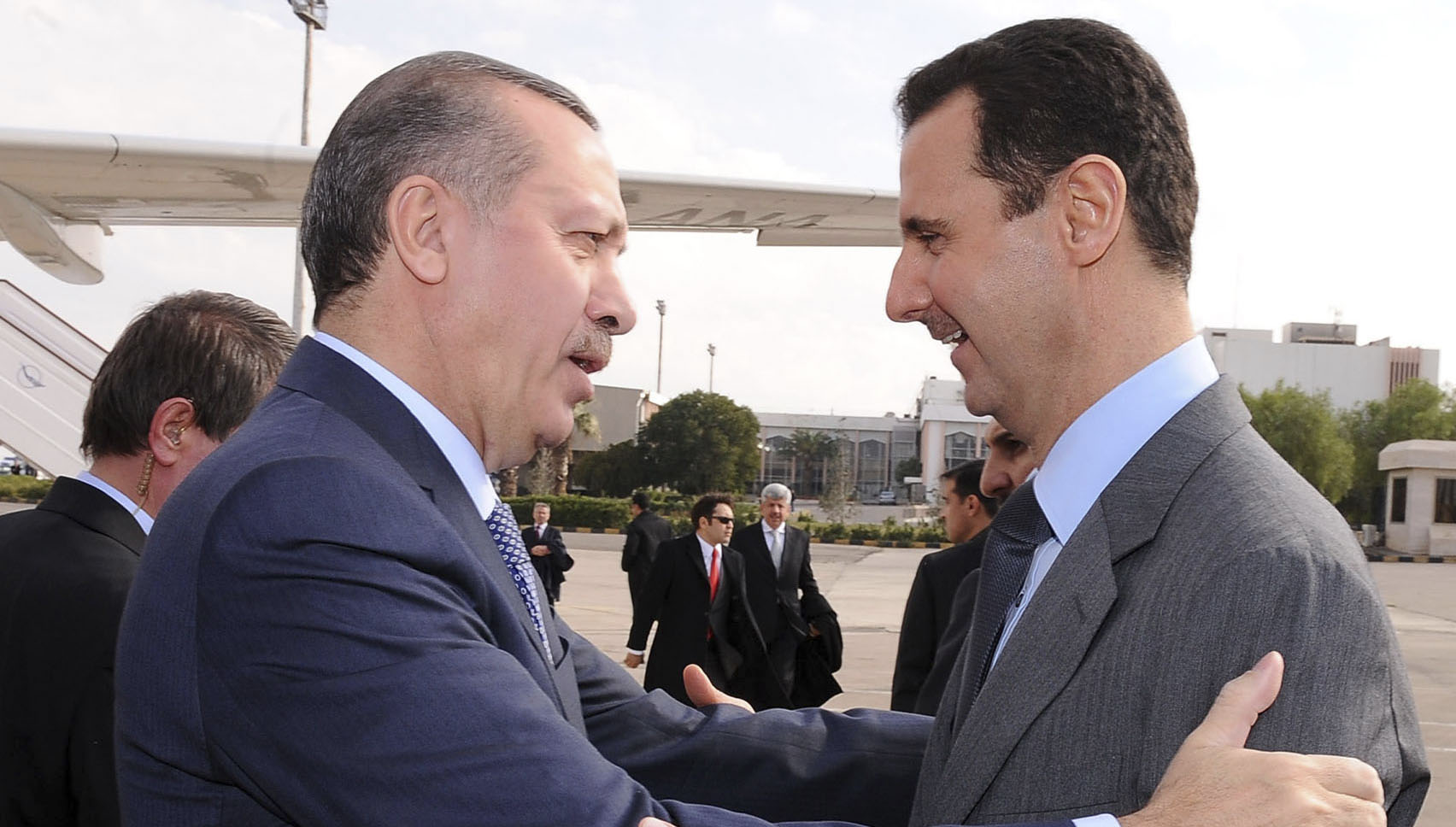
Before the conflict in Syria started, Turkey cultivated close ties to the Assad regime. The two countries lifted visa requirements, held joint military exercises and cabinet meetings, and collaborated against the Kurdistan Workers’ Party (P.K.K.). Ankara’s newly-adopted philosophy, “zero problems with neighbors,” had—at the time—won praise both at home and abroad. Turkish foreign minister, Ahmet Davutoglu, the architect of the policy, at one point described Turkey’s Syria policy as a “striking example” of the success of Ankara’s new foreign policy vision.
Rouhani and Erdogan Pledge to Boost Bilateral Ties, Cooperate on Regional Problems
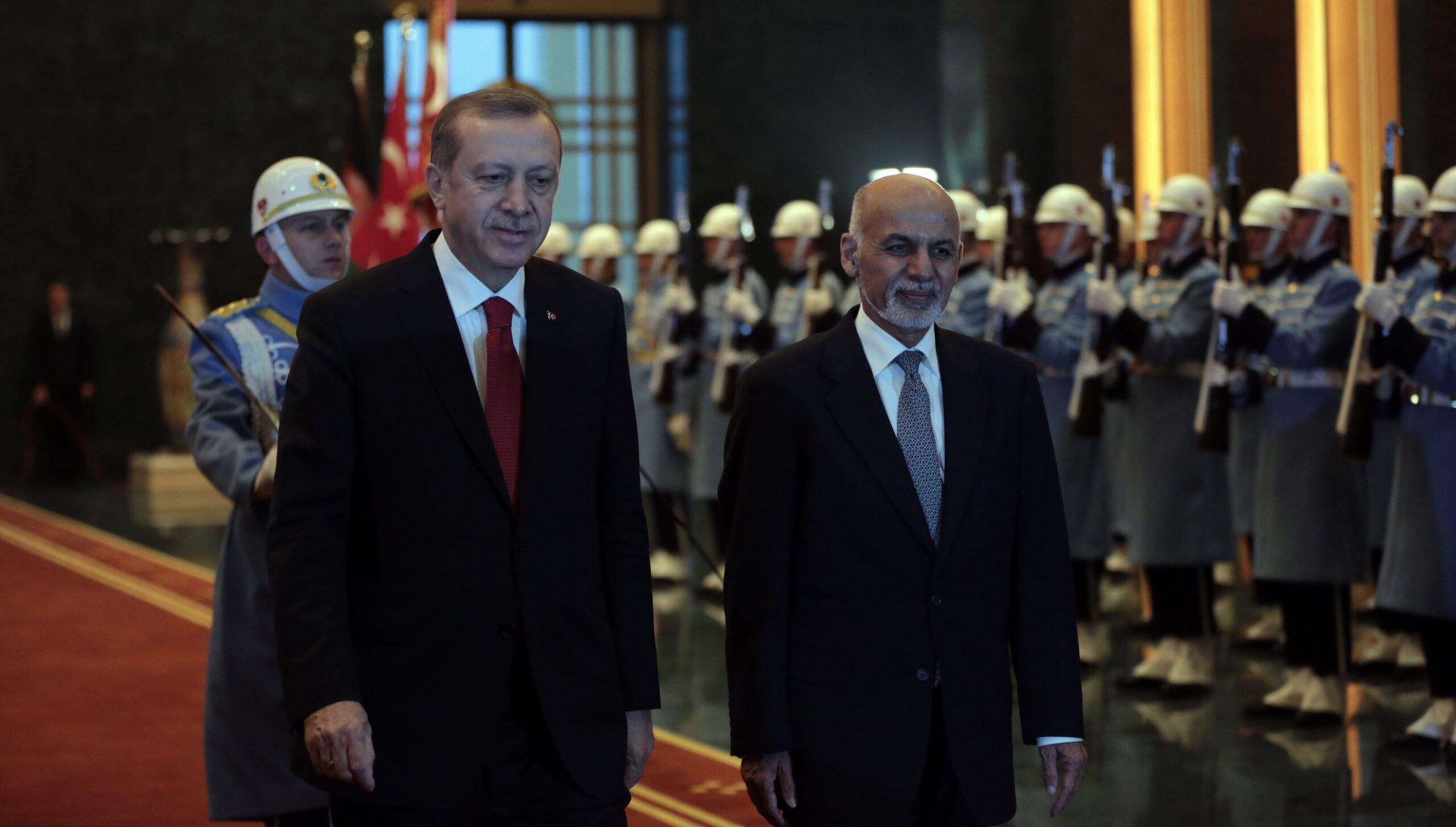
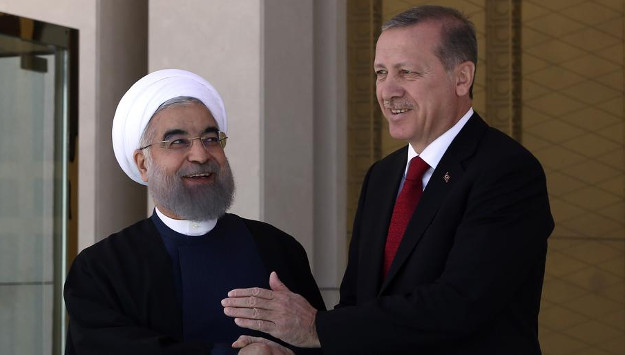
Iran wants to cooperate more closely with Turkey to resolve regional problems, Iranian President Hassan Rouhani told his Turkish counterpart Recep Tayyip Erdogan in a telephone conversation earlier today. Rouhani offered his congratulations to Erdogan on the occasion of Eid al-Adha and stressed that he will do more during his second term in office to expand Tehran’s ties with Ankara in all fields.
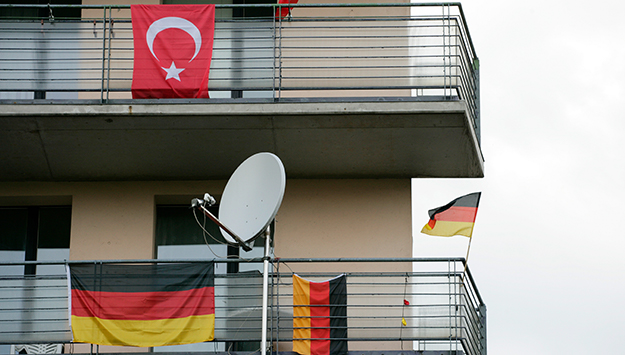
The Real Reasons behind the Current Turkish-German Row
Relations between Turkey and Germany have become increasingly fraught over the past few months. They hit a new low following the August 19 arrest of Turkish-born German writer Dogan Akhanli in Spain. Akhanli, a frequent critic of Turkish President Recep Tayyip Erdogan, was held by Spanish authorities in connection with criminal proceedings in Turkey. Germany’s foreign minister has urged Spanish officials not to extradite the writer.
A series of high level diplomatic visits have signaled a surprising rapprochement between Iran and Turkey in recent weeks. What’s driving this warming in relations, and how has Russia been involved? What are the potential consequences in the region and for U.S. policy there? MEI’s Gonul Tol and Alex Vatanka join Paul Salem to discuss.