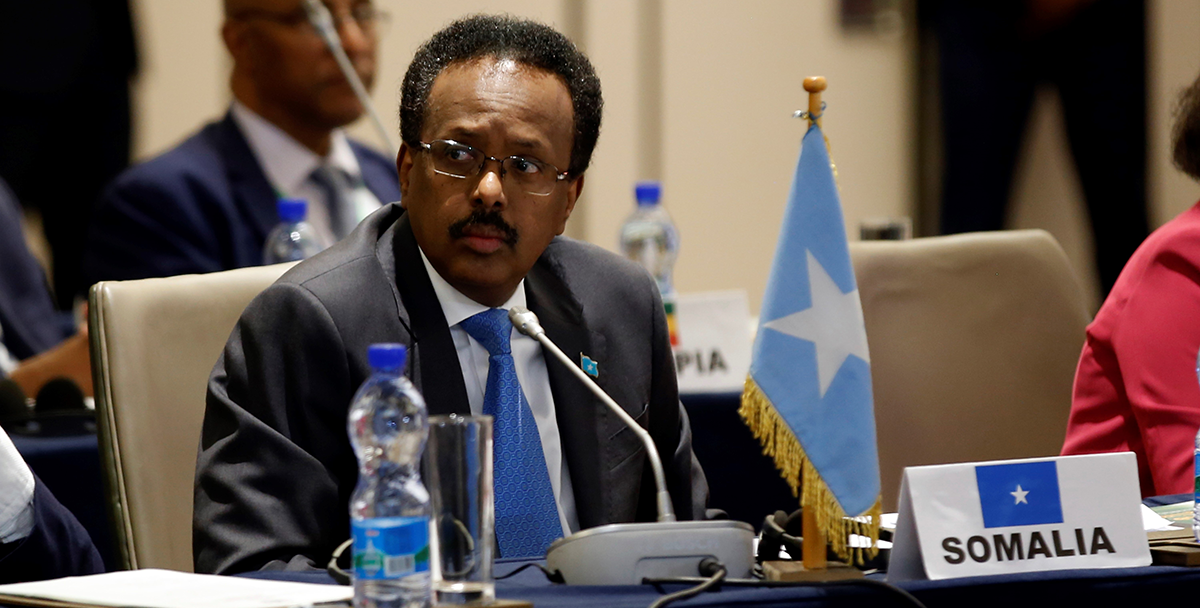
As Farmaajo digs in with Qatari backing, Somalia’s election crisis grows worse
Mohamed Abdullahi Farmaajo’s presidential term ended on Feb. 7, 2021, but he remains in office, determined to hold onto power. Backed by Qatar, the incumbent president has become increasingly dictatorial, waging wars against the country’s independent media, political opposition, and the federal member states.
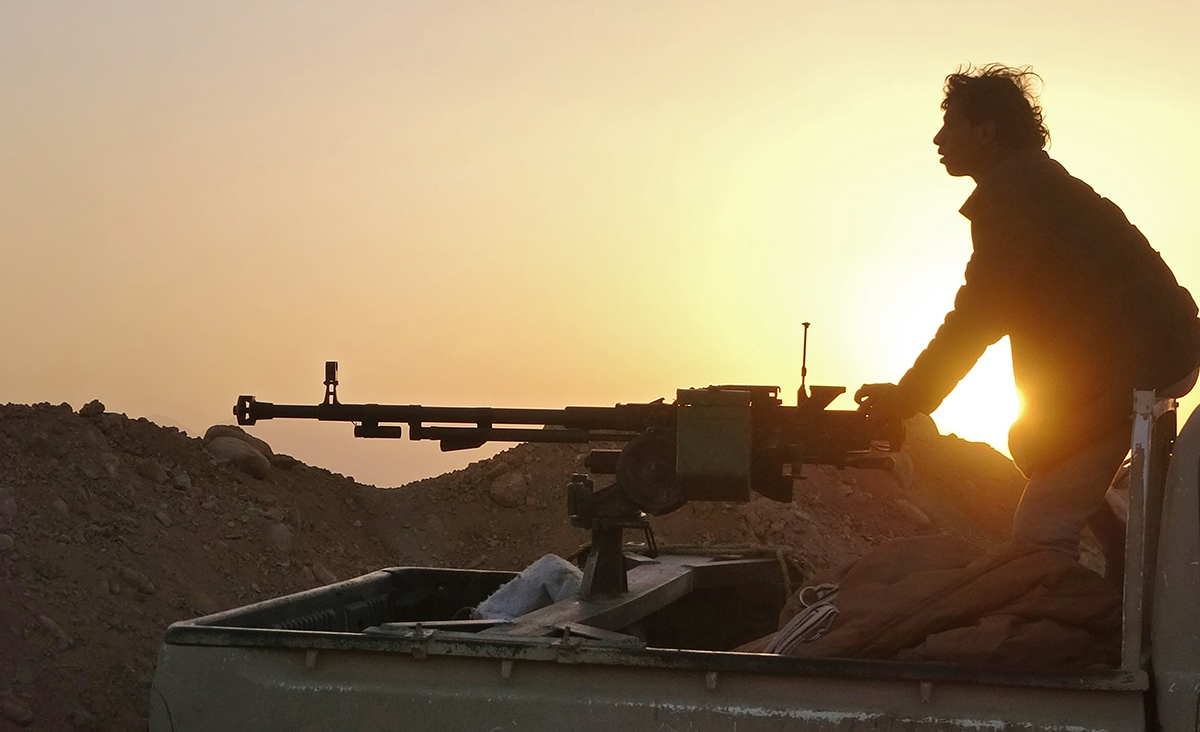
Why the “end the Yemen war” narrative is problematic
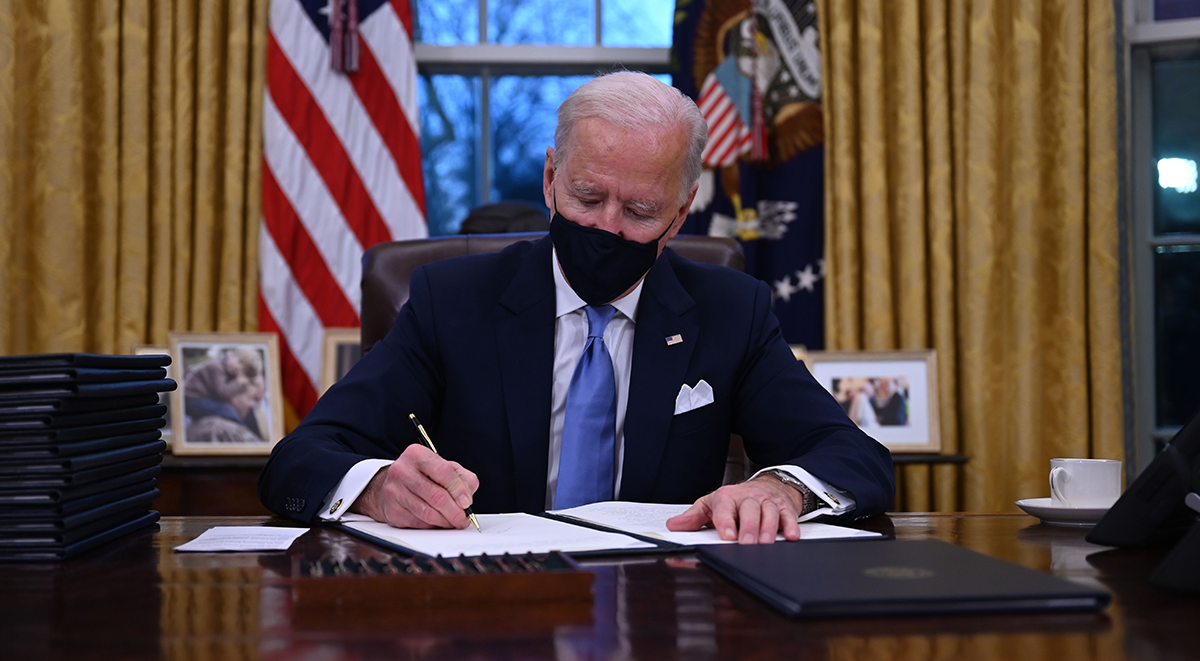
On Feb. 4, the Biden administration announced the appointment of Timothy Lenderking as the U.S. special envoy to Yemen. In a televised speech, President Joe Biden said that by appointing Lenderking, the U.S. is stepping up its diplomatic efforts to end the war in Yemen and by extension the humanitarian catastrophe the war has created. While Lenderking’s appointment is a much-needed step, the “end the Yemen war” discourse championed by Western policy analysts, diplomats, and peace advocates is highly problematic and disconnected from the reality on the ground.
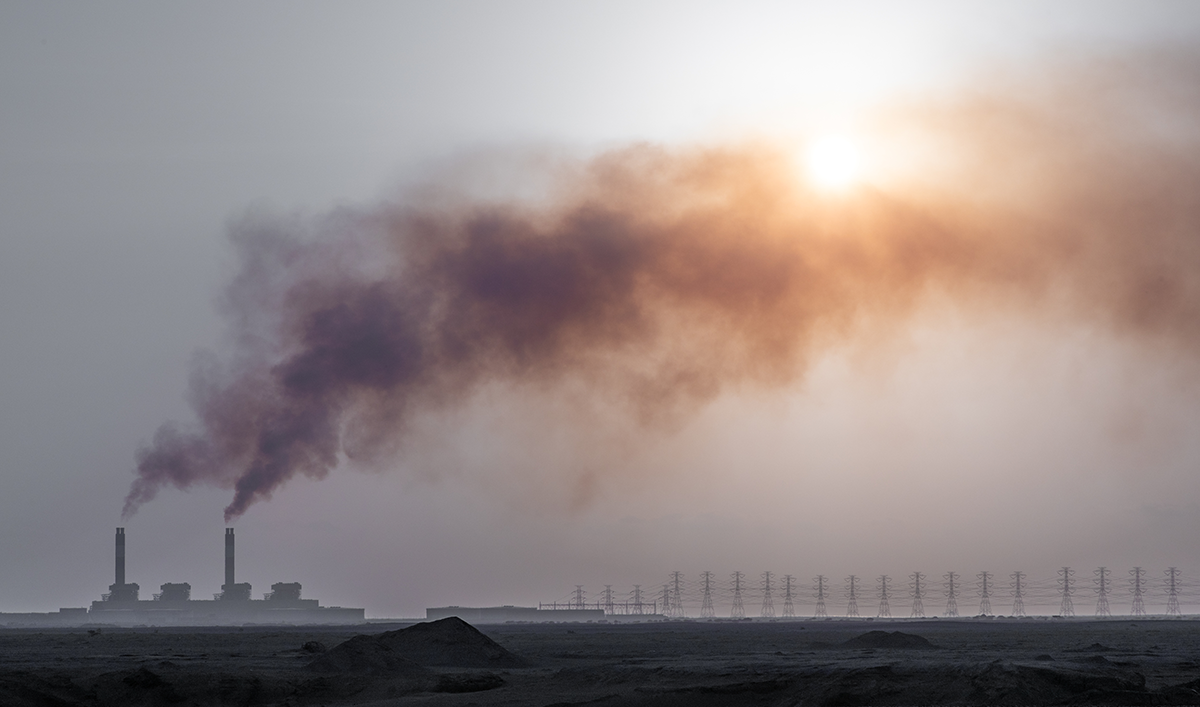
Finding common ground: Fostering environmental cooperation in the Persian Gulf
When it comes to the Persian Gulf, saving the environment might seem like it would be the last item on the to-do lists of the region’s Iranian and Arab rivals. It is an urgent matter, however — and one that could help turn these foes into friends. The United States can play an important role in this: It has helped the region to resolve conflicts over water in the past, and it could do so again.
The Riyadh Agreement: Yemen’s new cabinet and what remains to be done
On December 18, Yemeni President Abed Rabbu Mansour Hadi announced a new cabinet as part of his efforts to implement the political annex of the Riyadh Agreement (RA) signed on November 5, 2019 between the Republic of Yemen Government (ROYG) and the UAE-backed Southern Transitional Council (STC). The agreement included several political, security and economic provisions such as: the formation of a new government that includes the STC; the disarmament and integration of militias and military formations under the auspices of the ministries of defense and interior; support of the Yemeni economy; and the demilitarization of Aden.
MEI’s Paul Salem and Ross Harrison join host Alistair Taylor to discuss what the Biden Administration can do to reduce regional tensions and proxy conflicts in the Middle East.
Ethiopia’s domestic problems risk becoming international
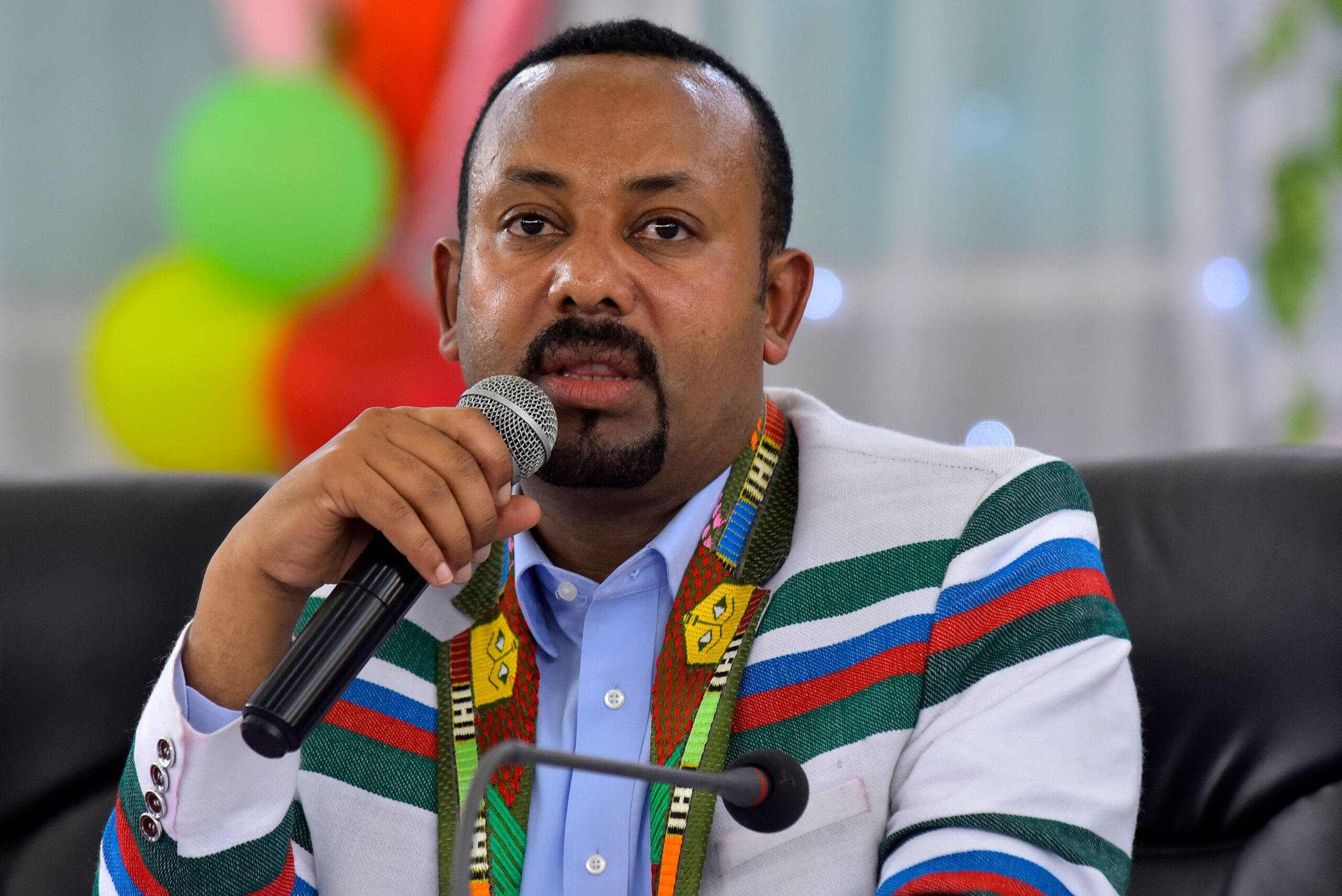
In Egypt, Ethiopia, and Sudan, coverage of negotiations around the Grand Ethiopian Renaissance Dam (GERD) has tended to consistently be in the news over the past few years. The events of the last few weeks, however, have easily pushed GERD talks to the side. On Nov. 4, 2020, Ethiopian federal government forces started pounding the Tigray region, one of 10 semiautonomous regions in the country, after Prime Minister Abiy Ahmed accused the Tigray People’s Liberation Front (TPLF) of attacking a federal base. Relations had been disintegrating after Abiy cancelled elections, due to COVID, that would have marked the end of his term. While most of Ethiopia’s ethnic minorities took umbrage, the TPLF went a step further by holding their own elections, the results of which were declared null and void by the federal government.
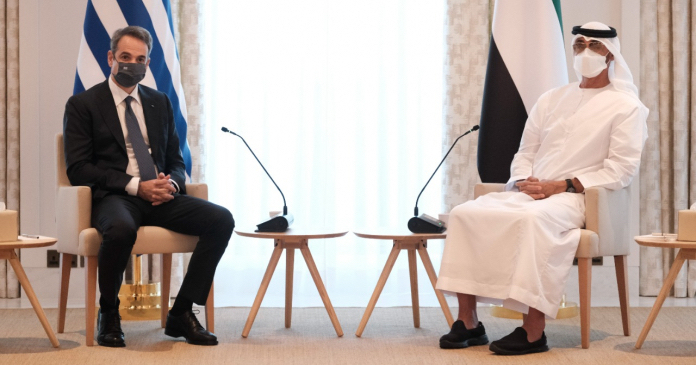
In mid-January the press reported that the United Arab Emirates (UAE) will soon participate in a joint military exercise with the United States, Canada, Slovakia, Spain, Cyprus, and Israel. While Israel’s inclusion is certainly newsworthy, it is also quite significant that the drill will take place in and be coordinated by Greece. This is just the latest step in a long process of engagement between Athens and Abu Dhabi.
As long as weapons transfers to armed non-state actors are not adequately restricted and the monopoly of violence is not exclusively in the hands of the government, it will be impossible to build sustainable peace in Yemen.
The Biden administration and the Middle East: Regional perspectives on the first 200 days
As the Biden administration takes office, it faces a host of challenges, both at home and abroad. Where does the Middle East fit into all of this and what should the new administration prioritize in its first 200 days? In the second part of a two-part series, we asked experts and scholars from across the region to weigh in with their thoughts.
Houthi terrorist designation raises troubling questions for tech companies
One underrecognized aspect of Houthi operations that the recent FTO designation brings under scrutiny is their online presence. Ansar Allah maintains accounts on YouTube and Twitter, with 26,300 followers and 16,800 followers respectively. It also has an active group with over 22,000 participants on Telegram, an instant messaging service legally headquartered in London with servers in Dubai. The group even has its own official website.
MEI experts Gerald Feierstein, Alex Vatanka, Gonul Tol, and Charles Lister join host Alistair Taylor to survey what lies ahead for the region in the year ahead, with particular attention to Yemen, Iran, Turkey, and Syria.
The Biden administration and the Middle East: Four-year policy goals
The Biden administration will face a number of major challenges in the Middle East over the next four years, from great power competition and climate change to cybersecurity and refugees and migration. But what realistically can it achieve in that time on the policy front? To better understand what’s possible, we asked 10 experts from across MEI to weigh in with their thoughts.
A Shift Among the Shi'a: Will a Marj'a Emerge from the Arabian Peninsula?
This paper looks at the political implications of the relationship between Shi’a in the Gulf states and Iranian marj‘as, the historical background to these ties, and Gulf states’ concerns surrounding the outflow to Iran of religious taxes. In some Gulf countries, these issues are tied to concerns about the loyalty of Shi’a to the nation. The authors argue that the emergence of a marj‘a who would be based in one of the Gulf states could quell these concerns.The authors identify potential marj‘as from the region and steps that Gulf states must take so that their Shi’a citizens will shift their allegiance from foreign-based marj‘as to domestically based ones.