This text has been translated by AI and may contain errors.
Skip to Content

Research & Commentary Results

Filter by
908 Results
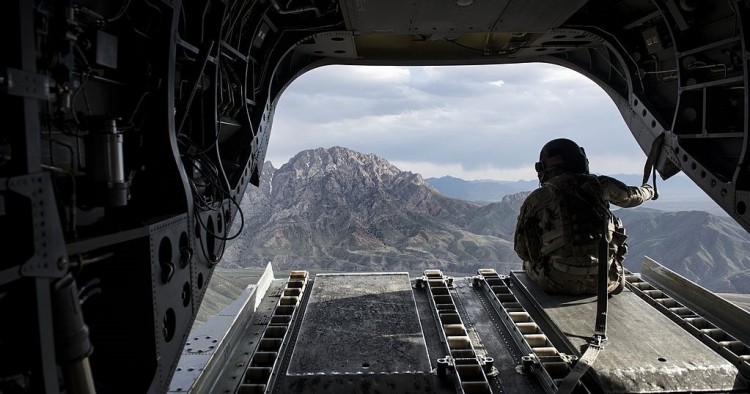
Prospects for the intra-Afghan talks in Doha
Middle East Institute
  • Podcast
  • Prospects for the intra-Afghan talks in Doha

    Omar Samad and Marvin Weinbaum join host Alistair Taylor to discuss what to expect from the intra-Afghan talks underway in Doha, the ongoing violence on the ground in Afghanistan, and the challenges facing Afghan security forces as the US continues its troop drawdown.

    More episodes

    October 6, 2020

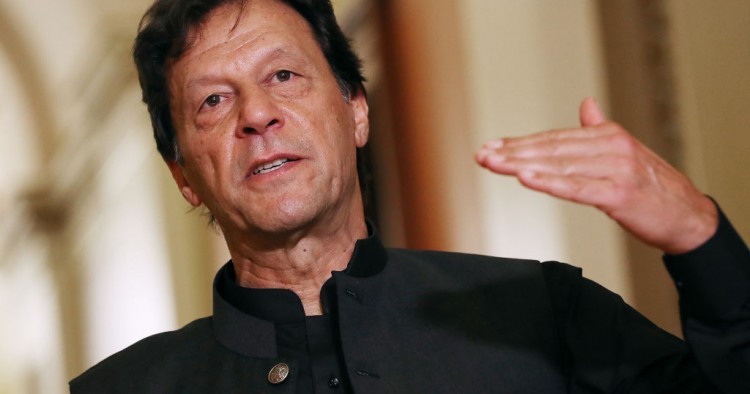
    Pakistan's Israel dilemma
  • Analysis
  • Pakistan's Israel dilemma

    On Sept. 13, Bahrain recognized Israel at a ceremony attended by US President Donald Trump at the White House. With the stroke of a pen, Bahrain became the fourth Arab state to have forged official ties with Israel, following in the footsteps of Egypt (1979), Jordan (1994), and most recently, the UAE (Aug. 13, 2020).

    October 6, 2020

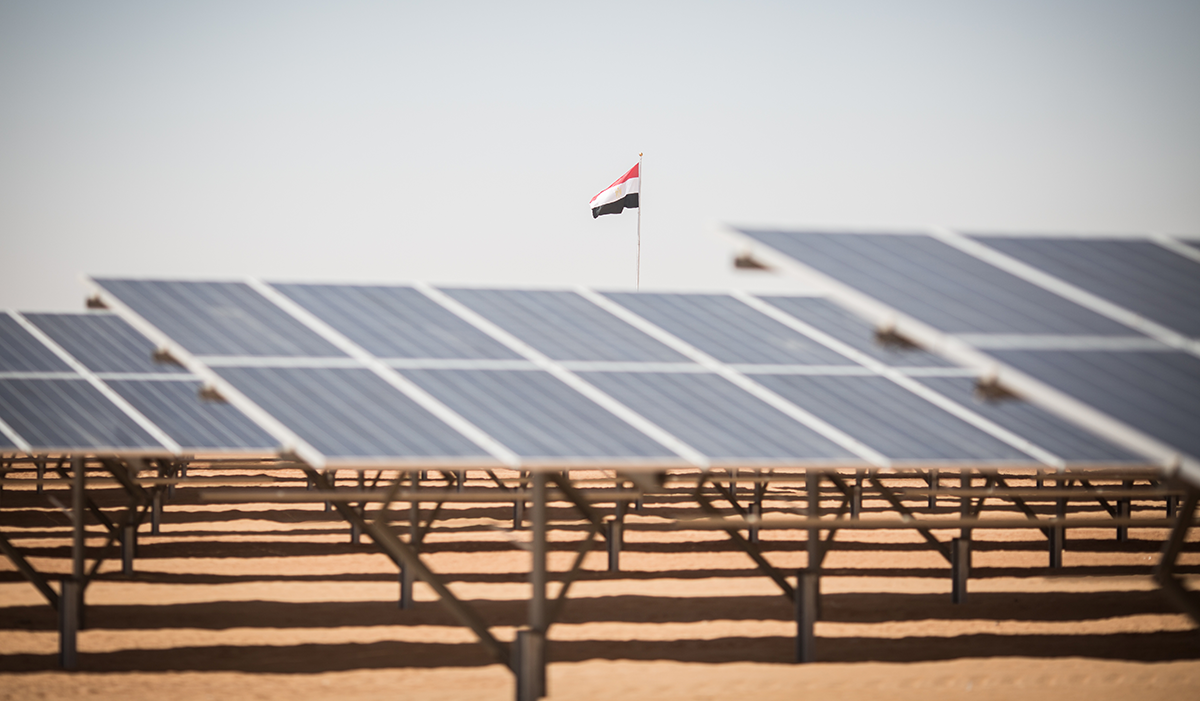
    Towering Ambitions: Egypt and China Building for the Future
    Middle East Institute
  • Analysis
  • Towering Ambitions: Egypt and China Building for the Future

    Over the past decade, Egypt and China — the former a traditional US partner and the latter America’s strategic competitor — have forged ever-deeper ties. During that time, Beijing has sought to leverage its relationship with Egypt to advance the Belt and Road Initiative (BRI), while Cairo has looked to China as a critical partner in the revitalization of the Egyptian economy. Entering 2020, Egypt was one of the fastest-growing emerging markets, and the Sino-Egyptian economic relationship was thriving. However, the fallout from the pandemic could undermine Egypt’s recent success in restoring growth and regaining investor confidence. It could also test the resilience and delay the further expansion of Sino-Egyptian economic ties.

    America in Afghanistan
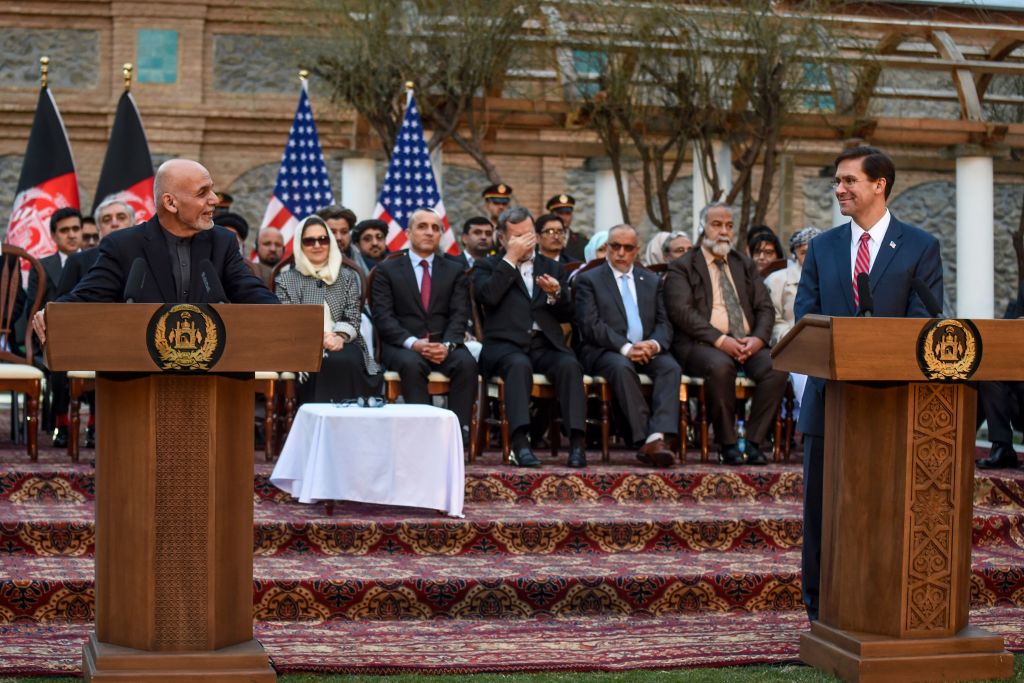
    Photo by BRENDAN SMIALOWSKI/AFP via Getty Images
  • Analysis
  • America in Afghanistan

    In the recently released Showtime documentary “Kingdom of Silence” by Alex Gibney and Lawrence Wright, I made the statement that with hindsight the U.S. may have been better off never having occupied Afghanistan. That comment has brought some questions and responses, so let me be clear about what I mean and why.

    October 5, 2020

    Monday Briefing: Will Russia and Turkey face off over Nagorno-Karabakh?
  • Commentary
  • Monday Briefing: Will Russia and Turkey face off over Nagorno-Karabakh?

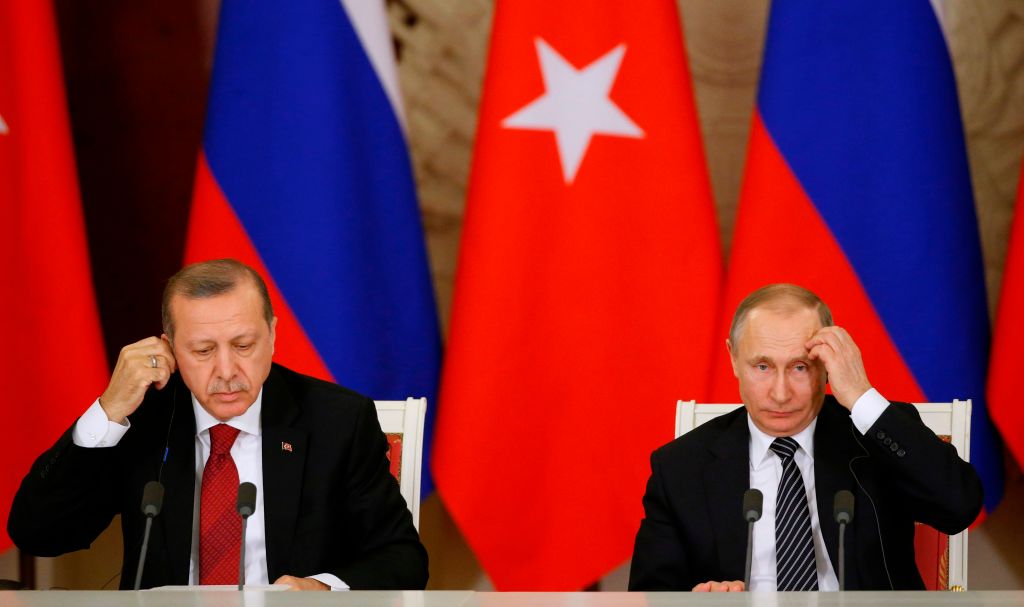
    This week’s briefing on recent news and upcoming events in the region featuring Maxim A. Suchkov, Ibrahim Jalal, Eliza Campbell, Alex Vatanka, and Marvin G. Weinbaum.

    September 28, 2020

    The Taliban holds the upper hand in intra-Afghan talks
    Photo by US Department of State/Handout/Anadolu Agency via Getty Images
  • Commentary
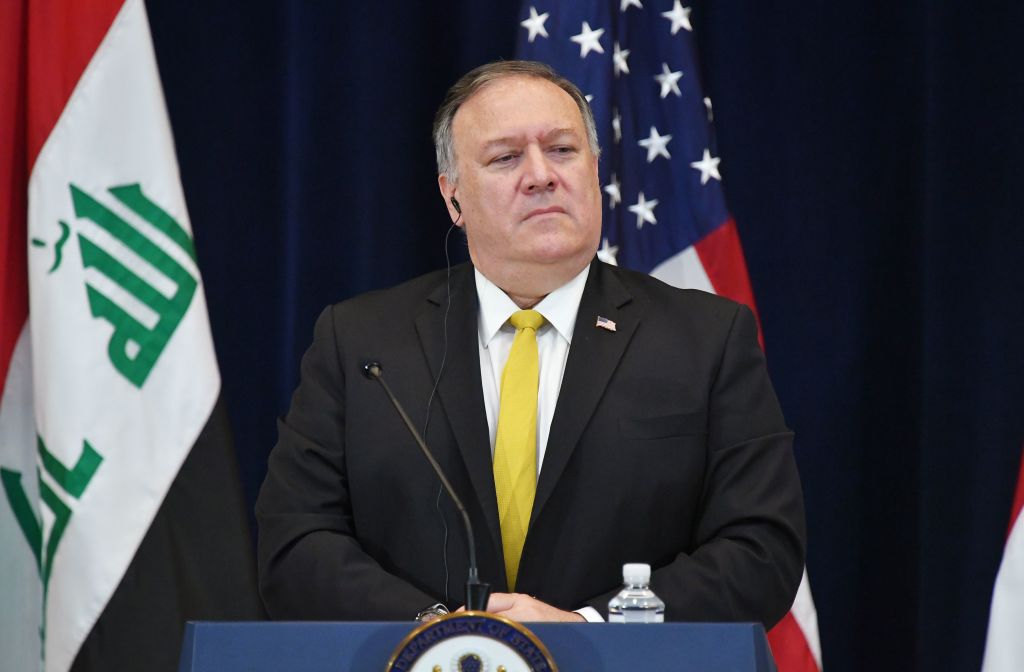
  • The Taliban holds the upper hand in intra-Afghan talks

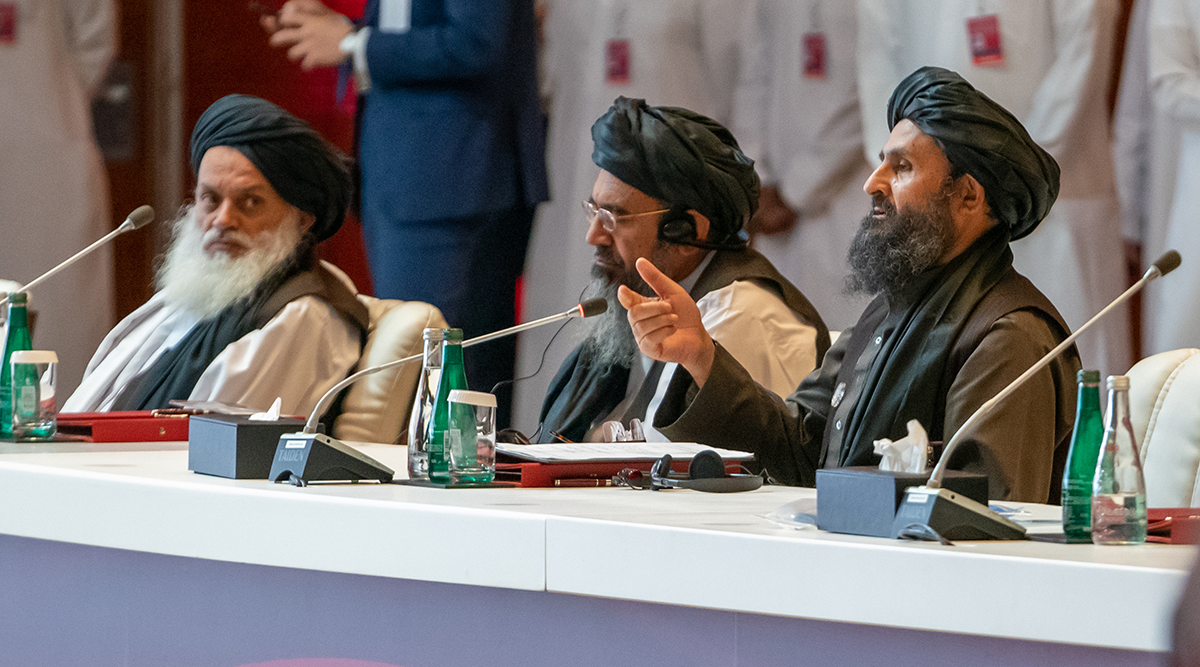
    The ongoing intra-Afghan talks confirm, without a doubt, that the Taliban is negotiating from a position of remarkable strength. After being overthrown by the military of the world’s sole superpower two decades ago, the Taliban’s resurgence is a perfect example of what happens when a counterinsurgency campaign fails to eliminate its target’s safe havens. The Doha negotiations have also underlined the ugly reality of the Afghan conflict — that firepower alone cannot crush an insurgency when its narrative has some resonance with the local people.

    September 21, 2020

    An International Financial Commission is Libya’s Last Hope
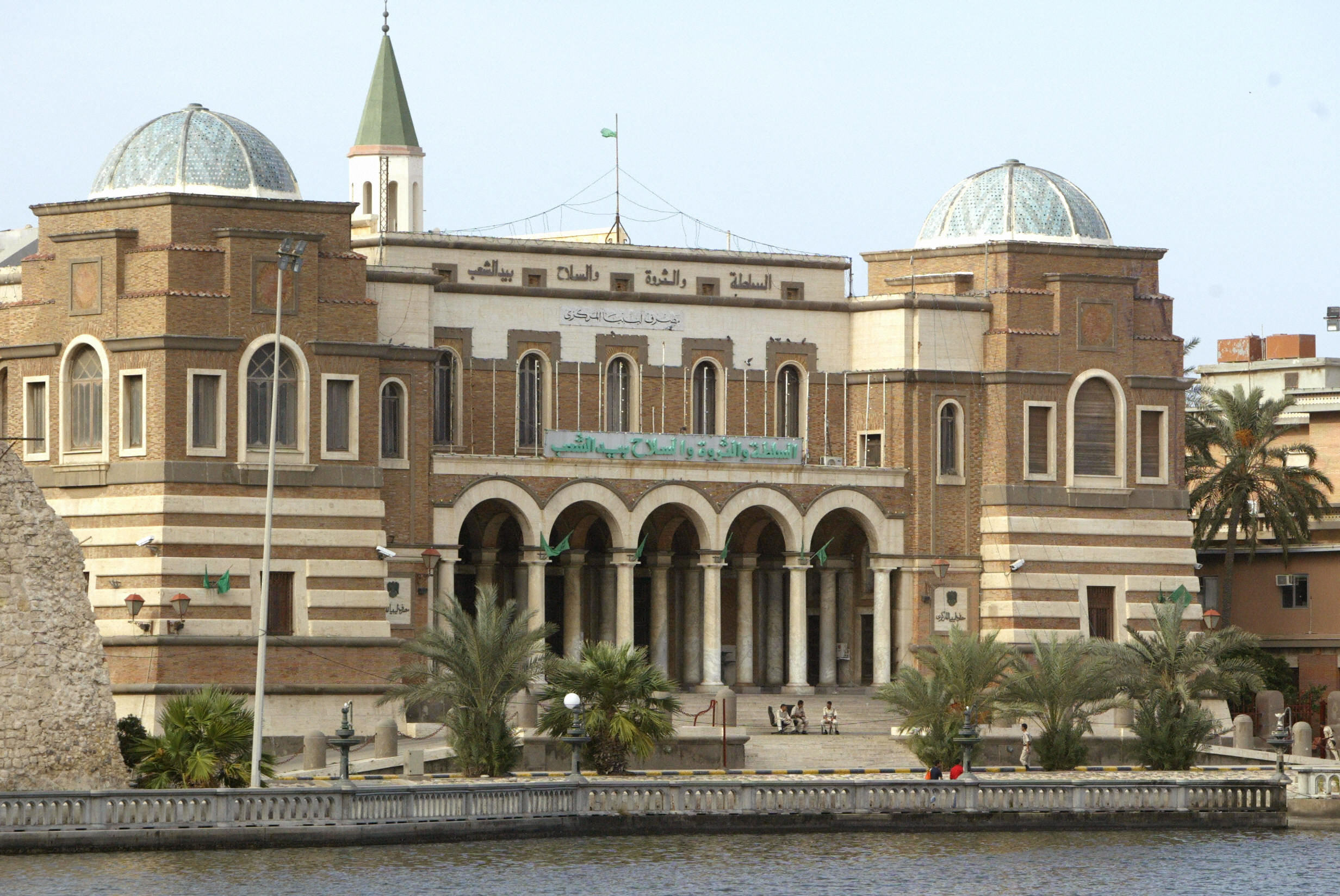
    View of the headquarters of Libya's Central Bank in Tripoli.
  • Analysis
  • An International Financial Commission is Libya’s Last Hope

    For the last five years, the international community has tried a range of different approaches to mediating the Libyan civil war. All have failed. Most nations not actively fueling the war with weapons, money, training, and mercenaries now see that halting these destructive flows is critical to bringing the rival militias to the negotiating table. However, this will not be enough to solve the conflict. Once militias are cut off from external sources of support, the core economic issues that gave rise to the conflict will still remain. Only a new approach empowering Libyan economic reformers and reworking the economic system can fix the dysfunction. To achieve this, international actors need to facilitate the establishment of a Libyan-led International Financial Commission with the authority to restructure the economy.

    September 14, 2020

    Economic transparency and structural reform remain Libya’s last hope
    Photo by MAHMUD TURKIA/AFP via Getty Images
  • Analysis
  • Economic transparency and structural reform remain Libya’s last hope

    Since 2011 Libya’s seemingly endless Wars of Post-Gadhafi Succession have not fundamentally been fought over the control of territory, but rather over the control of economic institutions, patronage networks, and the amorphous optics of legitimacy and international support. The most recent battle, the 2019-20 “War for Tripoli,” was about gaining access to the fonts of both legitimate and corrupt enrichment: letters of credit, smuggling networks, subsidized petrol, and control of those myriad institutions to which Libya’s sui generis economic system grants the ability to exert de facto fiscal, financial, and legal power. Therefore, although Hifter and his allies have been wholesale evicted from western Libya, the grievances they highlighted, preyed upon, and took advantage of remain unchanged.

    September 14, 2020

    An enduring divide: Afghanistan, Pakistan, and the Durand Line
    Photo by WAKIL KOHSAR/AFP via Getty Images
  • Analysis
  • An enduring divide: Afghanistan, Pakistan, and the Durand Line

    The Durand Line, as the British-Empire-drawn border that separates Afghanistan and Pakistan is known, continues to haunt the region and its leaders. On Sept. 7, Afghanistan’s first vice president, Amrullah Saleh, opened Pandora’s box by saying in an interview that “No Afghan politician of national stature can overlook the issue of Durand Line.”

    September 11, 2020

    Election 2020: Challenges and Opportunities for US Policy in the Middle East
  • Analysis
  • Election 2020: Challenges and Opportunities for US Policy in the Middle East

    In a new briefing book released ahead of the U.S. elections in November, entitled Election 2020: Challenges and Opportunities for US Policy in the Middle East, MEI scholars lay out key issues across the region, highlight the U.S. interests at stake, and provide policy insights and recommendations for the path forward.