Monday Briefing: No surprises in Iran’s election, but what comes next?
اقرأ تقرير MEI الأسبوعي الذي يتضمن تحليلات الخبراء للتطورات الإقليمية الرئيسية للأسبوع المقبل.
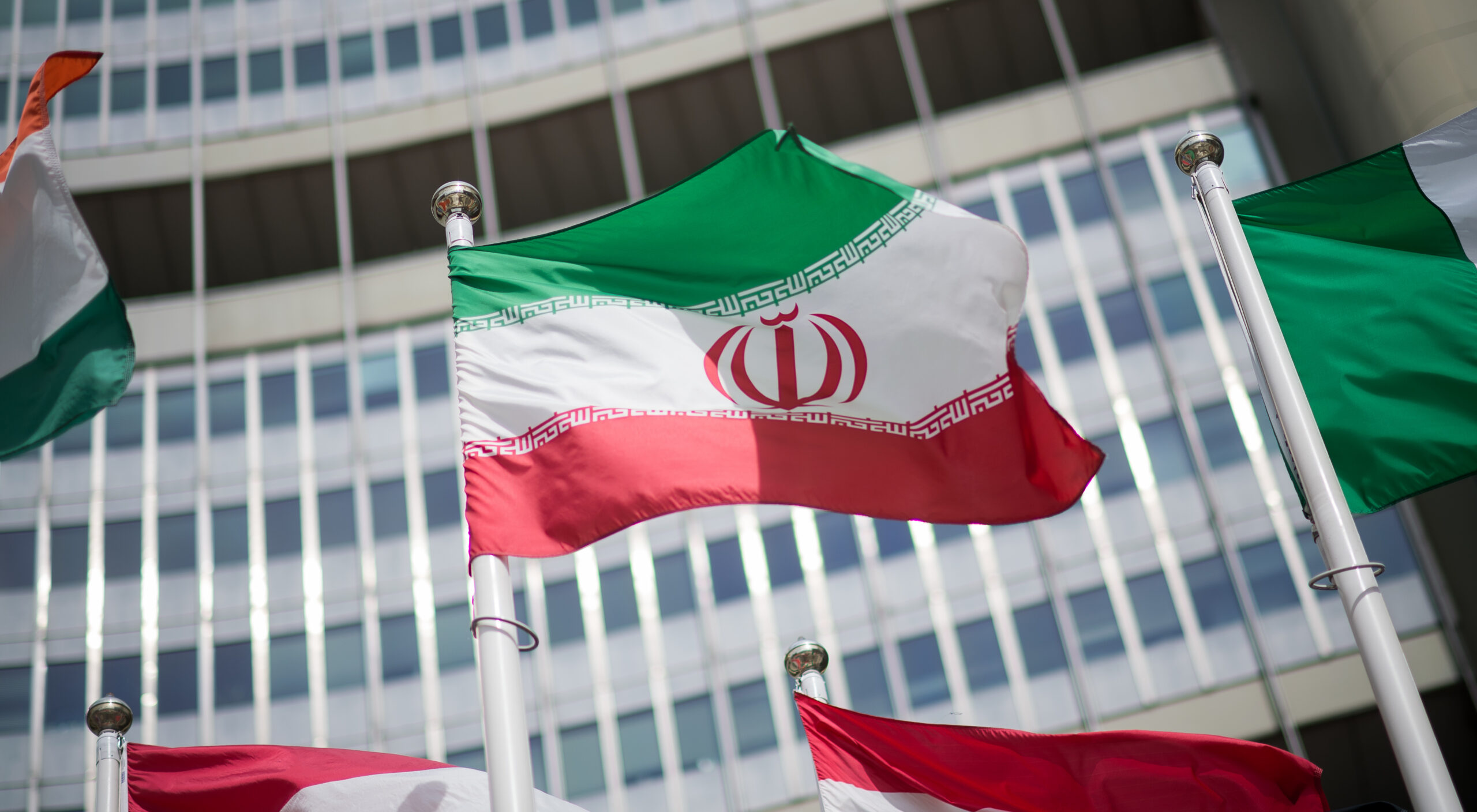
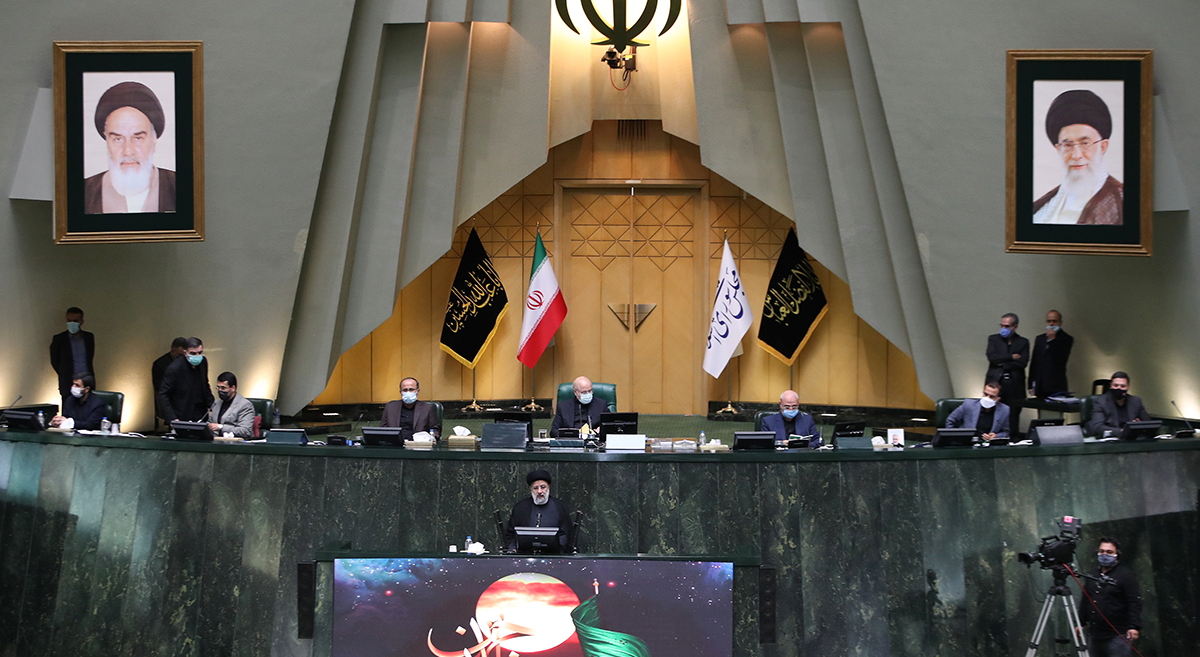
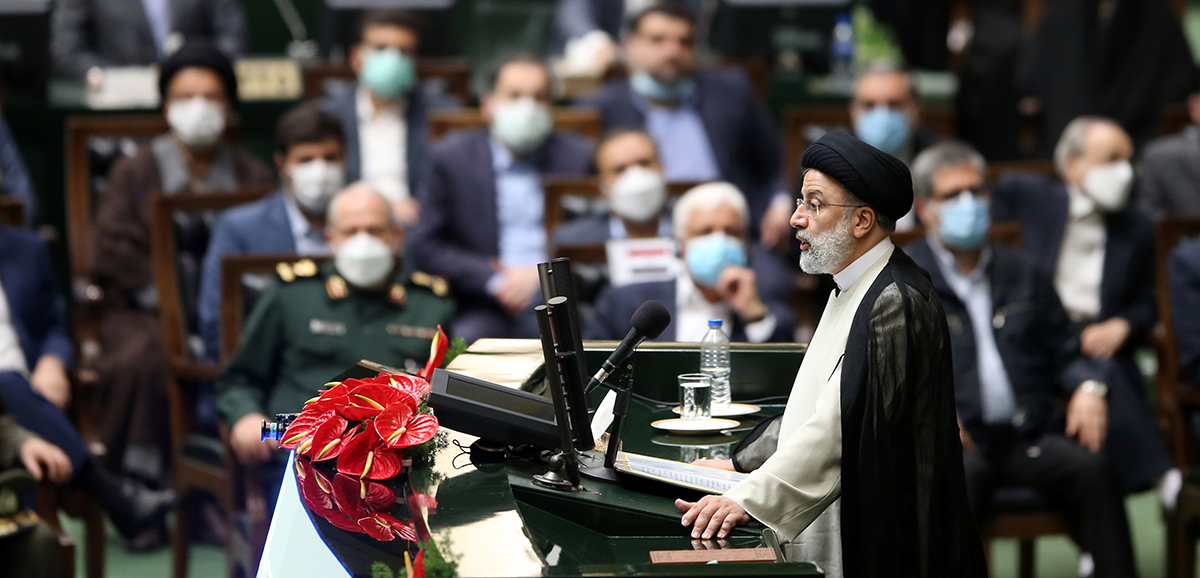
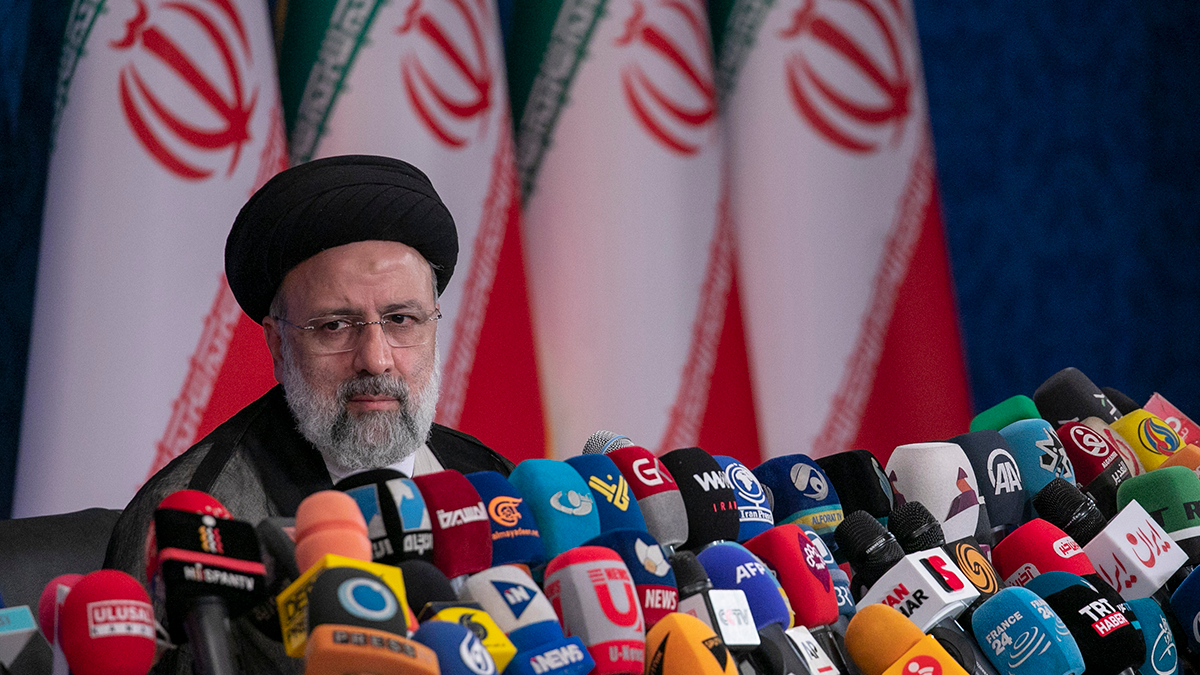
In the run up to Iran’s presidential election, Supreme Leader Ayatollah Ali Khamenei has sought to entrench his power. Will a sharp slump in voter turnout reveal the extent of popular discontent?
Blame will go to the departing president while praise will go to his handpicked successor.
Iran’s presidential election on June 18 is expected to have the lowest turnout of any election to date and the implications are likely to extend far beyond the ballot box.
Alex Vatanka joins host Alistair Taylor to discuss Iran’s upcoming presidential election on June 18. The election comes at a pivotal time for the country, as it faces a serious economic crisis and growing popular dissatisfaction at home, as well as a changing regional environment and ongoing talks over the revival of the 2015 nuclear deal.
Today, as we approach the end of Rouhani’s government, how should historians and scholars evaluate the economic, political, and social situation over the last eight years? The issues of women’s political participation and social freedom, which were promised by Rouhani, especially during his first campaign, are of particular importance in this regard.
“من المرجح أن ينخفض الإقبال بصورة تاريخية إلى نحو 20% مما يدل على عدم جدوى هذه الانتخابات”
Blessed with milder temperatures than its Gulf neighbors as well as abundant rain and snow fall, Iran is one of the last countries in the region to introduce a seawater transfer plan to fight unprecedented levels of drought. The plan, once fully implemented, could help build water corridors linking the shores of Iran’s southern Gulf to those of its northern Caspian Sea. Named the Hope Transfer Line, the plan promises prosperity for farmers and industrialists, and potable water for communities in some 10,000 villages and urban areas located in so-called Red Zones, a category that applies to regions coping with severe water scarcity.
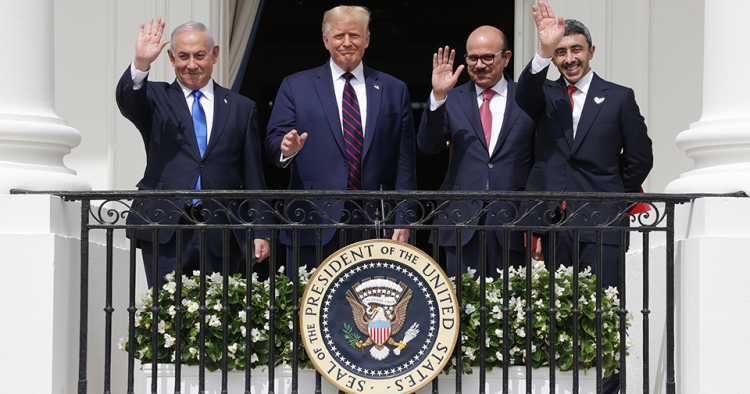
On Sept. 15, 2020, the world witnessed a new era of Israeli-Arab relations as the UAE and Bahrain opened diplomatic relations with Israel, in what is known as the Abraham Accords. Unlike the Israeli-Egyptian or the Israeli-Jordanian peace deals, which aimed to end direct military confrontations, the Abraham Accords seek to maximize common interests and address security issues to form a new front against Iranian threats. As Biden’s administration shows a willingness to return to some form of the 2015 Iran nuclear deal, the joint cooperation between Israel and the Gulf states is becoming more visible than ever, particularly in cyberspace, where they share a common enemy.
The scene was a familiar one, even if the scale was not. On May 17 and 18, thousands of migrants entered Ceuta, one of two Spanish enclaves in North Africa that border Morocco. The record flow of irregular migrants surpassed 12,000 people over the course of two days. The Spanish authorities quickly understood that this surge in migration was about more than the usual human desperation that has driven large numbers of people over fences and across water in an effort to enter Europe in recent years. Morocco, troubled over Madrid’s stance on its territorial claims over the Western Sahara, decided to retaliate.
تحليل إقليمي متخصص من قبل باحثي ومساهمي معهد الشرق الأوسط.
The recent round of fighting between Israel and Hamas, and especially the events that preceded it in Jerusalem, were the first significant test of the Arab-Israeli normalization agreements signed in 2020. Saved by Hamas’ intervention, the four normalizing Arab governments were nevertheless forced to address the consequences of their agreement in the face of popular discontent with the situation at home as well as criticism from other Arab and Muslim states over their relative silence. How they respond to the evolving Israeli-Palestinian tension going forward will be critical not only in regard to their own relations with Israel but also in terms of the future path of Arab-Israeli normalization.
With supplies running out, water security could be the issue that finally makes the region’s countries work together.
As the Islamic Republic of Iran approaches its 13th presidential election, the candidacy of former President Mahmoud Ahmadinejad (2005-13), once strongly supported by the conservative camp, poses a significant challenge to other conservative candidates by dividing their base. Given Ahmadinejad’s transformation into an opposition voice — one who openly crosses the Islamic Republic’s redlines — the ruling establishment is now facing a predicament on whether to allow the controversial statesman to run, or to bar him from participating in the presidential elections.
Hanin Ghaddar and Kasra Aarabi join host Alistair Taylor to discuss the challenges Hezbollah poses to the region and its key role in Iran’s proxy network, which spans from Iraq to Syria and Lebanon to Yemen.