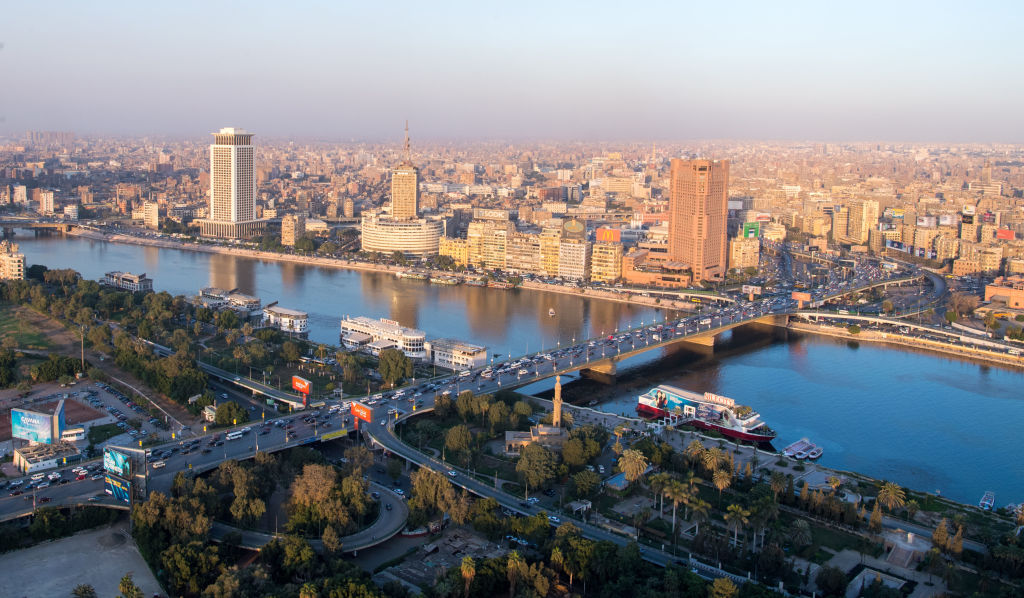
Swings and roundabouts for Egypt in 2019
On the economic front, there were ups and downs, as the overall rosier-looking economic picture came at the expense of many of Egypt’s citizens.
Assad appeared increasingly secure — and confident — in his presidential palace, but also remained a deeply isolated global pariah.
Syrian activists Sarah Hunaidi, Rafif Jouejati, and Jomana Qaddour join host Alistair Taylor to discuss the involvement and role of women in civil society and efforts to shape the country’s political future.
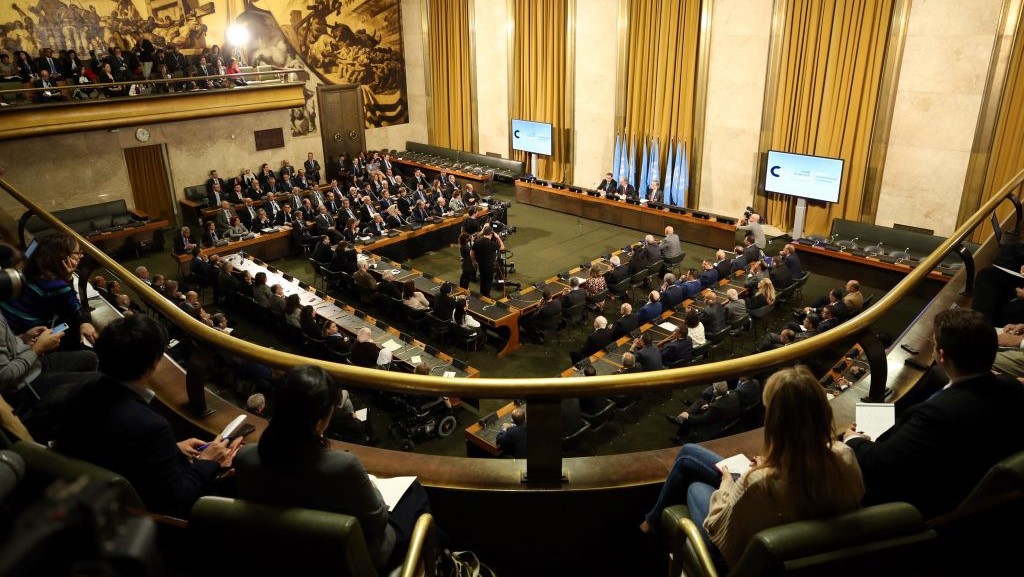
This week marks the second round of constitutional committee negotiations in Geneva, Switzerland convened by UN Special Envoy to Syria Geir Pedersen. The committee is convened under the auspices of UNSCR 2254, which requires the drafting of a new constitution among many other important obligations. The fact that only one of those requirements is being pursued seriously by the international community is — understandably — beyond frustrating for Syrians. Attempting to solve the Syrian conflict by addressing only one of so many outstanding issues is not only a mistake, but will also do little to bring any lasting peace to this war-torn country.
Russia’s ability to control the pace and scope of developments in Syria has been a moving target ever since its intervention four years ago. At varying times, Moscow has found itself both firmly in the driver’s seat and a helpless bystander — the latter most vividly illustrated by events such as the regular Israeli airstrikes on Russia’s Iranian and Syrian regime allies.
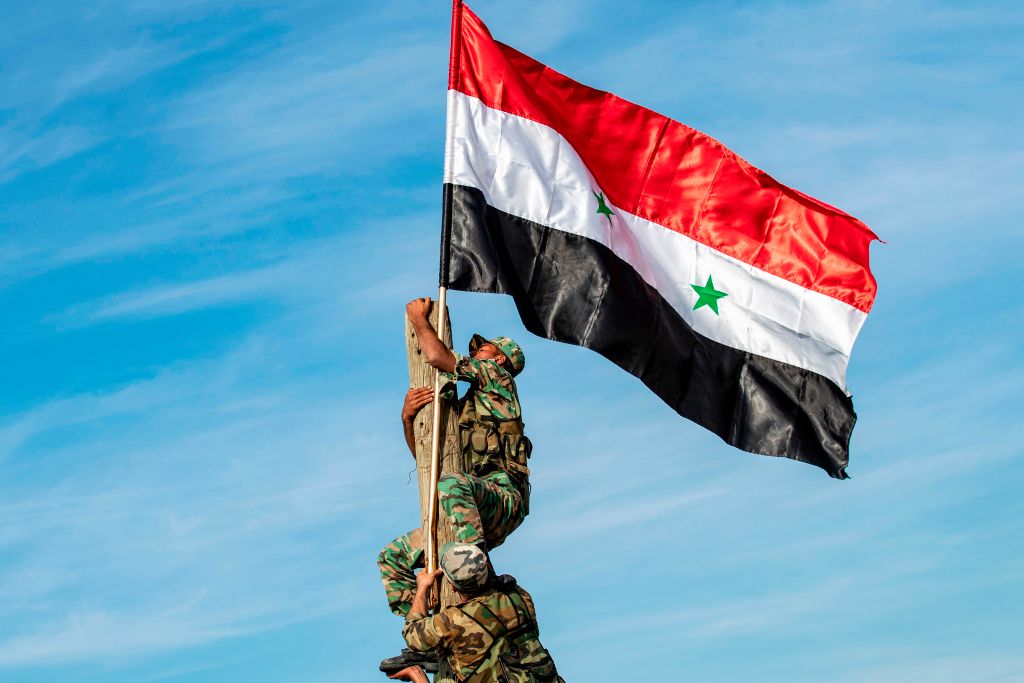
In mid-October, five years after it was expelled from most of eastern Syria as ISIS swept in, the Syrian Arab Army (SAA) returned to much of the northeast as part of a deal between the Syrian Democratic Forces and Damascus struck just days after Turkey launched an offensive against the region. By examining the distribution and make-up of units sent to the northeast we can better understand the strength of the SAA in the region and the current state of its broader deployments across the country.
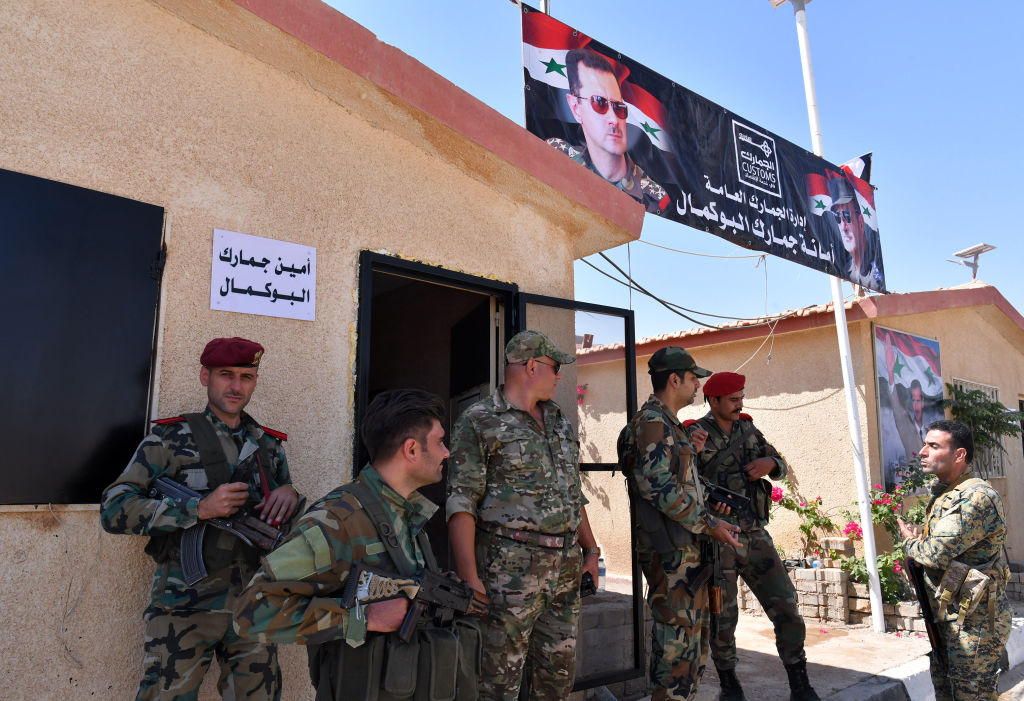
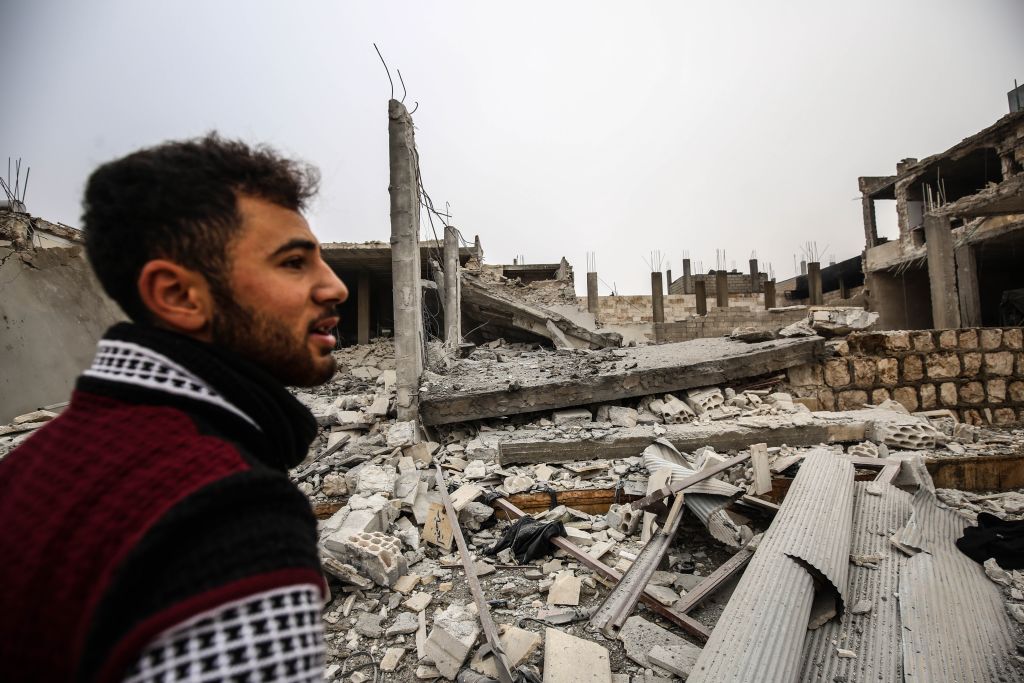
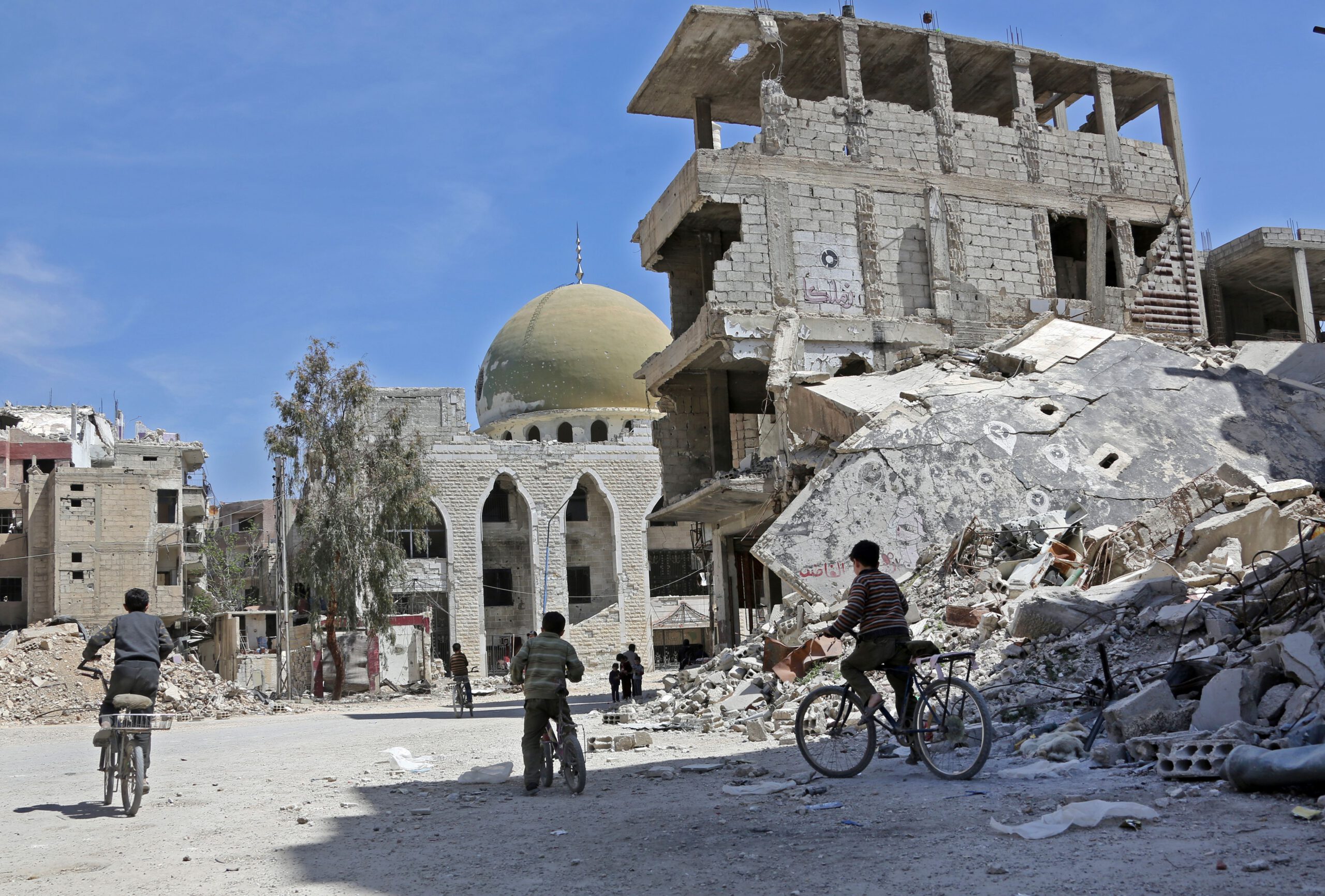
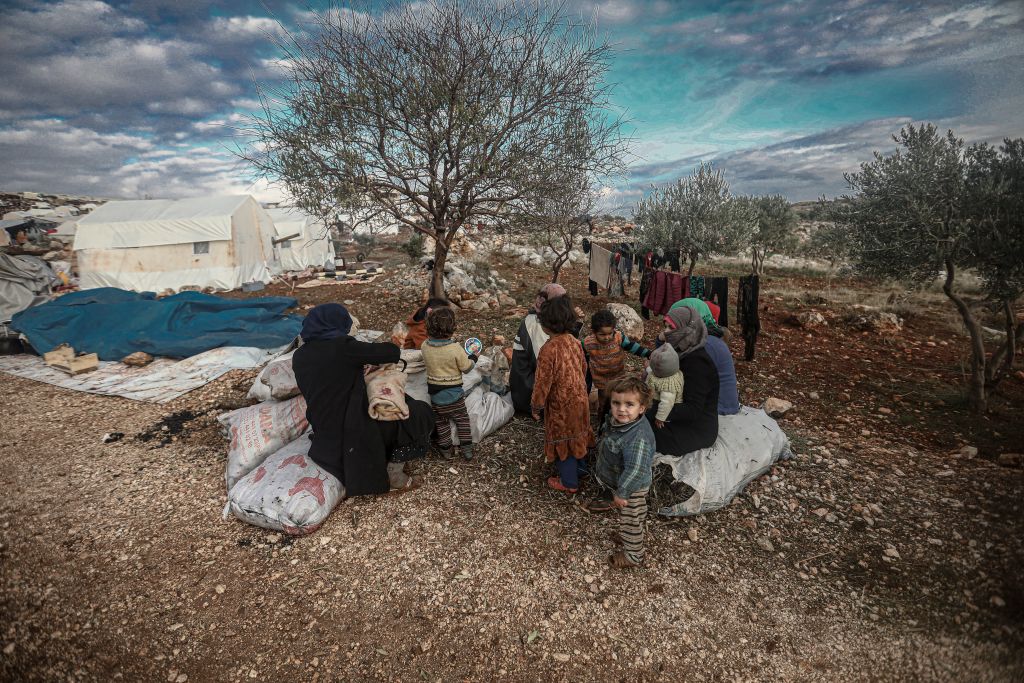
East Ghouta is perhaps the darkest example of renewed Assad regime rule over former opposition territory. 18 months after the regime recaptured the area, its security forces and intelligence apparatus continue to terrorize Syrians there. Night-time raids on homes, mass arrests, and forced disappearances are common occurrences across the region. Intelligence forces assert themselves in every aspect of daily life, especially at the ubiquitous checkpoints where personnel extort residents for bribes when they pass, subjecting them to security checks that can lead to civilians either being arrested on the spot or conscripted into military service. In addition, residents of East Ghouta are facing a humanitarian crisis amid a total lack of basic services, from sewage to schools and hospitals, and the basic pillars of the local economy remain in total disrepair.
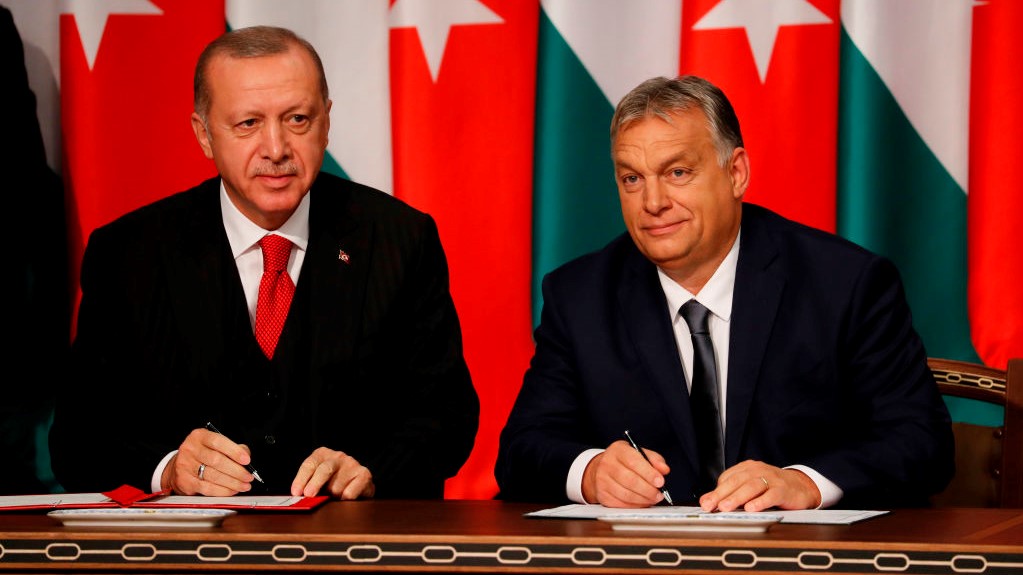
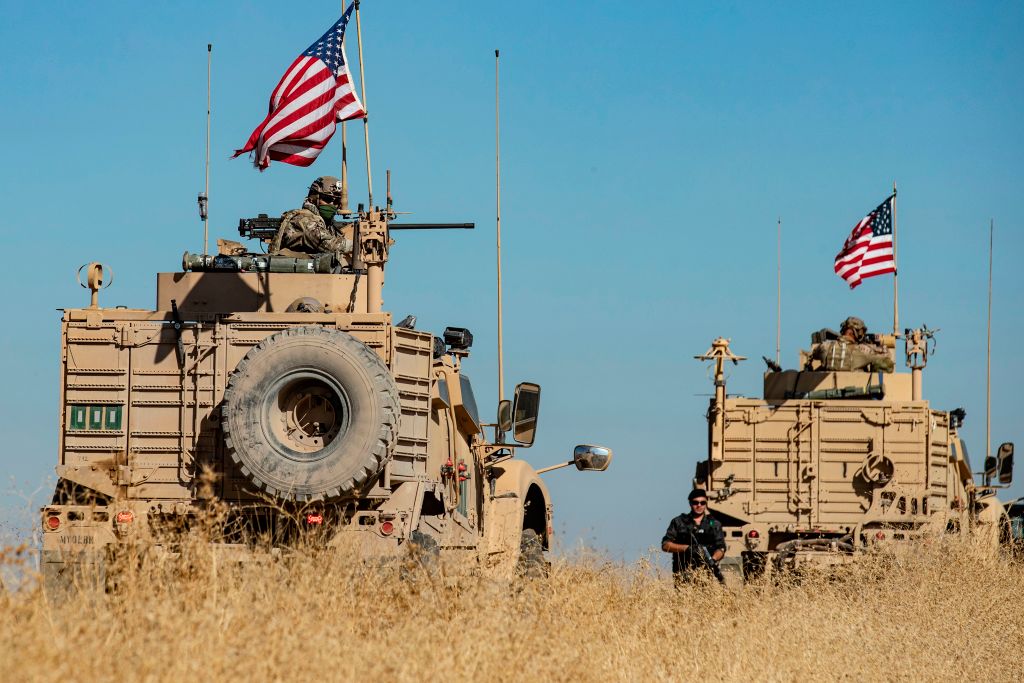
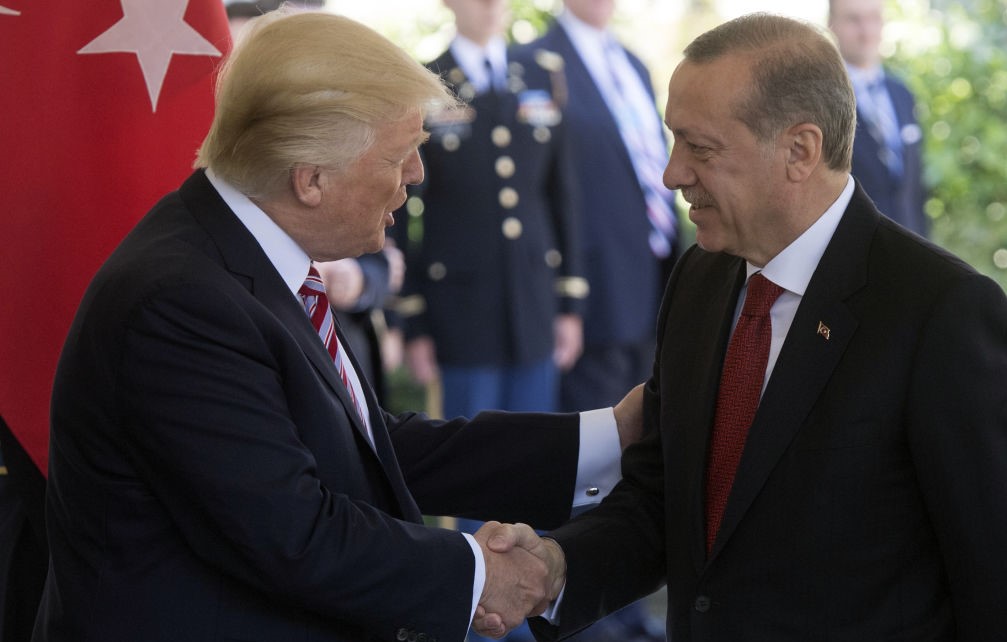
Turkish President Recep Tayyip Erdogan is set to meet with his U.S. counterpart, Donald Trump, in Washington on Wednesday. While there are doubtless other items for discussion on the agenda, at the top of the list is, at least on Turkey’s side, Syria — or more specifically, what U.S. policy is and should be in Syria.
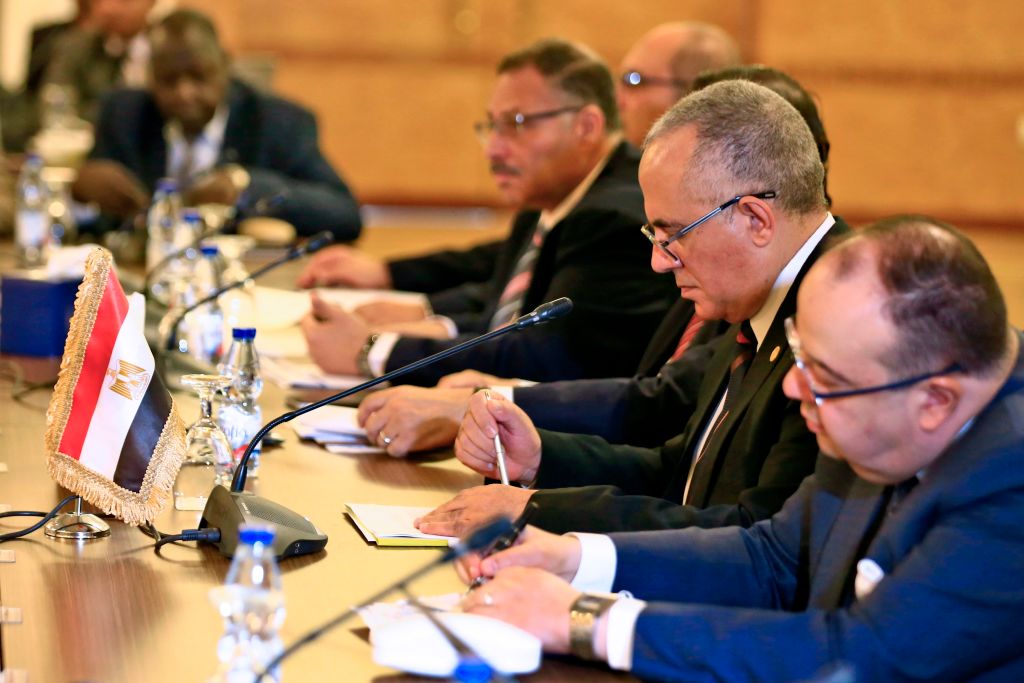
The U.S. and World Bank sponsored talks last week between Egypt, Ethiopia, and Sudan, over the Great Ethiopian Renaissance Dam – the latest developments in a regional soap opera that’s been running since 2010, when Ethiopia first announced the construction of the dam.
On Oct. 23-24, Russian President Vladimir Putin co-chaired the Russia-Africa Economic Forum in Sochi with his Egyptian counterpart Abdel-Fattah el-Sisi. At the conclusion of the summit, which brought 43 African heads of state to the Black Sea resort town, Sisi emphasized the importance of strengthening Egypt’s partnership with Russia, and Putin described Egypt as a “pillar for security and stability in the Middle East and Africa.”
If the Syrian Constitutional Committee does not address the oppressive security and military apparatus, which are the primary root causes of the Syrian crisis, then its work will not actually effect change in Syria — and so far, reforms of those two sectors are not yet on the table.
The Trump administration inherited a number of complex problems in the Syrian file from its predecessors in the White House. In dealing with the Syrian crisis, the Obama administration had three main priorities: not disturbing Iran in Syria during the process of nuclear negotiations, working with Russia toward a ceasefire in various parts of Syria (without trusting that Russia could deliver or should have the upper hand), and, most importantly, carrying out a limited military intervention in the northeast to defeat ISIS — an issue it considered separately from the Syrian crisis.
Damascus’ position is marginally stronger, and it is unlikely to concede anything of substance in Geneva despite continued American control of Deir ez-Zor’s oilfields.
Had America’s posture in Syria not been so uncertain, and if President Trump had not effectively green-lighted a Turkish incursion into the northeast, we would have a much better chance of capitalizing on Baghdadi’s death.