The recent arrest in Turkey of two suspects accused of spying for the United Arab Emirates highlights the growing divide between the two countries. Although the original cause of the rift – diverging views of the Muslim Brotherhood – has become less relevant in recent years, the enmity between the two nations endures.
Monday Briefing: Conflict is far from over in Syria
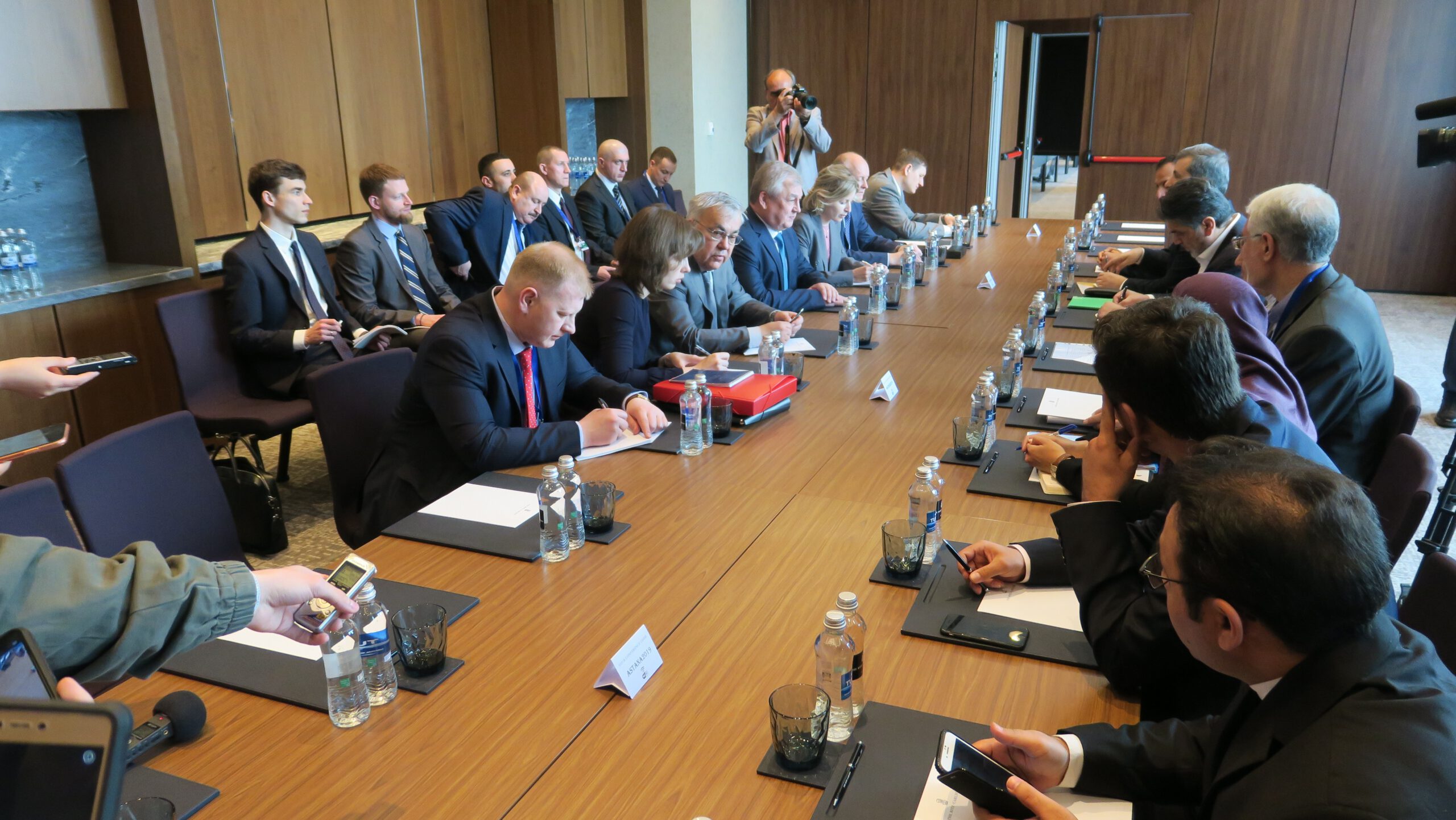
In this week’s Monday Briefing, contributors Charles Lister, Gerald Feierstein, Ruba Husari, Guney Yildiz, Mirette F. Mabrouk, and John Calabrese provide analysis on recent and upcoming events including the failure of the twelfth rounds of Syria peace talks in Astana, negotiations over Yemen’s strategic port of Hodeida, a new report on Iraq’s oil production potential, ongoing US-Turkey talks about a buffer zone in Syria, Egypt’s recently passed constitutional amendments, and Beijing’s second Belt and Road Forum.
Former US Ambassador to Turkey W. Robert Pearson and Sinan Ulgen, a visiting scholar at Carnegie Europe, join host Alistair Taylor to discuss Turkey’s March local elections, in which the long-ruling AK party faced significant setbacks, and where Turkey’s economic challenges and strained foreign relations stand today.
US sanctions and the future of Turkish-Iranian energy ties
Iran’s huge hydrocarbons reserves and Turkey’s growing demand for oil and gas seem to suggest great potential for energy collaboration. US sanctions and pricing disputes, however, limit and complicate the prospects of such a partnership.
The Rise of Eurasianism in Turkish Foreign Policy: Can Turkey Change its pro-Western Orientation?
The Eurasianist (Ulusalcı in Turkish) ideology, which originated from the far-left movement in Turkey, espouses an anti-Western approach in foreign policy and ultranationalist sentiment in domestic politics. They contend that Turkey’s interests lie outside the Western world and that Turkey should join the Russia- and China-led “anti-imperialist” camp. This article examines the rise, shortcomings and failures of the Eurasianist approach in Turkish foreign policy.
Monday Briefing: New Arab uprisings echo earlier revolts
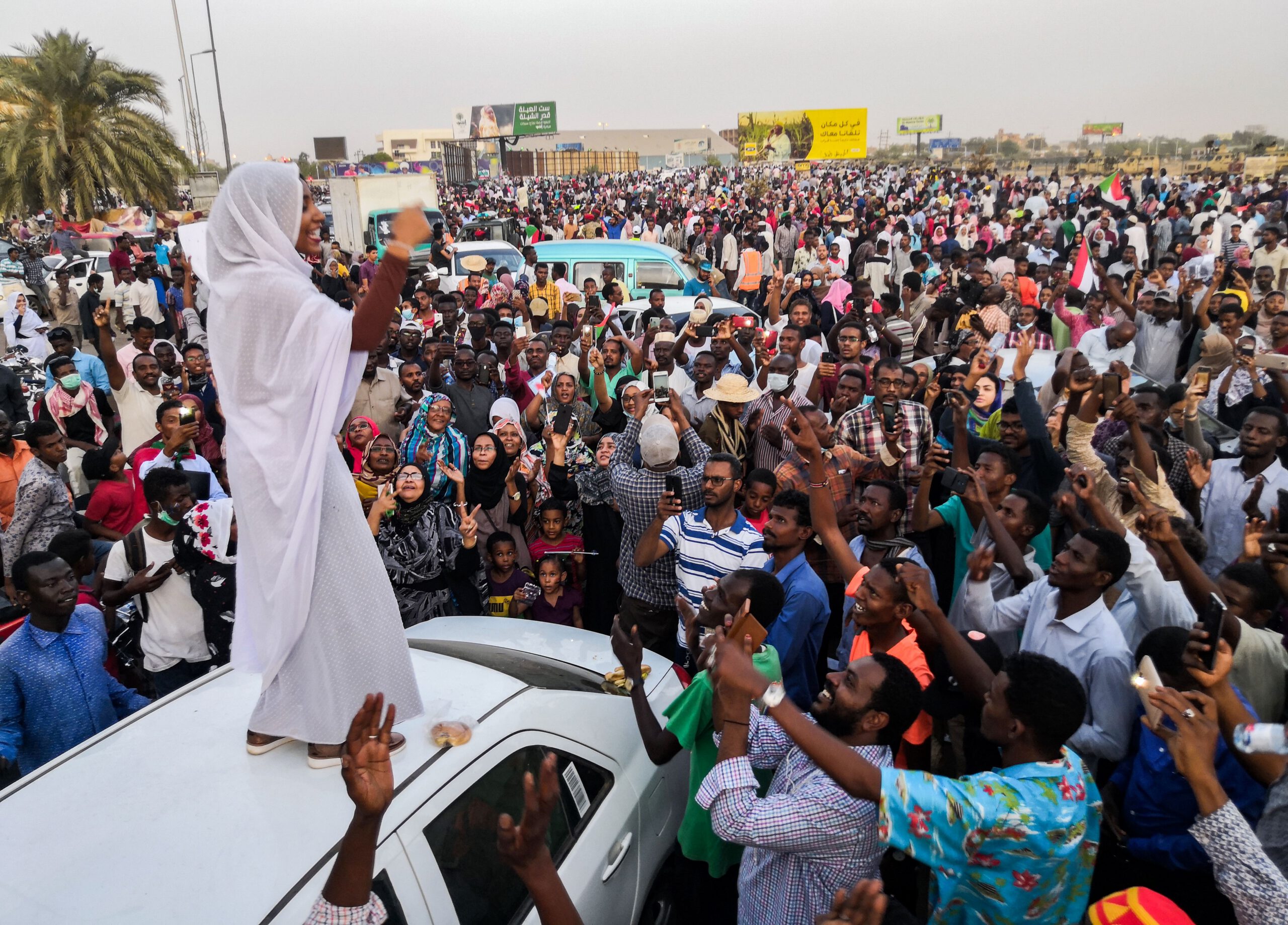
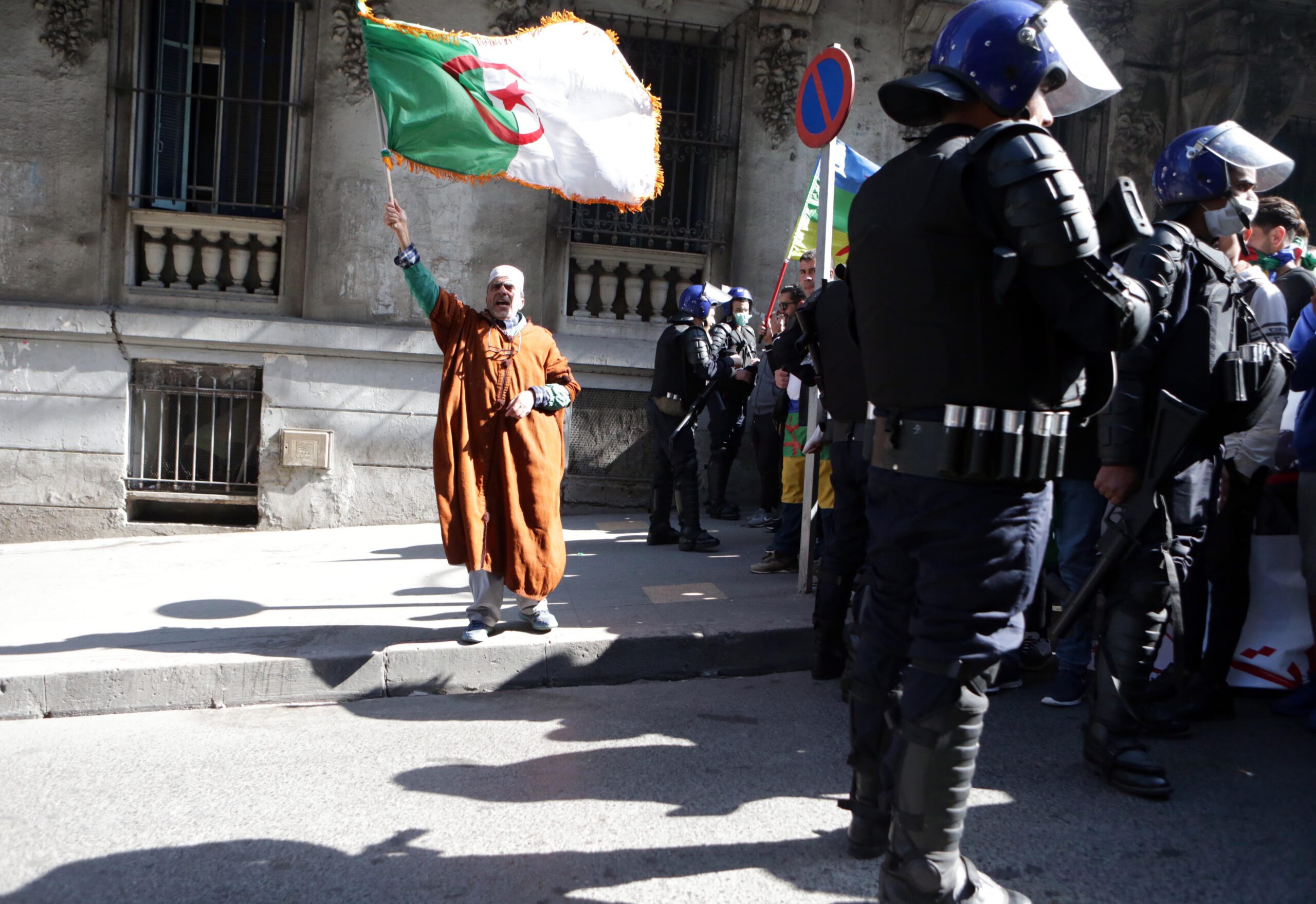
In this week’s Monday Briefing, MEI experts Paul Salem, Jonathan M. Winer, Robert S. Ford, Mirette F. Mabrouk, and Charles Schmitz provide analysis on recent and upcoming events including the current uprisings in Algeria and Sudan, General Hifter’s effort to take Tripoli, the hirak protest movement in Algeria, the strategic partnership between Egypt and the U.S., and cracks in the coalition of President Hadi in Yemen.
Russia looks to the Middle East to boost arms exports
According to SIPRI’s recently published annual report, Russia’s share of global arms exports shrank by around one-fifth over the last decade, falling from 27 percent to 21 percent, while the U.S. share increased from 30 percent to 36 percent, widening the gap between the two major arms exporters. As Russia looks to reverse this decline, it is focusing on the Middle East, the world’s second-largest and fastest-growing arms market, as a way to boost its exports.
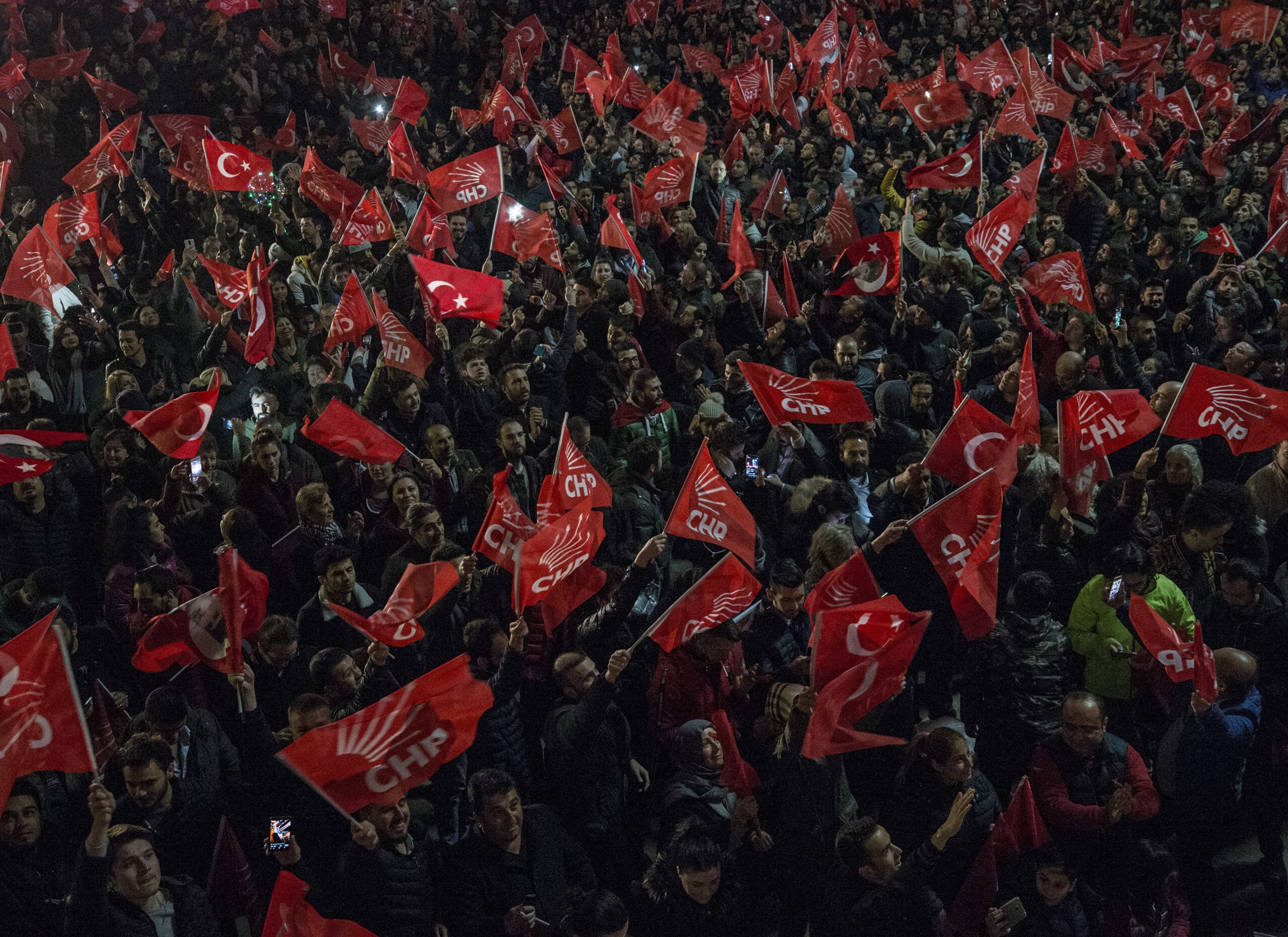
Invincible no more? Turkey’s Erdogan suffers election defeat
25 years ago, Turkish Islamists’ march to power began in the country’s capital, Ankara, and its largest city, Istanbul, when the ruling Justice and Development Party’s predecessor, the Welfare Party, captured the two municipalities. The loss of these cities in Sunday’s local elections could well mark the beginning of their descent.
In this week’s Monday Briefing, MEI experts Robert S. Ford, Mirette F. Mabrouk, Nathan Stock, Marvin G. Weinbaum, and Jean-François Seznec provide analysis on recent and upcoming events including the government shakeup in Algeria, Egyptian President el-Sissi’s visit to Washington, rocket attacks from Gaza, Imran Khan’s war against poverty, and a $69 billion merger between Saudi Arabia’s oil and chemical giants.
Ali Çarkoğlu, professor of international relations at Koç University in Istanbul, Sinan Ciddi, executive director of the Institute of Turkish Studies at Georgetown University, and MEI’s Gonul Tol join host Alistair Taylor to discuss Turkey’s March 31 local elections amid mounting economic problems and political polarization.
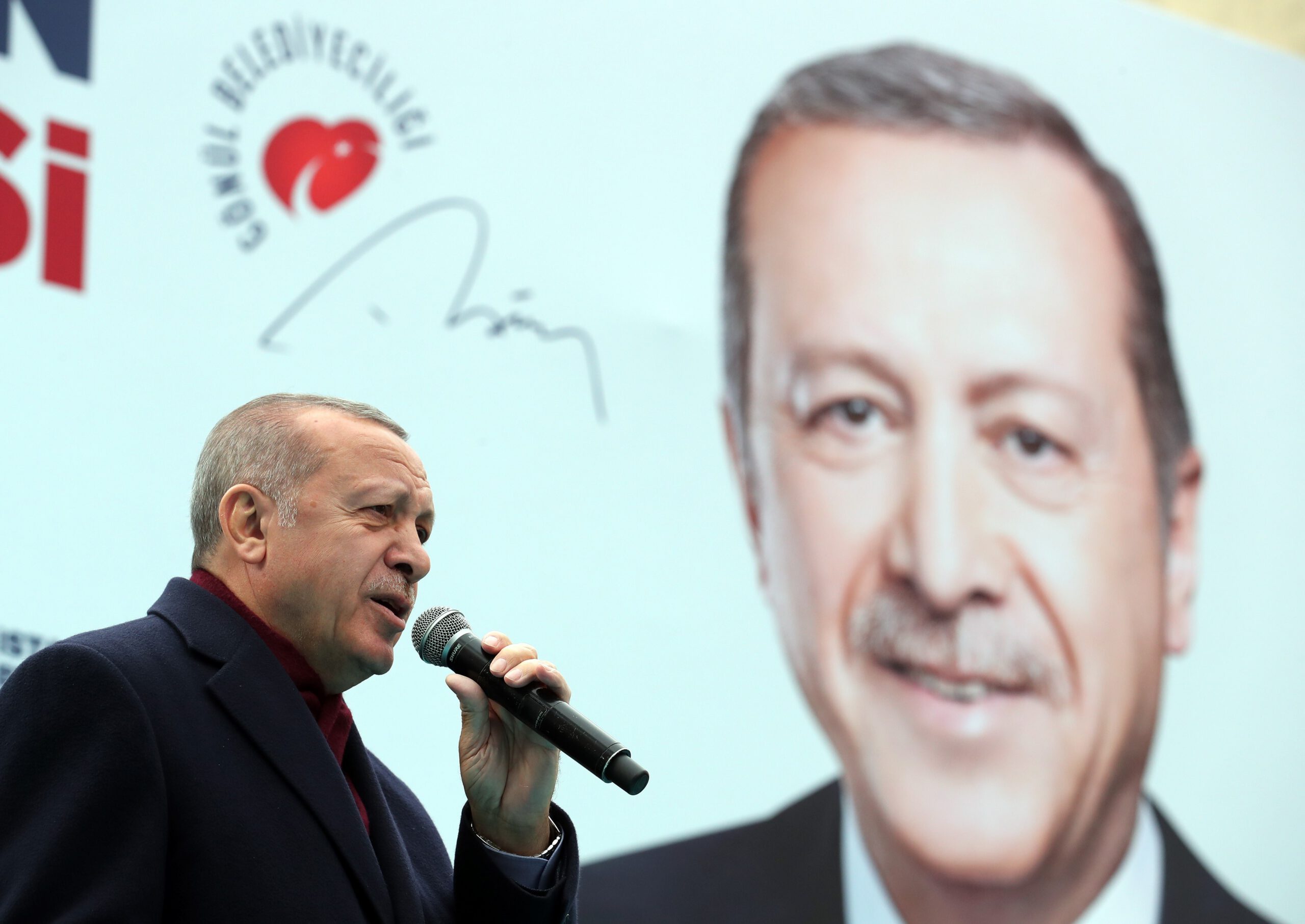
Turkey’s municipal elections are in fact not local but a national referendum on the continued rule of President Recep Tayyip Erdogan. With his complete domination of every aspect of Turkey’s politics and media, as well as military, judicial, and educational institutions, it would be foolish to underestimate his ability to emerge a winner on March 31.
Monday Briefing | Iraq: Outreach abroad, but troubles at home
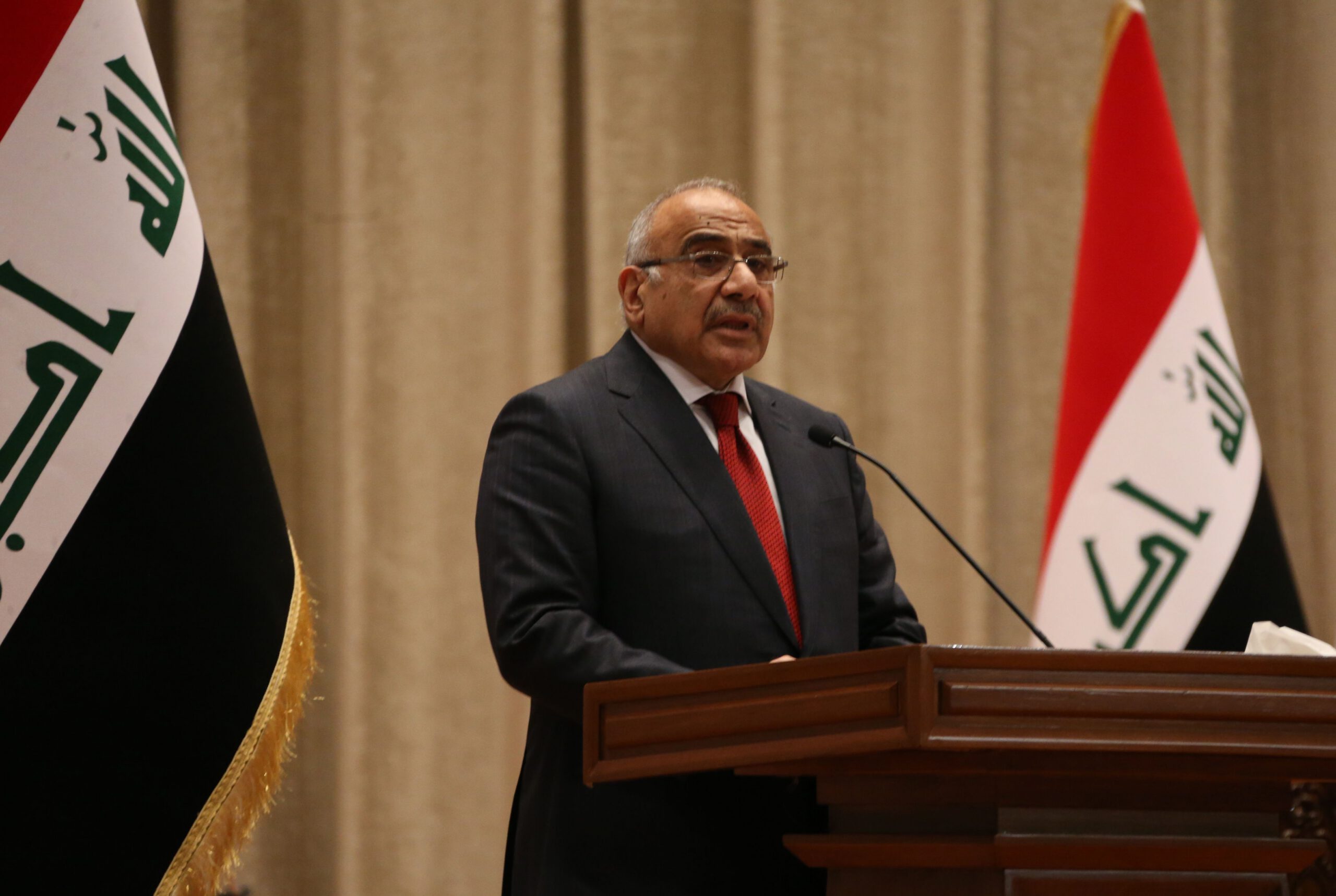
In this week’s Monday Briefing, MEI experts Randa Slim, Charles Lister, Gerald Feierstein, and Paul Salem provide analysis on recent and upcoming events including Iraqi Prime Minister Abdul-Mahdi’s first foreign trip to Egypt, the future threat posed by ISIS, Israeli Prime Minister Benjamin Netanyahu’s AIPAC meeting in Washington, and Secretary of State Mike Pompeo’s visit to Lebanon.
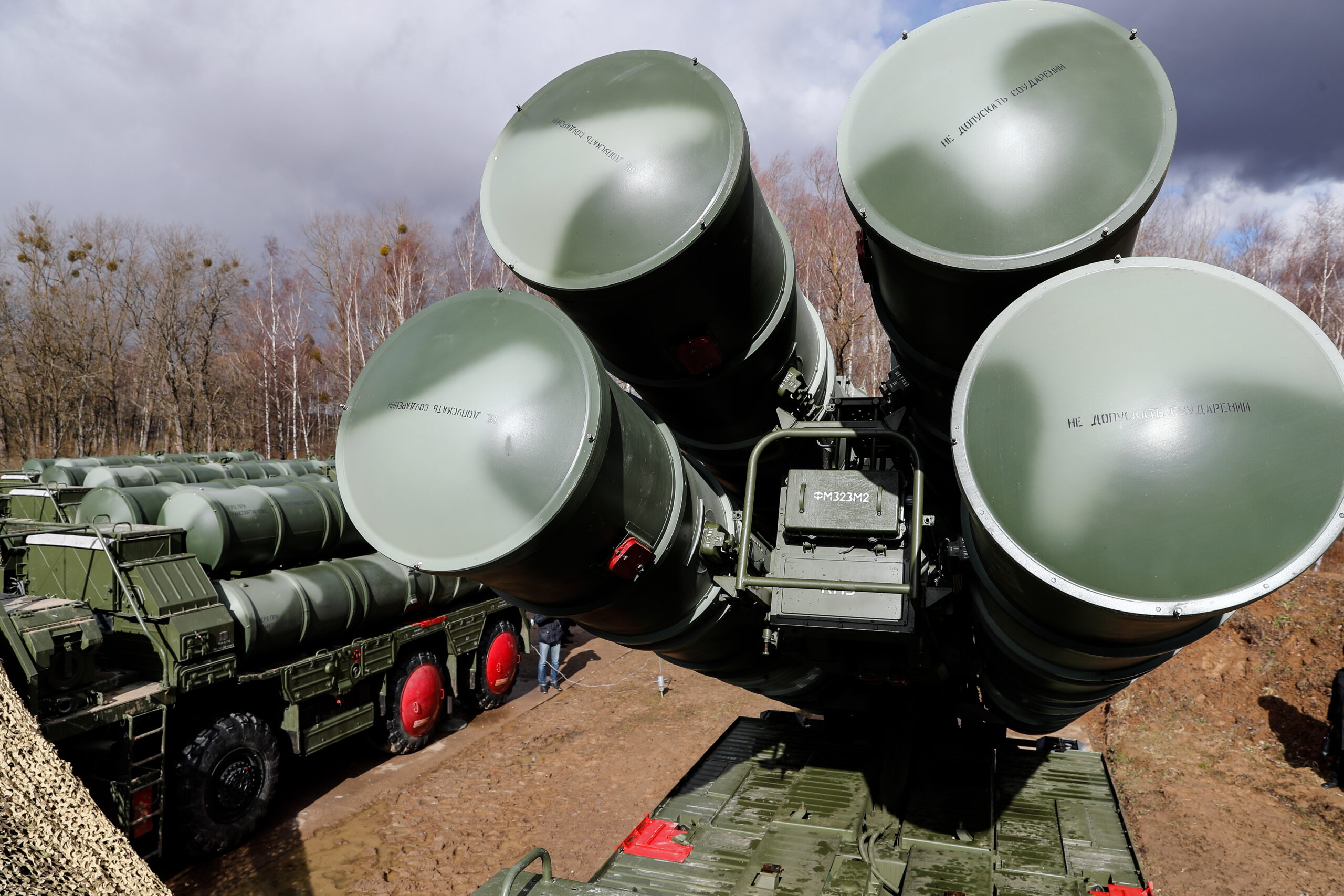
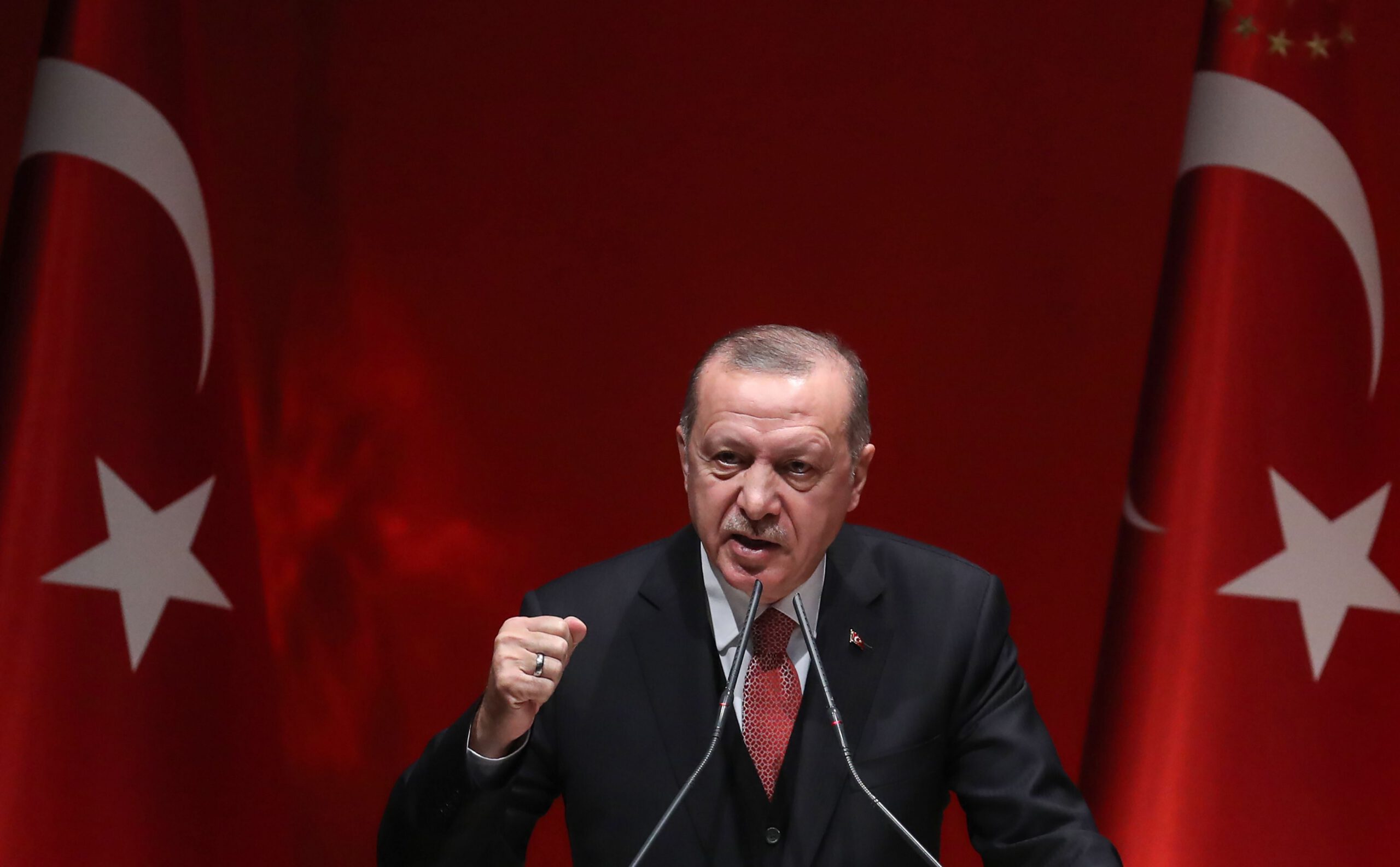
On March 7 President Recep Tayyip Erdogan declared that Turkey’s decision to buy the Russian S-400 missile defense system is irrevocable. His remarks underlined Turkey’s strategic decision to turn away from NATO as a genuine partnership.
Justifying Relations with an Apostate During a Jihad: A Salafi-Jihadist Group’s Relations with Turkey in Syria
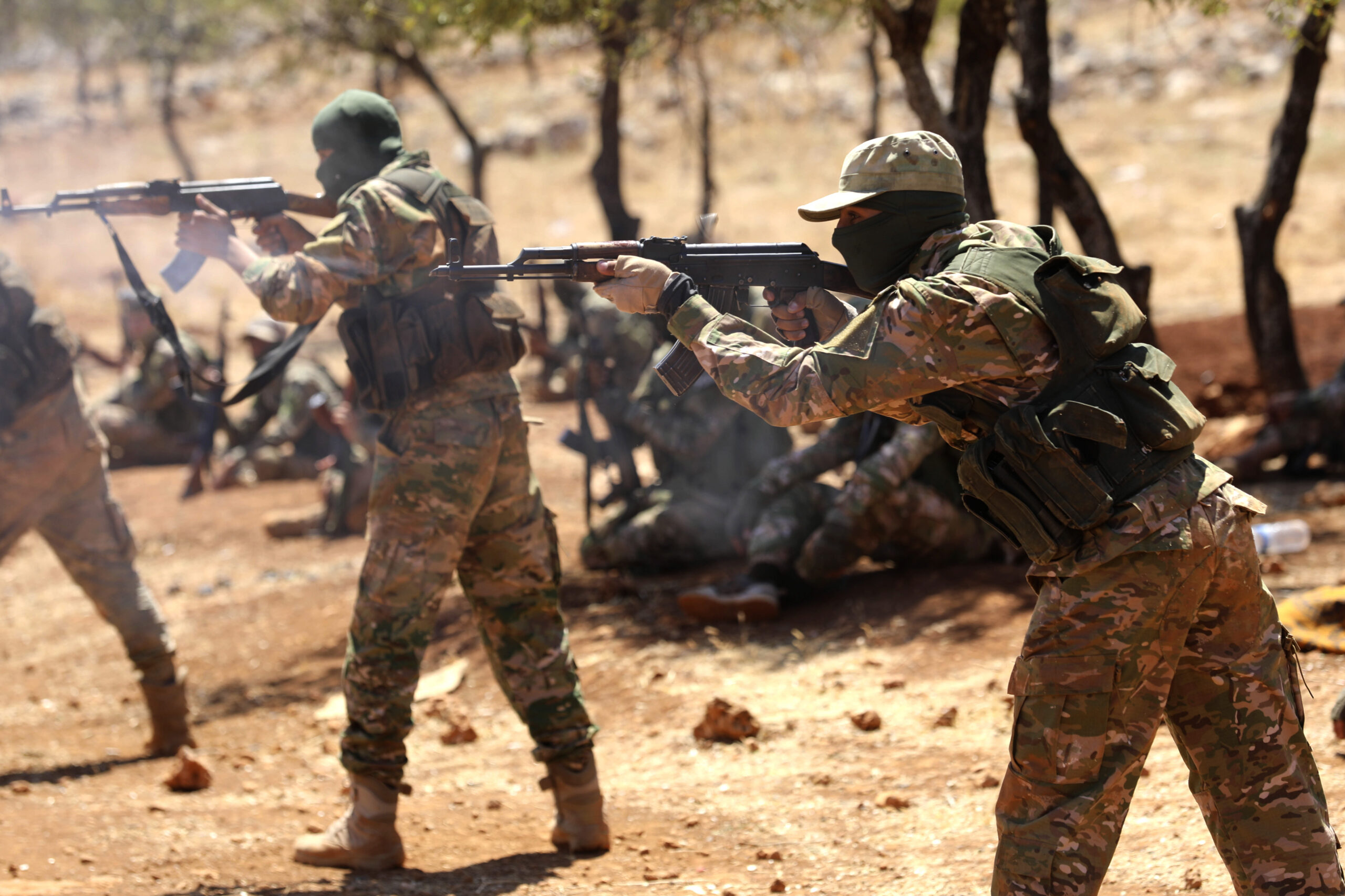
This analysis explains how the Salafi-Jihadist group Hayat Tahrir al-Sham (HTS) has legally justified its relations with Turkey. Although HTS was careful to avoid direct military collaboration with Turkey, it welcomed the Turkish Army’s presence as an additional force against the Syrian regime and secular opposition groups. This caused a significant rift among the group’s supporters and the al-Qaeda community, who accused HTS of thwarting its own jihad by forming relations with Turkey, considered by Salafi-Jihadists to be an apostate.
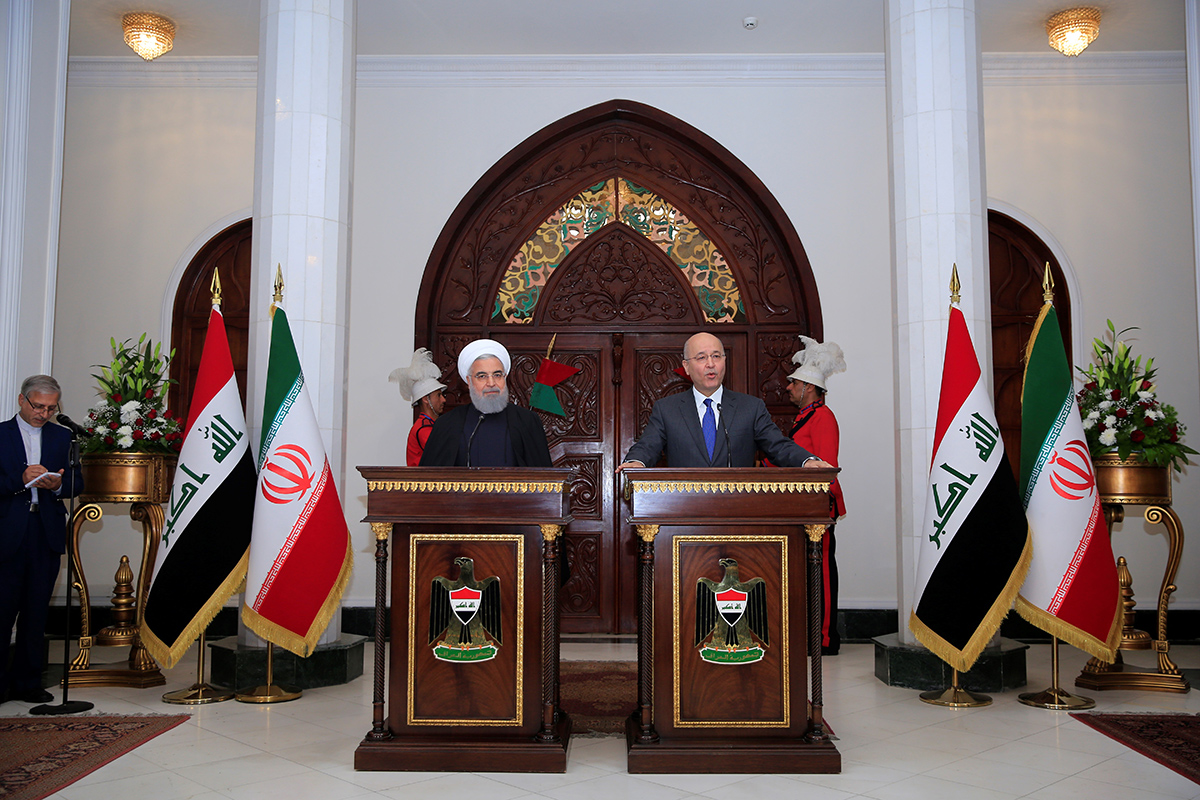
In this week’s Monday Briefing, MEI experts Randa Slim, Robert S. Ford, Marvin G. Weinbaum, James P. Farwell, Emadeddin Badi, Guney Yildiz, and Jean-François Seznec provide analysis on recent and upcoming events including Iranian President Hassan Rouhani’s visit to Baghdad, reconstruction efforts in Syria, the crackdown on militant Islamists in Pakistan, Iran’s cyber attack capabilities, upcoming elections in Libya, Turkish-Egyptian tensions, and Qatar’s $12B loan from bond markets.