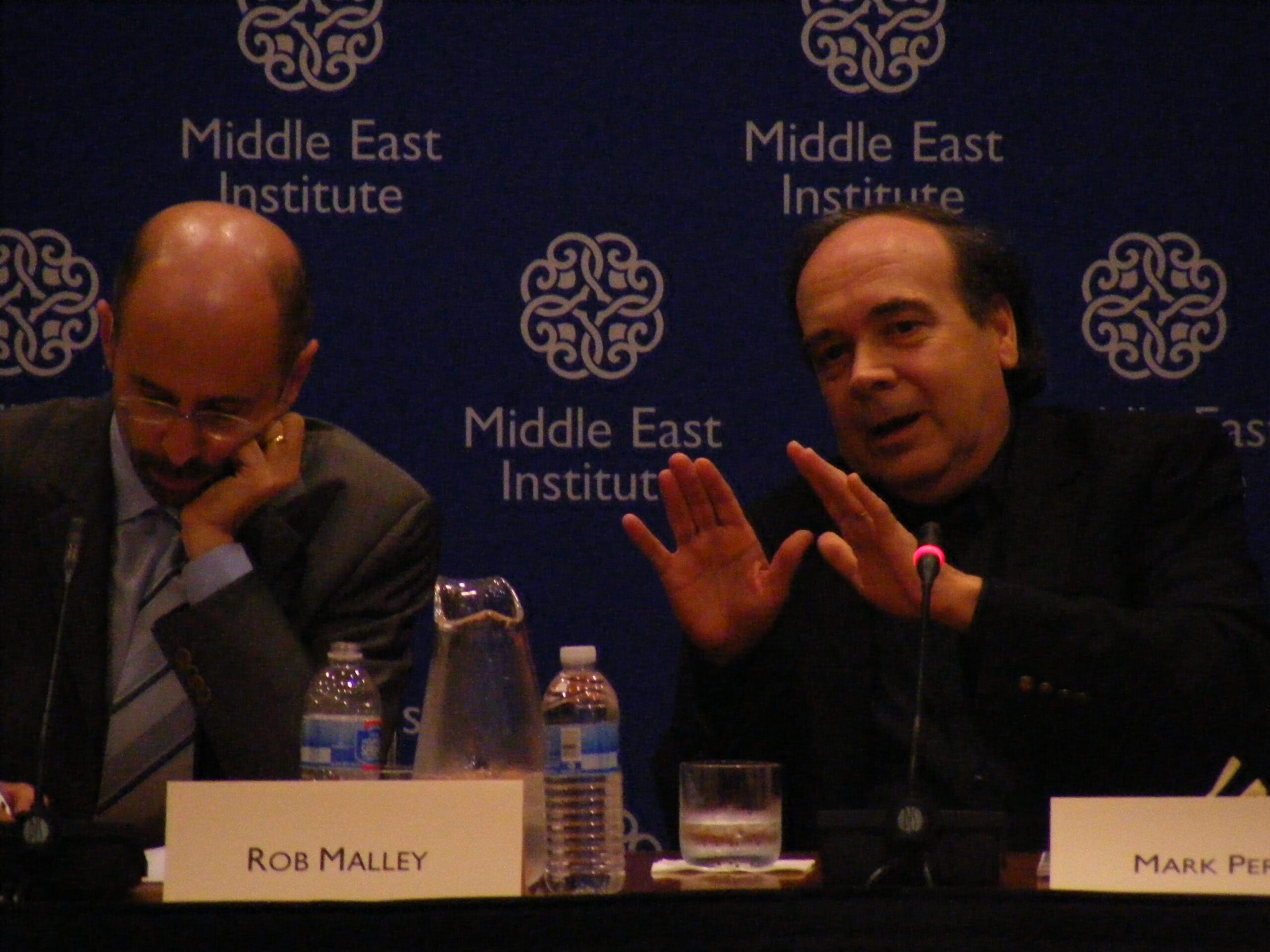
Panelists will examine how the reverberations from last year's Arab Awakening, including the resulting unrest in Syria and the rise to power in Egypt of the Muslim Brotherhood, are re-shaping Hamas' relations with its patrons Iran and Syria, its rival, Fatah, and even the dynamics inside the organization itself.
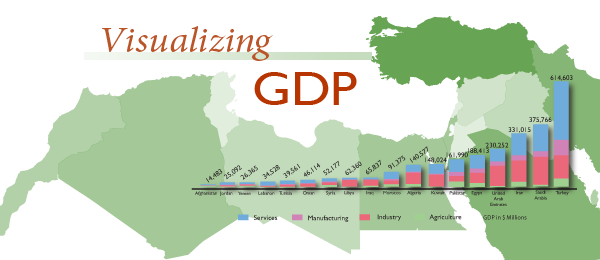
Arab Economic Challenges and Opportunities in the Wake of the Upsrisings
What are some of the fundamental socio-economic features they all share and what steps must they take if their economies are to enjoy sustained growth in the medium to long term? Dr. Toufic Gaspard, the economic adviser to Lebanon's minister of finance, will focus on Arab economies in Egypt and the Levant to examine how to solve the dominant regional problems of unemployment and poor productivity with the goal of establishing social and political stability.
The thirteen students in the class at the American University of Cairo were mid-career professionals working on graduate degrees in education. We had spent two hours discussing my book of case studies in education assistance when one student raised her hand: “Look, we intend to reform Egypt’s education system. Can you please just give us the steps we need to follow?”
Dr. George Gavrilis of the Hollings Center for International Dialogue will serve as the discussant. The talk will focus on Younis's recent publication in the Turkish Policy Quarterly on the role of Turkey in a changing MENA region and the potential influence it can have on the process of democratization in Egypt. Younis will also share some insights from Gallup's polling in other Arab Spring countries on the public's perceptions of the challenges facing their nations following the uprisings of 2011.
Russia's relations with Syria – even under the Assad regime – have been more troubled than current press accounts of Moscow-Damascus ties indicate. But despite the internal and external opposition to the Assad regime that has risen up over the past year, the Russian government has defended it staunchly via its Security Council veto and other means. In his talk, Mark Katz will discuss why Moscow supports the Assad regime so strongly as well as why it is willing to incur the costs of doing so.