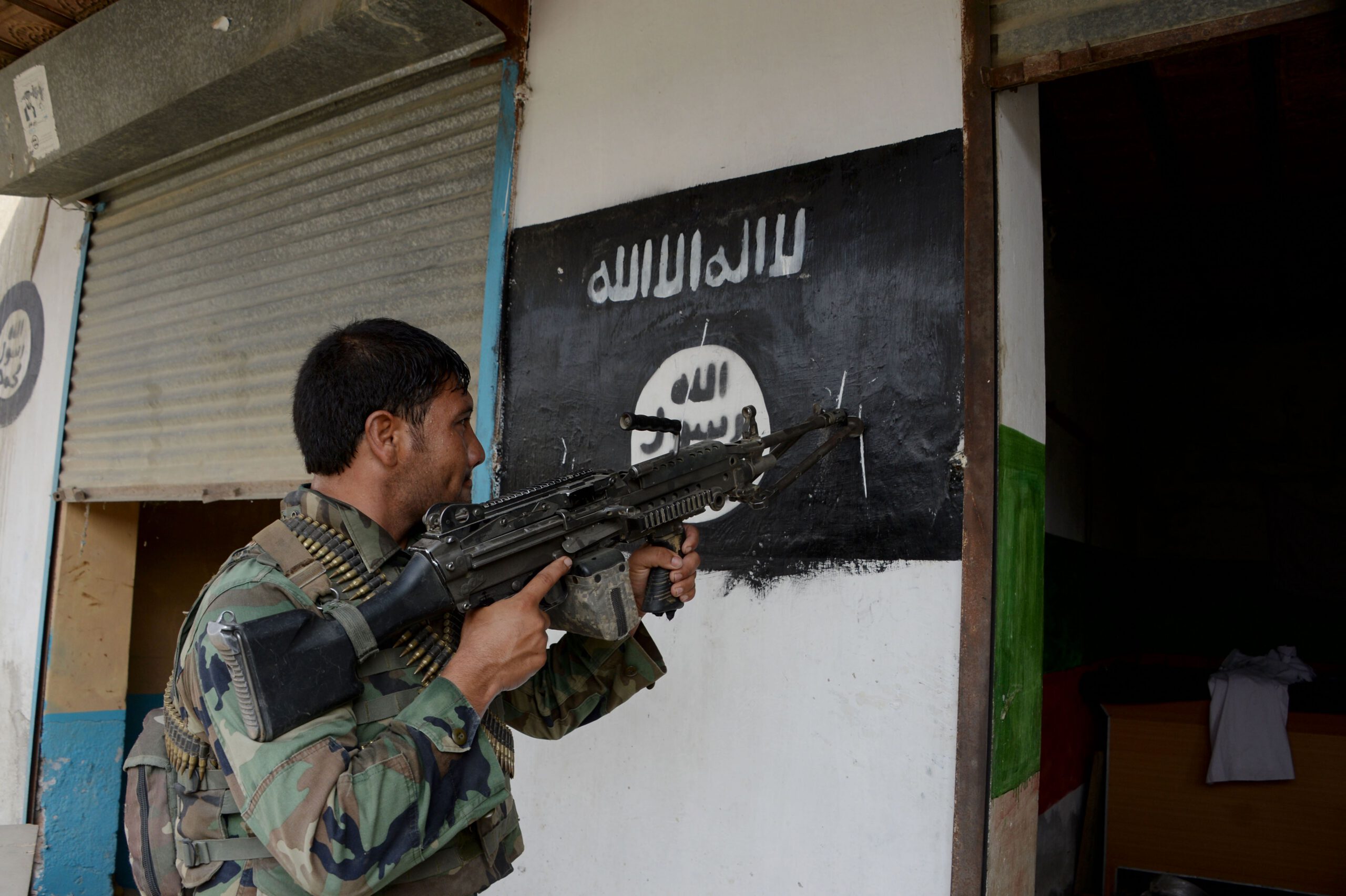
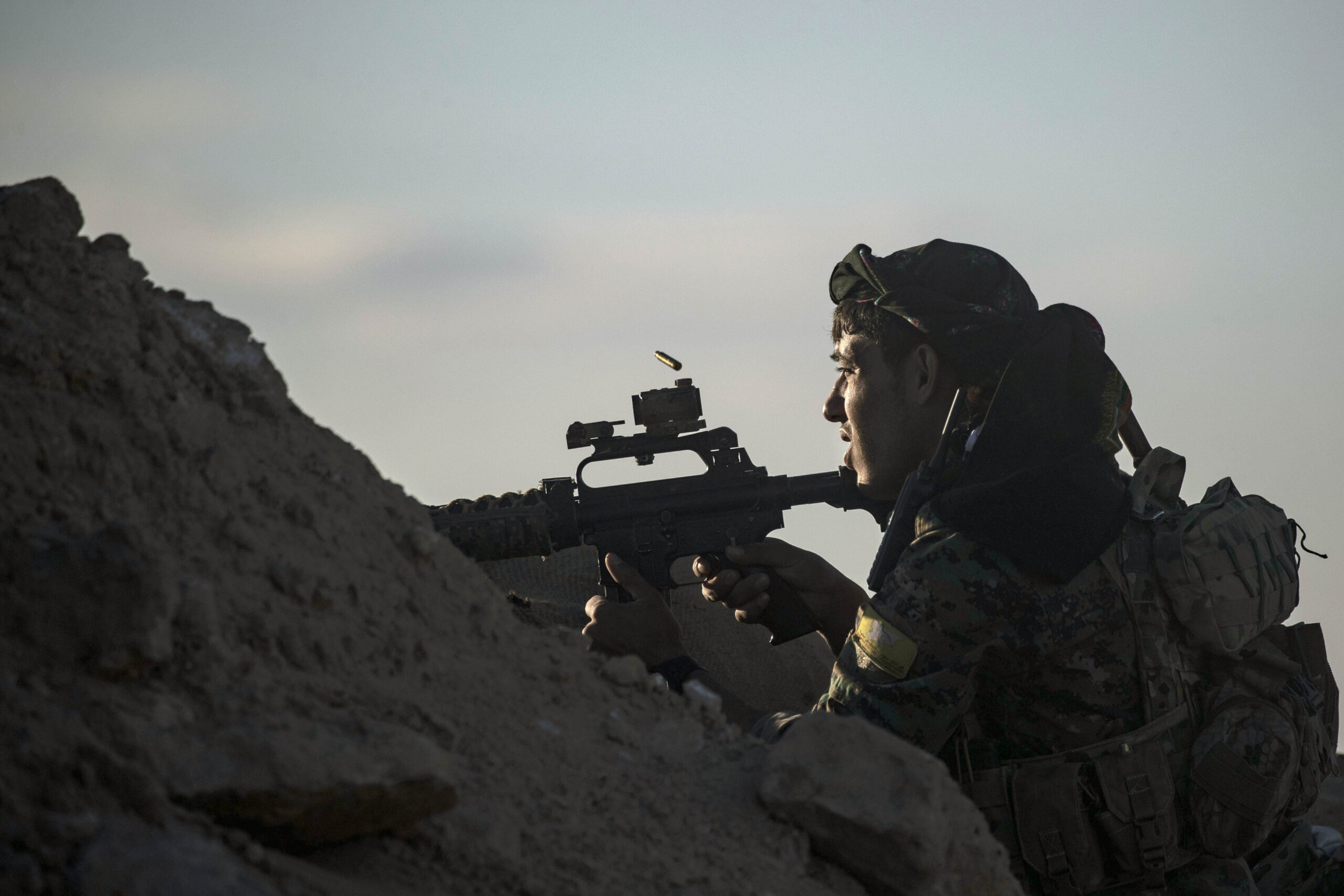
The rise of ISIS post-2013 changed how we perceive jihadism, but it also transformed how jihadists perceive themselves and how they behave. ISIS’s brutality and indiscriminate violence created unprecedented fragmentation within the jihadi movement, leading to critical self-reflection and changes in codes of conduct. This paper examines how three different jihadi groups – the Afghan Taliban, al-Qaeda in the Indian Sub-Continent, and Tehreek- e-Taliban Pakistan (or the Pakistani Taliban) – responded to the challenges presented by ISIS.
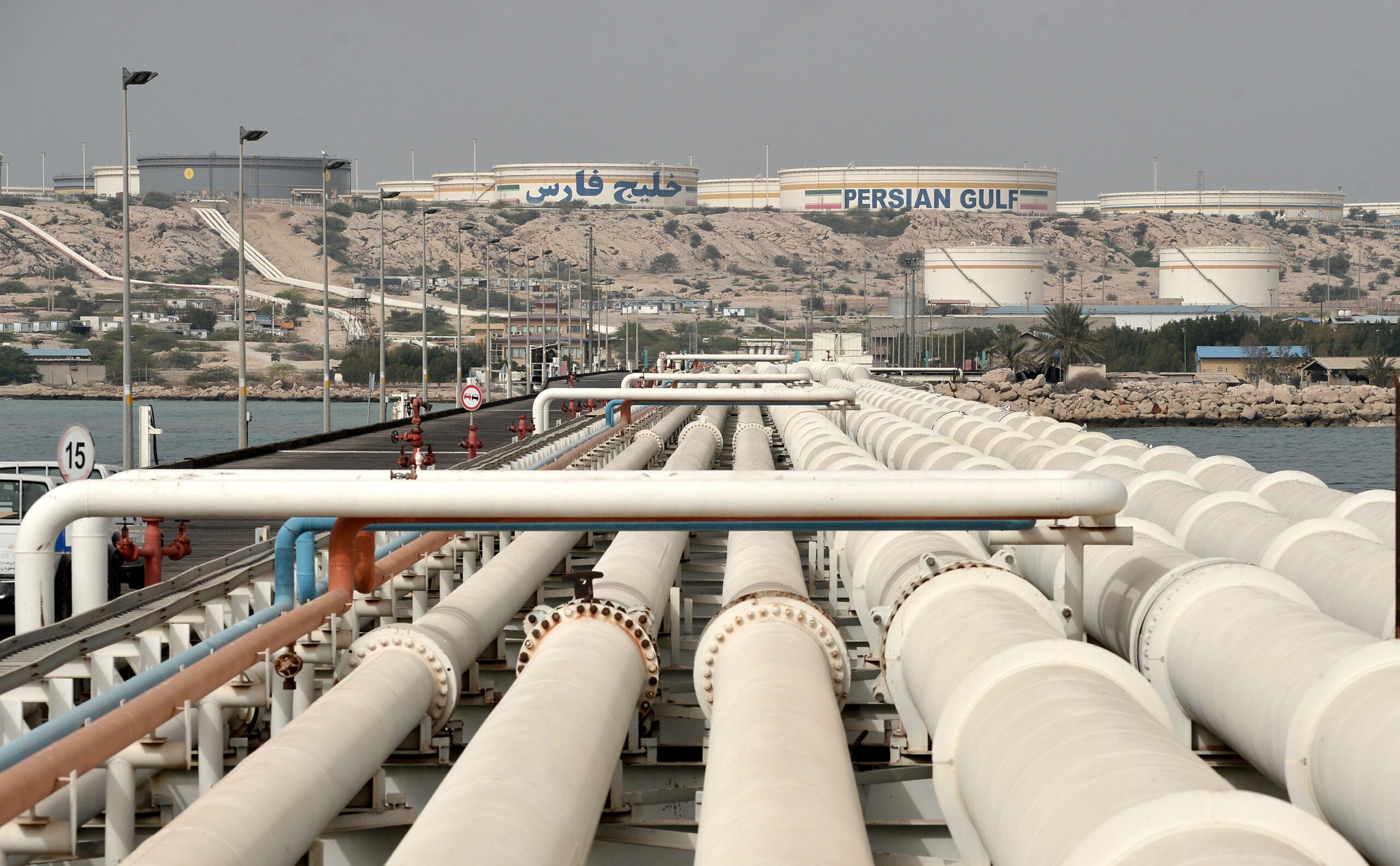
Monday Briefing: US and key partners on course for conflict over Iran oil waivers
In this week’s Monday Briefing, MEI experts Gerald Feierstein, Marvin G. Weinbaum, Randa Slim, Emadeddin Badi, and Robert S. Ford provide analysis on recent and upcoming events including the US decision to end Iran oil waivers, the flagging Afghan peace process, Iraq’s evolving regional policy, the status of General Hifter’s offensive in Libya, and Russia’s maneuvering to control the upcoming Syria talks in Astana.
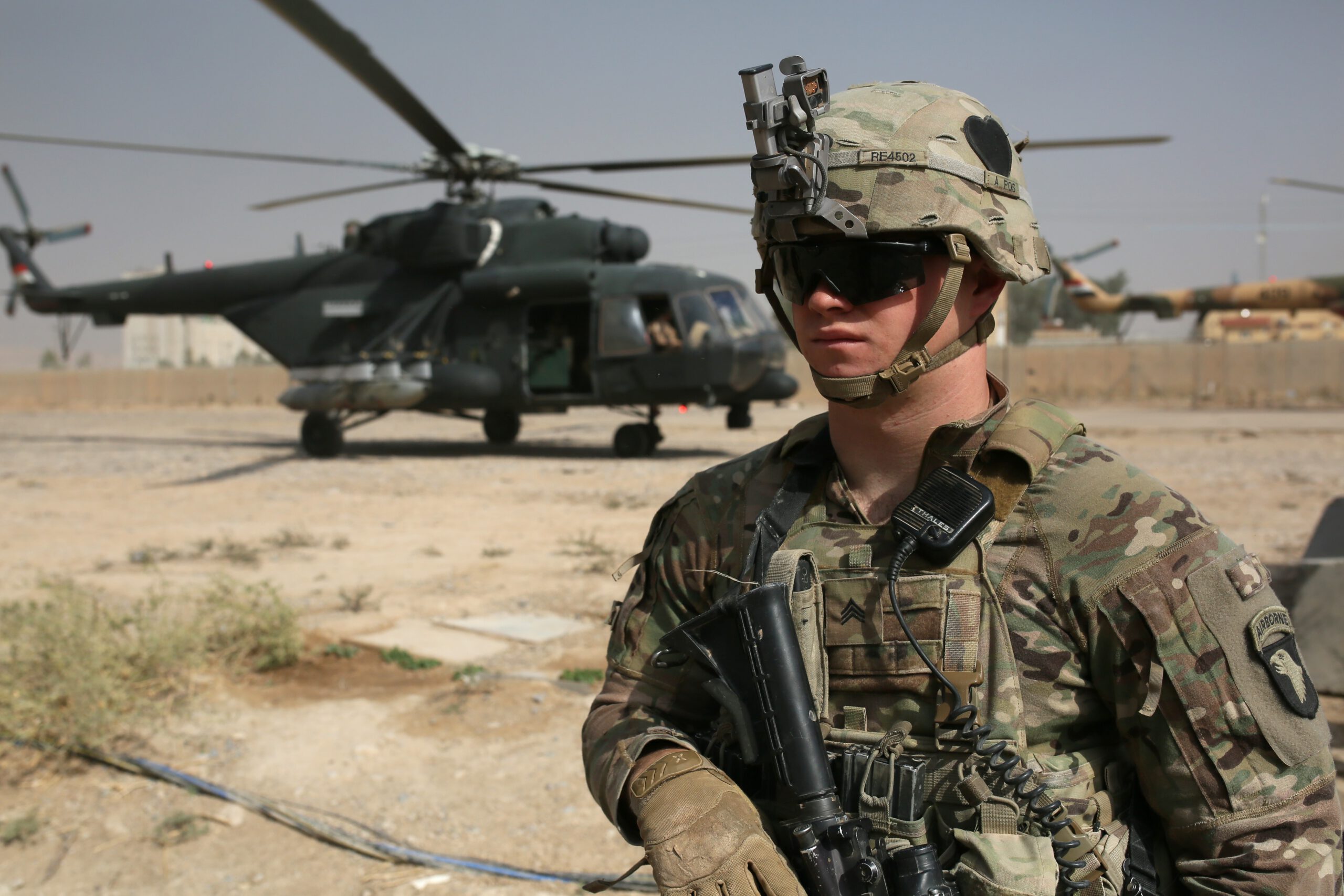
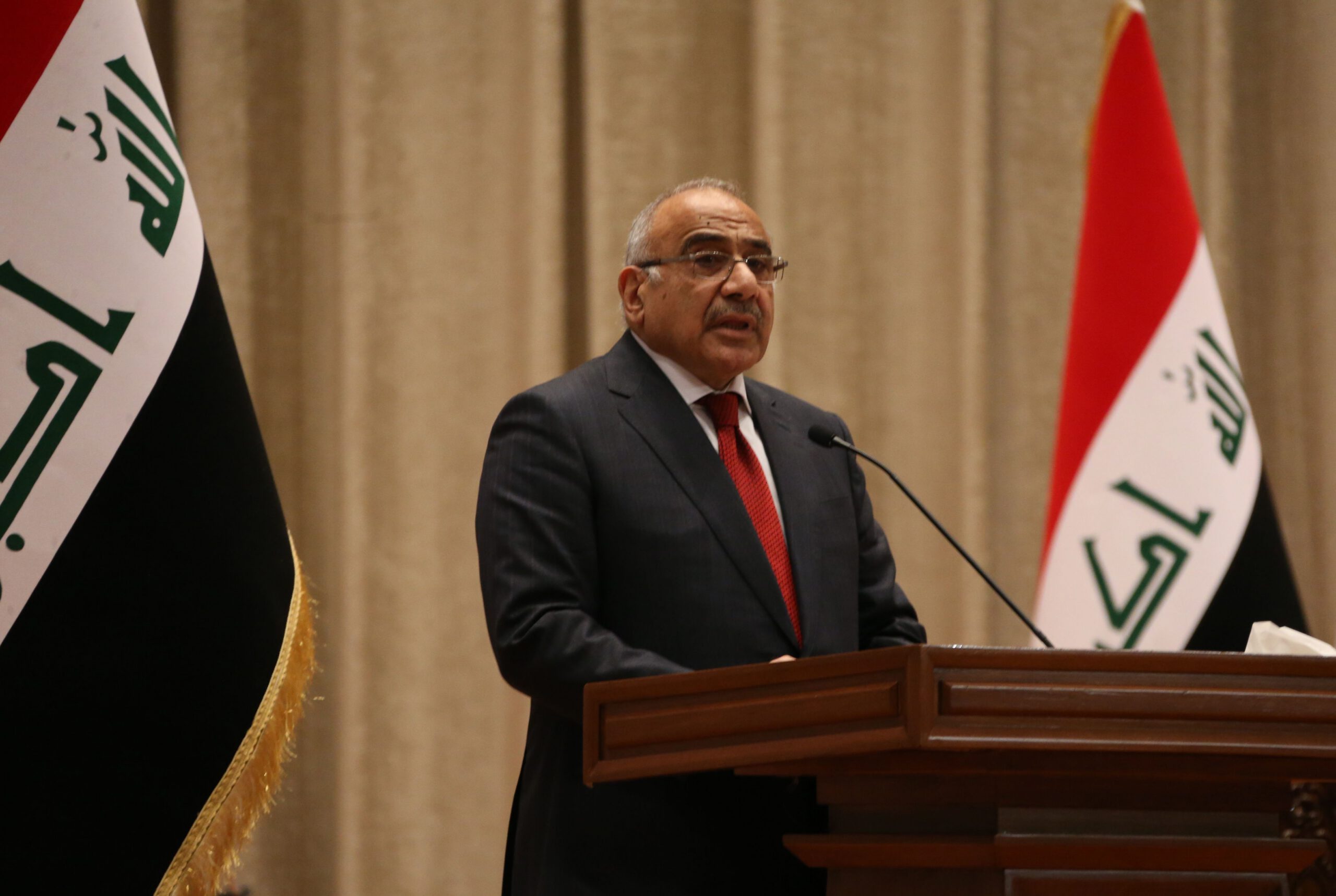
Despite the many obstacles, the U.S. and Iraq continue to work together to combat the threat of ISIS, and security elites in Baghdad and Washington understand the importance and value of the relationship. Yet, populists on both sides have repeatedly tested the others’ will in a dangerous game of chicken.
Car Bombs as Weapons of War: ISIS's Development of SVBIEDs, 2014-19
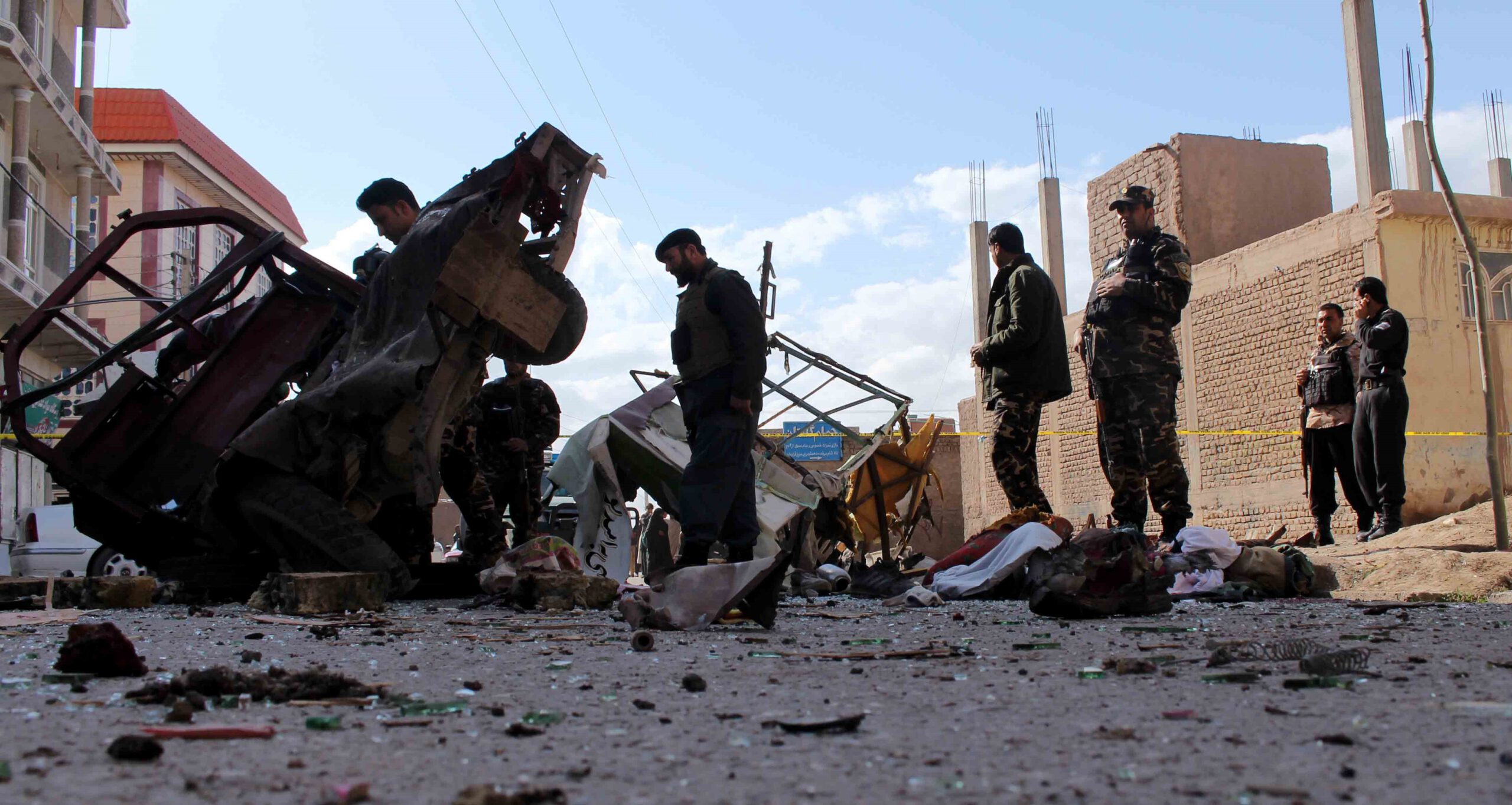
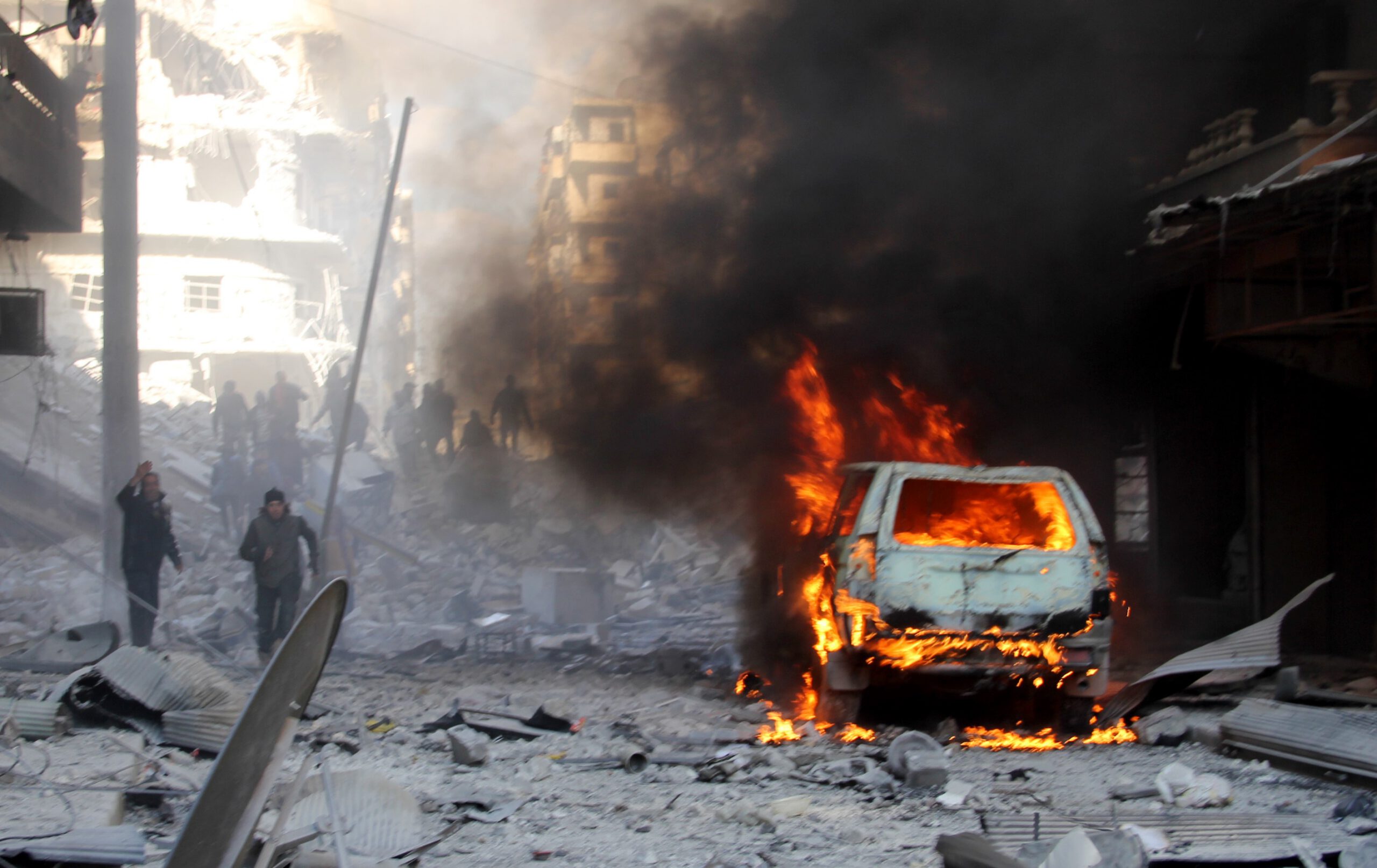
The suicide vehicle-borne improvised explosive device (SVBIED) has been one of ISIS’s most powerful and versatile weapons. The group consistently adapted its SVBIED designs based on operational environment and other factors, with modifications in armor, payload organization, color, and detonation technology. ISIS’s research and development of SVBIED technology presents a continued threat, even after the collapse of the territorial caliphate, due to the group’s ability to share and export its designs, enabling nascent ISIS provinces halfway around the world to launch powerful attacks on unsuspecting communities.
Russia looks to the Middle East to boost arms exports
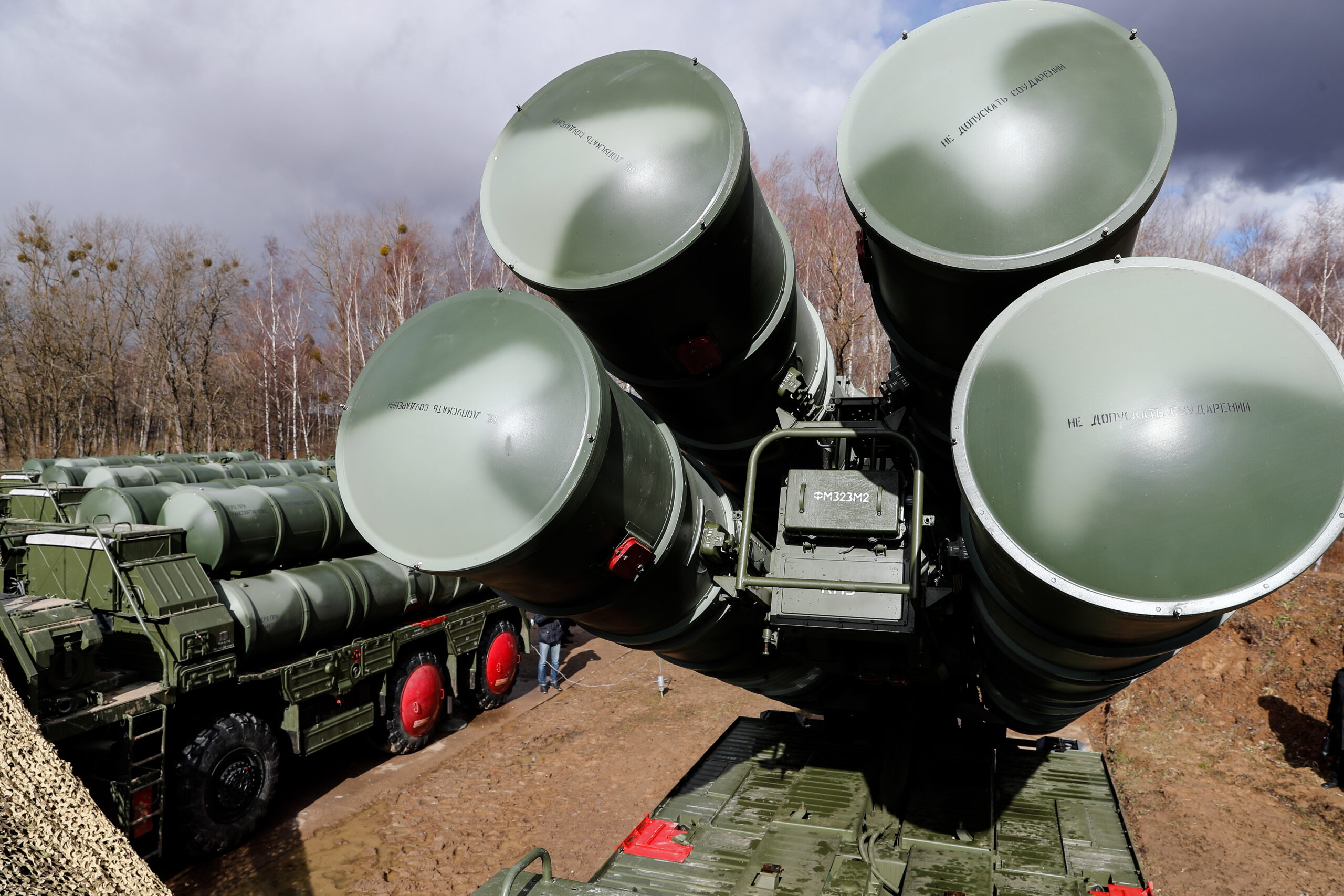
According to SIPRI’s recently published annual report, Russia’s share of global arms exports shrank by around one-fifth over the last decade, falling from 27 percent to 21 percent, while the U.S. share increased from 30 percent to 36 percent, widening the gap between the two major arms exporters. As Russia looks to reverse this decline, it is focusing on the Middle East, the world’s second-largest and fastest-growing arms market, as a way to boost its exports.
US-Taliban talks strain ties between Washington and Kabul
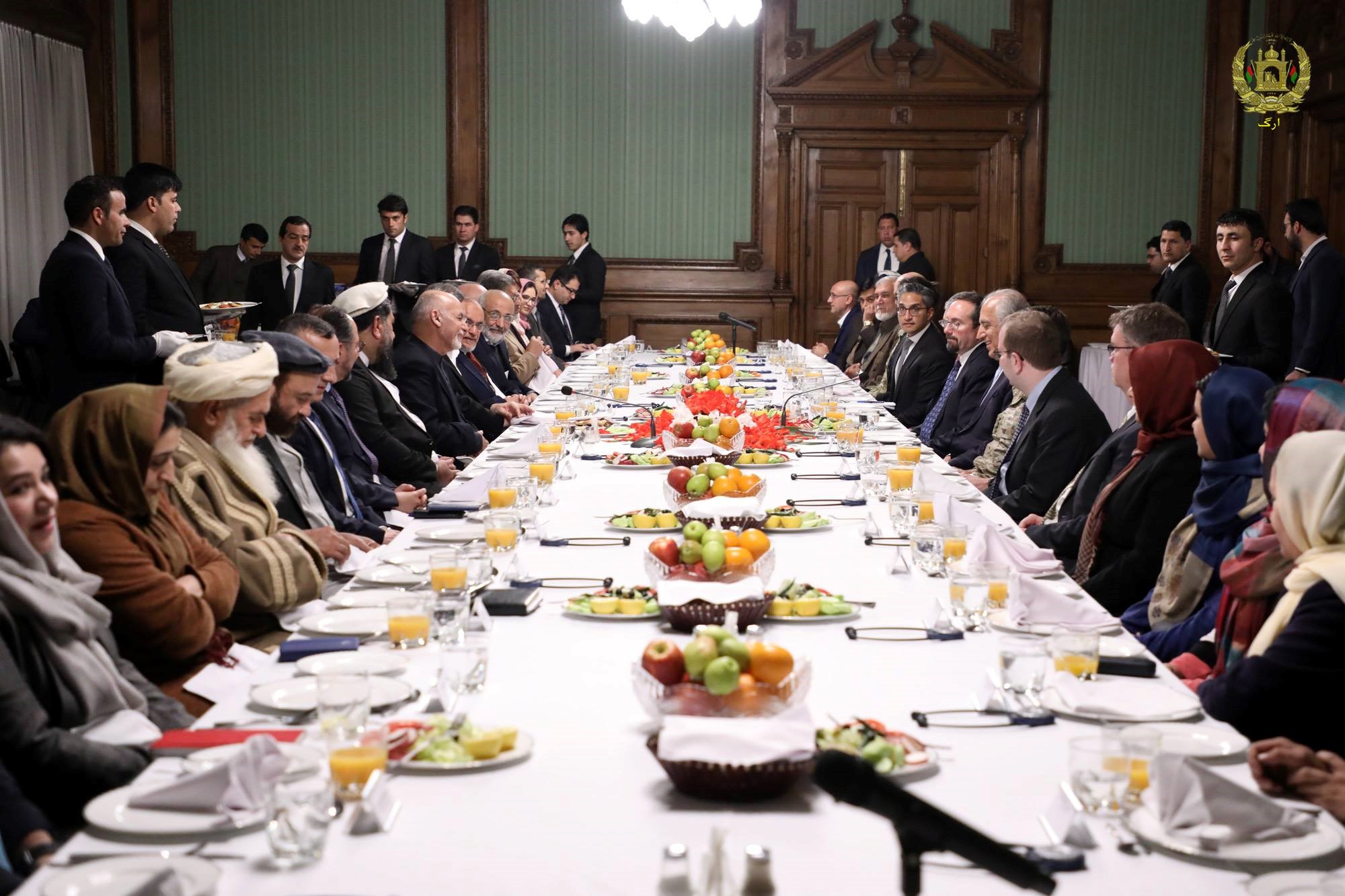
More than six months on, the Afghan government remains excluded from U.S.-Taliban peace talks, and the Taliban still refuses to engage with the authorities in Kabul or halt its deadly attacks. The exclusion of the Afghan government has caused severe strains in the relationship between Washington and Kabul.
In this week’s Monday Briefing, MEI experts Robert S. Ford, Mirette F. Mabrouk, Nathan Stock, Marvin G. Weinbaum, and Jean-François Seznec provide analysis on recent and upcoming events including the government shakeup in Algeria, Egyptian President el-Sissi’s visit to Washington, rocket attacks from Gaza, Imran Khan’s war against poverty, and a $69 billion merger between Saudi Arabia’s oil and chemical giants.
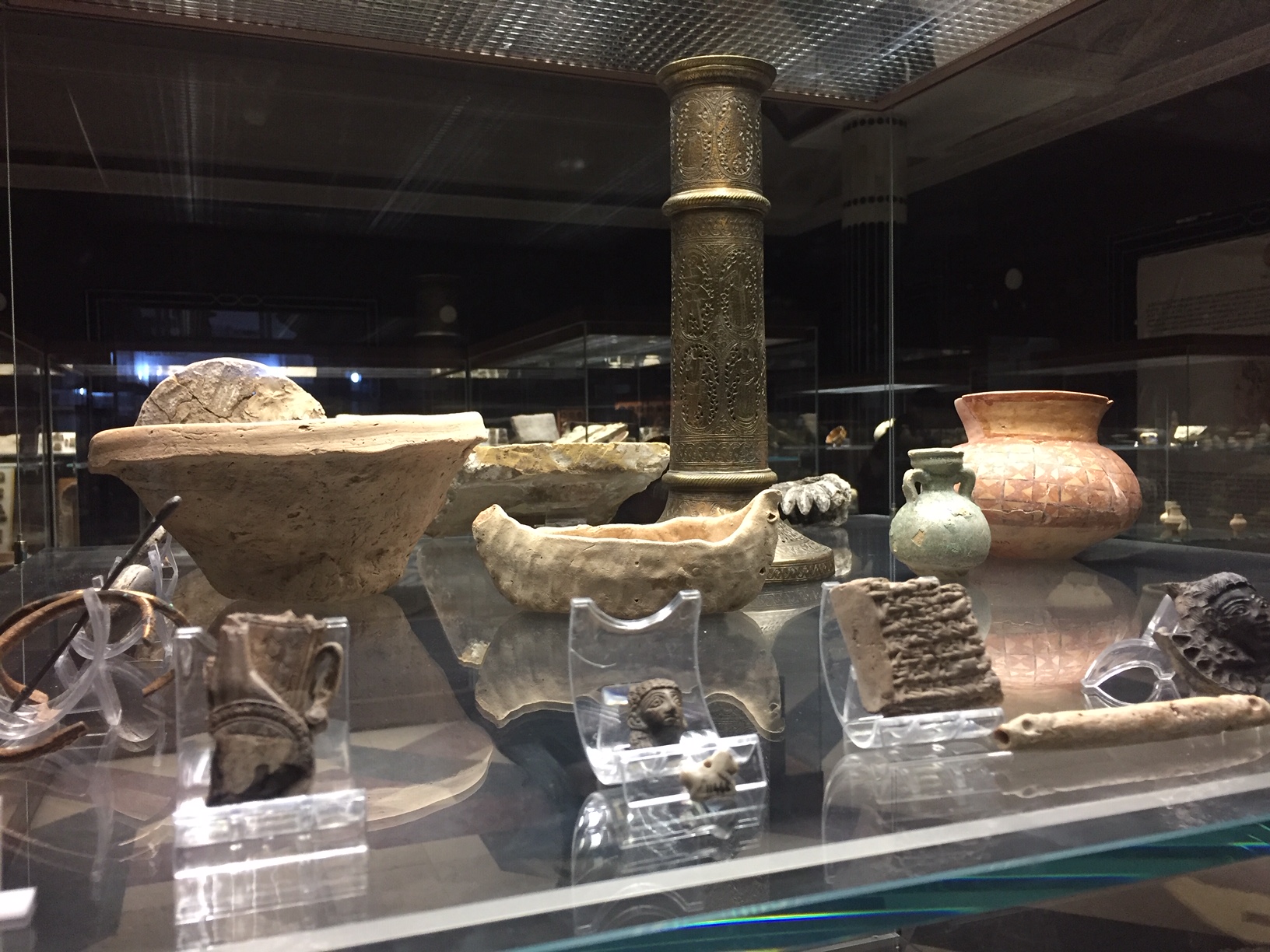
A tale fit for the silver screen: The rebirth of the Basrah Museum
The story of the Basrah Museum, which opened three new galleries on March 19th after languishing for 28 years, is nothing less than cinematic. Read it here.
Where is ISIS today? | The end of the ISIS Caliphate
ISIS’s self-proclaimed Caliphate in Syria and Iraq came to an end on March 23, when the Syrian Democratic Forces, backed by the U.S.-led international coalition, liberated the town of Baghouz after a tough six week battle. In some respects however, the military victory against ISIS was the easy part.
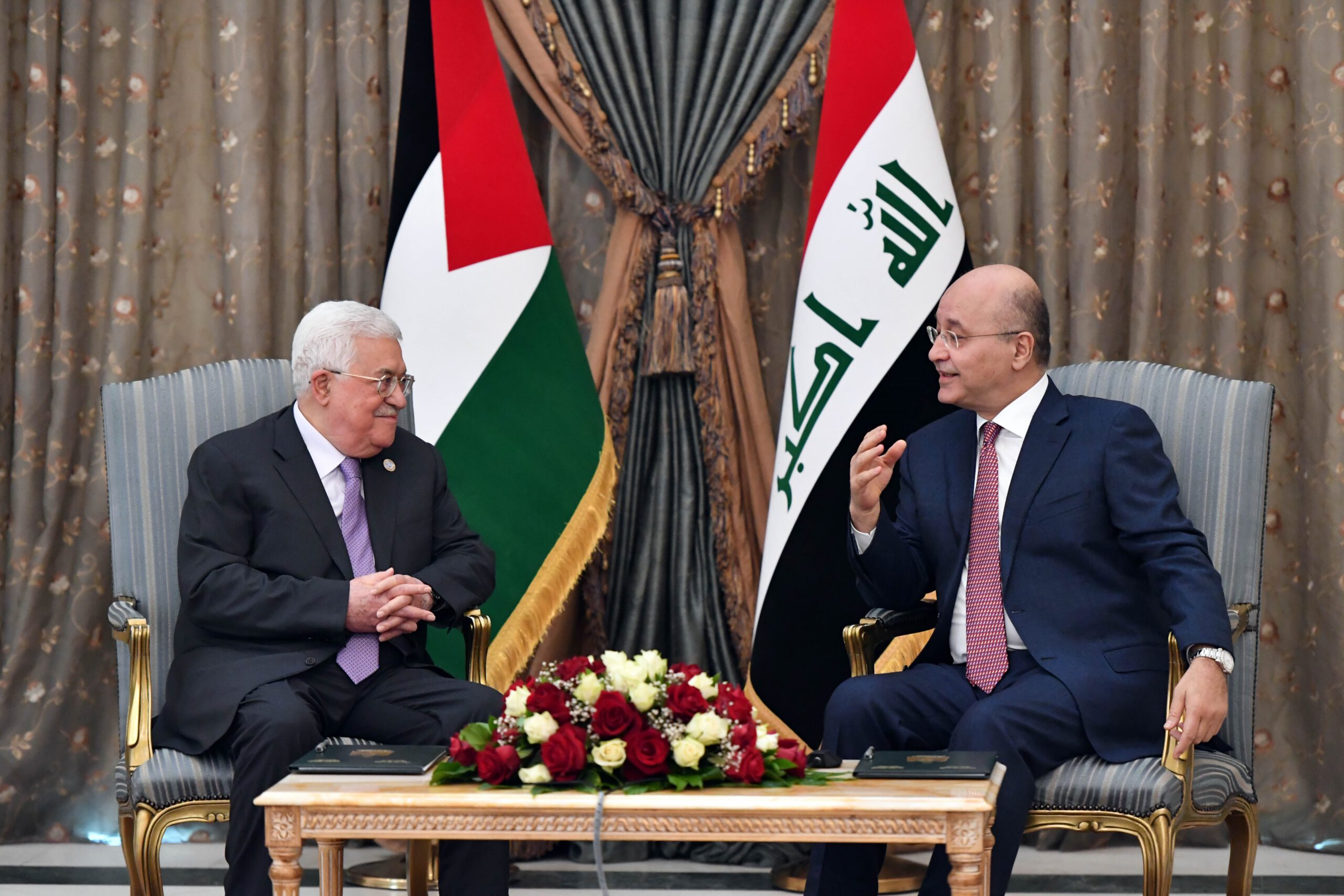
Following the liberation of ISIS-held territory in Syria and Iraq, Palestinian President Mahmoud Abbas is reestablishing ties with regional actors as a means to mobilize Arab support for the Palestinian cause.
Monday Briefing | Iraq: Outreach abroad, but troubles at home
In this week’s Monday Briefing, MEI experts Randa Slim, Charles Lister, Gerald Feierstein, and Paul Salem provide analysis on recent and upcoming events including Iraqi Prime Minister Abdul-Mahdi’s first foreign trip to Egypt, the future threat posed by ISIS, Israeli Prime Minister Benjamin Netanyahu’s AIPAC meeting in Washington, and Secretary of State Mike Pompeo’s visit to Lebanon.
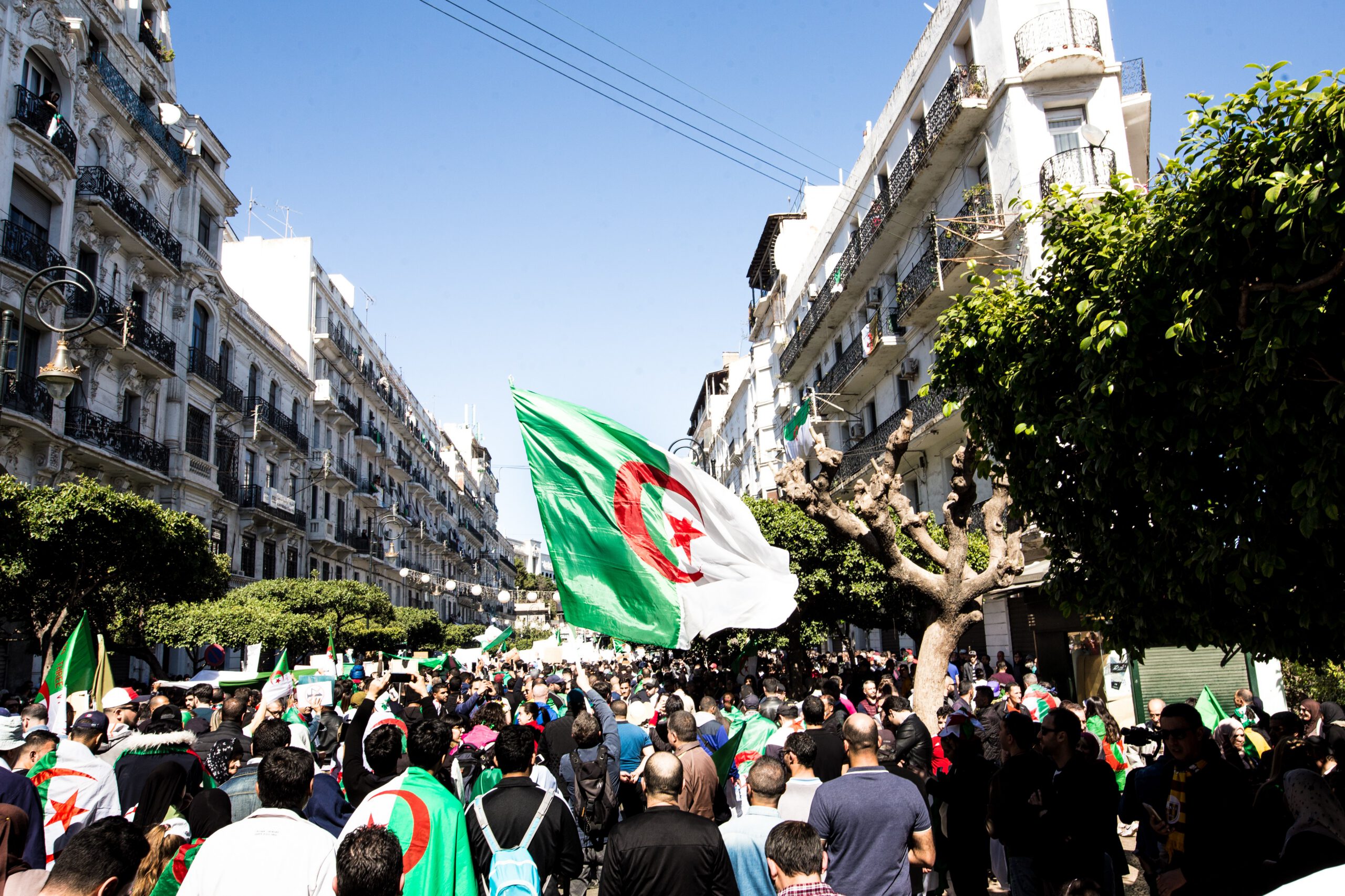
Monday Briefing: Algeria's political crisis is deepening
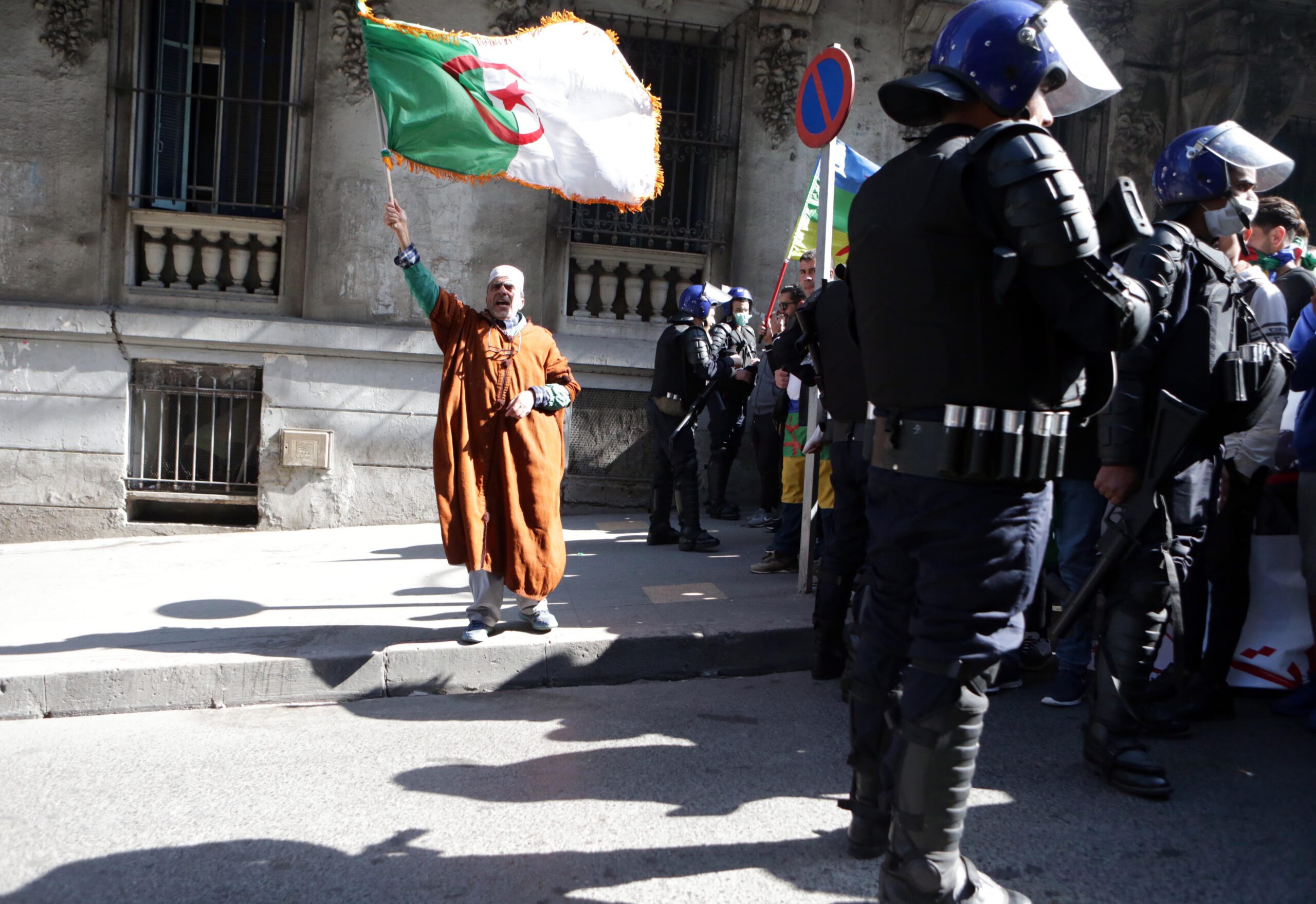
In this week’s Monday Briefing, MEI experts Robert S. Ford, Paul Salem, Marvin G. Weinbaum, Wa’el Alzayat, and Alex Vatanka provide analysis on recent and upcoming events including Algeria’s ongoing political crisis, the 16th anniversary of the U.S.-led invasion of Iraq, criticism of the U.S.-Taliban talks by Afghanistan’s national security advisor, international fundraising efforts to aid Syria, and Iranian President Hassan Rouhani’s fading political clout.
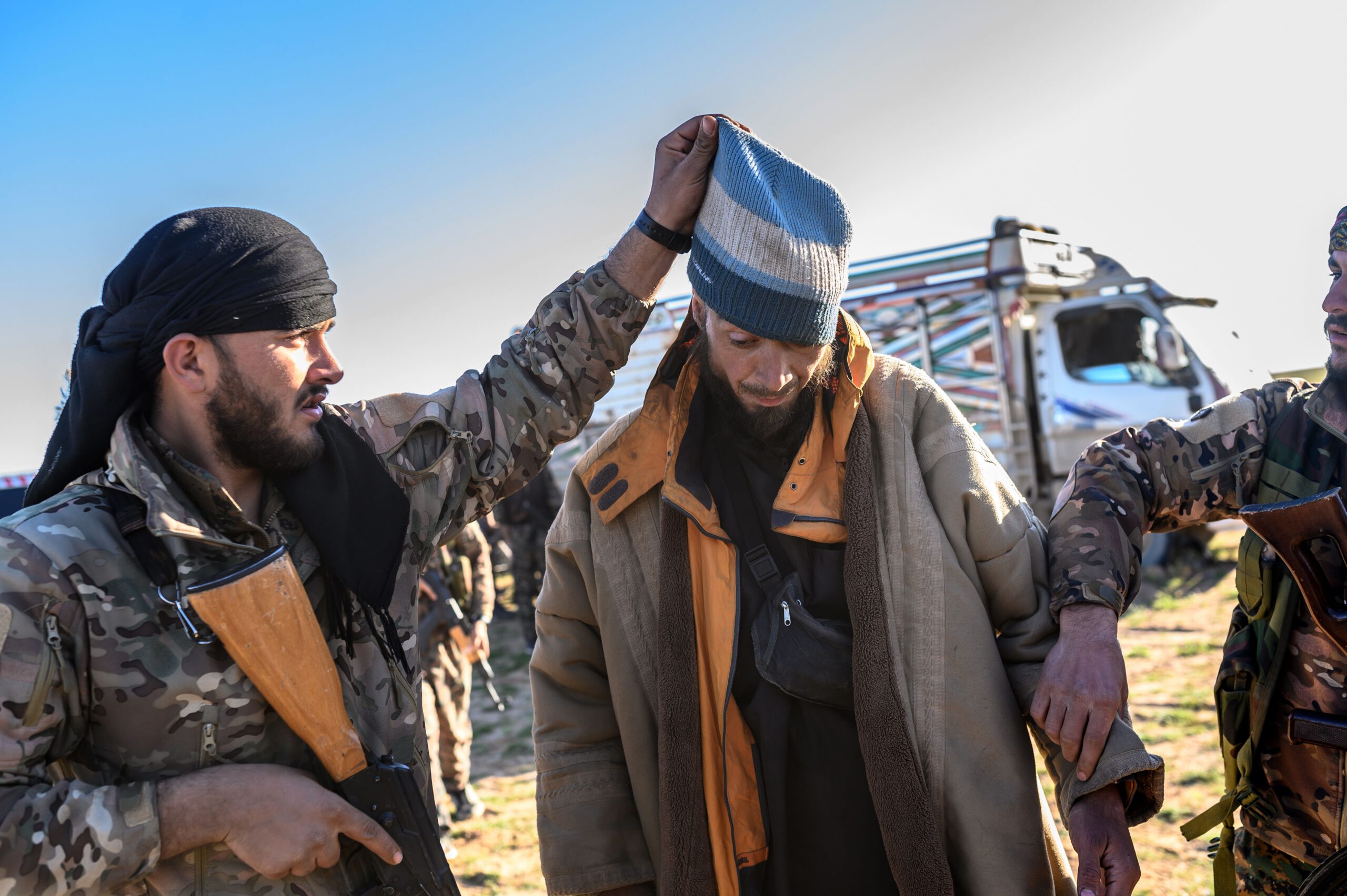
Perhaps the most immediate challenge facing the Syrian Democratic Forces is what to do with the influx of ISIS members and their families that have poured out of ISIS’s last stronghold, particularly since February 2019.