Monday Briefing: GERD talks continue, but political will is still lacking
This week’s briefing on recent news and upcoming events in the region featuring Mirette F. Mabrouk, Marvin G. Weinbaum, Gonul Tol, Alex Vatanka, and Gerald Feierstein.
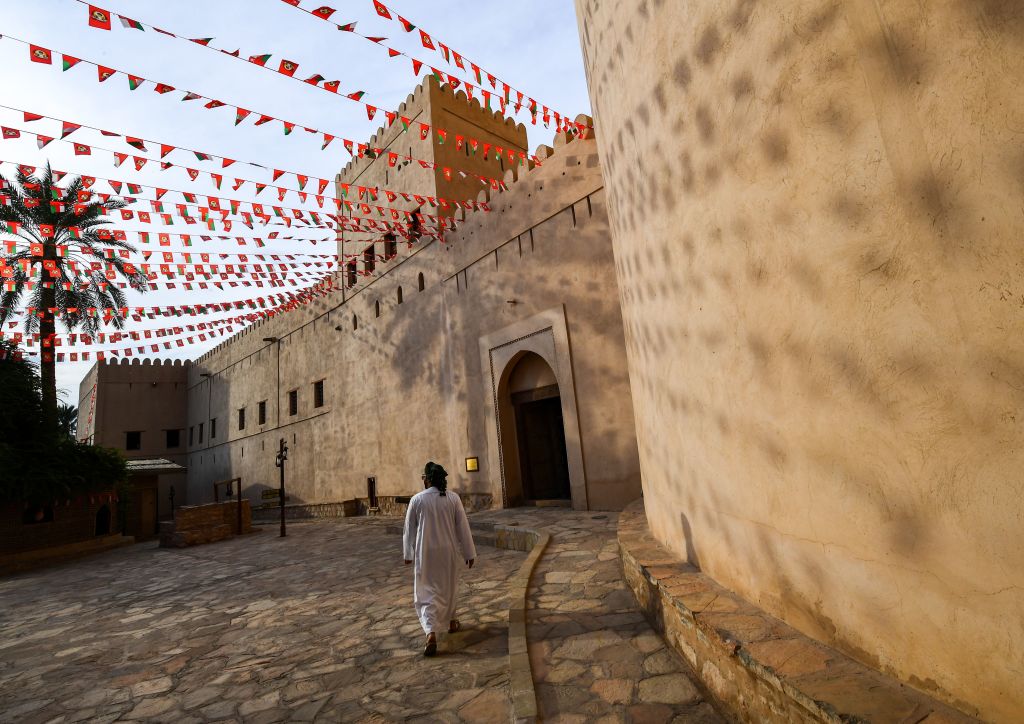
Oman’s new ruler, Sultan Haitham, only has a short timeframe in which to aggressively diversify the country’s economy and reduce its dependency on hydrocarbon exports. This already difficult task is further complicated by the twin challenges of the global coronavirus pandemic and low oil prices, both of which limit the government’s fiscal room for maneuver. One obvious sector that Oman should consider expanding rapidly is its tourism industry.
So far, Saudi Arabia’s push for OPEC+ restraint appears to be working. If projections of a gradual demand recovery in 2020 are accurate, the Saudis should be able to reaffirm their centrality as market stabilizers.
Not too long ago, the Mediterranean was described as “NATO’s lake” — a sleepy backwater in a world dominated by conflict. Today, Israel’s quarrels with Lebanon, Palestine, and Syria are viewed — and minimized — as legacy conflicts, overshadowed by a new and unstable strategic environment centered upon competing visions of offshore energy and security in the eastern Mediterranean.
When OPEC+ ministers hold their next monthly meetings on July 14-15, the Saudis are likely to be a strong voice pushing for the continuation of production limits, for both economic and political reasons.
This week’s briefing on recent news and upcoming events in the region featuring Dara Conduit, Marvin G. Weinbaum, Mark Heller, Syed Mohammad Ali, Gonul Tol, and Guled Ahmed.
Of all the challenges to the OPEC+ effort, Iraq remains the biggest and most daunting.
The big question is, what is Baghdad expected to concede in return for Trump’s investment?
A perceived lessening of the U.S. security umbrella would leave the Saudis far more vulnerable regionally and could force additional policy adjustments.
President Vladimir Putin’s plans to change Russia’s Constitution and stay in power beyond 2024 have been hampered by COVID-19 and the oil price crash.
The April 12 OPEC+ deal to cut oil production that ended the disastrous five-week Saudi Arabia-Russia price war is a short-term fix for the global industry, but will not resolve the larger problem of over-production. The price war heightened animosity between Riyadh and Moscow and calls into question whether the OPEC+ partnership will ever be the same again.
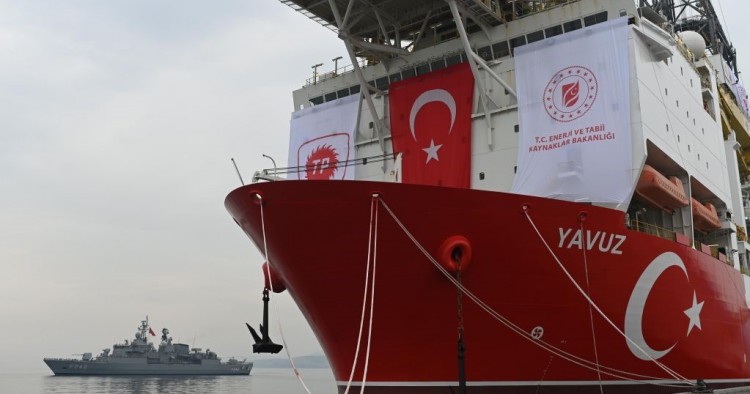
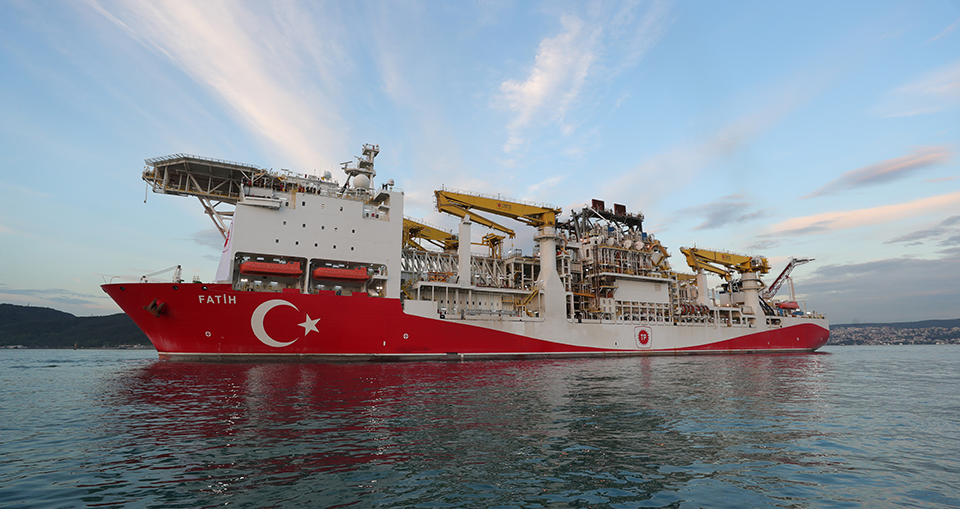
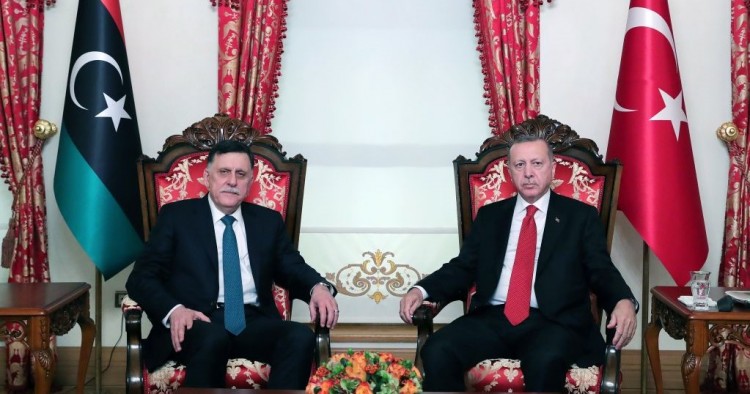
President Recip Tayyip Erdogan has sought to dramatically reorient Turkey’s role and relationships in the region. Gradually at first but then abruptly, he has pivoted from the Republic’s historical status as a key member of the transatlantic alliance towards new partnerships – including Russia. Erdogan has consistently aimed for freedom in executing his foreign policy agenda, of which energy concerns are pivotal. It remains to be seen whether this hard-sought autonomy will be limited or expanded by Turkey’s domestic energy needs and its prime position as a hydrocarbon transit state.
Despite his support, al-Kadhimi’s path to obtain confirmation of his cabinet from the Council of Representatives is riddled with challenges.
The new cuts will likely not do much to shore up oil prices.
Saudi Arabia’s recent decision to call for an urgent OPEC+ meeting was driven by a simple logic. In spite of its obvious advantages over other oil producers, the kingdom is still taking serious risks as it pursues an oil price war.