This text has been translated by AI and may contain errors.
Skip to Content

Research & Commentary Results

Filter by
1694 Results
A “blue mirage”: Biden’s presidency and the Iranian economy
This picture illustrates Iranians on January 12, 2012 counting and exchanging the United States 100-dollar bills and Iran's Rial banknotes, bearing a portrait of Iran's late founder of Islamic Republic Ayatollah Ruhollah Khomeini in Tehran. The Rial's plunge, to 18,000 to the dollar hit a record low on January 18, based on rates in black market trading that the government has tried to ban.
  • Analysis
  • A “blue mirage”: Biden’s presidency and the Iranian economy

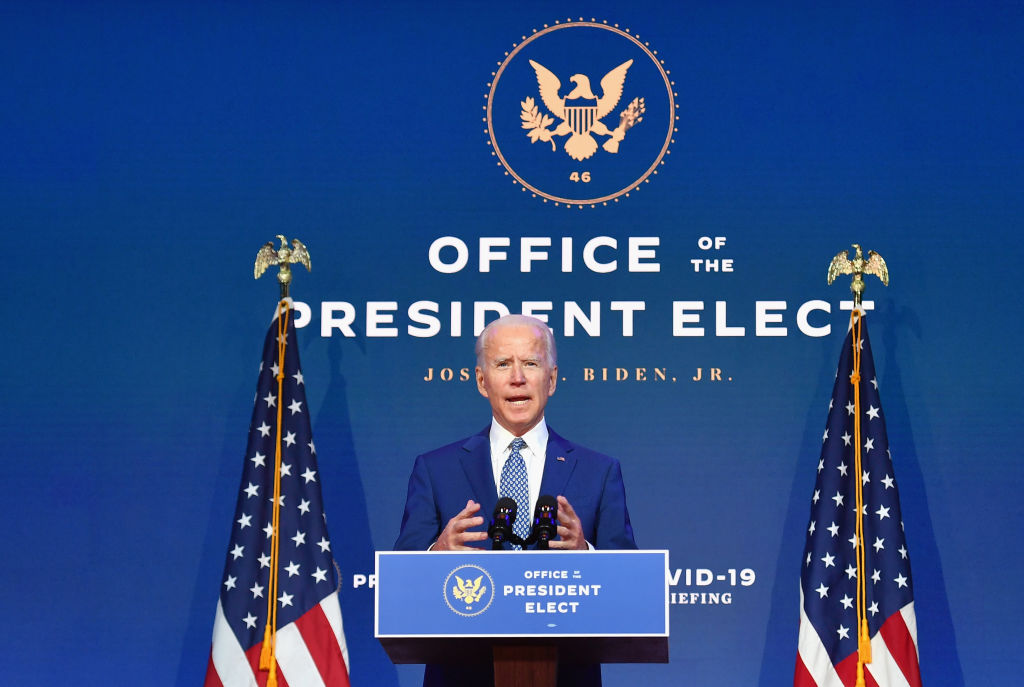
    What does a Biden presidency mean for the economy of Iran? The short answer is: not much. While the Iranian public considers his election good news for the country, these sentiments are fleeting and will soon fade. The reason is simple: Even if Joe Biden decides to reengage with Iran or reenter the 2015 nuclear deal on his first day in office, a Biden presidency will not change many crippling realities for the Iranian economy.

    November 12, 2020

    A course correction on Syria under Biden
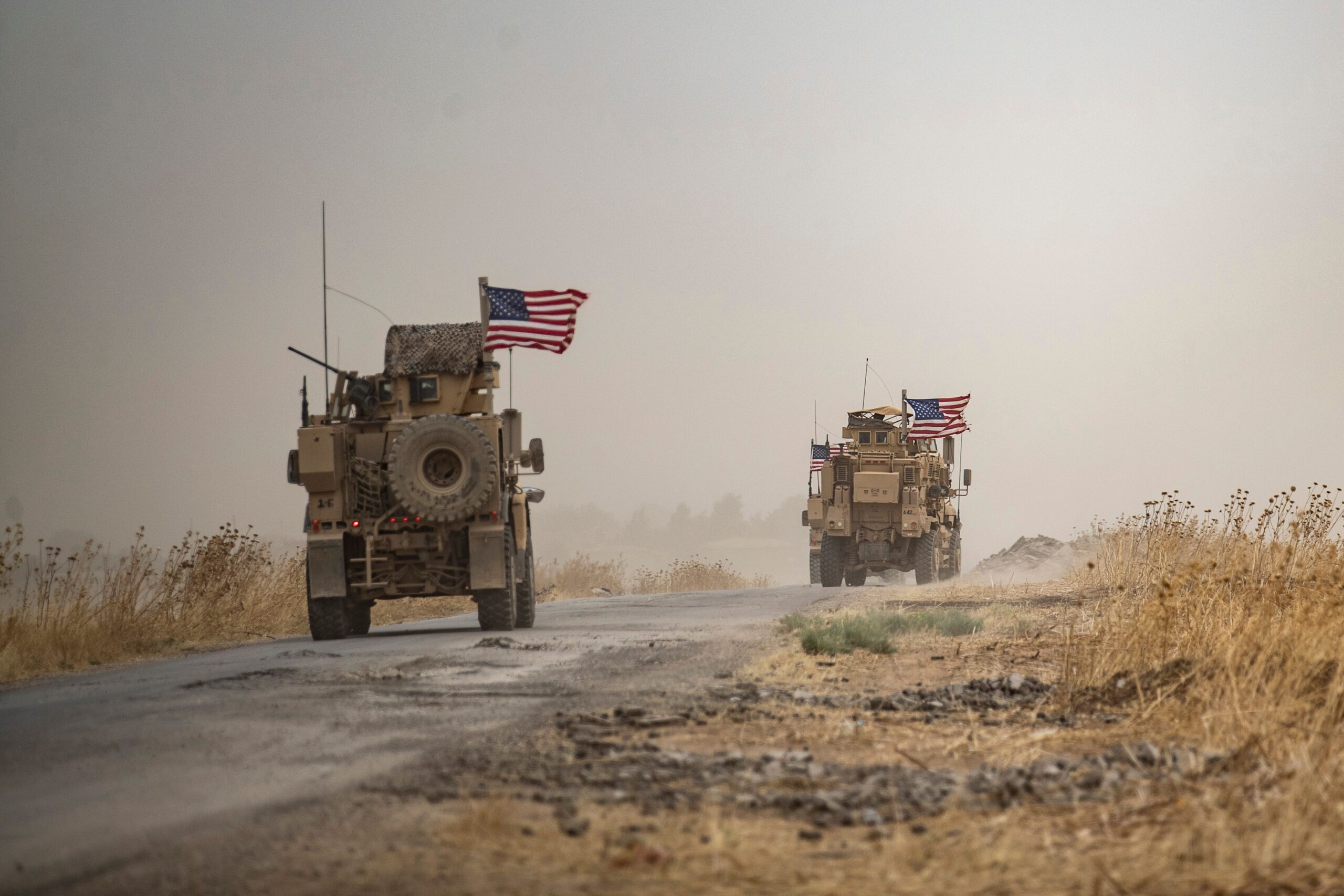
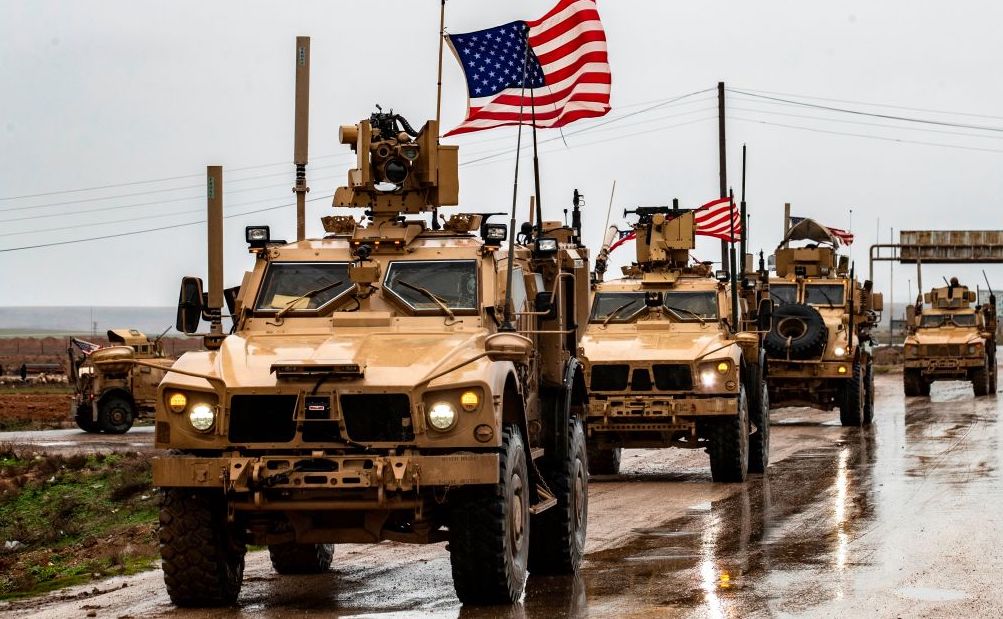
    A row of U.S. troops with flags waving in Syria.
  • Analysis
  • A course correction on Syria under Biden

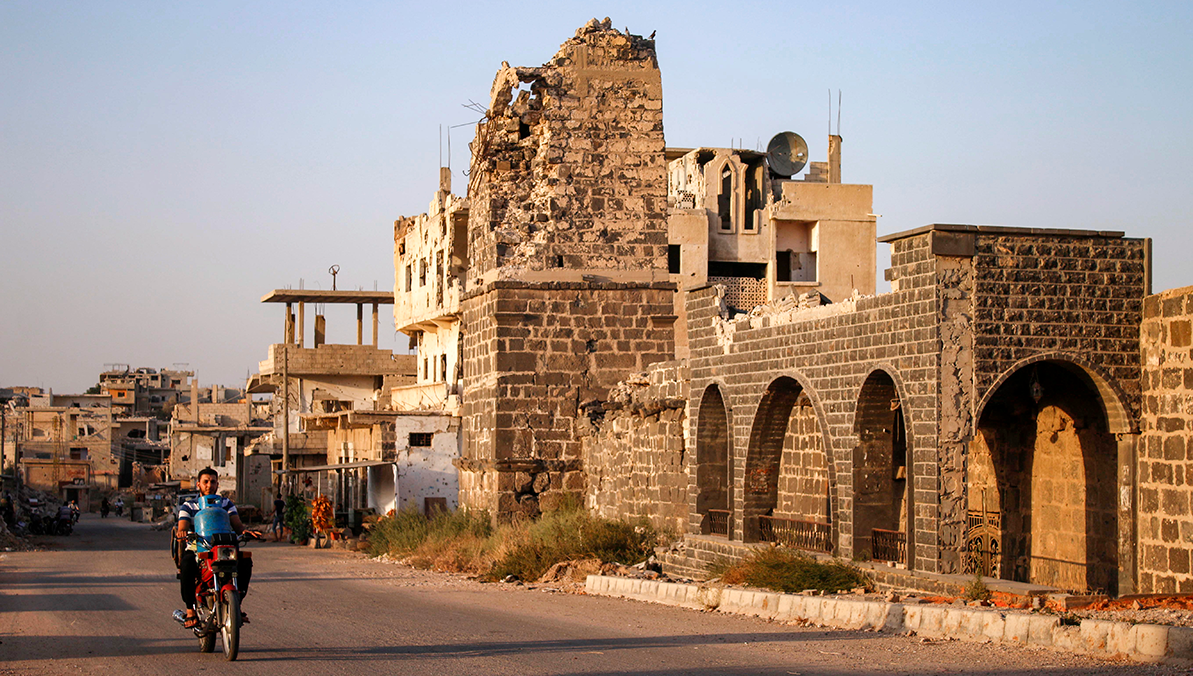
    When a Biden administration begins to settle into its offices in just a few months, Syria’s crisis will have reached a dreadful milestone, marking a decade in March 2021. Though many of President Biden’s senior team presided over U.S. policy throughout Syria’s most deadly years of 2011-16, it is clear that the tragedy that has befallen Syria and its extraordinary global ramifications are a source of sincere regret. Moreover, after four years of the Trump administration, during which American leverage has been repeatedly and illogically spurned and U.S. credibility eroded by repeatedly embarrassing flip-flops, there is a newfound determination to correct today’s trajectory and work determinedly toward the core objectives of defeating ISIS and pursuing a negotiated Syrian settlement.

    Is escalation in Idlib on the horizon?
    Photo by BAKR ALKASEM/AFP via Getty Images
  • Commentary
  • Is escalation in Idlib on the horizon?

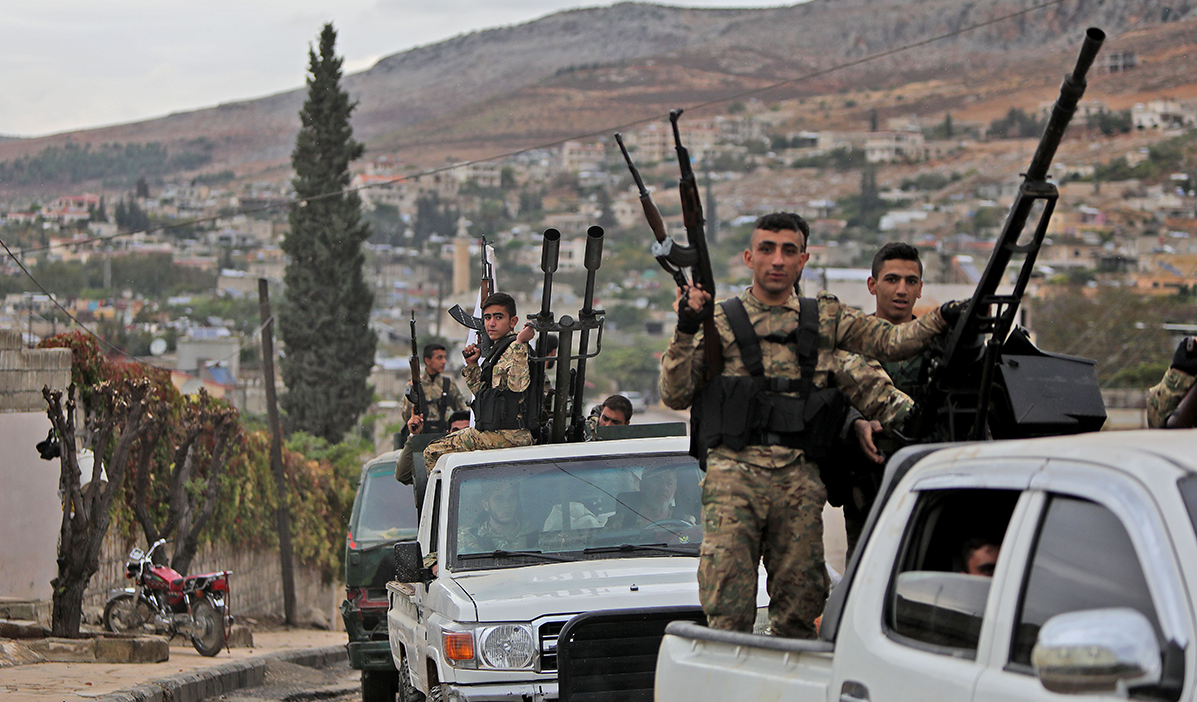
    As the conflict in Nagorno-Karabakh rages between Armenia and Azerbaijan, Russia and Turkey once again find themselves on opposite sides in a regional geopolitical war. With the reverberations from the fighting now spreading across the region, the fate of Idlib could be tied to battles elsewhere as Moscow potentially seeks to open up another front against Ankara.    

    Between the Coalition, ISIS, and Assad: Courting the Tribes of Deir ez-Zor
  • Analysis
  • Between the Coalition, ISIS, and Assad: Courting the Tribes of Deir ez-Zor

    In areas under the control of both the Syrian regime and Autonomous Administration in North and East Syria (AANES) in Deir ez-Zor Province, the governing bodies are failing to secure the loyalty and support of locals. The security structures built by the regime and the AANES have coopted and incorporated local tribes to a significant extent, but a lack of support from the central governing bodies amid increasing ISIS attacks threatens long-term stability in the province. These two regional dynamics are outlined and compared in this paper to illustrate the dual challenges both governance bodies face in appealing to locals and thwarting the resurgence of ISIS in the area.

    November 3, 2020

    Pakistani politics at a crossroads: The new opposition to Imran Khan and to the military establishment
  • Analysis
  • Pakistani politics at a crossroads: The new opposition to Imran Khan and to the military establishment

    On October, 16, Pakistan’s former Prime Minister Nawaz Sharif set his country’s politics ablaze by offering a withering critique of the military establishment. Calling in from London via video conference, Sharif addressed a crowd of over 20,000 protestors at a rally in the Punjabi city of Gujranwalla organized by the Pakistan Democratic Movement (PMD), a recently formed coalition that brings together all major opposition parties. Under the PMD’s banner, erstwhile rivals like the Pakistan Muslim League-Nawaz (PML-N), the Pakistan People’s Party (PPP), and the Jamiat Ulema-e-Islam–Fazlur (JUI-F) have joined forces to achieve two goals that they see as intertwined: unseating Prime Minister Imran Khan and regaining power from the military.

    November 3, 2020

    How the U.S. elections will shape Iranian policy
  • Analysis
  • How the U.S. elections will shape Iranian policy

    At a rally in Florida, Donald Trump stated that Iran will be the first country to call to him after his reelection because the Iranians are “dying for a deal.” National Security Advisor Robert O’Brien added that “it is very difficult for Iran to refuse to negotiate” because “Iran cannot sustain economic pain much longer and… we don’t think they can hang in there for another four years.”

    There is no doubt that the Trump administration’s “maximum pressure” campaign has had serious negative impacts on Iran’s economy and that the country is experiencing a crisis. But, if the past is any indication, the sanctions or economic pressure will not be the main drivers of Tehran’s decision-making if it decides to compromise with the United States. To imagine that a deal is in the offing due to Iran’s dire economic straits seems simplistic.  

    November 3, 2020

    How the UAE-Israel deal could change the regional power balance
    TEHRAN, IRAN - MAY 06: (----EDITORIAL USE ONLY â MANDATORY CREDIT -
  • Analysis
  • How the UAE-Israel deal could change the regional power balance

    While most experts believe that the recent normalization of ties between Israel and the UAE will not lead to a significant change in the regional balance of power, there are indications that it has the potential to bring about such a change in the long run.

    November 2, 2020

    Ayatollah Khamenei’s gamble and a green light for negotiations
    Iranian Supreme Leader Ali Khamenei makes statements regarding coronavirus (COVID-19) on March 22, 2020 in Tehran, Iran.
  • Analysis
  • Ayatollah Khamenei’s gamble and a green light for negotiations

    As the U.S. prepares to head to the polls to choose its next president, Iran finds itself at a dead end. Hit hard by American sanctions and its own mismanagement of the economy, Tehran needs to negotiate with Washington to get out of its current economic crisis and shore up its waning popular legitimacy. With an eye to addressing these issues and mindful of the steady erosion of support for the government, President Hassan Rouhani has obtained permission from Iranian Supreme Leader Ayatollah Ali Khamenei to negotiate with the U.S. While the news has not yet been made public, Rouhani has told Ayatollah Khamenei that he will begin talks to reach an agreement with the winner of the upcoming election — regardless of who it is — and the Iranian leader has given his initial consent.

    November 2, 2020

    Shifting Gears: HTS’s Evolving Use of SVBIEDs During the Idlib Offensive of 2019-20
  • Analysis
  • Shifting Gears: HTS’s Evolving Use of SVBIEDs During the Idlib Offensive of 2019-20

    Since May 2019, a series of Syrian loyalist offensives backed by the Russian air force has gradually encroached upon the country’s northwestern Idlib Province, home to the last major pocket of opposition-held territory. As the chief rebel group in control of Idlib, Hayat Tahrir al-Sham (HTS) has employed dozens of suicide car bombs as part of its continued defense of the area. Formally known as suicide vehicle-born improvised explosive devices (SVBIEDs), these weapons have been a cornerstone of the group’s — and by extension, the entire opposition’s — military strategy since early stages of the war, when rebel forces began capturing and holding territory. In an attempt to further understand this strategy and how it has evolved over time, this case study seeks to compare and contrast HTS’s past and current use of SVBIEDs, with a heavy focus on the latter. It will also examine HTS’s evolving SVBIED design, paying particular attention to technical innovations such as environment-specific paint schemes, drone support teams, tablets with target coordinates, and live camera feeds, as well as upgraded main charges.

    October 28, 2020