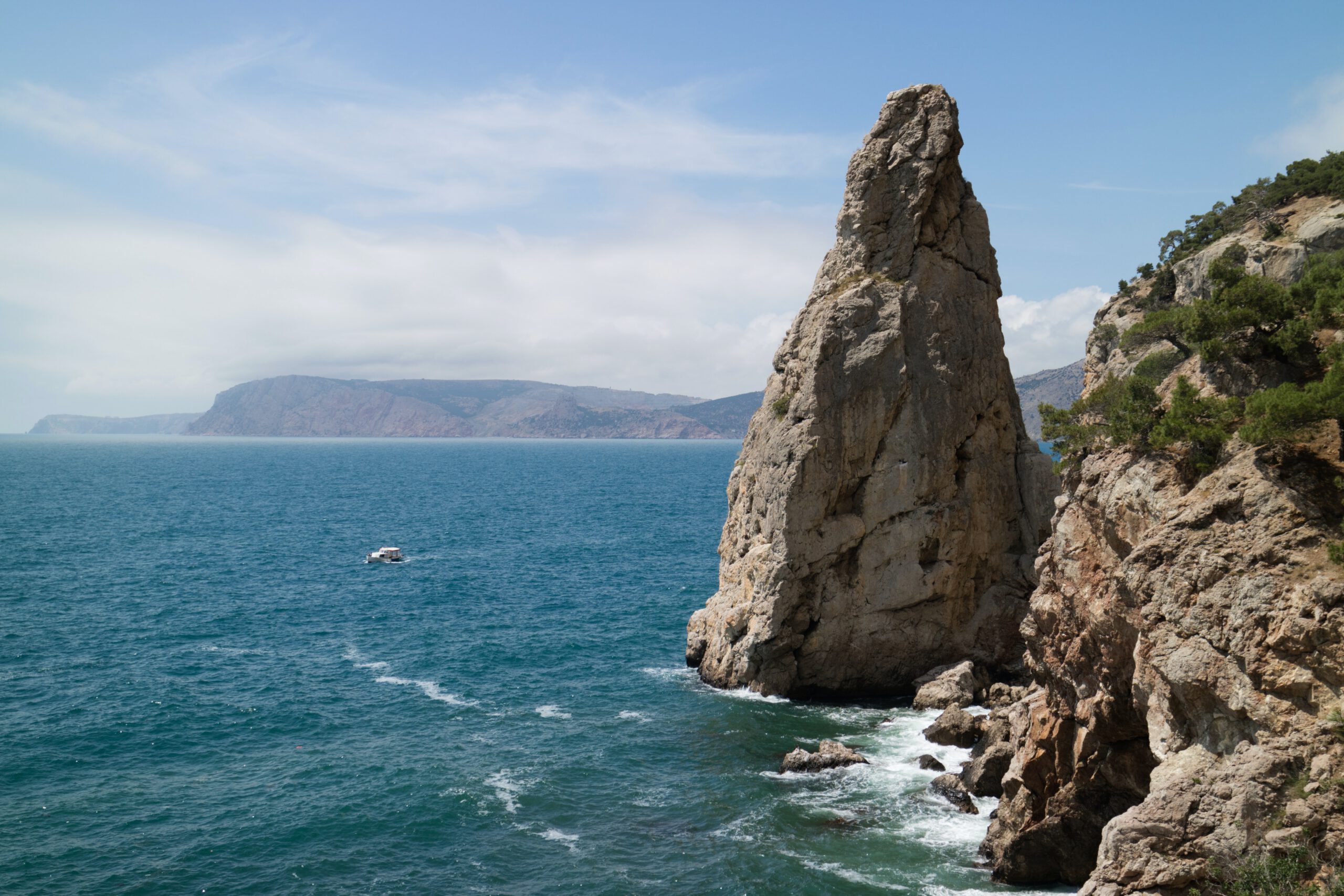
Relations between the U.S. and Black Sea countries are complex. The Western-oriented Georgia and Romania have shown unconditional support for greater U.S. involvement. Others, like Turkey and Russia, will continue to challenge Western involvement. And while relations between Black Sea countries reflect similarly complex cooperation and conflict patterns, common among them is a hope that the Biden Administration will bring a shift in U.S. policy in the region.
Frontier Europe Initiative’s new report, Alternative Futures for the Black Sea Region, is designed to inform the development of a U.S. strategy for the Black Sea region by considering a range of alternative future scenarios.
Georgia should not fear new transit routes in the South Caucasus
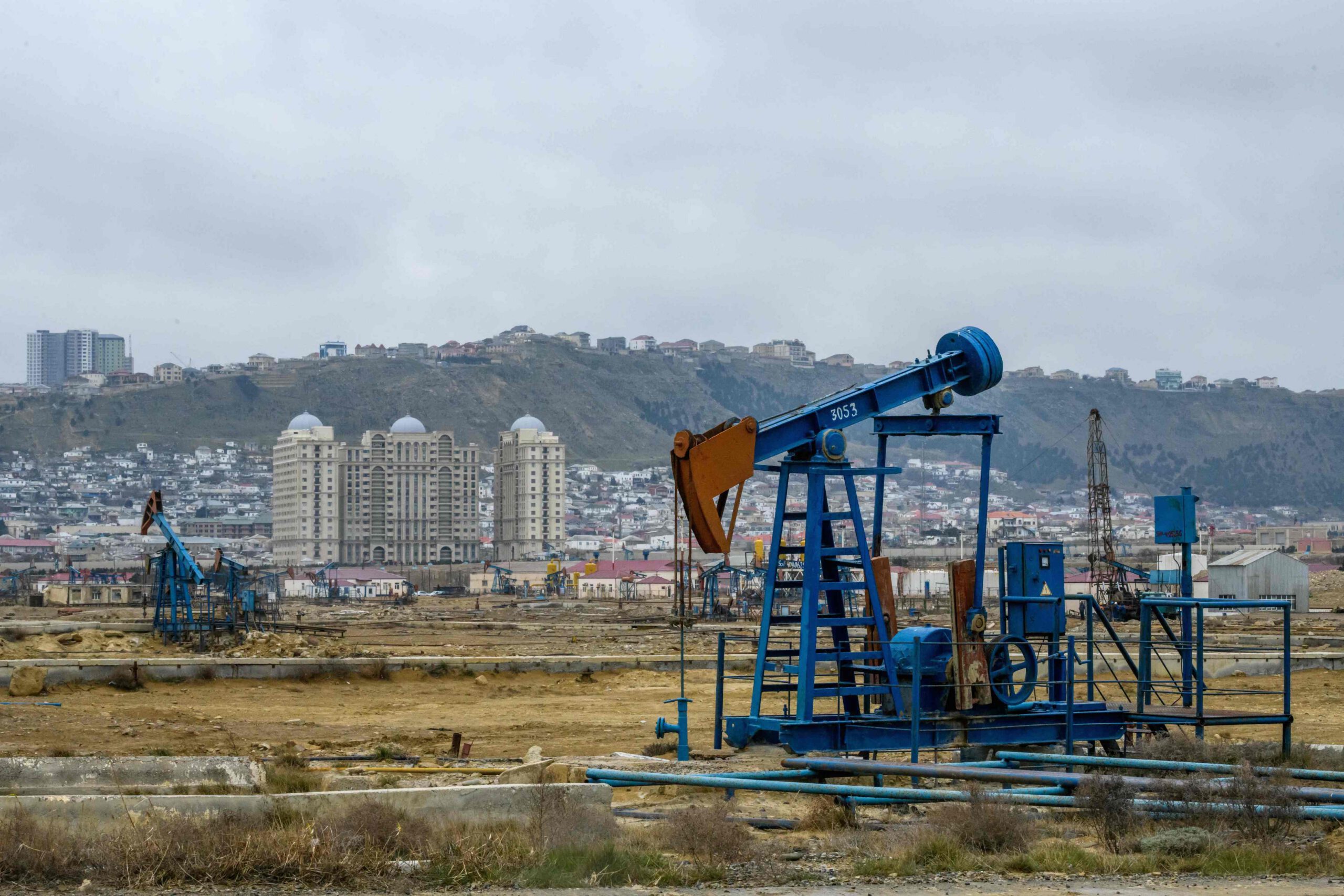
For years, Georgia has played a vital role in East-West trade through the South Caucasus. With tensions high in Nagorno-Karabakh, Georgia was the only show in town when it came to stable, secure, and predictable transport linking Azerbaijan with Turkey. Therefore, it is not surprising that some in Georgia are concerned that new transit corridors passing through the Nakhchivan Autonomous Republic, Armenia (Syunik province), and Azerbaijan might take away from Georgia’s strategic importance. However, this is unlikely to be the case.
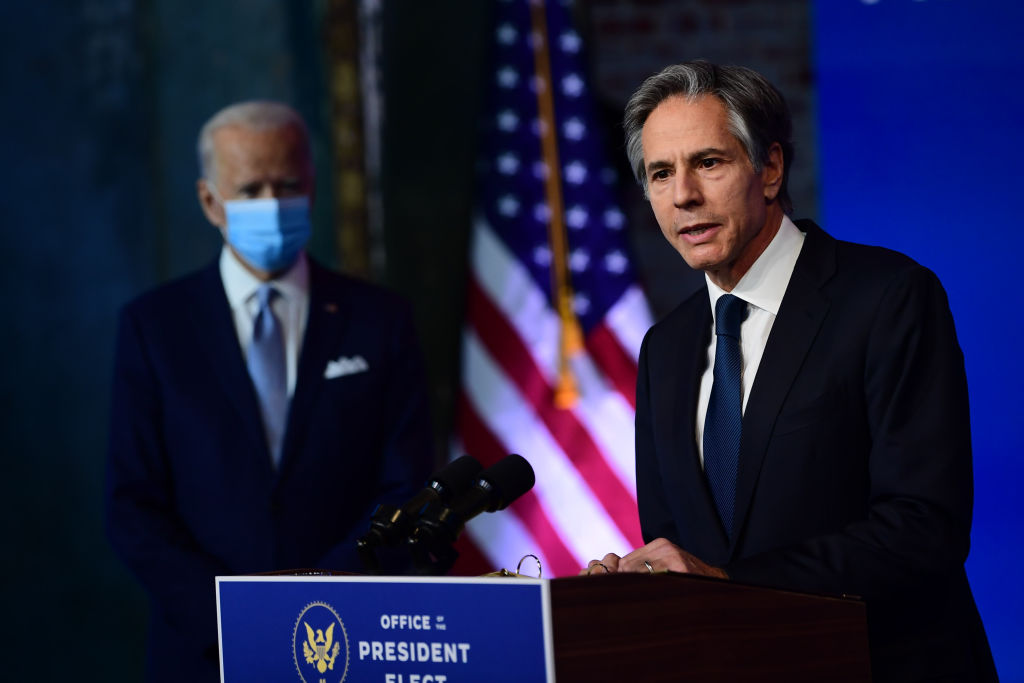
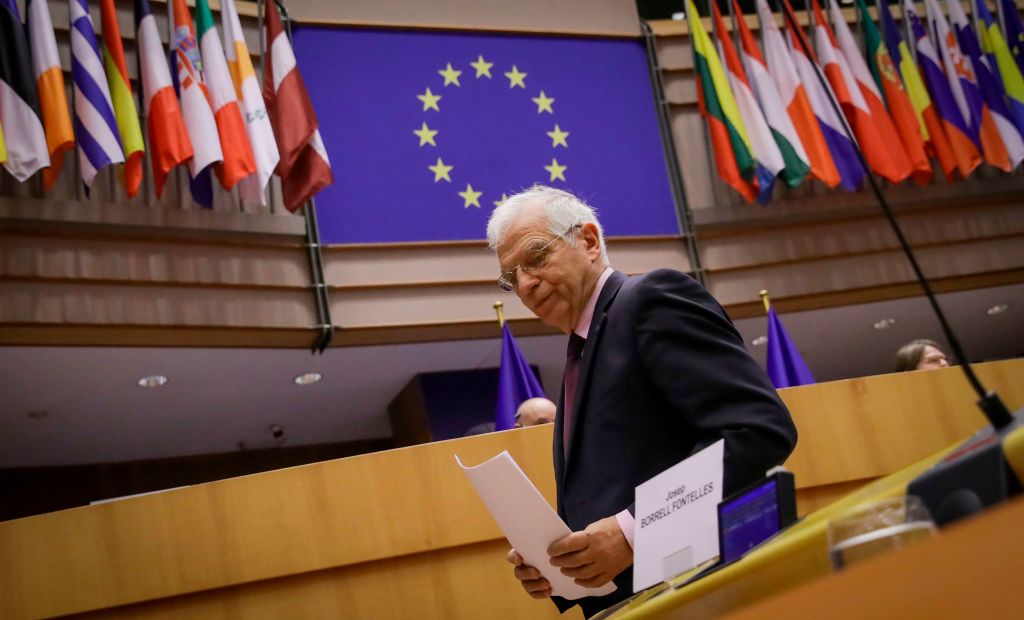
President Joe Biden’s victory was cheered in Europe as the Transatlantic news of the year, given the strained Transatlantic ties during the Trump Administration. But just one month into the Biden Administration, (Western) Europe’s enthusiasm is waning. This Administration has indicated that while reinforcing Transatlantic ties will be a priority, Washington will maintain its heightened threat perception of both Russia and China. While the U.S. sees enhanced deterrence as necessary, the European Union’s major powers see this as provocative and counterproductively hawkish. If the EU indeed prioritizes a reinforced West, it will need to carefully develop its own balanced and realistic Eastern European security policy.
What will the Middle East look like in 2030? An Israeli Perspective
The following article addresses the question of how the Middle East might develop in the coming decade. Long-term and detailed strategic predictions are a thankless task and are often doomed to failure. Therefore, this article refrains from attempts at prophecy but deals instead with “thinking about the future.” It opens with an analytical framework for scenario development, supplemented by “trends impact” and “horizon scanning.” The second section studies “the futures of the past,” in terms of what we might learn about the pitfalls of future projection and scenario-building from those outlining possible futures for 2020 from years past. Then, on the basis of the first two sections, four scenarios elaborate some distinctly different pathways that the Middle East might take to 2030. Finally, the article concludes with several key takeaways for Israeli decision makers.
Now is not the time for the West to turn away from Georgia
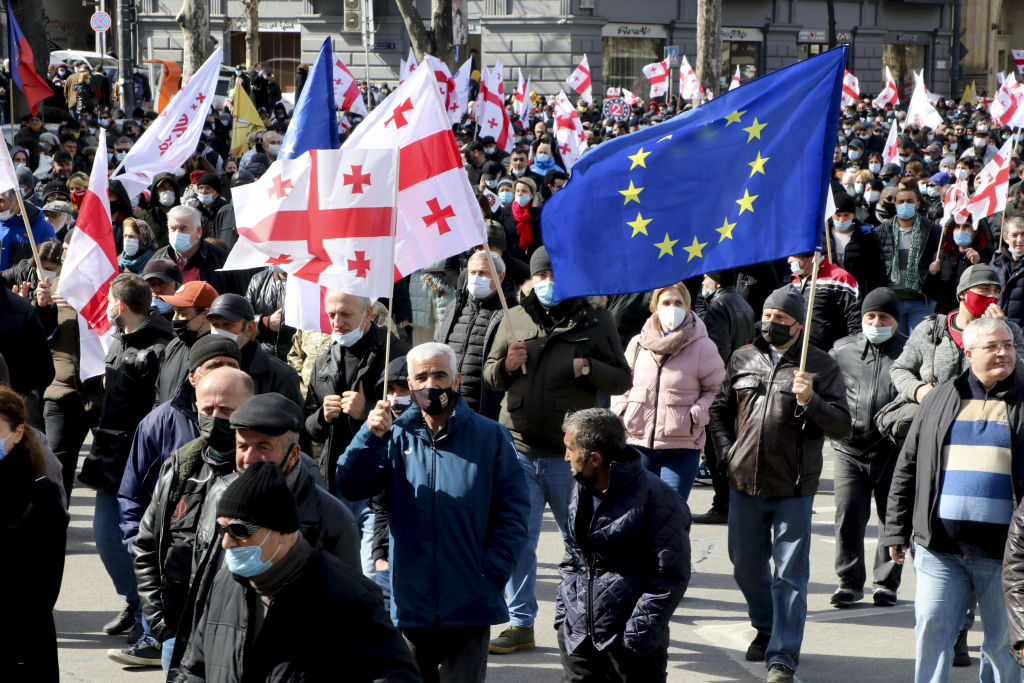
Earlier this week, Georgian law enforcement arrested United National Movement (UNM) party chairman Nika Melia on charges of inciting violence during anti-government demonstrations in 2019. The arrest has left many outraged and is the latest event to deepen political divisions in the country. There are valid arguments as to how the government could have handled Melia’s arrest better. But more important is what’s at stake for the future of Georgia – both domestically and as a member of the international community.
Iran and the Black Sea region: Tehran’s forgotten bridge to Europe
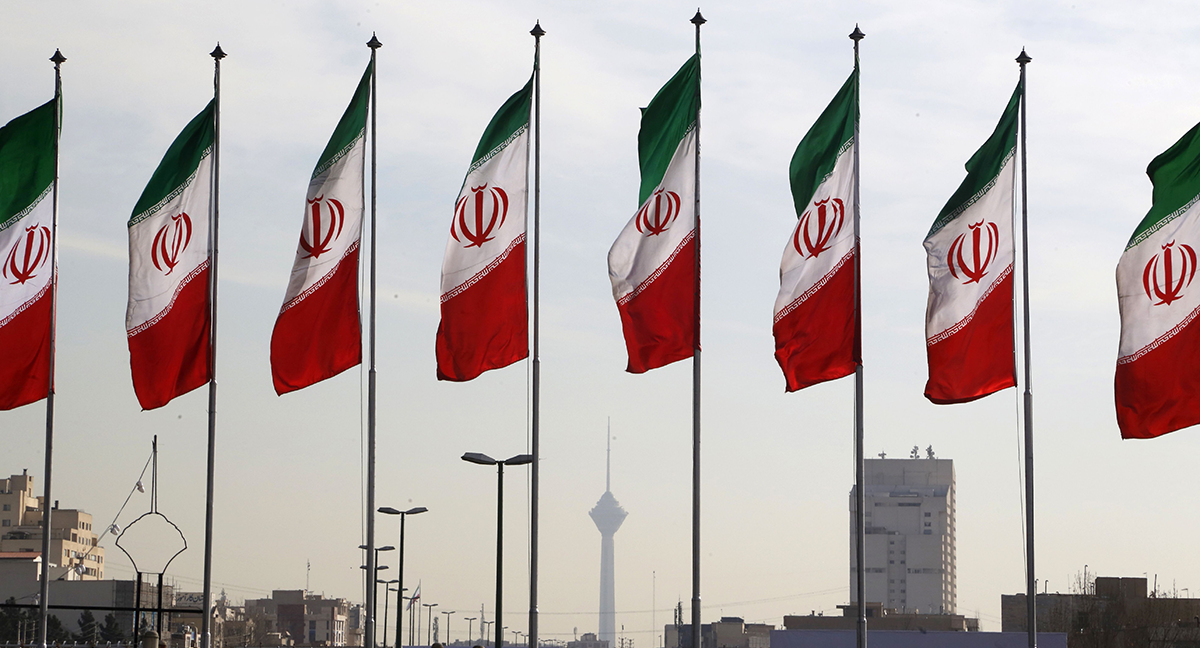
There have been some Iranian advances in building relations with Black Sea states over the last 30 years. However, Tehran’s wavering commitment to deeper ties with its northern neighbors, with the exception of Russia, has considerably reduced the potential footprint Iran could have otherwise had in the Black Sea region. Tehran’s ongoing standoff with the United States, its ideologically driven preoccupation to make advances in the Arab world, and a gradual but clear submission to Russian hegemony has meant that the Black Sea region is a policy matter of secondary importance to decision-makers in Tehran.
The tectonics of Middle Eastern geopolitics: Seismic signs in the Caucasus
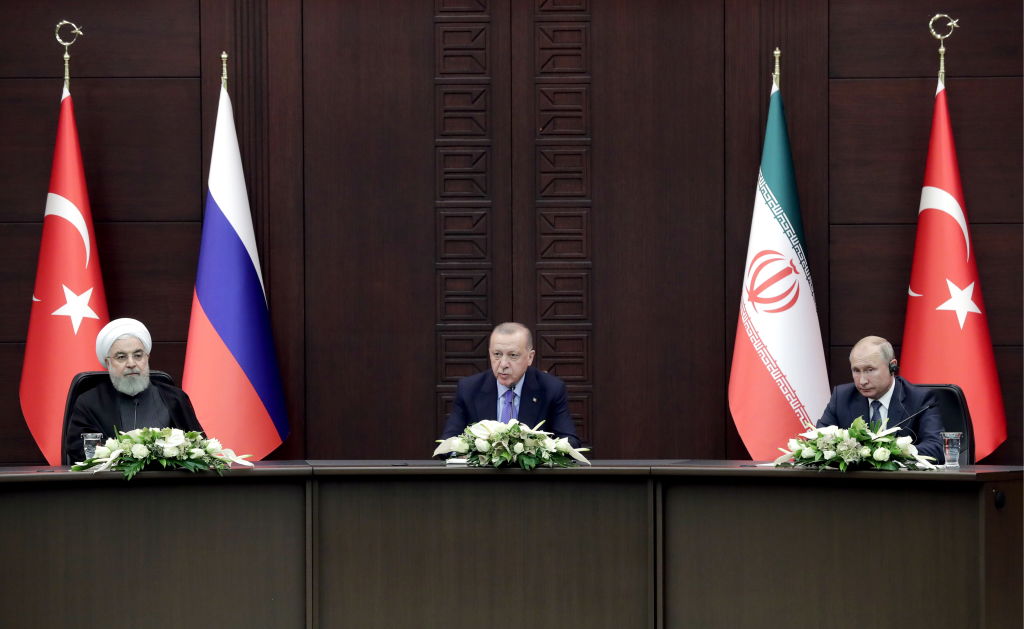
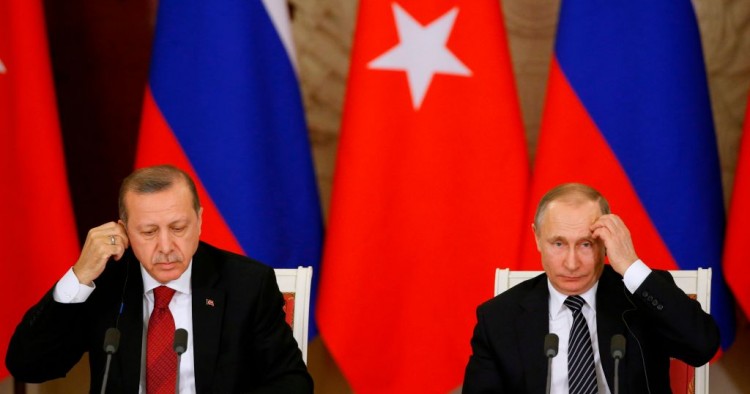
Throughout 2020, the geopolitics between the Middle East and its northern frontier have converged further. Russia, Turkey, and Iran not only compete for influence (as states and through non-state actors) in core countries of the Middle East and North Africa like Syria, Iraq, Libya, Egypt and beyond in the Gulf. They also happen to be the three former imperial powers in the Caucasus – the crucial link between the Black and Caspian Seas on the seam of Europe, the Middle East, and Central Asia.
Iran’s attempts to achieve cyber dominance both within the MENA region and around the world have been well documented, particularly its efforts to spread pro-Iranian messaging and “tell Iran’s story.” This strategy is shaped by the challenging international context facing Tehran, which is suffering economically under U.S. sanctions and largely constrained from purchasing weapons under a recently expired U.N. arms embargo.
An integral partner: The growing ties between Amman and Moscow
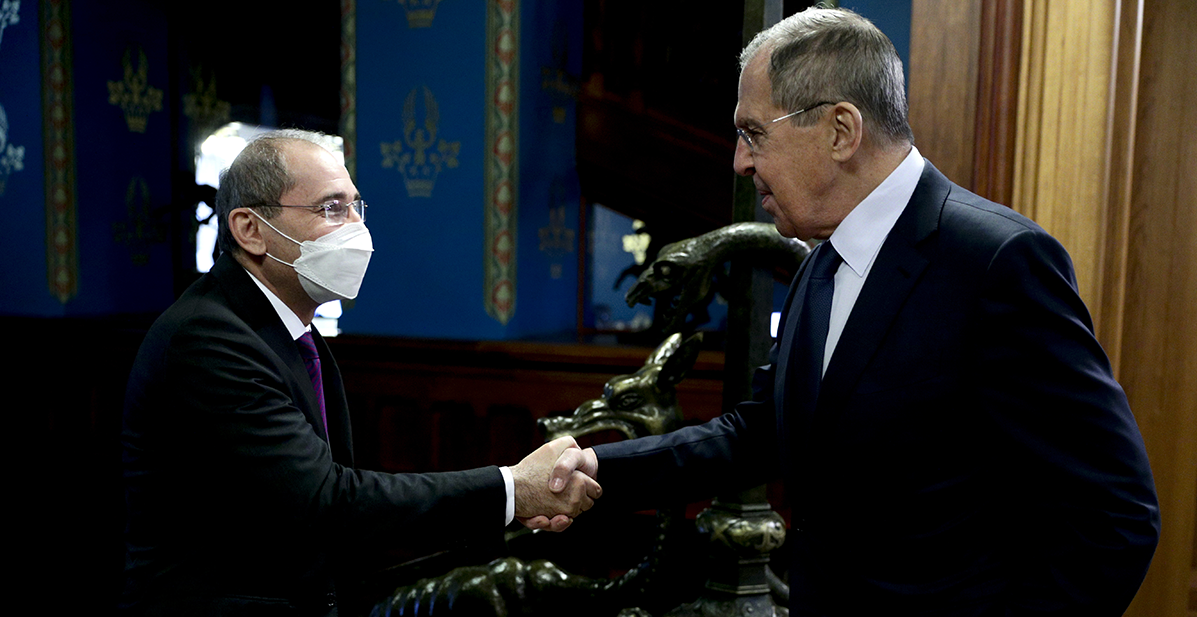
On Feb. 3, Russian Foreign Minister Sergey Lavrov hosted his Jordanian counterpart Ayman Safadi in Moscow. After their meeting, Lavrov emphasized Russia and Jordan’s shared positions on Syria, Gulf security, and Israel-Palestine.
Reforms at the margin: How decentralized power generation could solve Lebanon's energy woes
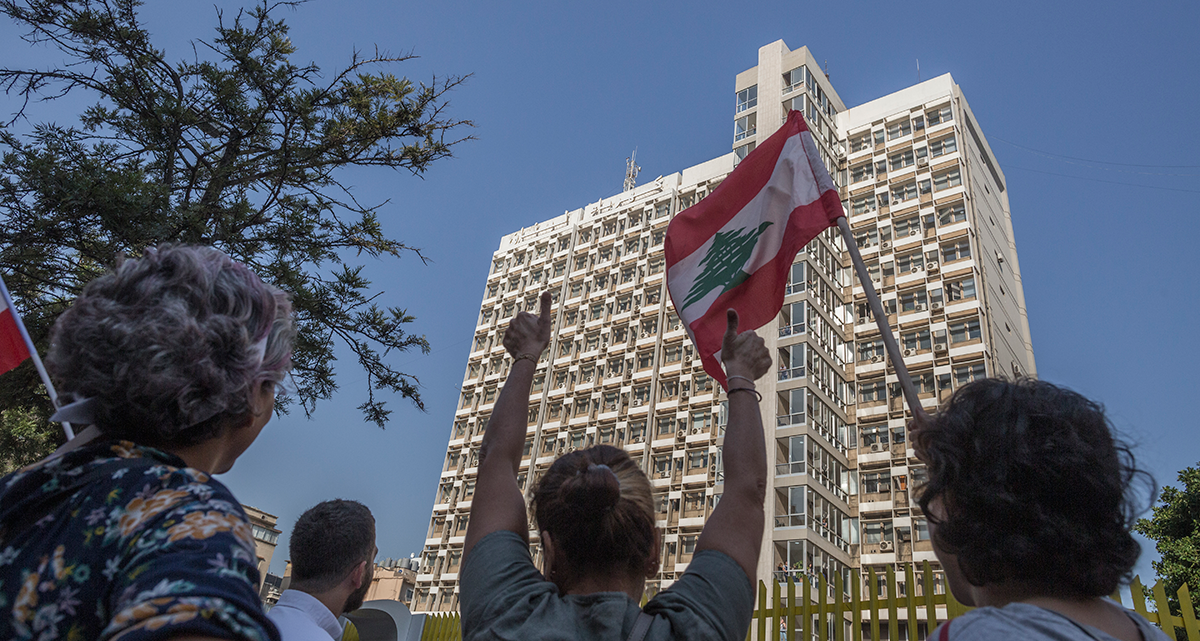
For years, Lebanon has suffered from chronic electricity shortages, and repeated attempts to resolve the crisis have failed. None have been able to surmount the political impasse that blocks every reform effort in the country.
Two years after the start of Algeria’s popular uprising, the regime is far from stable
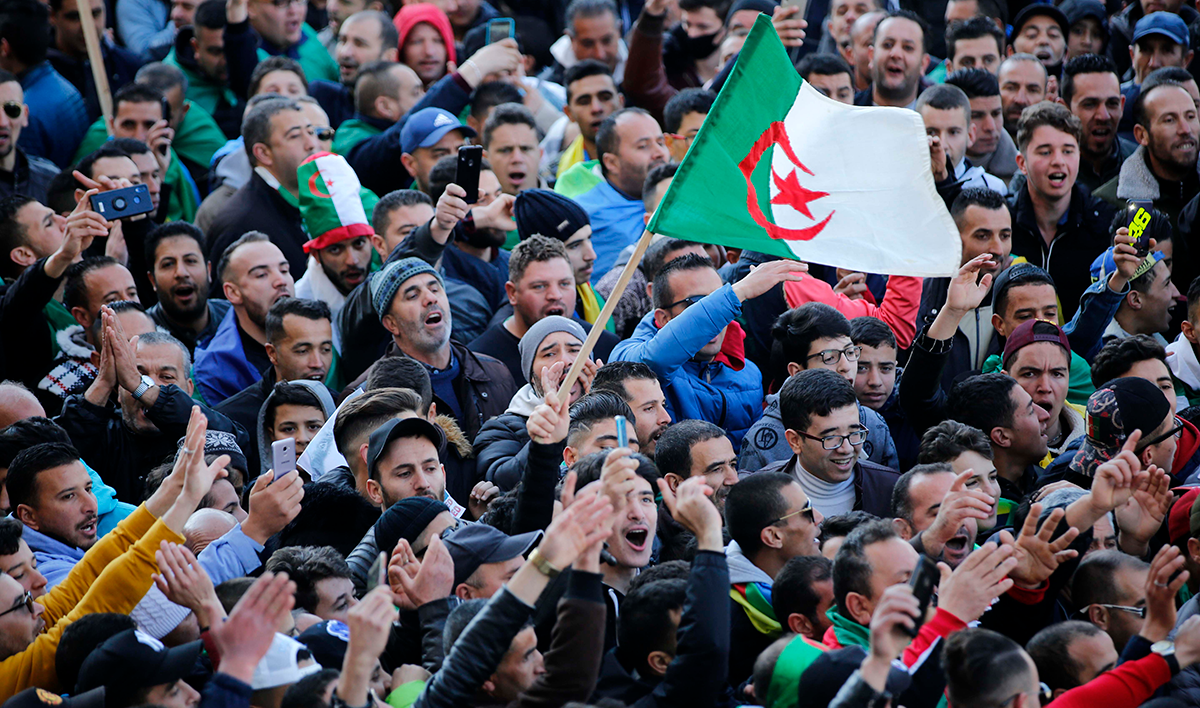
Abdelmadjid Tebboune’s rise to the presidency was supposed to bring a degree of predictability to Algeria’s military rulers. But since he was pronounced the winner of the presidential election in December 2019, the regime has entered a new phase of uncertainty. The COVID-19 pandemic, continued dissent, political volatility, and deepening economic malaise have affected the ruling oligarchy’s calculations. Two years after the start of Algeria’s popular uprising, known as the Hirak movement, the country is stuck in the same impasse it has faced since 2019.
Turkey-NATO ties are problematic, but there is one bright spot
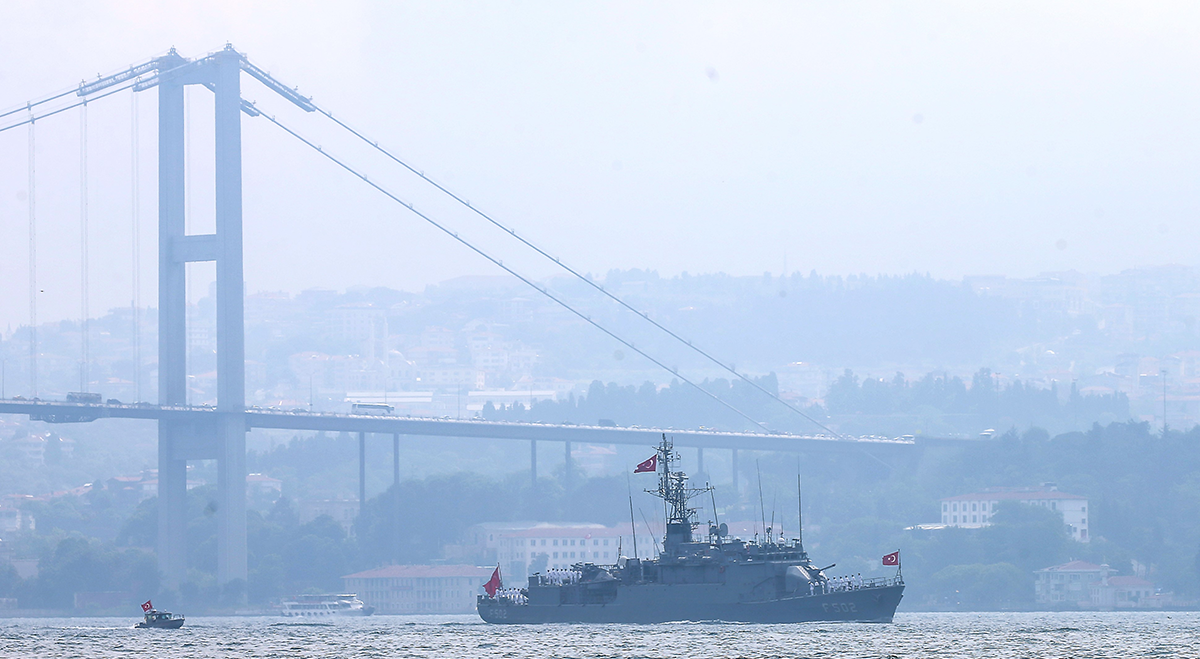
When it comes to Turkey-NATO ties, Ankara is regarded as more of a problem than an ally these days. Not only did it purchase a Russian S-400 air defense system, but its gunboat diplomacy in the eastern Mediterranean also raised the specter of military conflict between NATO allies when Greek and Turkish naval flotillas steamed directly toward each other this past summer. There is one region, however, where Turkey can help NATO efforts: the Black Sea.
Paul Goble, Gonul Tol, and Alex Vatanka join host Alistair Taylor to discuss the Nagorno-Karabakh conflict and the role of Russia, Turkey, and Iran in the South Caucasus.
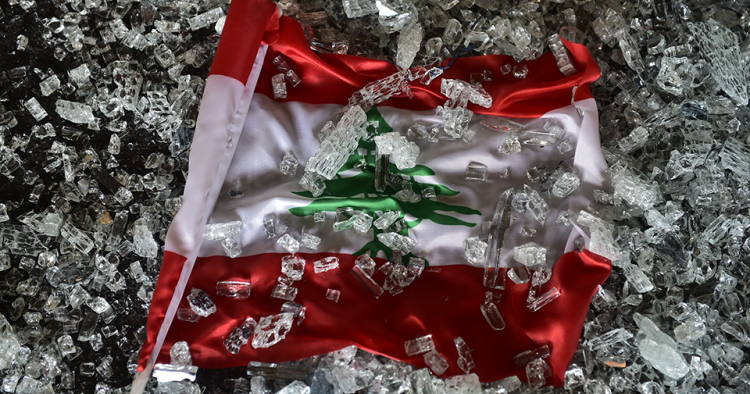
Lebanon and its citizens have endured many hardships in recent years. Two dimensions of Lebanon’s condition today are especially striking, however, and augur more difficult times ahead. First, Lebanon has become just another pauperized and increasingly militarized Arab country whose citizens rebel against state authorities. Simultaneously, the regional and international powers that once engaged in it for their own purposes seem less interested in saving it from its self-inflicted decline.