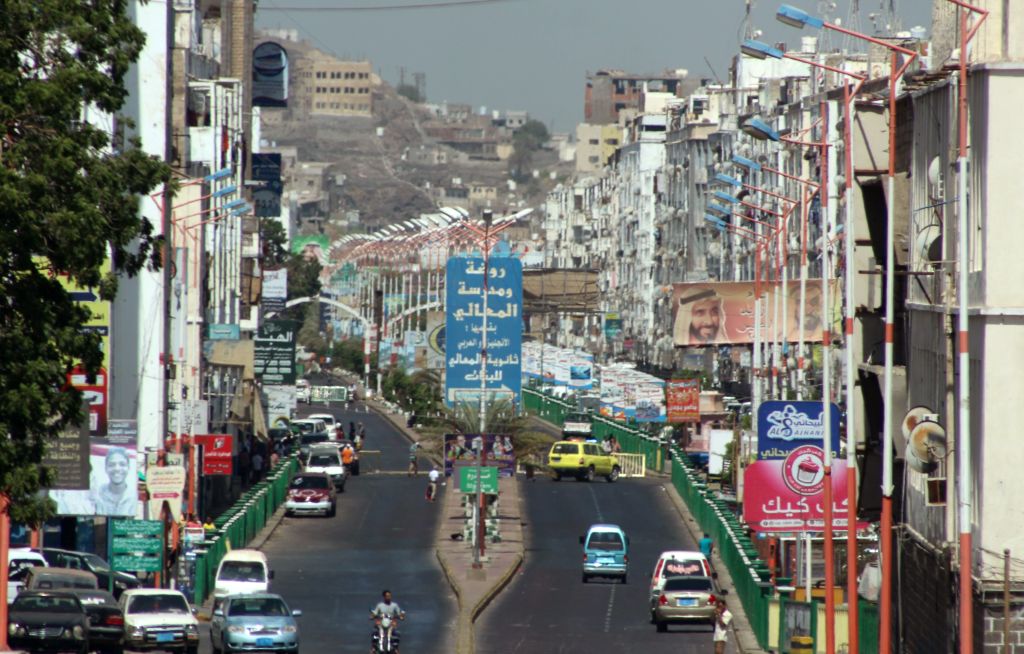
Monday Briefing: Fighting flares up in southern Yemen
This week’s briefing on recent news and upcoming events in the region featuring Fatima Abo Alasrar, Gonul Tol, Marvin G. Weinbaum, Randa Slim, and Michael Sexton and Eliza Campbell.
Can Russia play a role in ending the Yemeni civil war?
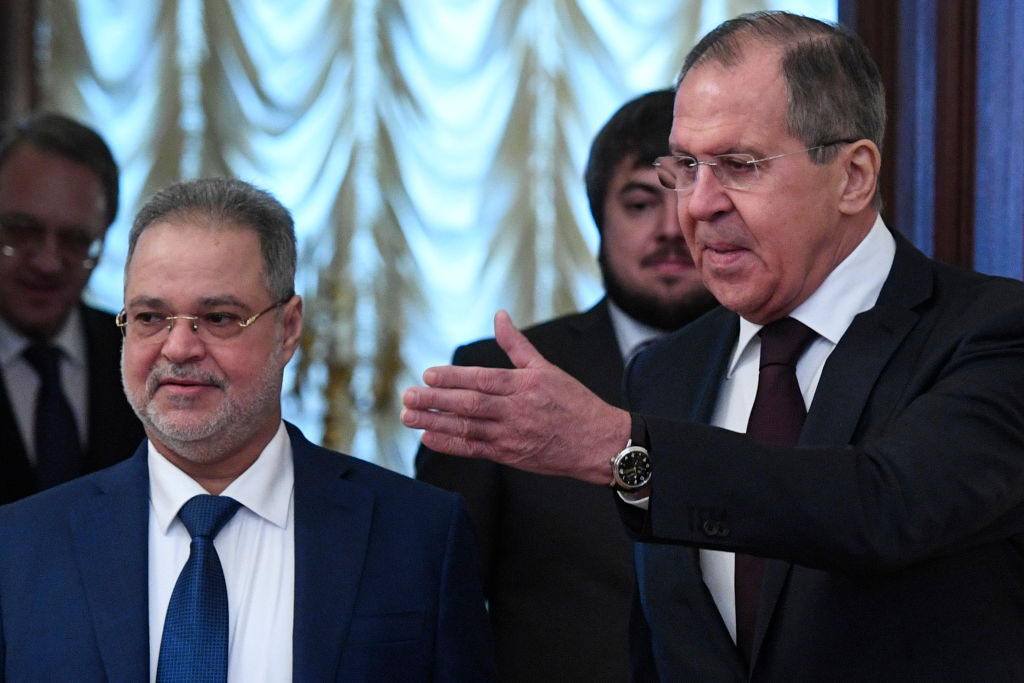
In late July, Russian officials met with Yemen’s Prime Minister Maeen Abdulmalik and representatives of the Houthi Supreme Political Council to discuss the resolution of the Yemeni civil war. These meetings underscored Russia’s ability to balance favorable relations with Yemen’s internationally recognized government and the Houthis: Moscow supported Abdulmalik’s vision for a political solution to the Yemeni civil war and concurred five days later with Houthi criticisms of U.S. military deployments to the Persian Gulf.
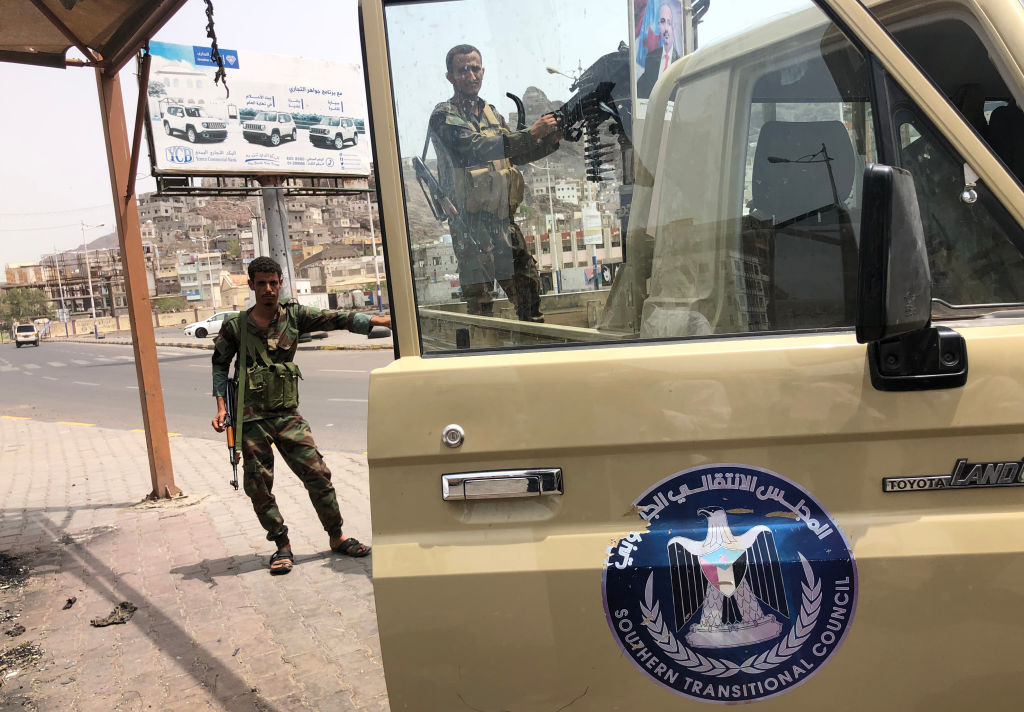
The UAE is reducing its military presence in Yemen and redeploying its forces. This news has spread rapidly, prompting many questions about what it could mean for the continuation or possible conclusion of the war in Yemen. However, the move will not affect the whole country equally.
The fifth generation of mobile phone networks (5G) is poised to become a key enabler of the digitalization of economies and societies. Digital transformation is at the heart of GCC nations’ ambitions to accelerate economic diversification, deliver public services more effectively and efficiently, and promote sustainable growth. GCC ambitions to accelerate the large-scale deployment of 5G dovetail with those of China’s hi-tech giant Huawei, which is competing for market share in infrastructure and smartphones. However, the US push to stymie Huawei’s efforts to expand the reach of its networking technologies has emerged as a potential stumbling block to more extensive ties between that company and GCC wireless carriers and customers.
The United Arab Emirates’ decision to draw down its troops in Yemen has led to cautious hope in the war-torn country. Fatima Abo Alasrar, senior analyst at the Arabia Foundation; Katherine Zimmerman, AEI research fellow and research manager for AEI’s Critical Threats Project; and Jerry Feierstein, MEI senior vice president and former U.S. ambassador to Yemen, join host Alistair Taylor to discuss what the drawdown means on the ground and what ramifications the move might have.
The Gulf states, the “deal of the century,” and the Iranian threat
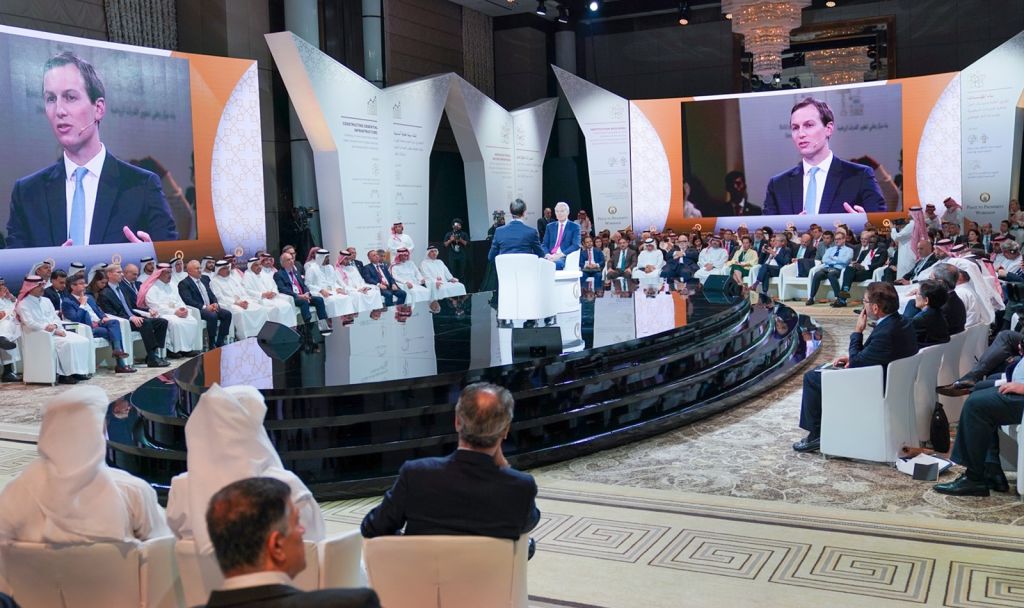
Many analysts have been dismissive of the plan’s prospects, but for Gulf states like Saudi Arabia, the UAE, and Bahrain, there’s at least one major reason to line up with Washington on the issue: Iran.
Divided over narratives: The new fault line in the Arab World
Many of the divisions in the Arab World today are ideological and revolve around narratives — carefully constructed ontological representations of both how the world works and how it is supposed to work conforming to clearly set out interests and values. While the old sectarian narratives might still play an underlying role, what divides Arabs from Morocco to Oman are different grand-strategic visions of the region’s future after the Arab Spring.
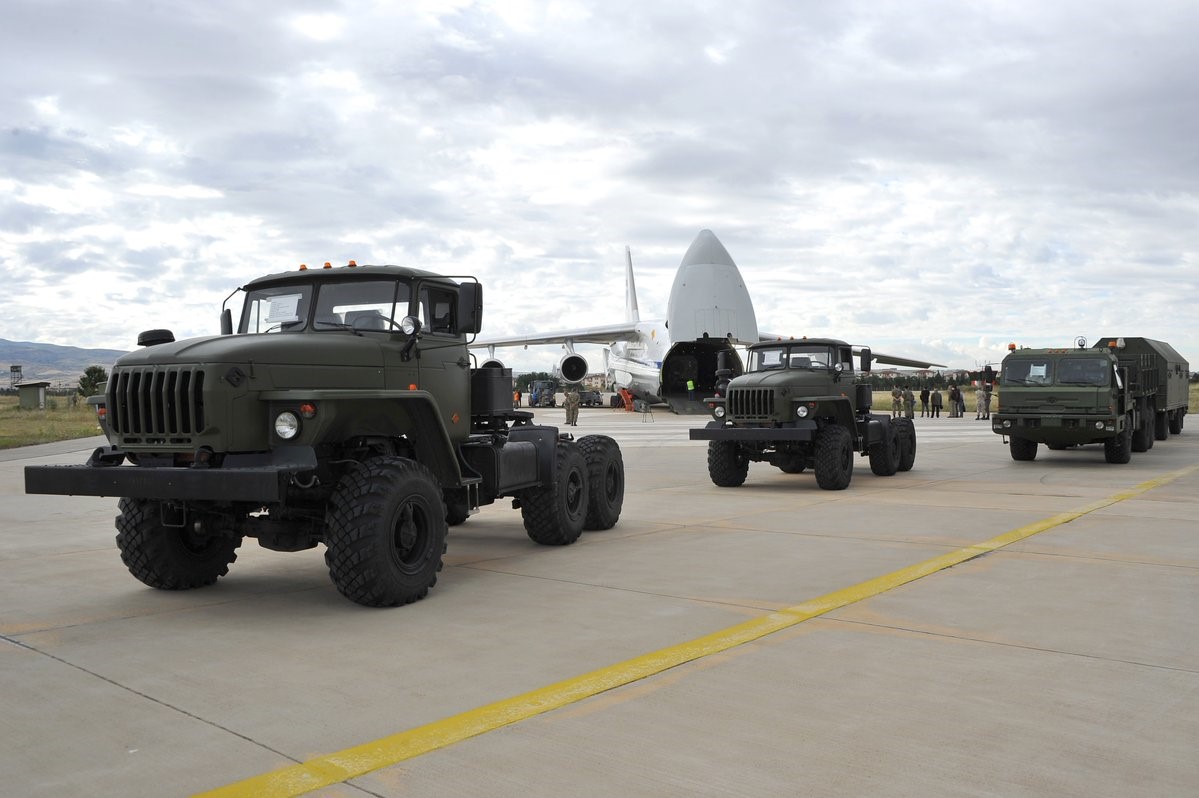
Monday Briefing: US and Turkey face S-400 confrontation
This week’s briefing on recent news and upcoming events in the region including Turkey’s confrontation with the U.S. over its S-400 defense system, the latest round of Afghan peace talks, the UAE’s drawdown in Yemen, Turkey’s media signaling on Syria, and the 21st consecutive week of protests in Algeria, featuring W. Robert Pearson, Marvin G. Weinbaum, Ibrahim Jalal, Guney Yildiz, and Robert S. Ford.
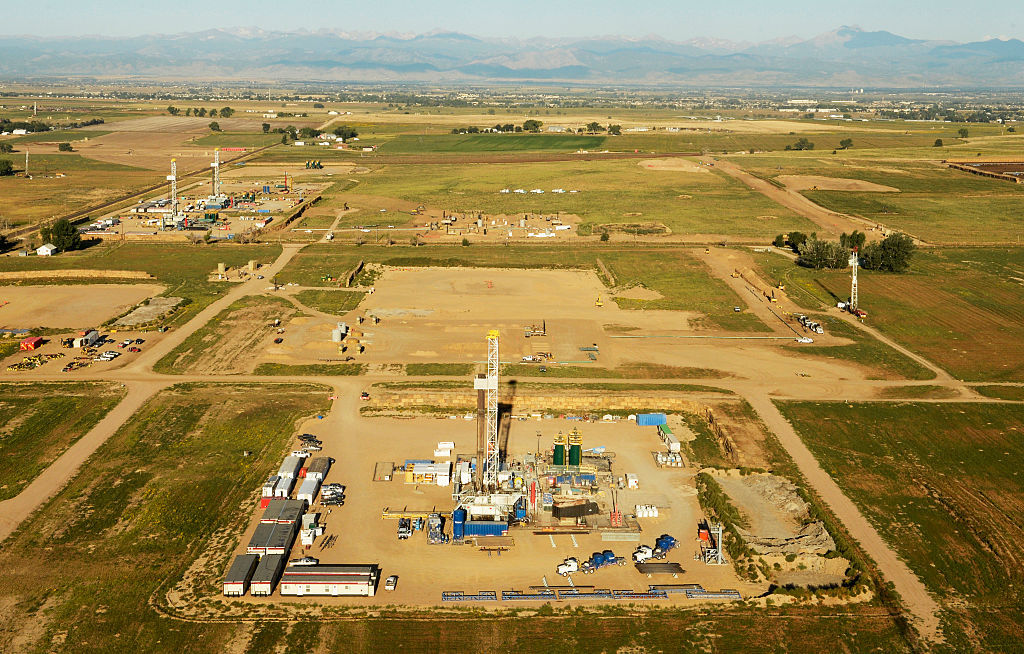
Shale oil and the illusion of US energy independence
U.S. crude oil and energy product exports surged to an all-time high in the third week of June, making the country a net exporter of oil and products for the third time since November 2018. This change lends credence to American officials’ presumption that amid growing U.S.-Iran tensions in the Persian Gulf, Washington is less compelled to police oil transit routes in the region, especially the Strait of Hormuz, than it was during the 1980s. However, while the U.S. is less reliant on oil imports than in the past, it still remains dependent on Gulf producers, albeit in different ways.
The UAE drawdown in Yemen is a welcome step, but it needs to be reciprocated
Reports that the UAE, a key member of the Saudi-led coalition fighting in Yemen, has decided to draw down and reposition its troops should be welcomed and taken seriously. It is not a small or symbolic move, but rather a serious, strategic, and thoughtful military and political decision. If reciprocated by the Iranian-backed Houthi militia, it could serve as the long-awaited breakthrough in the five-year-old Yemen war.
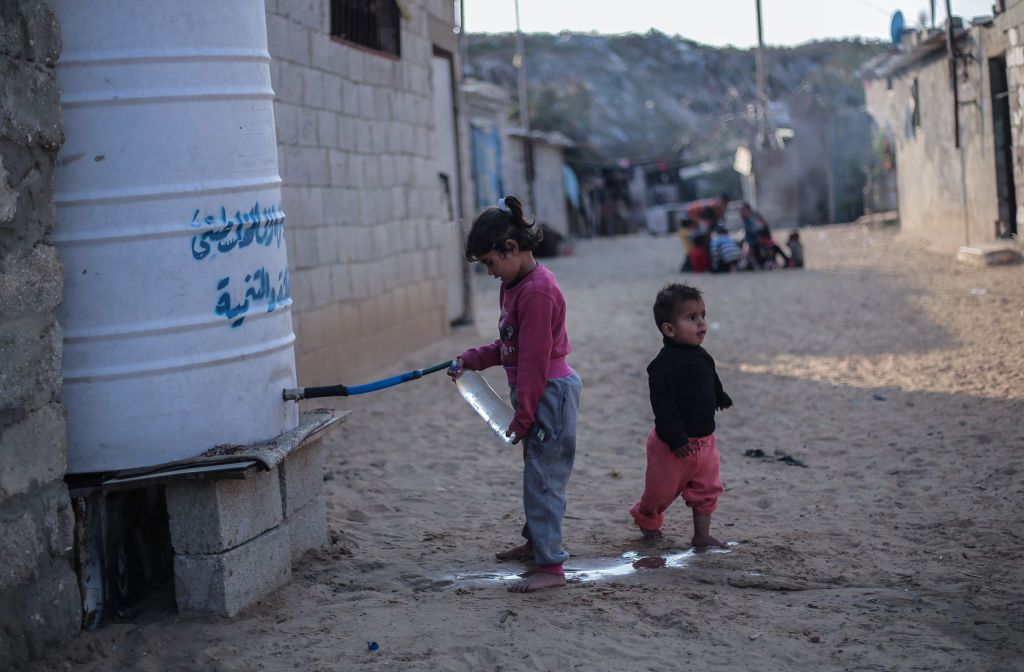
Freshwater Resources in the MENA Region: Risks and Opportunities
A reliable supply of freshwater is a prerequisite for sustainable socioeconomic development, as well as for sociopolitical stability and human prosperity, especially in semi-arid and arid regions of the world. The Middle East and North Africa’s freshwater resources are under immense pressures and are facing significant risks to their sustainability due to overexploitation, climate change, and interstate competition over their use that extends beyond the region’s boundaries.
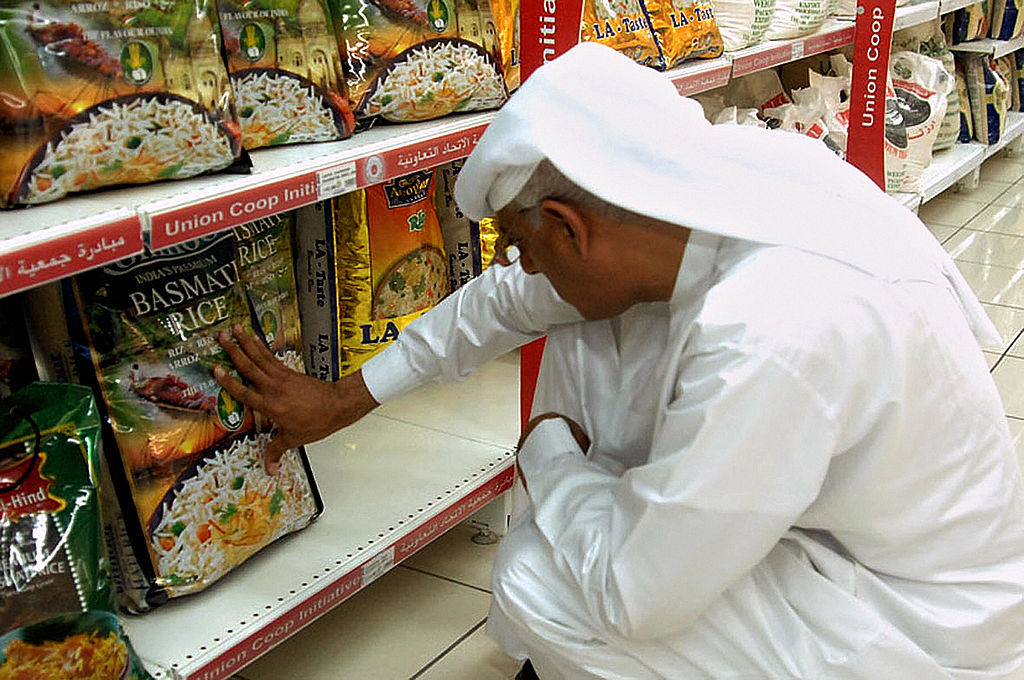
Interconnected: Trade, food security, and stability in the GCC and MENA
It is easy to overlook the fact that food security could be an issue of concern in the Gulf Cooperation Council. After all, its member states have some of the world’s highest per capita income levels. Food supplies in the Gulf are normally abundant and stable. Were they to be disrupted, however, it could lead to food security challenges and a chain of adverse consequences for human security throughout the region.
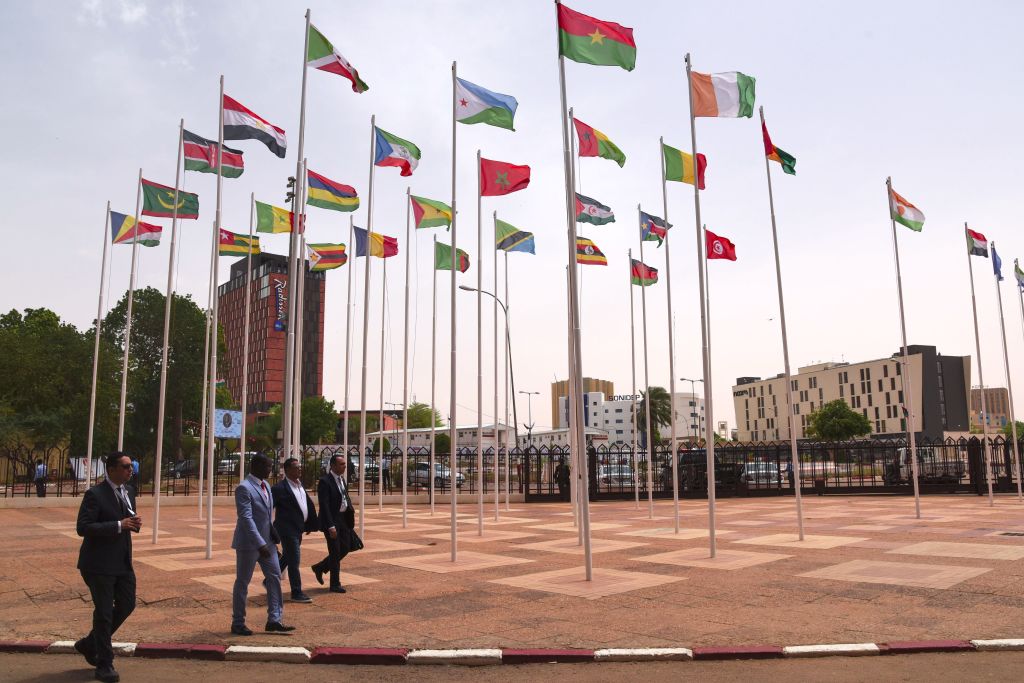
Monday Briefing: Strengthening Egypt’s ties with Africa
In this week’s Monday Briefing, MEI experts Mirette F. Mabrouk, Charles Lister, Gonul Tol, and Alex Vatanka provide analysis on recent and upcoming events including Egypt’s engagement with Africa to boost trade and investment, the reshuffling of leadership of Syria’s security apparatus, the firing of Turkey’s central bank governor, and Russia’s positioning to act as mediator between Iran and the Gulf states.
One hallmark of Sudan’s most recent protests has been the protestors’ fierce determination that the military not be their partner in the struggle for democratization. Some GCC states, however, are getting involved in Sudan, using their financial means to influence the country’s future. In doing so, they risk making it the Arab world’s next theater for intra-GCC rivalry.
Balancing local autonomy and national unity in Yemen
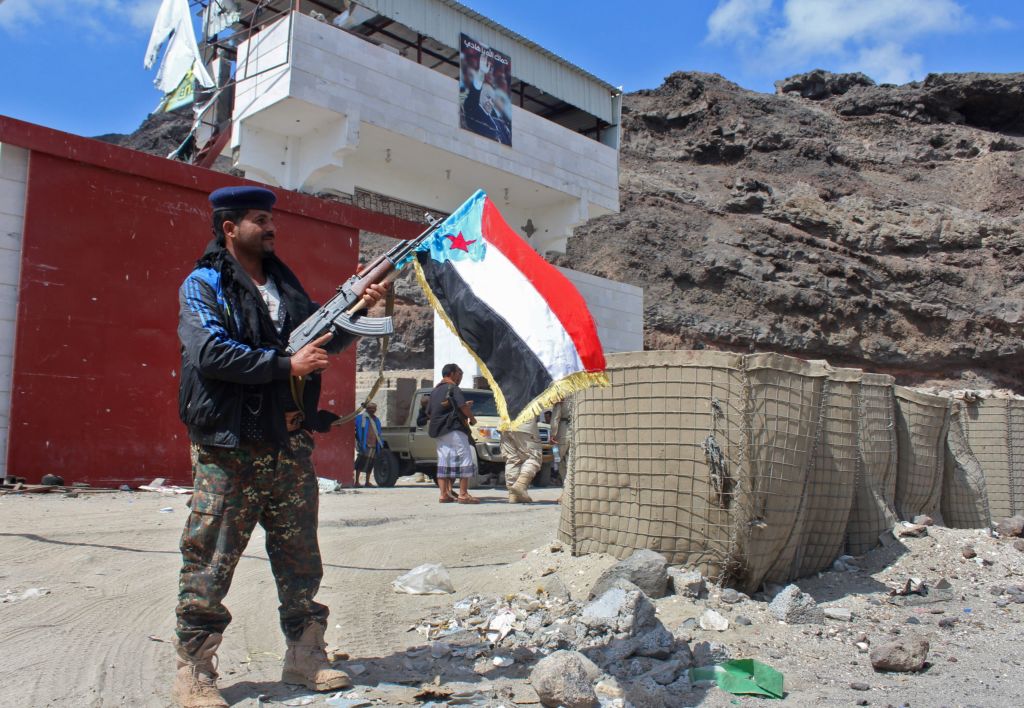
International attention on the Yemen conflict remains focused heavily on the humanitarian dimensions of the crisis, Saudi-Iranian competition for advantage there, and the UN’s fitful efforts to return the parties to the negotiating table. But another aspect of the conflict may have more significant long-term consequences for both Yemenis and the international community: the declining relevance of Sana’a at the center of a unified Yemeni state and the increasing local autonomy in large parts of the country.