Attacks continue amid stalled US-Taliban talks
The Taliban still apparently balk at an accord that makes any provision for the retention of an American counter-terrorism force.
Over the past five years, the focus of U.S. counterterrorism strategists has remained on the Middle East, especially after the emergence of ISIS in 2014, while Islamist terrorist organizations operating in South Asia have been considered a secondary threat. However, the fact remains that South Asia is home to more Islamist terrorist organizations than any other region of the world. Al-Qaeda was born there, in Afghanistan, and ISIS has roots in the region. But at the turn of the decade both global jihadist groups are now facing major challenges and the critical question is whether they will manage to survive this period of crisis amid a severe leadership vacuum following the death of ISIS’s supreme leader and caliph, Abu Bakr al-Baghdadi, and the killing of al-Qaeda heir apparent Hamza bin Laden.
Trump has taken such a forward-leaning and aggressive position now that he has set himself, and the U.S., in a conflict trap that he might not be able to defuse.
The commitment by its foreign benefactors to underwrite the Afghan regime’s viability and ability to withstand Taliban insurgency is in serious doubt.
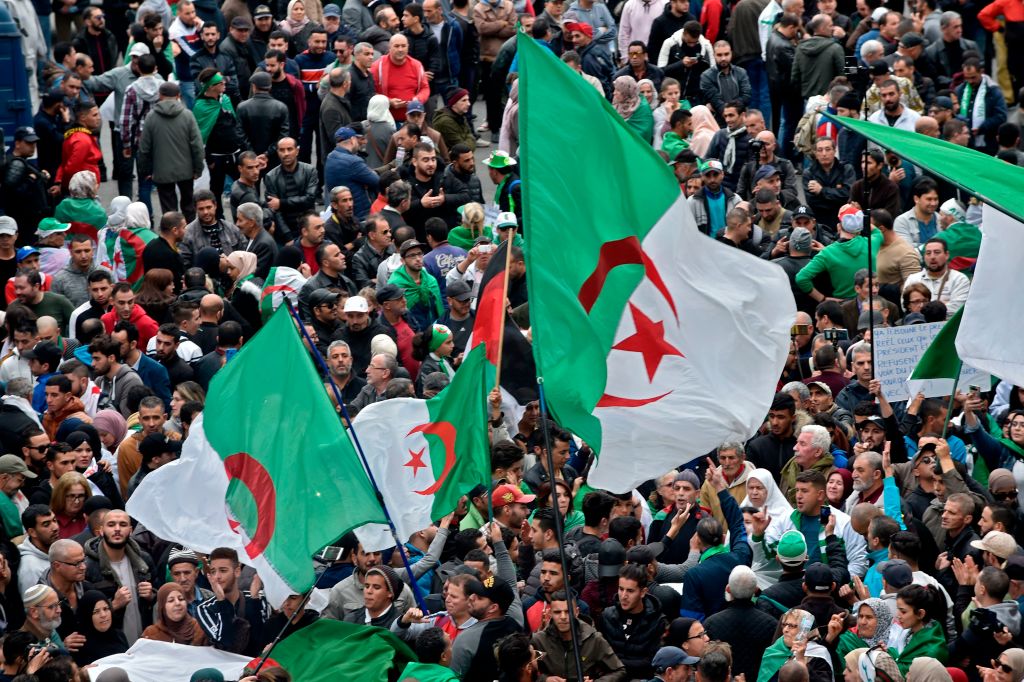
The UK’s impending exit from the EU will present a new chapter for British interests in and posture toward the region. If the UK is to find a trade-off for loss of diplomatic and economic heft, it will need to re-prioritize its engagement efforts. Policy continuity toward Morocco and Tunisia appears inevitable; Algeria, in contrast, promises great opportunity for an evolving relationship.
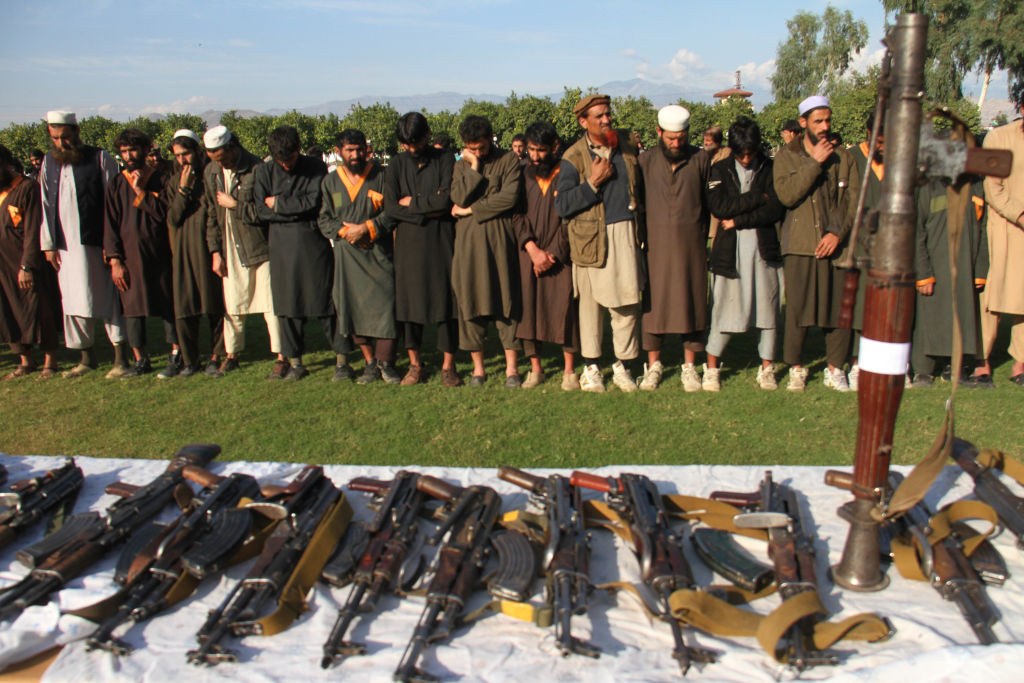
Afghan security forces, working in concert with U.S. airpower, have launched a series of successful attacks in eastern Afghanistan on ISIS forces, which operate locally under the banner of ISKP. Simultaneously, the Taliban has conducted its own military campaign against ISKP in the same region. These campaigns have significantly degraded ISKP’s position in eastern Afghanistan, a development that may well increase the likelihood of an eventual U.S.-Taliban peace deal.
With the 2020 American presidential elections looming, the U.S. seems poised to accept virtually any withdrawal deal, even a bad one.
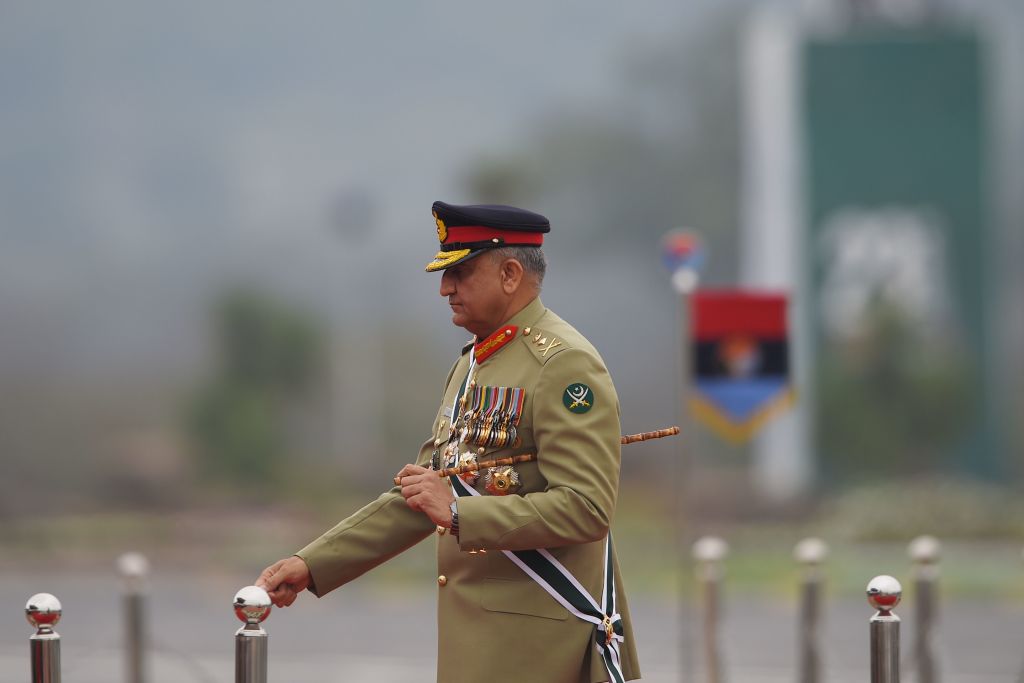
Understanding a state and its society involves understanding how the state treats its military, its record of governance, and the relationship between the military and civilian politicians. By all accounts, Pakistan, a state founded in 1947 as a homeland for the Muslim population of British India, is a unique case where the military dominates all other institutions in both state and society. This was on clear display in the recent court battle over the extension of Army Chief of Staff Gen. Qamar Javed Bajwa’s tenure.
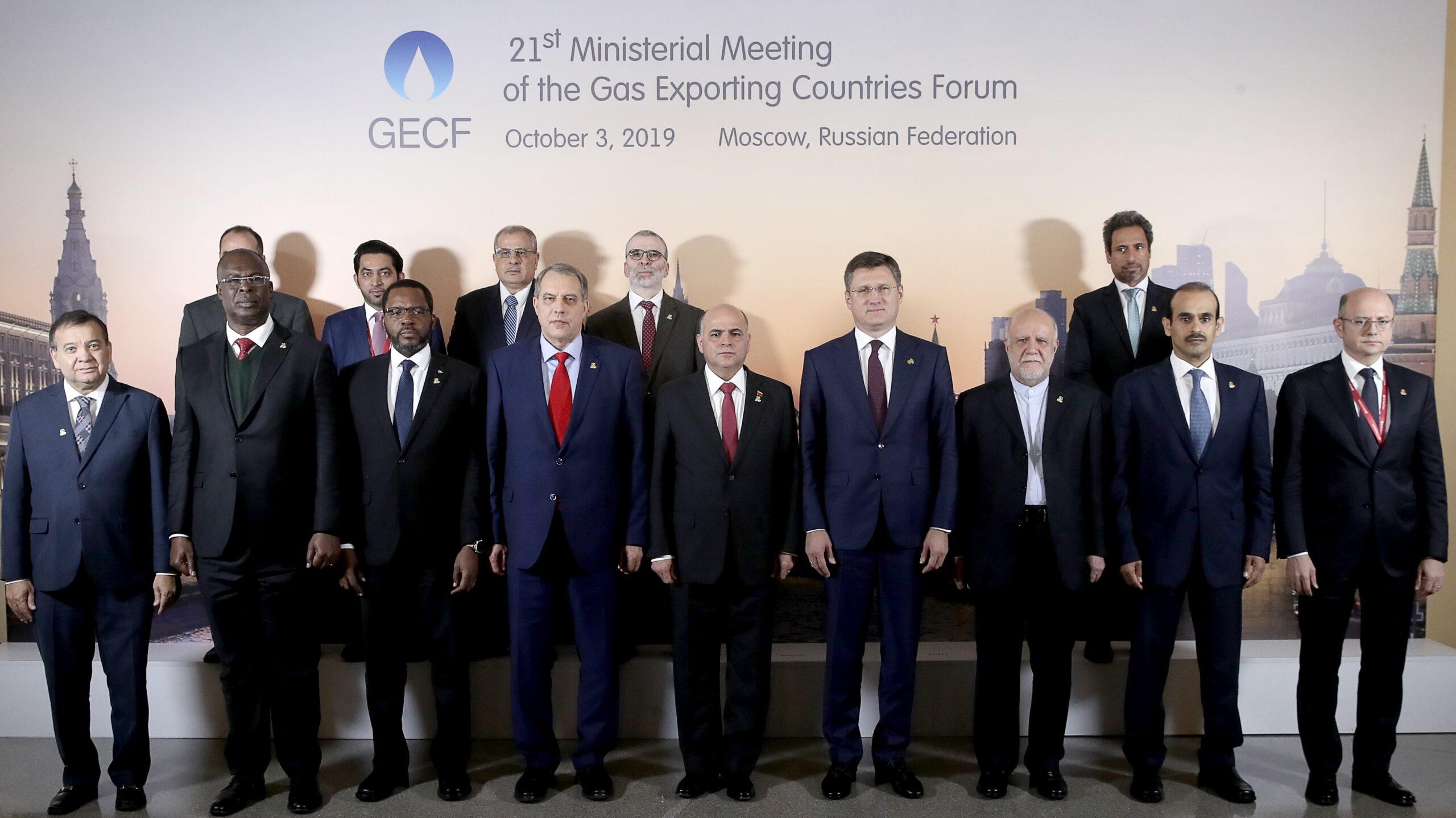
The 12-country Gas Exporting Countries Forum (GECF), which held its latest meeting in Equatorial Guinea on Nov. 28, has never had OPEC’s ability to control energy prices, but that is likely to change as liquefied natural gas (LNG) transforms the gas market from a regional to a global one.
Gen. (Ret.) Joseph Votel discusses the role of Afghanistan in US regional strategic interests, whether a peace deal is possible with the Taliban, and how important Pakistan is to achieving a sustainable political settlement.
For years, politics and conflicts in the Middle East have spilled over into many other regions of the world. Refugee crises, terrorism, and political instability in the Middle East have impacted foreign and domestic policy and politics in North America and Europe, but the Caucasus is much closer and, therefore, a particularly important case for policymakers in Washington and Brussels.
President Donald Trump’s lightning fast roundtrip to Bagram airbase north of Kabul had its share of surprises. In addressing troops, he confirmed previous reports that talks are once again underway with the Taliban, but then went on to inject a ceasefire as a condition for a new agreement.
Last week saw the Taliban’s release of two kidnapped professors in exchange for the Kabul government’s freeing of three prized Taliban prisoners. While the swap may have been necessary on humanitarian grounds, it was unfortunate otherwise. Rather than defending the swap on its own merits, Kabul and Washington are hailing the exchange as a possible breakthrough following the collapse of the Doha agreement and the stalling of planned intra-Afghan discussions.
China’s Belt and Road Initiative (BRI) has been a powerful driver of the development of existing and new Eurasian rail routes. A web of competing and complementary rail lines has begun to form across the Eurasian landmass. Railway cargo service between China and Europe has fast become a compelling “middle option” — cheaper than air and faster than sea.
The role of cybersecurity in the future of geopolitics in the Middle East and the surrounding regions will have much to do with individual state and enterprise preparedness. With cyber threats a growing source of interstate tension, governments must take measures to increase national cyber preparedness that are tailored to their vulnerabilities and cyber ecosystems. Israel and Estonia are examples of states that prove this rule. Despite their relatively small size, both have demonstrated an exceptional capacity to deter or defend against cyber aggression from their much larger, more aggressive neighbors.