Iran’s rising Generation Z at the forefront of protests
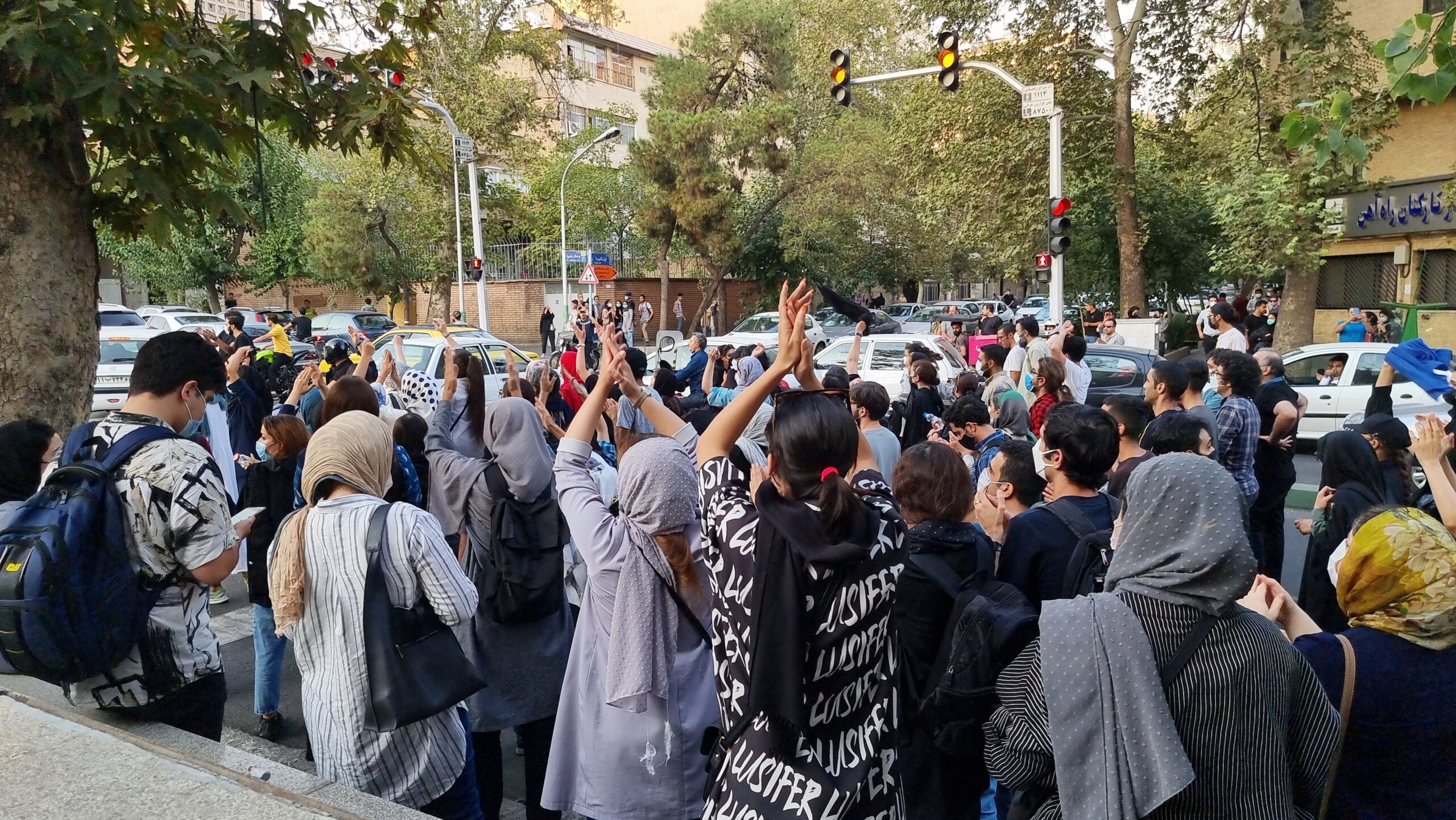
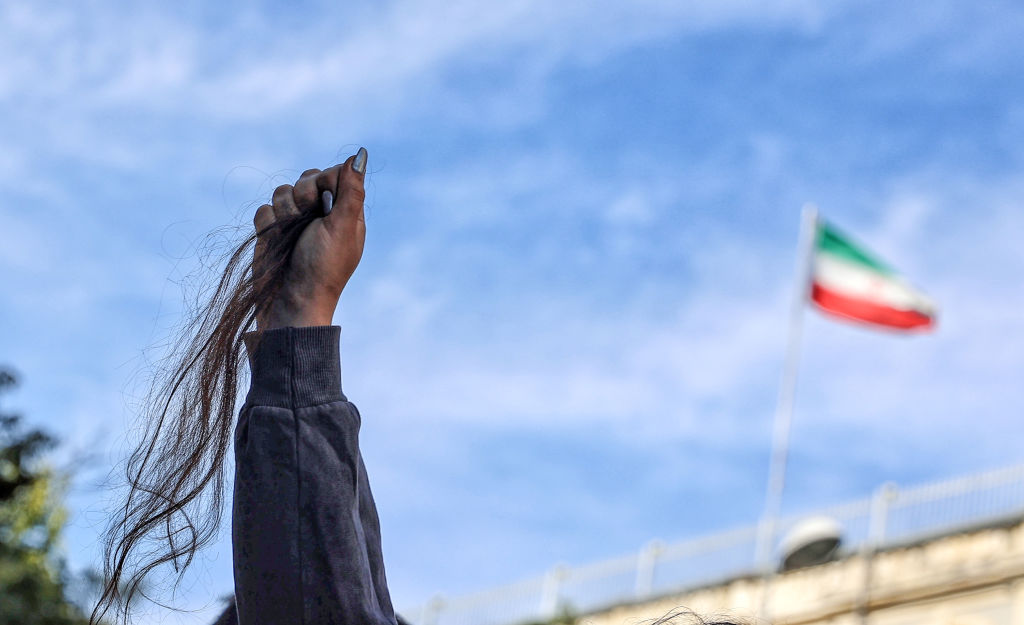
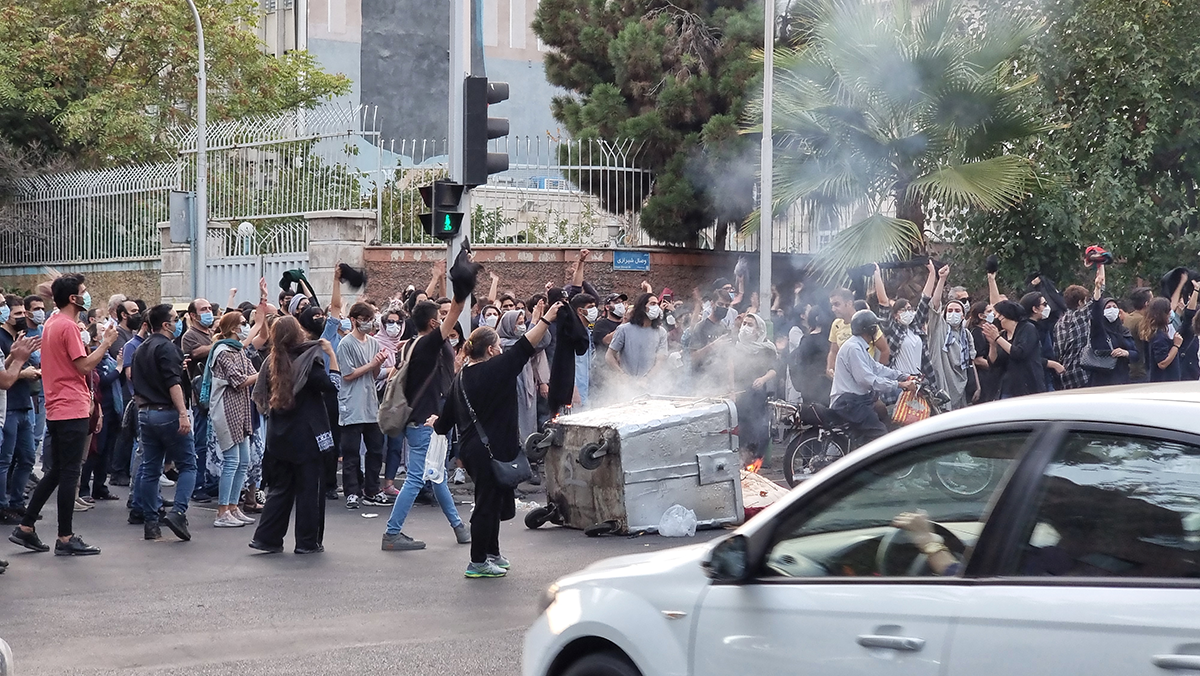
Although anti-regime protests aren’t unheard of in the Islamic Republic, a key difference between the current and previous waves of demonstrations has been the prominent role played by the country’s Generation Z, which is better informed, more plugged in, and more skeptical of authority than previous generations.
Is Red Sands the future of Middle East defense cooperation?
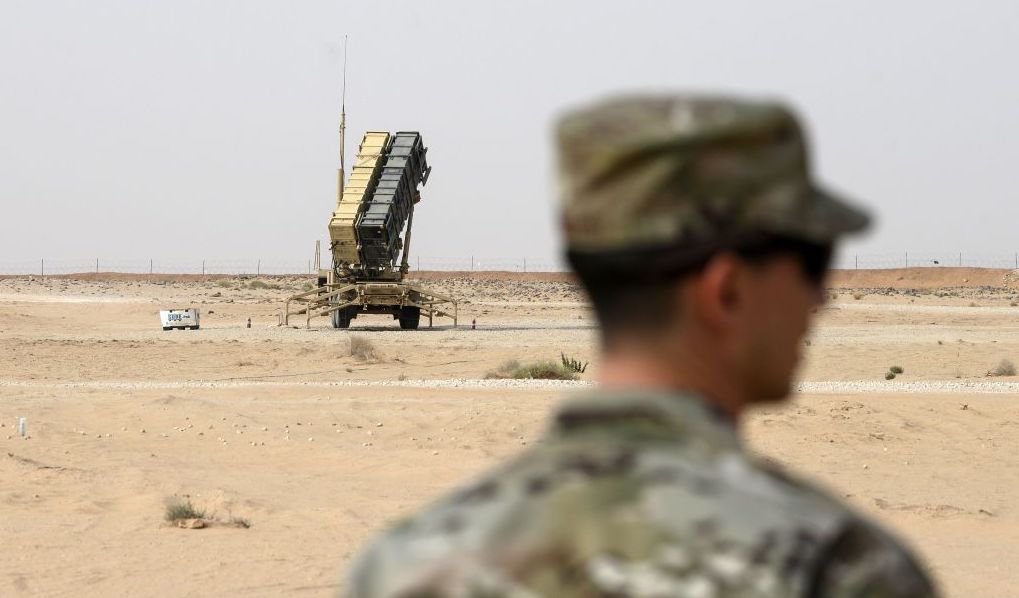
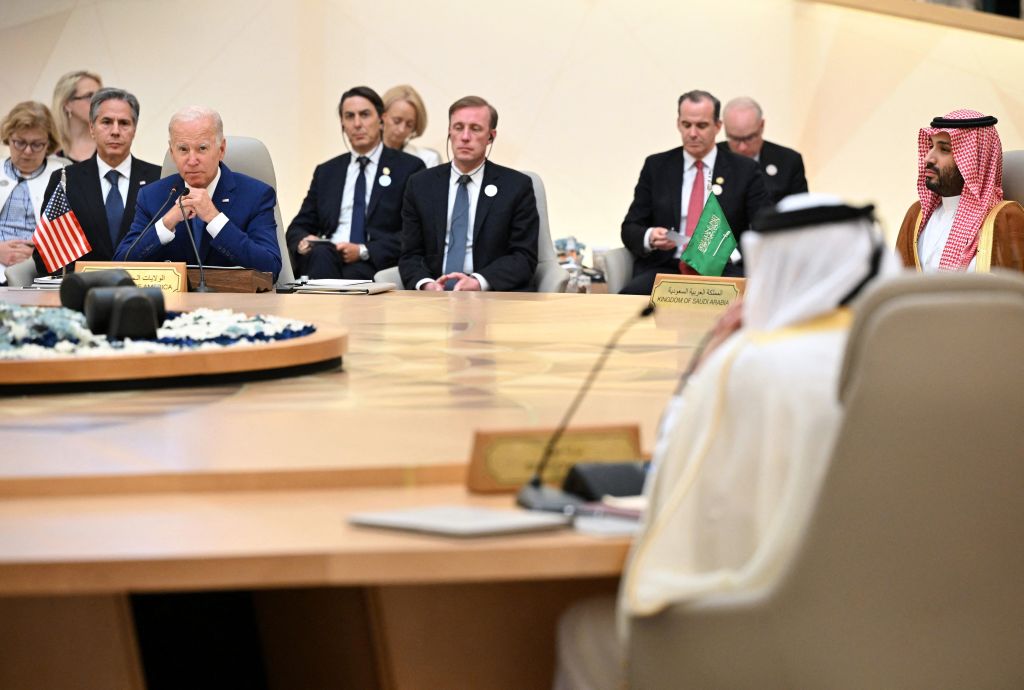
Drawing comparisons to the U.S. Army’s White Sands Missile Range in New Mexico, the Red Sands Integrated Experimentation Center will increase US-Saudi cooperation to counter two of the greatest threats emanating from Iran and its proxies — drone and missile attacks.
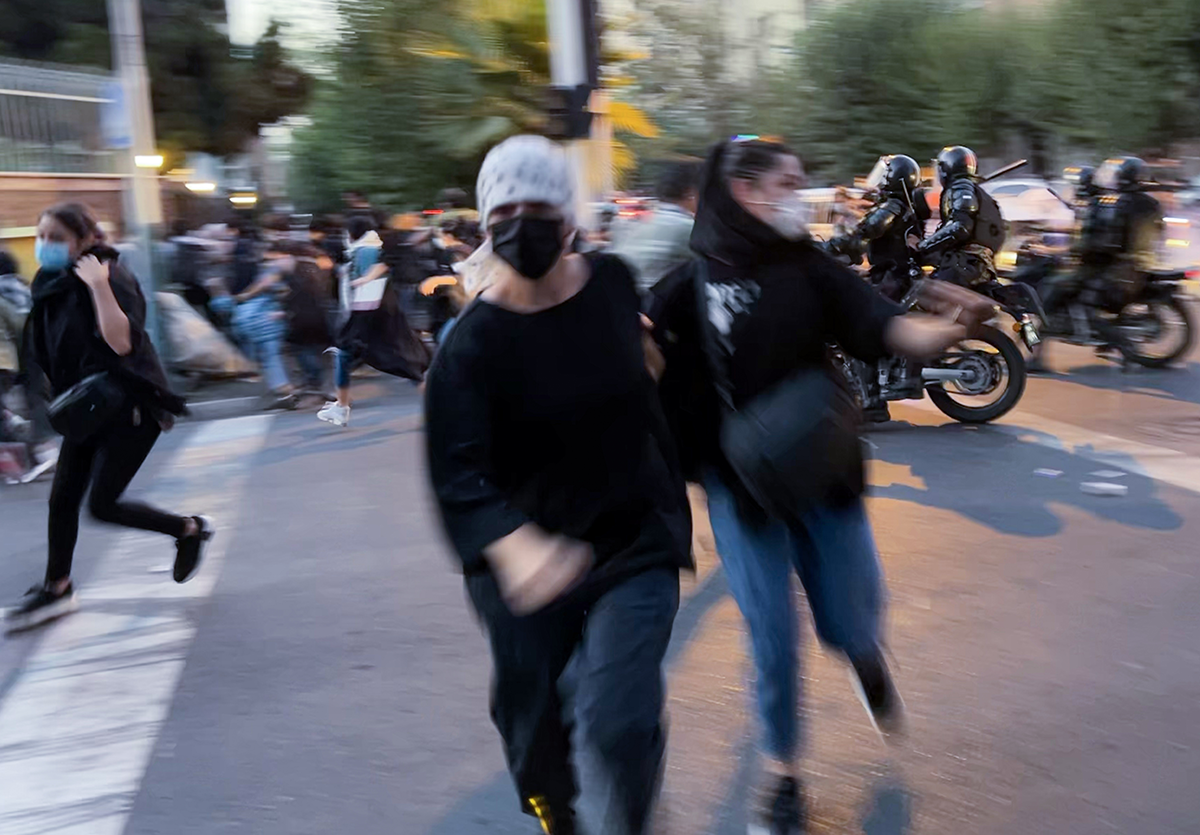
Opinion: How the Biden administration can respond effectively to Iran’s crackdown on protests
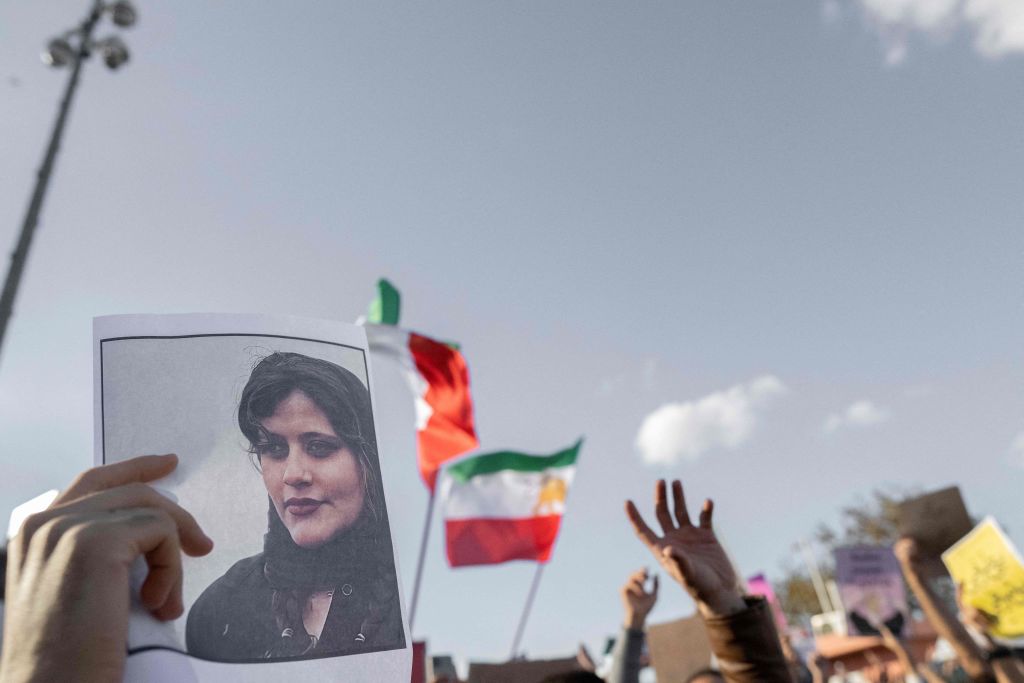
The last few weeks in Iran arguably have been as tumultuous as the final days before the fall of the Shah. And they could be just as consequential — if the West and regional powers respond appropriately. While Iran is undeniably at the center of this escalating conflict, what external actors do matters.
Structural impediments to Iranian-Gulf Arab reconciliation
As welcome as recent moves toward Iranian-Gulf détente have been, extensive obstacles continue to stand in the way of a real and sustained relaxation of tensions, cause by what international relations scholars call the “security dilemma.”
How to Overcome the Pitfalls of the Saudi-Iran Dialogue
The Saudi-Iran dialogue continues, but has produced little progress. As James Jeffrey of the Wilson Center and Bilal Saab of the Middle East Institute argue, part of the reason is that the two powers have fundamentally different objectives for the negotiations and that the power imbalance in Iran’s favor is profound. They suggest ways that Saudi Arabia might improve its bargaining power and argue that the United States can help strengthen Riyadh’s position.
Since seizing the capital of Sana’a in September 2014, the Houthis have been transforming the portions of Yemen under their control in line with a radical political and religious ideology. The Houthis’ war is complicated and may not be resolved quickly. But for now, the main obstacles to peace are ones that only Yemenis can resolve, which are rooted in rival concerns over the distribution of political power and equitable delivery of public services.
Will Iran turn to al-Qaeda to combat Islamic State?
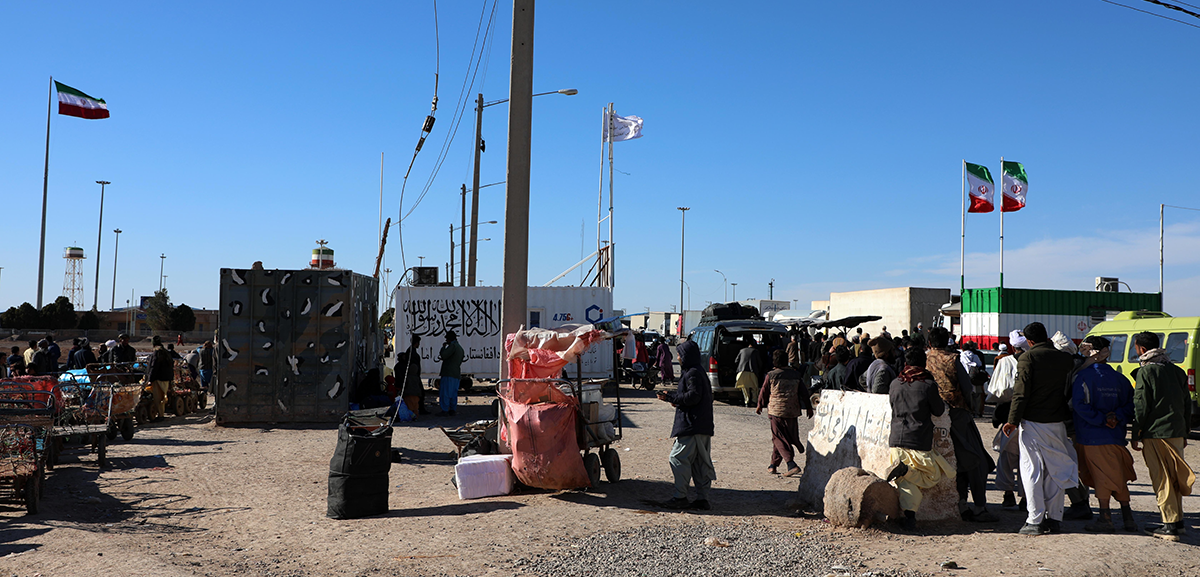
As the security situation in Afghanistan deteriorates and the Taliban seem incapable of defeating ISKP and protecting religious minorities, Tehran is alarmed about the potential outbreak of a civil war next door and the chances that such a conflict might spill over into Iran. Under these circumstances, Iran may look for more effective means of countering ISKP.
Today’s episode challenges preconceived notions about Iranian society, the hijab, and the regime clinging to power in Tehran. Joining us today for an enlightening conversation are two Iran experts, Marjan Keypour Greenblatt and Alex Vatanka. Marjan is the founder and director of the Alliance for Rights of All Minorities (ARAM), a non-resident scholar with MEI’s Iran Program, and a member of the Anti-Defamation League’s Task Force on Middle East Minorities. Alex is the director of MEI’s Iran Program and a Senior Fellow with the Frontier Europe Initiative.
America and Iran’s Tough Tango with the Gulf States
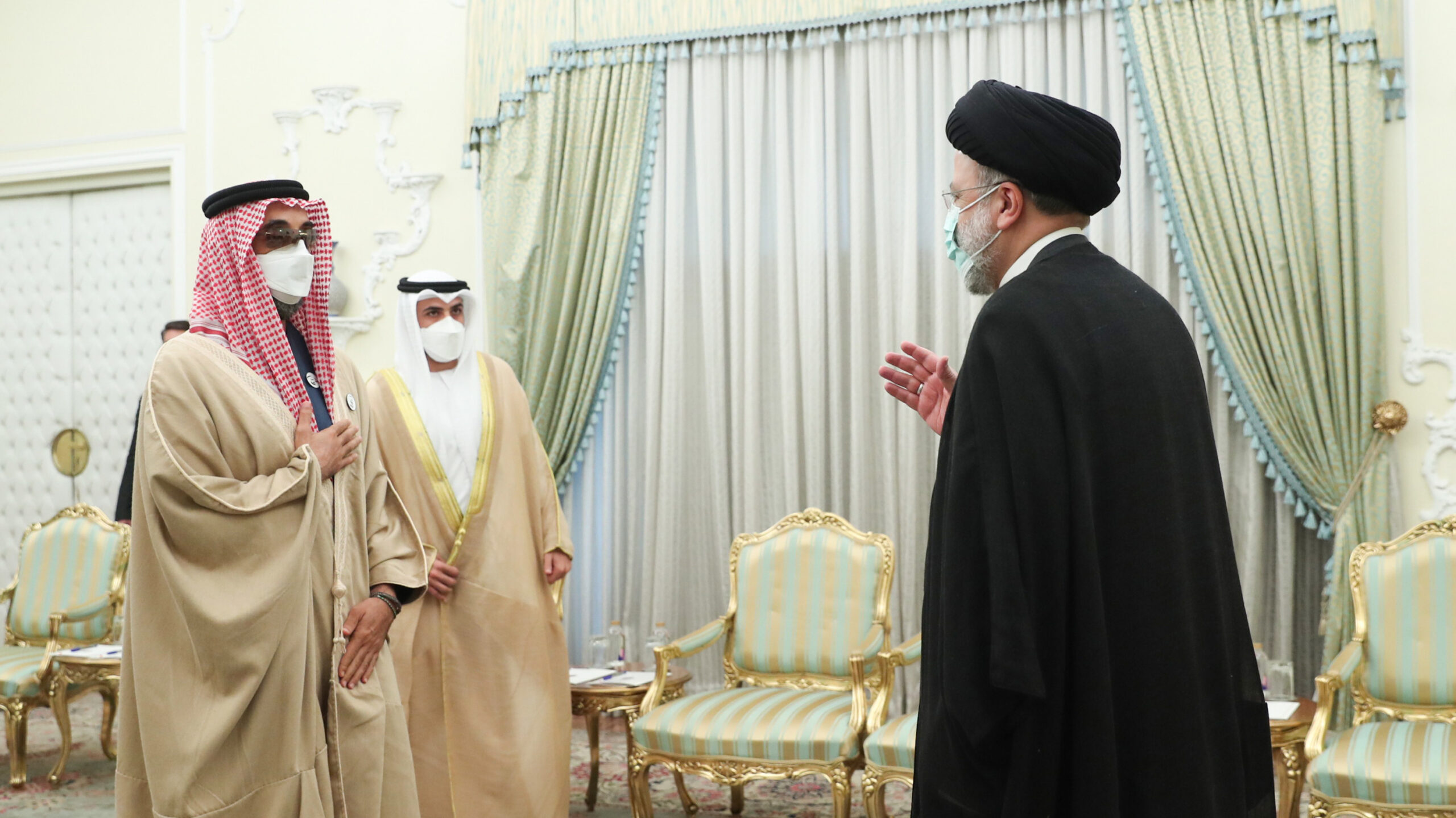
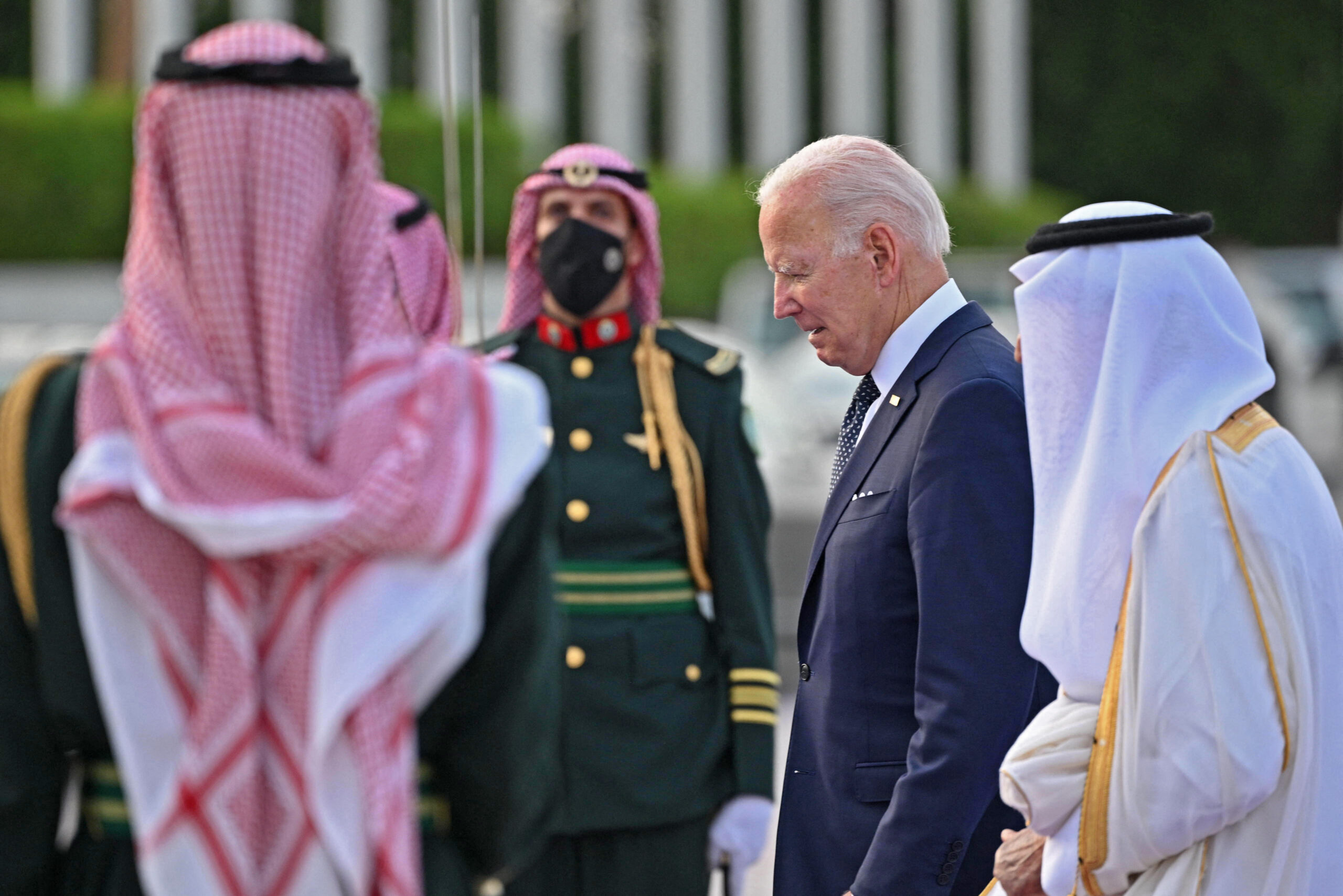
Since the Biden Administration came to office, Washington has been full of reports that the United States and its Gulf allies are drifting apart. The core argument was that in order to deliver for the Democratic Party’s grassroots base, U.S. President Joe Biden would seek to pursue a foreign policy that prioritized American values over American interests. In such a policy turn, Gulf States would be adversely impacted as the U.S.-Gulf relations are much more about common interests than common values—such as political democracy, the issue of human or labor rights, etc.
Why Khamenei is unlikely to pick his son to succeed him as Iran’s supreme leader
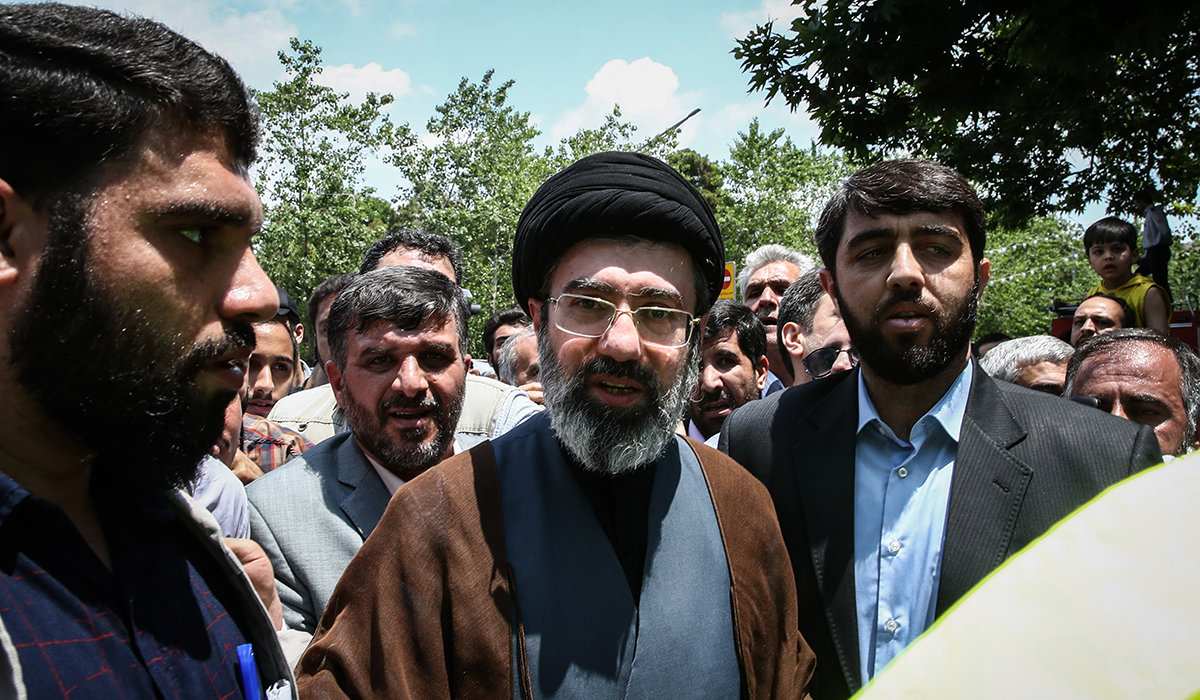
Amid the ongoing circus over efforts to revive the 2015 Iran nuclear deal, two rumors have started to gain traction inside and outside Iran: Supreme Leader Ayatollah Ali Khamenei is on his deathbed and preparations are being made for his son, Mojtaba, to succeed him.
Dispatches from Jerusalem: On the brink in the Middle East between escalation and de-escalation
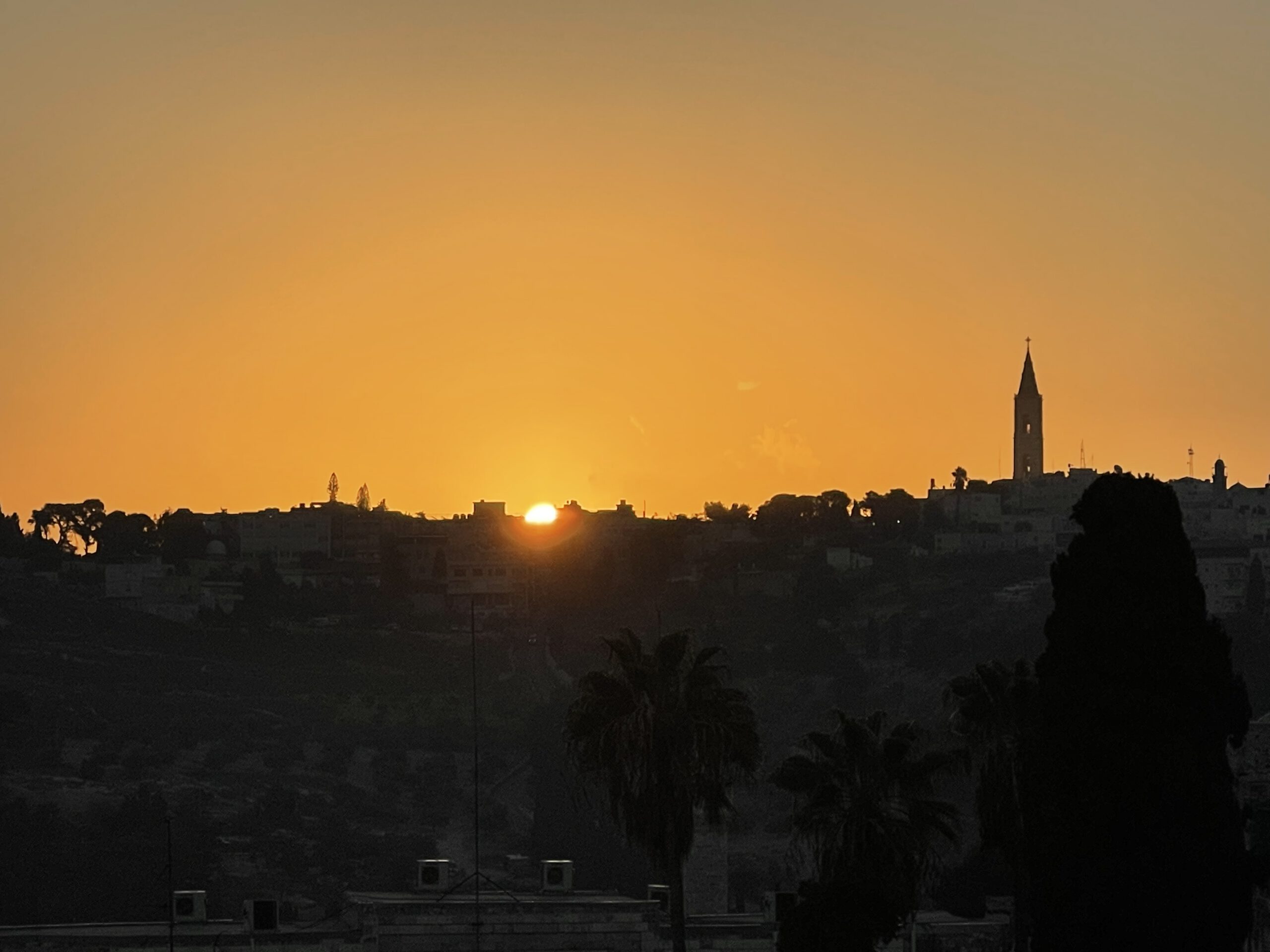
My week of meetings with Israeli and Palestinian officials and analysts in mid-September has left me groping for a coherent through line in the story about today’s Middle East. It’s the best of times and the worst of times, depending on where one sits.
Technology represents one potentially fruitful area where the I2U2 member states — Israel, India, the U.S. and the UAE — could cooperate together, expand their format to include more countries, deliver tangible results, and avoid agitating other global and regional powers.