Since the overthrow of King Mohammad Zahir Shah in 1973, Afghanistan has been plagued by war — either war waged among ideologues (Marxists v. nationalists) or war marked by foreign invasion and occupation. The Soviet occupation of Afghanistan, which began in 1979, lasted a full decade.
This Opinion was first published in The National Interest on July 12, 2012
After an eighteen-month free fall, there is tangible improvement in the tumultuous U.S.-Pakistan relationship and an opportunity to leverage these gains for a durable peace in Afghanistan. Backtracking from a messy divorce, both Washington and Islamabad have forsaken their previous approaches of unrelenting maximalism, each making necessary compromises to make the partnership work.
Pakistan's Military Holds the Keys to a Thaw with the U.S.
This Opinion first appeared in the the National on June 15, 2012
Just when U.S.-Pakistan relations appear to have reached a new low, yet another event drives them lower still, further complicating chances of stabilising bilateral ties.
Over the last 18 months, the deterioration of relations has been punctuated by a series of incidents, most dramatically the May 2011 raid that killed Osama bin Laden and the U.S. air strike last November at Salala, in which 24 Pakistani solders died.
The Middle East Institute is proud to host Georgetown University professor Paul Pillar for a discussion about Iran and how best to address its nuclear ambitions. Pillar argues that the acceptable range of opinion on Iran has narrowed around the idea that all options, including a military strike, must be pursued to prevent the country from acquiring nuclear weapons. And yet, Pillar argues, if the combination of nuclear talks and sanctions do not yield the outcome the West and Israel seek, containment is preferable to war.
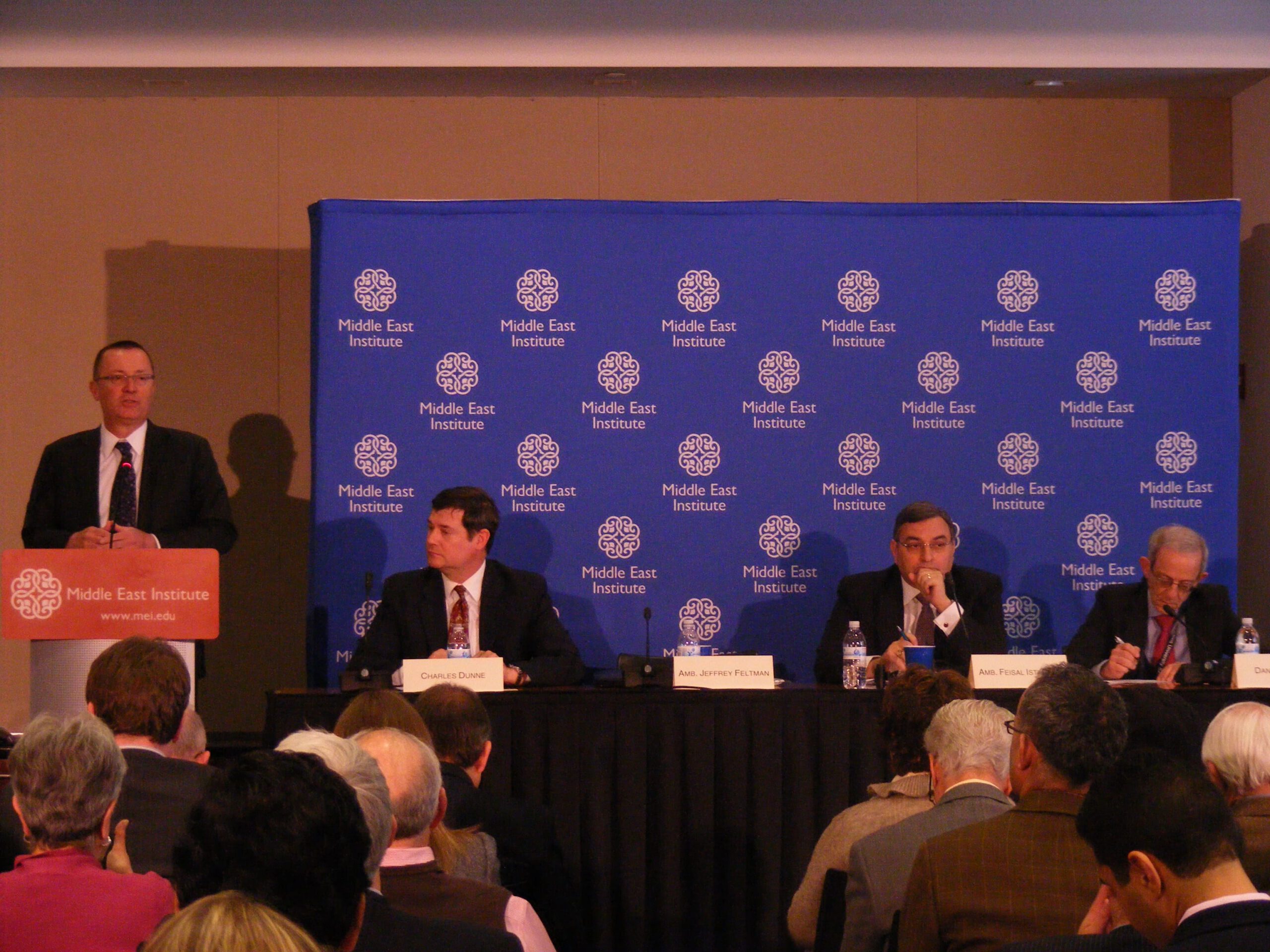
Panelists will explore both the challenges and opportunities presented by the transition of the U.S.-Iraqi partnership from a mainly military to a diplomatic one. What sort of working relationship is emerging between the U.S. and Iraqi governments? What kind of cooperation is taking place in the areas of domestic and regional security, diplomacy, trade, energy, and reform? How has the troop drawdown affected U.S. influence in Iraq and the region in general? Feltman, Istrabadi and Serwer will explore strategies and policies resulting from the new bilateral dynamics.
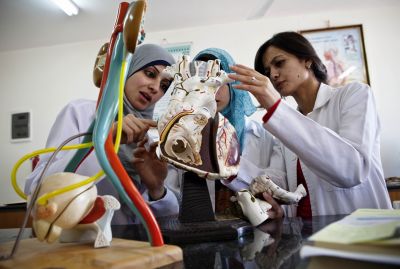
Women's Prospects in Afghanistan: Oppression or Opportunity?
Recent media reports indicate that fewer Afghan women turned out to vote for a President on August 20, 2009 than went to the polls five years ago, when in some districts female turnout had been even higher than that of males. Apprehension, convention, ennui, and disorganization led to families keeping their women home on election day, even as men dared to vote. The reversal of women’s rights, which they had only recently begun to exercise, is an ominous sign.
Iran and the West at a Crossroad: Will Recent Elections Make or Break a Deal on Iran's Nuclear Program?
U.S. Secretary of State Hillary Clinton has described upcoming talks with Iran over its nuclear program as "the last chance to resolve the crisis." Yet as the final hour approaches for an opportunity to avert a military attack, there are few apparent signs Iran will make compromises. Recent parliamentary elections have only strengthened the power of Supreme Leader Ali Khamenei and the hardliners in his inner circle who aspire to make the Islamic republic a regional superpower.