Justice and the rule of law: The World Bank in need of reinventing itself
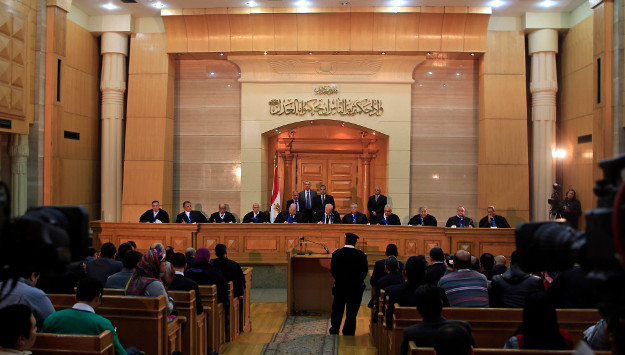
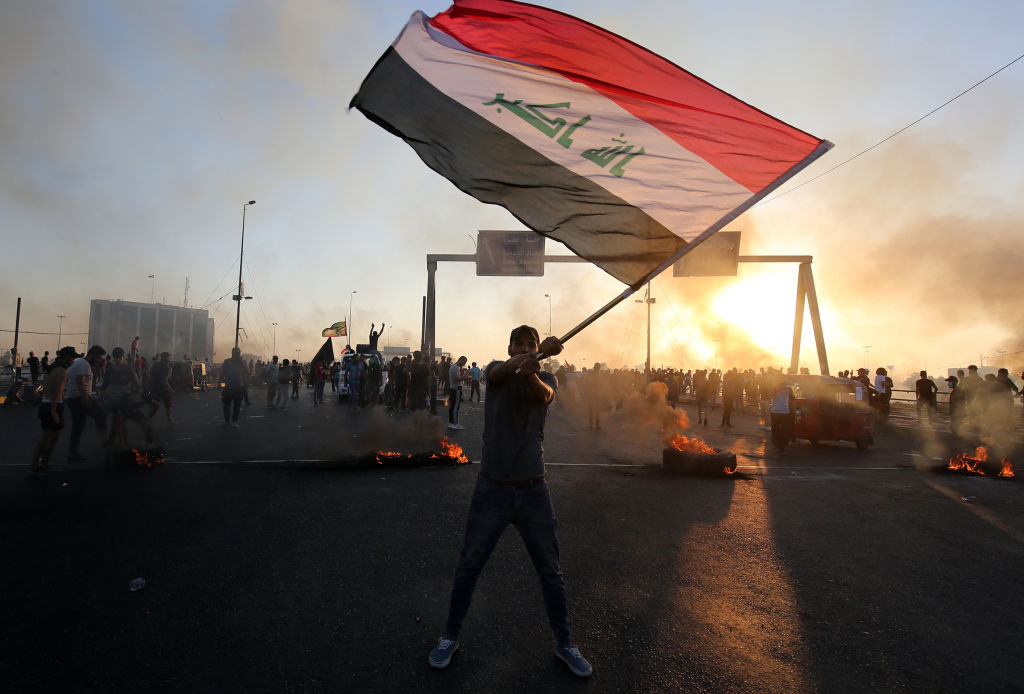
Today, on the streets of Iraq, Lebanon, Egypt, Algeria, Tunisia, Morocco, and other countries, we hear the demands of the youth, asking for justice, governance, dignity, and jobs. In contrast to these demands, we see governments unwilling or unable to move towards systems of governance that would ensure transparency, accountability, and fair competition for all. Corruption can only be vanquished if transparency, a rigorous justice system, and credible redress mechanisms are put in place. The World Bank can and must re-engage on that path.
A crisis of confidence as Iraq’s protests continue amid violence
Only one leader has the moral standing and mass appeal to be able to move Iraq out of the deadly stalemate in which it now finds itself and which may degenerate into more violence and chaos if the status quo is not upended: Grand Ayatollah Ali al-Sistani.
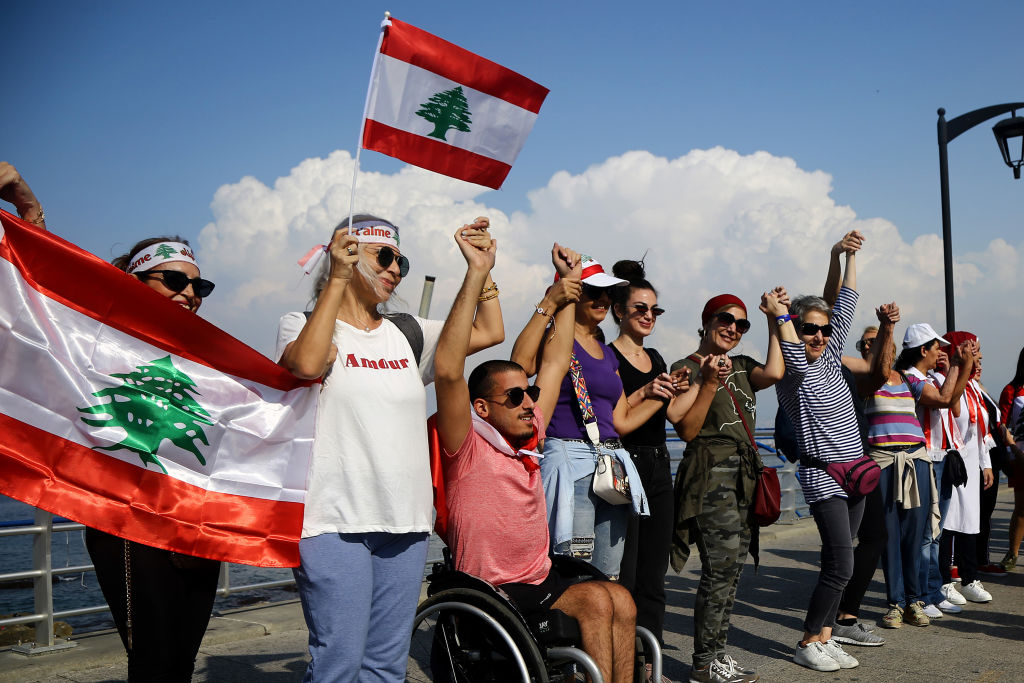
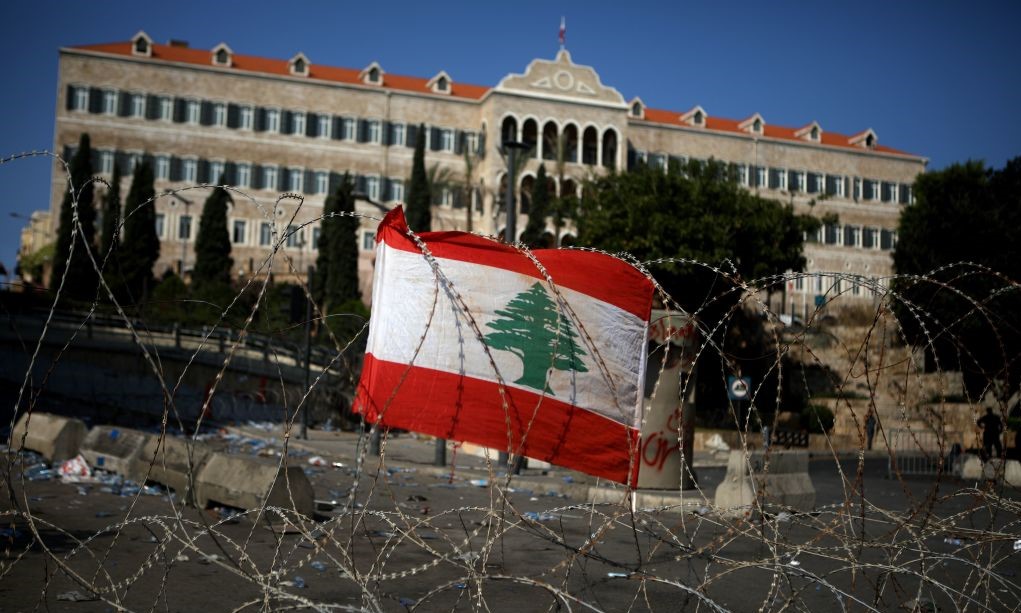
A need for mediation in Lebanon as the government and protestors reach a standstill
It remains to be seen how resilient the protest movement is and how long it can remain mobilized for, especially if political leaders refuse to change their stance.
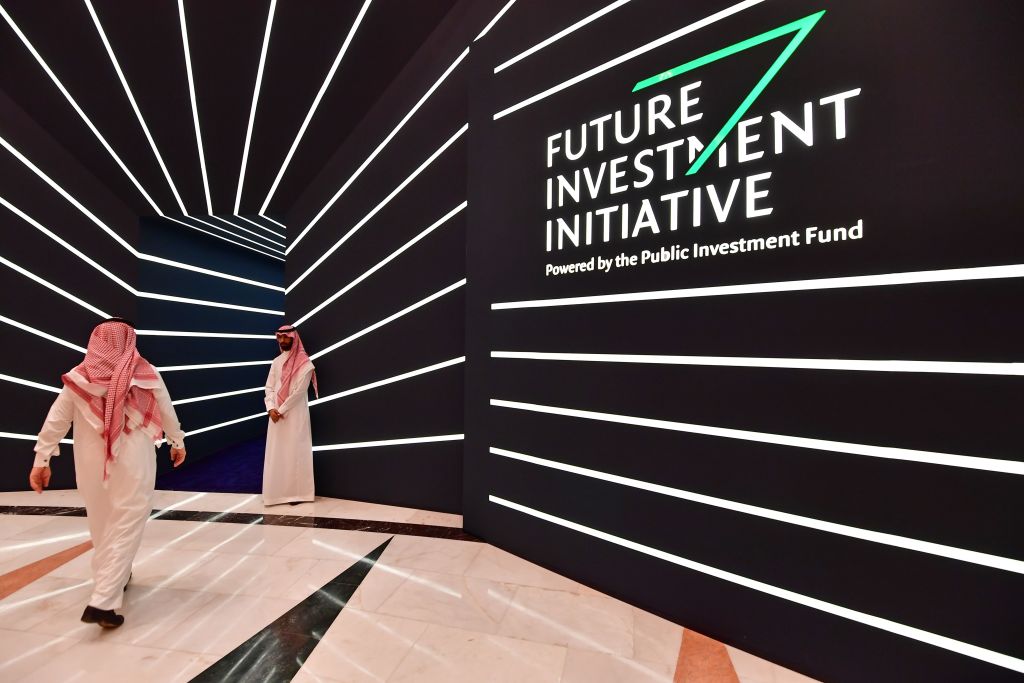
The Future Investment Initiative: A window on the kingdom’s future or a PR stunt?
The FII’s public relations bash is important in that it shows the world that the leadership of the kingdom has an ambitious and real vision to move the country forward.
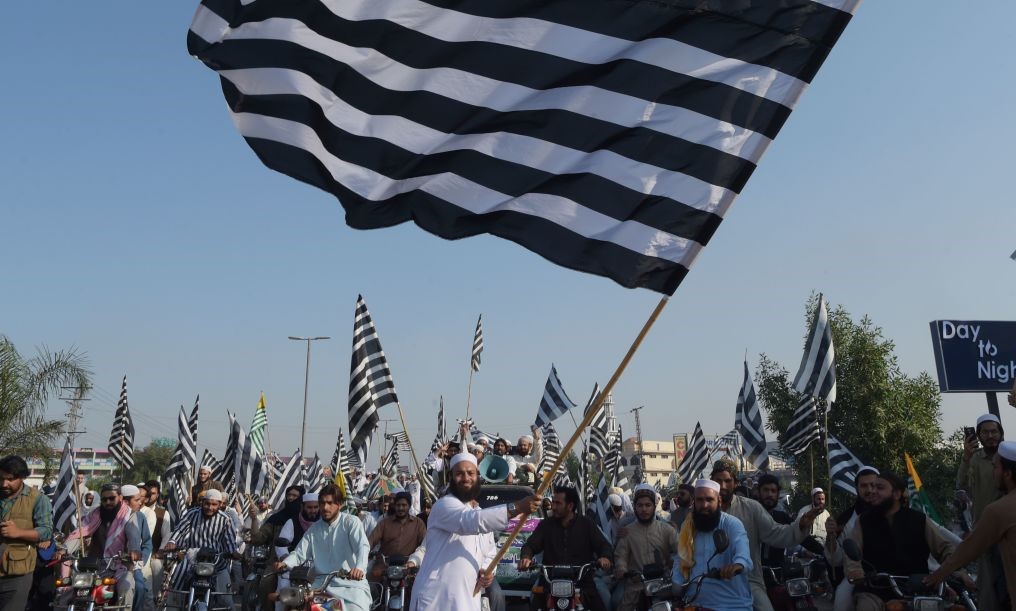
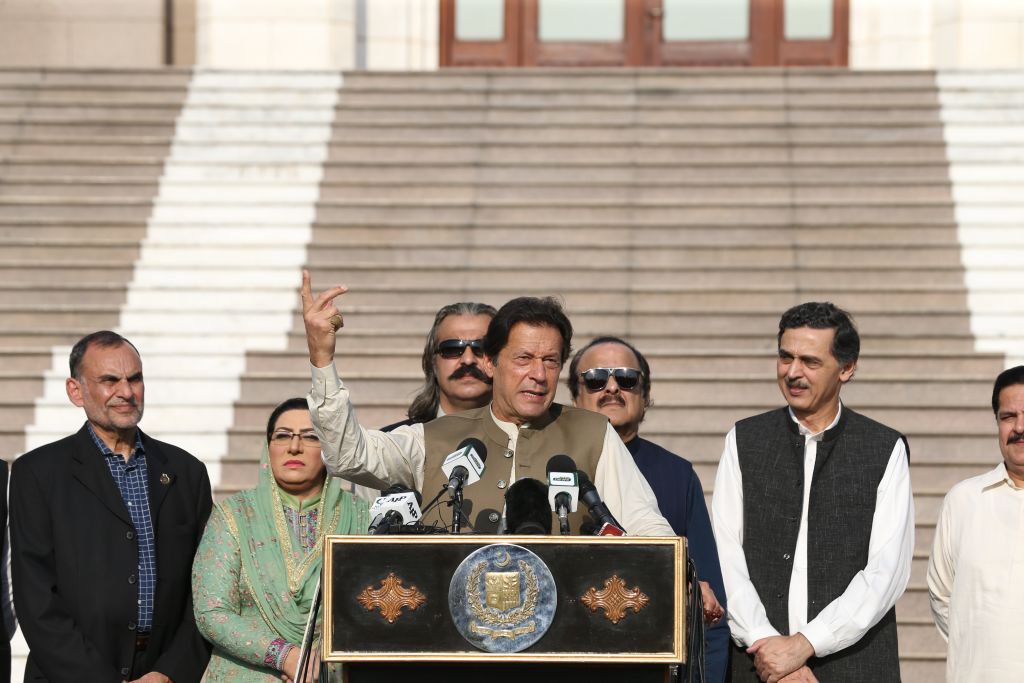
Once again, an elected Pakistani government is being pressed to resign
While there is probably zero chance Prime Minister Khan will step down, efforts will persist in trying to delegitimize those in power because this is what Pakistan’s opposition parties seem best programmed to do.
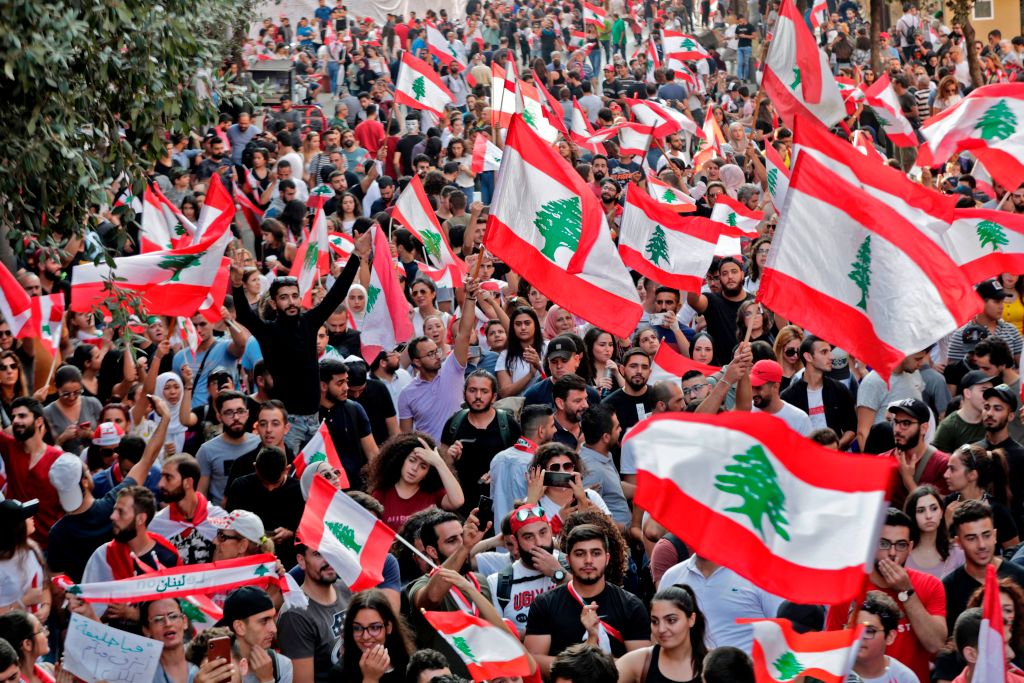
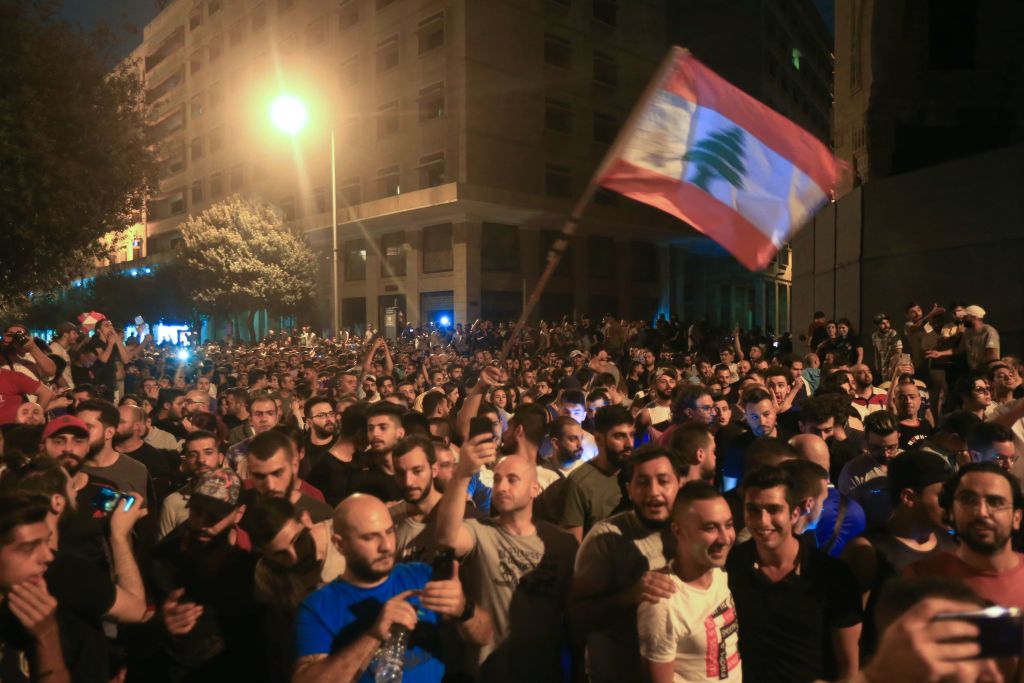
As protestors take to the streets across the country, Lebanon appears to be heading towards an economic meltdown with severe consequences for Lebanese citizens of all walks of life. We are concerned that failure to tackle current problems immediately and comprehensively could result in spiraling unemployment, uncontrollable inflation, more social unrest, civil strife and a severe deterioration in public health services and other basic resources.
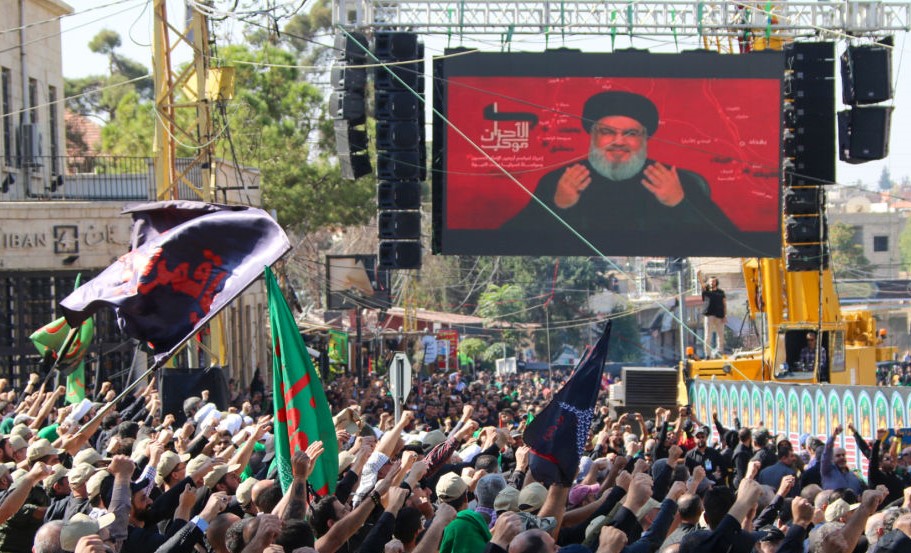
Lebanon’s current uprising, larger than the Cedar Revolution and rooted in long-held socio-economic grievances, has united protestors across the country in calls for fundamental political change. And this time, Shiites have joined the struggle. This is not a good outcome for Hezbollah — nothing threatens it more than discord within the Shi’a community — and it now finds itself in uncharted territory.
Something had to give. Decades of corruption and criminal mismanagement by Lebanon’s ruling elites — the same clique who have governed the country since its independence in 1943 — have finally led to an economic implosion and a social explosion.
Putin reaps benefits of Trump’s Middle East policy collapse
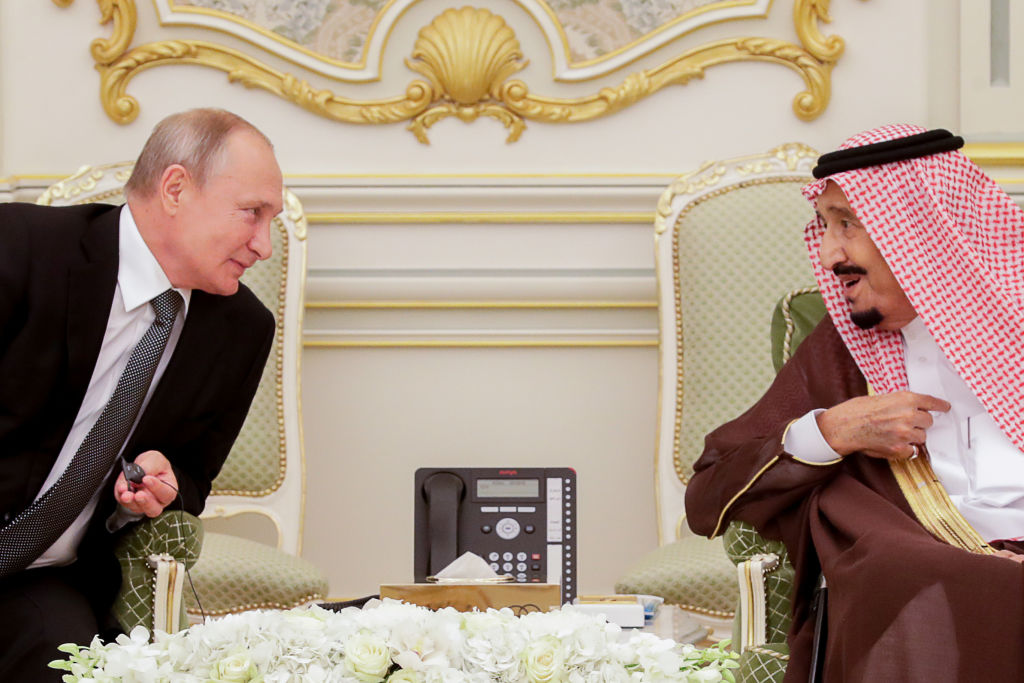
Putin’s visit to Saudi Arabia and the UAE takes place as the U.S. position in the Middle East collapses in the face of a series of misjudgments and “own-goals” by the Trump administration.
Iraqi youth protesters: Who they are, what they want, and what’s next
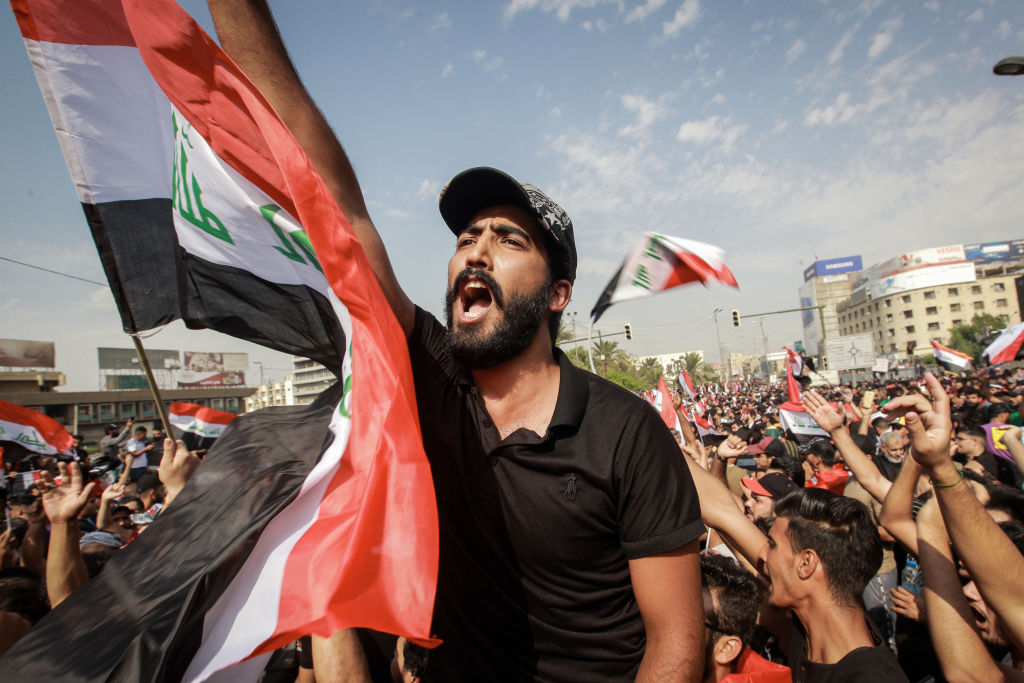
“We reached a level of injustice we could no longer take. For every action, there is a reaction,” explained one civil society activist following the Oct. 1 outbreak of protests in Baghdad and central and southern Iraq.
Fair competition is needed to economically empower women in the Arab world
Female labor force participation levels in Arab countries are the lowest in the world — despite the rising educational attainment of women reaching working age. Indeed, young women across the Arab world exceed the education levels of young men, who are worrisomely falling behind. Remedying the underrepresentation of Arab women in the labor force and reviving the educational motivation of young men are both social and economic imperatives.
Trade, Reform, and Revitalization: Toward a US-Egypt Free Trade Agreement
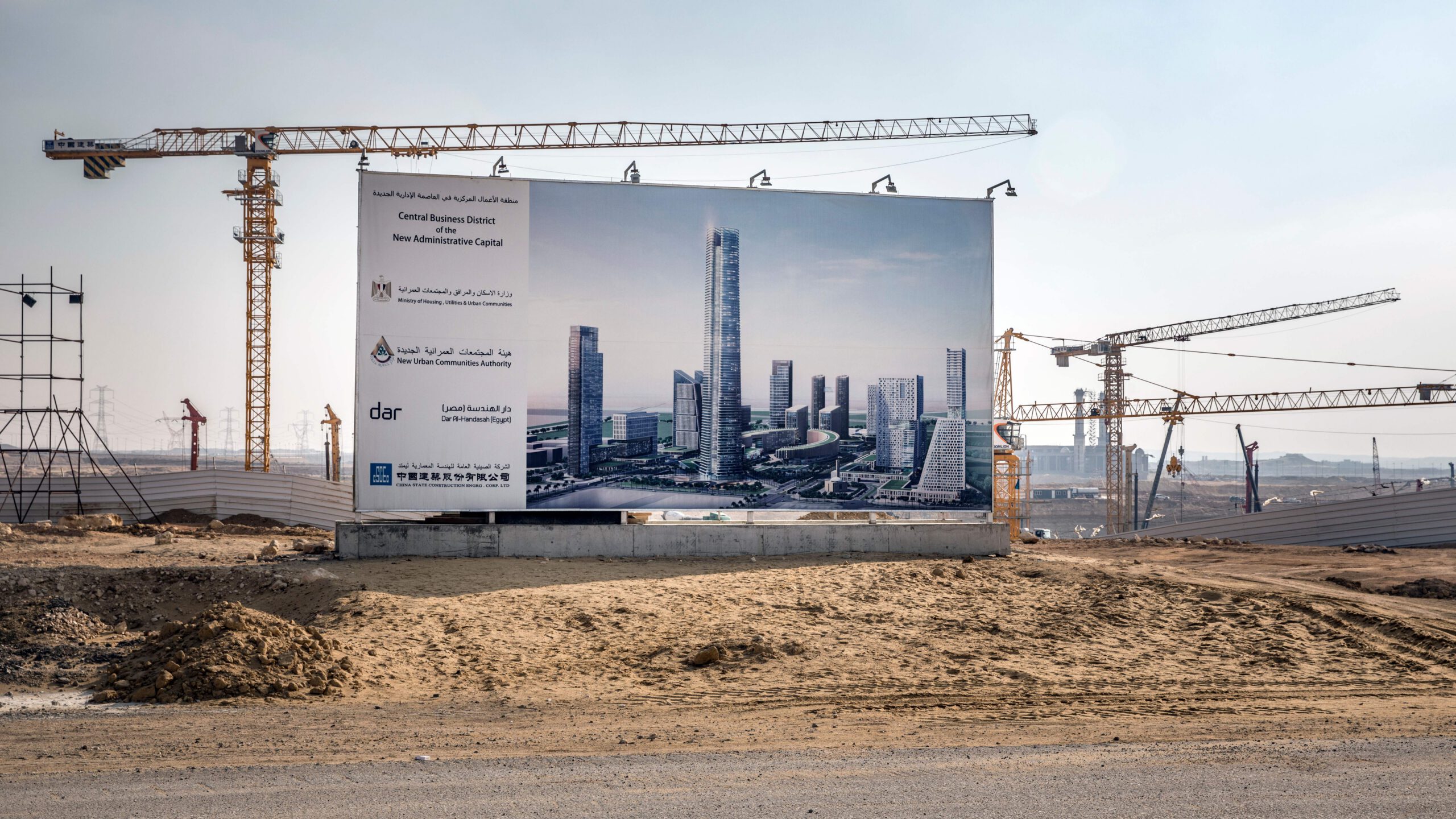
A question as to the value of a U.S.-Egypt Free Trade Agreement (FTA) misses the point. The question should not be whether an FTA would be in the interest of both parties since there is abundant evidence that it would. The question is what kind of FTA would best suit the needs, both short and long term, of the two parties: shallow integration or deep integration? This report argues that notwithstanding several hurdles, it is in the interest of both countries to move swiftly and decisively toward a deep FTA.