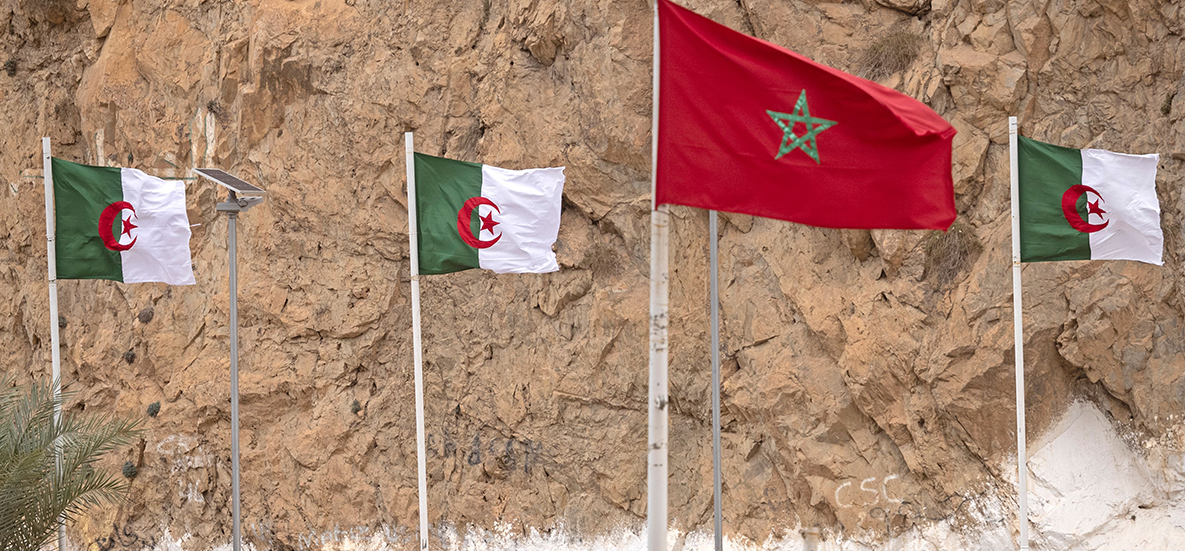
Algeria-Morocco tensions: The onset of a regional cold war
On Nov. 1, three Algerian citizens were killed in the disputed territory of Western Sahara. The Algerian presidency issued a statement accusing Morocco of carrying out an attack with a “sophisticated weapon” on two Algerian transport convoys. This was only the latest episode in a process of escalation between the two countries. The Algerian authorities had previously cut their diplomatic relations with Morocco on Oct. 24 due to rising tensions. Even though the relationship between Algiers and Rabat has long been contentious, the death of three Algerian citizens could prove to be a turning point.
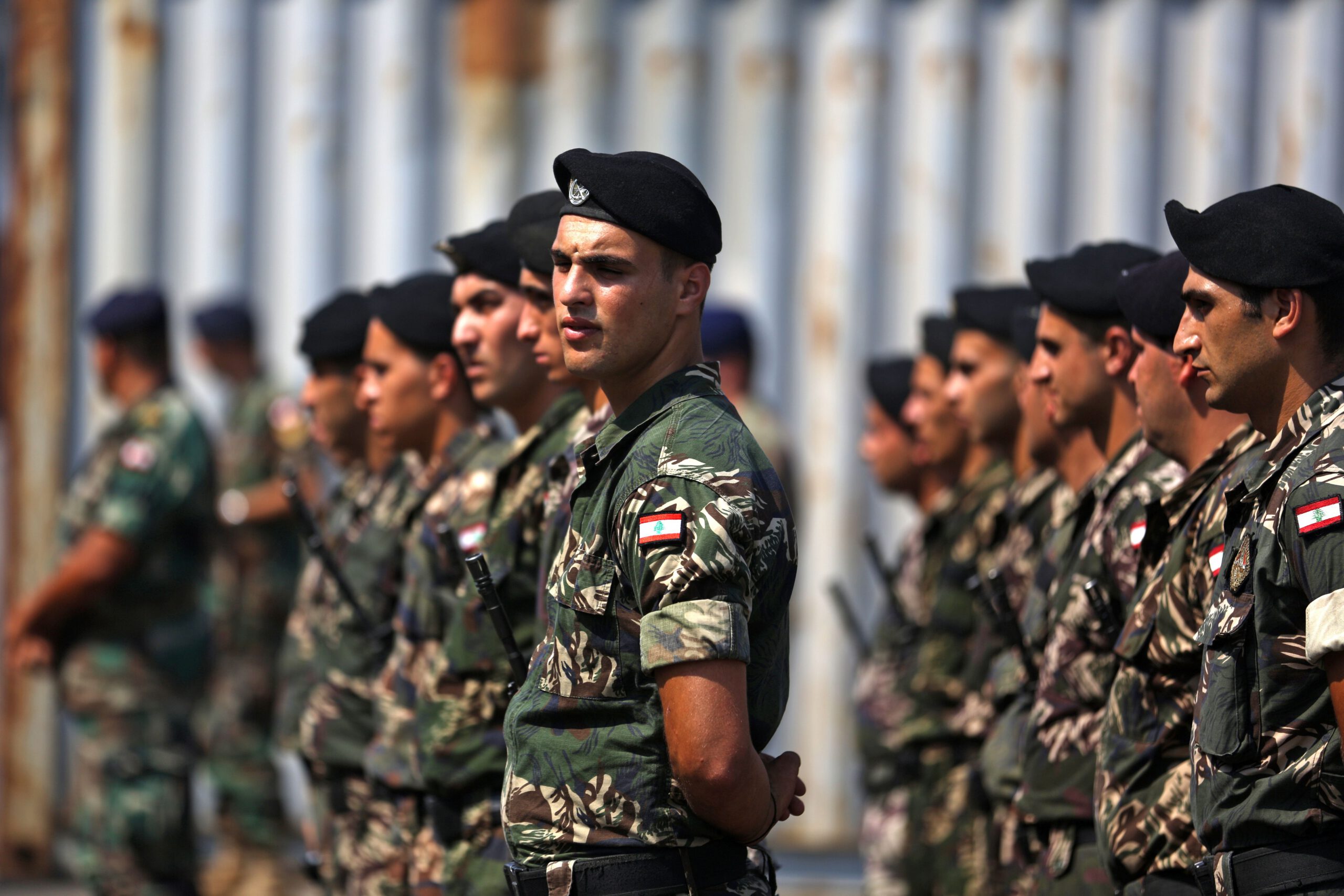
Leading a Resilient Lebanese Armed Forces Through Crises and for the Long Run
Repeated crises in Lebanon, including the COVID-19 pandemic, have highlighted the need for resilience in the Lebanese Armed Forces (LAF). Amid the current acute economic and financial crisis facing the country, there are warning signs about the LAF’s incapacity to continue, as the resources at its disposal and popular confidence in its effectiveness have both been degraded. In light of the current challenges and those that may lie ahead, the LAF needs to become more resilient, able to both adapt and strengthen as an organization, while also ensuring public security, the conditions of its personnel, and its own long-term status.
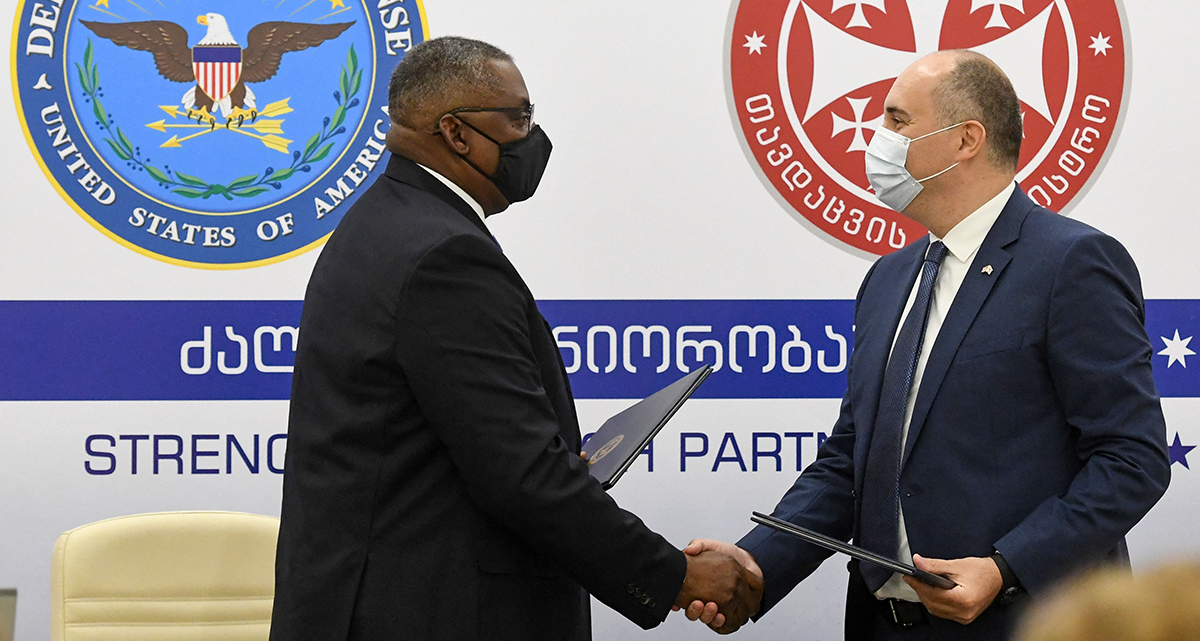
The 3+3 format in the South Caucasus doesn’t add up
During his recent visit to Tbilisi, U.S. Defense Secretary Lloyd Austin poured cold water on the idea of American support for a so-called “3+3 format” in the South Caucasus. When asked about the proposal, he said, “I would just say that Russia, which currently occupies 20% of Georgia’s territory, should focus on honoring its 2008 cease-fire commitments before promoting any new discussion platforms.”
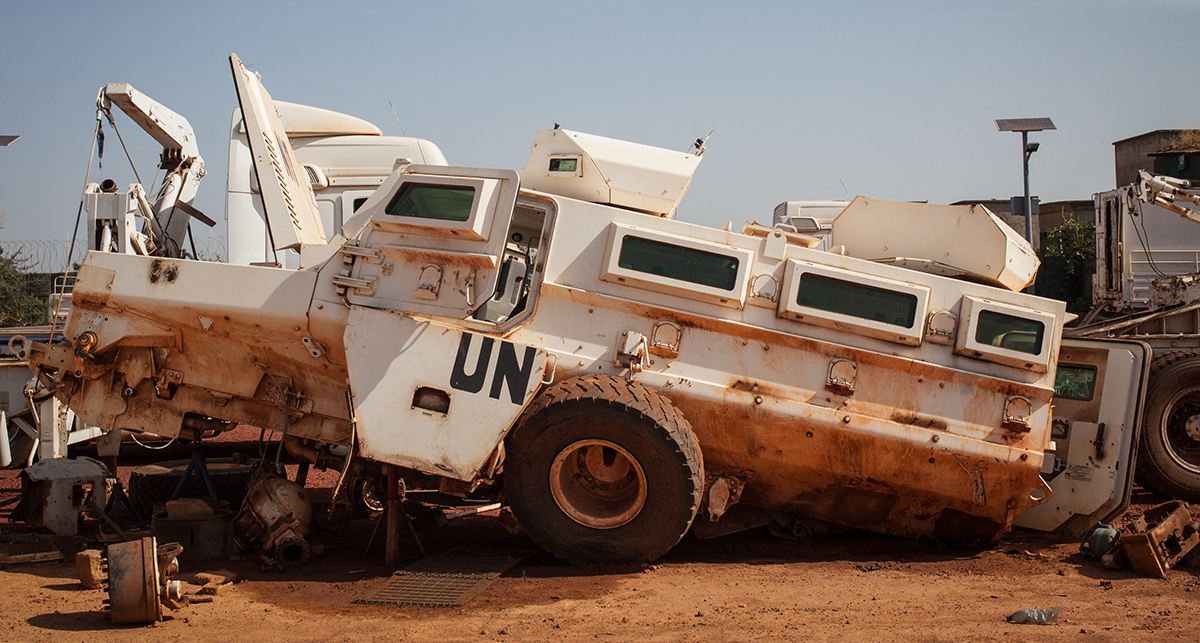
For Mali and the Sahel, New Tensions and an Old — and Worsening — Security Problem
Events in the Sahel, and Mali especially, are taking an uncertain and worrying turn. Mali witnessed two coups d’état in less than a year, while the West African Sahel went through its most violent year yet and there are no signs that the violence is slowing down. In the midst of this unprecedented instability, recent developments involving Mali’s transitional government and the international community, France in particular, provide no assurances that things are likely to improve anytime soon.
The IRGC and the Persian Gulf Region in a Period of Contested Deterrence
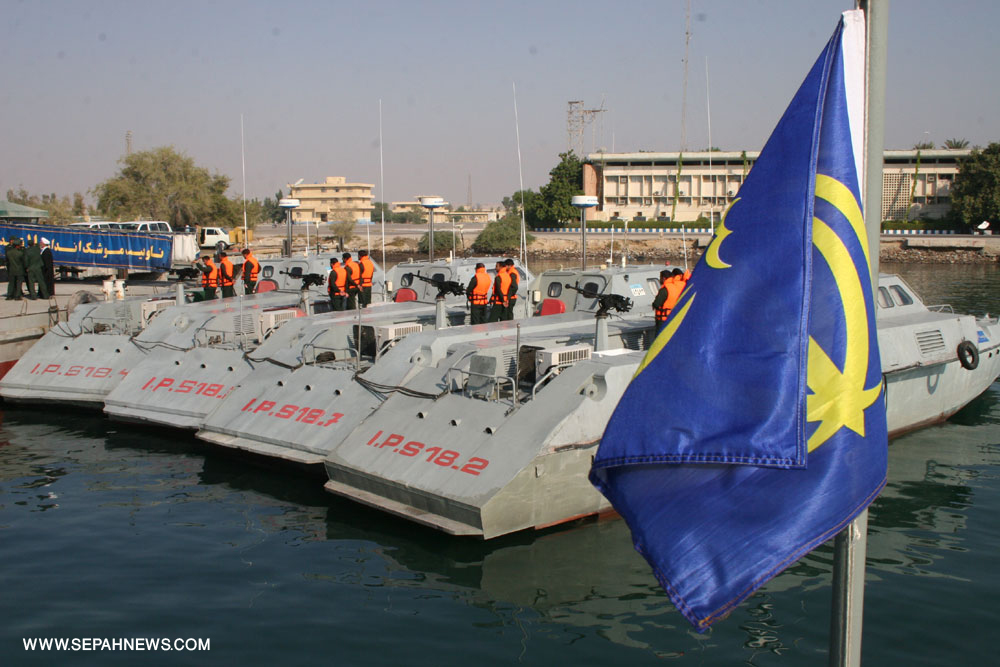
The Strait of Hormuz is one of the world’s most important maritime chokepoints, vital to the global supply of both oil and liquefied natural gas. The issue of freedom of navigation in the strait has long been a source of tension, but until recently any attempt by Iran to physically close it looked highly implausible, unless it resulted from either a major embargo or total blockade of Iranian ports by the West, or a large-scale military confrontation. However, the events of the past three years showed Iran can still ensure a major disruption of the flow of energy without a formal blockade and without an increased risk of military confrontation with the West. Iran has a variety of means at its disposal, especially through its Islamic Revolutionary Guard Corps naval forces, and the Iranians make no secret of their desire to be recognized as the dominant military power in the Gulf and the Strait of Hormuz.
Integrated Air and Missile Defense Will Enhance Security in the Middle East
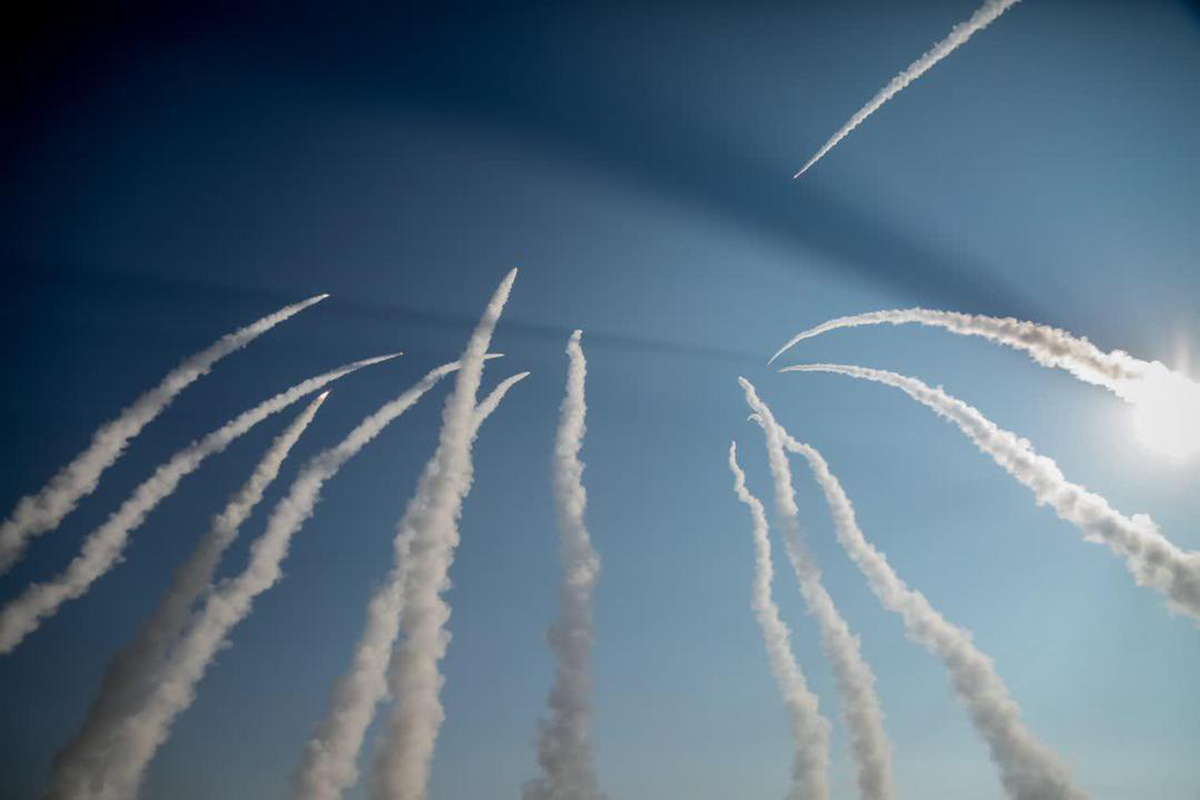
Integrated air and missile defense will make America’s partners in the Persian Gulf safer and bolster America’s policy against Iran. It’s past time to make IAMD a priority.
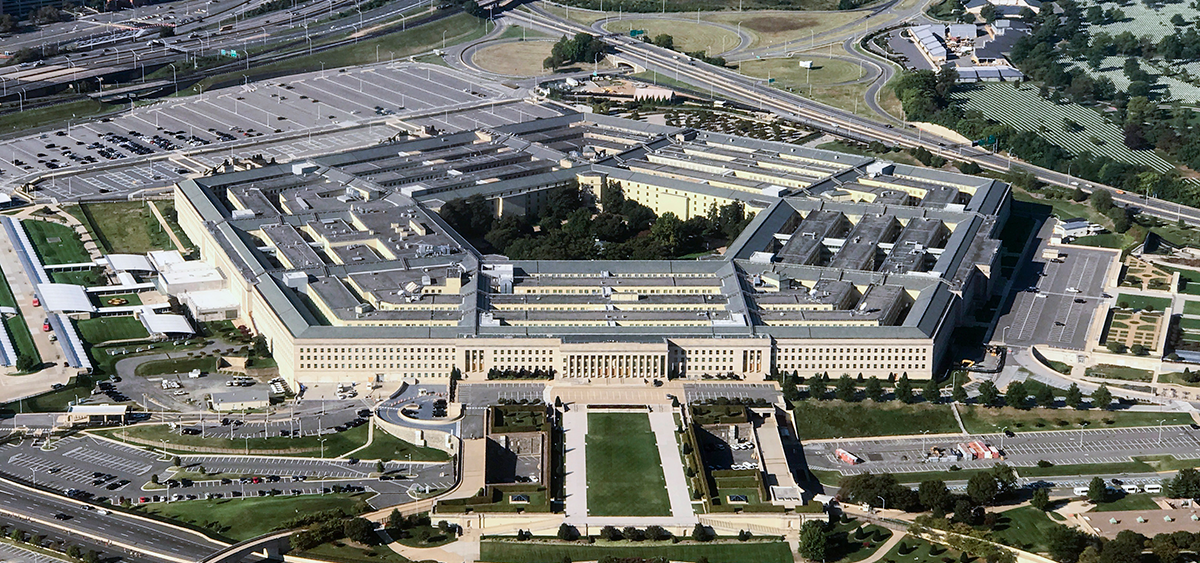
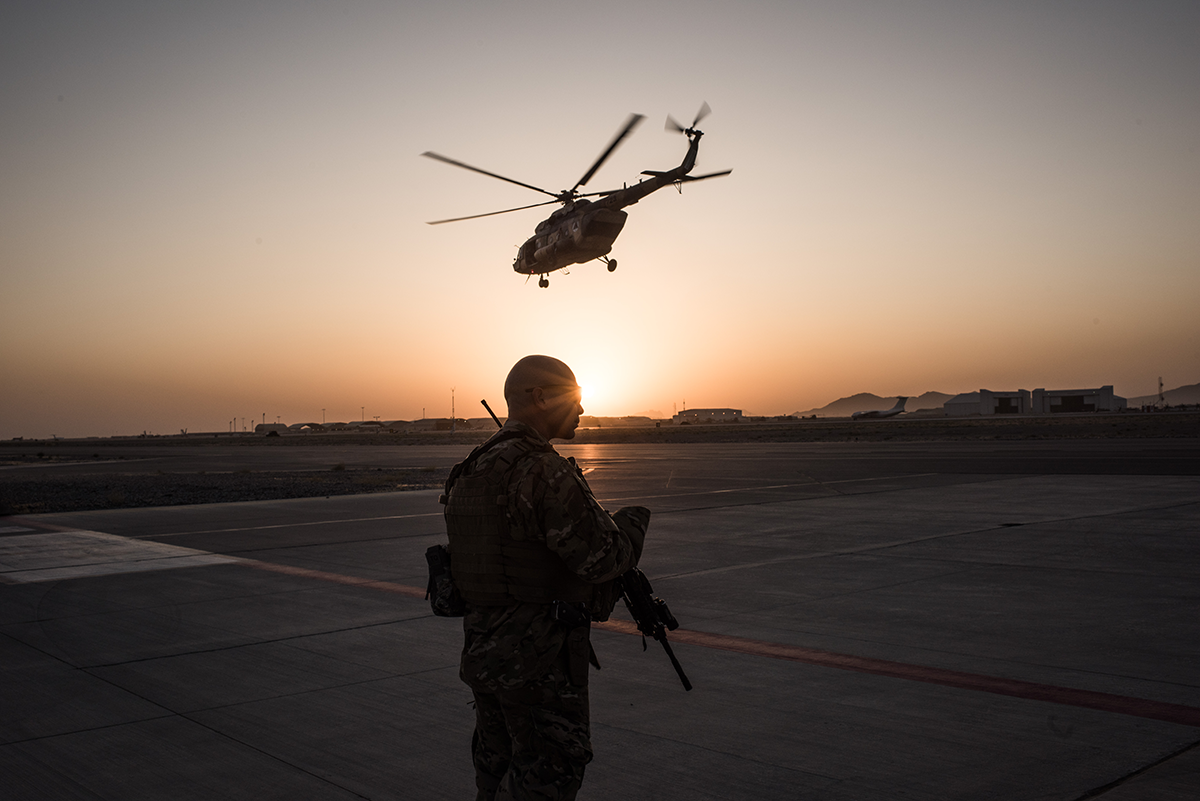
The Department of Defense’s new overarching principle, U.S. strategic competition, will likely replace great power competition in the next National Defense Strategy, set to be released in 2022. In the latest installment of the Defense Rapid Reaction series, experts from MEI’s Defense & Security Program weigh in with their thoughts on what strategic competition means for the U.S. and how it should go about implementing it in practice.
Has Israel’s campaign between the wars reached an impasse?
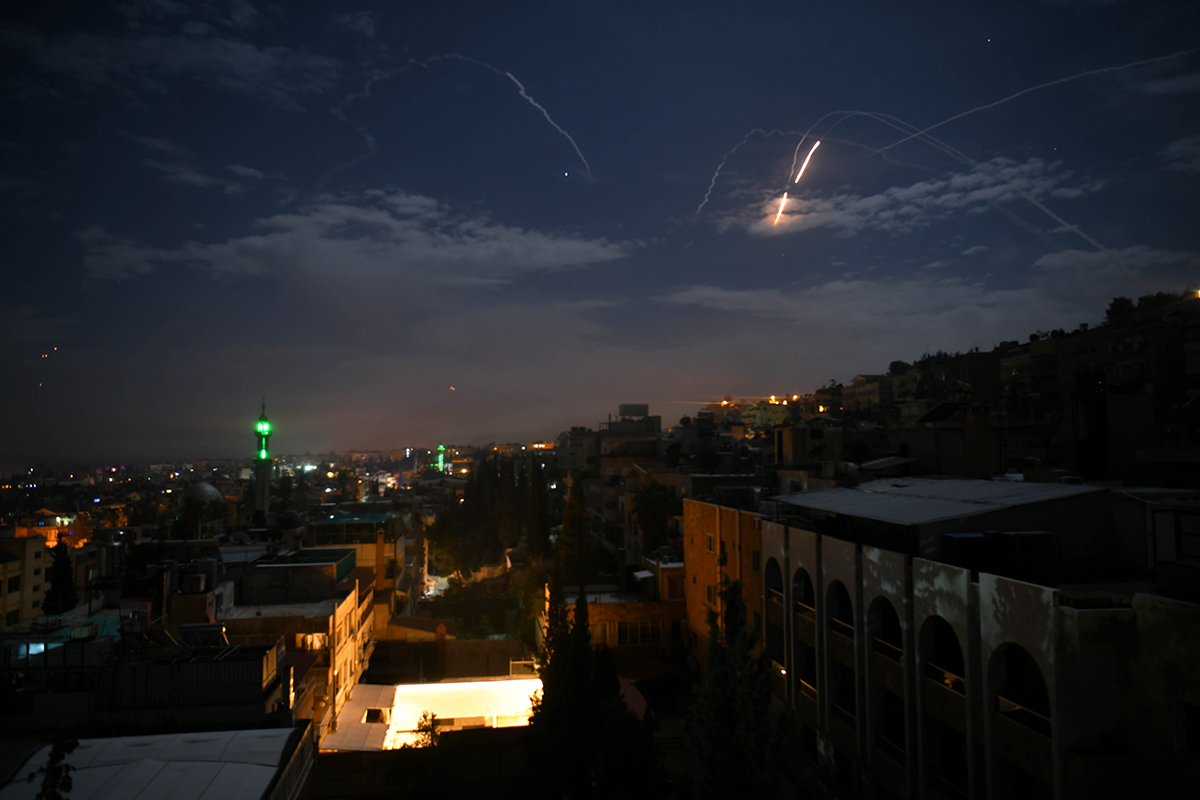
In recent years, Israel has waged a campaign against the military buildup of its enemies, mainly Iran, Syria, and Hezbollah. This ongoing effort is called “the campaign between the wars,” or the Mabam Campaign. Several events in recent weeks have given rise to questions about the effectiveness of this campaign, however, and have underscored the need to rethink its future.
America’s reputation and local actors in a trust vacuum
The rapid collapse of the U.S.-supported Afghan government after the withdrawal of U.S. troops raised a number of questions about America’s credibility and reputation in the eyes of its allies, especially those who had participated in and contributed to the 20-year war. Analysts and commentators have focused on how NATO member states or the European Union now perceive the U.S., but it is also important to consider the perspective of non-state groups or individuals who served or could serve as local partners for the U.S. government and military.
Cost of Conflict: An Analysis of the Costs of Russia’s Ongoing Hostilities in the Black Sea Region
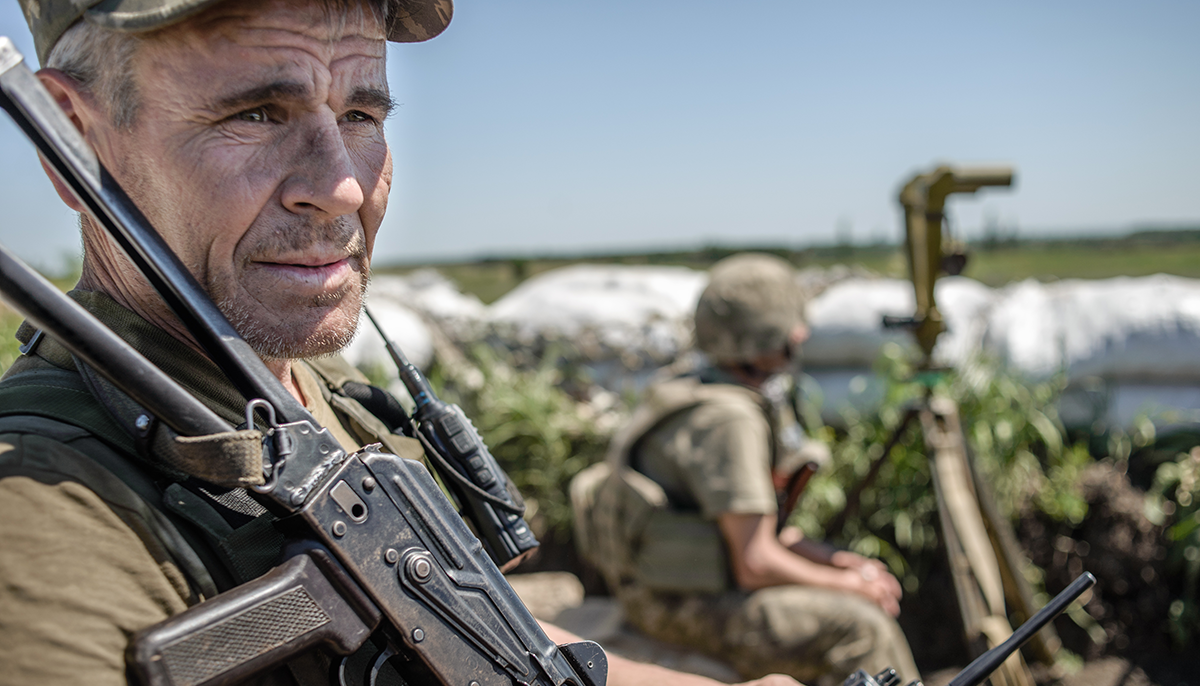
Conflicts are enormously destructive. They destroy lives and property, uproot communities, and reduce the economic potential for all involved. This devastation often has an unaccounted cost, both in terms of the obvious direct destruction of lives and assets, as well as the indirect costs that weigh on economies, often for years to come. This is true of all conflicts, and has certainly been true, and visible, during Russia’s unjustified and illegal invasions of its neighbors, Georgia and Ukraine.
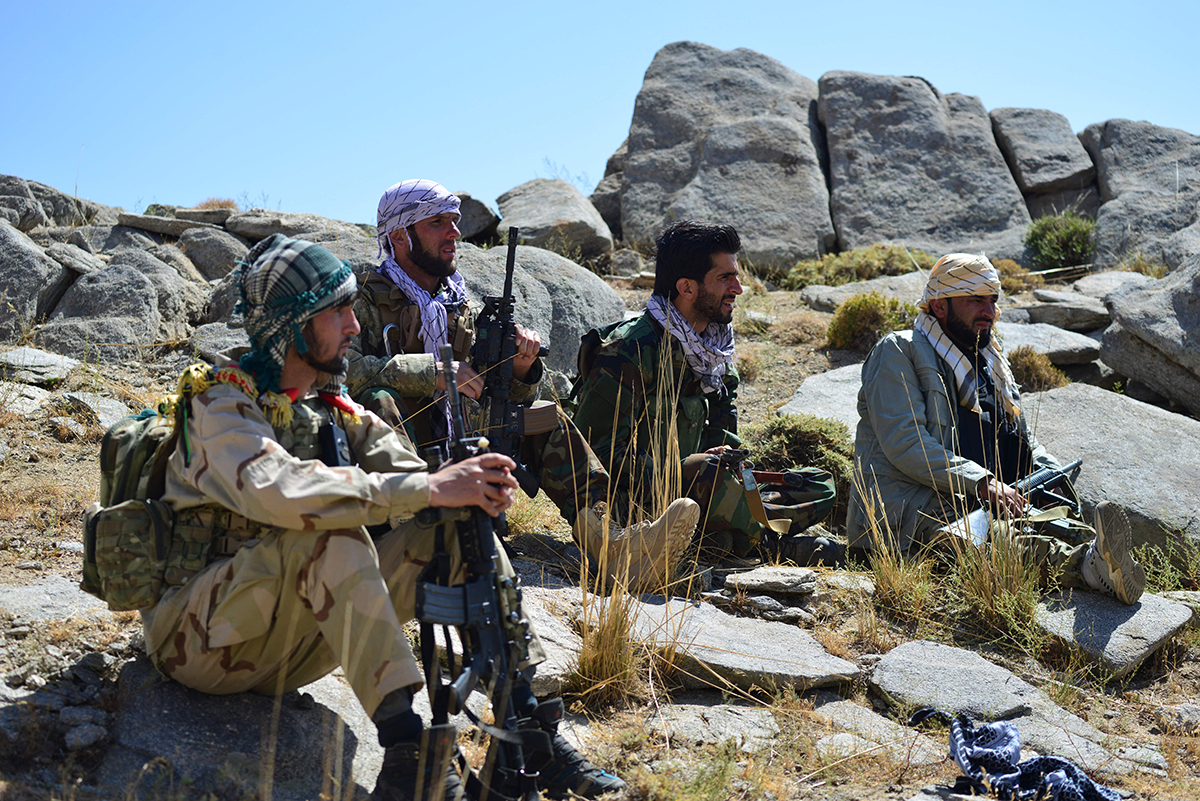
Supporting anti-Taliban fighters will spark a return to civil war, antagonize Pakistan, and draw the United States back into a conflict it sought to put behind it.
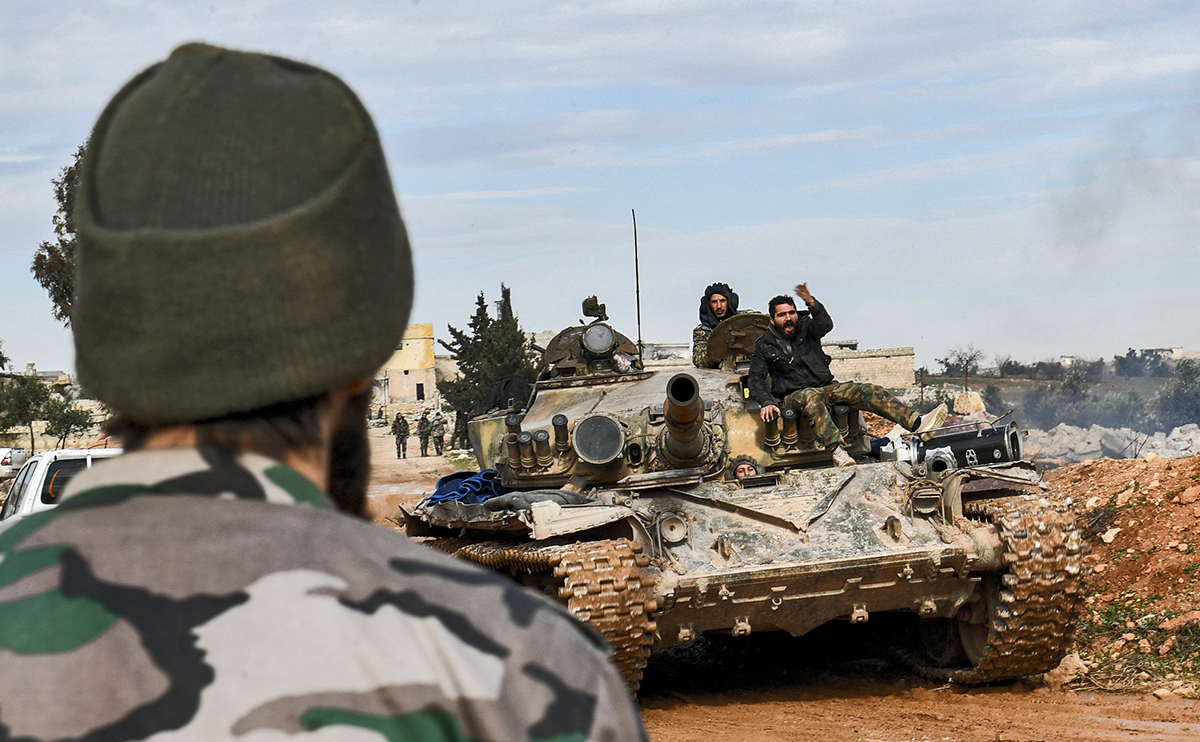
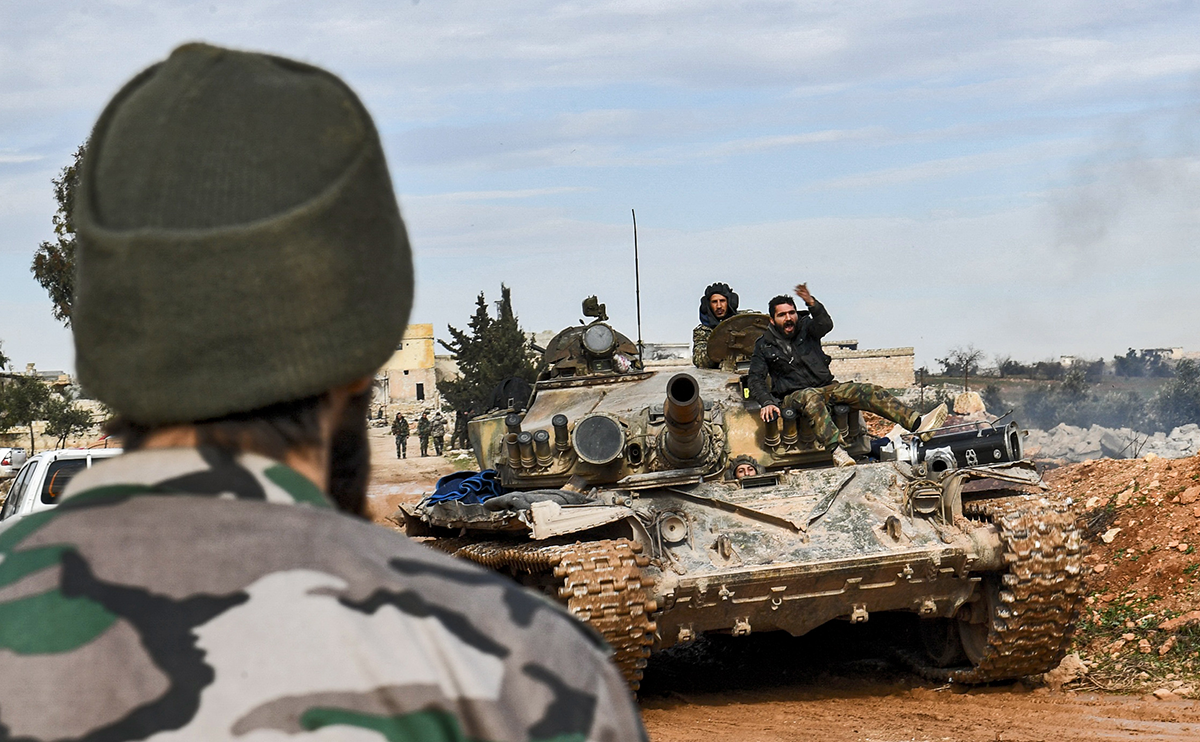
After 40 years, Syria once again has dual military rule, where the president and his brother are the highest authorities. In the early 1980s, Rifaat al-Assad, the brother of Hafez al-Assad, was the commander of the Defense Companies and the strong man in Syria in the military, security, and even civilian spheres, while Hafez was in a coma. Today, we see this scenario echoed with the control of Maher al-Assad, Bashar al-Assad’s brother, over the Fourth Division, which has become an elite military unit due to strong Iranian support and its control over various territories of the country.
بعد أربعين عاما، تتجدد ثناية الحكم العسكري في سوريا بين الرئيس وشقيقه، ففي مطلع الثمانينات كان رفعت الأسد (شقيق حافظ الأسد)، قائد سرايا الدفاع الرجل القوي في سوريا على المستوى العسكري والأمني بل حتى على المستوى المدني، بينما كان حافظ الأسد يشكو من الغيبوبة – آنذاك-.
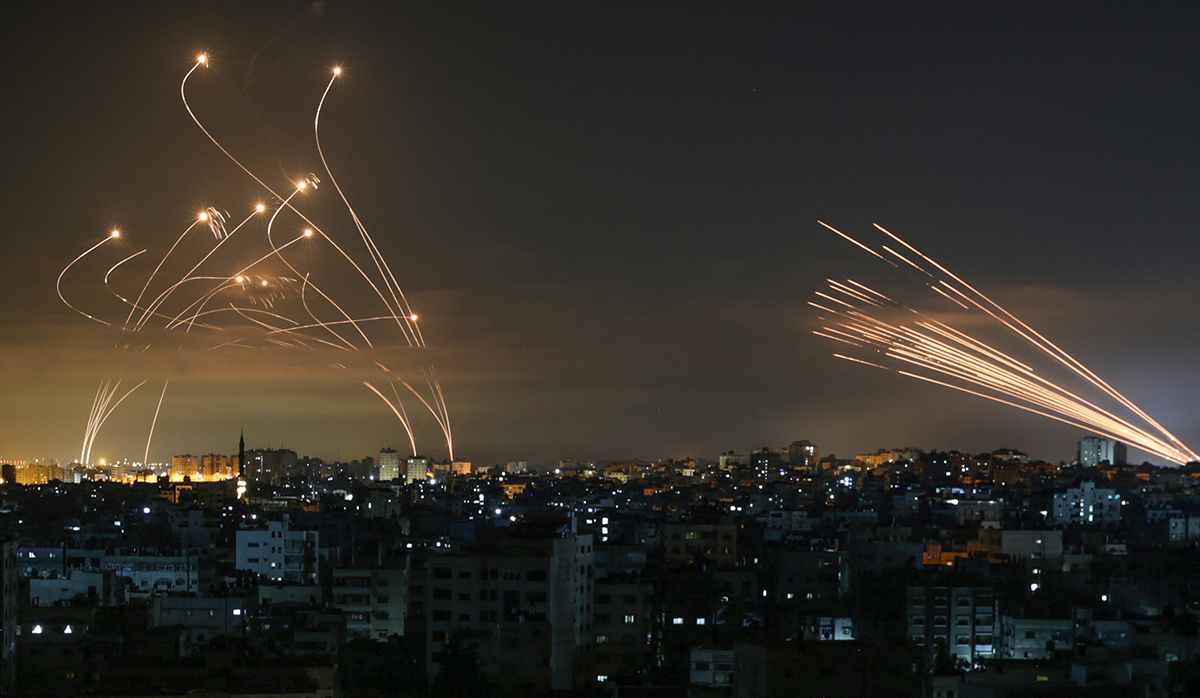
While much of the discourse surrounding the Iron Dome controversy is mired in hysterics and hyperbole, some have put forward a more rational case for providing additional funding for it. One of the standard arguments advanced in recent days is that Iron Dome is crucial not only for saving Israeli lives but is equally important (perhaps even more so) for saving Palestinian lives. This claim has been echoed by numerous American and Israeli analysts and even Members of Congress, and seems to have been accepted by a number of journalists as well. But is it actually true?