The War in Yemen: Political Impasse and Humanitarian Crisis
September 14, 2016 – Charles Schmitz, MEI scholar and professor of geography at Towson University, sits with Paul Salem to discuss the state of play in Yemen, where more than a year of war has led to thousands of civilian casualties and compounded a long-standing humanitarian crisis.
“[Food insecurity has] the potential to amplify destabilization, engender violence, and even accelerate state failure processes in an already geopolitically charged region”
– Andy Spiess in Food Security in the GCC Economies (2012)
G.C.C., Iran Look to Sea Trade to Reduce Dependence on Oil
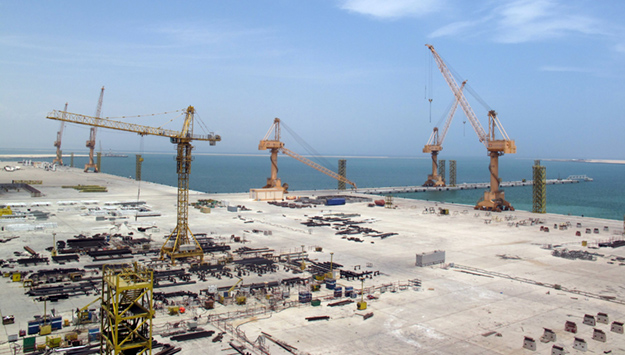
Continuing low oil prices have prompted Persian Gulf states to diversify their heavily petro-dependent economies. This issue is forcing the oil-rich states to invest and expand their potential as international trade hubs as a pathway away from the time bomb of single commodity exports. As many Gulf states have outlined in economic plans, as well as developed on the ground, maritime trade is an increasingly essential link connecting the Middle East to the global economy.
Monday Briefing: Turkey's Iran Outreach and Regional Diplomatic Strategy
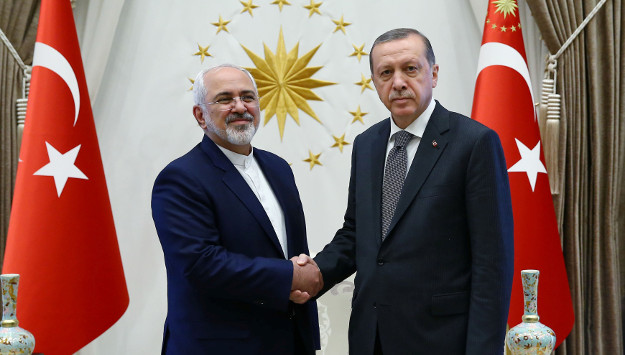
In this week’s Monday Briefing, MEI experts Gonul Tol, Alex Vatanka, Charles Schmitz, and Robert S. Ford provide analysis on current issues including Turkey’s regional diplomacy as President Erdogan is set to visit Tehran, the Iranian perspective on Turkey’s role in the region, Secretary Kerry’s visit to Saudi Arabia amid renewed fighting in Yemen, and ongoing attempts to broker a cease-fire deal in Syria.
Weekly Briefing: Baghdad Bombing, NATO Summit, Israel’s Africa Outreach, and Saudi Embassy Trial in Iran
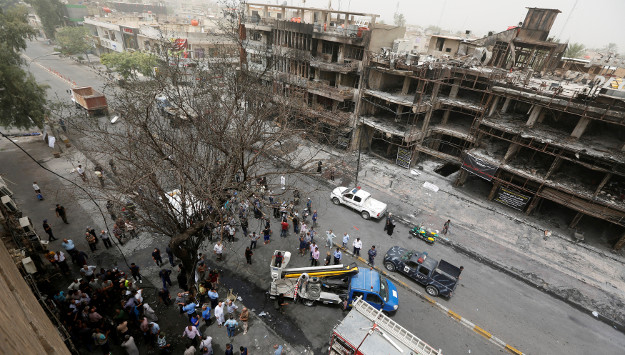
In this week’s briefing, MEI experts Hassan Mneimneh, Daniel Serwer, Paul Scham, and Alex Vatanka provide analysis on recent and upcoming events including the ISIS bombing in Baghdad, this week’s NATO summit in Warsaw, Israel’s outreach to Africa, and the trial in Iran over the ransacking of the Saudi embassy.
For several years, Israeli-Saudi collaboration over regional geostrategy to check Iranian influence has been the worst kept secret in the Middle East since the advent of Israel’s robust nuclear arsenal. Still, public coordination has been taboo, and while indirect, and even direct, coordination may be taking place behind closed doors, no official relationships can develop. This, of course, is due to the history between the state of Israel and the Arab world.
Monday Briefing: Manbij Offensive, Yemen Talks, Turkey-Israel, Tunisia Unity Government
In this week’s Monday Briefing, MEI experts Robert S. Ford, Charles Schmitz, Gonul Tol, and Mabrouka M’Barek provide analysis on recent events including Manbij offensive, Yemen talks, Israel-Turkey rapprochement, and Tunisia national unity government.
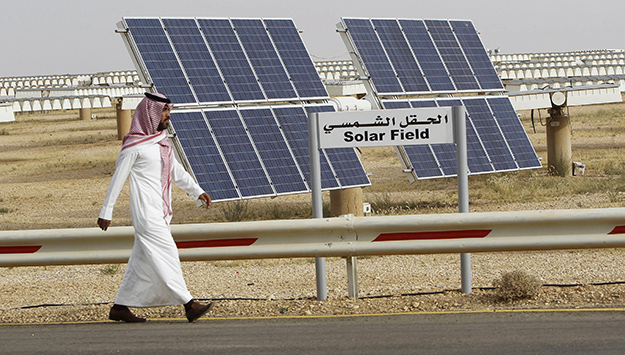
The Potential for Intra-Regional Energy Cooperation
Regional Cooperation Series
This Policy Paper is part of The Middle East Institute’s Regional Cooperation Series. Throughout 2016, MEI will be releasing several policy papers by renowned scholars and experts exploring possibilities to foster regional cooperation across an array of sectors. The purpose is to highlight the myriad benefits and opportunities associated with regional cooperation, and the high costs of the continued business-as-usual model of competition and intense rivalry.
Philip Gordon, a former Middle East policy adviser in the White House, likes to say that President Barack Obama learned three lessons from the region’s unending turmoil.
Monday Briefing: Lebanon's Elections, Gaza Unrest, Syria Talks, and Saudi's New Oil Minister
In this week’s Monday Briefing, MEI experts Paul Salem, Paul Scham, Charles Lister, and Jean-François Seznec provide analysis on recent events including Lebanon’s elections, unrest in Gaza, the ongoing Syria talks, and Saudi Arabia’s new oil minister.
Monday Briefing: Syria Cease-fire, Yemen Talks, and Iran Elections
In this week’s Monday Briefing, MEI experts Charles Lister, Charles Schmitz, and Alex Vatanka provide analysis on recent events including the Syrian cease-fire, Al-Qaeda losses in Yemen, and Iran’s parliamentary elections.
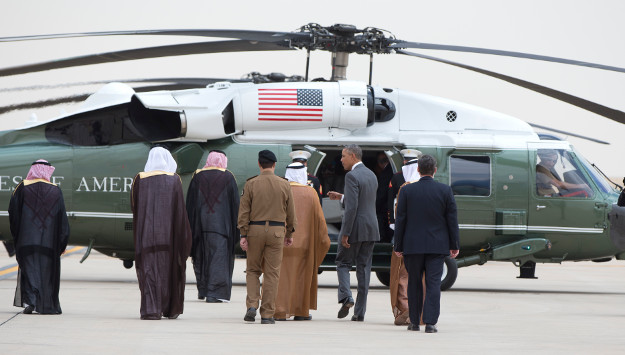
President Barack Obama’s Thursday visit to Riyadh to participate in the Gulf Cooperation Council summit comes one year after his meeting with GCC leaders in Camp David, and is an attempt to shore up an important relationship at a time when the two sides have been drifting apart over key regional issues.
Monday Briefing: Syrian Peace Talks, Yemen's Cease-fire, and Saudi Regional Diplomacy
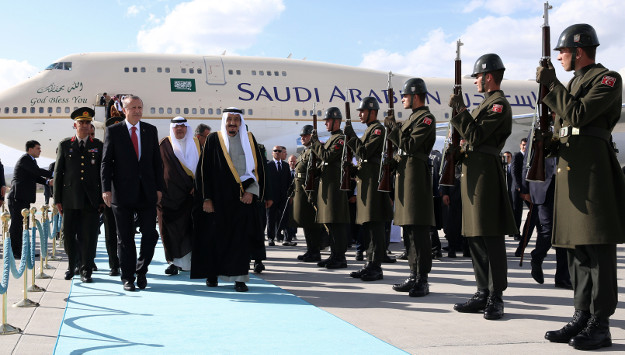
In this week’s Monday Briefing, MEI experts Randa Slim, Charles Schmitz, and Paul Salem provide analysis on recent and upcoming events including the next round of Syrian peace talks, the cease-fire in Yemen and the negotiations ahead, and Saudi King Salman’s visits to Egypt and Turkey.