Trump's goal in Iran is regime change | Monday Briefing
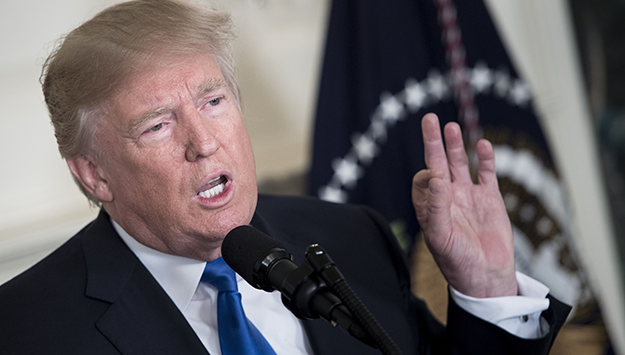
In this week’s Monday Briefing, MEI experts Alex Vatanka, Randa Slim, and Randa Slim provide analysis on recent and upcoming events including President Trump’s decision on whether to withdraw from the Iran nuclear deal, what this weekend’s election results in Lebanon indicate about Hezbollah’s standing in the country, and expectations for the outcome of Iraq’s elections on May 12.
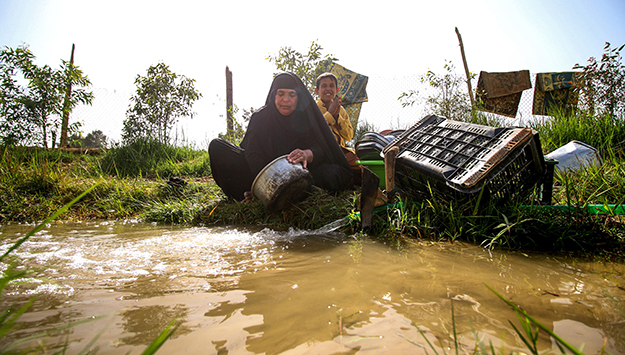
Iraq wilting: How creeping drought could cause the next crisis
Nabil Musa learned how to swim and fish in the Tanjero River in the city of Sulaymaniyah, Iraq. The Tanjero eventually joins the Tigris River, which, together with the Euphrates River, gave life to Mesopotamia.
Iran-backed Fateh Alliance seeks to win or play kingmaker in upcoming Iraqi elections
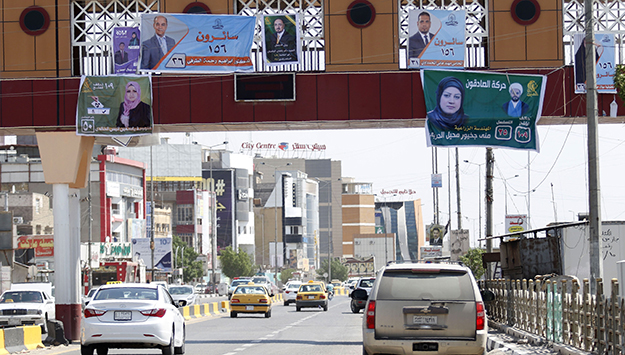
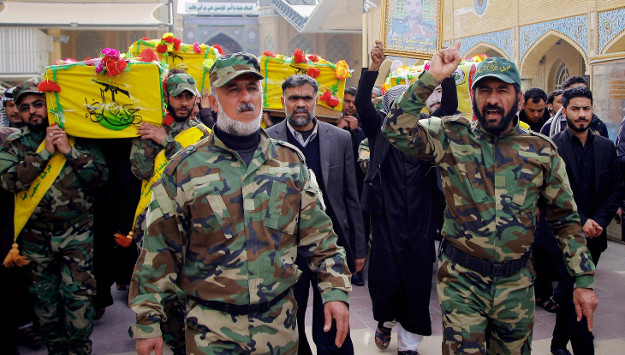
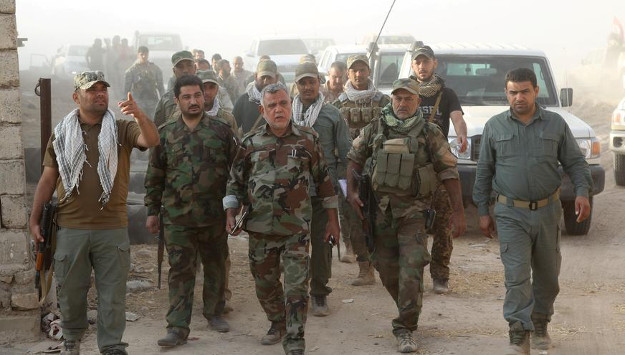
With Iraq’s May 12 parliamentary elections nearing, the coalition of Iranian-supported militia groups called Fateh Alliance is confident that it can translate its military gains into a political victory by either winning the premiership or playing kingmaker in the post-election government formation process, according to Tasnim News Agency, an outlet affiliated with Iran’s Revolutionary Guards.
Iraqi oil law puts elections before state-building
Since the ratification of Iraq’s constitution in 2005, Iraq has struggled to interpret clauses 111 and 112, which stipulate that oil is the property of the Iraqi people and its revenues should be shared equitably. Several draft laws on hydrocarbon management, energy sector regulation, and oil revenue distribution have remained stalled because of differences between the federal government and the Kurdistan region over the interpretation of those clauses.
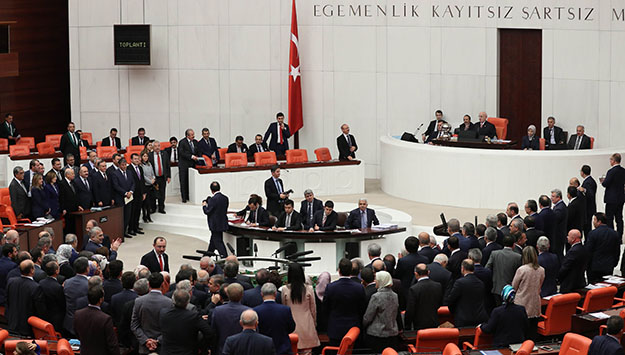
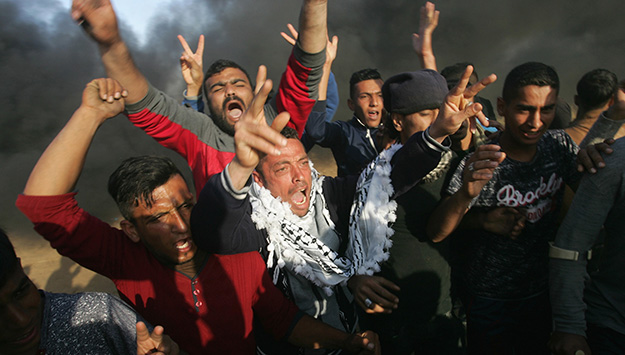
In this week’s Monday Briefing, MEI experts Gonul Tol, Paul Salem, Nathan Stock, Alex Vatanka, Gerald Feierstein, and Marvin G. Weinbaum provide analysis on recent and upcoming events including upcoming snap elections in Turkey, Lebanon’s Free Patriotic Movement party, protests in Gaza, the future of the Iran nuclear deal, Yemeni peace talks, and the ISKP attack on Shiite Hazaras.
Iraqi elections: crafting a democracy amid challenges
Fifteen years after the fall of the dictatorial regime of Saddam Hussein, Iraq is still engaged in the process of transitioning to a system of governance representative of its population. The new Iraq has experienced meaningful progress and serious setbacks. While the upcoming elections, slated for May, promise a further constructive push, Iraq faces serious structural impediments to progress—including a divisive political environment and significant social challenges in the wake of ISIS—and should expect incremental rather than revolutionary change.
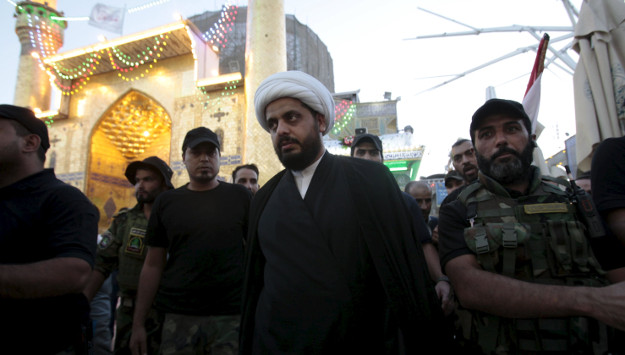
Tehran-backed Iraqi group threatens US, vows to stand by Assad regime
A prominent Iranian-backed Iraqi militia group has said that its forces will stand by the regime of Bashar al-Assad in Syria to defend it against any attacks by the United States and its allies.
Iranian leaders rule out missile compromise in meeting with French foreign minister
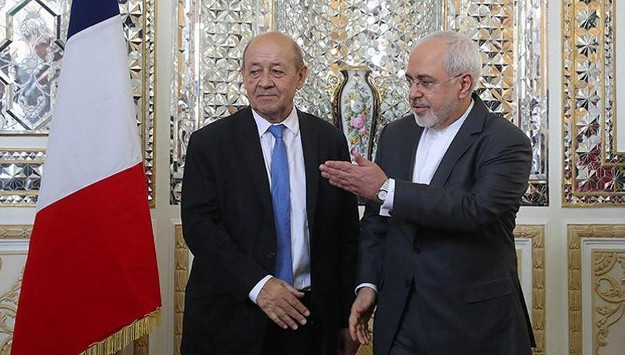
French Foreign Minister Jean-Yves Le Drian paid a one-day visit to Tehran on Monday to discuss Iran’s controversial missile program and regional activities. Iranian leaders told the top French diplomat that European countries should put pressure on the Trump administration to keep and implement that Joint Comprehensive Plan of Action (JCPOA), the nuclear deal Iran signed with world powers in July 2015.
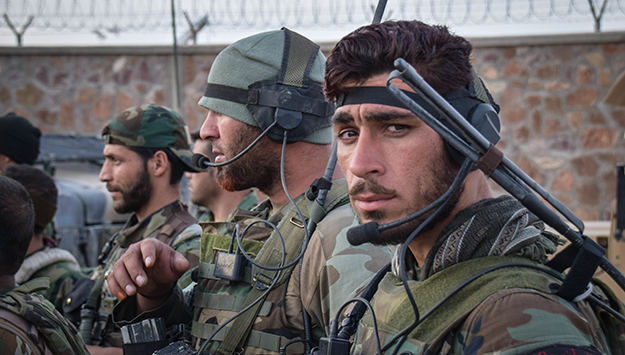
In this week’s Monday Briefing, MEI experts Charles Lister, Gonul Tol, Paul Salem, Alex Vatanka, and Marvin G. Weinbaum provide analysis on recent and upcoming events including the Syria strikes, Turkey’s Assad paradox, the Arab League summit, EU’s view of the Iran nuclear deal, and clashes along the Afghanistan-Pakistan border.
Iranian-backed PMF leaders gearing up for elections while keeping military roles
Hadi al-Amiri, the head of the Badr Organization, has said that an alliance of Shiite militia forces that fought against the Islamic State will now shift attention to politics and will participate in the upcoming parliamentary elections. In an interview with the Lebanese al-Mayadeen TV, Amiri said that the Fateh Alliance, a coalition of Iranian-supported Shiite units within the Iraqi Popular Mobilization Force (PMF), will take an active part in the elections and expressed the hope that it can play a major role in the next government.
In this week’s Monday Briefing, MEI experts Paul Salem, Bilal Y. Saab, Marvin G. Weinbaum, and Charles Lister provide analysis on recent and upcoming events including the latest violence in Gaza, Gulf Shield-1 military drills, the Taliban’s resistance to peace, and the approaching Syria summit in Ankara.
Searching for the least worst option in Afghanistan
In her March 15 op-ed in The New York Times, “Tell the Truth About Afghanistan”, former National Security Advisor Susan Rice offers three “bad options” for the United States as a solution to the Afghan conflict: a limited engagement focusing on providing training, equipment, and advice for Afghan security forces which she argues would only slow down the Taliban; a complete withdrawal of troops, which would then leave the Afghan government prone to increased insurgency and interference from other i
A rare prospect for peace has come into sight in Afghanistan in the wake of Afghan President Ashraf Ghani’s bold offer to the Taliban. In a sweeping proposal, and for perhaps the first since the U.S.-led invasion of Afghanistan in 2001, Ghani suggested a cease-fire, removal of sanctions, prisoner release, recognition of the Taliban as a political party, fresh elections and a constitutional review. Speaking at the Kabul Process, a two-day Western-backed peace conference, Ghani has demonstrated remarkable boldness and vision.
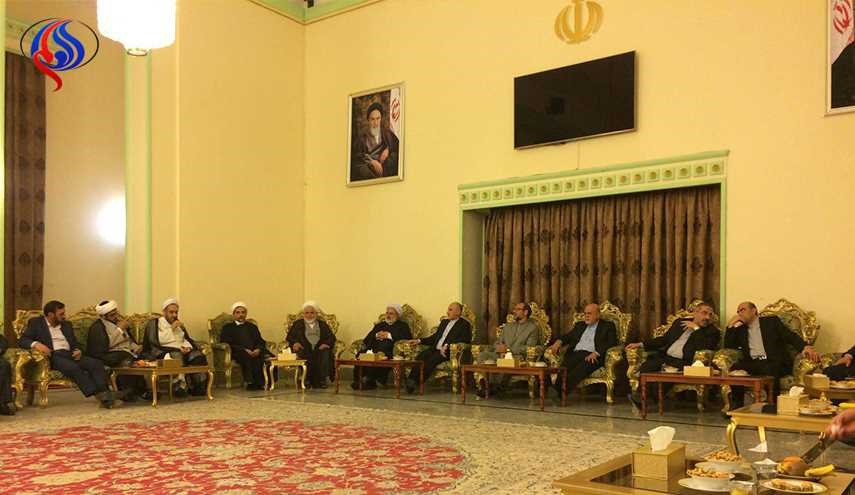
Tehran’s ambassador to Baghdad meets with militia leader to discuss Iraq and Syria
Tehran’s Ambassador to Baghdad Iraj Masjedi held a meeting with the leader of Harakat al-Nujaba, an Iraqi militia group fighting in Iraq and Syria, to discuss Iraqi and regional issues,