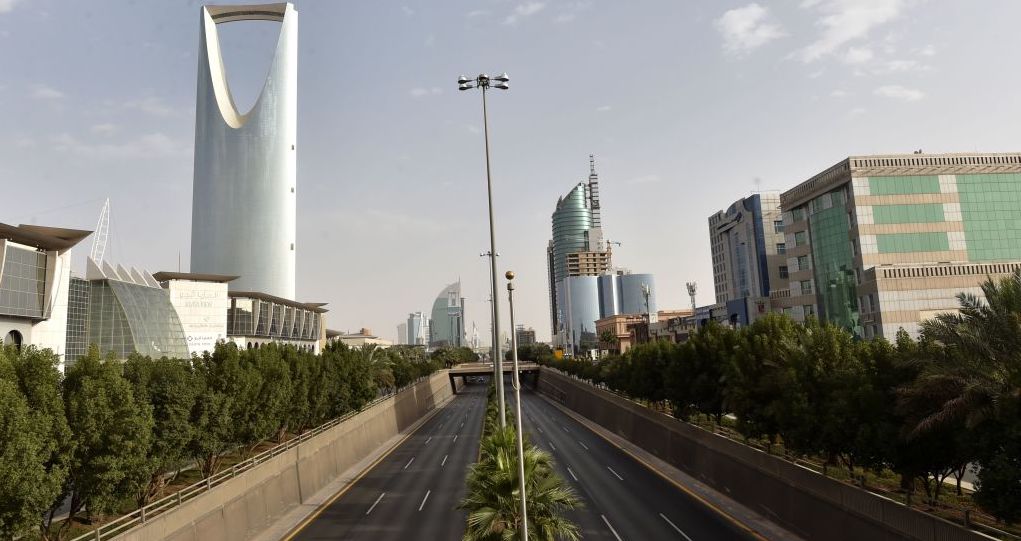
Saudi Arabia struggles to confront mounting challenges
A perceived lessening of the U.S. security umbrella would leave the Saudis far more vulnerable regionally and could force additional policy adjustments.
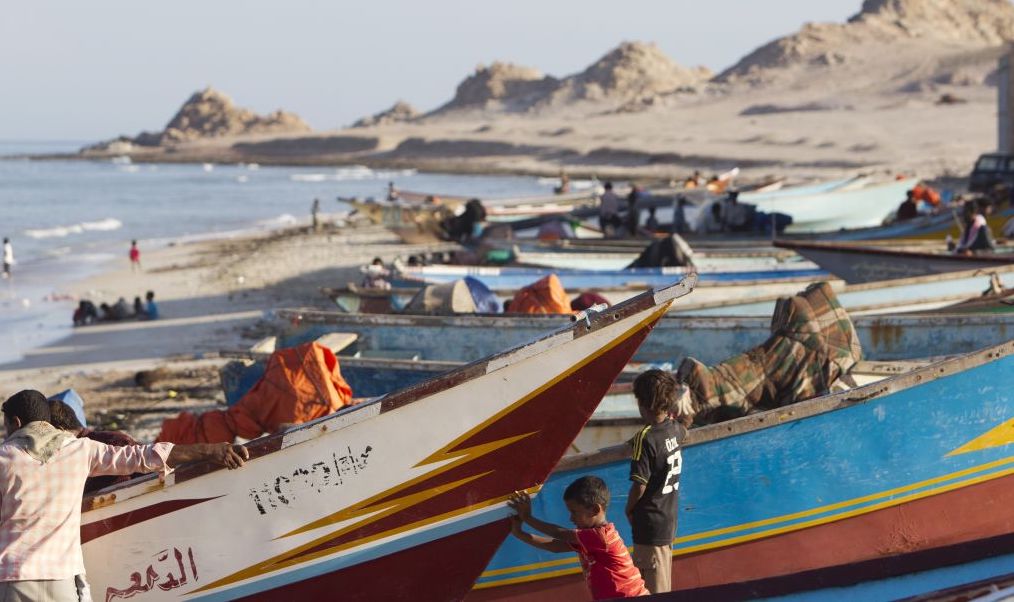
Protracted conflict on Yemen’s island of Socotra reflects rival geopolitical ambitions
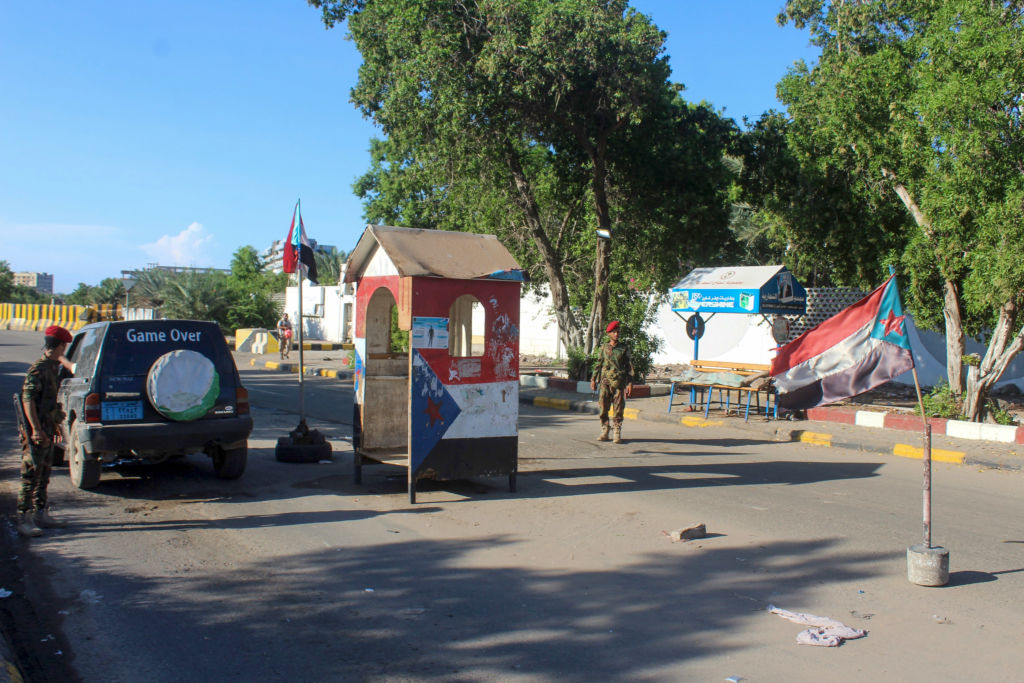
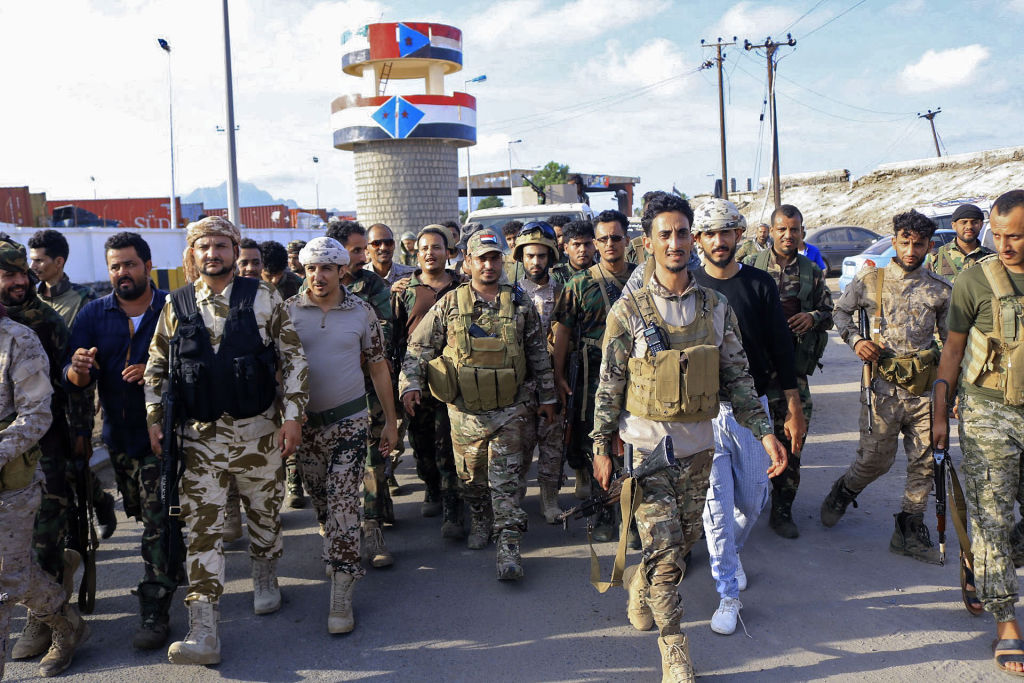
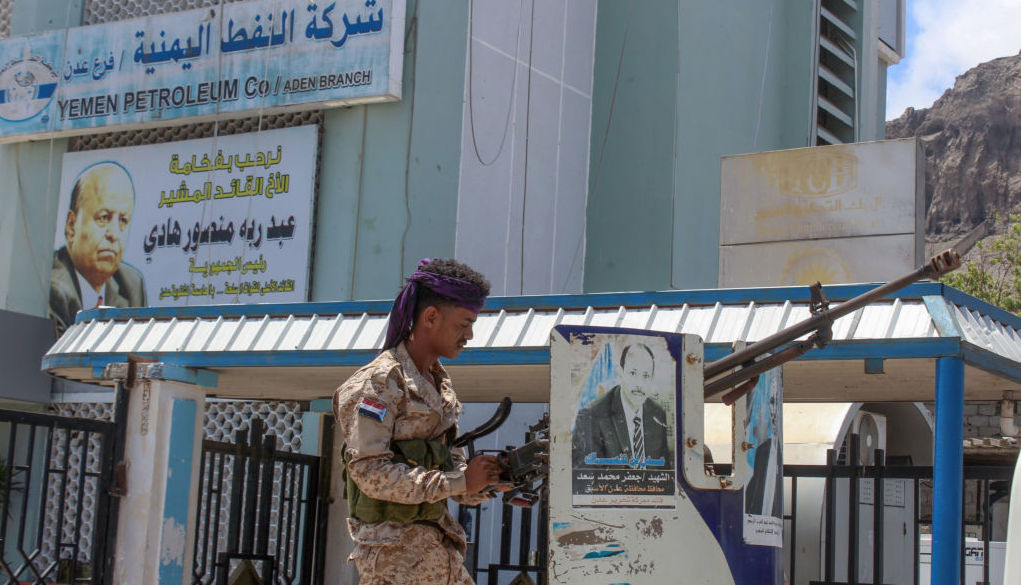
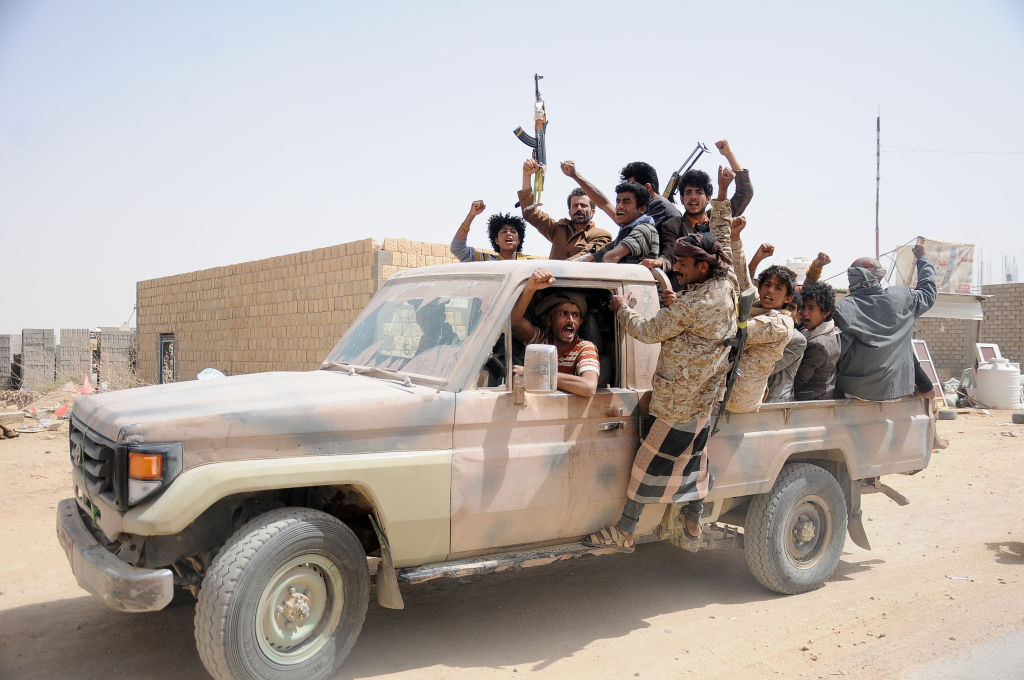
On April 30, roughly a week after the Southern Transitional Council (STC) declared self-administration in Aden, a military confrontation broke out on the remote Yemeni island of Socotra between members of the STC and government forces. After just a few days, the situation was diffused when the island’s governor and the STC asked the Saudis to intervene. Although an agreement was reached quickly, it is likely to be fragile because the causes of the conflict are not entirely local. The island of Socotra is simply too important to multiple international players that are not willing to let it easily slip outside their sphere of influence.
Self-administration: Will it strengthen Yemen’s STC or further complicate the conflict?
A few hours before Ramadan’s pre-fasting suhoor meal on April 25, the Southern Transitional Council (STC), a UAE-sponsored regional secessionist movement, abruptly announced self-administration in Yemen’s South and a state of emergency.
Protest movements in Algeria, Iraq, and Lebanon during COVID-19
Vish Sakthivel, Hafsa Halawa, and Nour El-Achi join host Alistair Taylor to discuss the impact of the coronavirus pandemic on protest movements in Algeria, Iraq, and Lebanon. While each case is unique, all three movements are pushing for sweeping reforms of the corrupt political system, a change in the ruling elite, and improved state services.
“Self-rule” in Aden and the implications for Russia
Russia acts as a “key if quiet player” in southern Yemen, where its approach has been based on strategic neutrality. The goal has been to position Moscow as a greater stakeholder in mediation between the various Yemeni parties and outside players. Moscow has engaged the Southern Transitional Council, the UN-recognized Yemeni government led by President Abed Rabbo Mansour Hadi, the Houthi rebels, as well as the three main regional powers intervening in Yemen — Saudi Arabia, the UAE, and Iran.
Yemen's competition for Saudi patronage heats up as the STC declares self-rule
On April 25, the Southern Transitional Council declared self-administration and claimed authority over state institutions in the interim capital of Aden. The declaration demonstrates the region’s volatility, the limited reach of Yemen’s government, and the difficulty of imposing a solution to the problem of secessionism. It is also sparking political competition for Saudi patronage, and all of this poses a major diplomatic challenge for the Saudis.
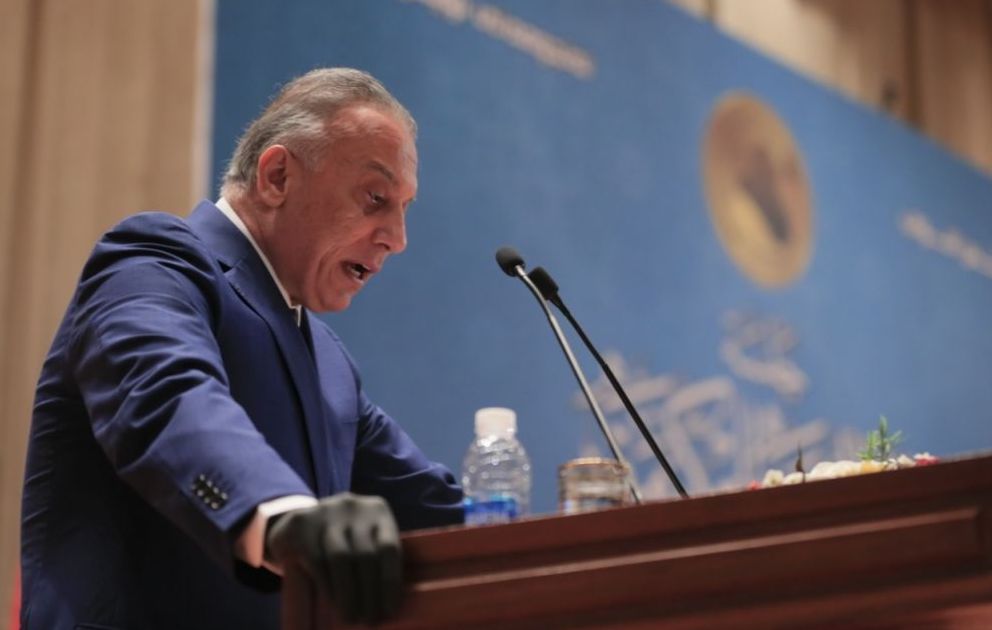
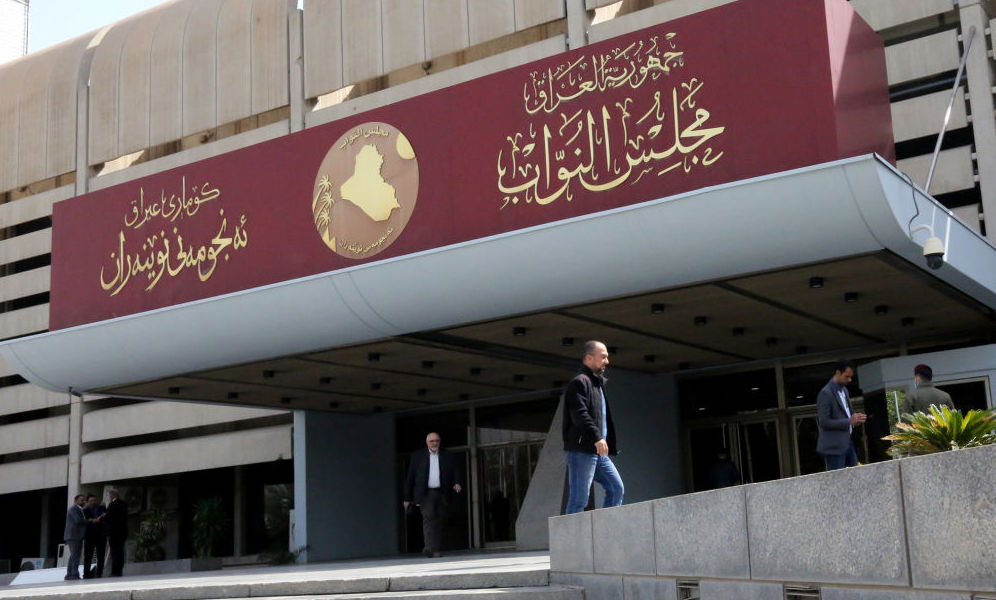
Iraq’s political jockeying continues as Baghdad-Erbil tensions flare up
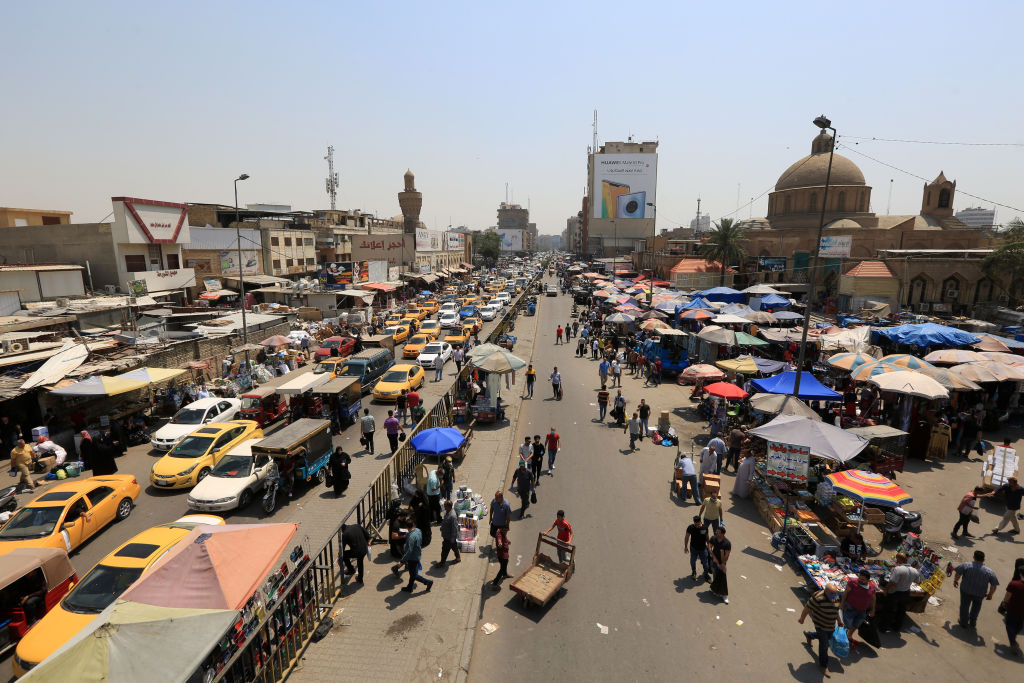
The current state of affairs is a clear indication that the post-2003 system of apportionment of political posts on ethno-sectarian lines is no longer working.
Supporting refugee communities during the pandemic
Basma El Husseiny (Action for Hope) and Samar El Yassir (Anera) join guest host Lyne Sneige to discuss the impact of the COVID-19 pandemic on refugee communities and the NGOs that work with them.
Gen. Joseph Votel on US military challenges in the Middle East
MEI Distinguished Senior Fellow Joseph Votel, a retired four-star general in the Army and former commander of U.S. Central Command, joins host Alistair Taylor to discuss the challenges facing American forces in the Middle East today, from COVID-19 and ISIS to the turbulent situations in Iraq and Afghanistan.
US-Iran tensions in Iraq and the effect on civil society
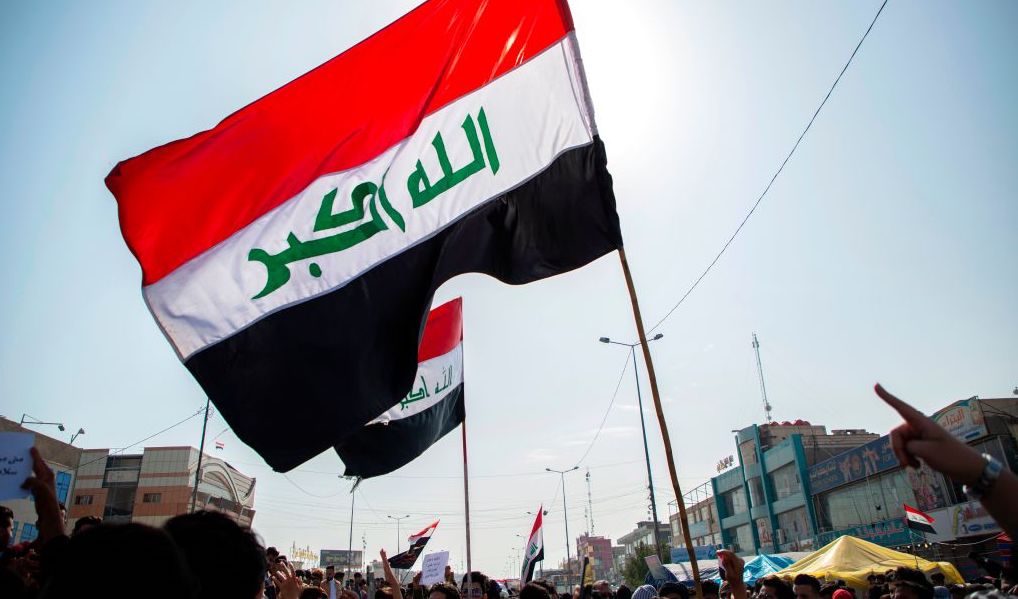
As the protests have raged, the Iraqi government has implemented a new policy in its application of rules and regulations monitoring civil society organizations (CSOs). The militias’ violent response to the protests has been well-documented; however, the more covert attack on civil society threatens civic engagement among the population more broadly.