Yemen’s Joint Declaration: A bigger repeat of the stalled Hodeida Agreement?
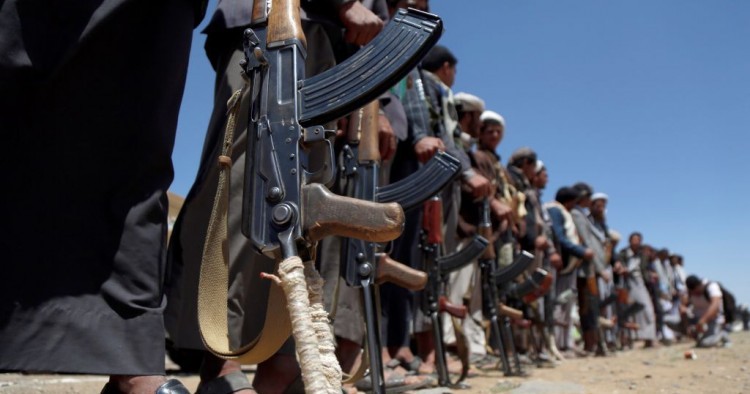
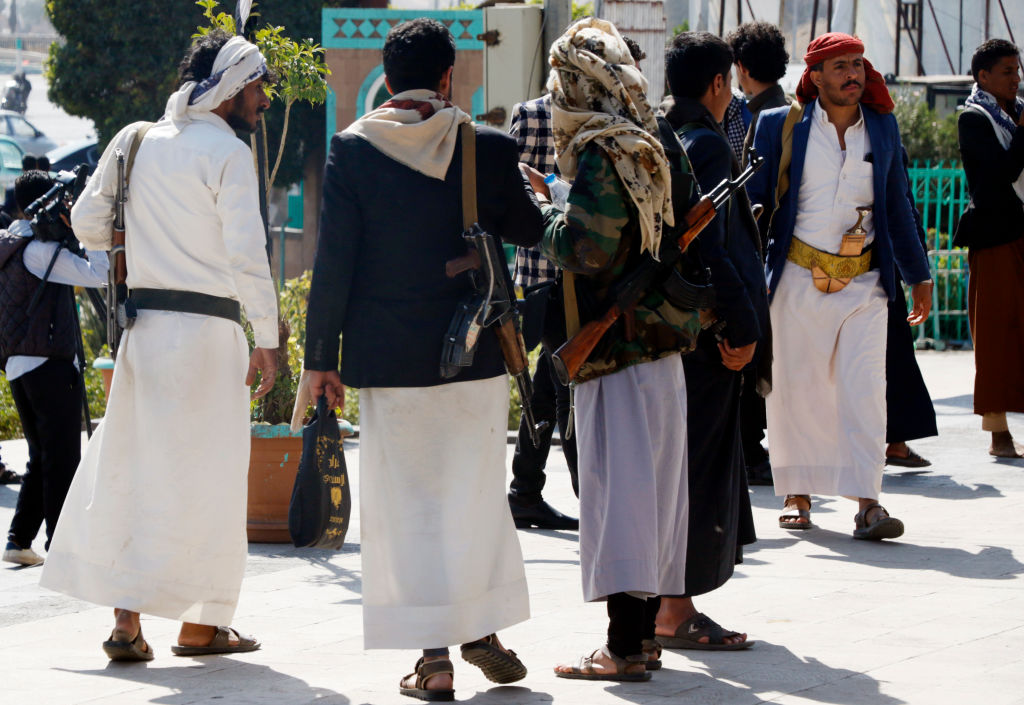
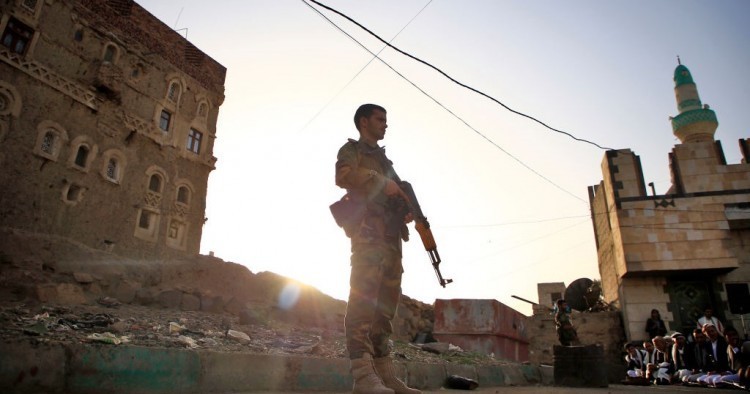
With debate on Yemen in recent weeks focused on the decision by the U.S. State Department to revoke the Houthis’ designation as an FTO, the Joint Declaration (JD) proposal by U.N. Special Envoy for Yemen Martin Griffiths has received relatively little attention. Since the global outbreak of COVID-19 a year ago, the U.N. special envoy has sought to use the urgency engendered by the pandemic to broker a nationwide cease-fire alongside a set of confidence-building measures — branded as the JD — between the Houthi rebels and the Republic of Yemen Government. But the content of the proposal is not new, nor is it a recipe for effective de-escalation and sustainable conflict resolution.
Sahar Khamis, Sabina Henneberg, Karam Shaar, and Ibrahim Jalal join host Alistair Taylor to examine the legacy and impact of the Arab Spring in Tunisia, Egypt, Yemen, and Syria ten years after the uprisings began.
Chinese Health Diplomacy and the Maghreb in the COVID-19 Era
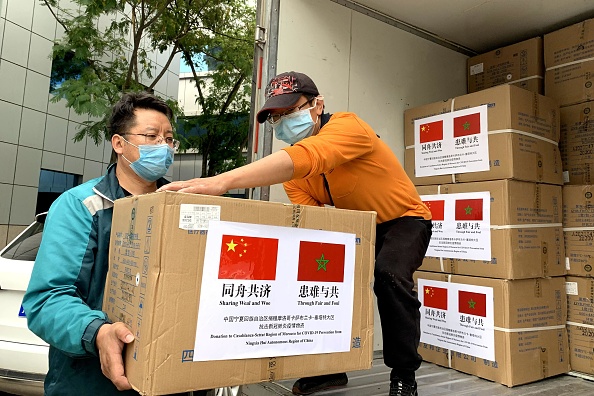
Beijing’s economic presence across the Maghreb has grown in recent years. The new global power has forged a close partnership with Algeria and Morocco, while also continuing to develop relationships with other countries in the region. The COVID-19 pandemic has illuminated the depth of Sino-Maghreb relations.
Two years after the start of Algeria’s popular uprising, the regime is far from stable
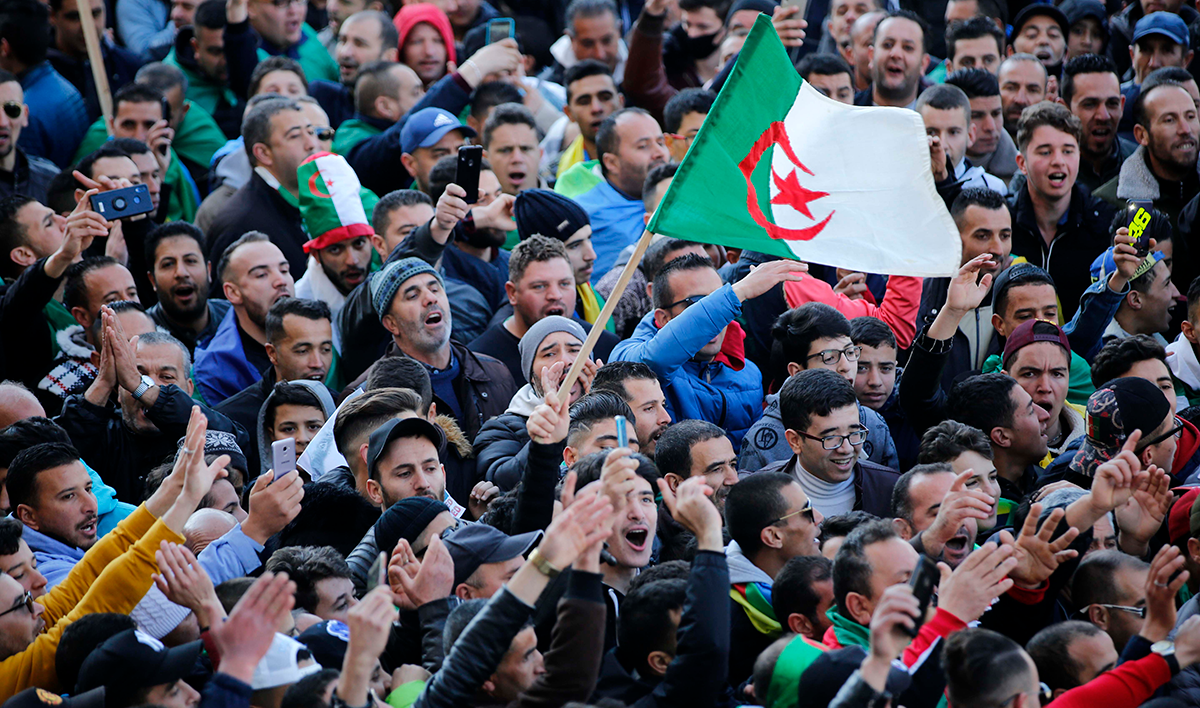
Abdelmadjid Tebboune’s rise to the presidency was supposed to bring a degree of predictability to Algeria’s military rulers. But since he was pronounced the winner of the presidential election in December 2019, the regime has entered a new phase of uncertainty. The COVID-19 pandemic, continued dissent, political volatility, and deepening economic malaise have affected the ruling oligarchy’s calculations. Two years after the start of Algeria’s popular uprising, known as the Hirak movement, the country is stuck in the same impasse it has faced since 2019.
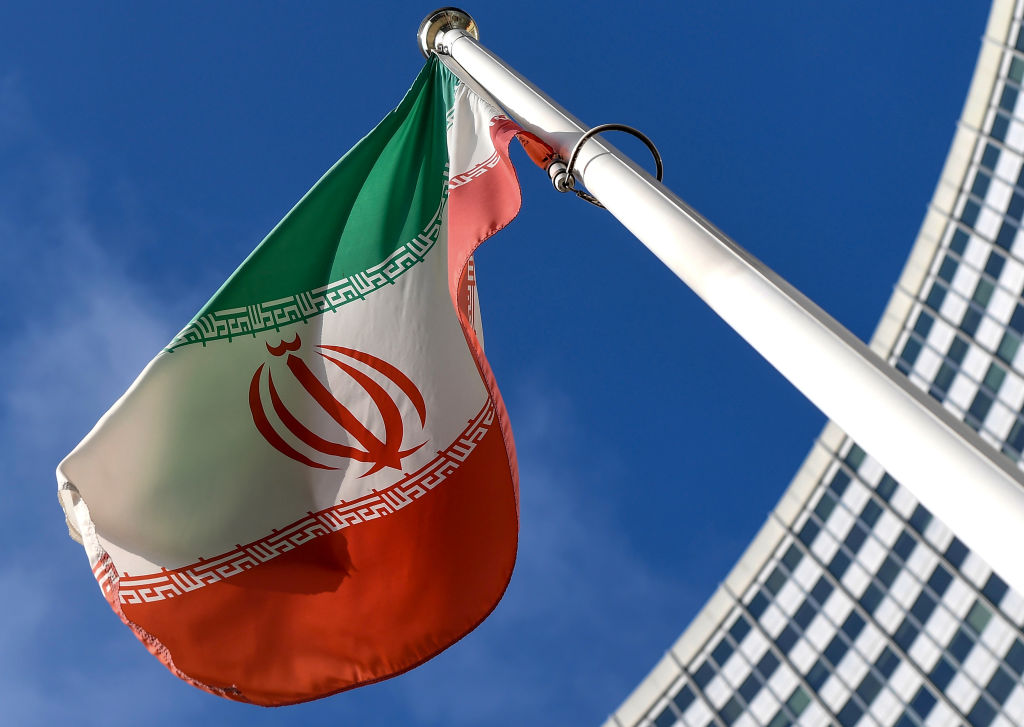
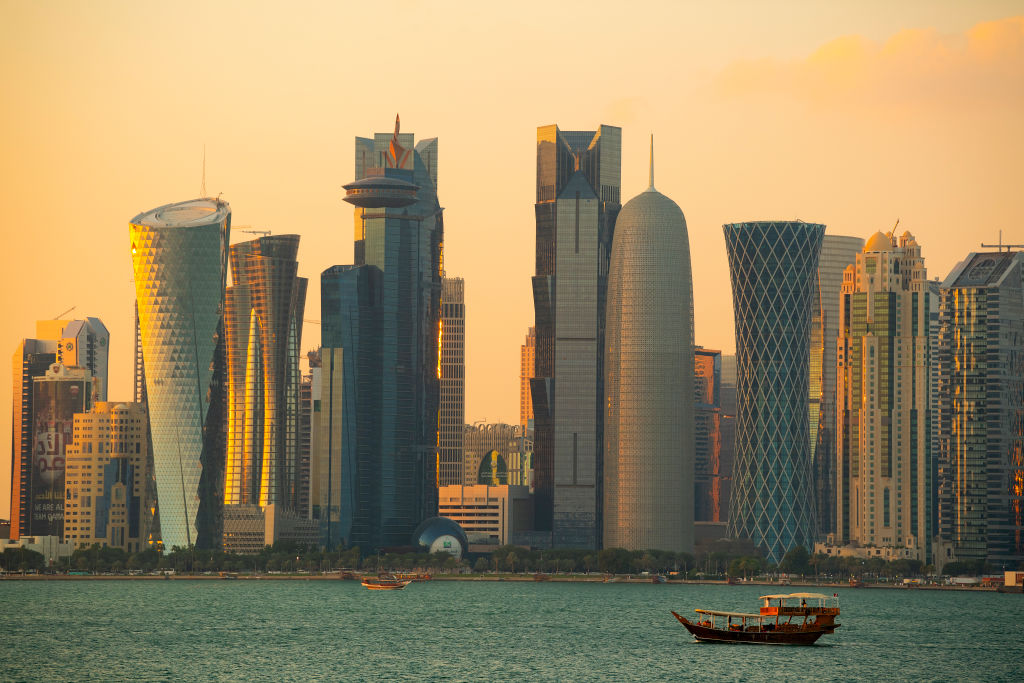
The tiny Persian Gulf country of Qatar has chosen a herculean task for itself: to mediate between the United States and Iran. As Qatar’s Foreign Minister Sheikh Mohammed bin Abdulrahman al-Thani put it on Feb. 10, Doha “is working on de-escalation through a political and diplomatic process.” To this end, al-Thani recently spoke to U.S. National Security Adviser Jake Sullivan and U.S. Special Representative for Iran Robert Malley.
Geo-technology trends to watch in MENA in the 2020s
Ongoing conflicts in Syria, Libya, and Yemen are expected to continue to destabilize the Middle East and North Africa (MENA) in 2021. However, technology will likely add another layer of complexity to these conflicts and reshape the region throughout the 2020s. When the Arab Spring began a decade ago, the biggest challenge facing long-standing Arab autocrats was grappling with the power of social media and the rise of online political opposition by tech-savvy millennial activists. In the 2020s, however, regional governments are now facing a new set of emerging technologies that will shape not only domestic politics but also regional geopolitical dynamics. These advancing technologies include: drone, cyber, and space technologies.
Planning for the day 10 years after the fall of Gadhafi
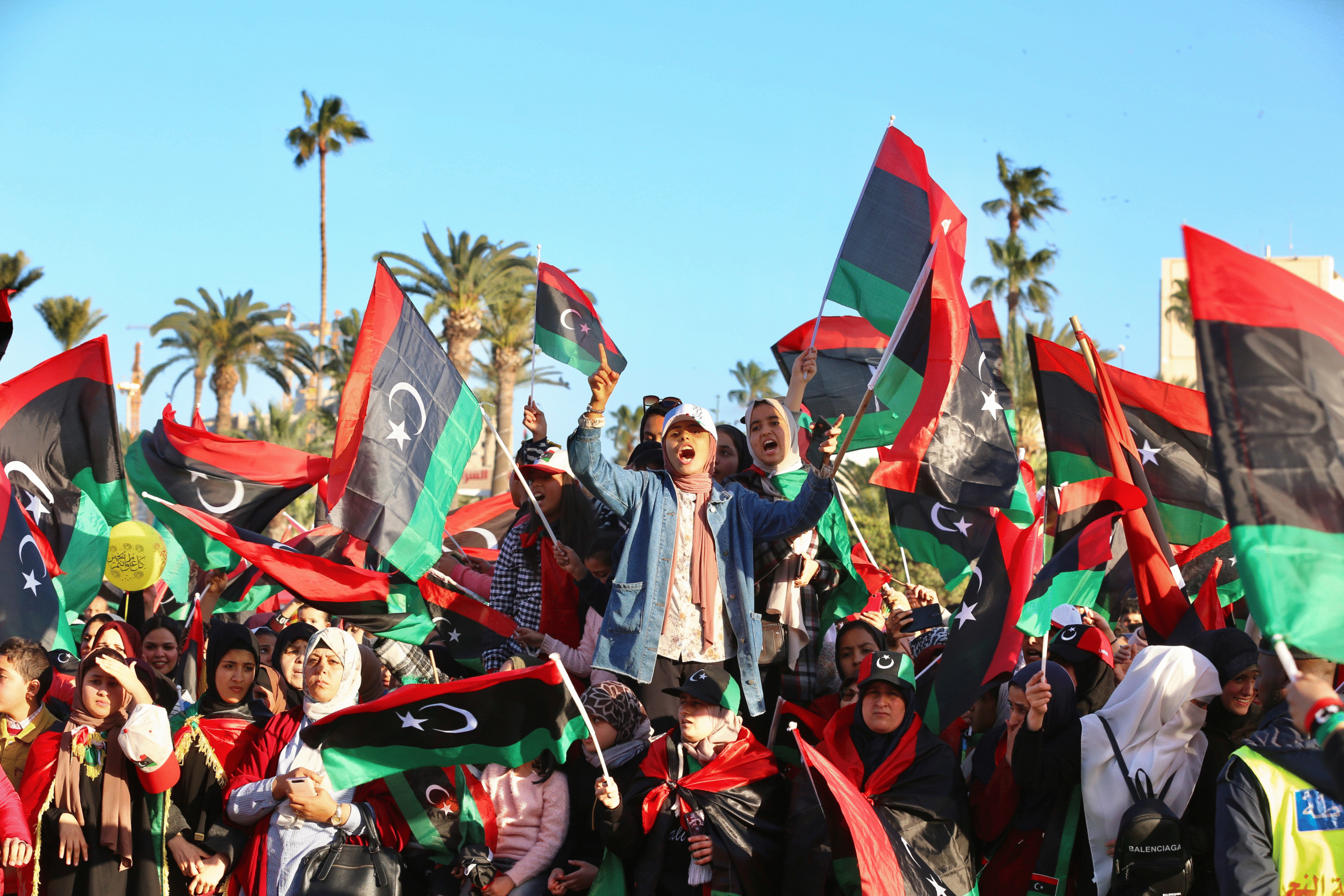
Five years ago, President Barack Obama characterized the failure “to plan for the day after” the U.S. intervention in Libya as his worst foreign policy mistake. Certainly, the aftermath of the decision to provide support for the Feb. 17, 2011 uprising, which ended 42 years of Moammar Gadhafi’s erratic and dictatorial rule, hasn’t been happy. Libya’s past decade has featured recurrent civil war, state collapse, terrorism, militias, and warlords, together with competing foreign interventions despite the continuing U.N. arms embargo.
Opinion: Yemen's Arab Spring goals were lost. Here's how to bring them back
The president’s decision to end support for Saudi Arabia’s offensive operations in Yemen was certainly broadly anticipated. Nevertheless, it offers new hope for an end to more than six years of brutal conflict that has largely pitted Saudi-led coalition forces against Houthi rebels supported by Iran.
As Farmaajo digs in with Qatari backing, Somalia’s election crisis grows worse
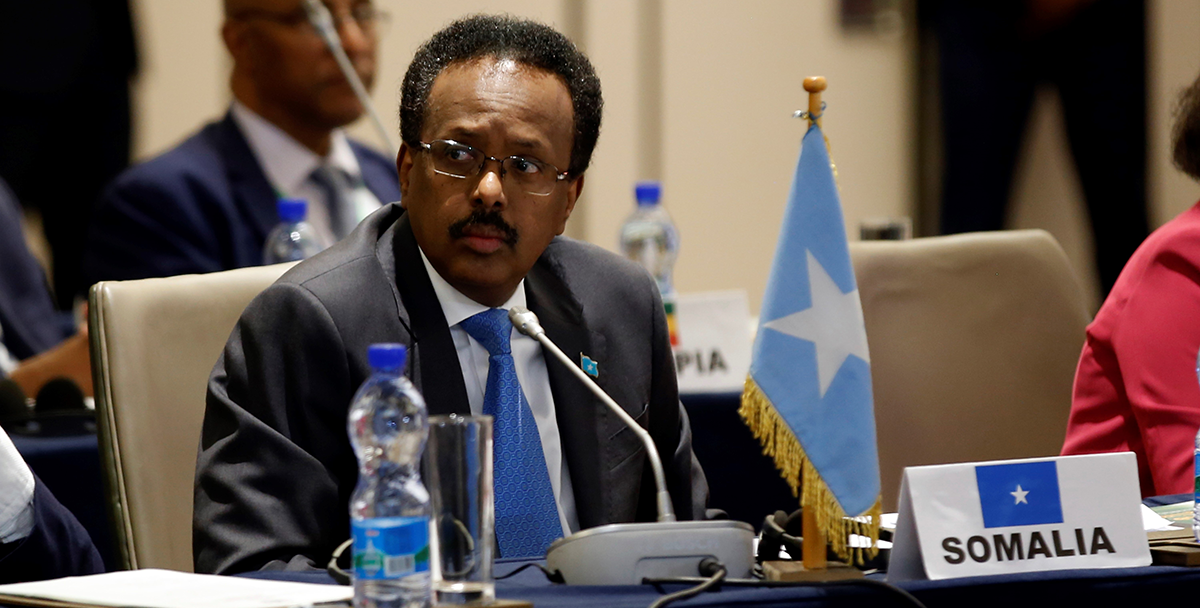
Mohamed Abdullahi Farmaajo’s presidential term ended on Feb. 7, 2021, but he remains in office, determined to hold onto power. Backed by Qatar, the incumbent president has become increasingly dictatorial, waging wars against the country’s independent media, political opposition, and the federal member states.
Why the “end the Yemen war” narrative is problematic
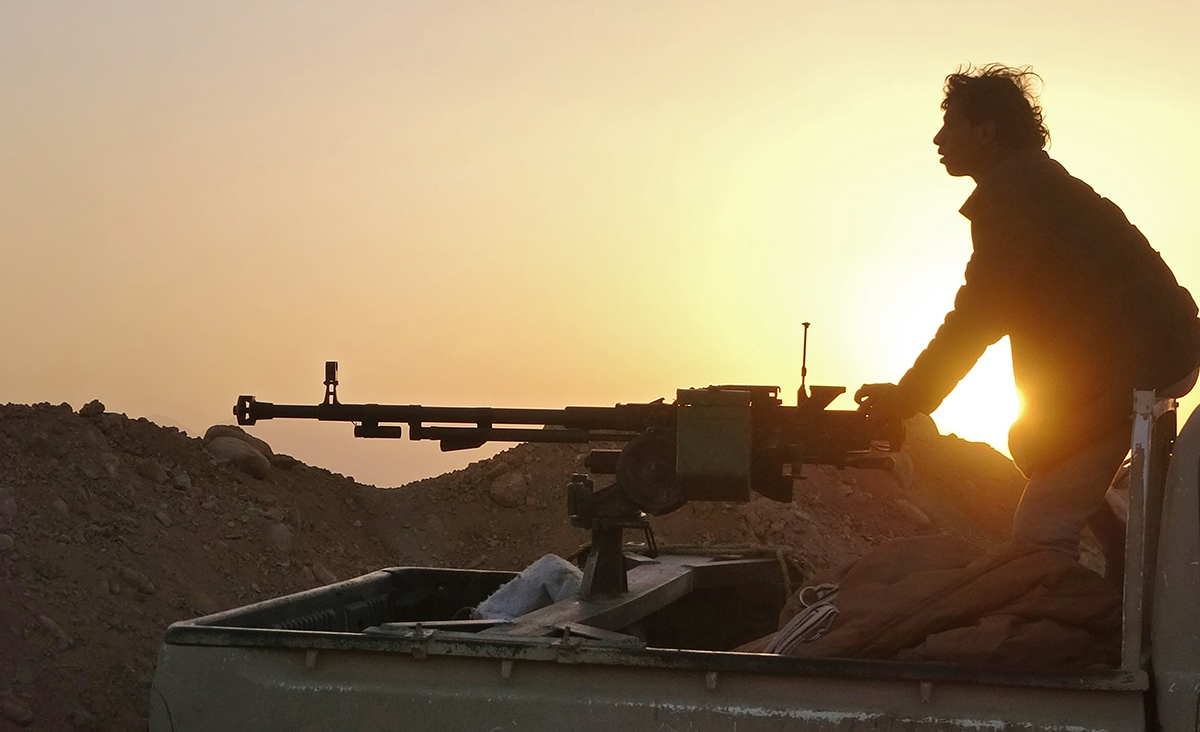
On Feb. 4, the Biden administration announced the appointment of Timothy Lenderking as the U.S. special envoy to Yemen. In a televised speech, President Joe Biden said that by appointing Lenderking, the U.S. is stepping up its diplomatic efforts to end the war in Yemen and by extension the humanitarian catastrophe the war has created. While Lenderking’s appointment is a much-needed step, the “end the Yemen war” discourse championed by Western policy analysts, diplomats, and peace advocates is highly problematic and disconnected from the reality on the ground.
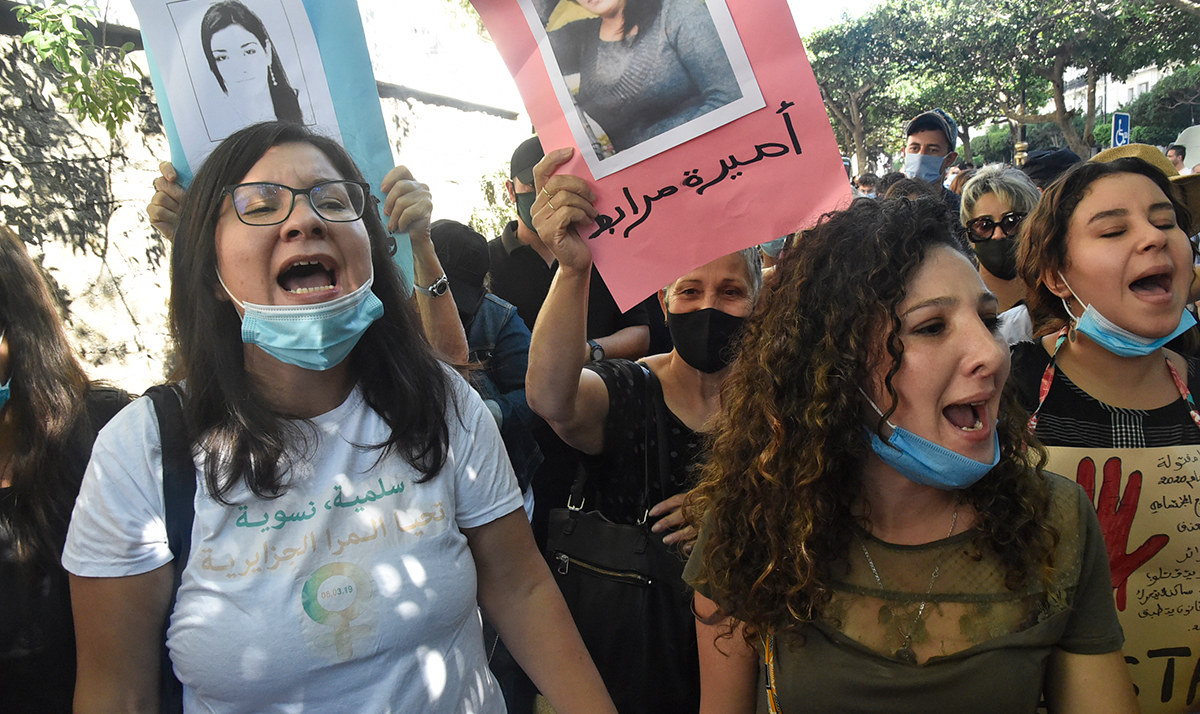
Femicide and other gender-based violence are turning into a real public-health crisis in Algeria. Recent killings have sparked outrage and many Algerians have expressed their anger on social media over this dangerous trend of violence against women, with the hashtag #WeLostOneOfUs trending on Twitter. In Algiers, Béjaïa, Constantine, and Oran, hundreds of women defied pandemic lockdown restrictions to protest and voice their anger over the increase in femicides in the country and the state’s inertia.
Finding common ground: Fostering environmental cooperation in the Persian Gulf
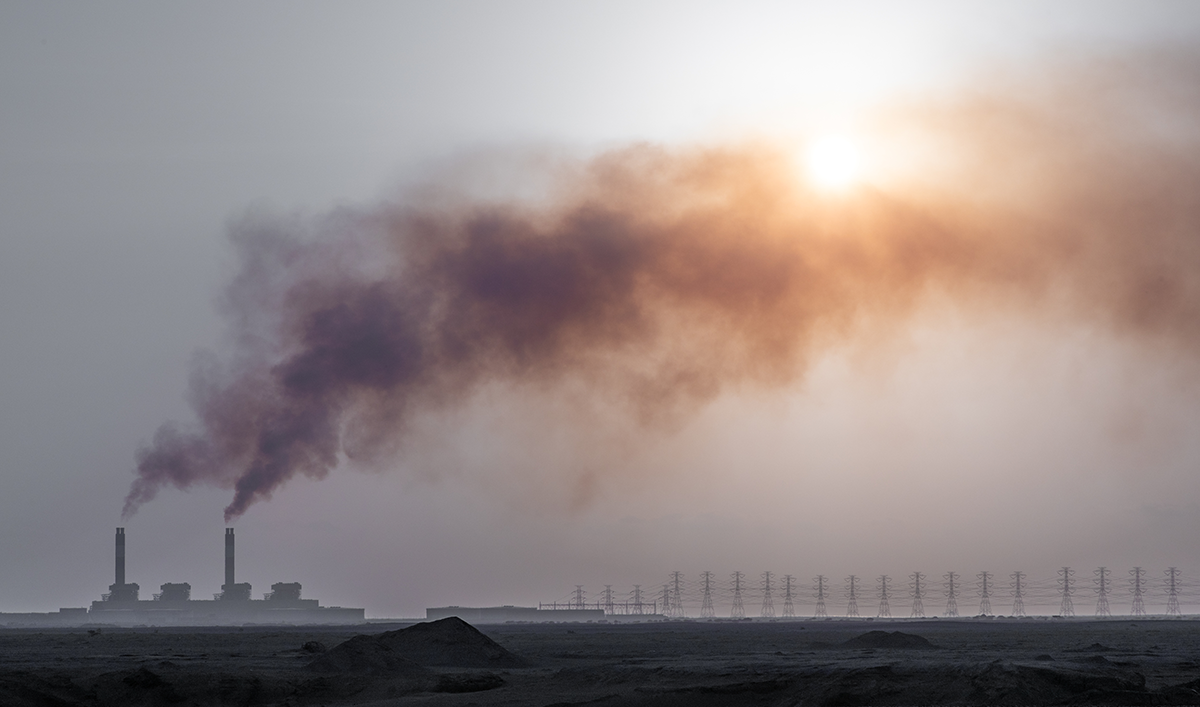
When it comes to the Persian Gulf, saving the environment might seem like it would be the last item on the to-do lists of the region’s Iranian and Arab rivals. It is an urgent matter, however — and one that could help turn these foes into friends. The United States can play an important role in this: It has helped the region to resolve conflicts over water in the past, and it could do so again.