Iran-Venezuela relations: Presidents, postures, and pressures
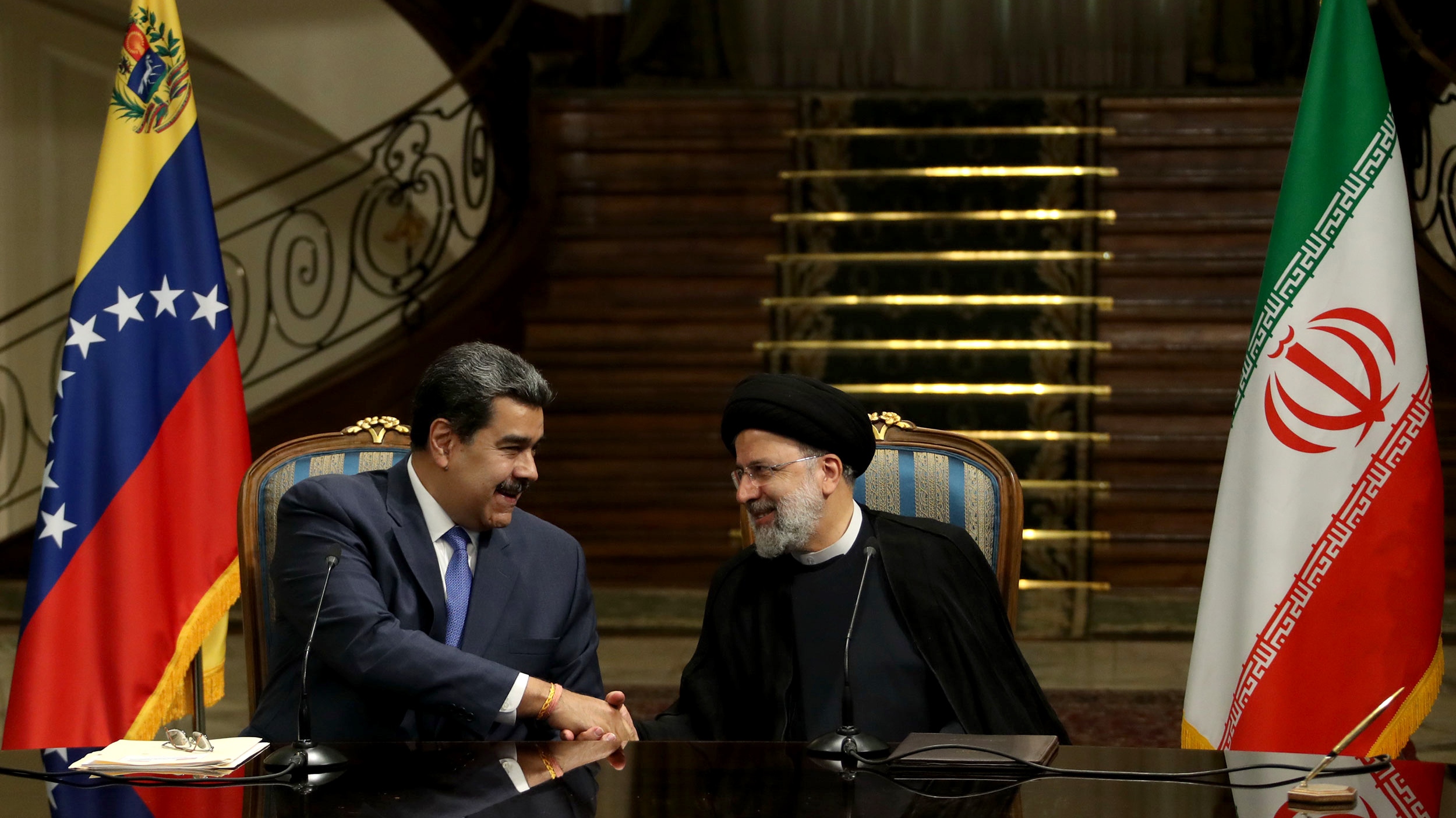
In June, Iran and Venezuela signed a 20-year road map on cooperation. As much as Iranian President Ebrahim Raisi has wanted to differentiate himself from his predecessor, his Venezuela policy has so far closely resembled that of Hassan Rouhani during the latter’s second term.
Europe's efforts to hold Iranian officials accountable for their crimes
There is currently an ongoing conversation in Europe around how to hold the Iranian government accountable for its crimes. While efforts to bring justice to the regime’s victims continue, the road ahead will be difficult and as the recent Swedish and Belgian cases make clear, sometimes it will be one step forward and one step back.
Despite official hype of a “strategic partnership,” Iranian public is skeptical of Russia
The Iranian government has invested heavily in trying to sway public attitudes to embrace closer relations with Russia; but a plurality of Iranians would like to see balanced ties with all nations and for Tehran to pursue a mature, pragmatic overseas agenda.
In July 1987, Iran lost the opportunity to end the Iran-Iraq war as part of a U.N. deal by imposing two preconditions, one of which was impossible to meet. In 2022, Iran is likely to lose another opportunity, this time to return to the 2015 nuclear deal, once again by imposing two preconditions, one of which is also impossible to meet.
Why the Russian ambassador is such a controversial figure in Tehran
Despite Russia and Iran’s apparently tightening relationship, Russian Ambassador Levan Dzhagaryan has come under withering criticism in Tehran, becoming a reminder of the interventionist and imperialist policies that Russia had practiced toward its southern neighbor over the past two and a half centuries.
When he declared his presidential candidacy in May 2021, Ebrahim Raisi was already recognized as a favorite of Iran’s supreme leader, Ayatollah Ali Khamenei. A month later, Raisi was handed the job on a silver platter of an election that was carefully engineered by Khamenei. Voter turnout hit a historical low, making clear that Iranian voters saw the sham for what it was. From the get-go, then, Raisi’s primary concern was not Iranian public opinion but Khamenei’s continued patronage.
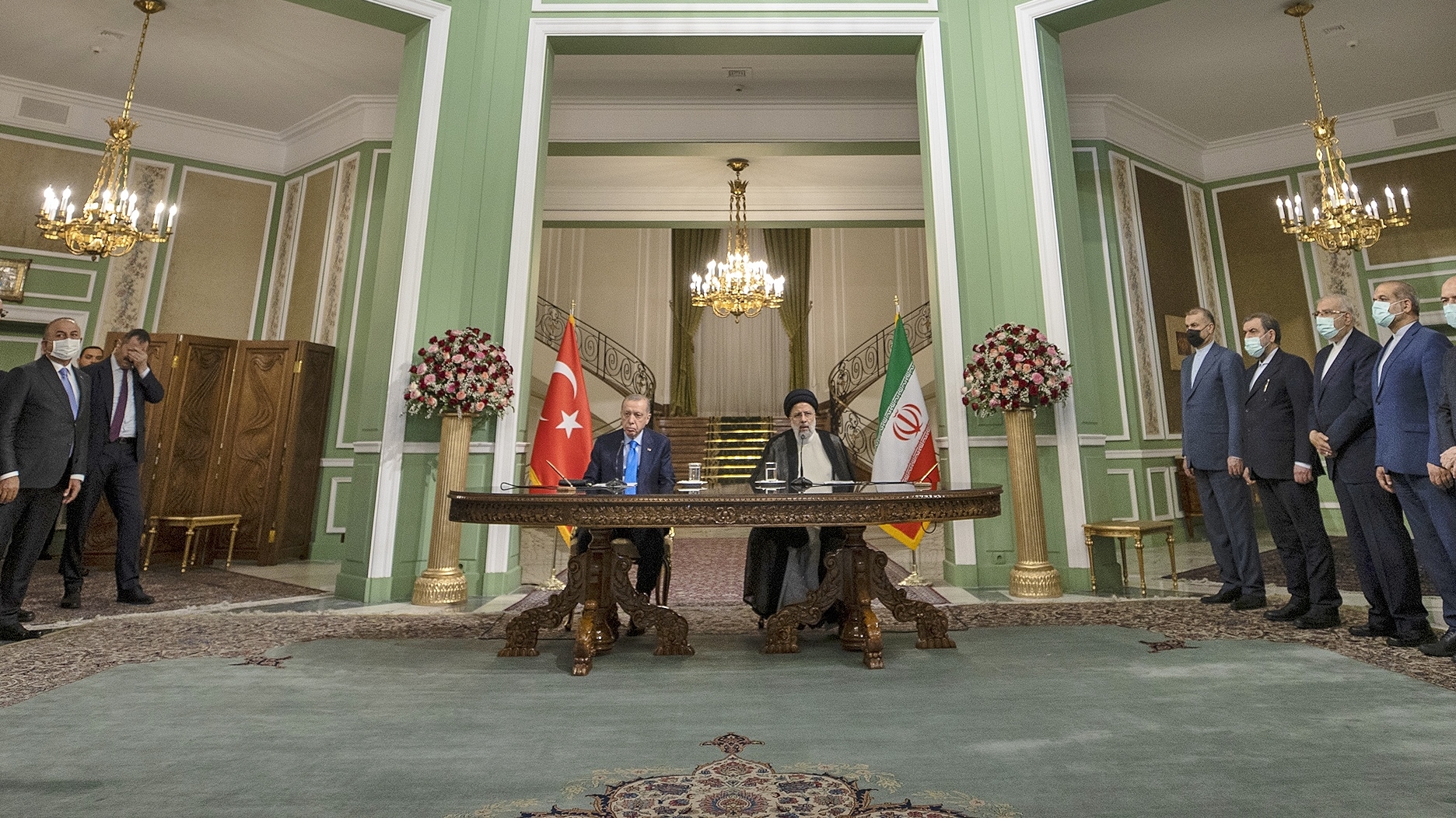
Erdoğan in Tehran, but Turkey and Iran have plenty of mistrust to overcome
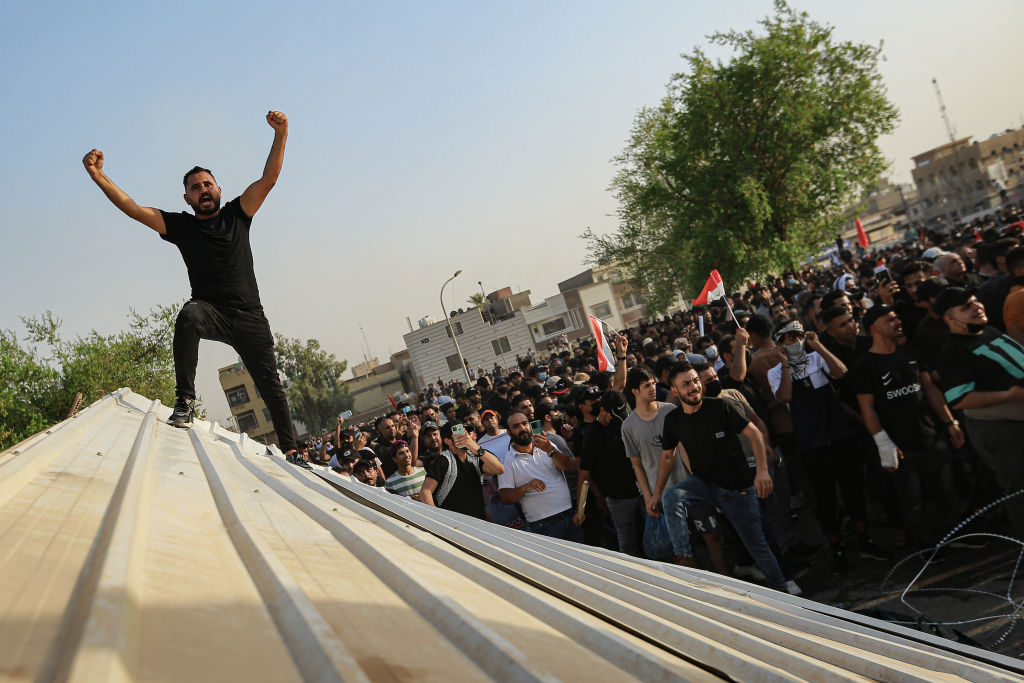
Iranian-Turkish trade and economic cooperation has been the all-important platform on which otherwise often tense bilateral relations could survive. With trade and economic ties now weakening, their geopolitical rivalry could sharply re-intensify.
Refugees First: A New Approach to Middle East Peace
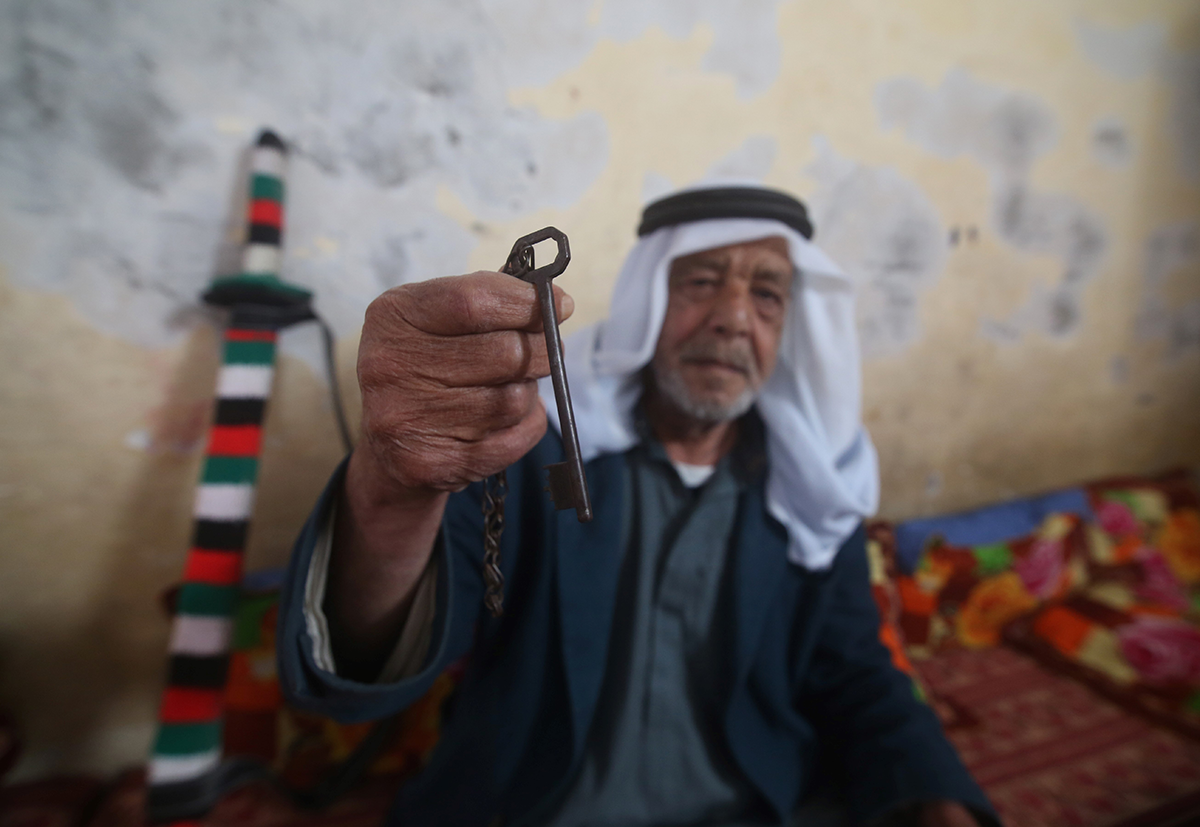
According to UNRWA, there are approximately 6.3 million registered Palestinian refugees across the Arab world. The majority of these are the descendants of the 750,000 Palestinians who were displaced between 1947 and 1949 over the course of Israel’s creation, an event known among Palestinians as the Nakba or “catastrophe.” This paper aims to evaluate past proposals on the refugee question and promote a new refugee-first framework that could produce tangible solutions for Palestinian refugees and for the conflict at large.
Putin’s visit to the Islamic Republic: Bringing Iran closer to Russia while building long-term leverage over Tehran
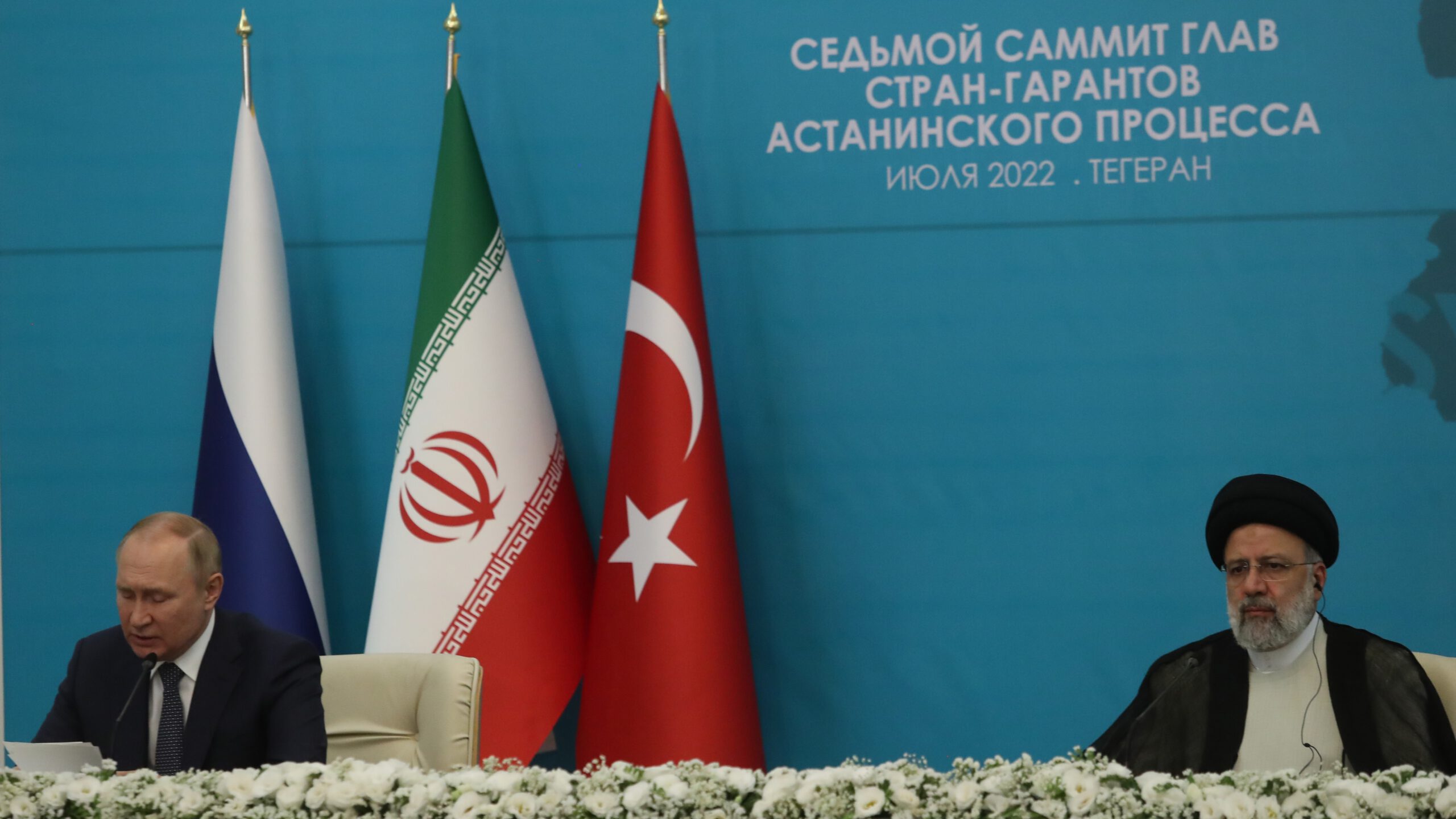
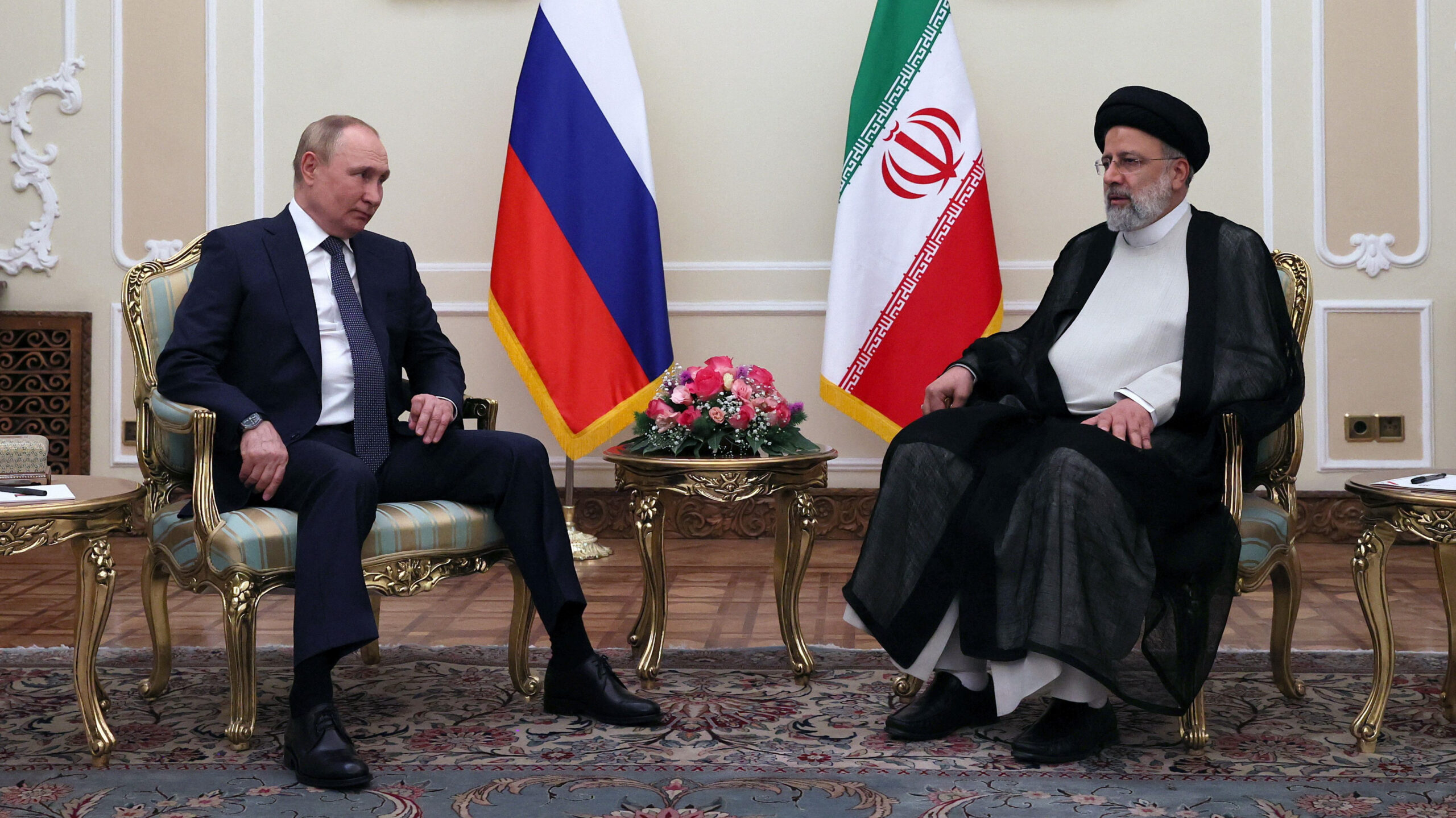
Russian President Vladimir Putin’s July 19 visit to Tehran will have important repercussions for the region’s evolving security environment as well as the trajectory of Iranian-Russian relations more specifically. Although officially billed as seeking to revive the “Astana peace process” on Syria, the significance of the trip has less to do with the trilateral meeting between Iran, Russia, and Turkey and more with the deepening of ties between Moscow and Tehran.
Israel’s new Iran strategy complicates regional security
The decades-long confrontation between Israel and Iran is now arguably becoming more dangerous. Amid a lack of consensus among Israeli leaders on how to address this perceived existential threat, calls for applying greater pressure are gaining momentum. The two countries have been engaged in a shadow war for years that includes assassinations, sabotage, kidnappings, and cyber operations, but a new phase of tensions may only bring them closer to a full-scale conflict.
The India-Middle East Food Corridor: How the UAE, Israel, and India are forging a new inter-regional supply chain
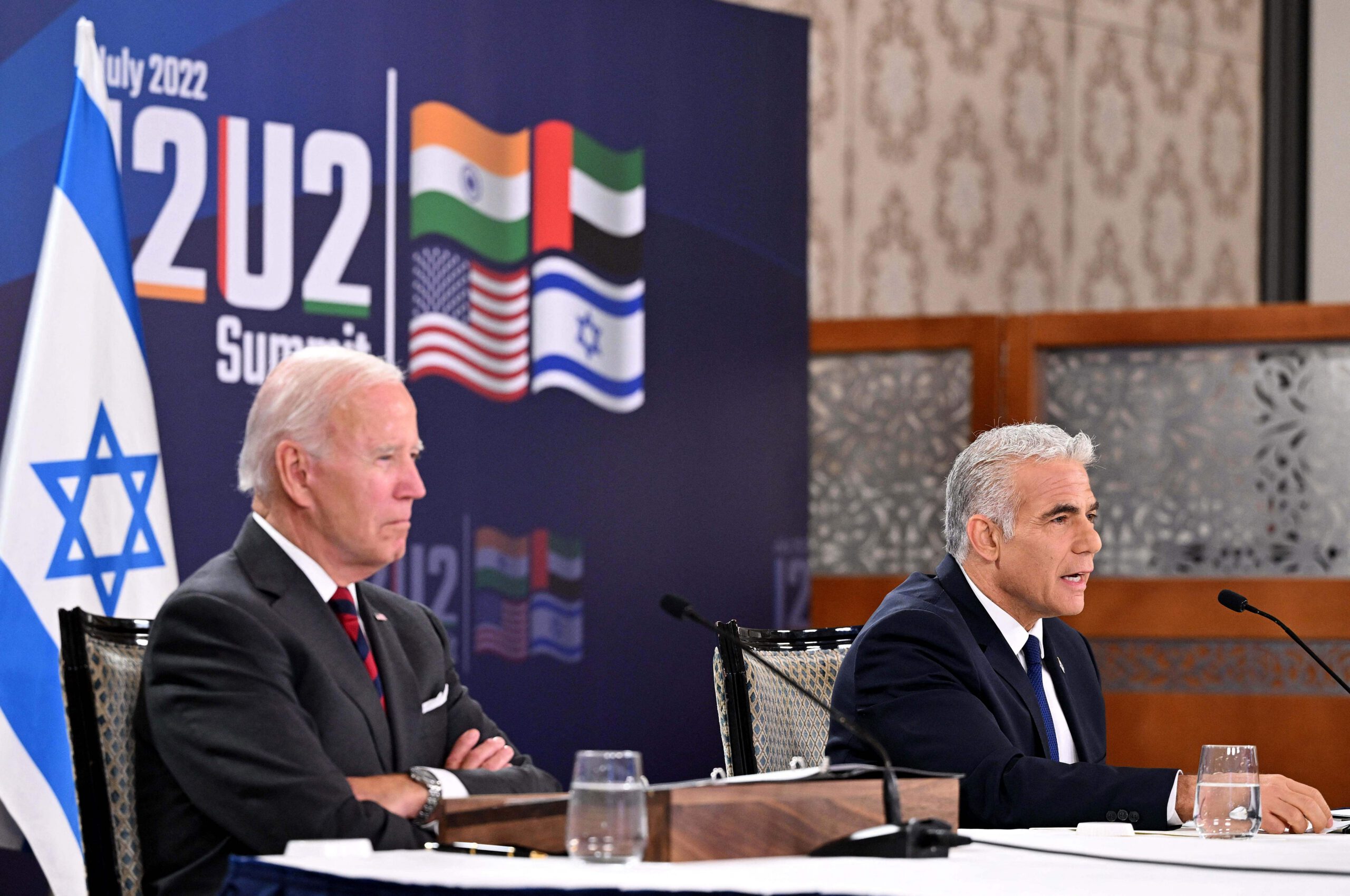
The India-Middle East Food Corridor developed organically among the three Asian countries themselves, through private sector, joint venture investments carefully cultivated via bilateral public-private partnerships. The United States’ participation in the corridor could prove beneficial as the U.S. seeks to bolster its presence in the strategic architecture of the Indo-Pacific.