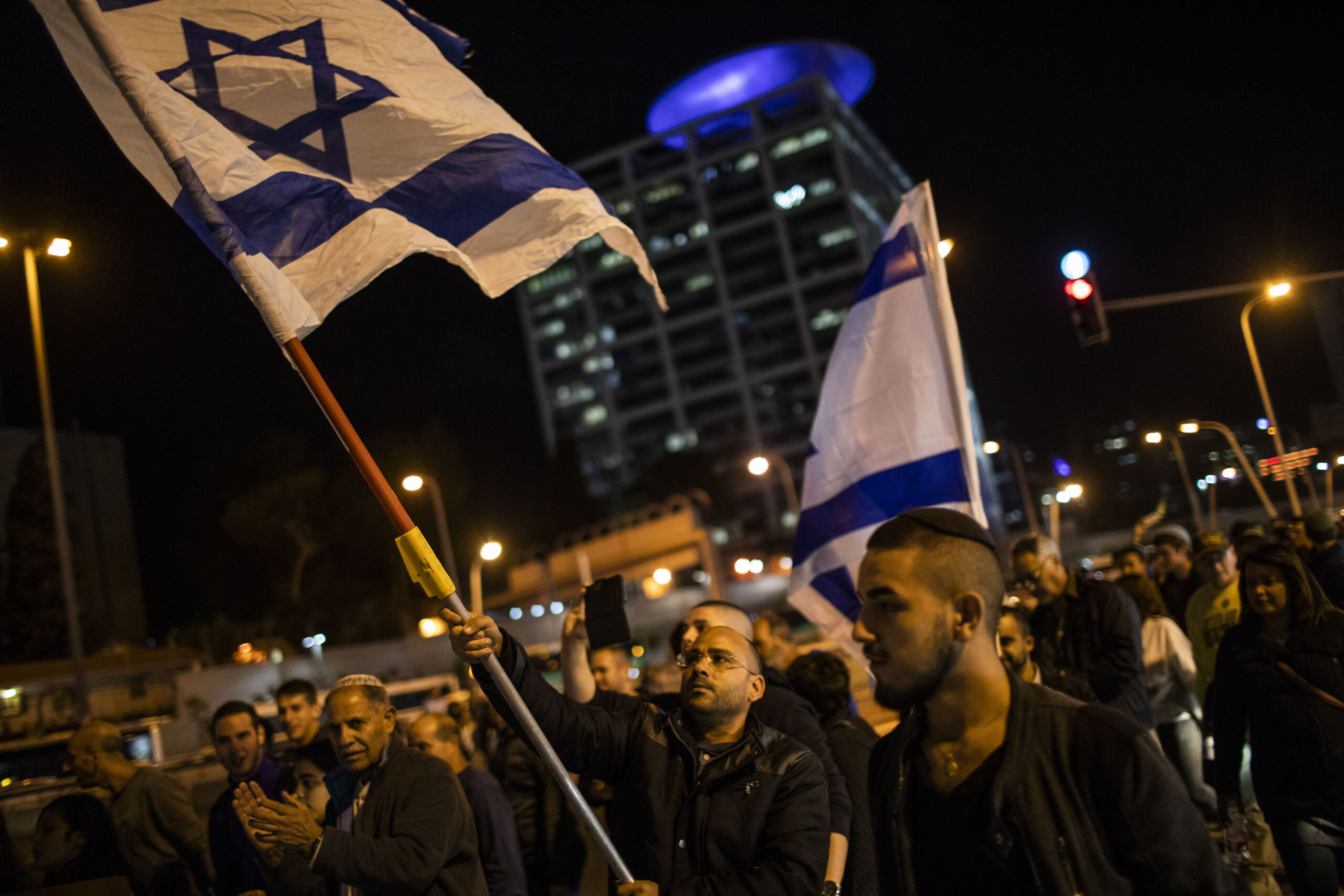
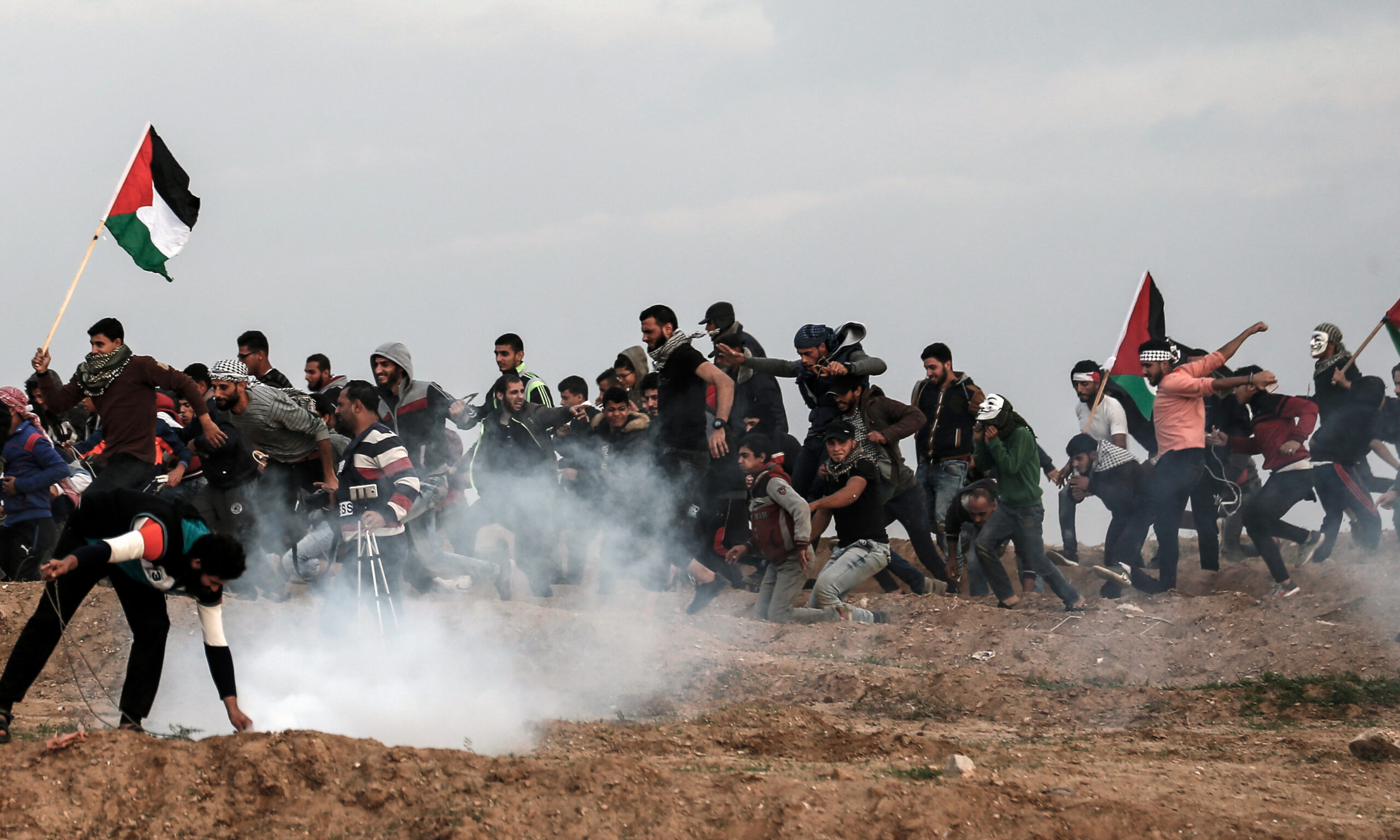
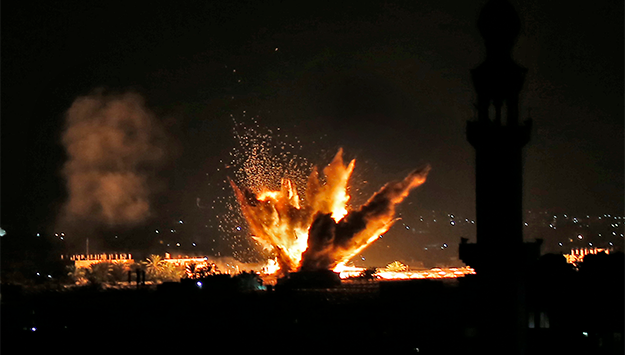
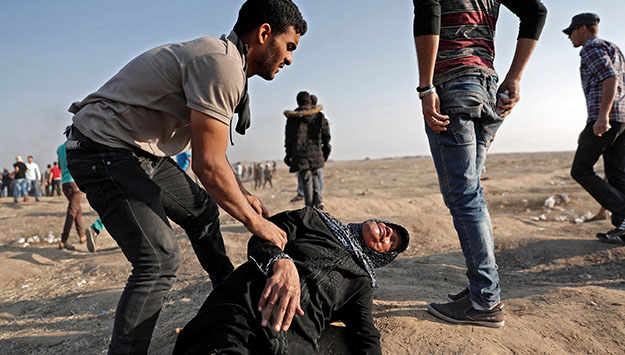
The Egyptian/Qatari initiative has afforded breathing room for Gaza, while Hamas and Prime Minister Netanyahu have demonstrated a determination to avoid war, for now.
Negotiations shepherded by Egypt appear to be making progress in establishing a new, more stable chapter in the ongoing conflict, but instability remains at the heart of the Gaza standoff.
In this week’s Monday Briefing, MEI experts discuss recent and upcoming events including the Gaza flare-up and its threat to Egyptian-led negotiations, Russian-hosted Afghan peace talks, the ground offensive in Hodeidah, and rapid escalation in northwestern Syria.
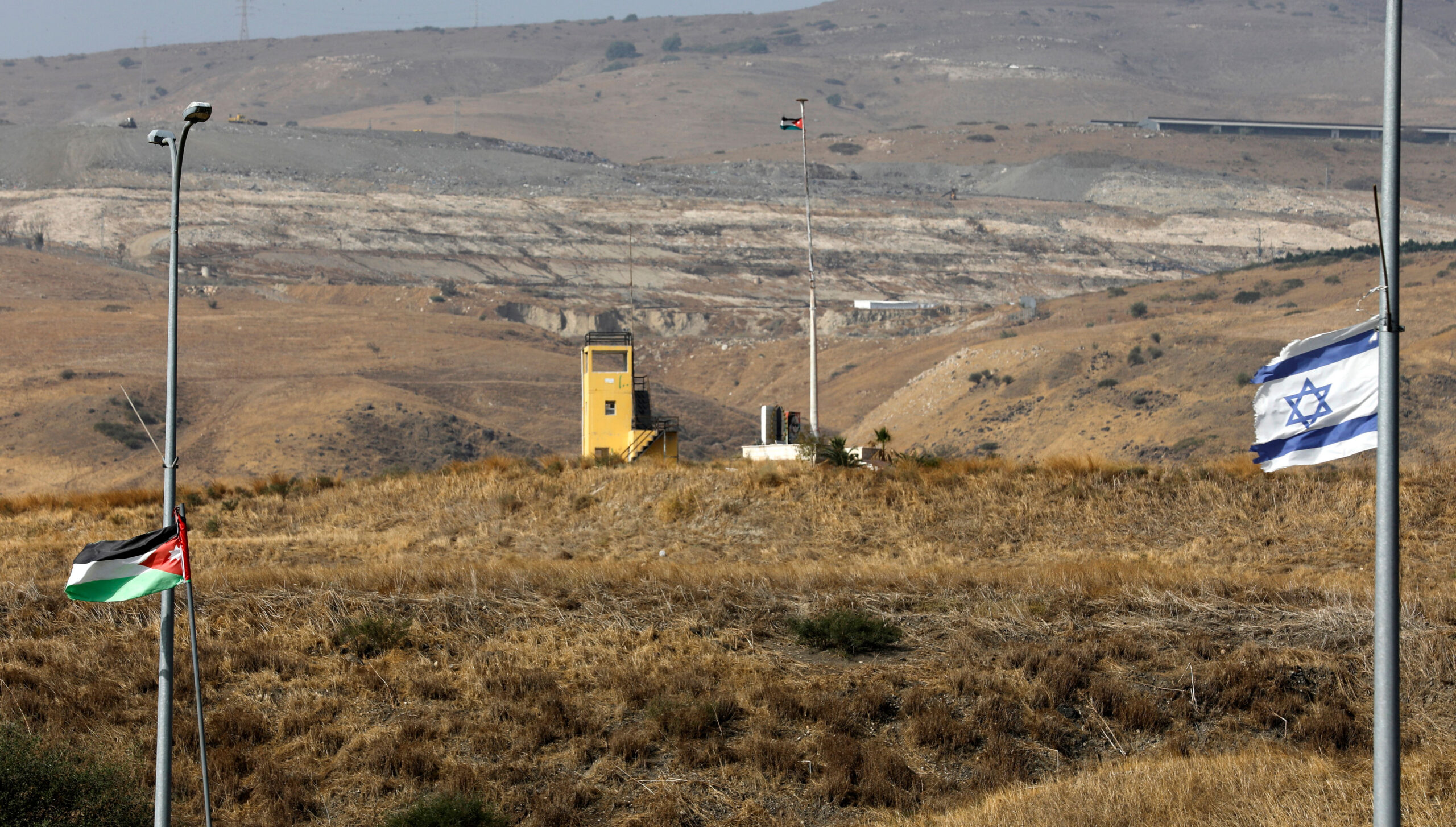
Challenging the cold peace: Jordan’s cancellation of the land lease
King Abdullah’s decision to cancel a 25 year land lease to Israel is likely to exacerbate long-simmering tensions between the two nations and challenge the cold peace that has been in place since 1994.
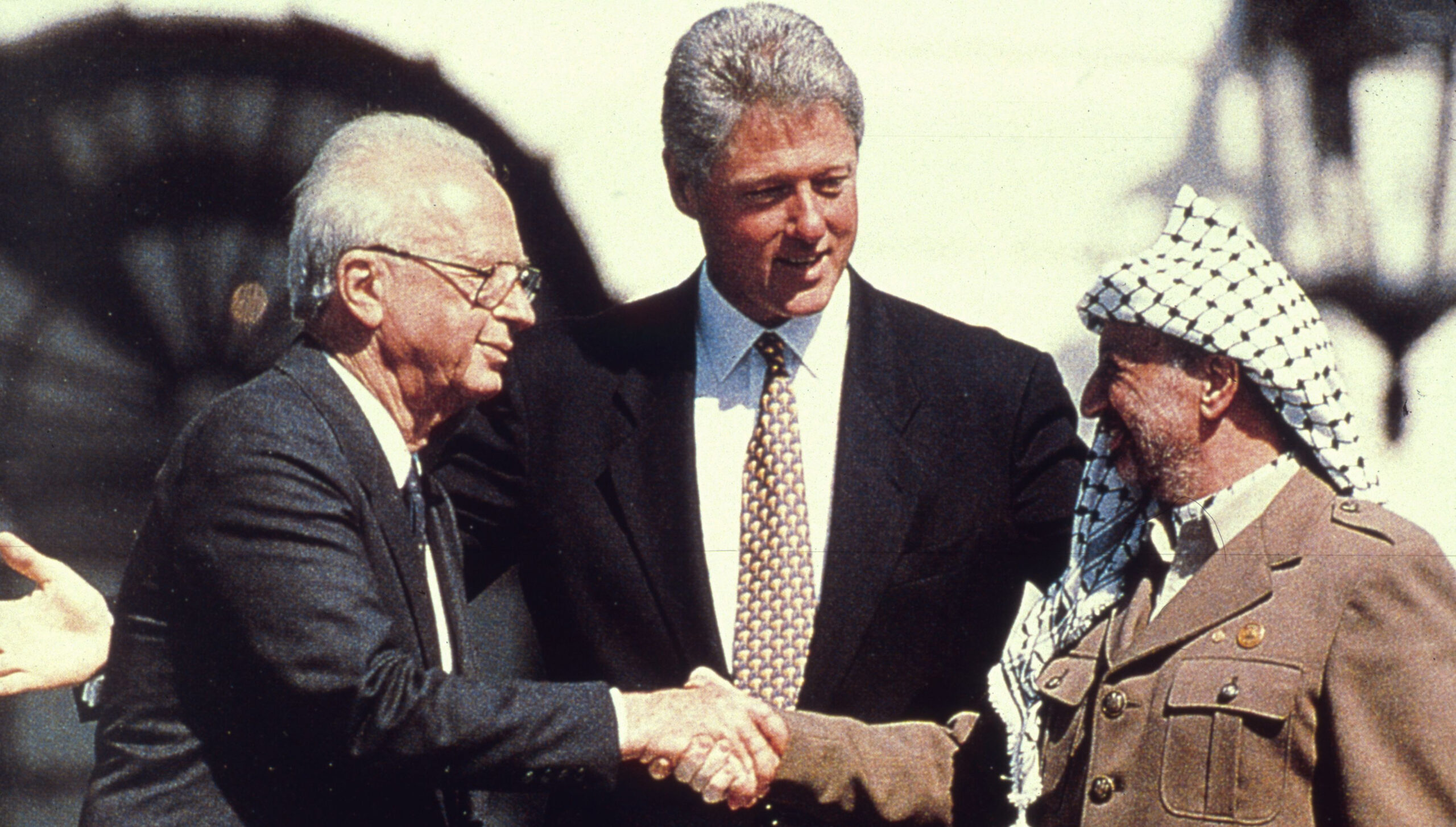
On Sep. 13, 1993, President Bill Clinton presided over one of the most dramatic handshakes in modern history. On the White House lawn, the handshake between Israeli Prime Minister Yitzhak Rabin and the Palestinian Liberation Organization Chairman Yasser Arafat was hailed as a political breakthrough that would constitute the dawn of a new era for the Middle East. Now, 25 years after the announcement of the Declaration of Principles––also known as the Oslo Accords––the prospect of peace appears more elusive than ever.
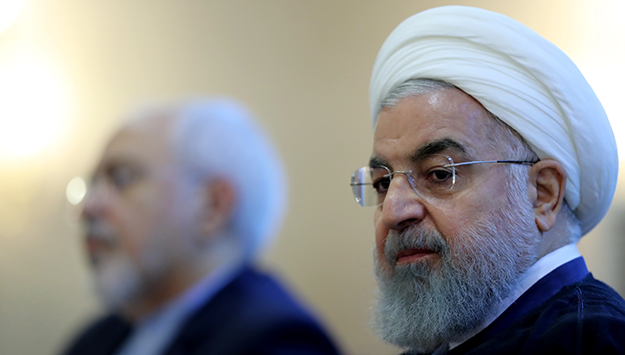
Will US sanctions bring Iran back to the negotiating table?
In this week’s Monday Briefing, MEI experts Ahmad Majidyar, Gerald Feierstein, and Charles Lister provide analysis on the first batch of U.S. sanctions on Iran, leaked emails that may undermine the Trump administration’s Mideast peace plan, and the assassination of a Syrian military scientist.
Will US sanctions bring Iran back to the negotiating table?
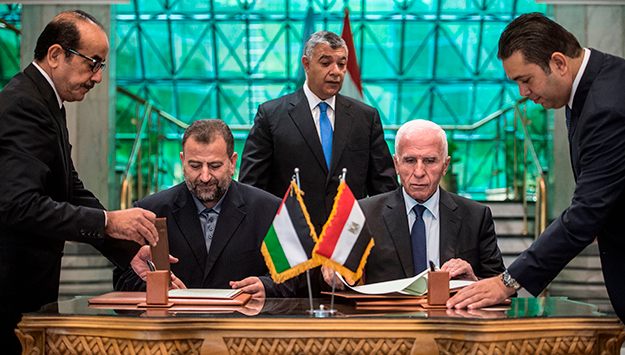
In this week’s Monday Briefing, MEI experts provide analysis on Fatah-Hamas reconciliation talks in Cairo, possible cooperation between the Syrian Democratic Council and the Assad regime, the protests in Iraq, the U.S.’s lifting of restrictions on aid to Egypt, and Imran Khan’s victory in the Pakistani elections.
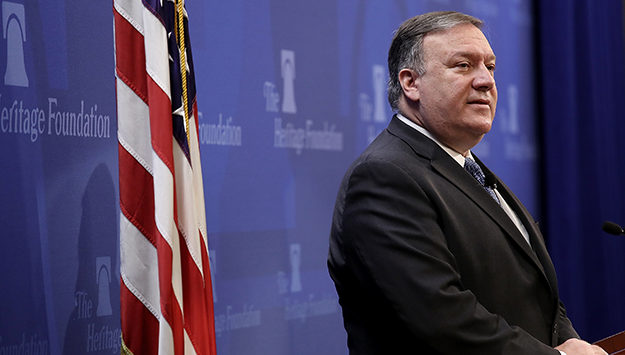
In this week’s Monday Briefing, MEI experts provide analysis on Secretary Pompeo’s speech on Iran, Erdogan’s decision to lift Turkey’s state of emergency, the cease-fire in Gaza, Iran’s continued threat in Syria, Trump’s tweets on Iran, and Vice President Dostum’s return to Afghanistan.
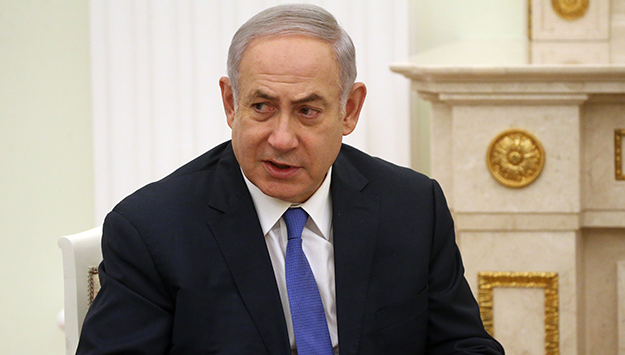
Netanyahu's ambition a test for US-Israel relations
After U.S. Vice President Mike Pence laid out the Trump administration’s agenda in a speech earlier this year before Israel’s parliament, the Knesset, one attendee asked, “was that the messiah or the vice president of the United States?”
This article aims to put a spotlight on the status of Judaism in China and the actors who promote its agendas. It discusses Chinese and Israeli attempts to promote Judaism within China. And it shows that Chinese authorities, owing to domestic and foreign policy considerations, appear committed to leaving the status of the Jewish religion within the country unchanged.
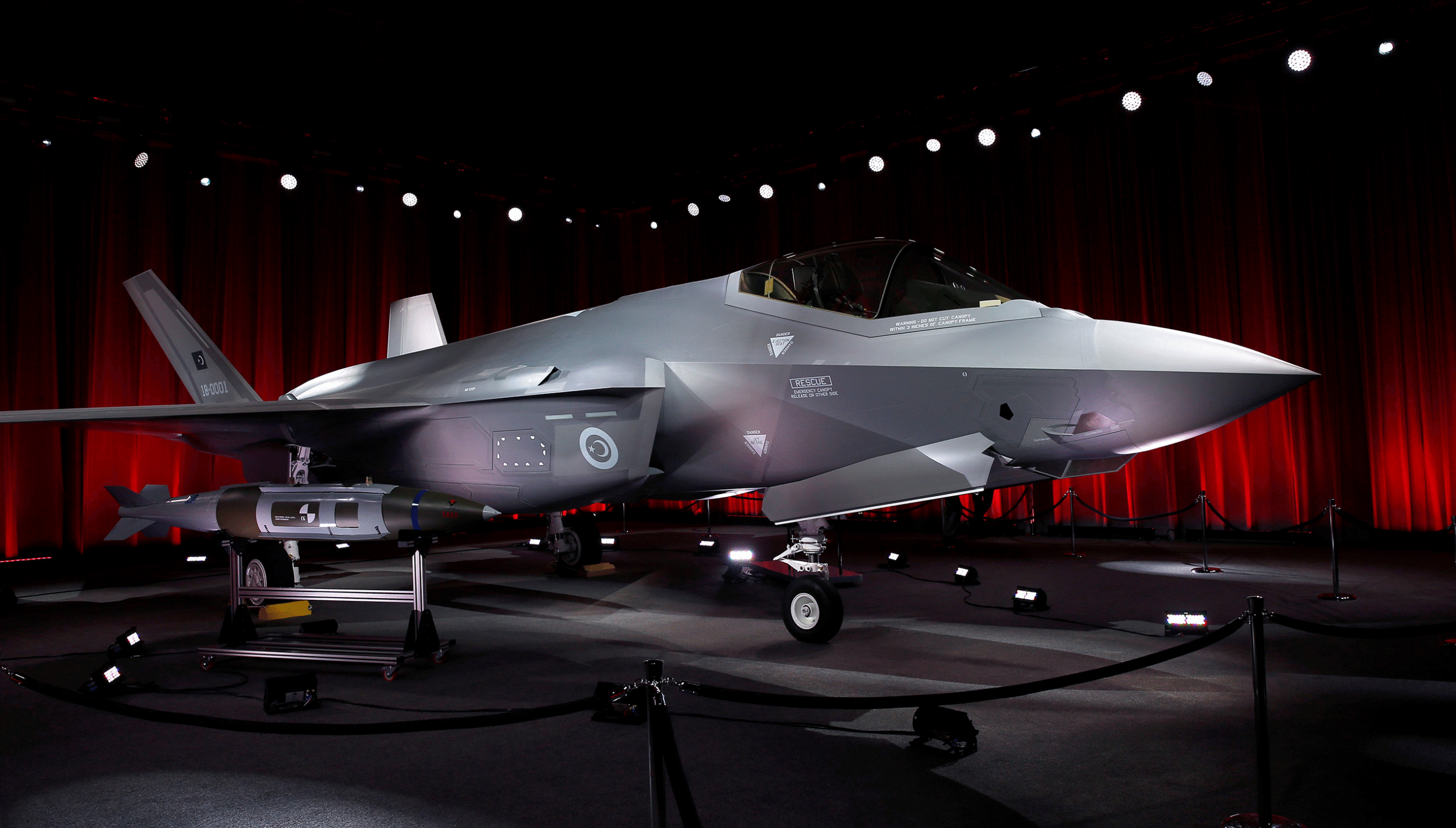
In this week’s Monday Briefing, MEI experts Bilal Y. Saab, Randa Slim, and Gerald Feierstein provide analysis on recent and upcoming events including Washington’s concerns about F-35 sales to Turkey, Iraq’s vote recount amidst mounting violence, and the king of Jordan’s visit to the White House to discuss Trump’s Israeli-Palestinian peace plan.
Resistance at 70: the future of the Palestinian national movement
Seventy years after the Nakba, the Palestinian dispossession and exile that accompanied the establishment of the State of Israel in 1948, Palestinians today remain stateless. Their prospects for securing collective or individual rights are bleaker than they have been for decades. Alongside the international and regional developments that are undermining their quest for self-determination, Palestinians are also on the cusp of a leadership change that could have far reaching implications for their collective future.
Hamas supports Gaza’s protest movement—and that’s a good thing
My first in-depth conversation on nonviolence with Hamas leader Khaled Meshaal came in the months before the Arab Spring uprisings, when the latter was still chairman of Hamas’s politburo.
Sitting in his Damascus office, Meshaal underscored that Hamas was open to any strategy that would advance Palestinian self-determination, including nonviolence—“if it would work.”