Monday Briefing: Syria Ceasefire, Iran's Elections, and ISIS in Libya
In this week’s Monday Briefing, MEI experts Robert S. Ford, Paul Salem, Alex Vatanka, and David Mack provide analysis on recent events including the ceasefire agreement in Syria, Iran’s elections, and how the United States should respond to the growing threat of ISIS in Libya.
Outside Views on the U.S. Strategy for Iraq and Syria and the Evolution of Islamic Extremism
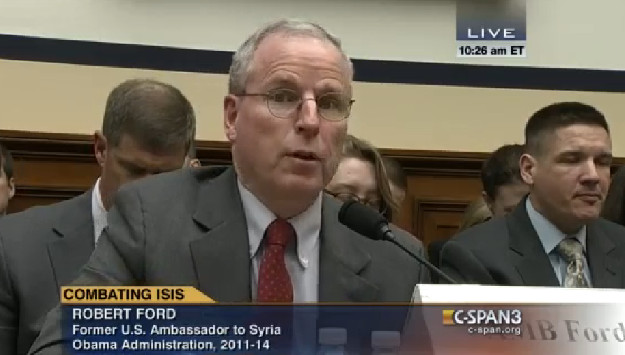
Amb. Robert Ford delivered the following prepared remarks at a hearing of the U.S. House Armed Services Committee on January 12, 2016. Click here to watch C-SPAN’s coverage of the hearing.
Mr. Chairman and members of the Committee,
It is an honor to be on this distinguished panel. Thank you for inviting me.
Libyan Unity Government Efforts Need International Support
The international community is getting ready to put major assets behind Libyan efforts to restore their country’s official unity under a Government of National Accord (GNA). During recent weeks, statements from the United Nations, major European governments and the United States suggest that planning and coordination are underway to shore up the unity government. Key Arab governments are also showing awareness that their own national security is under threat due to the prolonged stalemate in Libyan politics.
This article was first published in The Hoover Institution’s The Caravan.
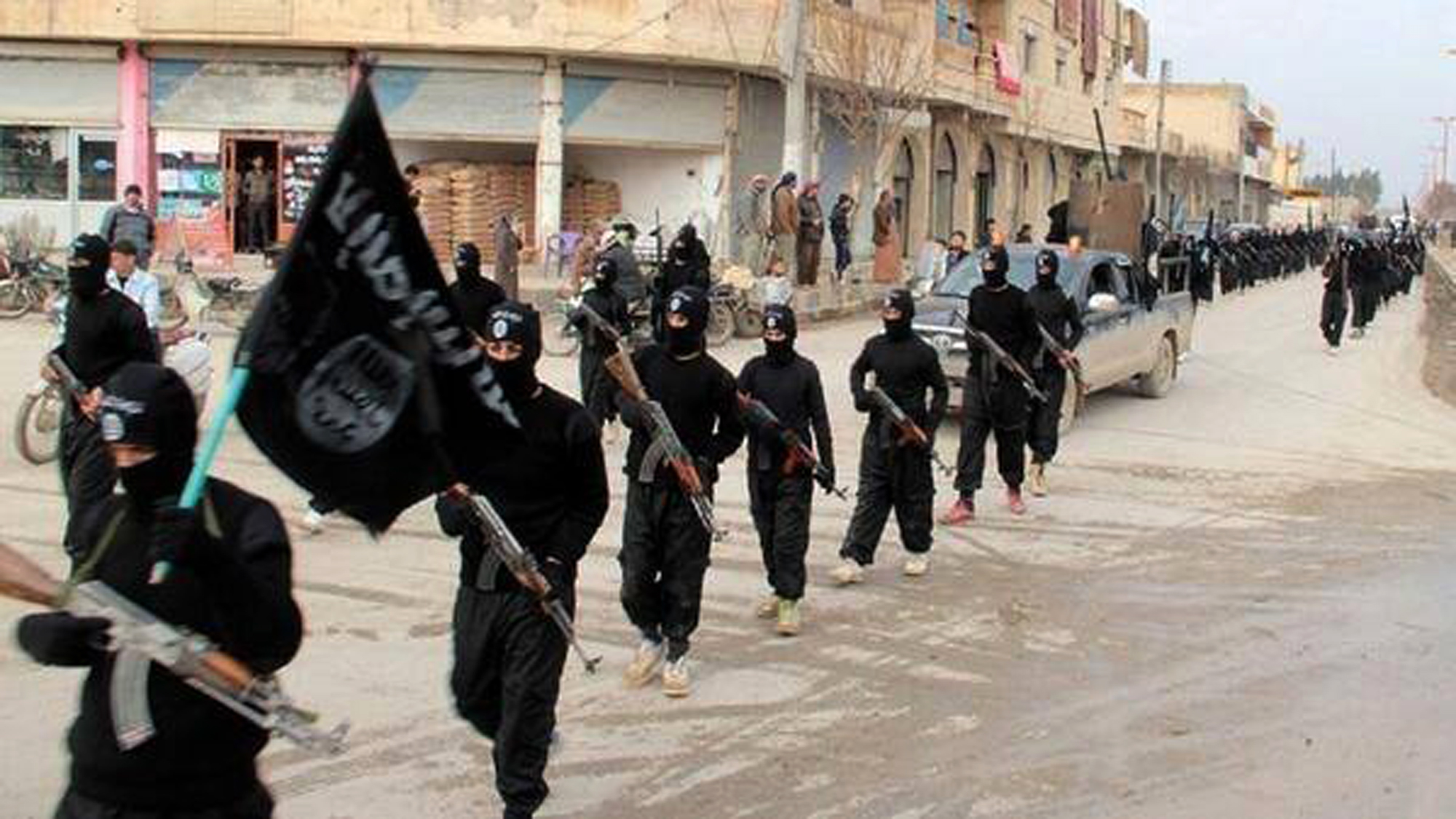
Daesh or ISIS does not represent an existential threat to any state except Syria and Iraq. It occupies and controls ungoverned space in the region between Iraq and Syria and in parts of northern Africa; and its self-proclaimed Caliphate has benefited from the seizure of some income producing assets in these areas. Daesh depends on the dynamism of success and expansion, both of which have been in short supply of late.
October 2015 marks the fourteenth month of formal U.S. military engagement in the struggle against the Islamic State (ISIS). The Obama administration was at first reluctant to engage U.S. military power in this struggle but then became more deliberate in its approach. U.S. involvement in the battlegrounds of Iraq and Syria has been evolving especially over the past year. This evolution has been defined and is in many ways limited by a strategy that emphasizes political change in Iraq and a broad coalition of states taking action against ISIS.
Read the full article in the September 2015 issue of The Ripon Forum.
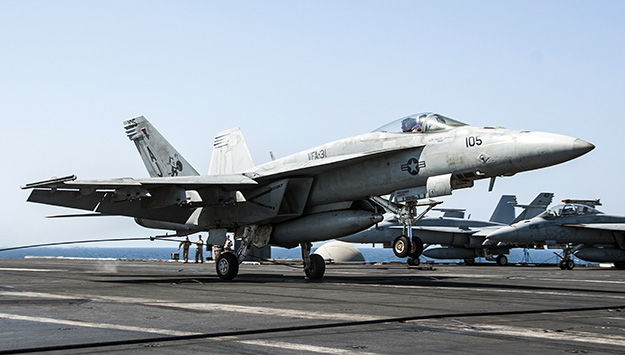
It will be one year this September since the U.S. president declared the formation of an international coalition to ‘degrade and destroy’ ISIS. After 6,000 air strikes, 9,000 targets struck, 10,000 fighters killed, and various battles undertaken in Iraq and Syria, the war is at a strategic stalemate.
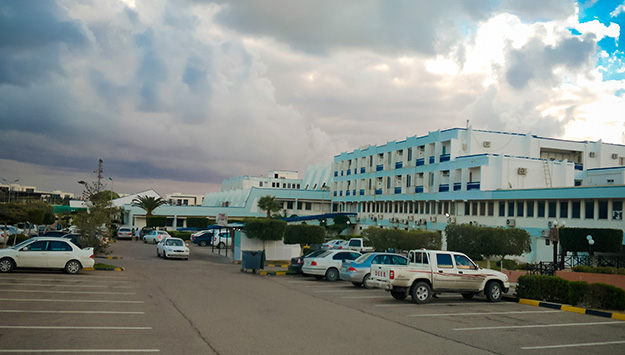
MEI spoke with Reida El Oakley, Libya’s minister of health, about the state of health care in the country and how Libya could receive the funding it desperately needs.
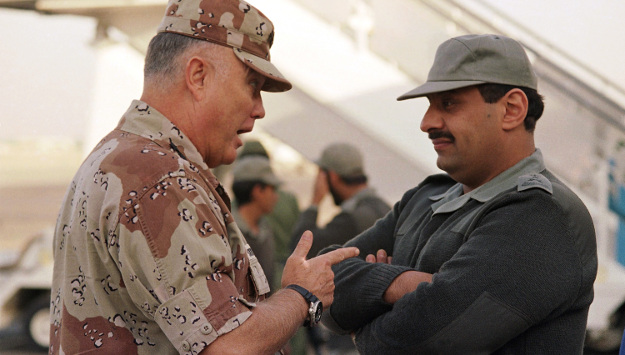
Twenty-five years ago, on August 7th 1990, an American interagency team walked into an urgent meeting with King Fahd of Saudi Arabia, not knowing what would happen. A week earlier Iraq had seized Kuwait. The Americans feared that the Iraqi Army might keep going, seizing the Saudi oil fields. As a result of decisions made at that August 7th meeting, Iraq and terrorism have dominated American foreign policy for three decades and continue to do so.
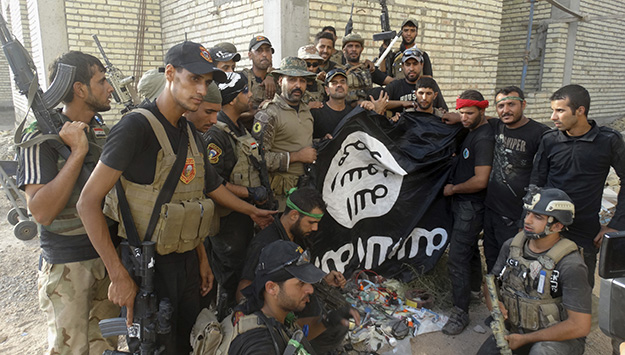
If the hallmark of al-Qa‘ida was to execute simultaneous spectacular attacks to advance its strategic momentum, the month of Ramadan in June and July showed that the Islamic State (ISIS) is taking this tactic to a new level. Yet the extreme amounts of blood shed during the holy month will likely ultimately weaken ISIS, as tribes and other groups in Syria and Iraq, even more appalled by the organization’s barbarism, unite against it.
This article was first published on NPR’s Parallels blog.
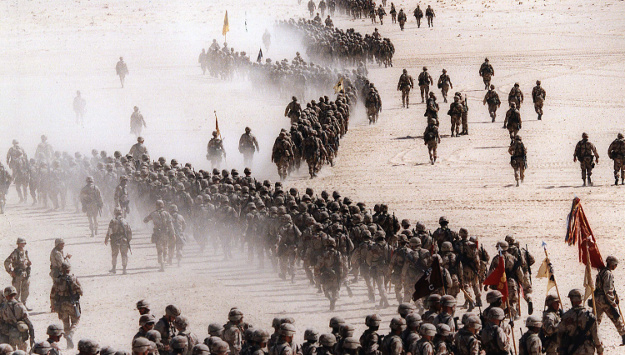
It started so well. When Saddam Hussein’s Iraq invaded Kuwait on Aug. 2, 1990, the United States swiftly cobbled together a broad coalition, unleashed a stunning new generation of air power and waged a lightning ground offensive that lasted all of four days. Iraqi troops were so desperate to quit that some surrendered to Western journalists armed only with notebooks.