Searching for the least worst option in Afghanistan
In her March 15 op-ed in The New York Times, “Tell the Truth About Afghanistan”, former National Security Advisor Susan Rice offers three “bad options” for the United States as a solution to the Afghan conflict: a limited engagement focusing on providing training, equipment, and advice for Afghan security forces which she argues would only slow down the Taliban; a complete withdrawal of troops, which would then leave the Afghan government prone to increased insurgency and interference from other i
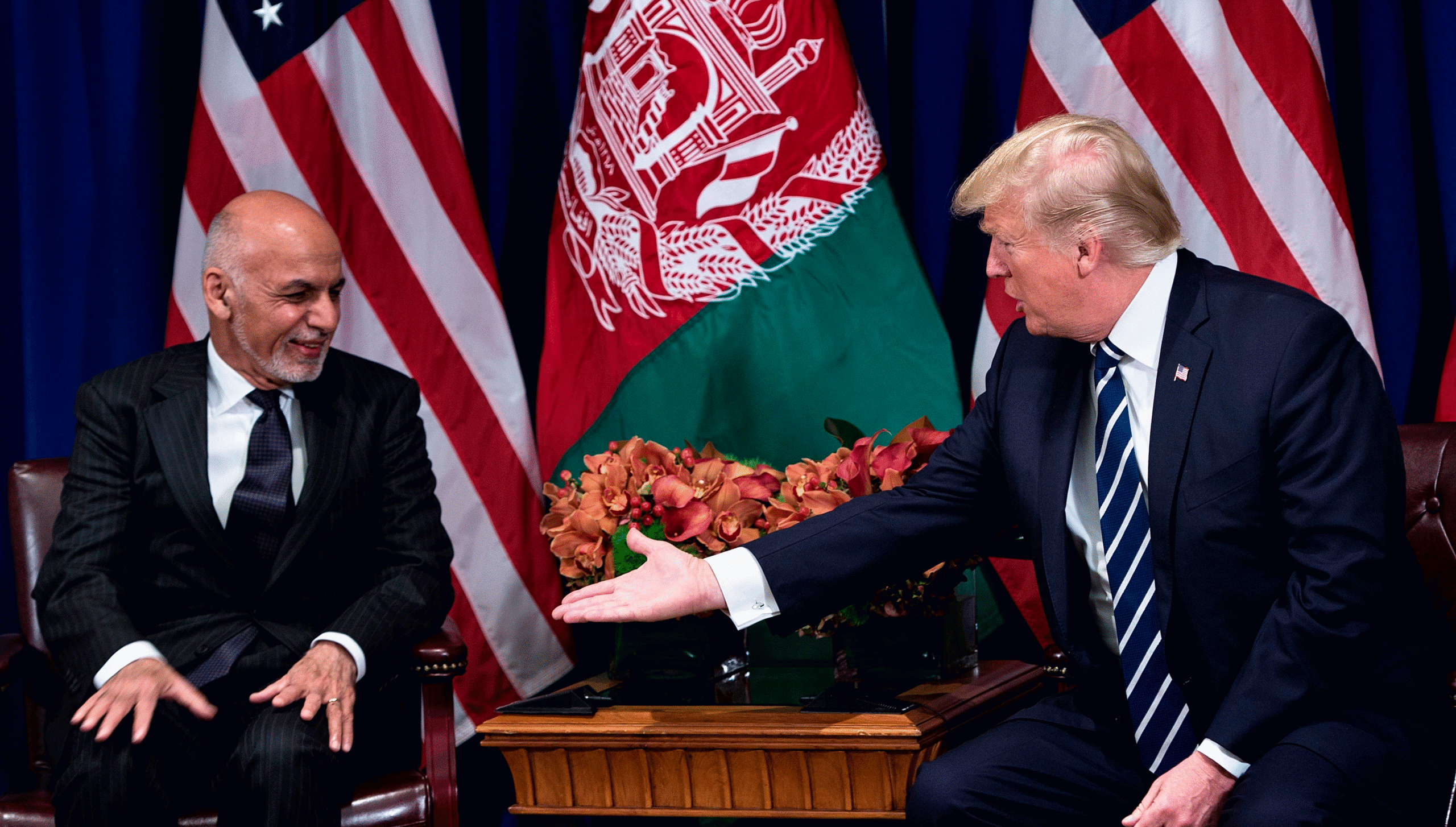
A rare prospect for peace has come into sight in Afghanistan in the wake of Afghan President Ashraf Ghani’s bold offer to the Taliban. In a sweeping proposal, and for perhaps the first since the U.S.-led invasion of Afghanistan in 2001, Ghani suggested a cease-fire, removal of sanctions, prisoner release, recognition of the Taliban as a political party, fresh elections and a constitutional review. Speaking at the Kabul Process, a two-day Western-backed peace conference, Ghani has demonstrated remarkable boldness and vision.
Sub-Saharan Africa must respect North Africa's water rights
The Middle East is the world’s most arid region and the one most dependent on renewable freshwater resources that originate outside its territories. These resources are largely contained in the Nile, Euphrates-Tigris, and Jordan river basins. An international law-based approach to transboundary watercourse development and management is vital for human security and regional stability. Applying legal principles in the Nile Basin is imperative, as unilateral actions by upstream countries can harm livelihoods on a large scale in downstream countries and destabilize their economies.
Russia and Pakistan align their Afghanistan policies
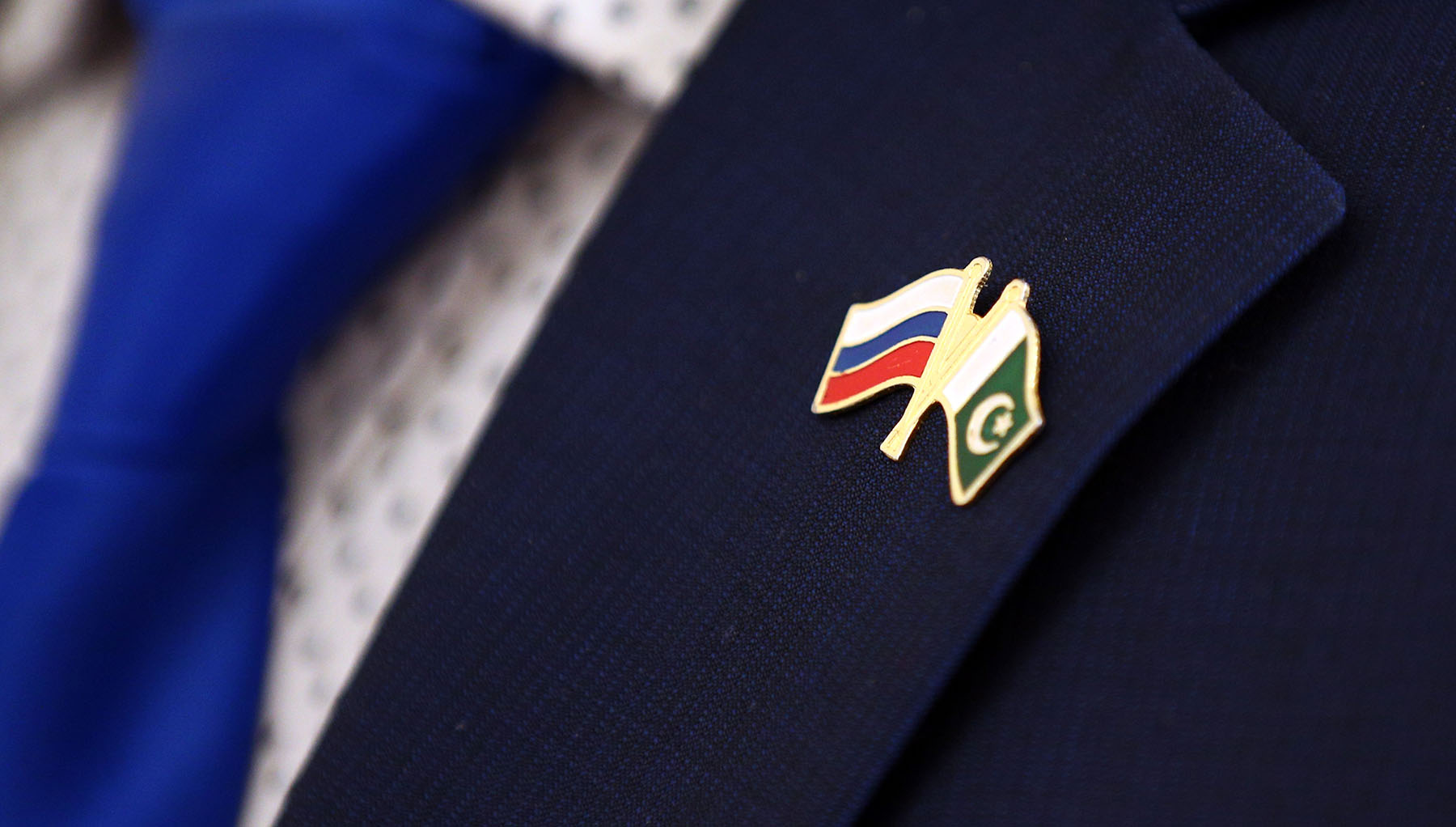
Pakistani foreign minister Khawaja Muhammad Asif’s visit to Russia from Feb. 19 to Feb. 22 was a desperate attempt by Islamabad to woo Moscow into countering mounting American pressure on Pakistan to close safe havens used by the Taliban, most notably the Haqqani network. However, the growing Moscow-Islamabad bonhomie is not good news for Washington’s current Afghan strategy, as it unmistakably signifies changing Russian perceptions and priorities in South Asia.
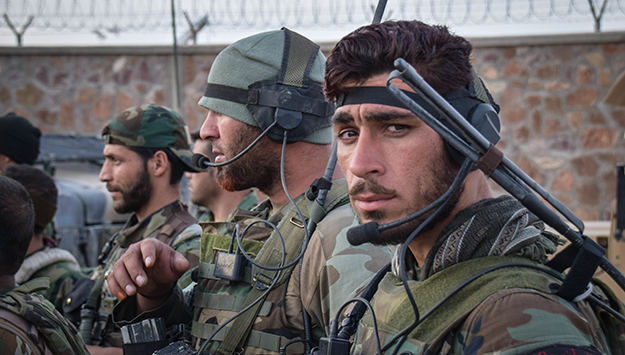
The war in Afghanistan, the longest in U.S. history, shows little sign of winding down. Despite hundreds of billions of dollars in military aid and state support, Afghanistan still struggles with resilient Taliban and Islamic State insurgencies. Recent brazen terrorist attacks and growing disunity among the country’s political leadership raise new doubts about its future.
A series of devastating terror attacks orchestrated by the Afghan Taliban and the Haqqani network in the past two weeks have unnerved both the United States and Afghanistan. Visibly upset over the lack of success of his recently announced strategy on Afghanistan, President Donald Trump has declared that “We don’t want to talk to the Taliban.
In the Crowded Arena of Tuareg Rockers, Mdou Moctar Stands Tall
Mdou Moctar recently finished his first U.S. tour. In his three October performances in Washington, he set out to do a lot. Pickless, his kinetic guitar licks bounced around the stage, bringing his audience thousands of miles away to the Sahara desert. His calm, welcoming voice sang about the struggles and hopes of his divided homeland.
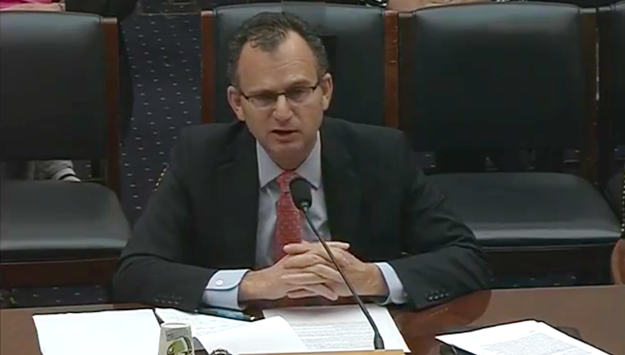
The following testimony was delivered by Paul Salem to the House Foreign Affairs Subcommittee on Middle East and North Africa on November 29, 2017. For more information and video of this hearing click here.
“Chairwoman Ros-Lehtinen, Ranking Member Deutch, distinguished members of the Subcommittee, thank you for the opportunity to testify.
The war in Afghanistan has dragged on for 16 years, appearing to many Americans to have no end in sight or positive outcome. However, as Defense Secretary James Mattis recently testified, “Violence and progress in Afghanistan continue to coexist.” What is that progress, and what does it mean for Afghans themselves? Saad Mohseni, chairman and CEO of Moby Media Group, and Ahmad Majidyar, director of MEI’s IranObserved project, join host Paul Salem to discuss the positive changes taking place in the country.
Think West to Go West: Origins and Implications of India’s West Asia Policy Under Modi (Part II)
The first part of this article outlined how the newly-elected Narendra Modi government had no sense of where West Asia, including the Persian Gulf, fit into its larger foreign policy. However, this view changed radically following overtures from the Abu Dhabi royal family and the August 2015 state visit by Prime Minister Modi to the United Arab Emirates (U.A.E.). This second part details how, since that visit, India’s relations with West Asia, and particularly with the Gulf monarchies and Iran, have evolved.
On September 25 Iraq’s Kurdish region pressed ahead with a controversial independence referendum. It had a high voter turnout of 73%, 93% of whom voted in favor of independence. The referendum is technically non-binding but it has sparked a political crisis with threats of action against the Kurdish region from its neighbors, Turkey and Iran, as well as Iraq’s central government. The United States also opposed the vote. MEI experts Randa Slim, Gonul Tol, and Ahmad Majidyar join host Paul Salem to discuss the implications of the vote and what happens next.
Think West to Go West: Origins and Implications of India’s West Asia Policy Under Modi (Part I)
Prime Minister Modi’s 2015 visit to the U.A.E. and subsequent events have seen India’s view of the region undergo a fundamental shift. This essay, the first of two parts, shows how New Delhi has come to regard the Gulf more as a source of investment and less as a source of energy and visas; and has begun to take a more strategic and military view of the region.
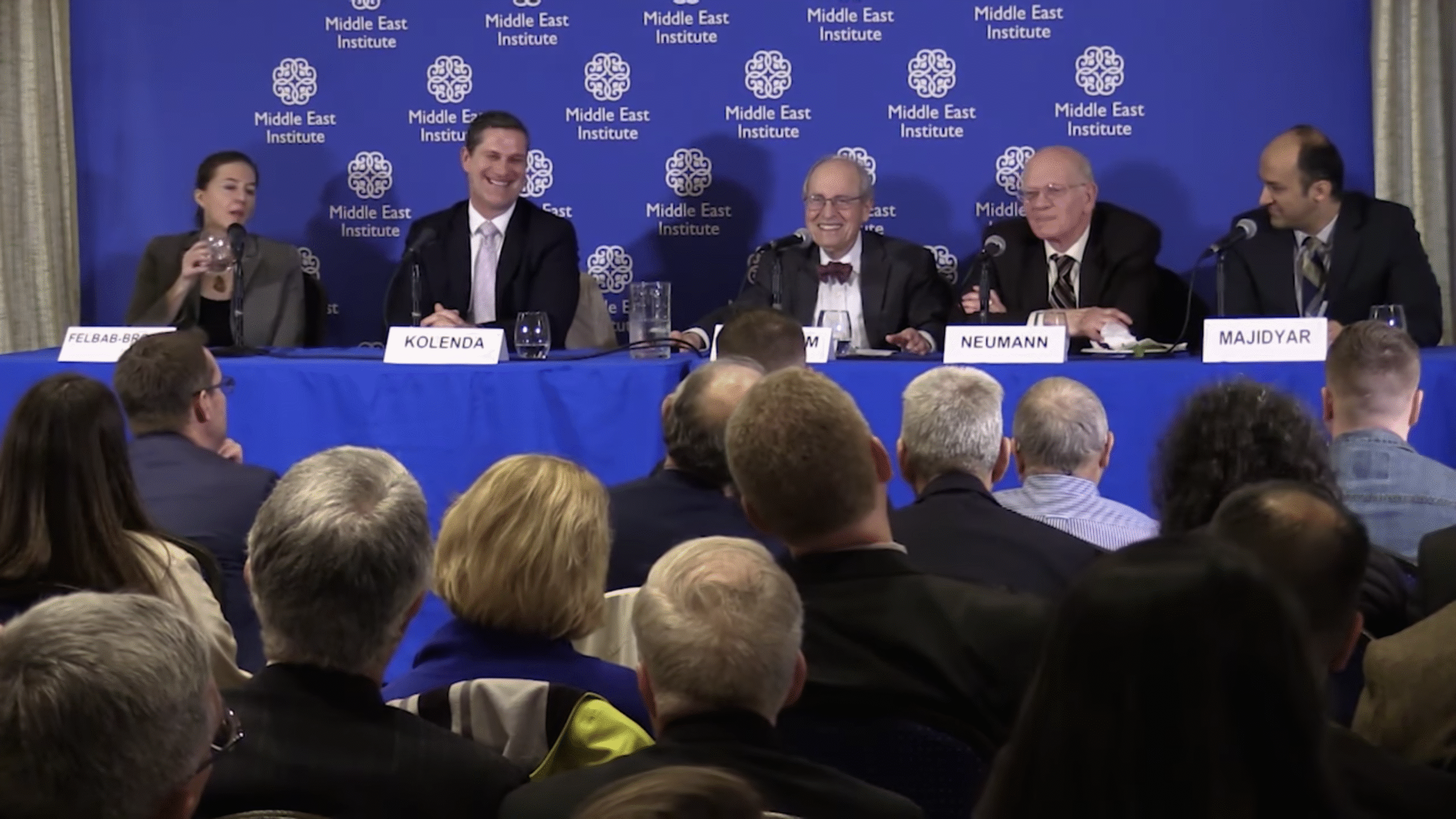
MEI experts Paul Salem, Will Wechsler, Marvin Weinbaum, and Ahmad Majidyar discuss current issues in Afghanistan and Pakistan, and U.S. policy and strategic interests in the region.
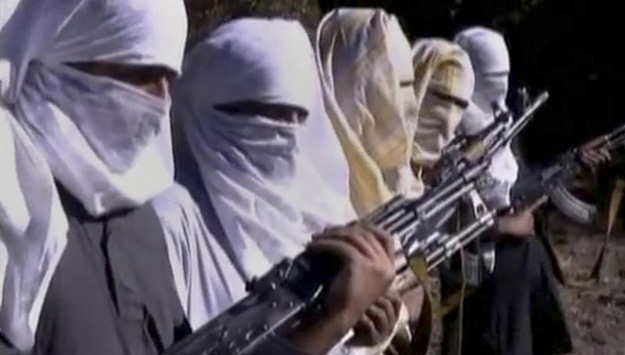
Al-Qaeda appears set to make a comeback in Pakistan, with battle-hardened militants returning from Syria and Iraq and eyeing for the resurrection of al-Qaeda in Pakistan.[i] A new terror group, Jamaat ul Ansar al-Shariah Pakistan, surfaced in June 2017, and is comprised of fighters who have returned from the Middle East.
Online and Traditional Forms of Protest Mobilization: Morocco’s Rif Protests and Beyond
When investigating the relative role that social media and other factors can play in the mobilization of popular demonstrations, the recent Rif protests, which some have perceived as having the potential to spark a “second Arab Spring” in Morocco, are interesting to look at. These protests suggest that large-scale popular demonstrations might often result from a combination of both online mobilization and much more traditional mobilization strategies employed by charismatic movement leaders. In this sense, the Rif protests also contradict assumptions about the presumed role of “diffuse leadership,” which emerged in the context of the Arab Spring.