A look back at the year’s most important developments with analysis from Paul Salem, Alex Vatanka, Randa Slim, Gerald Feierstein, Gonul Tol, Jonathan M. Winer, Khaled Elgindy, Marvin G. Weinbaum, Mirette F. Mabrouk, Grace Wermenbol, Syed Mohammad Ali, Robert S. Ford, and Khaldoun Khelil.
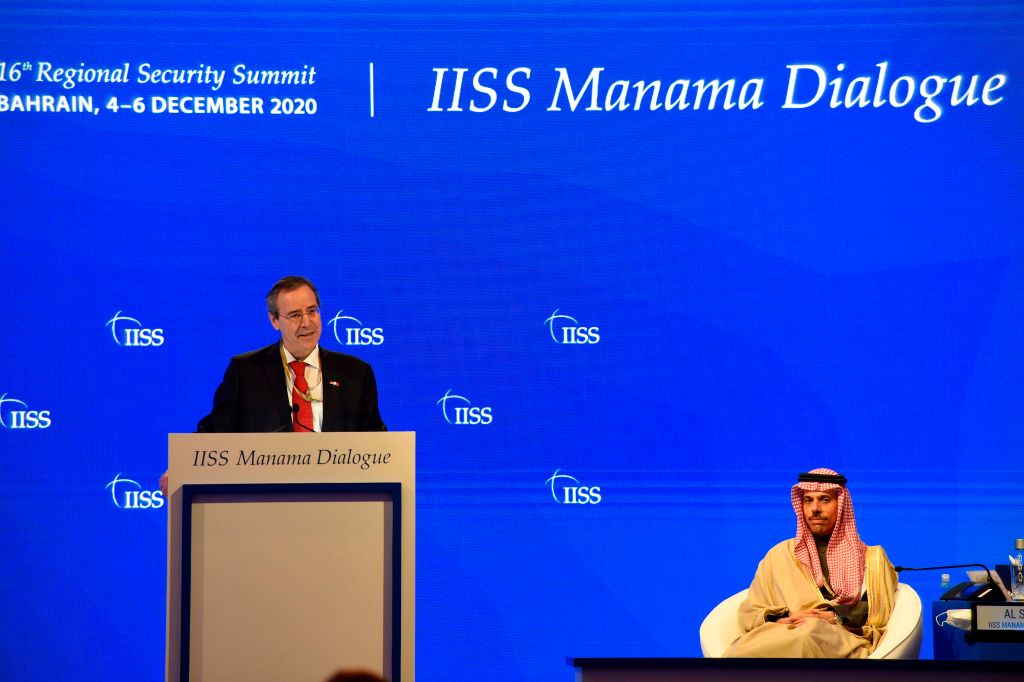
Monday Briefing: An end to the intra-GCC dispute: Headline or hype?
This week’s briefing on recent news and upcoming events in the region featuring Gerald Feierstein, W. Robert Pearson, Mirette F. Mabrouk, Paul Scham, and Marvin G. Weinbaum.
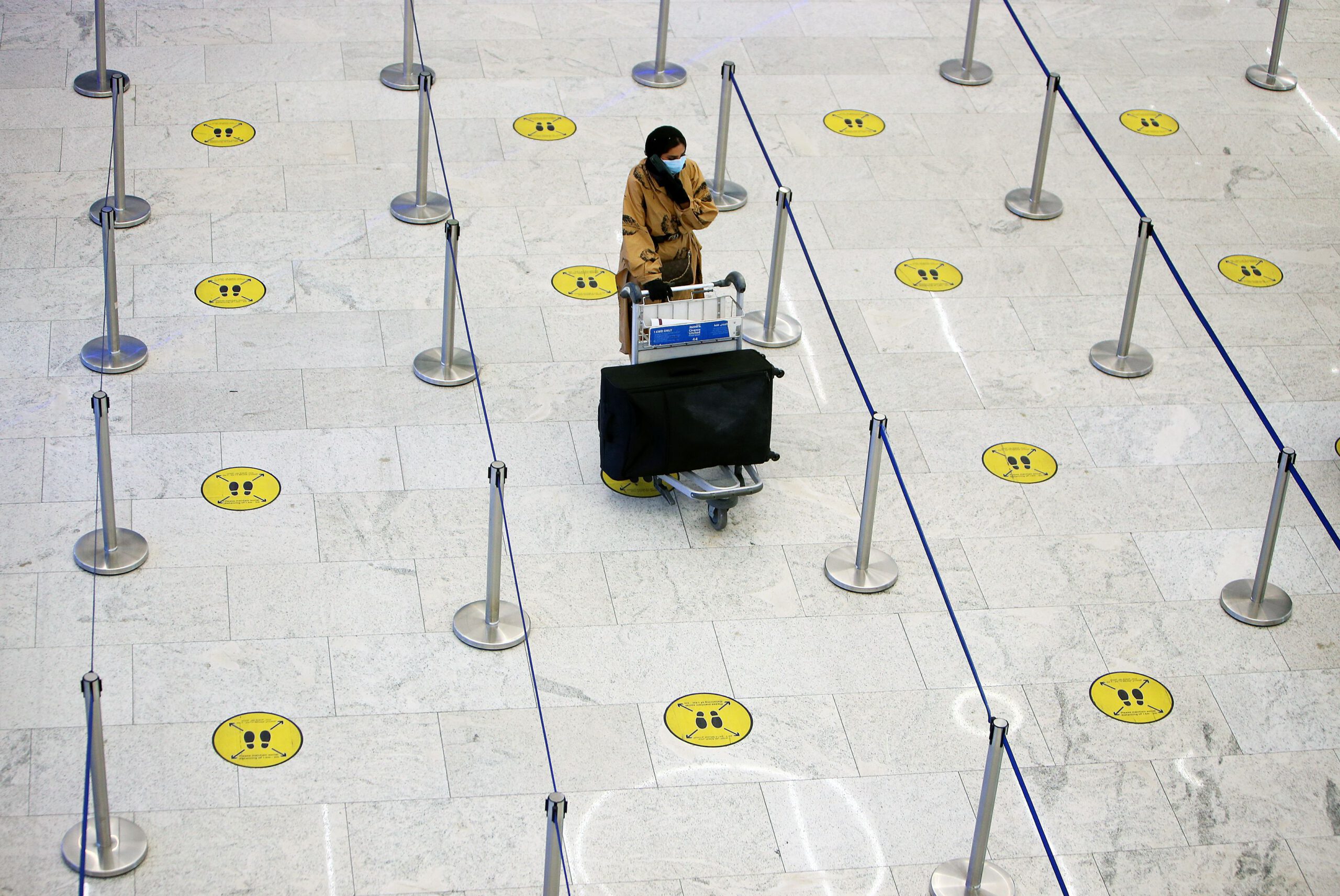
The 2020 COVID-19 pandemic has made Kuwait less welcoming for the 70% of the country’s population and the overwhelming majority of its private sector work force that are expatriates. While Kuwait’s actions and economic pressure might have a short term impact, more permanent, substantial changes to its demographics will only come if the country also changes incentives to encourage Kuwaitis to work in the private sector.
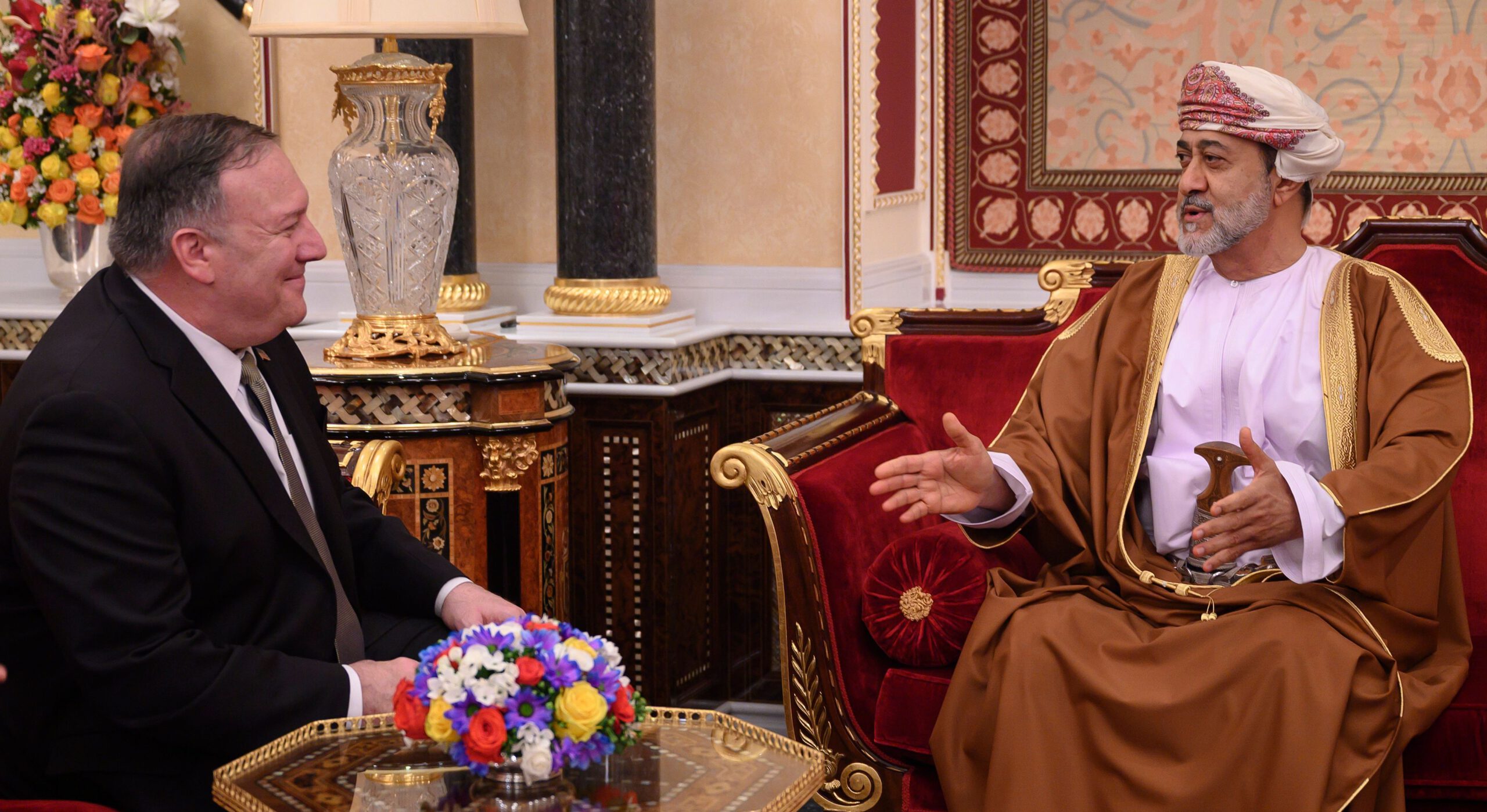
Since Aug. 13, speculation has been rife that the Sultanate of Oman will soon follow the United Arab Emirates’ (UAE) lead and formalize full-fledged ties with Israel. Yet, at least thus far, Muscat has refused to join the UAE, Bahrain, and now Sudan in normalizing relations with Tel Aviv. As a moderate Arab country, where tolerance is firmly embedded into the national ethos and the Ibadi sect of Islam, Oman appears to be maintaining a balanced position on the overall Arab trend toward normalizing relations with Israel. Muscat’s positive reaction to the Abraham Accords is not a major change in strategy and is more illustrative of Oman’s longstanding position on normalization.
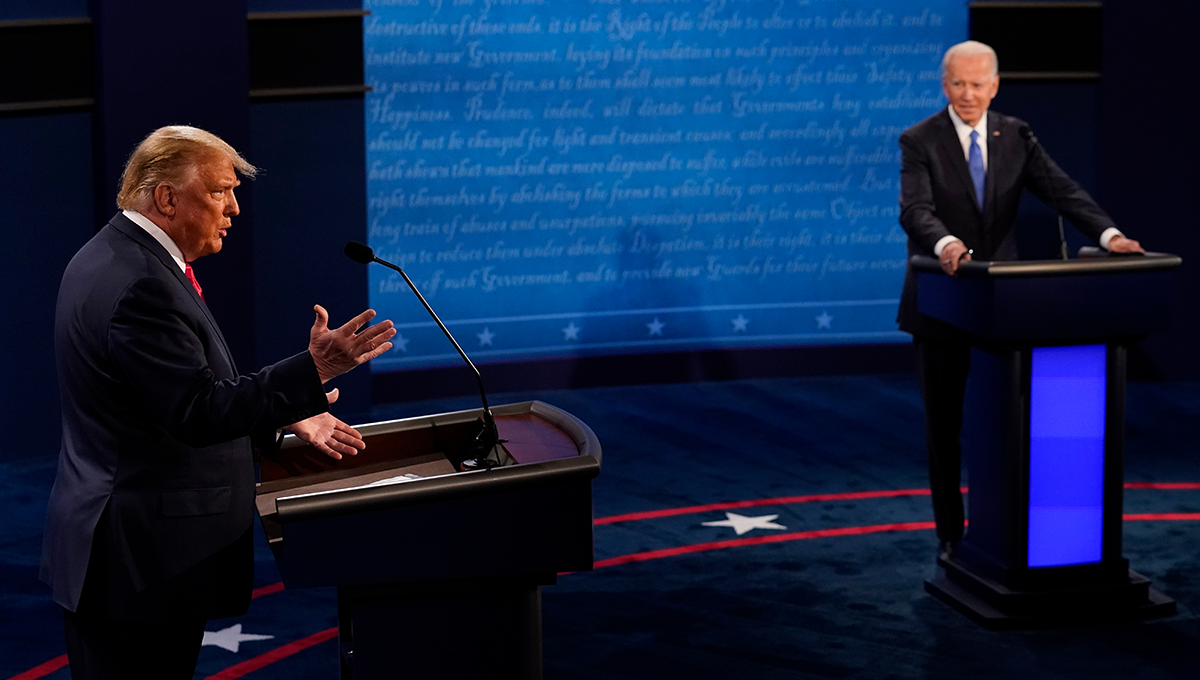
The upcoming American presidential election is top of mind for the Arab Gulf states. This is no surprise as there is so much at stake for them. As the race enters its final critical week, all eyes are on who will occupy the White House for the next four years — and the Arab Gulf states have their preferences. America is still indispensable to Gulf security, but the Gulf is also becoming an indispensable regional partner for whoever wants to lead the world in the 21st century. Today both sides need each other more than ever before.
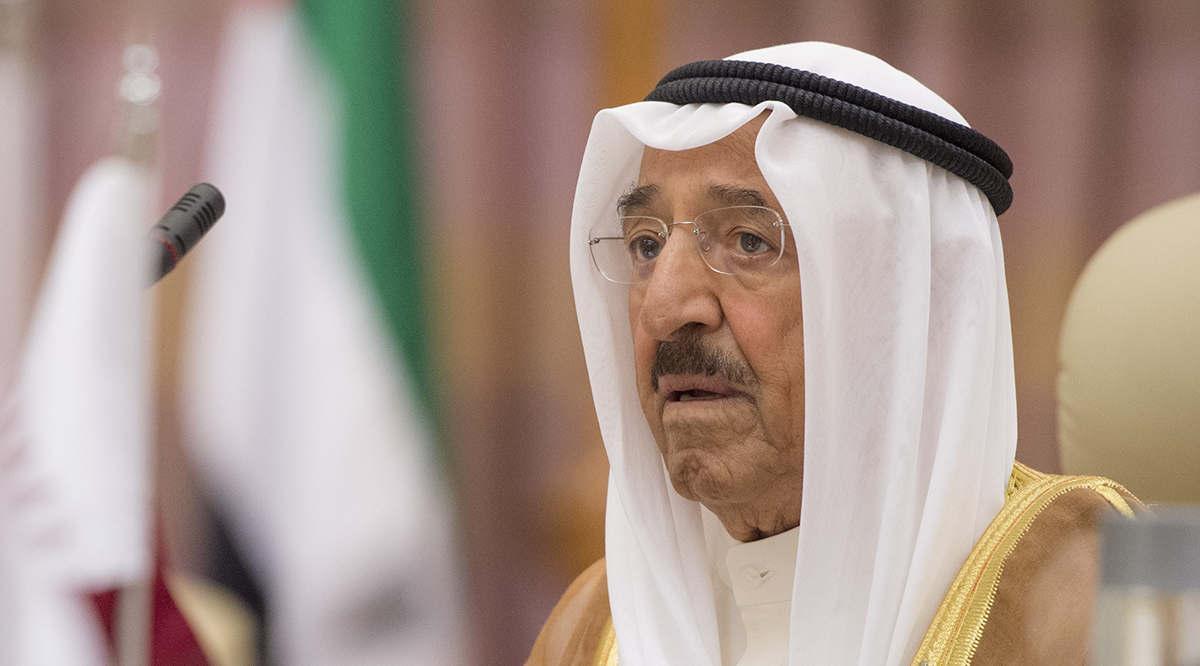
What are the implications of the passing of Kuwait’s emir, Sheikh Sabah?
With the announcement that Kuwait’s long-time ruler, Sheikh Sabah al-Ahmad al-Sabah, had passed away, on Sept. 29, at the age of 91, the Gulf states lost their second senior statesman of 2020 following the death of Sultan Qaboos of Oman at the beginning of the year. Like Qaboos, Sheikh Sabah played an outsized role within the GCC as well as in regional and international affairs.
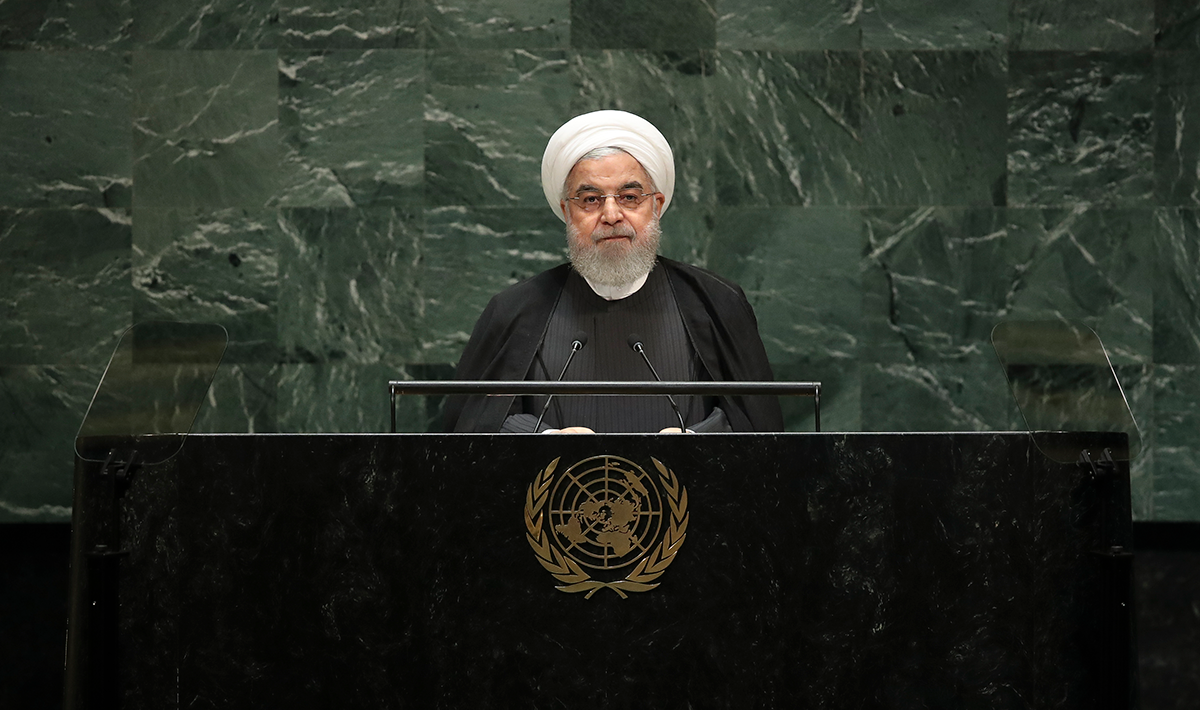
Last September, at the 74th session of the U.N. General Assembly, Iranian President Hassan Rouhani proposed the optimistically named “Hormuz Peace Endeavor” (HOPE). Over the past year, however, Iran’s plan has failed to gain any traction with the GCC states, even as the region’s security environment has fundamentally changed in ways that are detrimental to the Islamic Republic.
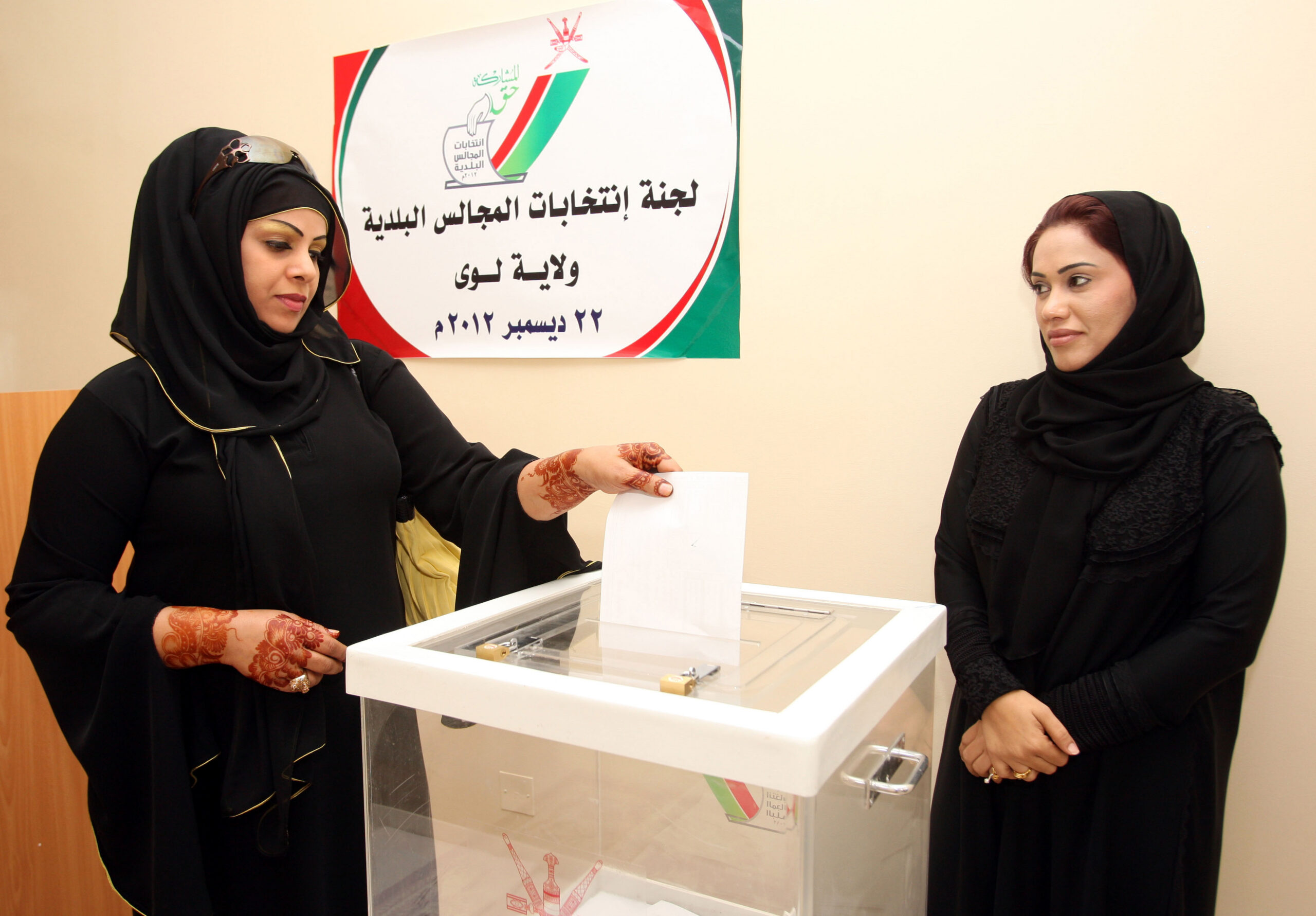
Gender Politics in Oman: Between State, Sect, and Tribe
The issue of female (dis)empowerment in the Middle East lies at the very core of the Arab-Islamic world’s contemporary troubles. Most economists agree that significant levels of income inequality negatively impact economic growth and development, so why is it not commonly considered how significant inequality between genders might also diminish social and political outcomes? This essay explores this question of gender inequality and socio-political outcomes in the Sultanate of Oman and parses between the state, sect, and tribe to discuss the sources of reform and resistance to women’s empowerment.
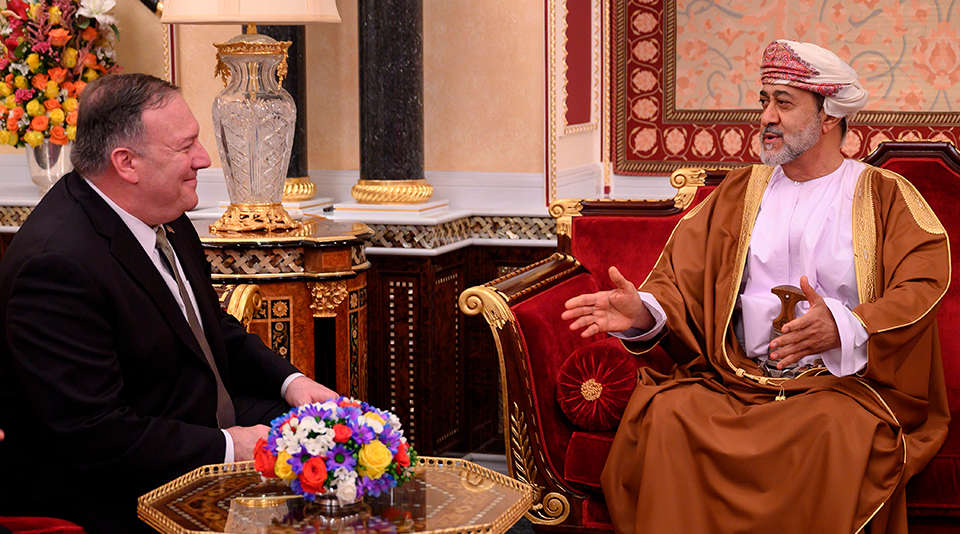
Oman’s regional role in a time of challenge and change
Oman’s independent and creative foreign policy has been a boost to a region fraught with instability, but the combination of a new sultan and an adverse regional environment means Muscat’s trademark foreign policy may be diminished.
When the Saudi-led coalition launched military operations against the Houthi insurgents on March 26, 2015, all of the Gulf Cooperation Council (GCC) states, except for Oman, joined the multinational force. As has become clear, each of the Arab Gulf sheikdoms has its own national interests and unique history of relations with Yemen and Yemeni factions, and these have shaped their changing perceptions of the war over the past five and a half years. Kuwait’s role in Yemen’s multidimensional conflict is a case in point.
Monday Briefing: GERD talks continue, but political will is still lacking
This week’s briefing on recent news and upcoming events in the region featuring Mirette F. Mabrouk, Marvin G. Weinbaum, Gonul Tol, Alex Vatanka, and Gerald Feierstein.
Linking the past to the future: Economic diversification and tourism in Oman
Oman’s new ruler, Sultan Haitham, only has a short timeframe in which to aggressively diversify the country’s economy and reduce its dependency on hydrocarbon exports. This already difficult task is further complicated by the twin challenges of the global coronavirus pandemic and low oil prices, both of which limit the government’s fiscal room for maneuver. One obvious sector that Oman should consider expanding rapidly is its tourism industry.
Jerry Feierstein, Karen Young, and Dania Thafer join host Alistair Taylor to discuss the political, economic, and foreign policy challenges facing the sultanate and its new ruler, Sultan Haitham bin Tariq, who ascended to the throne following the death of Sultan Qaboos, Oman’s long-time ruler, in early January.
From Dependents To Allies: America's Gulf Relations Need Reform
During three major crises, each happening under a different administration, the U.S.-Gulf partnership failed to effectively address the security concerns of the Gulf states. While no partnership is perfect, such major and persistent breakdowns in coordination among longstanding security partners are uncommon, and can be deadly if left unresolved.
Gulf regimes may oppose annexation, but they helped bring it about
Leaders of Arab Gulf regimes now decry the attempt to implement the vision of the Israeli Right, which aims to prevent the establishment of a Palestinian state. But it is exactly the policies of the Arab Gulf regimes, through their normalization of ties with Israel at the expense of the Palestinians, that directly contributed to the rise of the Israeli Right and made this annexation more likely.