مدير برنامج شبه الجزيرة العربية في معهد الشرق الأوسط جيرالد فيرستاين يتحدث إلى الباحثتين نضوة الدوسري وفاطمة أبو العسرار أثناء استعراضهما للذكرى العاشرة للحرب الأهلية في اليمن.
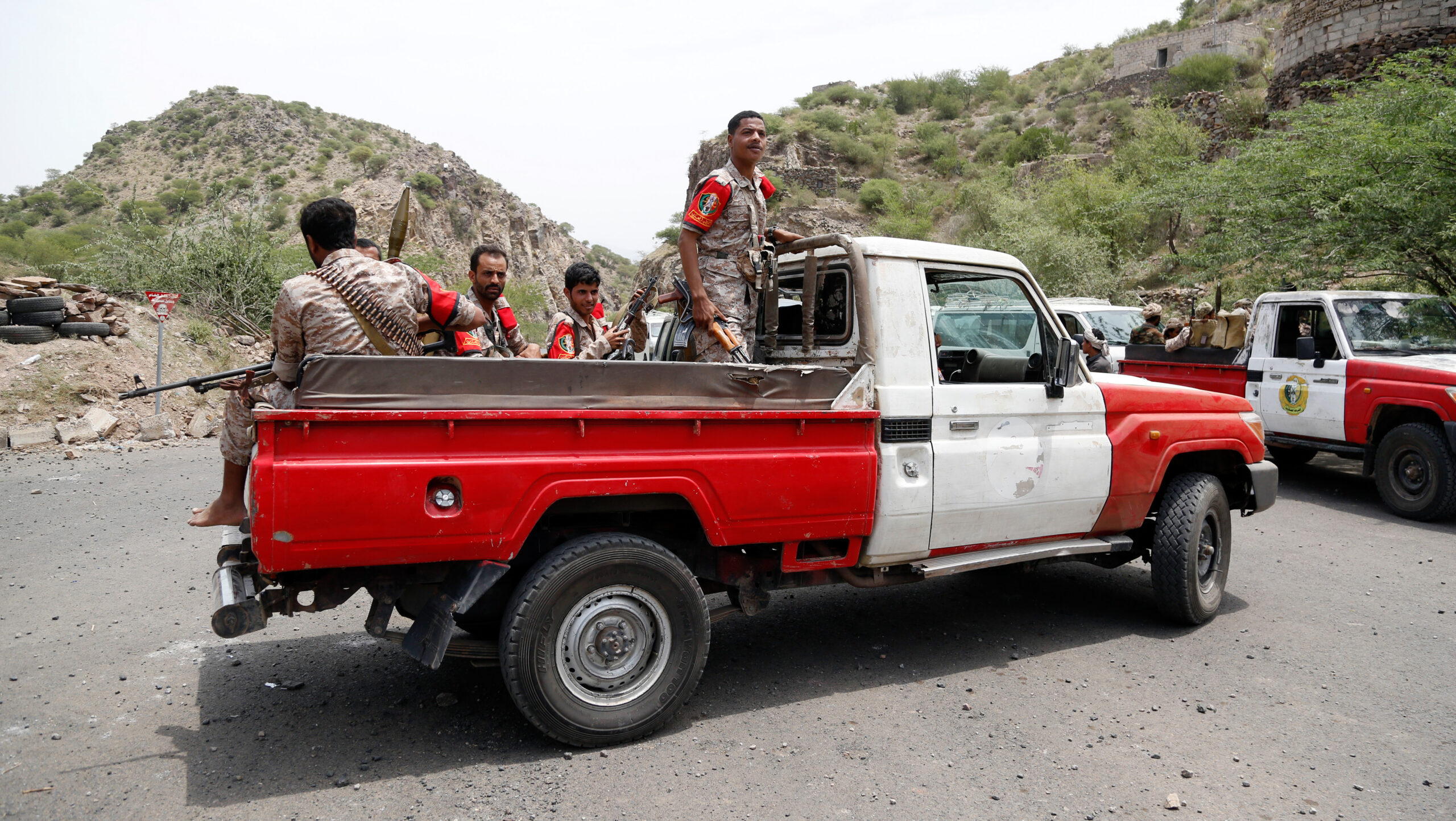
مرت عشر سنوات منذ سيطرة الحوثيين على العاصمة صنعاء، مما أدى إلى بدء دورة من القتال الذي يستمر حتى يومنا هذا. ماذا حدث، وما هو الوضع الحالي للصراع، وإلى أين يتجه البلد؟
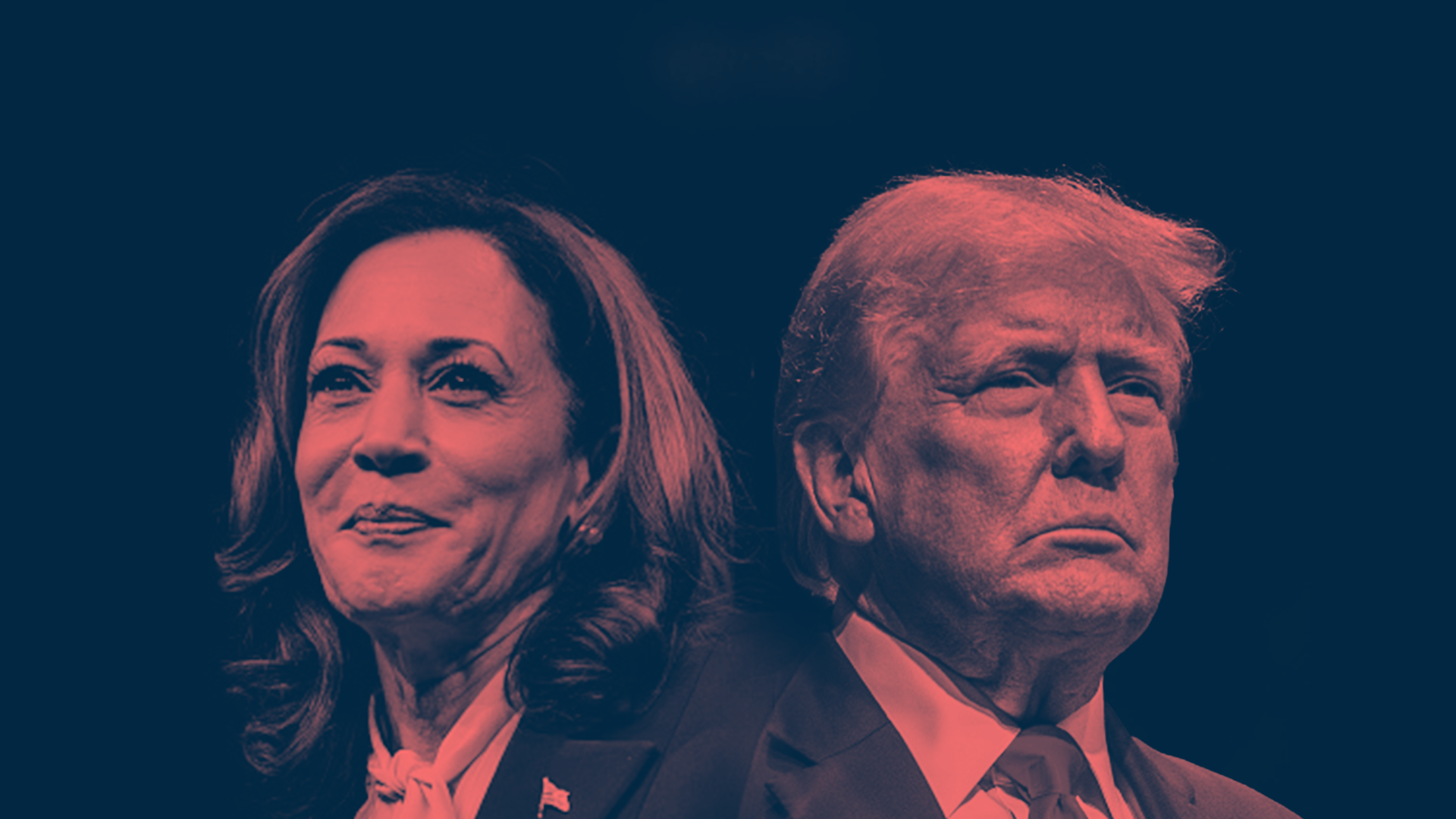
The two leading presidential candidates in America’s 2024 election have made statements and established track records on the Middle East based on their time in office. This document aims to highlight the most important and reliable positions staked out by former President Donald Trump and current Vice President Kamala Harris.
Israel and the Axis of Resistance in the wake of the Gaza war
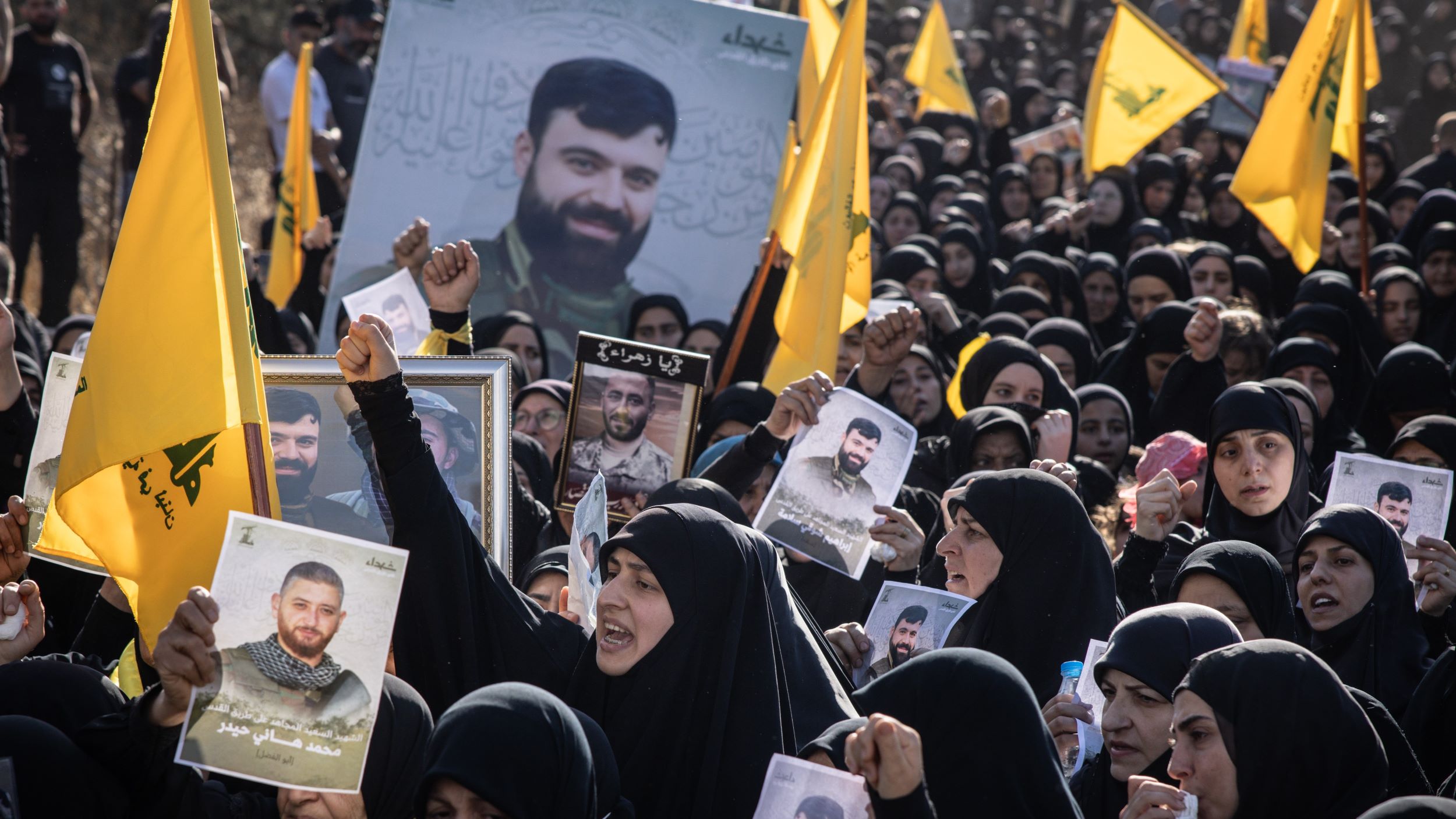
Hamas’ Oct. 7 attack touched off a destructive war with Israel and a limited but fierce regional conflagration between Israel and the Iran-led “Axis of Resistance,” with Lebanese Hezbollah at the forefront. The ongoing conflict has been multi-fronted, multi-faceted, dynamic, and already highly consequential. While a clear bottom line remains elusive, exploring the war’s primary origins and evolution offers useful indicators.
Nato must wake up to Russia’s nuclear power deal with Turkey
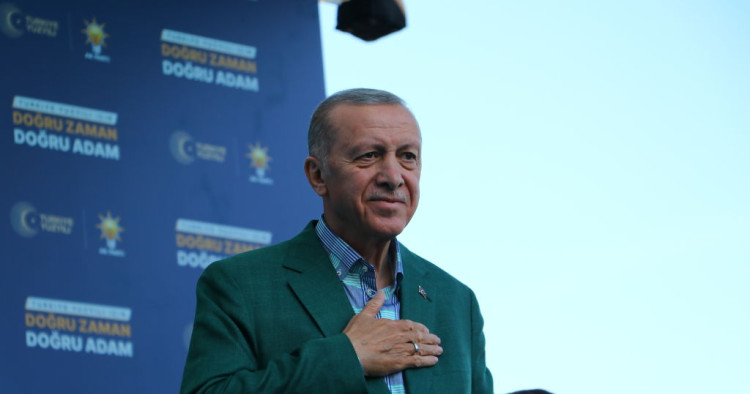
Ask Nato’s secretary-general to name the decision of Turkish President Recep Tayyip Erdoğan that irks him the most and he’d probably say purchasing Russia’s S-400 missile defence system. But Nato has an even bigger problem when it comes to Turkey-Russia ties: the Akkuyu nuclear power plant.
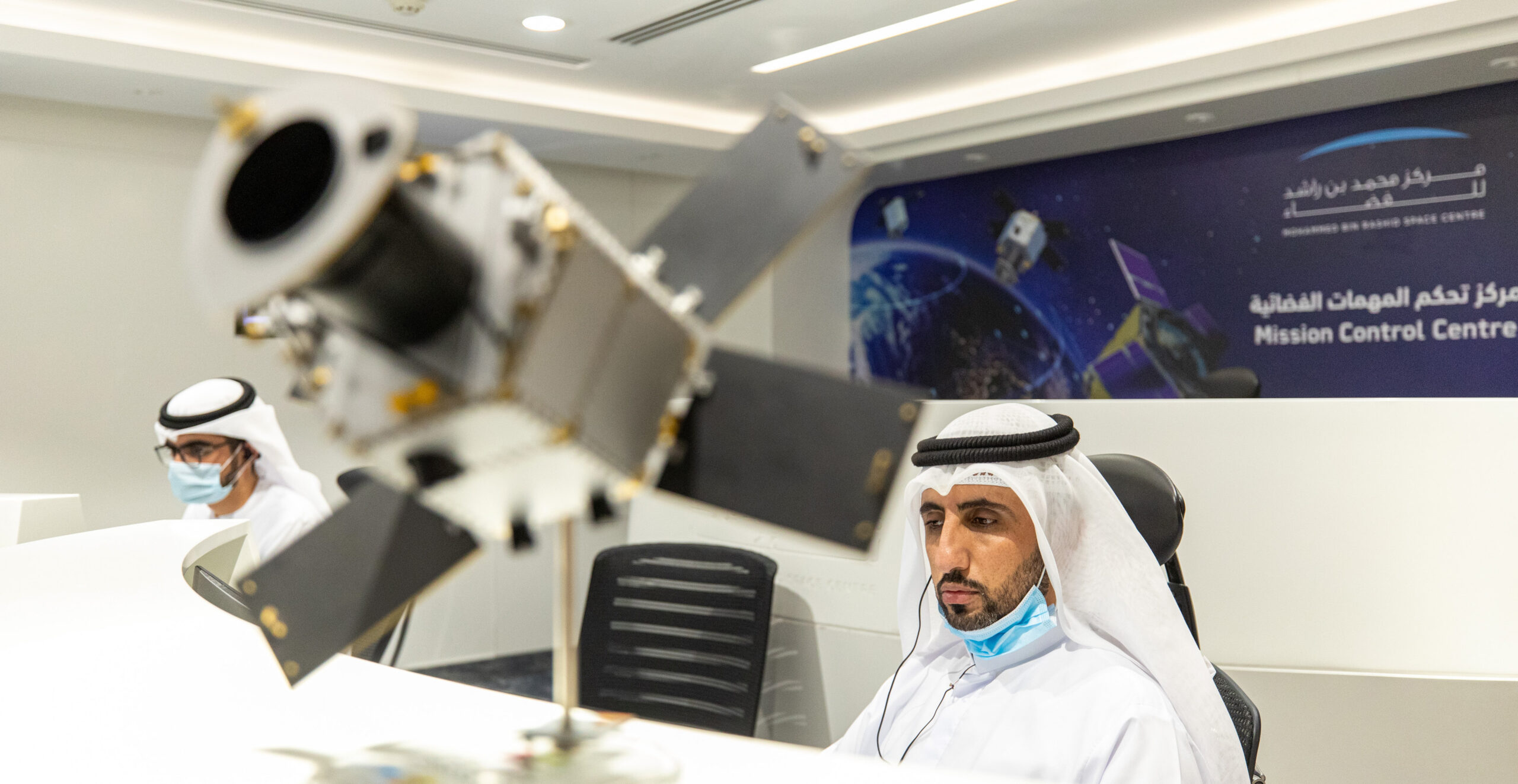
As the Middle East becomes more autonomous and empowered domestically, the leaders in the region might consider more synergetic relations with each other and prepare national long-term plans that provide a balanced and integrated approach to social, technological, environmental, economic, and political development and progress.
Djibouti dodges scrutiny despite China, Iran, Houthi ties and links to illicit activities
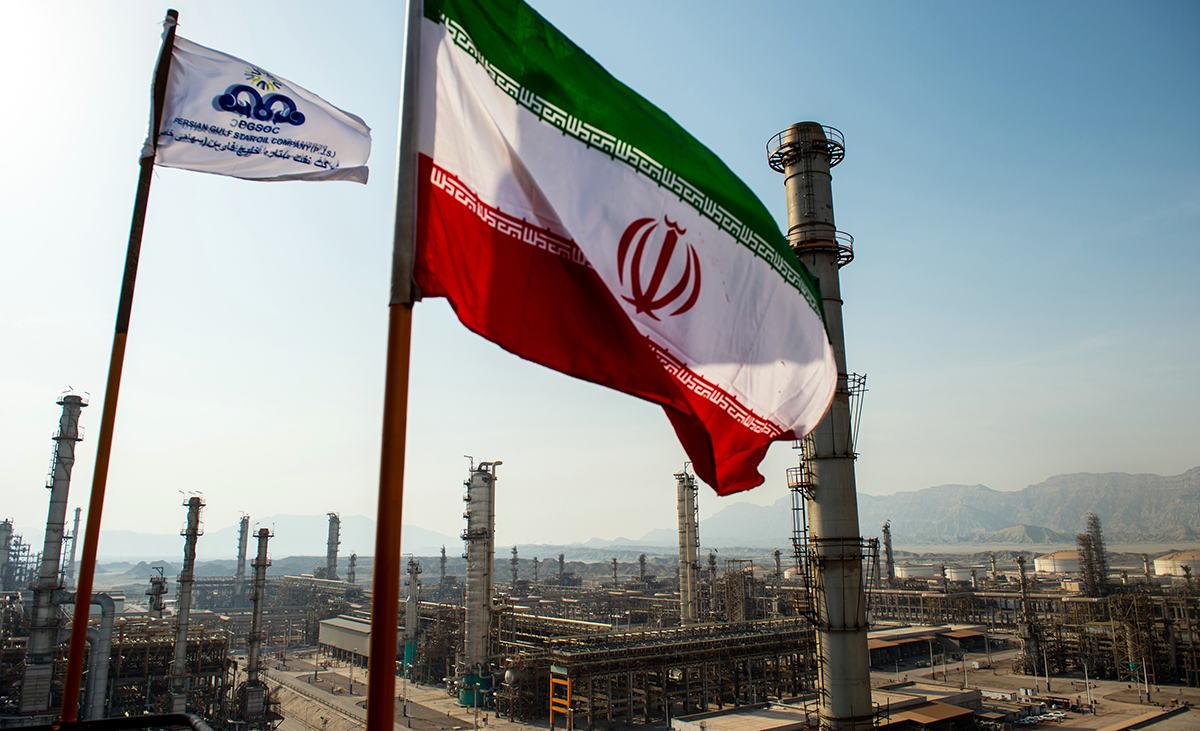
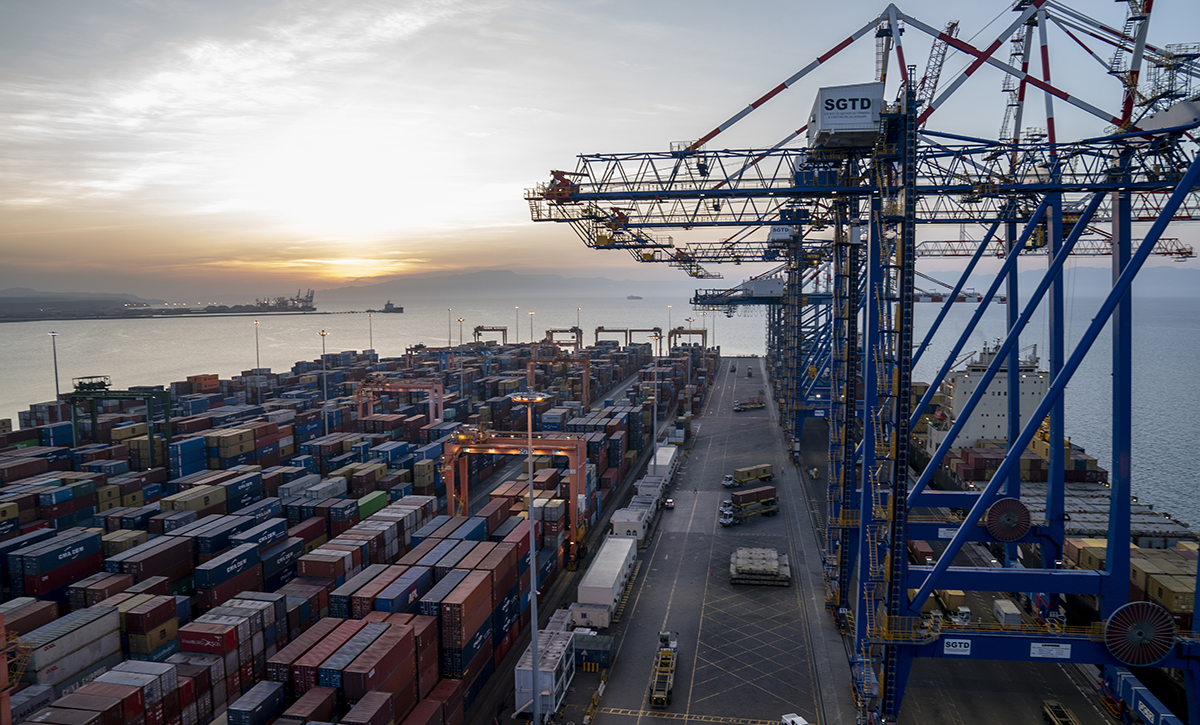
The Bab el-Mandeb Strait, which connects the Indian Ocean and the Red Sea through the Gulf of Aden, is a crucial chokepoint for global maritime commerce. Despite the strait’s importance, the waters around it have long been plied by smugglers of weapons and other illicit goods. Djibouti today is an important player in trade in the Horn of Africa region, but it also serves as a conduit for Chinese influence, has been linked to malign actors like Iran and the Houthis, and has faced allegations of involvement in various grey and black market activities, including money laundering, illicit finance, oil smuggling, and weapons trafficking.
Powering up: Turkey-Iraq transmission line is part of a broader strategic shift
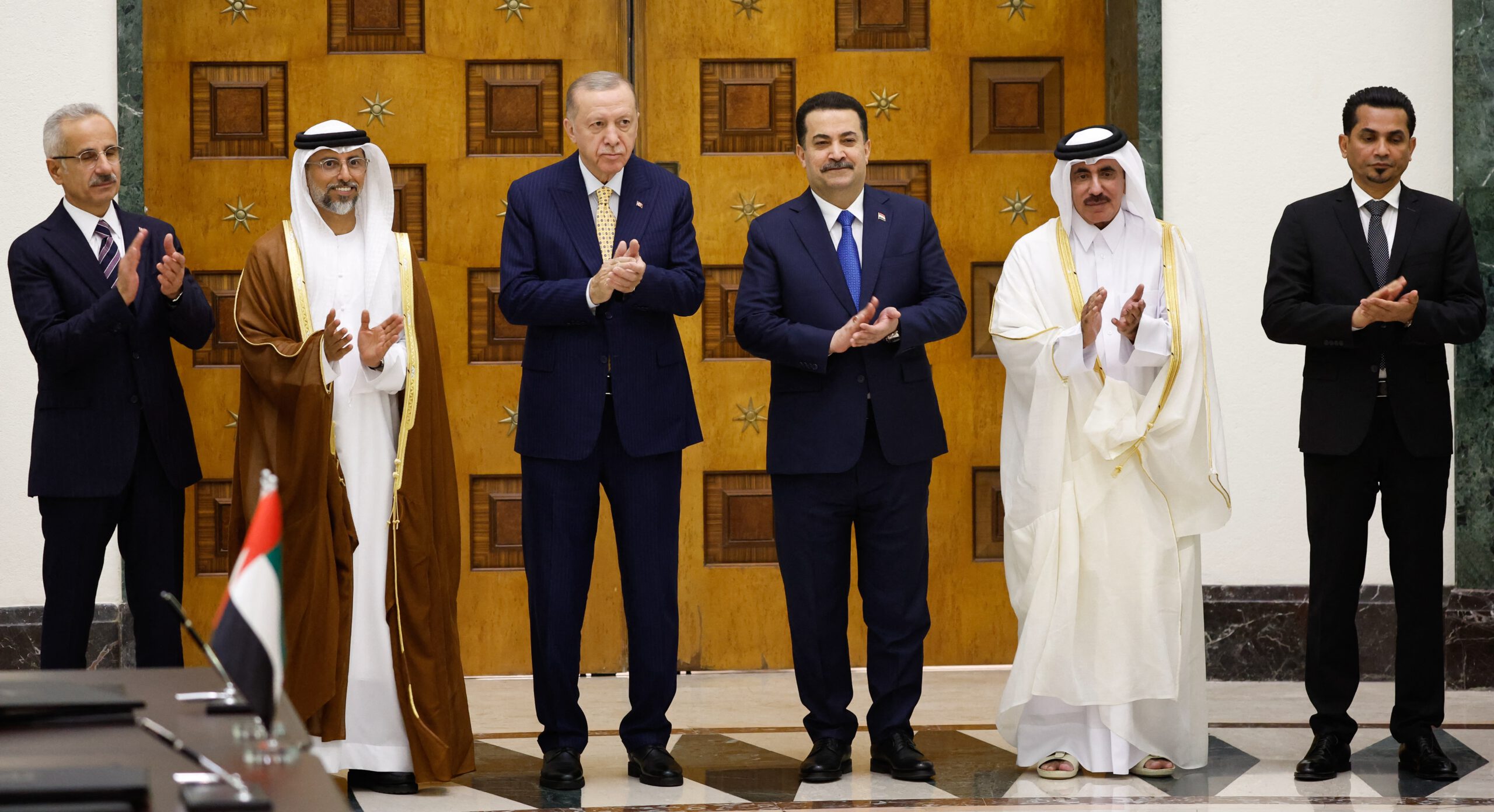
On July 21, 2024, Iraq inaugurated a new power line connecting Turkey and Iraq to handle Turkish electricity imports. Iraq is operationalizing this new power line with the goal of ensuring a more stable energy future, reshaping its geopolitical relationships, and reducing its reliance on Iran.
Monday Briefing: The Middle East is the closest it has ever been to an all-out war
After 10 months of Israel’s war on Gaza, the US administration has lost control over its ally and the fear of its opponents. As a result, Washington has only limited, if any, impact on the cost-benefit escalation calculus of the fighting sides. The Middle East is today the closest it has ever been to an all-out multi-front regional war.
The impact of Turkish-Syrian normalization on the SDF
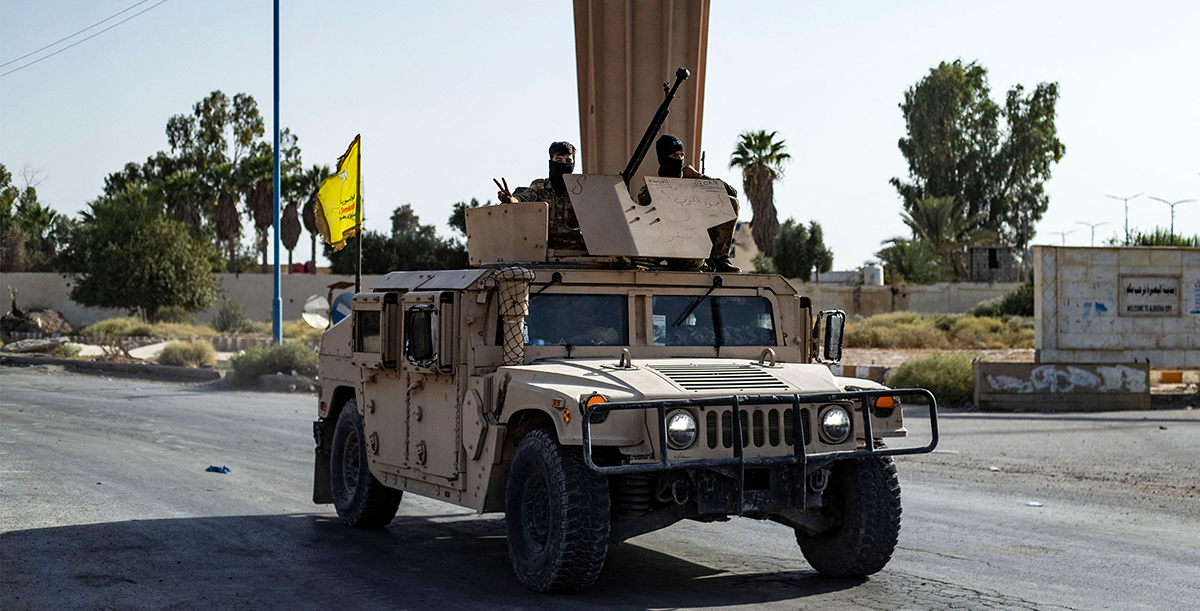
As speculation continues about a possible Turkish-Syrian normalization, what might such a process mean for the Syrian Democratic Forces (SDF), a close US ally? In a new piece for MEI, Amer al-Ahmed lays out three possible scenarios for the future of the SDF amid normalization.
A waiting game as the region teeters on the brink of full-blown war
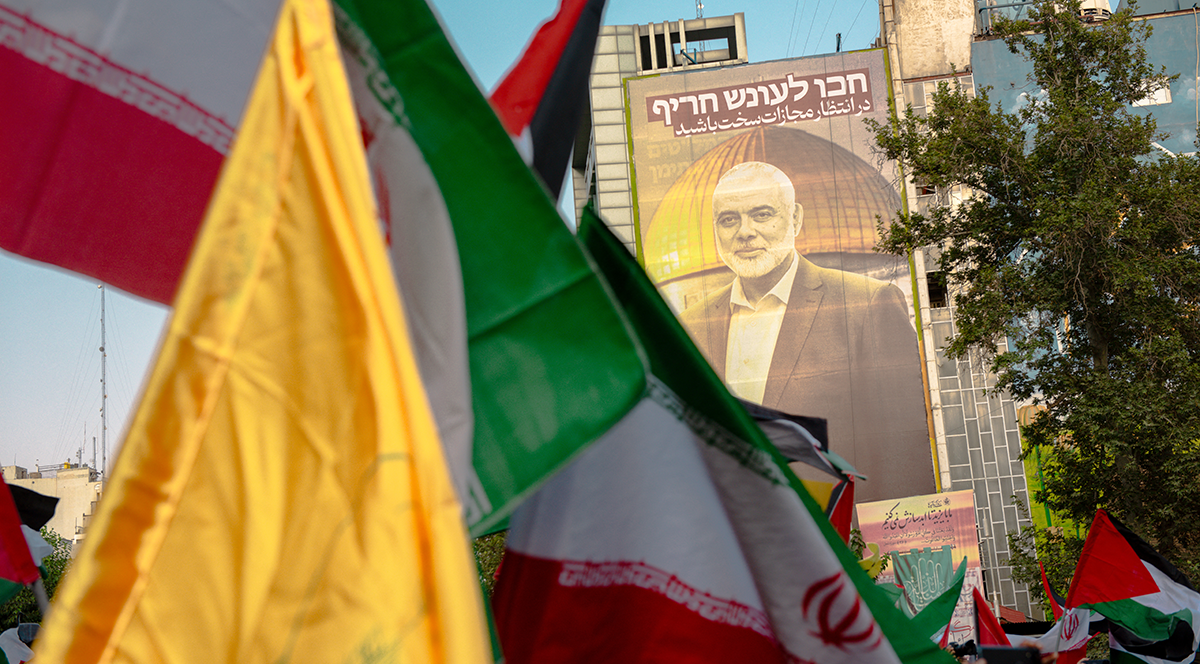
Israel’s targeted killing of Hezbollah military leader Fuad Shukr in Beirut and Hamas political chief Ismail Haniyeh in Tehran are explosive events for the region. Coming within 12 hours of each other, they were also an earthquake within the “Axis of Resistance” — but not one likely to encourage de-escalation. Far from it.
Russia and China’s differing engagements with the Houthis
Although Russia and China are in regular dialogue with the Houthis, the motivations that undergird the engagements of both countries differ markedly. The Houthis regard both Russia and China as partners against American unilateralism but have a warmer relationship with Moscow.
Houthi drone strike on Tel Aviv illustrates unstoppable “democratization” of high-technological capabilities
The recent Houthi drone attack on Tel Aviv, which struck an Israeli apartment building near the Embassy of the United States, killing at least one person, should surprise no one. And the fact Israel’s state-of-the-art air defense could not prevent it will probably embolden future attempts.