In most capitals across the Middle East, the news of Syrian President Bashar al-Assad’s fall sparked immense anxiety. Ankara is not one of them. Rather than worrying about Syria’s prospects after more than a decade of conflict, Turkish President Recep Tayyip Erdogan sees opportunity in a post-Assad future. His optimism is well founded: out of all the region’s major players, Ankara has the strongest channels of communication and history of working with the Islamist group now in charge in Damascus, positioning it to reap the benefits of the Assad regime’s demise.
Chief among the rebel forces that ended Assad’s rule on Sunday is Hayat Tahrir al-Sham, a Sunni Muslim group that was previously affiliated with al Qaeda and is designated as a terrorist organization by Turkey, the United States, and the United Nations. Despite those designations, Turkey has providedindirectassistance to HTS. The Turkish military presence in the northwestern Syrian town of Idlib largely shielded the group from attacks by Syrian government forces, allowing it to run the province undisturbed for years. Turkey managed the flow of international aid into HTS-run areas, which increased the group’s legitimacy among locals. Trade across the Turkish border has provided HTS economic support, too.
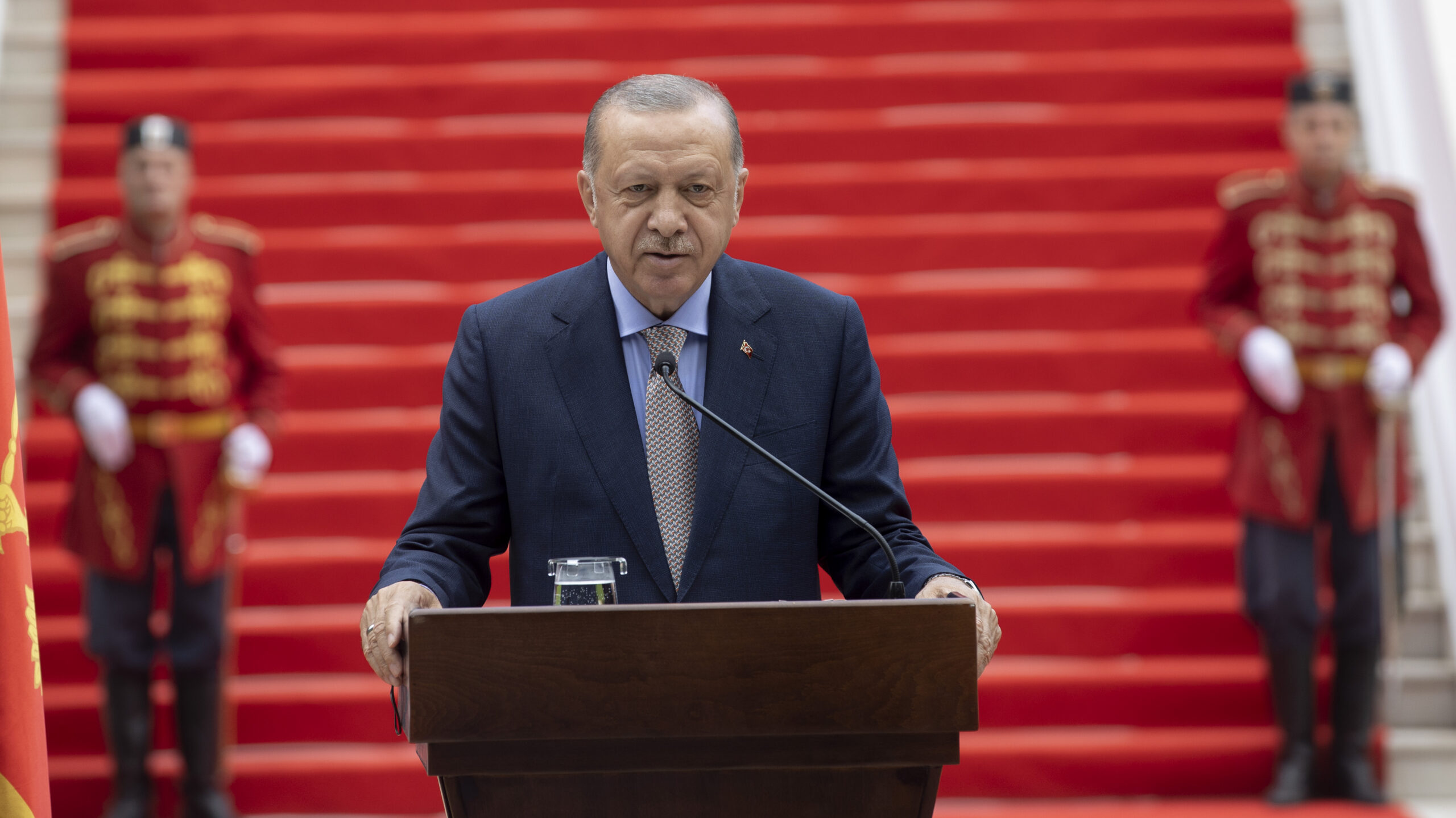
Photo credit: Emin Sansar/Anadolu Agency via Getty Images
The Middle East Institute (MEI) is an independent, non-partisan, not-for-profit, educational organization. It does not engage in advocacy and its scholars’ opinions are their own. MEI welcomes financial donations, but retains sole editorial control over its work and its publications reflect only the authors’ views. For a listing of MEI donors, please click here.