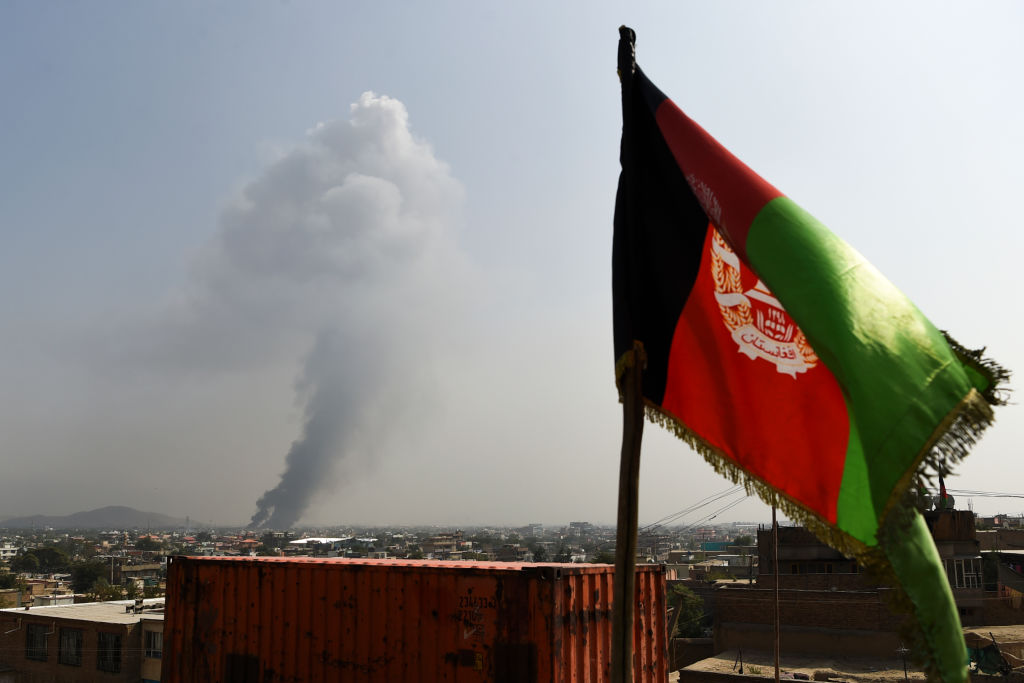
This week’s briefing on recent news and upcoming events in the region featuring Charles Lister, Randa Slim, Jonathan M. Winer, Alex Vatanka, Marvin G. Weinbaum, Robert S. Ford, Mirette F. Mabrouk, and Syed Mohammad Ali.
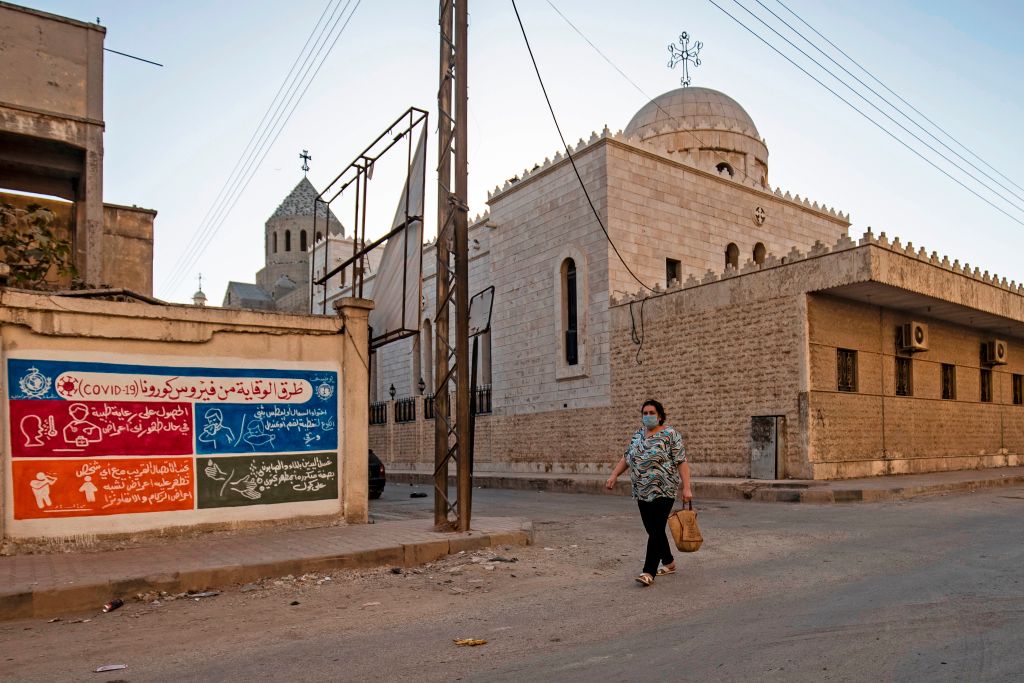
After successfully managing COVID-19, Tunisia gets back to its old problems
Tunisia seems to have avoided the worst of the first phase of the global coronavirus crisis. And yet whatever the final tally of the pandemic might be, its consequences will only add to a host of existing problems that have beset the North African country in recent years, including political instability, a stalled economy, security threats, and financial woes.
Monday Briefing: Red lines and rising tensions in Libya
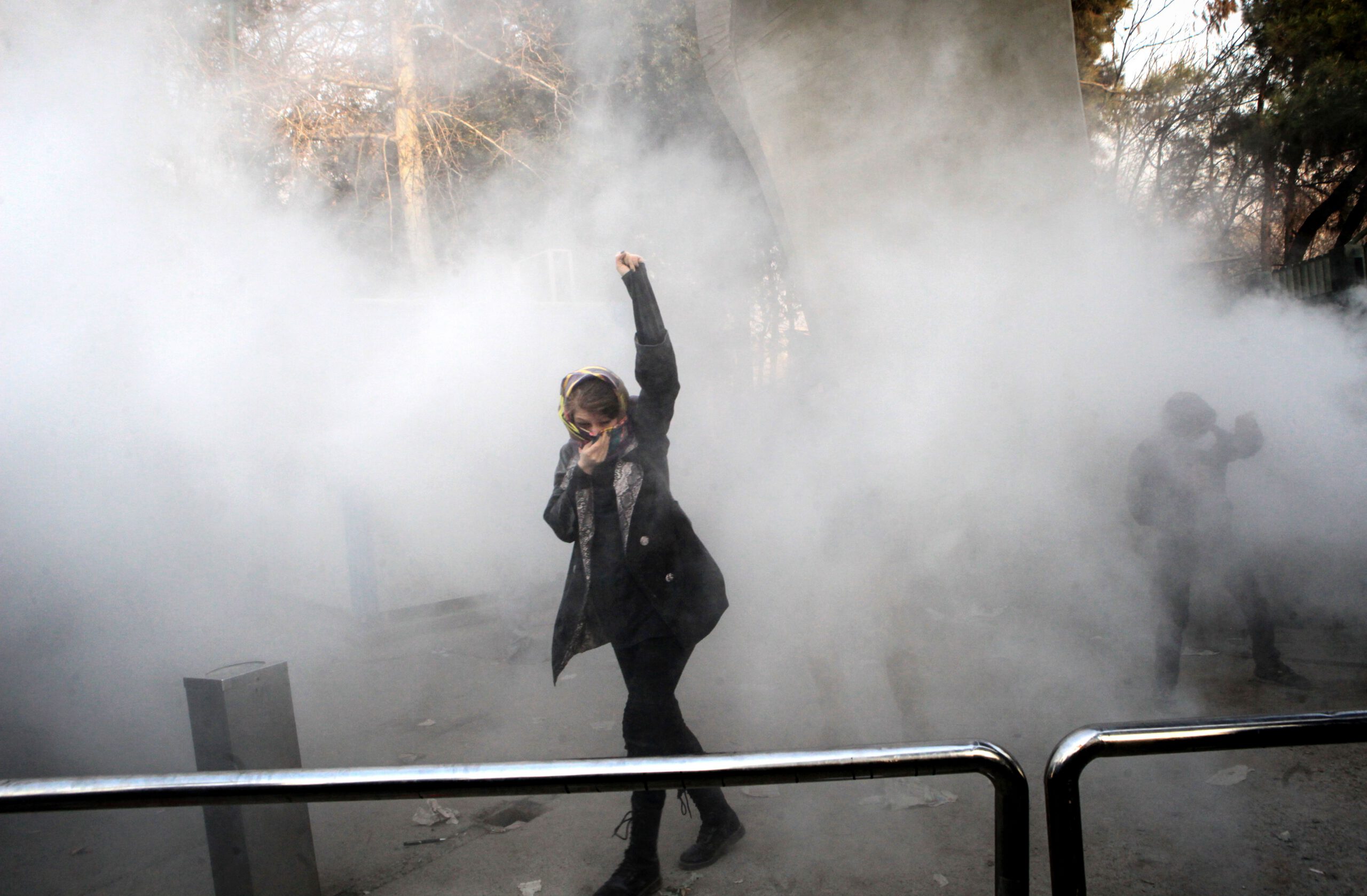
In this week’s Monday Briefing, MEI experts Mirette F. Mabrouk, Robert S. Ford, Nazila Fathi, and Marvin G. Weinbaum provide analysis on recent and upcoming events including rising tensions in Libya, economic turmoil and anti-regime protests in Iran, and the Jordanian high court’s decision to dissolve the Muslim Brotherhood.
Salafism Meets Populism: The Al-Karama Coalition and the Malleability of Political Salafism in Tunisia
The nascent research on political Salafism suggests that it can often be much more pragmatic, flexible, and malleable than both the quietist and the jihadist Salafist strand and can sometimes show a certain openness to other political actors and ideologies. The case of the Tunisian al-Karama Coalition (Dignity Coalition) indicates that the new (tactical) openness of some politicized Salafists can also extend to populism. In this article, the authors locate the rise of al-Karama within the context of Tunisia’s successful but still incomplete and “bumpy democratic transition.”
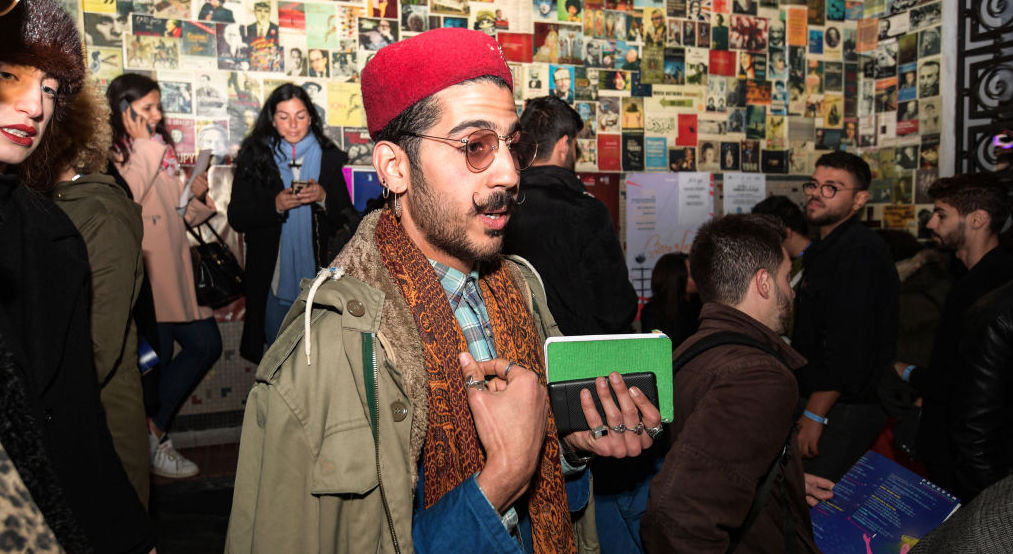
Digital security and the LGBTI+ rights movement in Tunisia
For LGBTI+ individuals in Tunisia, the internet and social media have played a critical role in the development of a community and activist network. Simultaneously, however, these technologies have been used by legal authorities to suppress and harass the queer community.
Communities mobilized and immobilized as COVID-19 continues to spread in North Africa
Governments and citizens throughout North Africa are gearing up for a huge increase in coronavirus infections expected in late March, April, and May. Just next door, Italy and Spain are two of the five worst afflicted countries on the planet.
No part of the world will emerge unscathed from the fallout of the coronavirus pandemic of 2020. Just because China and Italy were the first to be severely hit, does not imply, that when all is said and done, that they will have sustained the brunt of the damage. North Africa is a region dependent on global commodities prices, tourism, and political and monetary support from Europe and the Gulf, where regime brittleness, youth unemployment, and Islamic radicalism all intersect.
The future of the UK’s relationship with the Maghreb
The UK’s impending exit from the EU will present a new chapter for British interests in and posture toward the region. If the UK is to find a trade-off for loss of diplomatic and economic heft, it will need to re-prioritize its engagement efforts. Policy continuity toward Morocco and Tunisia appears inevitable; Algeria, in contrast, promises great opportunity for an evolving relationship.
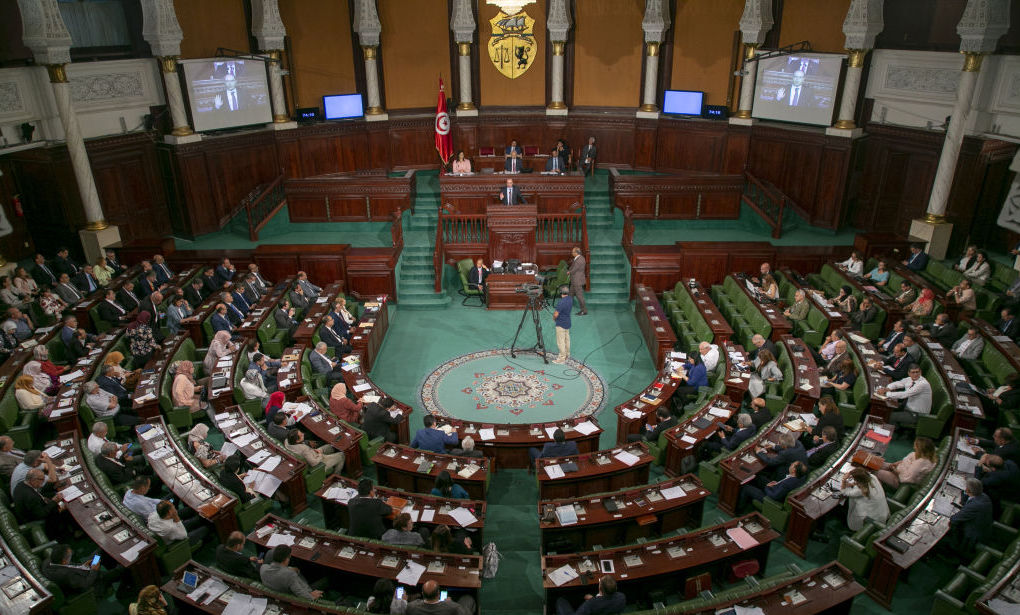
Political fragmentation a major challenge as Tunisia’s Ennahda tries to form a government
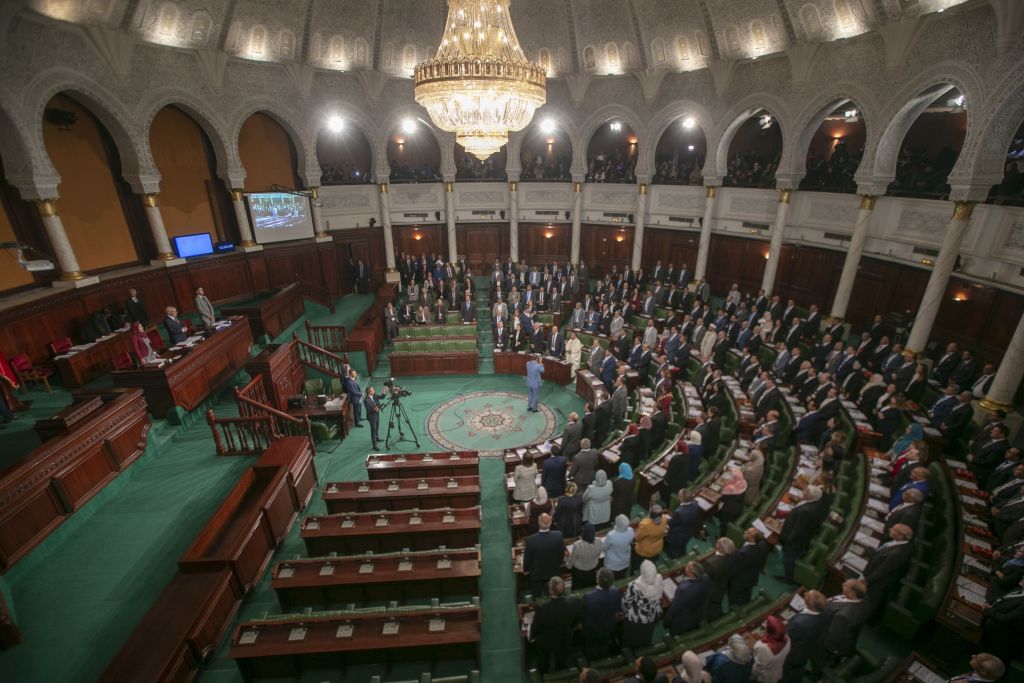
Tunisia’s elections in October swept away many of the dominant political forces, but the Islamist Ennahda retains the largest share of seats in the new parliament. Its leader, Rachid Ghannouchi, was elected president of the parliament on Nov. 13. The Islamist party then announced on Nov. 15 that Habib Jemli, the former junior agriculture minister, should try to form the next government. Jemli, who served under Ennahda prime ministers from 2011 to 2014, has a 30-day period, renewable once, to present a cabinet able to secure a majority vote in the 217-member parliament.
Nate Rosenblatt, a fellow with New America’s International Security program, and Aaron Y. Zelin, the Richard Borow Fellow at the Washington Institute for Near East Policy, join host Alistair Taylor to discuss Tunisia’s struggles with extremism and the factors that led it to become a major source of recruits for ISIS.
Tunisia heads to the polls for parliamentary elections
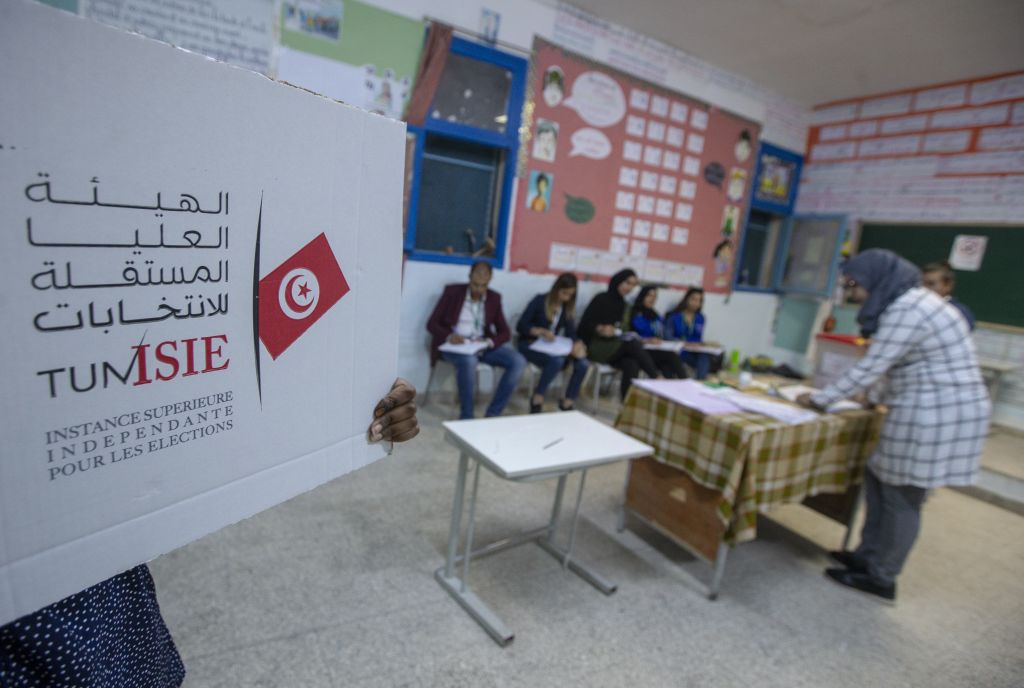
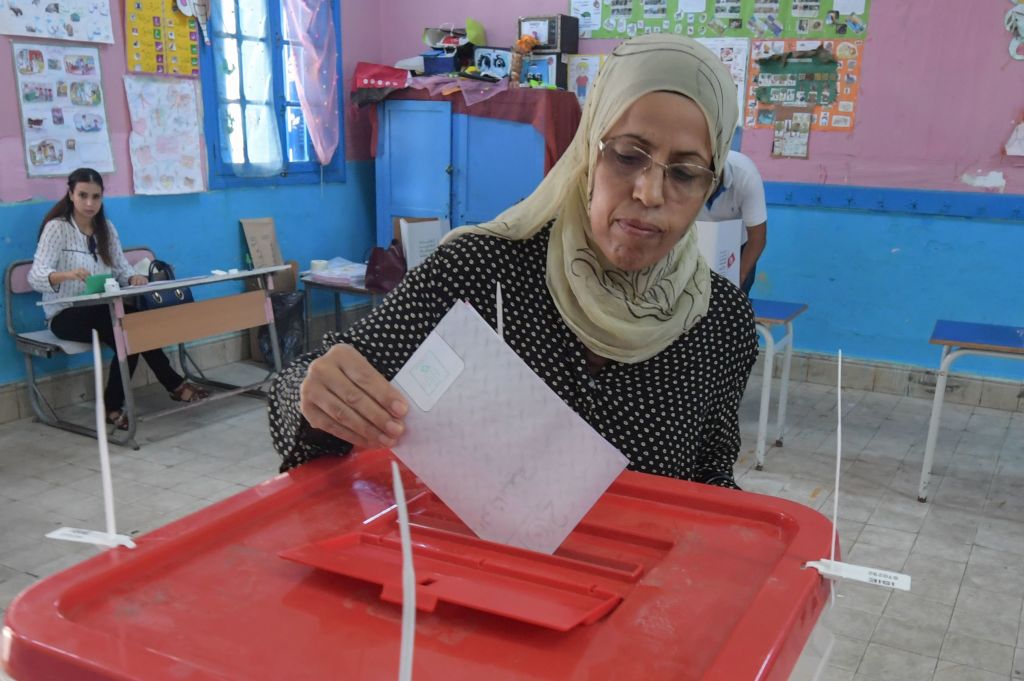
Tonight will be the first of three nights of televised debates among election lists for next Sunday’s parliamentary elections in Tunisia. The first round of presidential elections on Sept. 15 garnered greater international media attention, but the constitution gives the prime minister, who must gain backing from a parliamentary majority, control over domestic policies. Thus, the Oct. 6 election is crucial to Tunisia’s future.
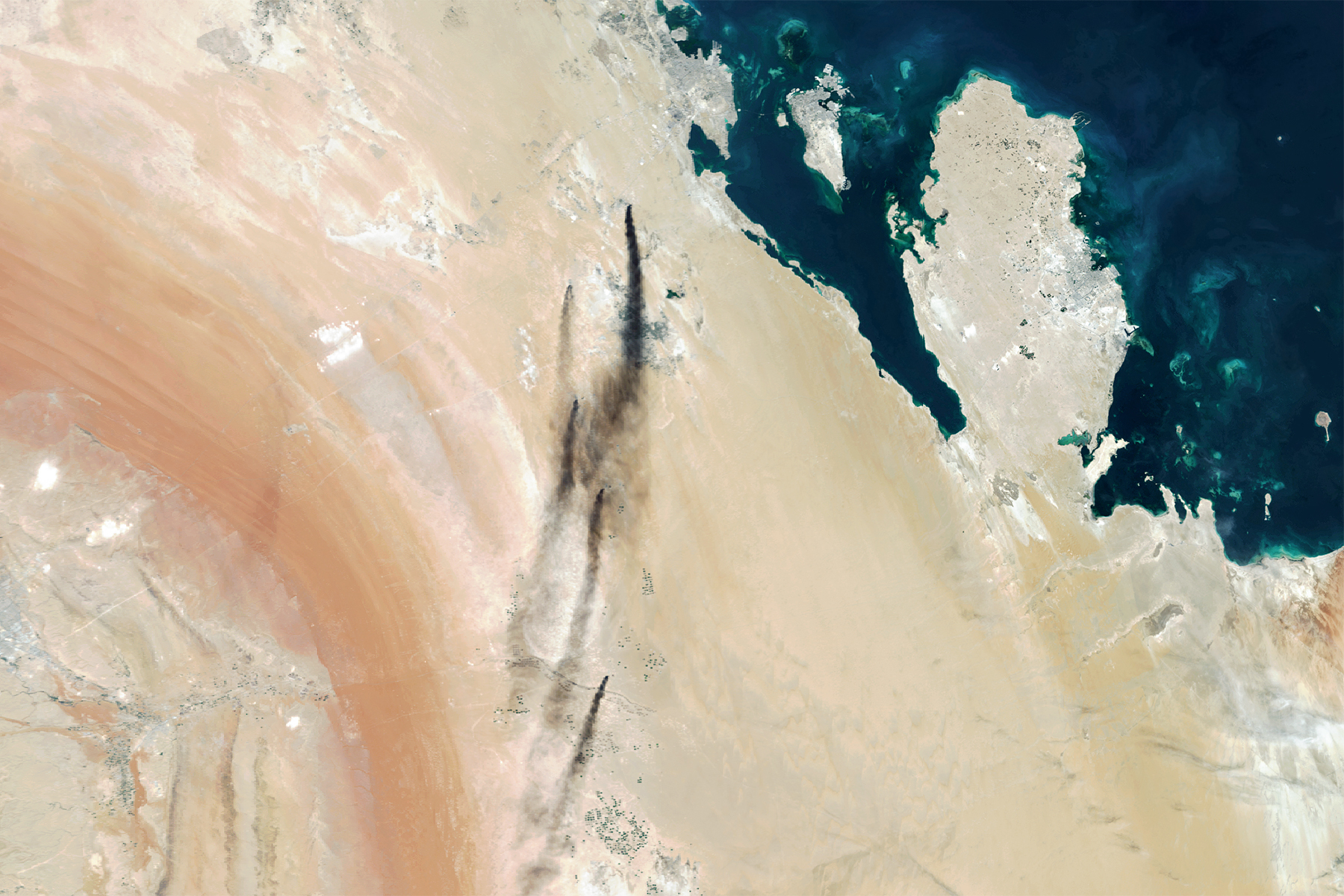
Monday Briefing: Attack on Saudi oil facilities has an impact far beyond the kingdom
This week’s briefing on recent news and upcoming events in the region featuring Ruba Husari, Paul Salem, Gerald Feierstein, Amal Kandeel, Grace Wermenbol, Robert S. Ford, Charles Lister, and Gonul Tol.
This week’s briefing on recent news and upcoming events in the region featuring Marvin G. Weinbaum, Robert S. Ford, Fatima Abo Alasrar, Jean-François Seznec, Michael Sexton and Eliza Campbell.