For Yemen’s Houthis, the status quo is the key to power
On Monday, March 22, Saudi Arabia’s foreign minister, Prince Faisal bin Farhan al-Saud, proposed an initiative to end the war in Yemen in an offer that addressed various long-standing issues that the Houthis wanted to resolve, including lifting land and sea restrictions, and allowing fuel and food imports to the Houthi-held port of Hodeidah. The initiative proposed engaging the parties to the conflict to find a comprehensive peace agreement. The problem, however, is that the Houthis have no incentive to accept any peace proposal for the time being because a resolution to Yemen’s war, at least for now, is at odds with their political and military strategy.
“بينما تعد ندرة المياه في إيران وبقية دول الشرق الأوسط مشكلة طويلة الأمد، فإن بعض الجهود للتعامل معها تبدو محاولات يائسة ولم يتم التخطيط لها دائمًا بعناية”.
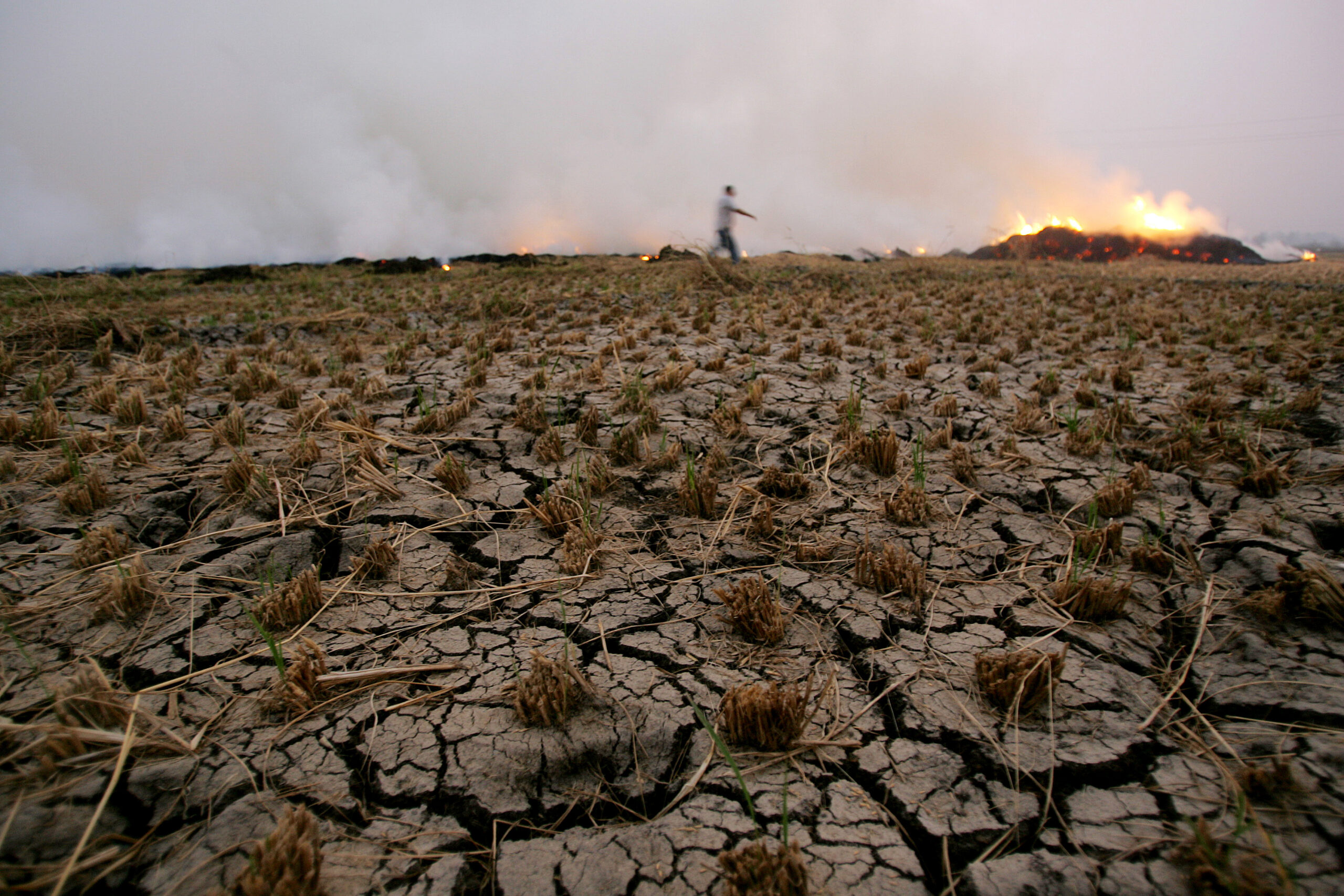
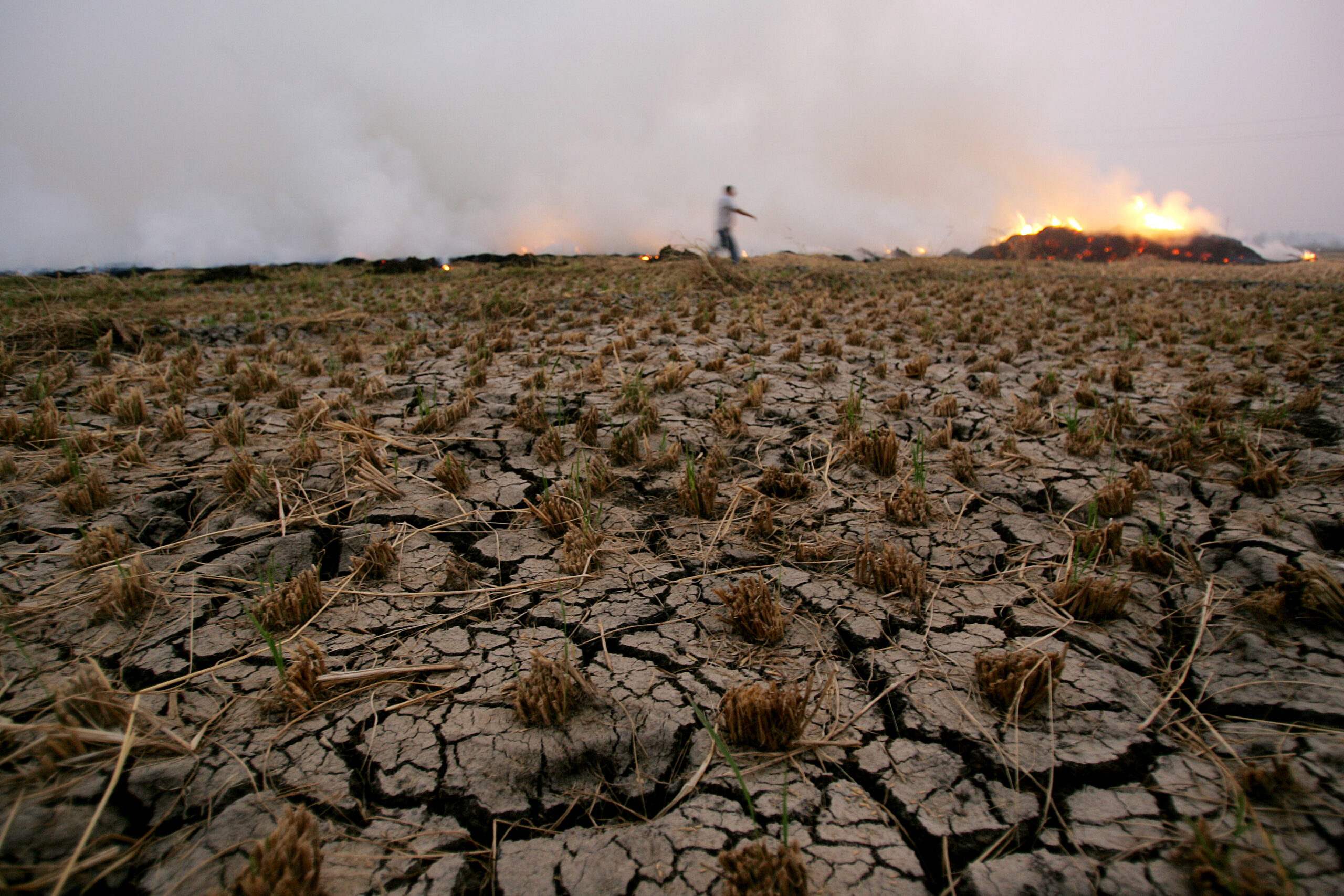
Water scarcity could lead to the next major conflict between Iran and Iraq
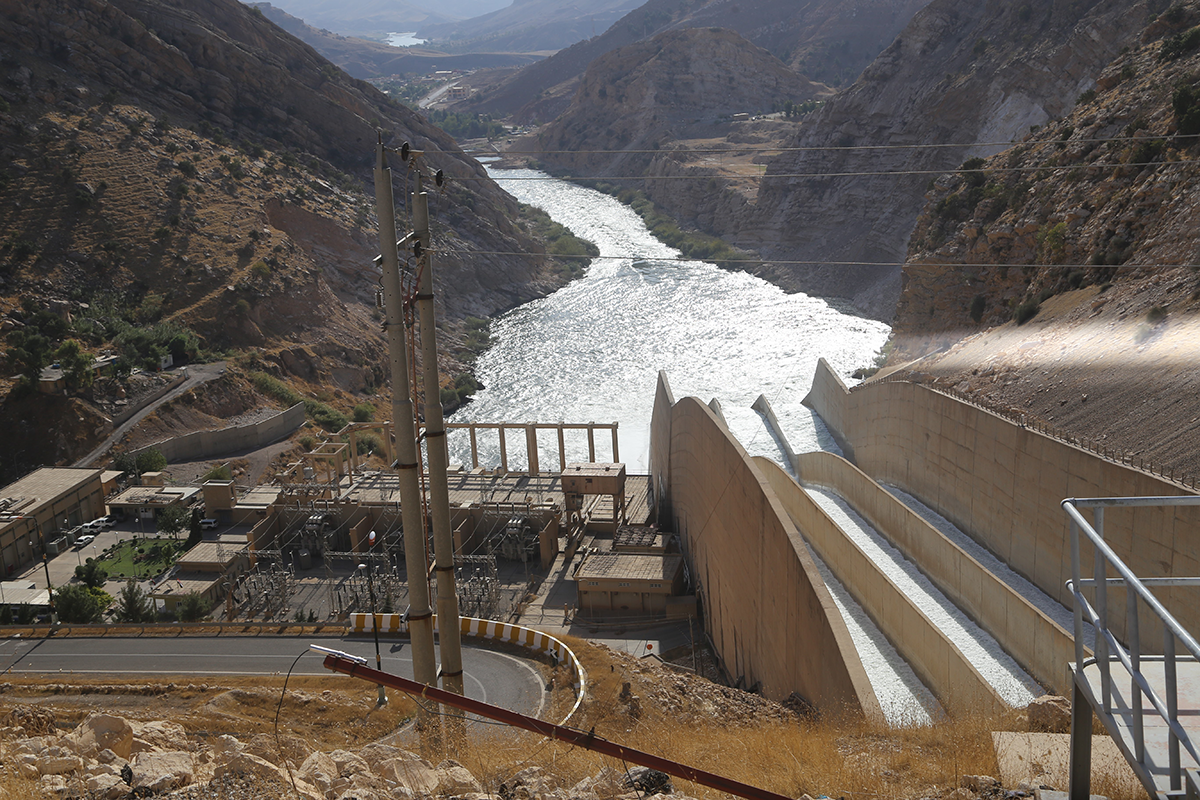
Iran and Iraq are frequently at odds over water issues. Iraq depends on the Tigris and Euphrates rivers for nearly all of its water. But Iran is building dams to redivert some of that water, causing alarm and creating major water shortages for Iraq.
Definitional doom: How Iran and Israel derail legal application in cyberspace
Despite the importance of cyberattacks, little has been written about the relationship between these attacks and the applicable law. States are still struggling with controversies involving definitions, even though there is wide applicability of both laws and norms in this context. As a result, cyberspace remains relatively anarchic and the continued controversies have impeded further progress. Although the global discussion has only just begun, it is clear that the rising prevalence of state-led cyber operations warrants a thoughtful, innovative, and immediate regulatory response. Pressure has been building on the governments of the Middle East to join the conversation as their relevance and power in the cyber domain grows.
Yemen’s prisoners of war and detainees: Lessons learned from local mediation
Prisoners of war and political and civilian detainees are two of the most important humanitarian issues in Yemen. Local mediation has had impressive results, and local mediators, including women, have become key players in resolving this issue. Experience has shown that to bring an end to the war in Yemen, international mediators need to stop ignoring and excluding local efforts and peace builders. Achieving sustainable peace will not happen without the equal involvement of women leaders and the inclusion of those who had no hand in the war.
Alex Vatanka joins host Alistair Taylor to discuss the future of the Islamic Revolutionary Guard Corps, the branch of the Iranian military charged with safeguarding the Islamic Republic, and its proxy warfare strategy.
The Biden Administration and the Middle East: Policy Recommendations for a Sustainable Way Forward
In a new policy briefing book, entitled The Biden Administration and the Middle East: Policy Recommendations for a Sustainable Way Forward, MEI scholars tackle a large number of country-specific and region-wide issue areas, laying out both the abiding U.S. interests and specific recommendations for Biden administration policies that can further U.S. interests amid a region in turmoil.
How is Iran responding to Biden’s policy shift on Yemen?
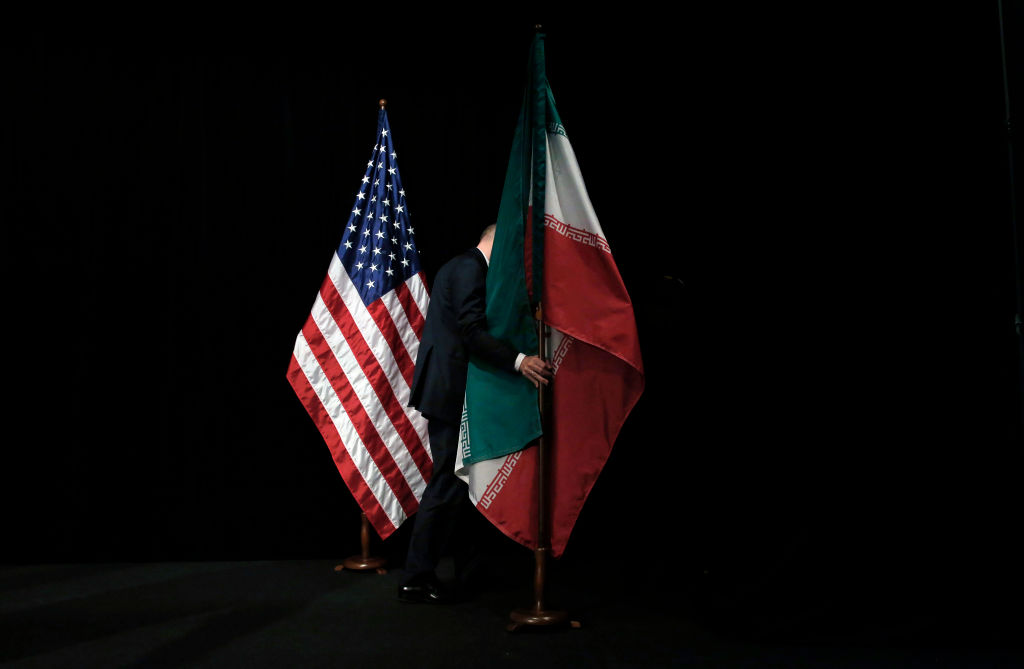
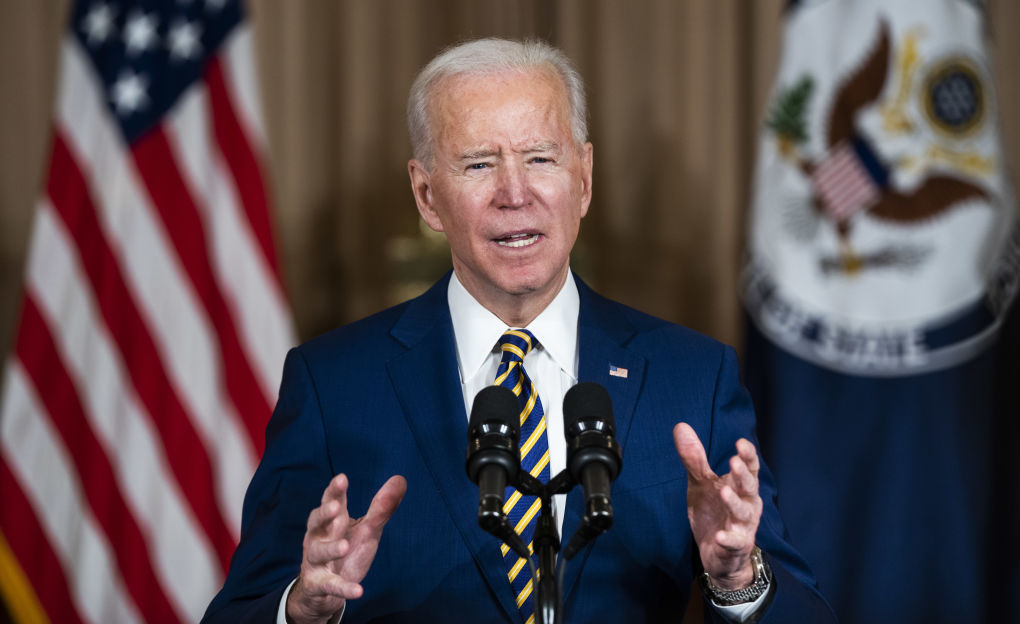
On Feb. 4, President Joe Biden announced the end of U.S. support for the Saudi Arabia-led coalition’s offensive military operations in Yemen. This decision fuelled optimism about a U.S. return to negotiations over the JCPOA with Iran. Instead of engaging with the United States, Iran has supported the Houthi-orchestrated Marib offensive and stepped up its diplomatic efforts in Yemen.