Oman’s Transition to a Post-Oil Economy: Arching Toward Asia
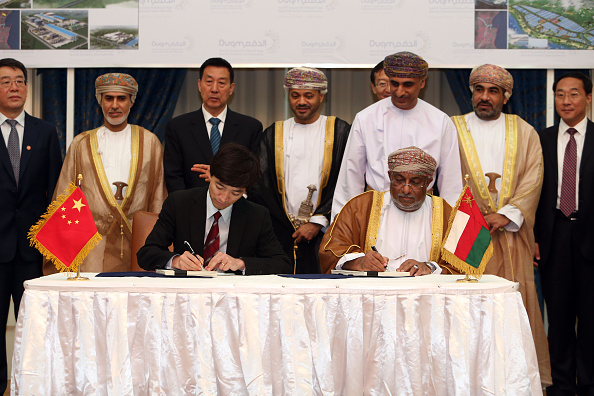
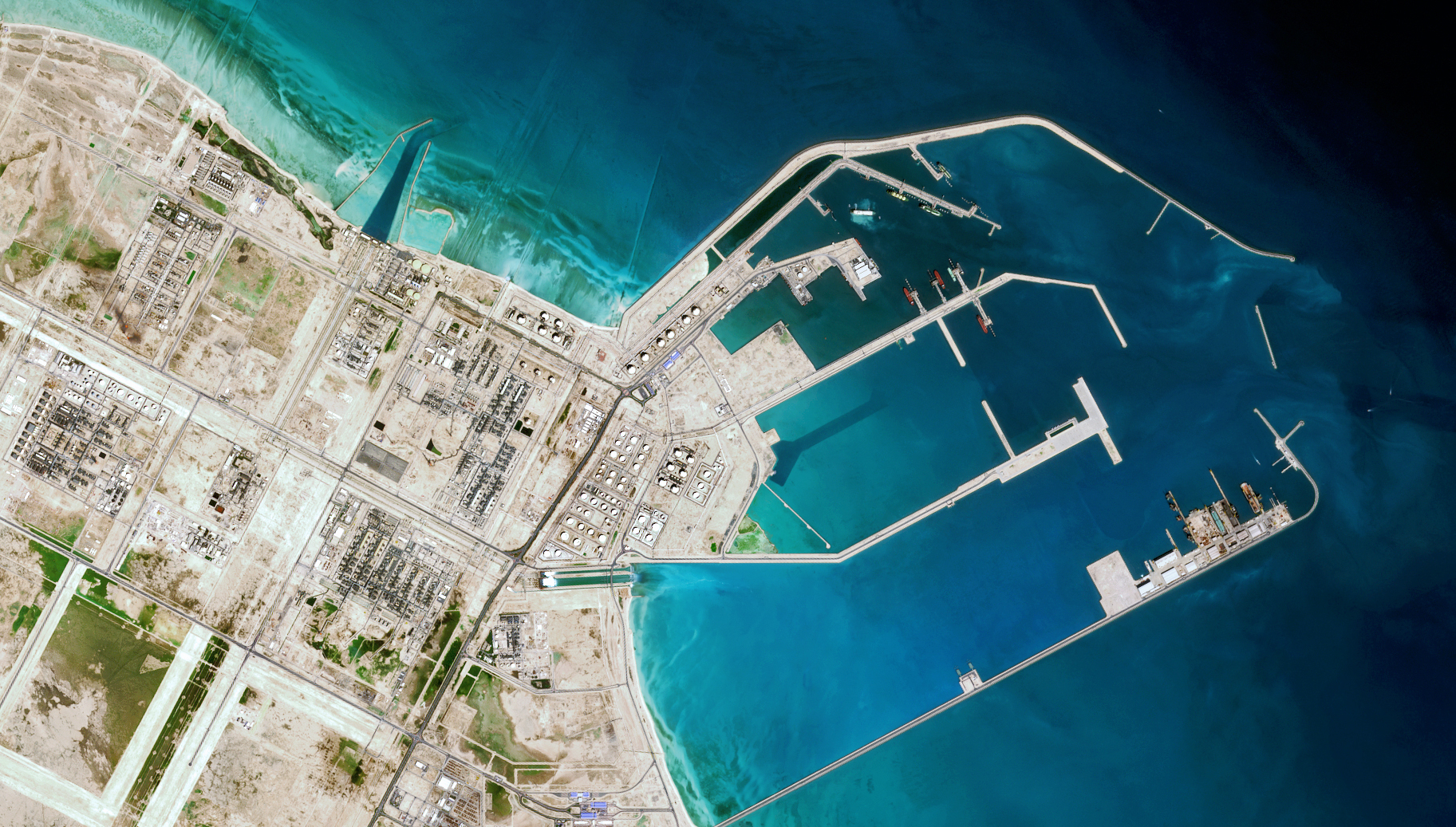
The development of Duqm Port and Special Economic Zone (SEZ) is at the forefront of Oman’s efforts to transition to a post-oil economy. The Malaysian economic transformation management model, the Singaporean example of achieving prosperity through combining free trade and business-friendly policies with its role as a trans-shipment and logistics hub, and an initial infusion of substantial Chinese investment capital and project participation all have played central roles in how this process has unfolded — and will likely remain key determinants of its future progress.
Antiquities trafficking and the battle to reclaim cultural heritage
As long as there have been tombs, there have been tomb raiders. Today the plunder is taking place on an unprecedented scale, and the multi-billion dollar illegal trade has been used to fund groups such as ISIS. Brigadier General Fabrizio Parrulli of Italy’s Carabinieri Command for the Protection of Cultural Heritage, and Deborah Lehr, founding director and CEO of The Antiquities Coalition, join host Paul Salem to discuss the international efforts to crack down on antiquities trafficking.
Even though energy production and exports are the lifeblood of all Arab states in the Gulf, the present crisis between Qatar on the one hand and Saudi Arabia, the United Arab Emirates, Bahrain, and Egypt on the other has had very little influence on the economics of oil and gas either internationally or within the region. However, the countries involved have a lot to gain from a resolution of the conflict, particularly if it leads to greater energy market integration.
In this week’s Monday Briefing, MEI experts Robert S. Ford, Gerald Feierstein, Marvin G. Weinbaum, and Bilal Y. Saab provide analysis on Iran’s efforts to stay in Syria, Pompeo’s upcoming trip to Abu Dhabi, the Pakistan Muslim League’s struggle in the upcoming National Assembly elections, and Qatar’s decision to renege on its Russian S-400 purchase.
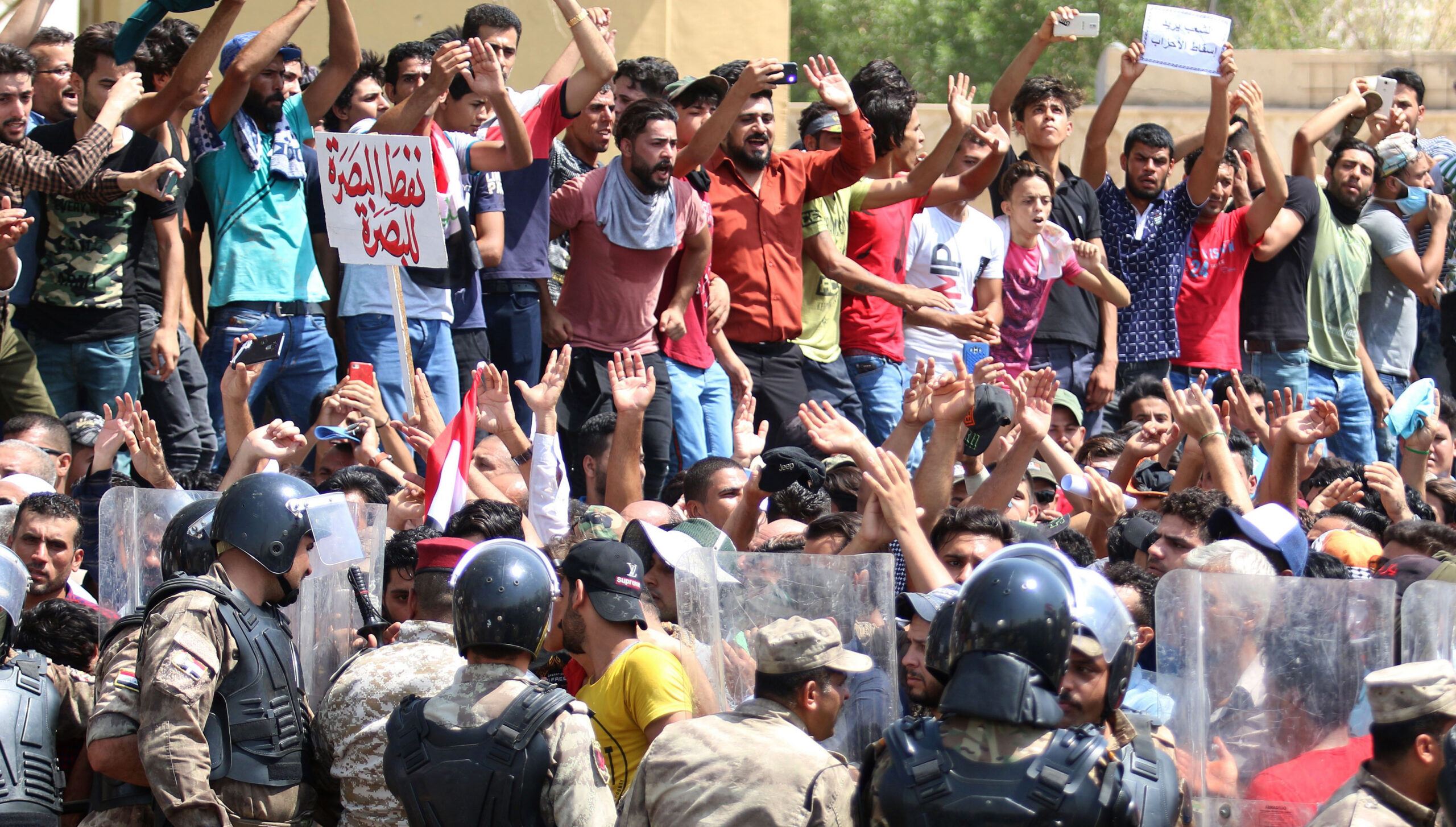
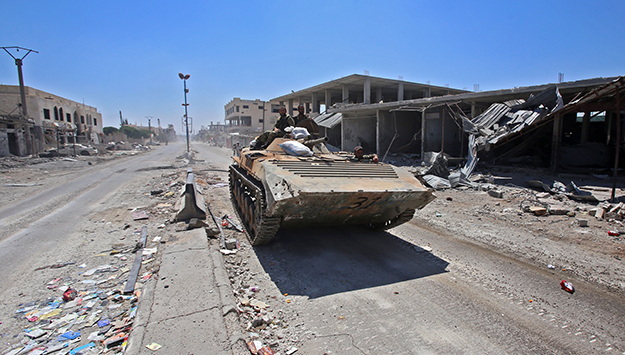
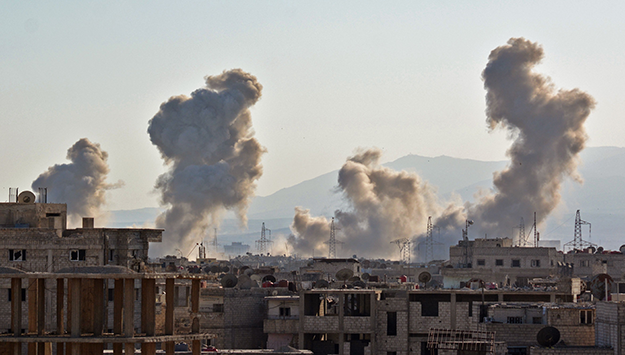
In this week’s Monday Briefing, MEI experts Charles Lister, Alex Vatanka, Randa Slim, and Marvin G. Weinbaum provide analysis on the US’s silence amid the Assad regime’s expansion, the Iranian president’s trip to Europe, the uptick in violence after Iraq’s elections, and the upcoming Pakistani parliamentary elections.
The importance of understanding Middle Eastern arts and culture
Middle East policy is most commonly viewed through a security or geopolitical lens, but arts and culture is the human lens into the region. MEI Vice President Kate Seelye and Lyne Sneige, director of MEI’s Arts & Culture program, join Paul Salem to discuss the importance of culture as a tool for enriching policy discourse.
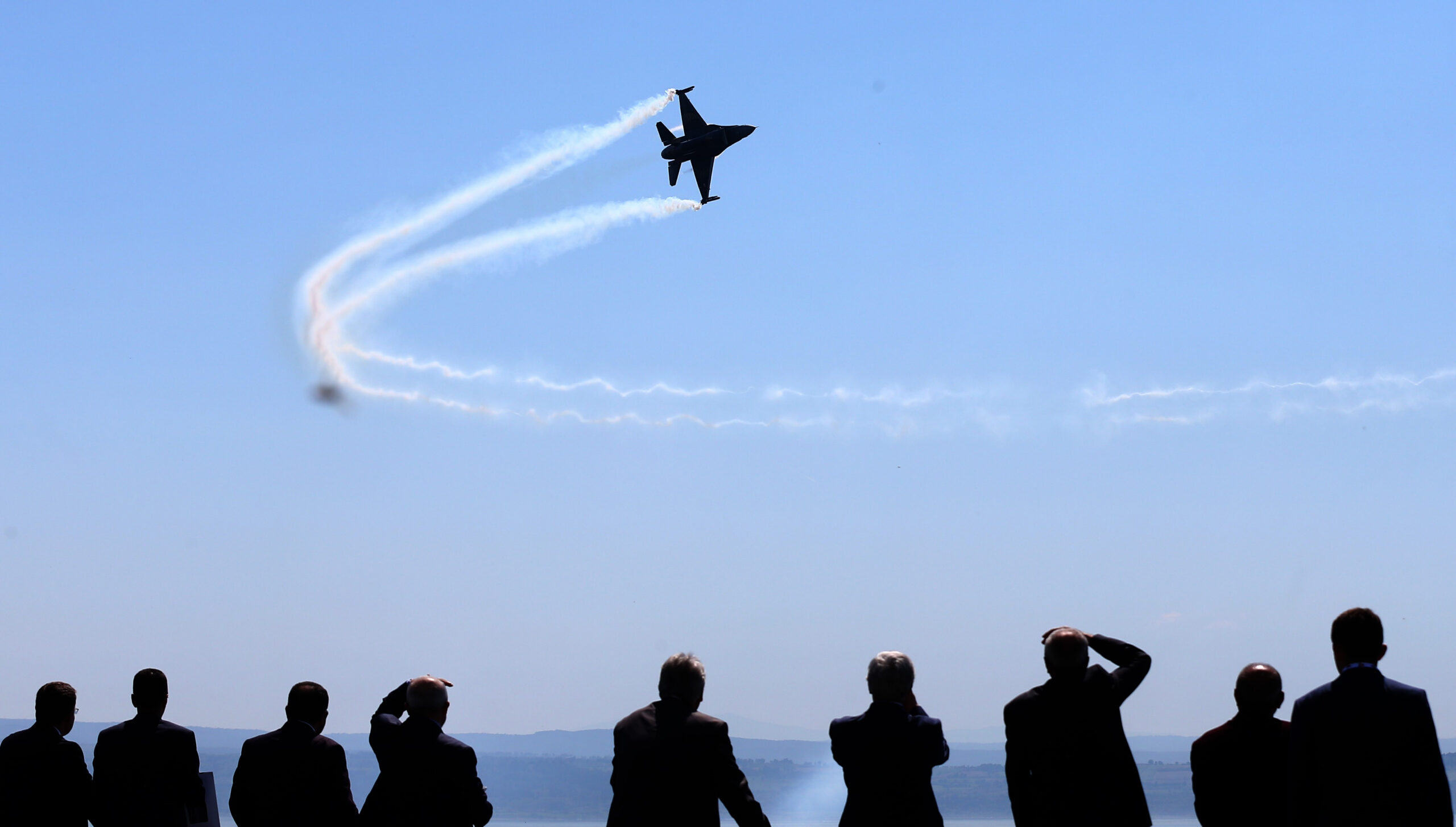
The fighter jet that could break US-Turkey defense relations
On Jun. 18, the U.S. Senate voted for the National Defense Authorization Act (NDAA), which proposes blocking the delivery of F-35 combat aircraft to Turkey and advises the removal of Turkey from the 20-year-old international program for joint production of F-35s. This motion was preceded by a May 25 vote in the U.S.
China’s Belt and Road Initiative (BRI) and Turkey’s Middle Corridor: “Win-Win Cooperation”?
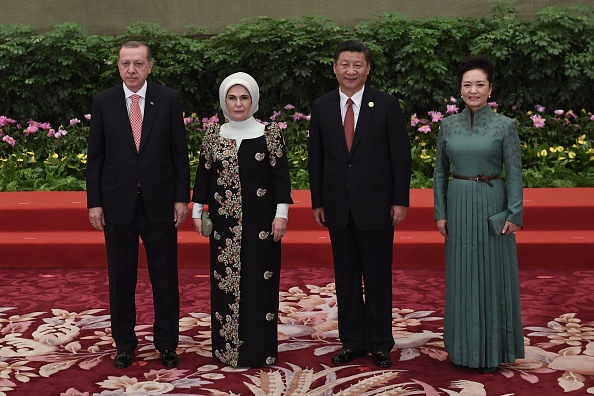
The launching of the Belt and Road Initiative (BRI) and the Middle Corridor have provided wider scope and greater potential for China, now the world’s second-largest economy and Turkey, a G20 member, to develop more extensive bilateral trade and investment ties and further advance their respective regional and global aspirations. This article examines the headway that China and Turkey have made and the roadblocks that they have encountered in enhancing their economic relations.
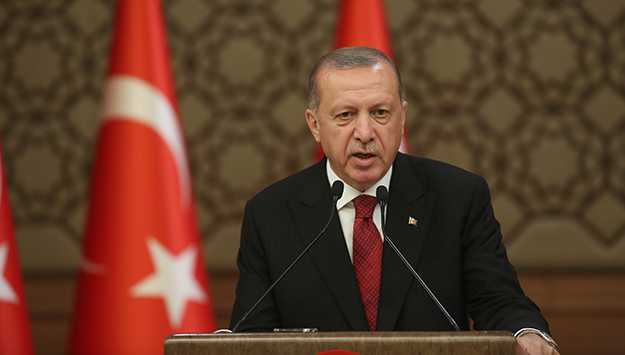
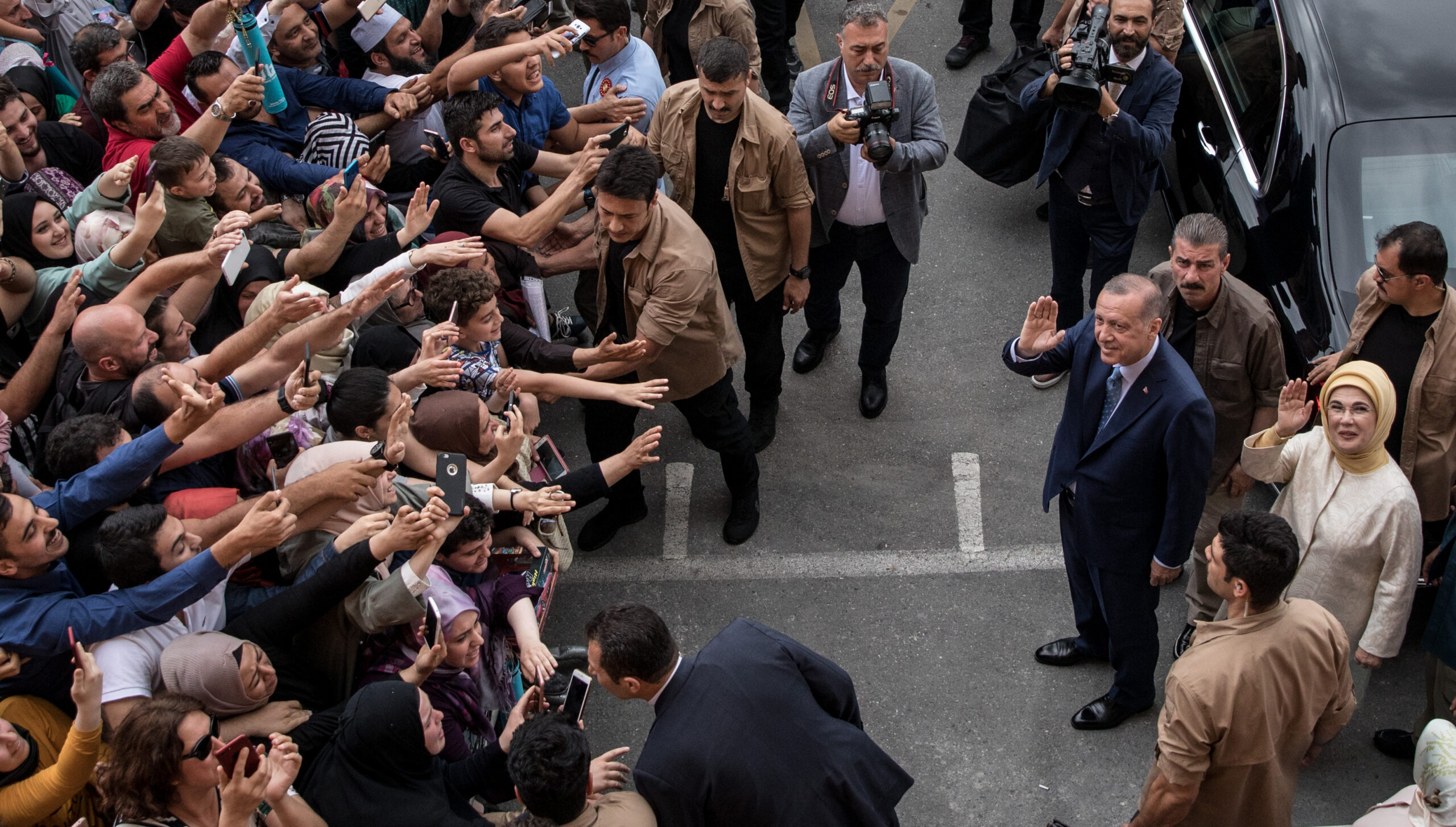
Turkey’s President Recep Tayyip Erdogan claimed victory in critical presidential and parliamentary elections on Sunday. The vote grants him five more years in office as well as unprecedented powers in a powerful presidential system. His critics had hoped that this time they had a real shot at defeating the strongman. The notoriously fractured opposition had united to deny the ruling party a parliamentary majority. The main opposition, the Republican People’s Party (CHP), had fielded a firebrand candidate who was determined to reach out well beyond the party’s secularist, nationalist base.
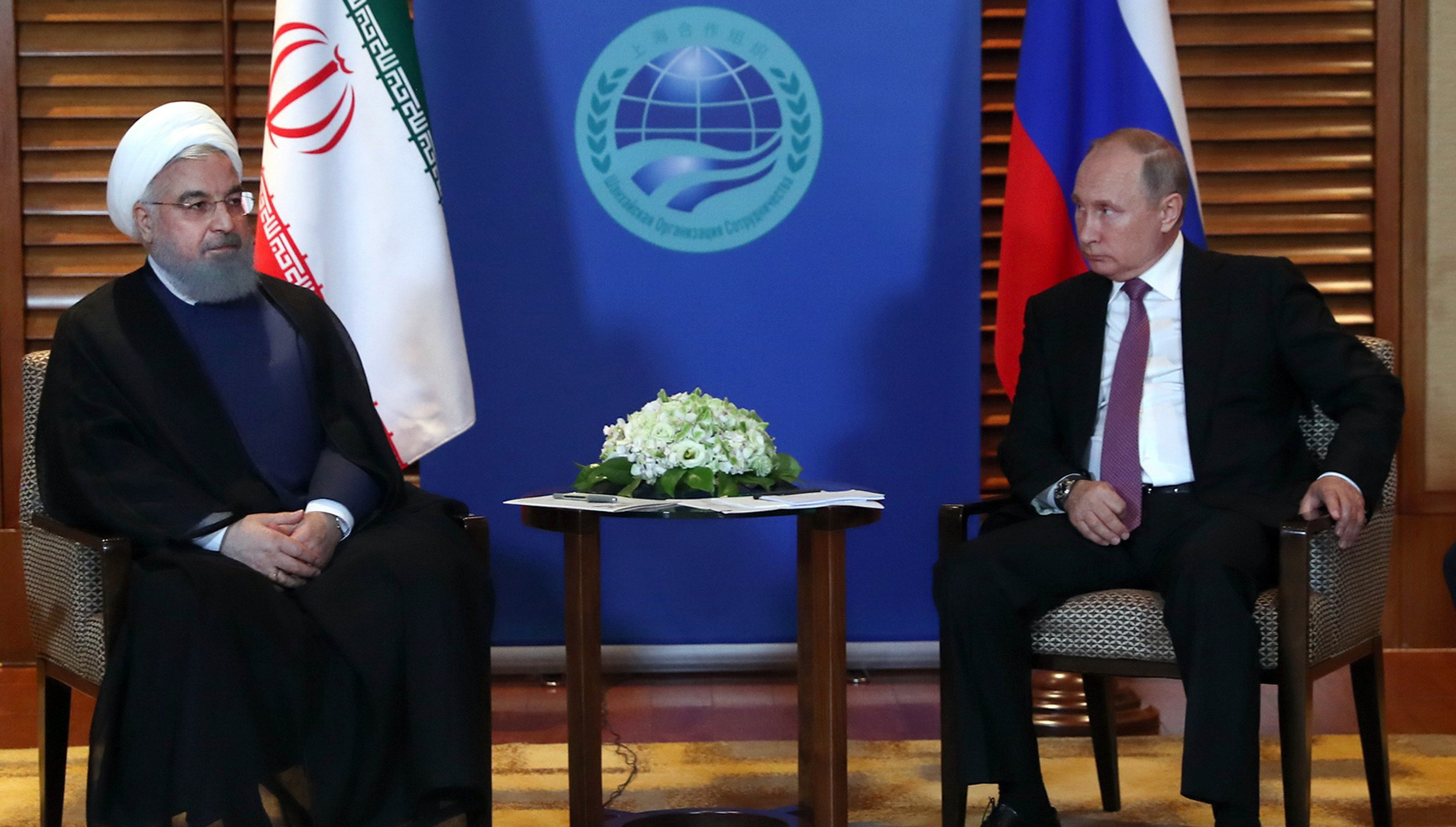
As international companies leave Iran under U.S. pressure, the Iranian government is scrambling to salvage as much foreign investment as possible. The top leadership in Tehran believes the solution is to engage with Russia, China, and the “east” to replace the West’s hesitant commitment to the Iranian market. But this eastward approach is a pipe dream, and there is plenty of history to prove it.
Vibrant art scene inspires cooperation, competition in Gulf
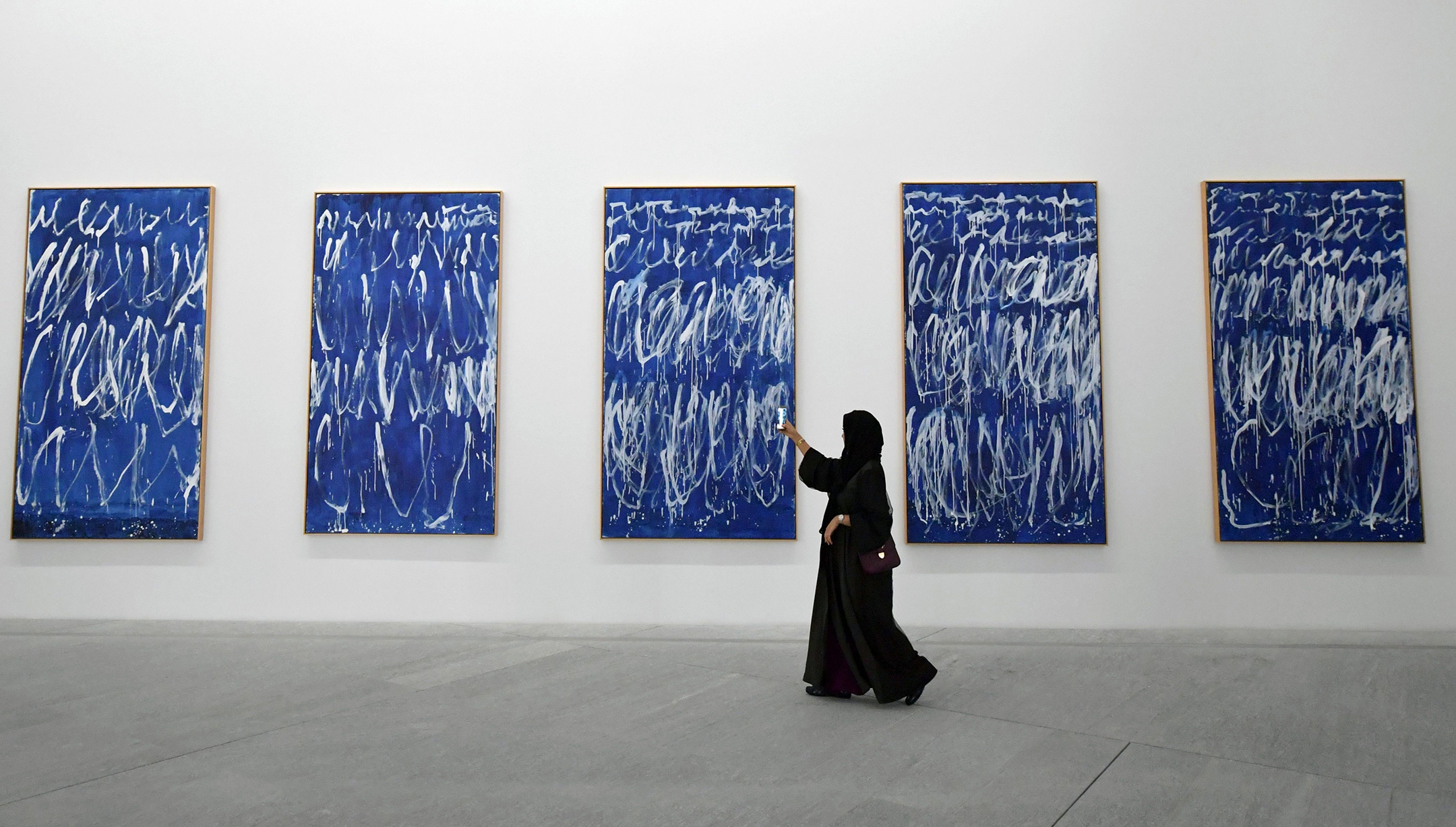
The countries of the Middle East are using art to remodel their national identities. Billions of dollars have been spent on colossal building efforts and massive acquisition programs in an effort to expand the cultural sector in the Middle East, especially in the Gulf. Art acquisition now appears to be part of a geopolitical strategy by Gulf countries to use their hydrocarbon money to purchase cultural clout and establish themselves as international cultural centers.
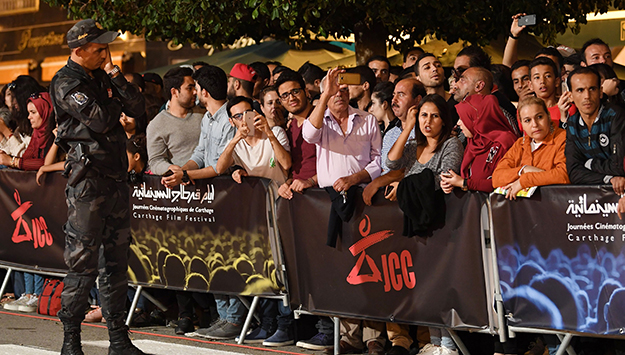
Returning to Tunisia for the first time in six years after facing charges of blasphemy for the making of “Laicite Inshallah,” her 2011 film about religious hypocrisy and government complicity with Islamist elements during and after President Zine El Abidine Ben Ali’s regime, veteran filmmaker Nadia el-Fani experienced an emotional moment.
Standing on the stage at the Carthage Film Festival’s November 2017 screening of her film, “It Doesn’t Even Hurt,” which depicts her simultaneous battles with breast cancer and death threats from Islamist extremists, she began to weep.
Nowhere in the world are women more unequal than in the Middle East and North Africa, but there have been signs of progress in the region and several key reforms took place in 2017, such as Saudi Arabia’s decision to lift the ban on women driving. Manal Omar, founder of Across Red Lines, and Hala Aldosari, a fellow at the Radcliffe Institute for Advanced Study at Harvard University, join guest host Kate Seelye to discuss these reforms and whether they signal real change in attitudes toward women’s rights in the region.