Iran’s “harsh revenge”: Is blocking the Strait of Hormuz really a plausible option?
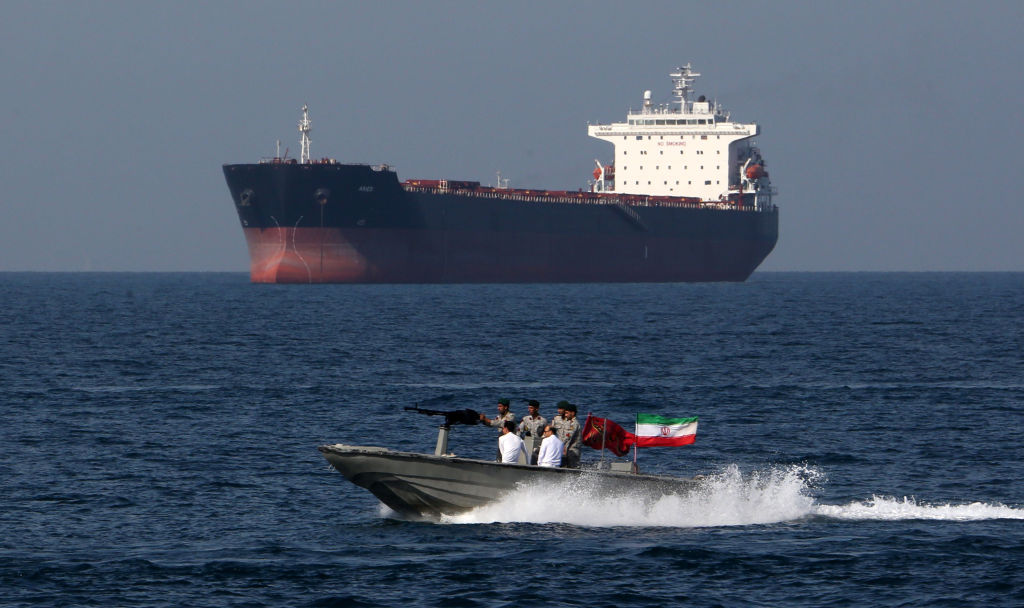
In the immediate aftermath of the assassination of Gen. Qassem Soleimani, head of the Islamic Revolutionary Guard Corps – Quds Force, on Jan. 3, Ayatollah Ali Khamenei warned the U.S. of Iran’s “harsh revenge.” There has been much speculation around the timing, location, and the type (or form) of Iran’s promised revenge. Amin Mohseni-Cheraghlou takes a closer look at the impact of the widely discussed strategy of blocking the Strait of Hormuz.
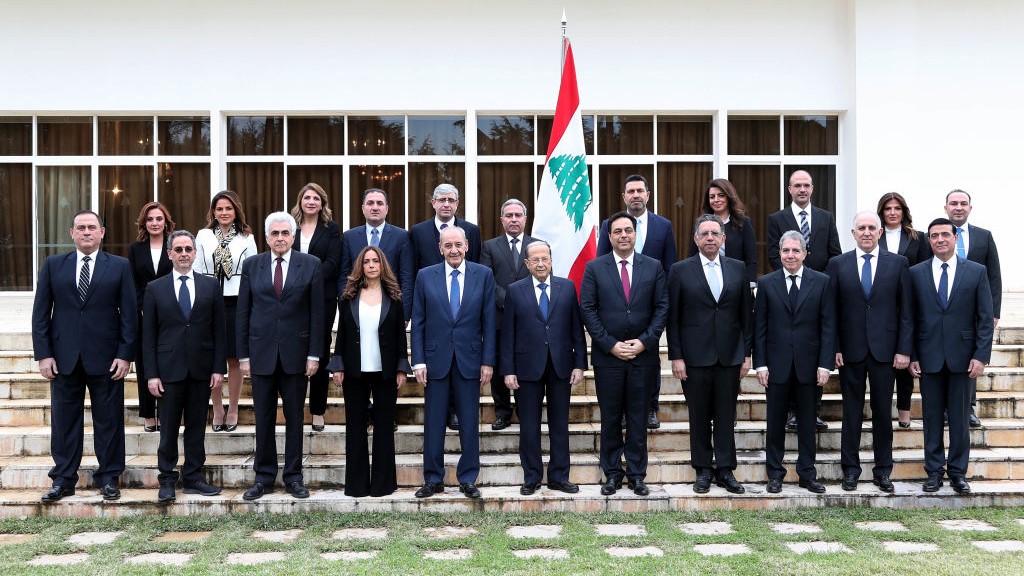
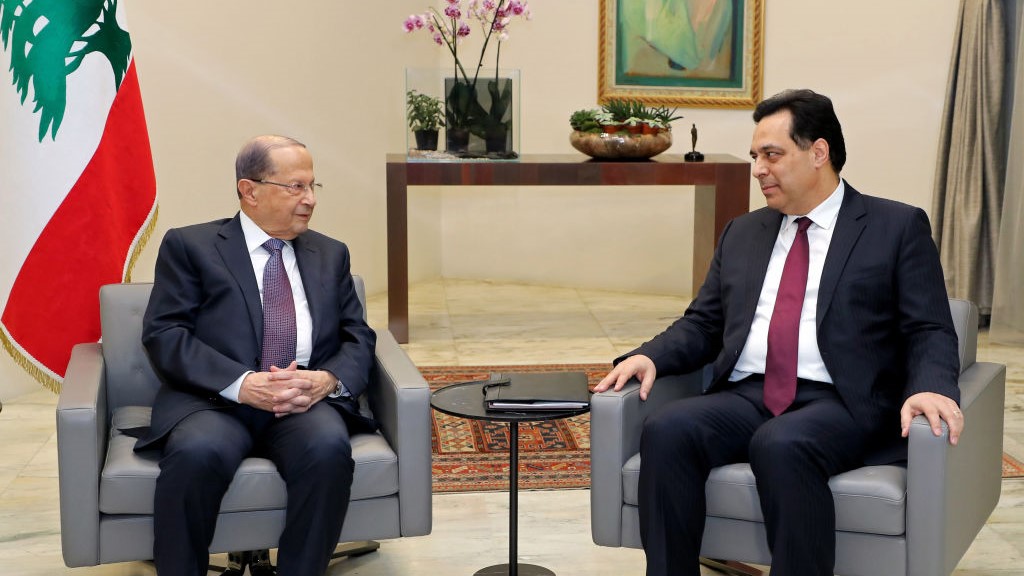
No amount of analytical nuance or ingenuity can challenge the conclusion that the newly formed government in Lebanon is Hezbollah’s creation. The only question left to answer is: why did Hezbollah do it?
Lebanese oligarchs approve technocratic shadow government
The new government is politically aligned with the pro-Hezbollah and pro-Syrian axis in Lebanon, and is very unlikely to drum up international and regional support.
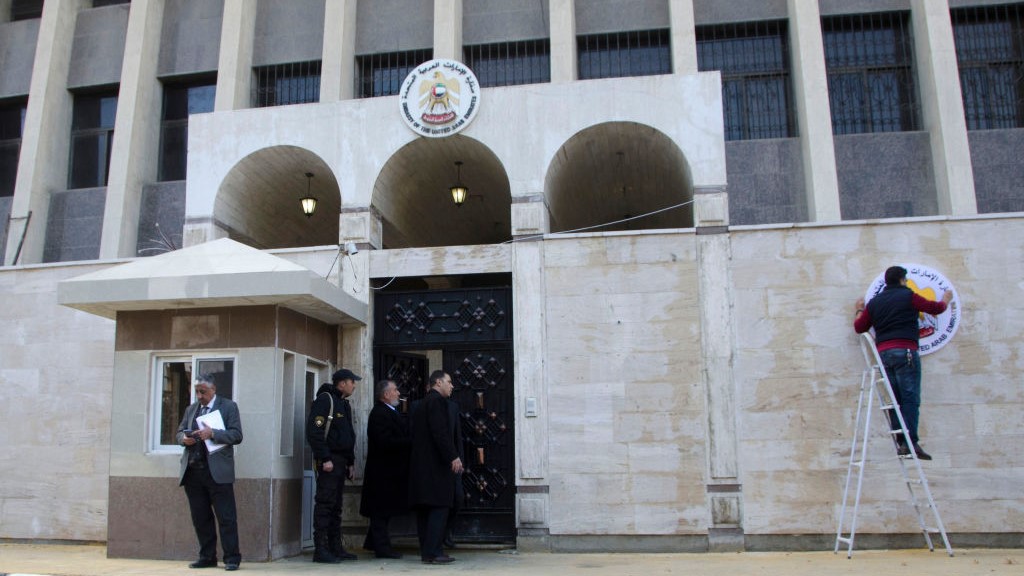
Foreign policy and commercial interests drive closer UAE-Syria ties
On Dec. 2, a series of public statements from Emirati and Syrian officials brought widespread attention to the UAE’s rapprochement with Syria. In a video circulated by Russian state media outlet RT, the UAE’s charge d’affaires in Syria, Abdul-Hakim Naimi, praised the “wise leadership” of Syrian President Bashar al-Assad and hailed the Syria-UAE relationship as “solid, distinct, and strong.” Syrian Deputy Foreign Minister Faisal Mekdad responded enthusiastically to Naimi’s comments by praising the UAE for standing by the Syrian government in its war against terrorism.
The sky is sliding: Why and how the Lebanese avoided catastrophe and aggravated challenges over time
Lebanon’s in trouble and the Lebanese may soon face the real reckoning that they’ve thus far avoided. Having bought time they’ve increasingly needed with money they’ve increasingly lacked, but somehow conjured, they’re running out of both. Its leaders must act, soon, to avoid a complete catastrophe. And, whether avoiding or coping with collapse, the Lebanese must well and truly consider how to shape a better future.
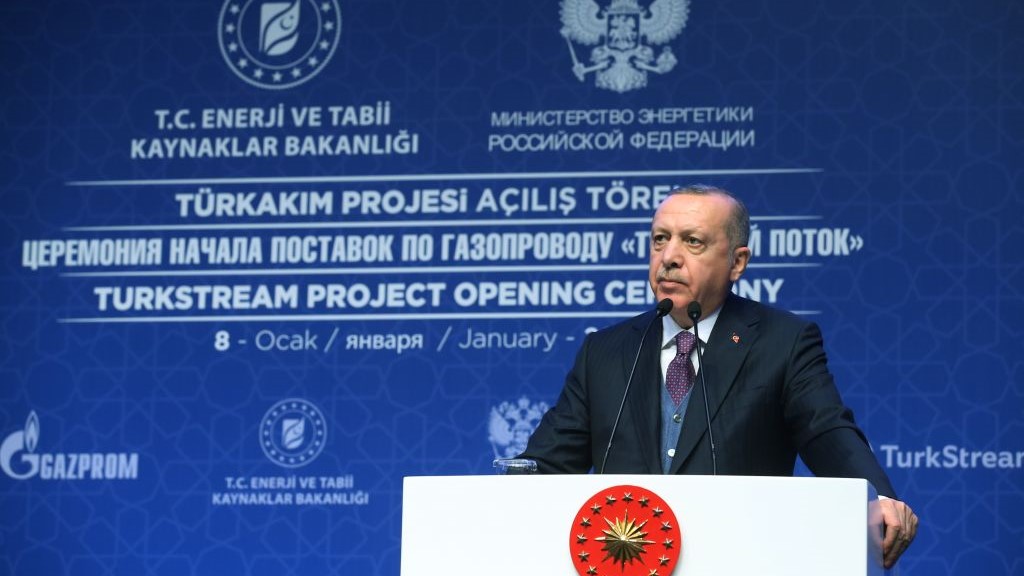
On Jan. 8, Turkey inaugurated the TurkStream natural gas pipeline from Russia, seemingly deepening Ankara’s ties with Moscow. However, a fuller analysis of Turkey’s current energy policies and consumption trends indicate a dramatic shift westward, away from Russia and Iran.
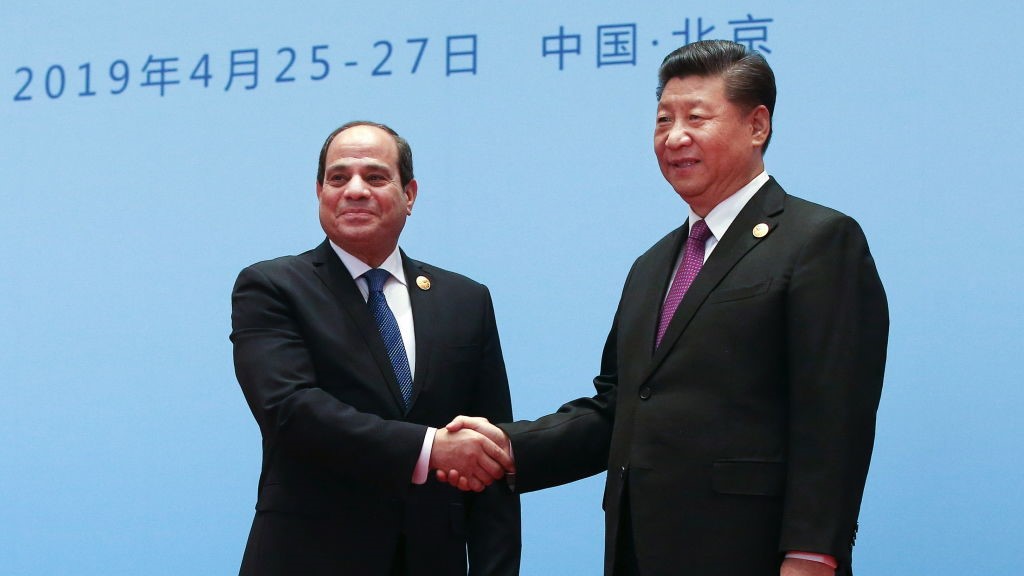
While the world is engaged in an ongoing discussion about the ramifications of the trade war between Washington, DC and Beijing, the economies of the Middle East are shifting away from their longstanding ties with the U.S. toward economically powerful China. This may have long-term implications for economic and political dynamics in the region.
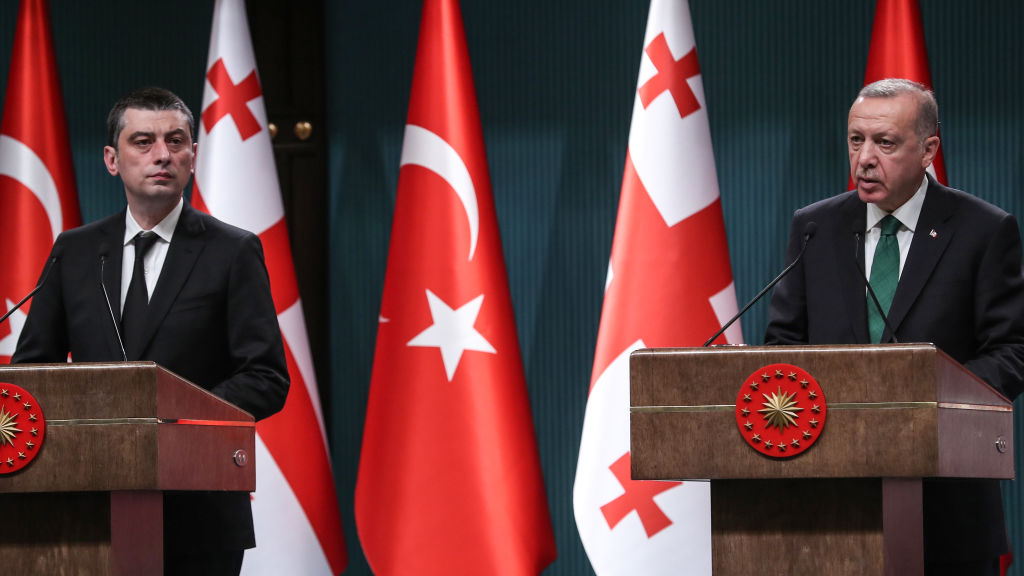
Georgia: European aspirations, Middle Eastern realities
Since regaining its independence nearly three decades ago, European aspirations have been a central part of Georgia’s political agenda and identity. But the reality is more complicated and Georgia is, in a meaningful sense, part of both greater Europe and the greater Middle East.
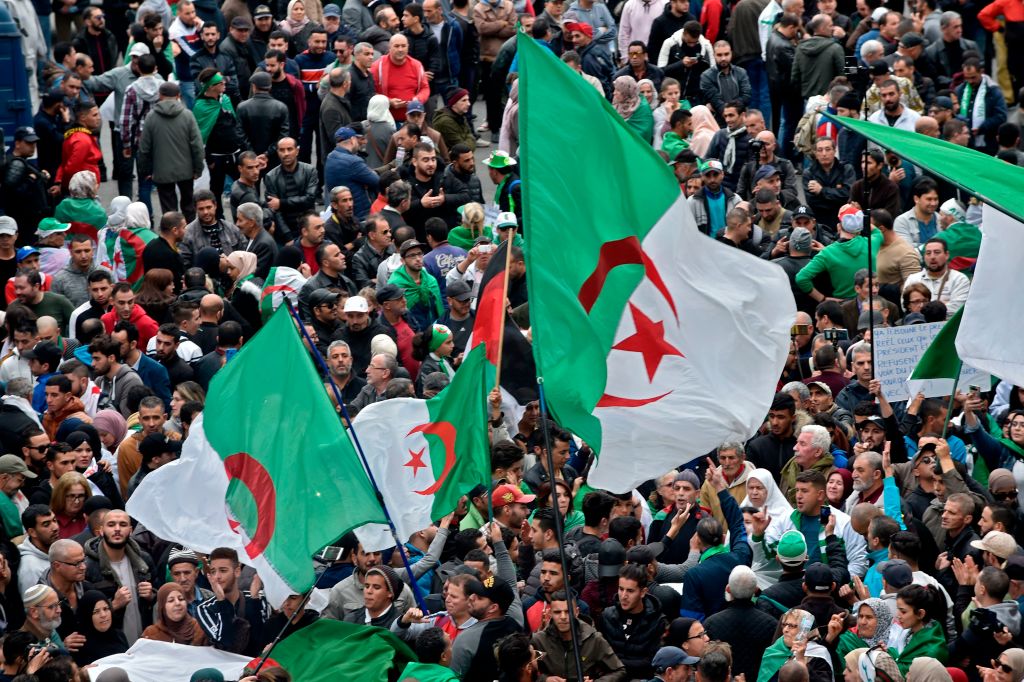
The future of the UK’s relationship with the Maghreb
The UK’s impending exit from the EU will present a new chapter for British interests in and posture toward the region. If the UK is to find a trade-off for loss of diplomatic and economic heft, it will need to re-prioritize its engagement efforts. Policy continuity toward Morocco and Tunisia appears inevitable; Algeria, in contrast, promises great opportunity for an evolving relationship.
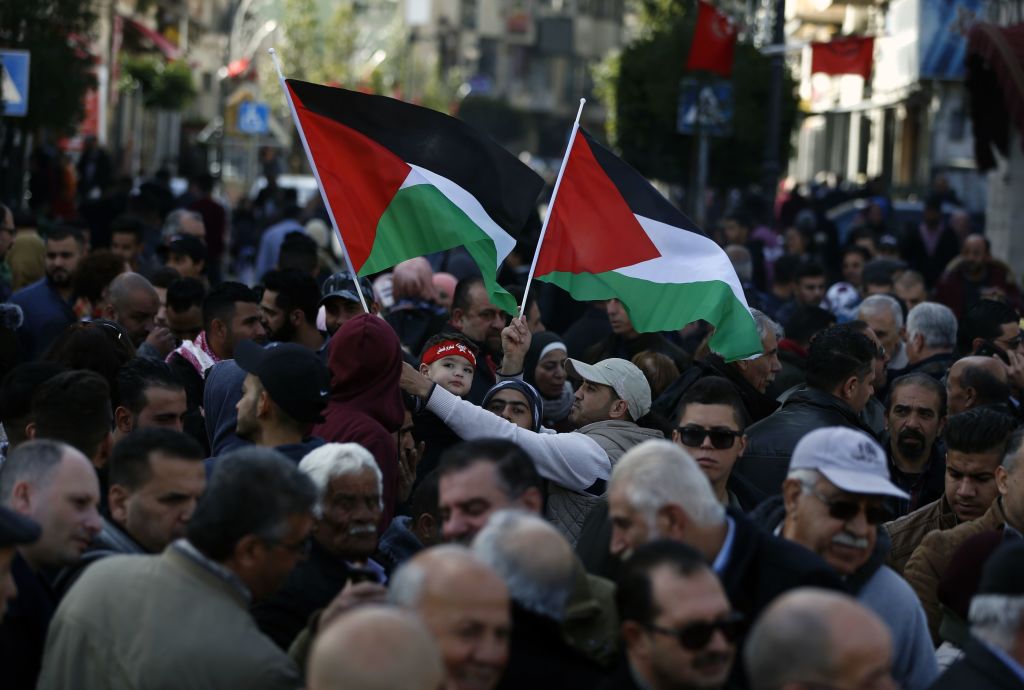
Holding long overdue elections for the Palestinian presidency and the legislative arm of the Palestinian Authority could be a step toward redressing the Fatah-Hamas conflict.
Expect the expected: The new EU high representative and the MENA region
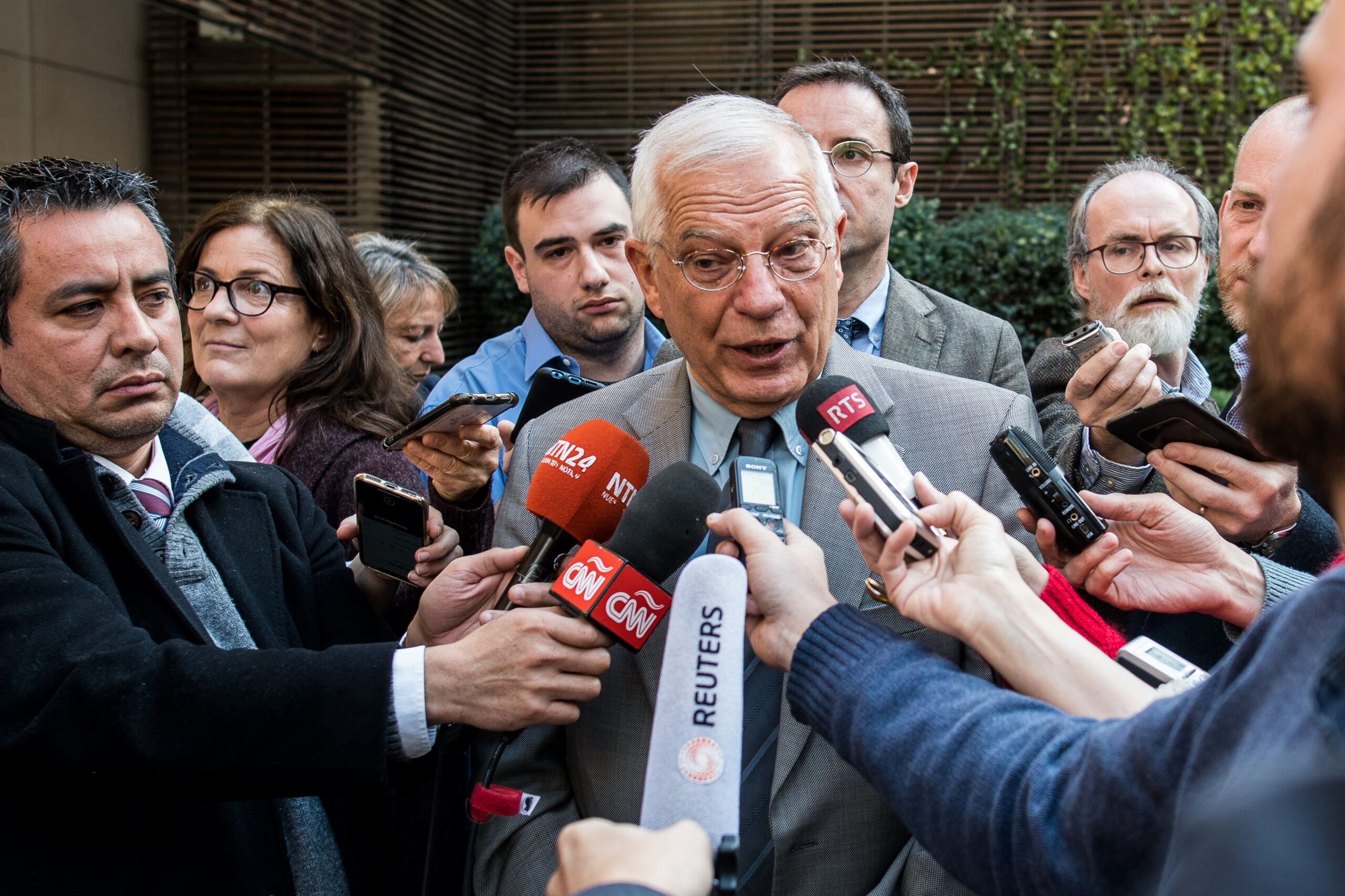
Spain’s foreign minister, Josep Borrell Fontelles, became the EU’s high representative for foreign affairs and security policy on Dec. 1. Borrell’s comments on EU foreign policy have often been controversial, and he has been highly critical of the union’s diplomatic actions in the past. What might this mean for EU-MENA affairs? What are Borrell’s views on key regional issues, such as the Israeli-Palestinian conflict, relations with Iran, the situation in Syria, and migration?
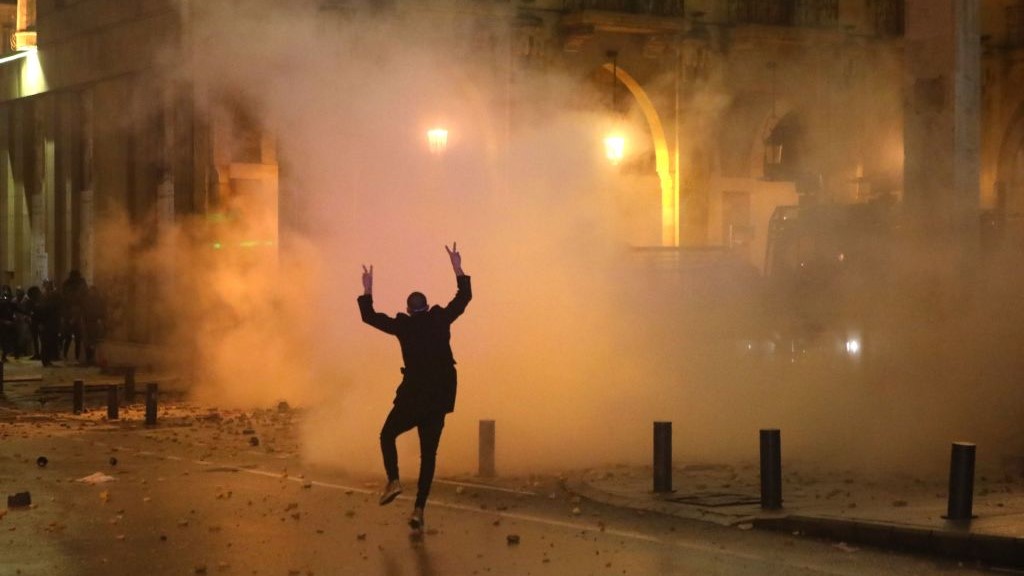
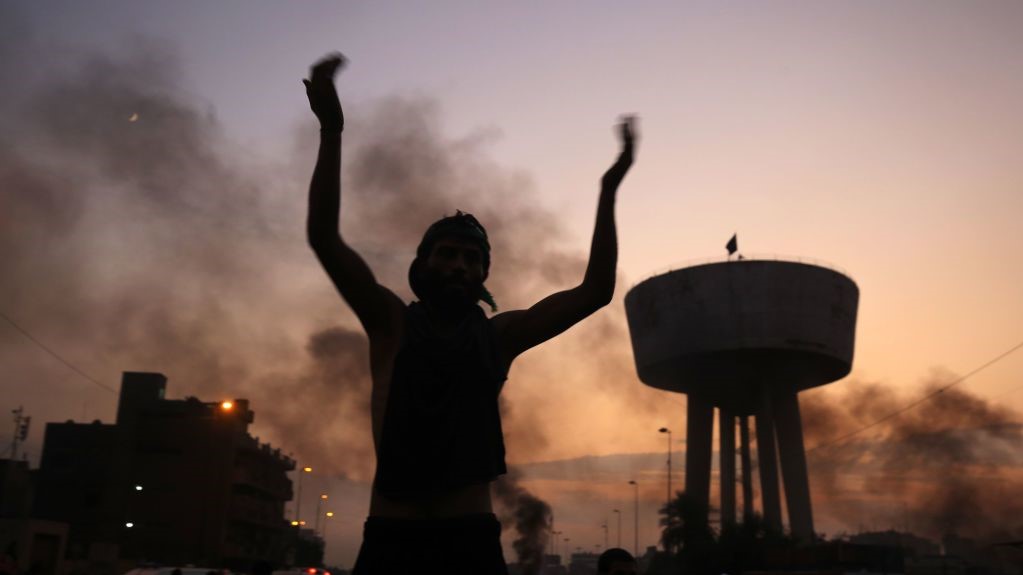
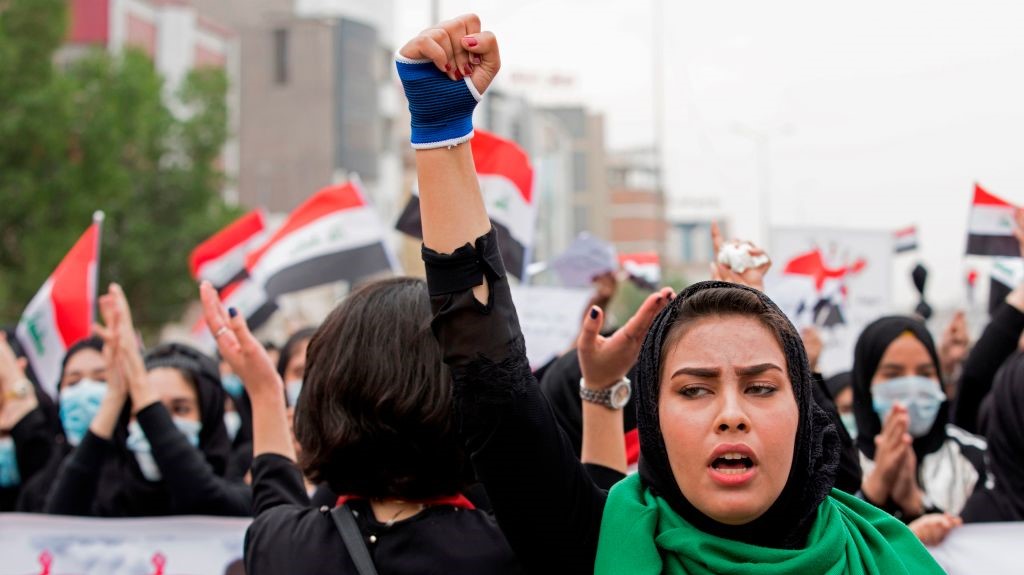
The three uprisings in Iran, Iraq, and Lebanon represent the revolt of a new generation seeking to build a better future for itself. Since 2011, there have been 11 uprisings in the Middle East and North Africa. All 11 uprisings have similar drivers: the explosive dysfunction of high demographic growth, low levels of economic development and job creation, poor government performance and services, and high levels of corruption and inequality.