The UAE eyes AI supremacy: A key strategy for the 21st century
The (UAE is laying the groundwork for regional supremacy in AI. By fostering a web of novel institutions and partnerships, the Gulf state aims to augment its capacity to execute lofty AI policy initiatives. Further signaling its resolve, Abu Dhabi is lavishing the nascent sector with a host of incentives: financial privileges, office space, and even health care coverage. The embrace of AI comes as the UAE is cultivating emerging technologies as a means of boosting and diversifying its rentier economy, as well as signaling its innovation capacity and viability as a global trade powerhouse.
Trusted networks: How the Assad regime subverts clan ties in Daraa
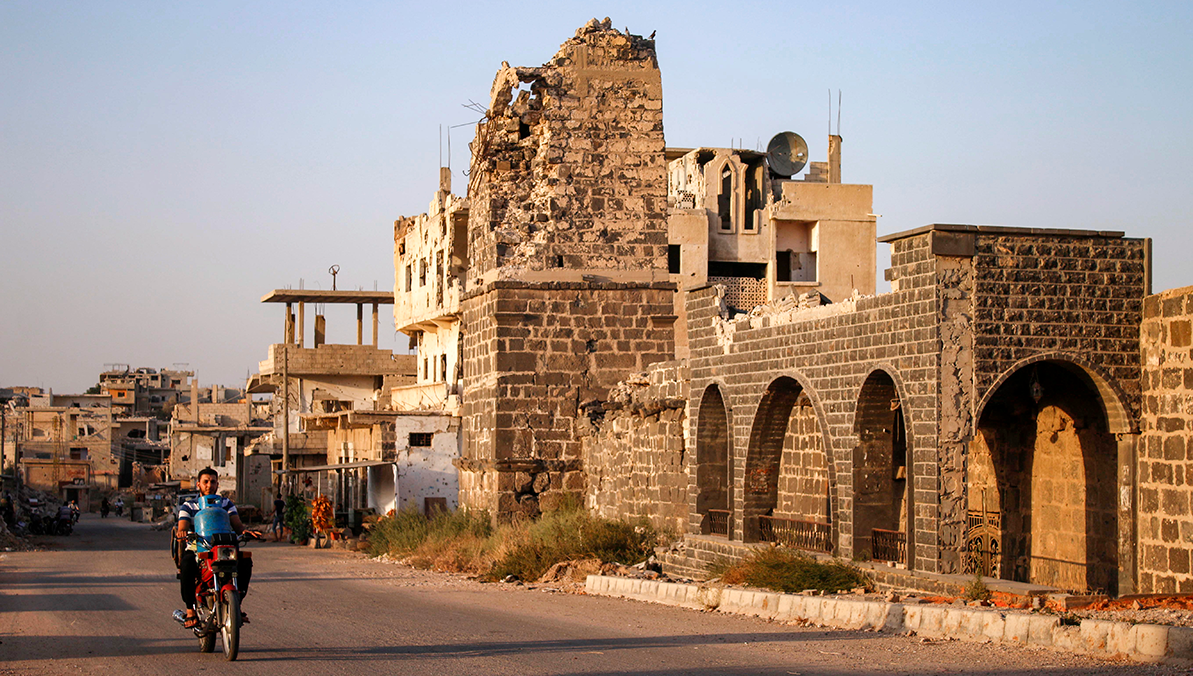
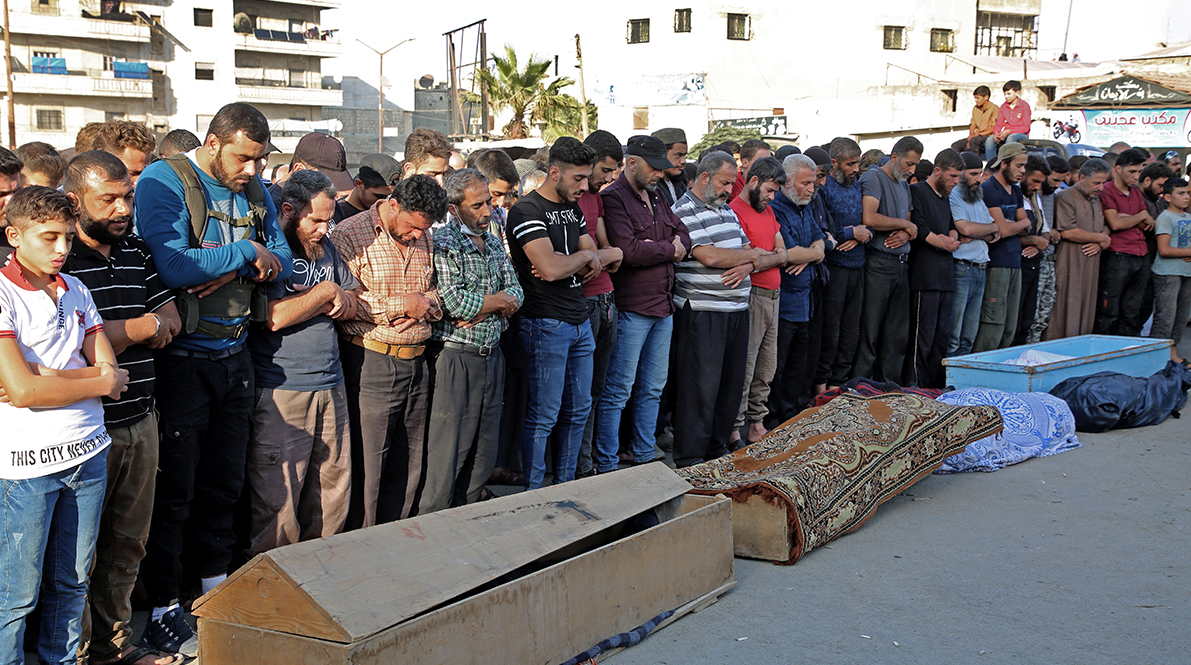
In 2018, Assad’s Syrian government forces, with Russian support, managed to regain control of opposition-held areas in Daraa. Russia has emerged as the primary power broker by arranging agreements between the rebels and the regime, which, in turn, has allowed the rebels to keep some of their arms under the banner of the Russian-formed Eighth Brigade. Nevertheless, since 2018, the tight-knit tribal networks in Daraa have functioned as a nucleus for the continuation of the uprising against the Assad regime. The same tribal attributes that create interconnectedness among the people of Daraa, however, also render them susceptible to the regime’s strategy of pitting clans against each other and leveraging the resulting strife to justify the use of force with the goal of asserting full control.
Monday Briefing: The reverberations of the US election in the Middle East
This week’s briefing on recent news and upcoming events in the region featuring Paul Salem, Alex Vatanka, Gonul Tol, Gerald Feierstein, Randa Slim, Khaled Elgindy, Charles Lister, Mirette F. Mabrouk, and Marvin G. Weinbaum.
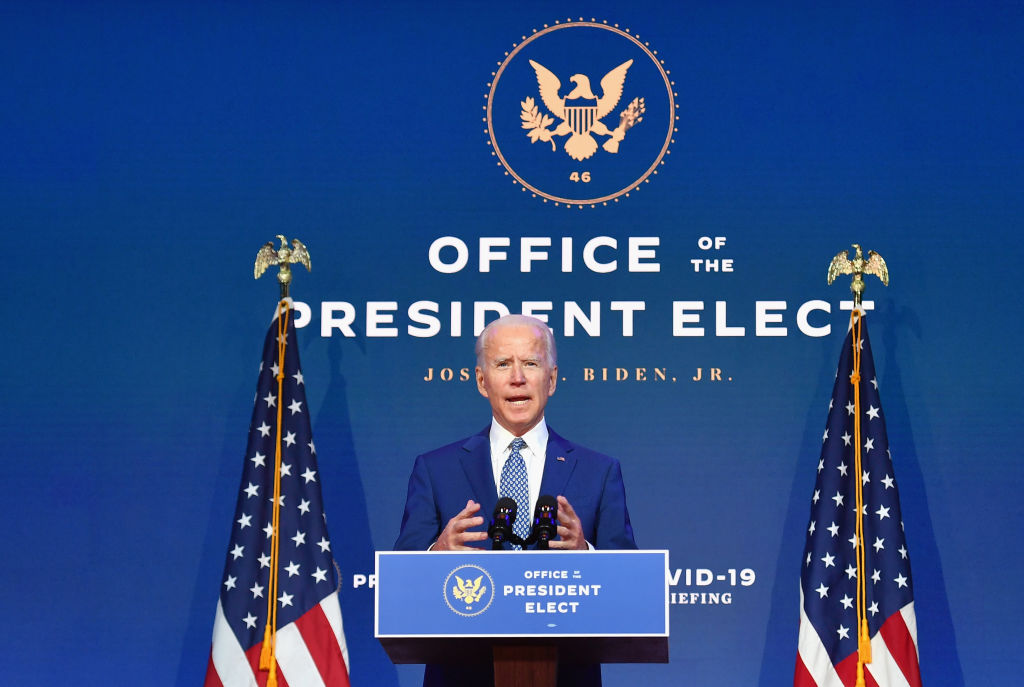
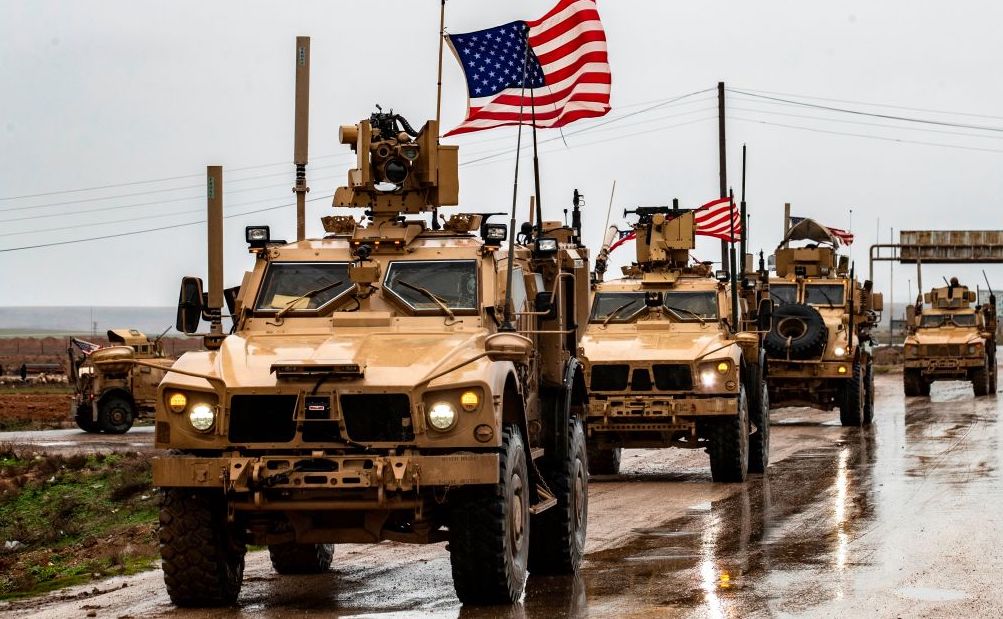
When a Biden administration begins to settle into its offices in just a few months, Syria’s crisis will have reached a dreadful milestone, marking a decade in March 2021. Though many of President Biden’s senior team presided over U.S. policy throughout Syria’s most deadly years of 2011-16, it is clear that the tragedy that has befallen Syria and its extraordinary global ramifications are a source of sincere regret. Moreover, after four years of the Trump administration, during which American leverage has been repeatedly and illogically spurned and U.S. credibility eroded by repeatedly embarrassing flip-flops, there is a newfound determination to correct today’s trajectory and work determinedly toward the core objectives of defeating ISIS and pursuing a negotiated Syrian settlement.
As the conflict in Nagorno-Karabakh rages between Armenia and Azerbaijan, Russia and Turkey once again find themselves on opposite sides in a regional geopolitical war. With the reverberations from the fighting now spreading across the region, the fate of Idlib could be tied to battles elsewhere as Moscow potentially seeks to open up another front against Ankara.
Between the Coalition, ISIS, and Assad: Courting the Tribes of Deir ez-Zor
In areas under the control of both the Syrian regime and Autonomous Administration in North and East Syria (AANES) in Deir ez-Zor Province, the governing bodies are failing to secure the loyalty and support of locals. The security structures built by the regime and the AANES have coopted and incorporated local tribes to a significant extent, but a lack of support from the central governing bodies amid increasing ISIS attacks threatens long-term stability in the province. These two regional dynamics are outlined and compared in this paper to illustrate the dual challenges both governance bodies face in appealing to locals and thwarting the resurgence of ISIS in the area.
How the UAE-Israel deal could change the regional power balance
While most experts believe that the recent normalization of ties between Israel and the UAE will not lead to a significant change in the regional balance of power, there are indications that it has the potential to bring about such a change in the long run.
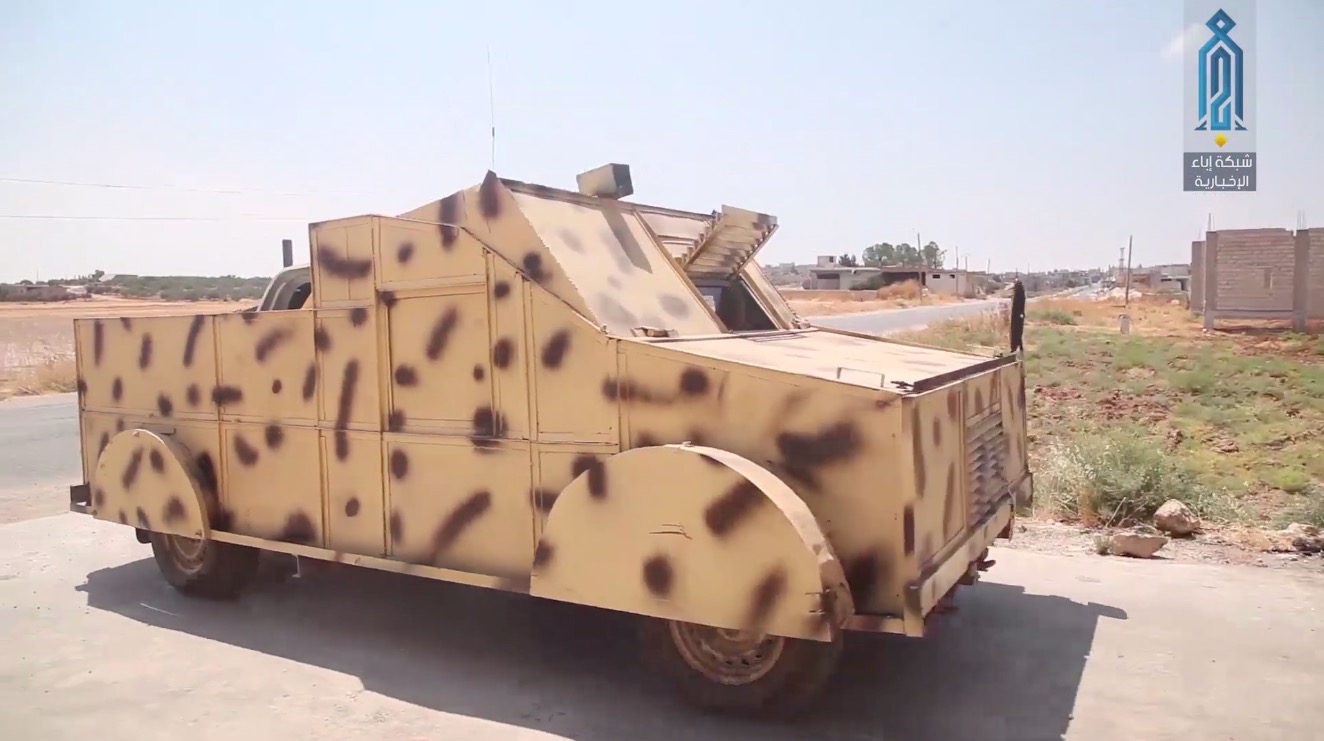
Shifting Gears: HTS’s Evolving Use of SVBIEDs During the Idlib Offensive of 2019-20
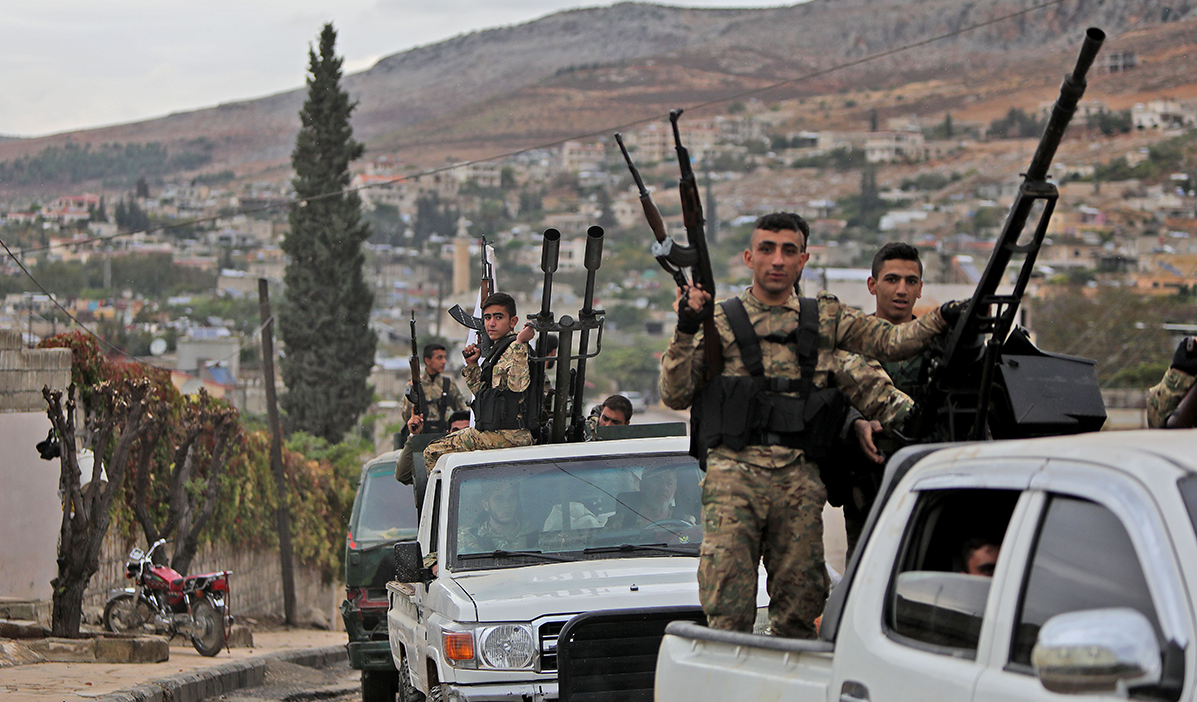
Since May 2019, a series of Syrian loyalist offensives backed by the Russian air force has gradually encroached upon the country’s northwestern Idlib Province, home to the last major pocket of opposition-held territory. As the chief rebel group in control of Idlib, Hayat Tahrir al-Sham (HTS) has employed dozens of suicide car bombs as part of its continued defense of the area. Formally known as suicide vehicle-born improvised explosive devices (SVBIEDs), these weapons have been a cornerstone of the group’s — and by extension, the entire opposition’s — military strategy since early stages of the war, when rebel forces began capturing and holding territory. In an attempt to further understand this strategy and how it has evolved over time, this case study seeks to compare and contrast HTS’s past and current use of SVBIEDs, with a heavy focus on the latter. It will also examine HTS’s evolving SVBIED design, paying particular attention to technical innovations such as environment-specific paint schemes, drone support teams, tablets with target coordinates, and live camera feeds, as well as upgraded main charges.
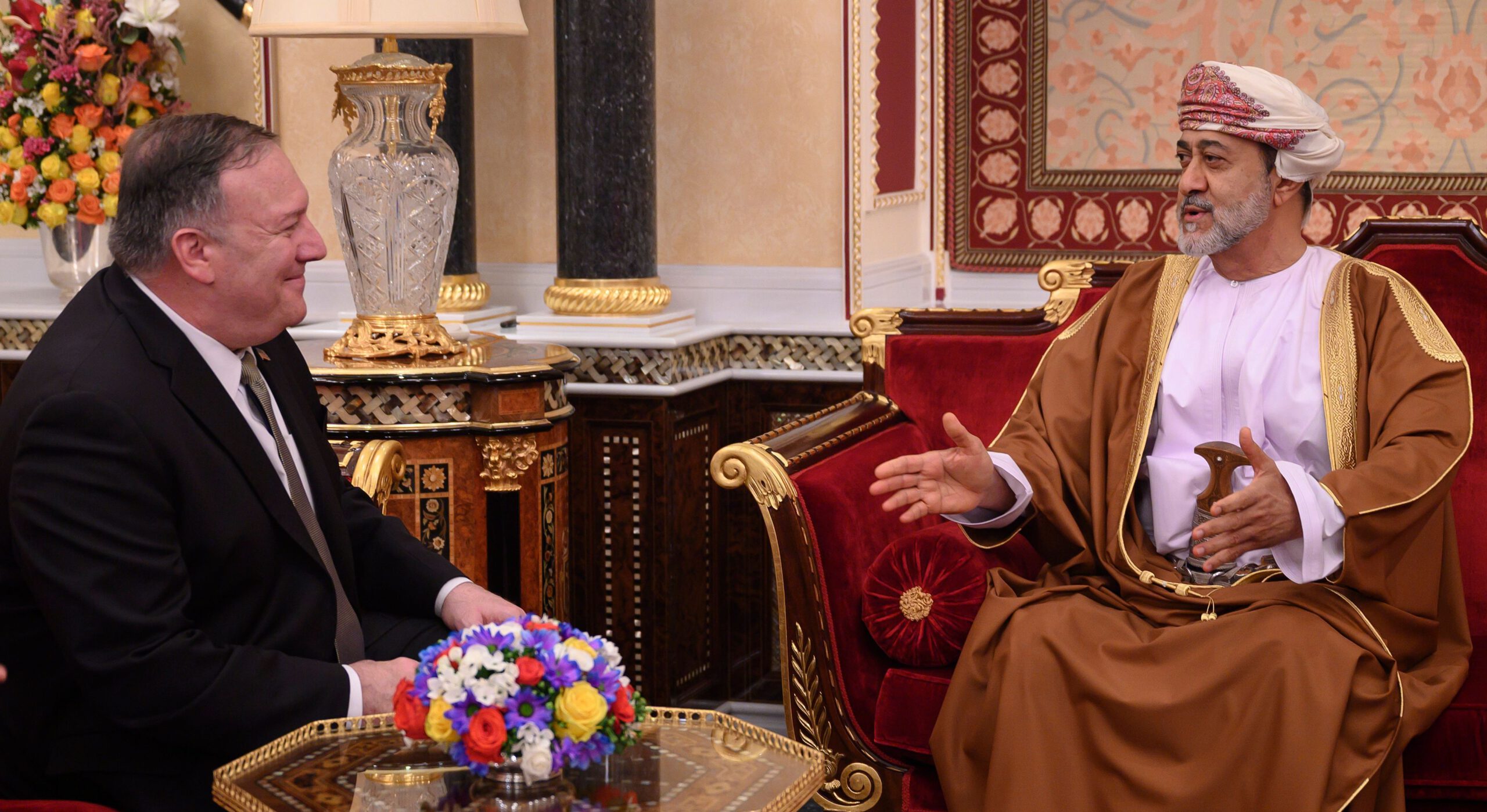
Since Aug. 13, speculation has been rife that the Sultanate of Oman will soon follow the United Arab Emirates’ (UAE) lead and formalize full-fledged ties with Israel. Yet, at least thus far, Muscat has refused to join the UAE, Bahrain, and now Sudan in normalizing relations with Tel Aviv. As a moderate Arab country, where tolerance is firmly embedded into the national ethos and the Ibadi sect of Islam, Oman appears to be maintaining a balanced position on the overall Arab trend toward normalizing relations with Israel. Muscat’s positive reaction to the Abraham Accords is not a major change in strategy and is more illustrative of Oman’s longstanding position on normalization.
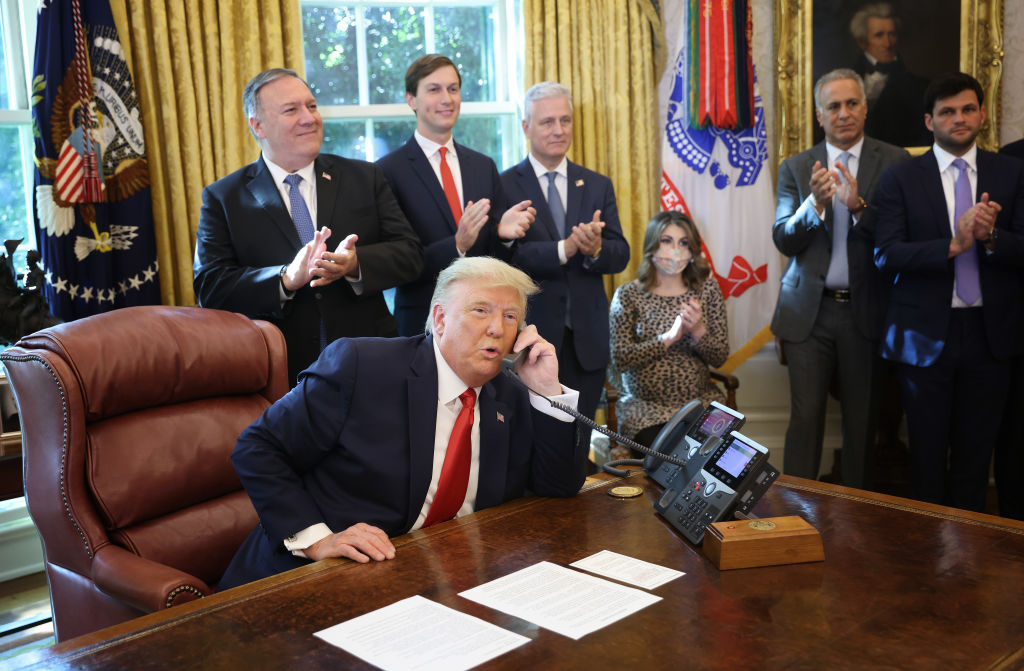
Monday Briefing: Regional reverberations of the Sudan-Israel announcement
This week’s briefing on recent news and upcoming events in the region featuring Paul Salem, Jonathan M. Winer, Gonul Tol, Mohammed Soliman, Marvin G. Weinbaum, Elizabeth Dent, Mirette F. Mabrouk, and Robert S. Ford.
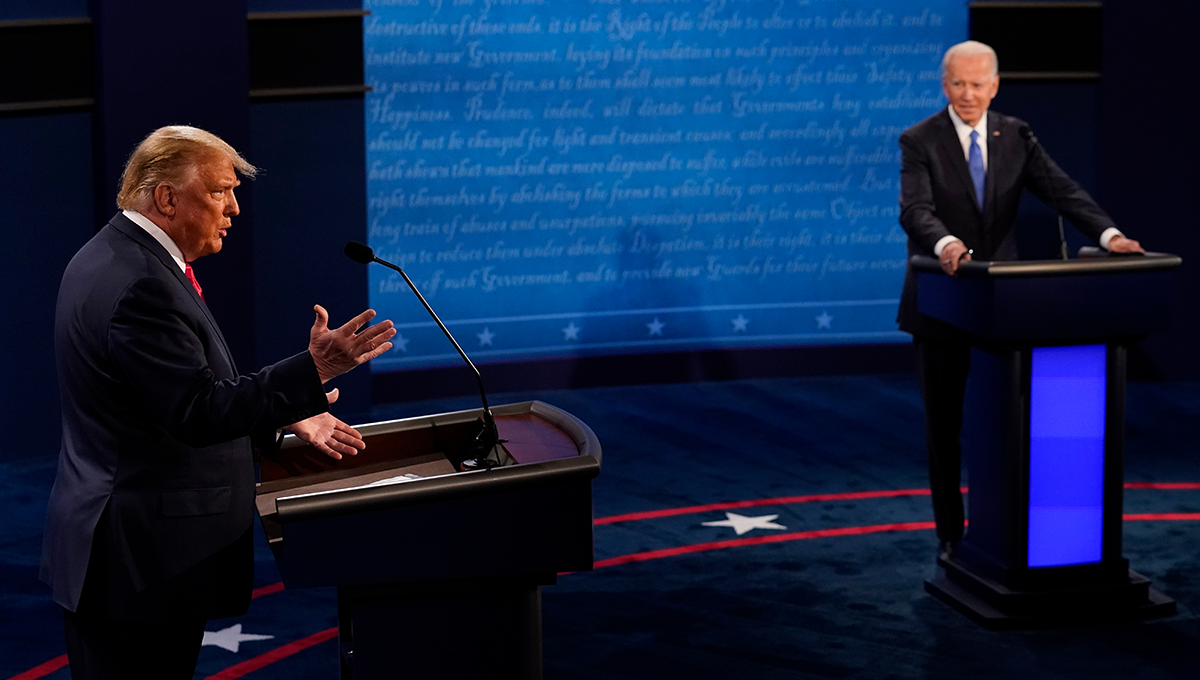
Charles Lister and Jomana Qaddour join host Alistair Taylor in a discussion about the current situation in Syria, US policy under the Trump administration, and what lies ahead following the presidential election.
The upcoming American presidential election is top of mind for the Arab Gulf states. This is no surprise as there is so much at stake for them. As the race enters its final critical week, all eyes are on who will occupy the White House for the next four years — and the Arab Gulf states have their preferences. America is still indispensable to Gulf security, but the Gulf is also becoming an indispensable regional partner for whoever wants to lead the world in the 21st century. Today both sides need each other more than ever before.