Democrats ought to build a moral firewall around Syria policy, establishing a framework for understanding the Syrian conflict and debating policy options.
Iran and Russia: A tale of unfulfilled economic potential
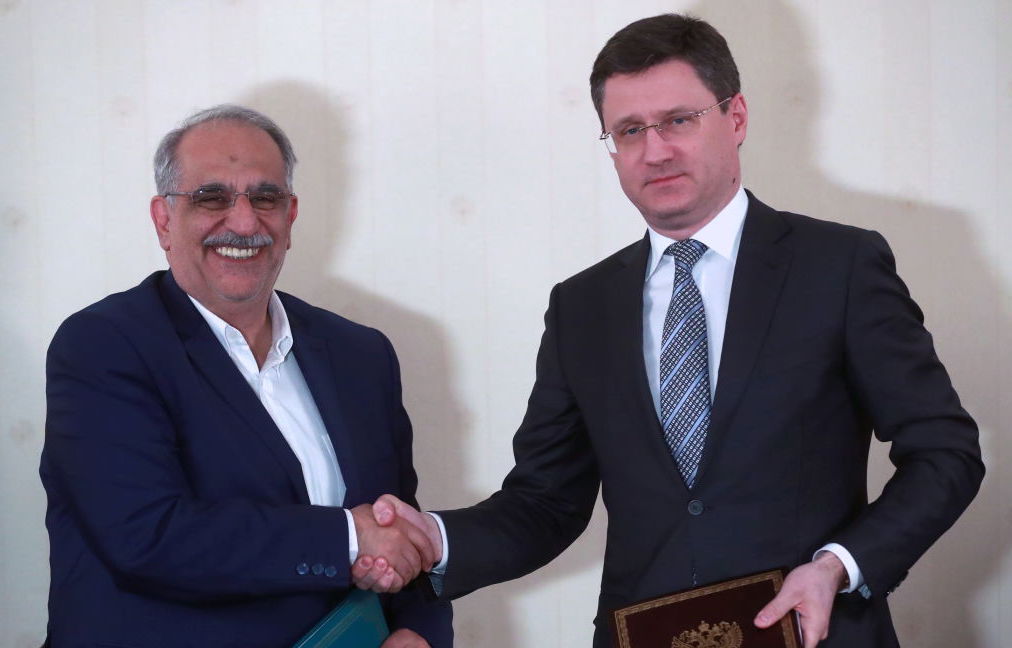
The outbreak of a Russian-Saudi oil price war earlier this month might offer some comfort to Iran, a country which has in recent years become unnerved by the increasingly close ties between Moscow and Riyadh. However, it is premature to see an Iranian geopolitical win emerging from the Russian-Saudi spat, and history should give Tehran plenty of reservations about Moscow’s ability to deliver on its economic promises to Iran. While Iran and Russia will likely continue to pay lip-service to the idea of an economic partnership, each side will remain preoccupied with larger concerns. This is a tale of unfulfilled economic potential.
The United States has missed a valuable opportunity to use its influence in Iraq to encourage the government to implement the reforms Iraqi protesters have been demanding over the past six months and push back on Iran.
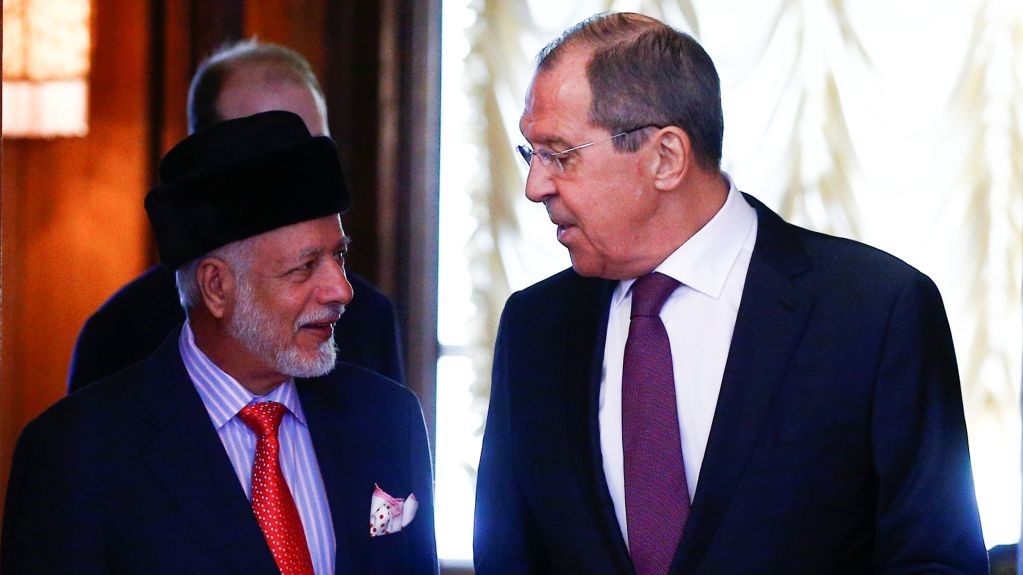
On Feb. 12, the director of Russia’s Foreign Intelligence Service, Sergei Naryshkin, made an official visit to Oman. During his trip to Muscat, Naryshkin engaged with senior Omani officials on strategies to de-escalate tensions in the Persian Gulf, counterterrorism cooperation, and approaches to conflict resolution in Syria and Yemen.
The president’s time: How US-Iran relations are out of sync
The Islamic Revolution of 1979 fundamentally transformed U.S.-Iran relations from a special relationship into an adversarial one. However, this has not prevented American presidents of both parties, from Ronald Reagan to Barack Obama, from reaching out to Tehran in the hope of a potential détente. There are many ideological, political, and economic factors behind the inability of Washington and Tehran to normalize their relations over the past four decades. One that has received little attention, however, is the cycle of U.S.
Will Iran replace its presidency with a parliamentary system?
The results of Iran’s recent elections and preparations for the succession of Ayatollah Khamenei as supreme leader could mean that the topic of replacing Iran’s presidential system with a parliamentary one may very well be up for discussion again.
Understanding EU-MENA relations: Current and changing dynamics
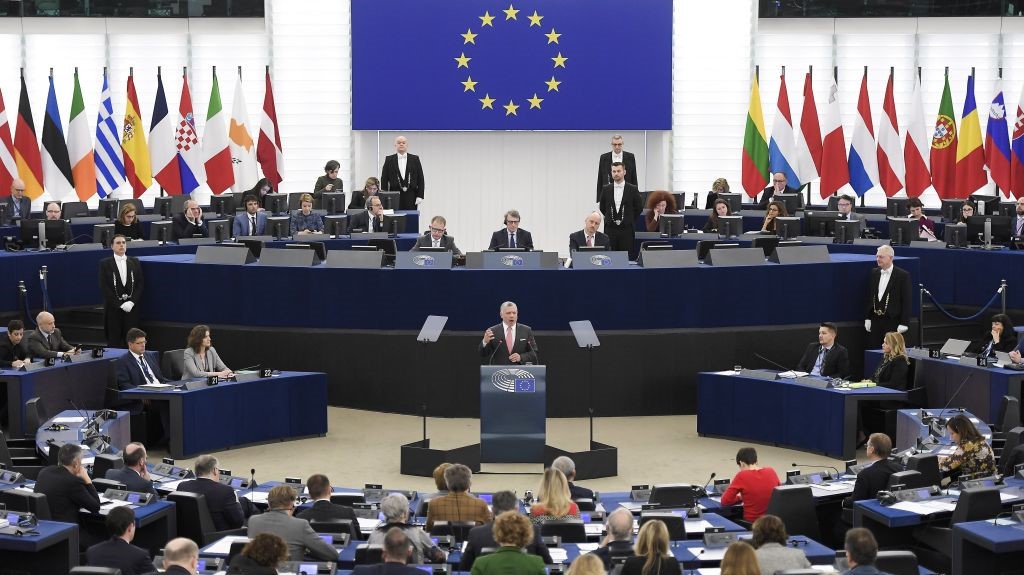
This year could mark a turning point in the European Union’s relations with the countries of the MENA region. If the EU is to realize the objectives laid out in its 2016 global foreign and security policy strategy and become a major world power, it has to be more proactive and creative, especially in the Middle East.
From Stockholm to Riyadh: Breaking the Yemen peace process deadlock
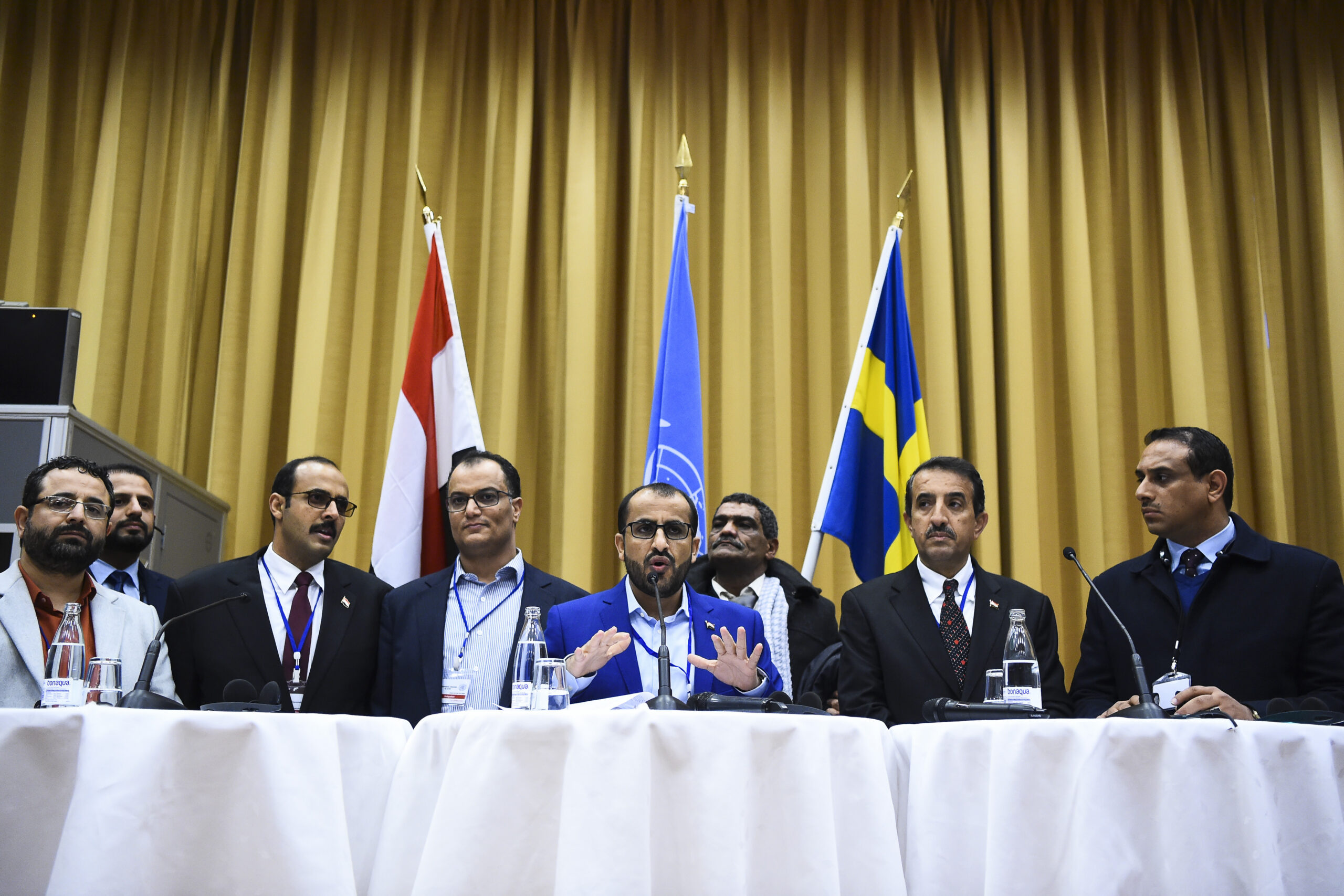
Over the past 14 months, there have been moments when it seemed like progress was being made toward de-escalation in Yemen, but there have also been significant setbacks as well. Peace efforts thus far have been largely fragmented and frail, and two primary lessons from the past failures have become clear.
Iran targeted Israel’s April 2019 elections. Was it preparing for the US 2020 elections?
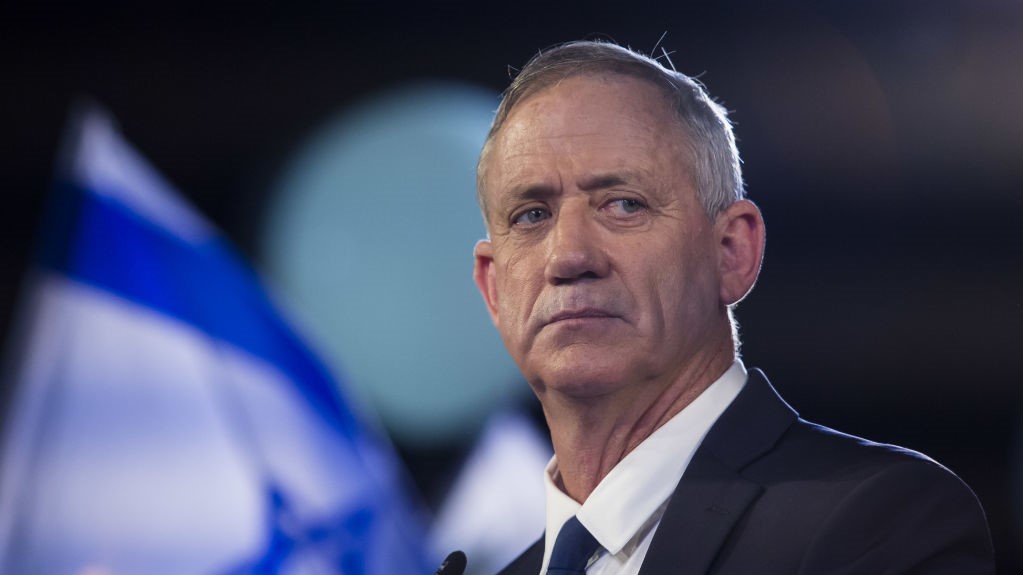
The April 2019 Israeli elections between incumbent Prime Minister Benjamin Netanyahu and his competitor Benny Gantz were fraught with tension even before external entities got involved. But when Israel’s internal security service, Shin Bet, revealed that suspected Iranian cyber actors had accessed Gantz’s mobile phone, there was yet another issue to contend with, albeit one not specific only to Israeli elections: interference.
Iran-Russia ties: Never better but maybe not forever?
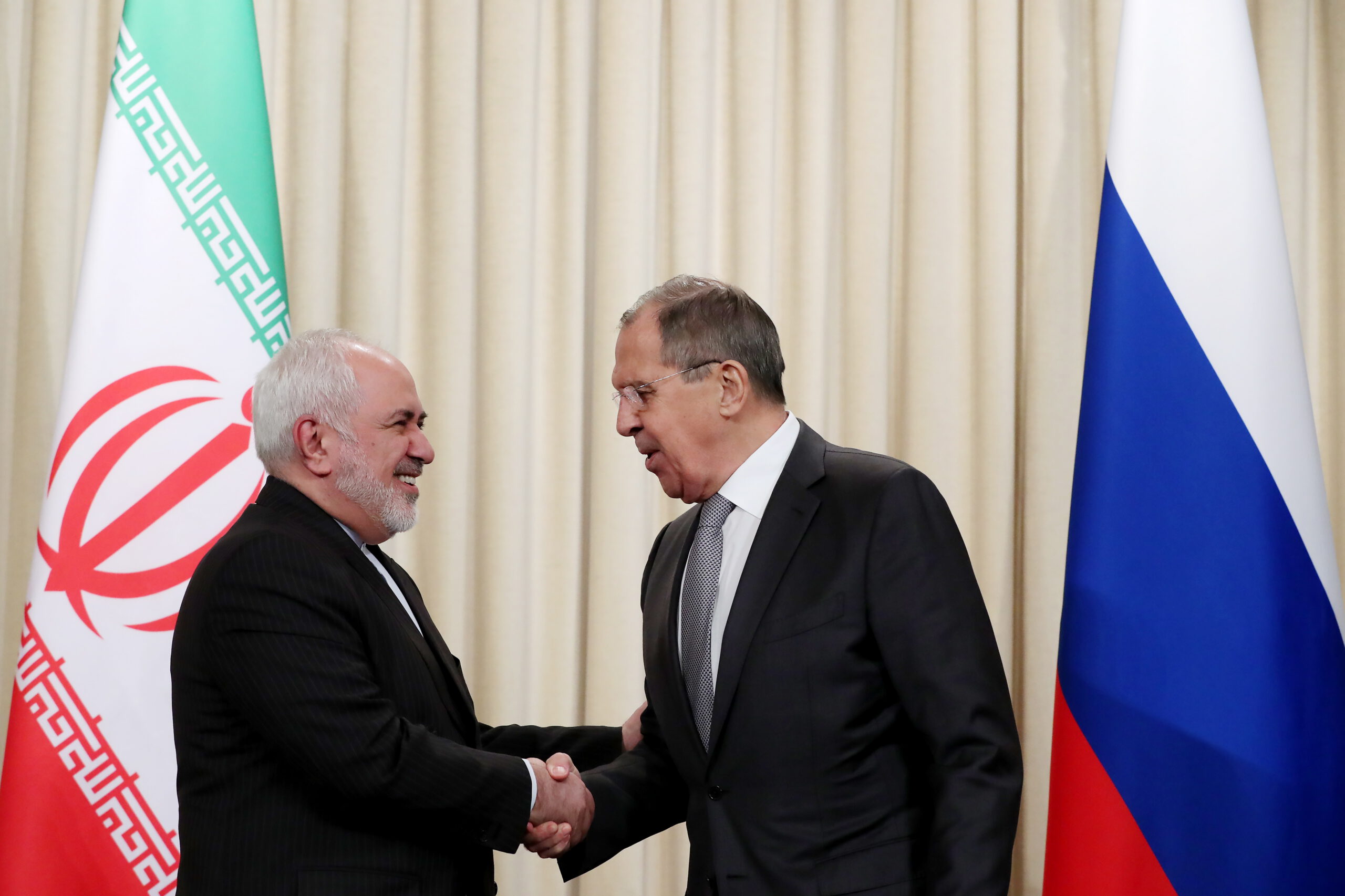
The relationship between Iran and Russia has been strengthened by the rising tensions between Tehran and Washington since Donald Trump took office, and there is no doubt that Iran views Russia as one of its closest allies. The Iranian foreign minister, Mohammad Javad Zarif, has traveled to Moscow some 28 times during his tenure, and has stated that relations between the two countries have never been better.
As Iran heads to the polls, could Rouhani be facing impeachment?
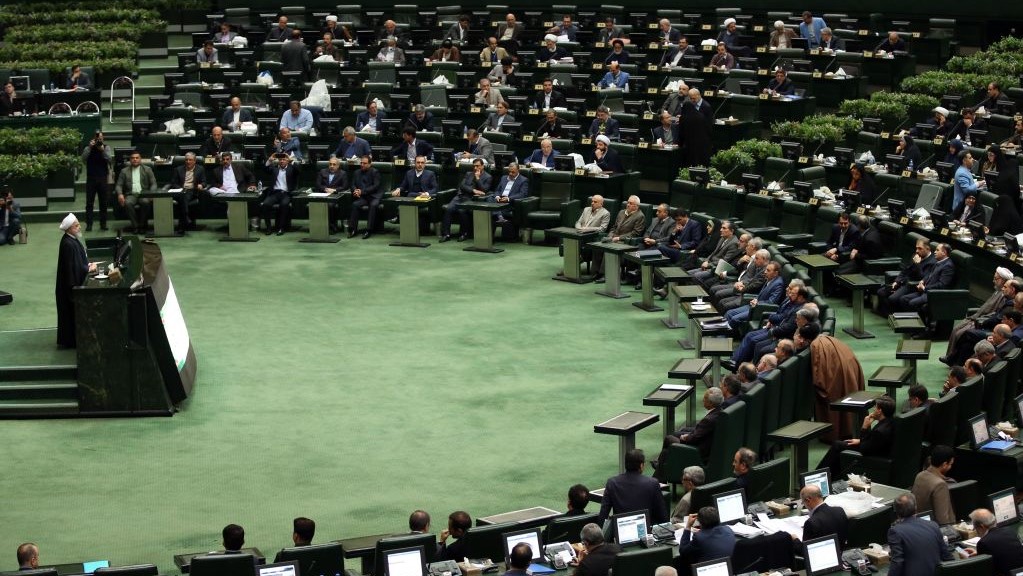
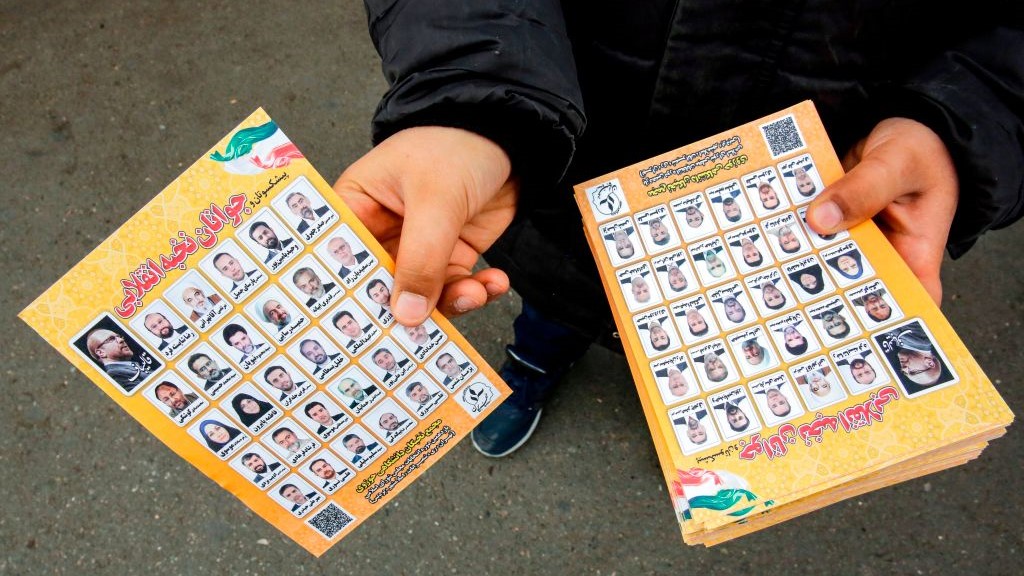
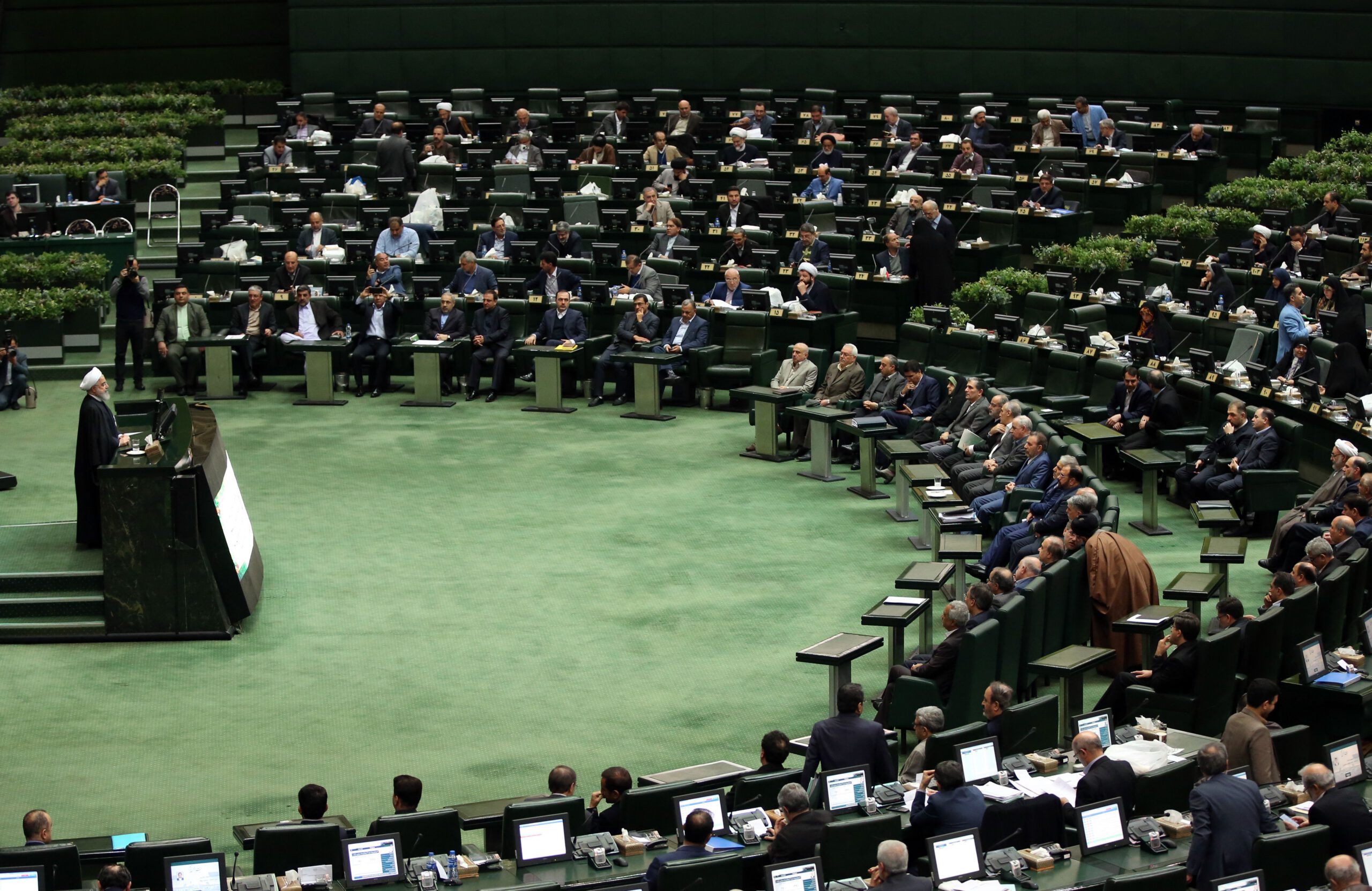
On Feb. 21, Iranians will be voting to elect a new Majlis, the country’s unicameral Parliament. Viewed from the outside, participating in the electoral system might seem futile. While the Iranian constitution recognizes popular will, as represented by an elected president and Parliament, the whole political system operates under the supreme leader, who, although appointed by an elected clerical body (the Assembly of Experts), is, in effect, answerable to no one. The Majlis does, however, have the power to remove the president — a fate that could potentially await President Hassan Rouhani if the conservatives win a majority in the upcoming elections.