Gulf regimes may oppose annexation, but they helped bring it about
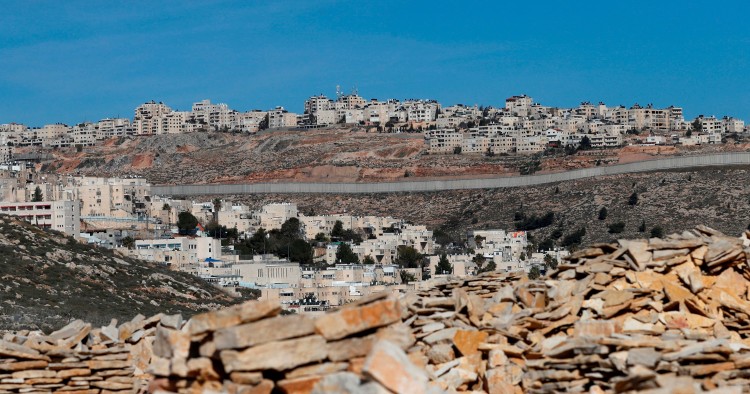
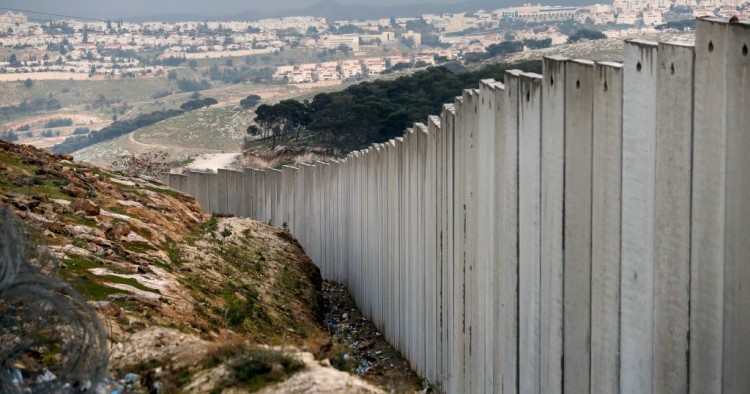
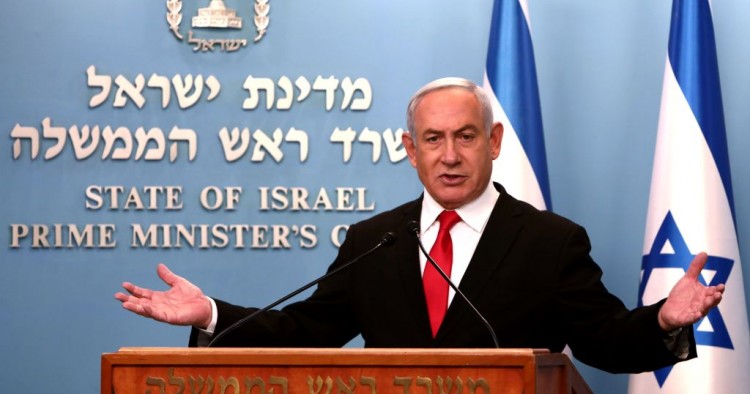
Leaders of Arab Gulf regimes now decry the attempt to implement the vision of the Israeli Right, which aims to prevent the establishment of a Palestinian state. But it is exactly the policies of the Arab Gulf regimes, through their normalization of ties with Israel at the expense of the Palestinians, that directly contributed to the rise of the Israeli Right and made this annexation more likely.
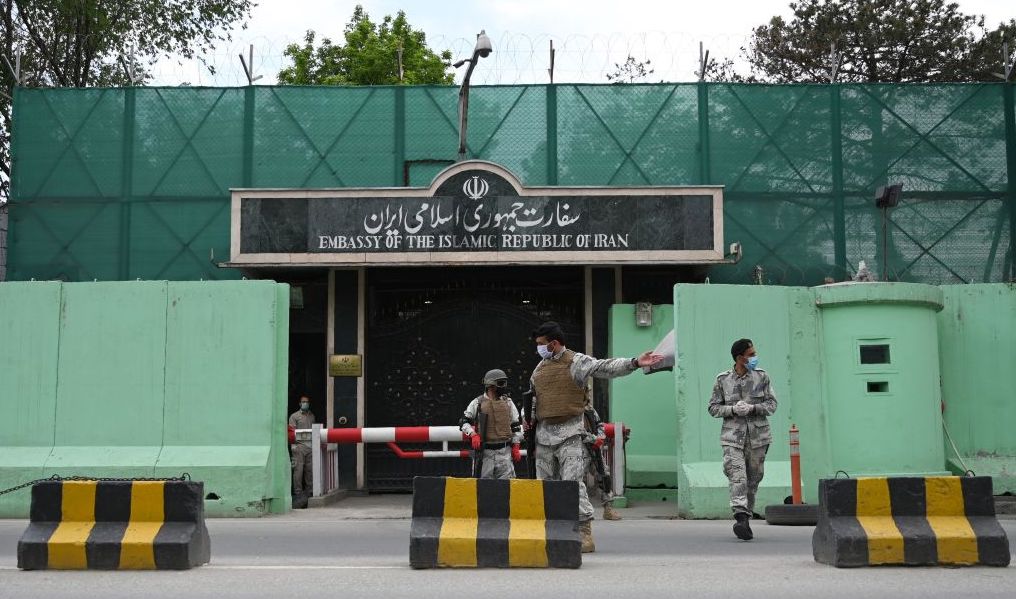
Despite strong religious and cultural ties and a long shared border, Iran has a somewhat complicated relationship with Afghanistan. Since the Soviet Union’s invasion of Afghanistan some four decades ago, Iran’s attempts to preserve its interests in conflict-ridden Afghanistan have not received much attention from the outside world, but it remains one of the most important neighboring countries for Tehran’s foreign policy.
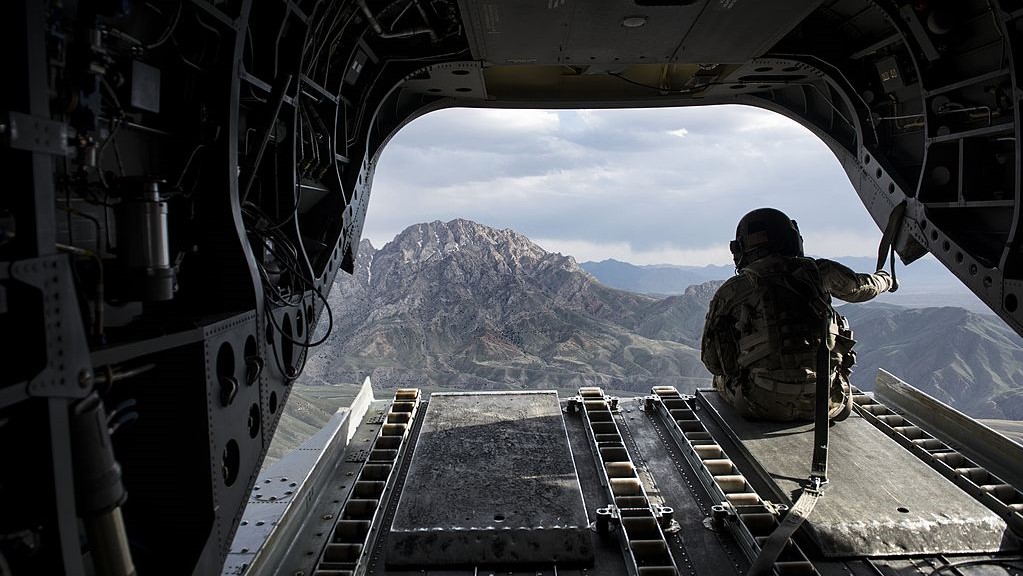
Confusion writ large: US troop withdrawal from Afghanistan
The uncertainty about the withdrawal timetable has sowed confusion among U.S. partners in Afghanistan and prompted the Taliban to accuse the U.S. of not living up to the terms of their agreement.
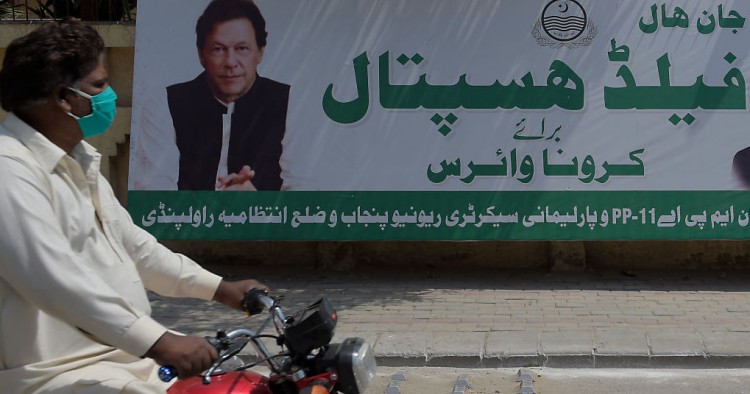
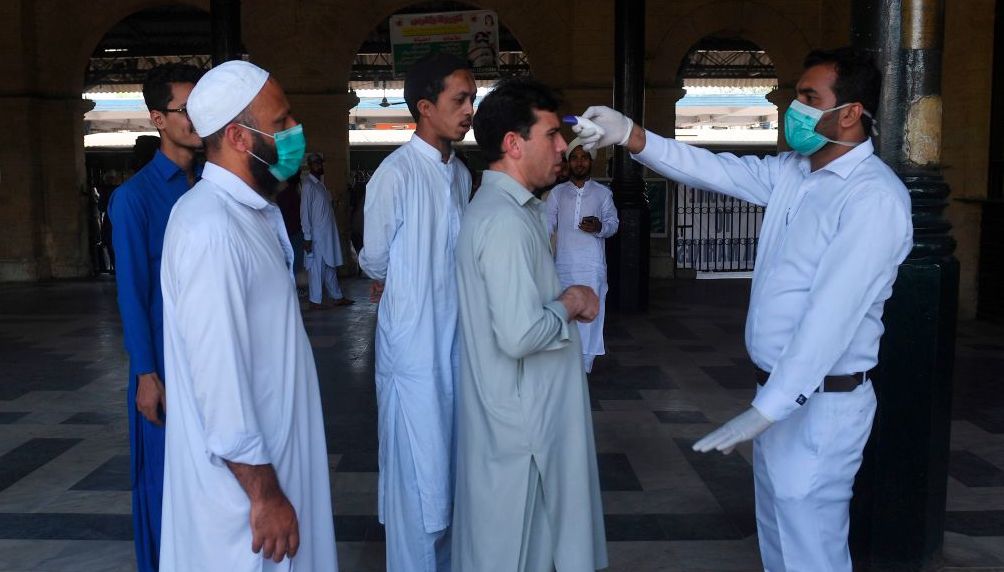
Mainly at issue for the country is the difficult choice of whether to prioritize saving lives or saving the economy for a Pakistan that can ill afford to ignore either.
Intra-Afghan talks inch closer, but their launch is only the beginning
Frantic efforts are being made to clear the way for intra-Afghan talks, the logical next step forward in the implementation of the February U.S.-Taliban deal.
Why aren’t mainstream Israelis and American Jews supporting Palestinians?
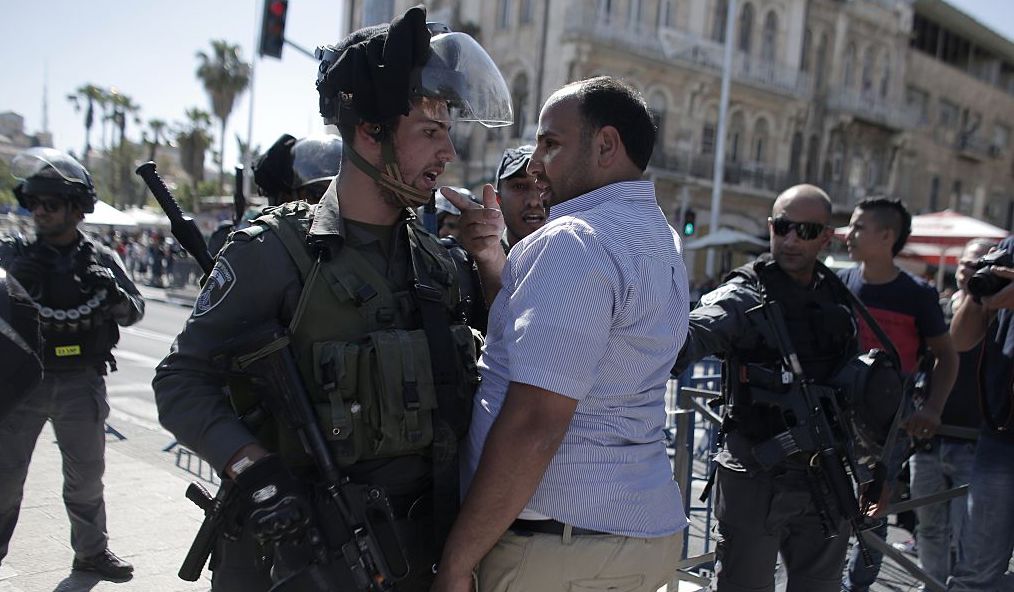
When the video emerged of a Minneapolis policeman pressing his knee on the neck of George Floyd as he lay on the ground, Palestinians were surprised by the image — the technique was all too familiar. But while hundreds of thousands of people have taken to the streets to protest the killing of George Floyd, an African-American male, by police across the U.S. and around the world, the response among Israelis and American Jews to violence against Palestinians is quite different. Many liberal Jewish leaders and thinkers who have spoken out forcefully against the killing of Floyd are silent when it comes to the atrocities committed by Israeli soldiers.
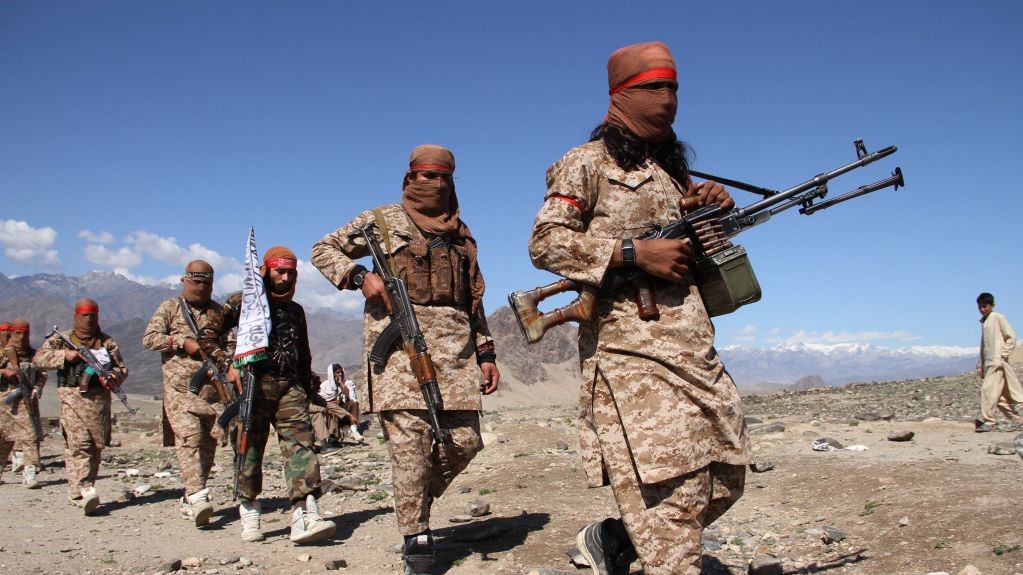
The Taliban’s military and diplomatic strategies are intended to work in tandem, one leveraging the other. Each has as its ultimate goal the Taliban’s recovery of an emirate lost in 2001.
Quickly attributing or blaming a country for a cyber incident without technical analysis, proof, and government officials willing to go on record only inflames an already tense situation.
The spread of the virus, unease about a cease-fire, peace talks, and the American withdrawal leave the Afghan people gripped with a heightened sense of uncertainty.