The Global and Regional Geopolitics of Civil War in the Middle East
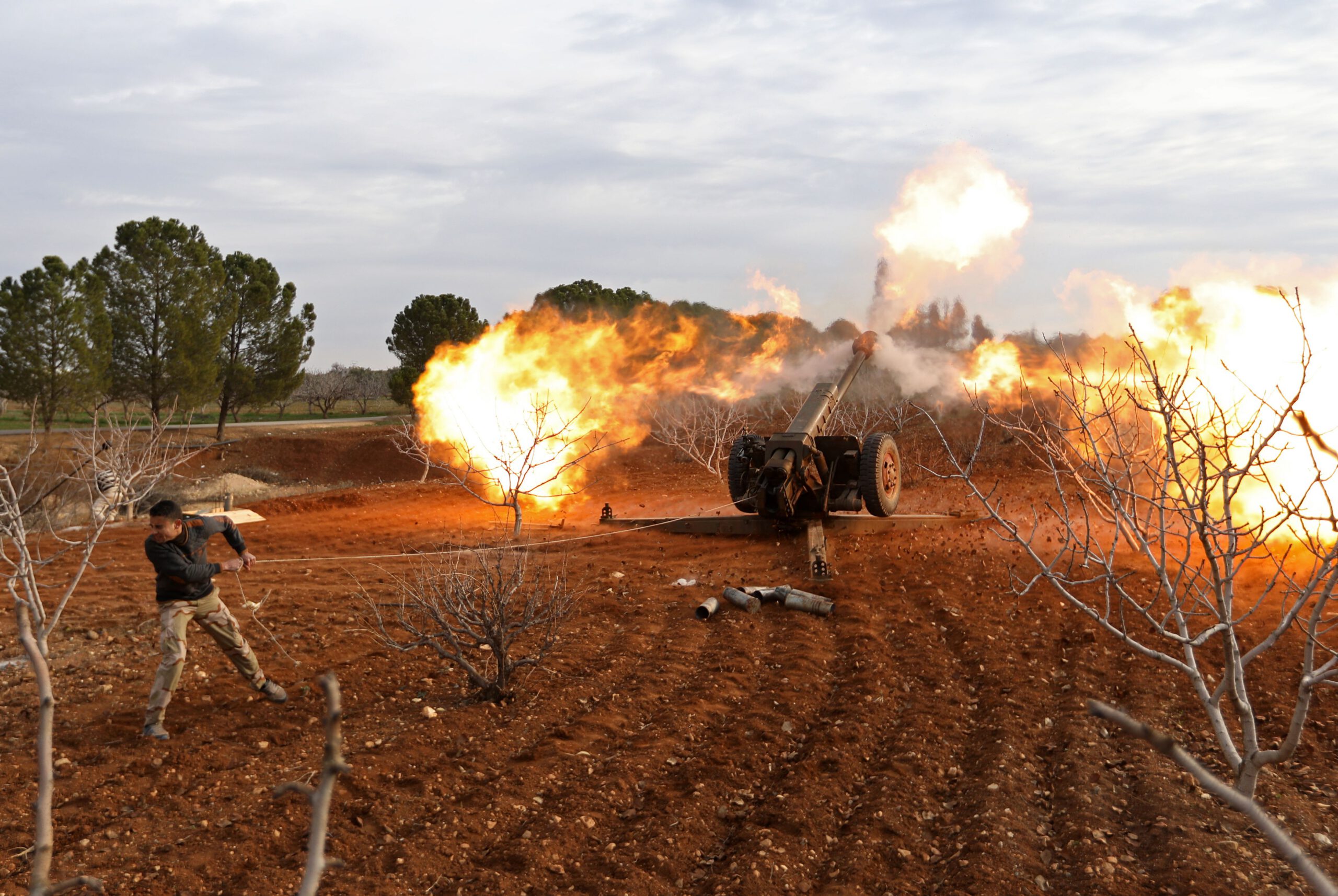
Power dynamics between the major global and regional powers have indirectly influenced the civil wars currently plaguing the Middle East. The distribution of power caused by end of the Cold War facilitated the creation of two opposing camps that later competed for regional primacy in the civil wars of Iraq, Syria, and Yemen.
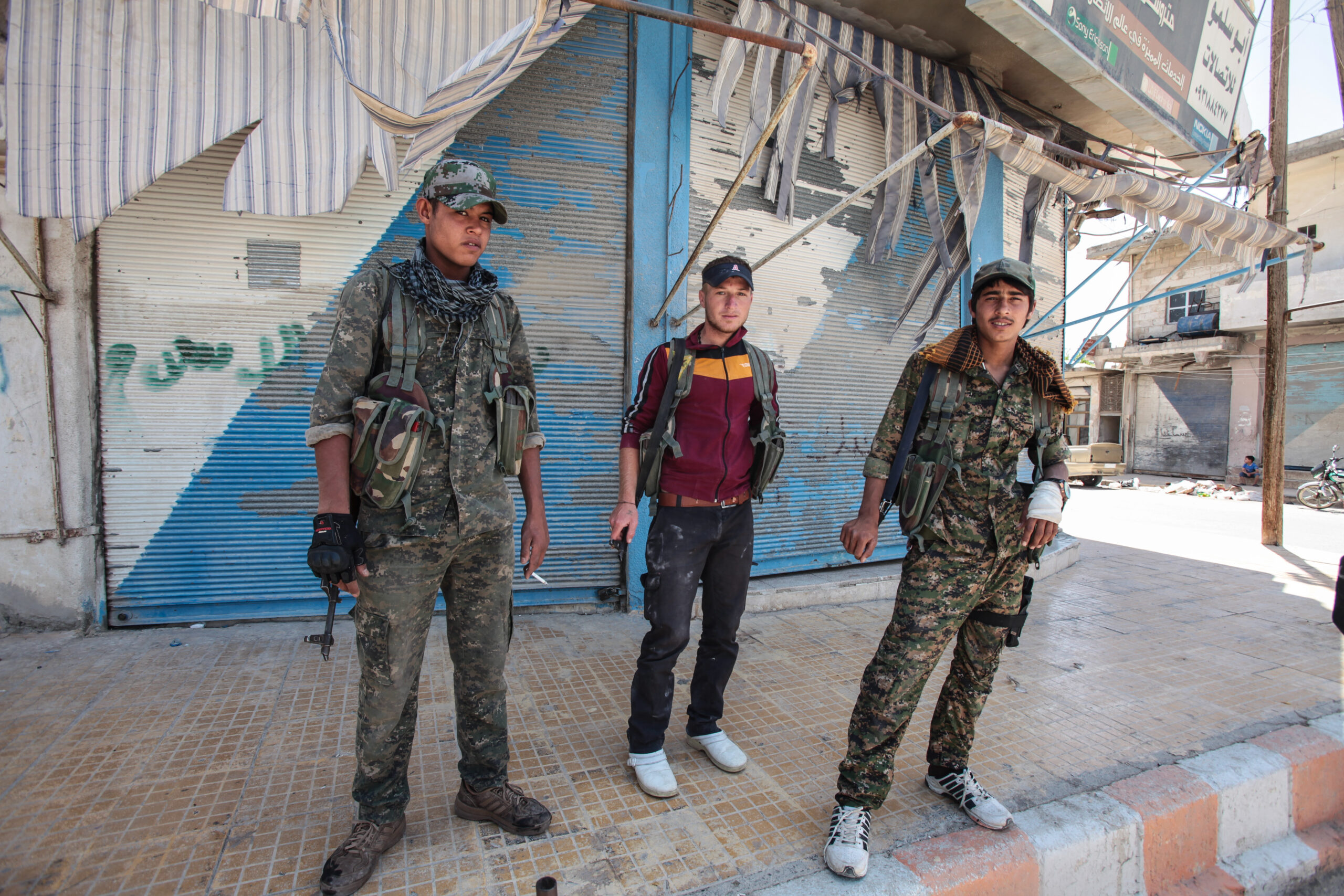
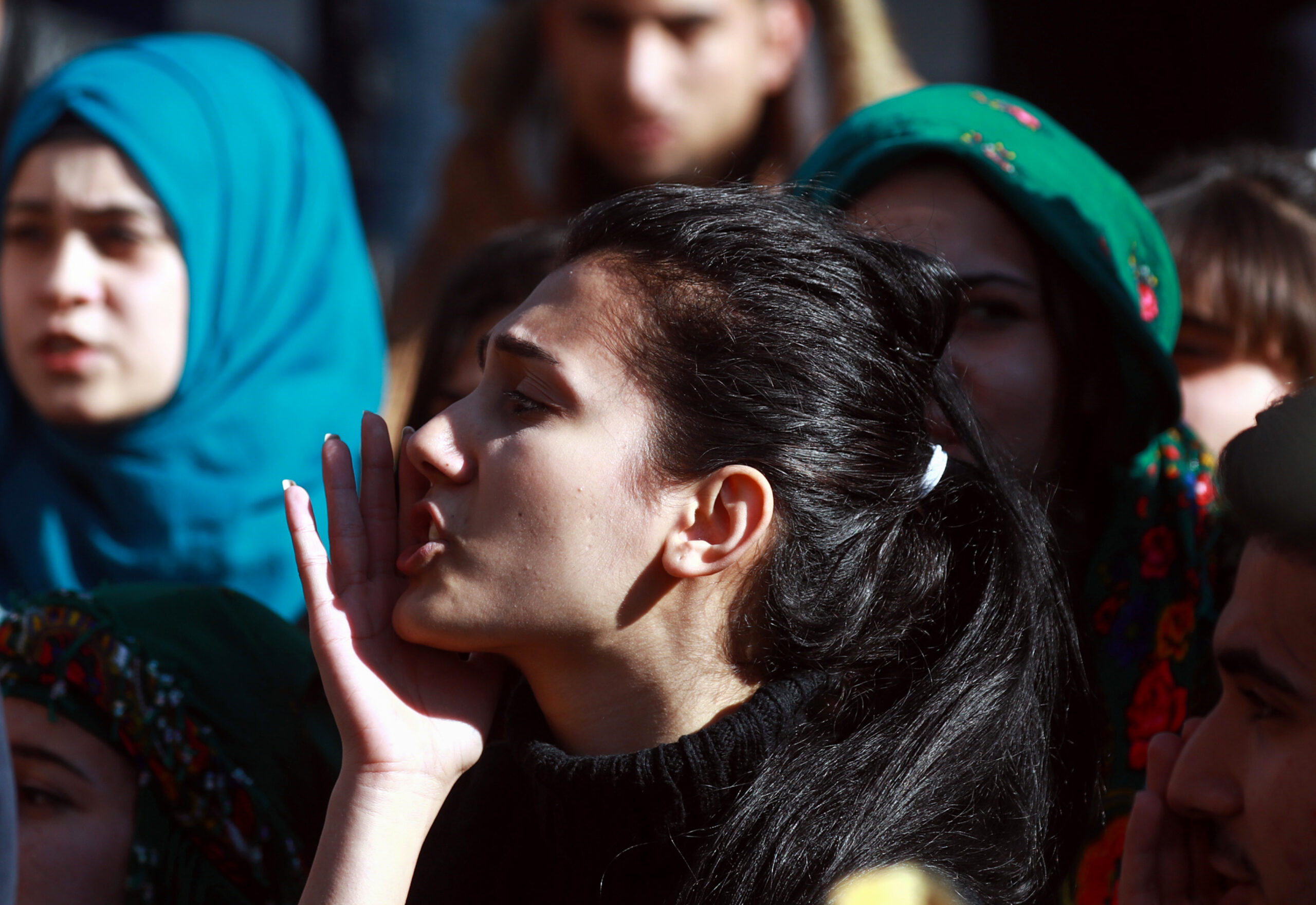
There is no doubt that minors are fighting in the ranks of the YPG, a Syrian Kurdish militia that controls most of the country’s northeast, but just how widespread is this phenomenon?
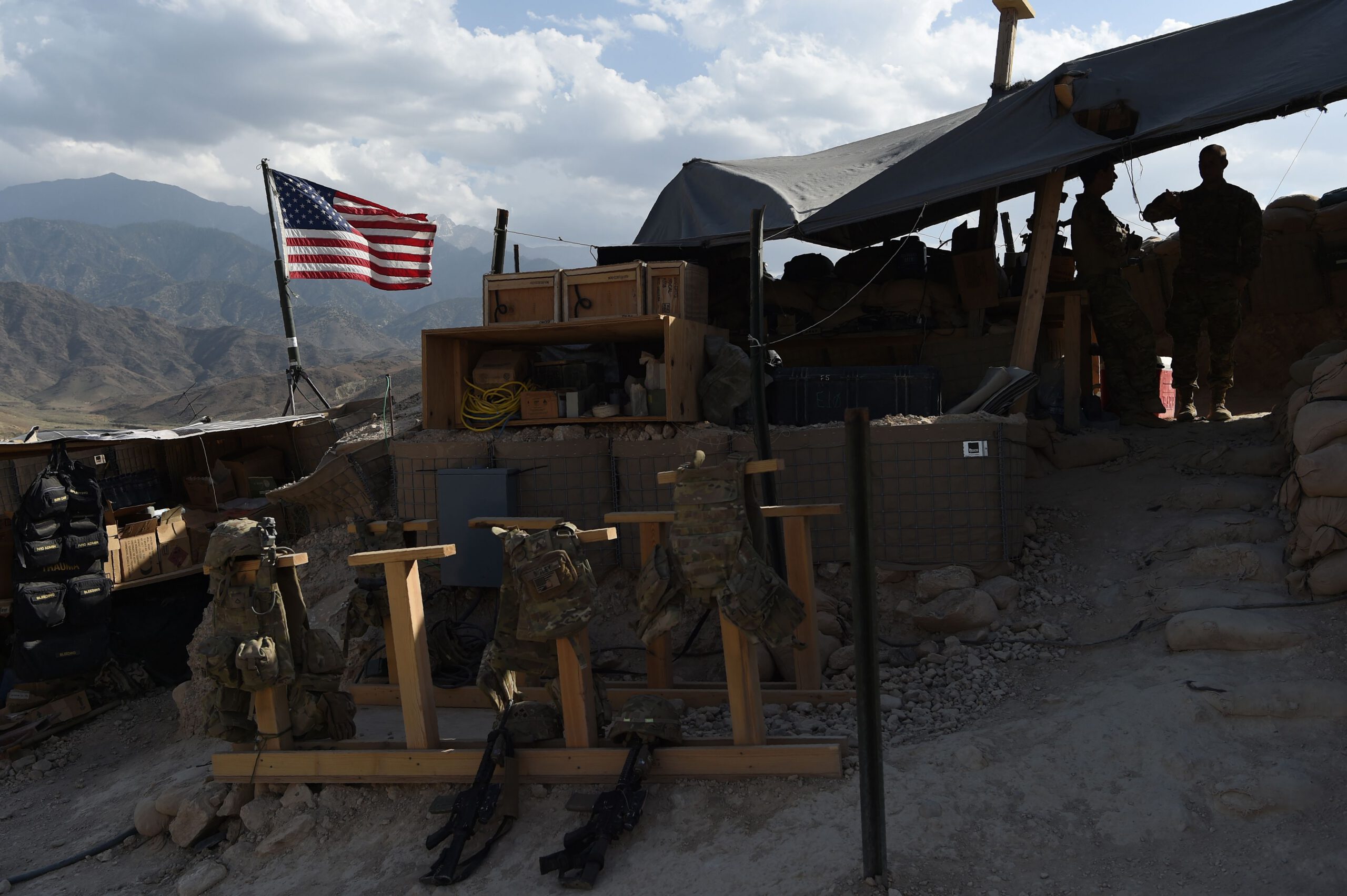
President Donald Trump’s announcement that he would withdraw U.S. troops from Syria came as a surprise to all parties involved, sparking particular concern among America’s Syrian Kurdish allies. This sudden and unexpected decision has been widely criticized not only by allies but also those inside the White House, with many analysts arguing that the U.S. withdrawal will expose the Syrian Kurds to an attack by Turkey. This move may push the YPG to seek the protection of Moscow following the US’s withdrawal in order to secure stability and dialogue with the government in Damascus.
Hariri announces another flawed government, but don’t walk away from Lebanon
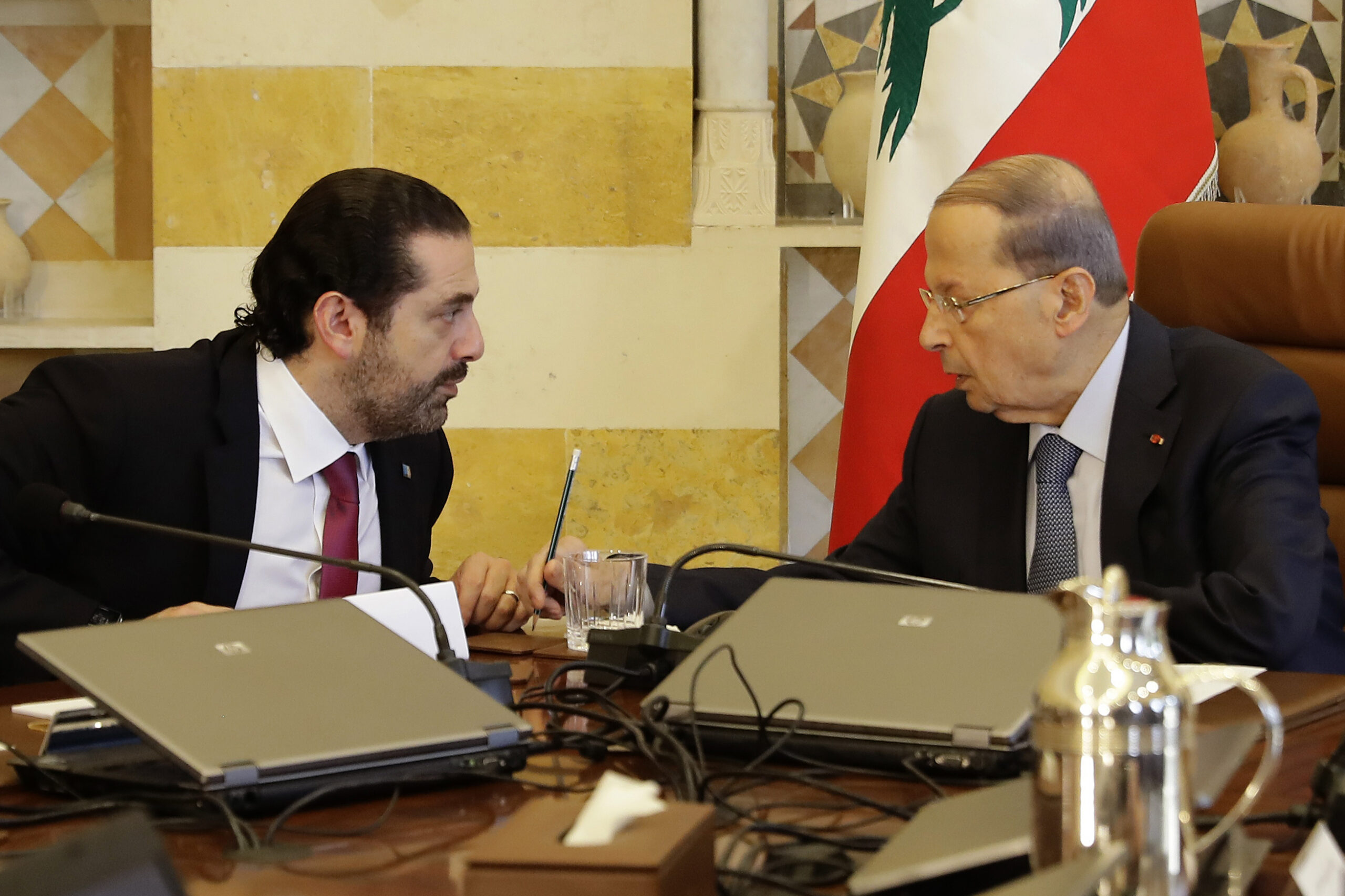
After nine months of deadlock, Prime Minister-designate Saad Hariri announced the formation of a new government of 30 ministers. The composition of the government is reflective of Lebanon’s power-sharing system and of the results of the last parliamentary elections.
Monday Briefing: US-Taliban talks progress, but major obstacles remain
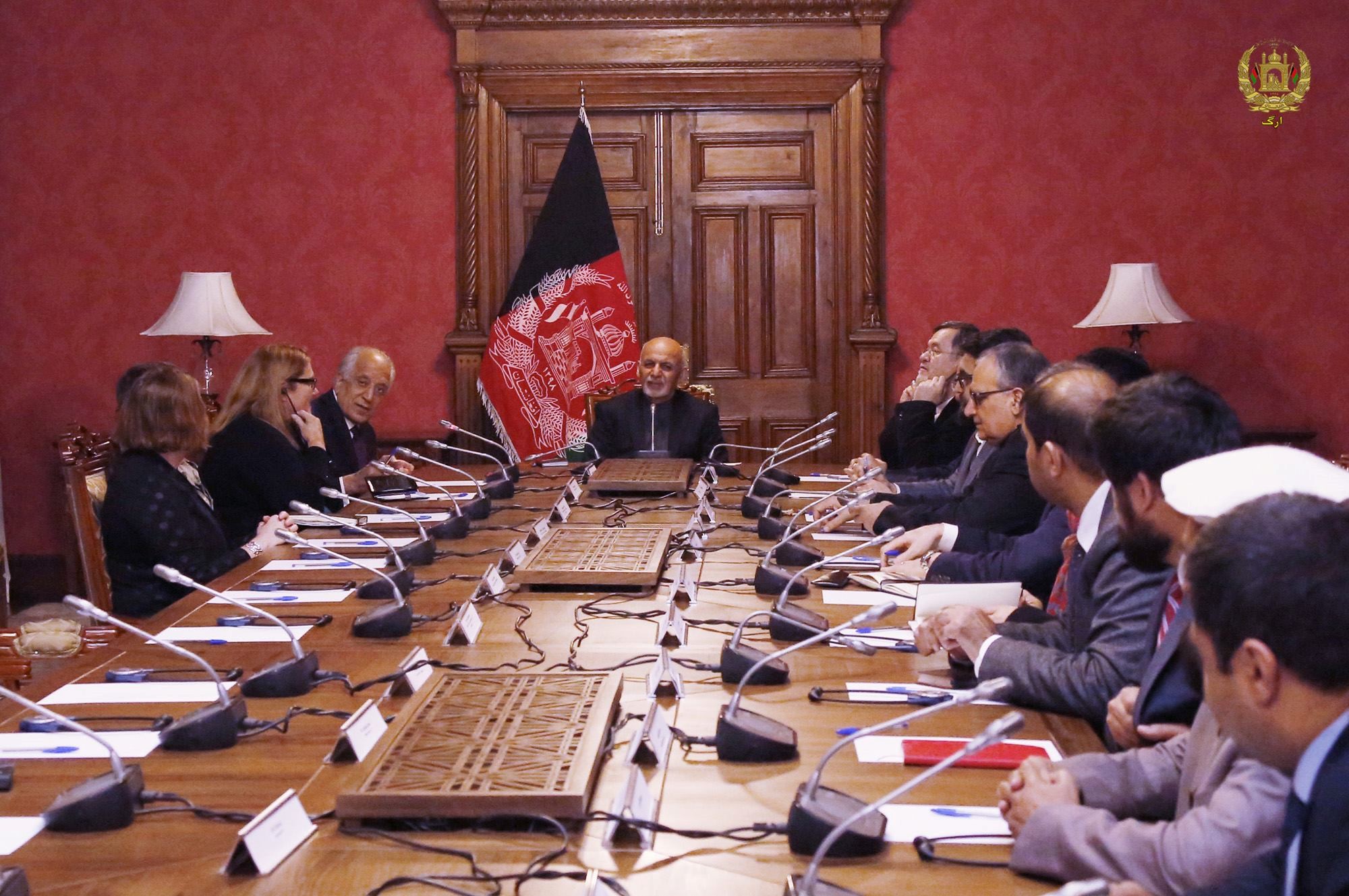
In this week’s Monday Briefing, MEI experts Ahmad Majidyar, Marvin G. Weinbaum, Randa Slim, Paul Salem, and Guney Yildiz provide analysis on recent and upcoming events including U.S. negotiations with the Taliban in Afghanistan, a warning sent to Israel by Hezbollah leader Hassan Nasrallah, the Sudanese president’s appeal for external support, Turkish-Syrian diplomacy, and Pakistan’s acceptance of Gulf aid.
Zmkin Ali and Mac Skelton of the Institute of Regional and International Studies (IRIS) at the American University of Iraq Sulaimani, join host Alistair Taylor for a discussion on Iraq’s political climate, Baghdad’s relations with Erbil in the aftermath of the 2017 referendum, and other regional dynamics.
Feud between Turks and Kurds only adds to Syrian quagmire
This article was published by The Hill on January 23, 2019.
Once again, Turks and Kurds are squaring off to fight. Turks and Kurds have clashed with one another for nearly 1,000 years. The Kurds were in the Middle East first, with roots stretching back millennia. The Turks arrived in historical times and absorbed most Kurds into the Ottoman Empire.
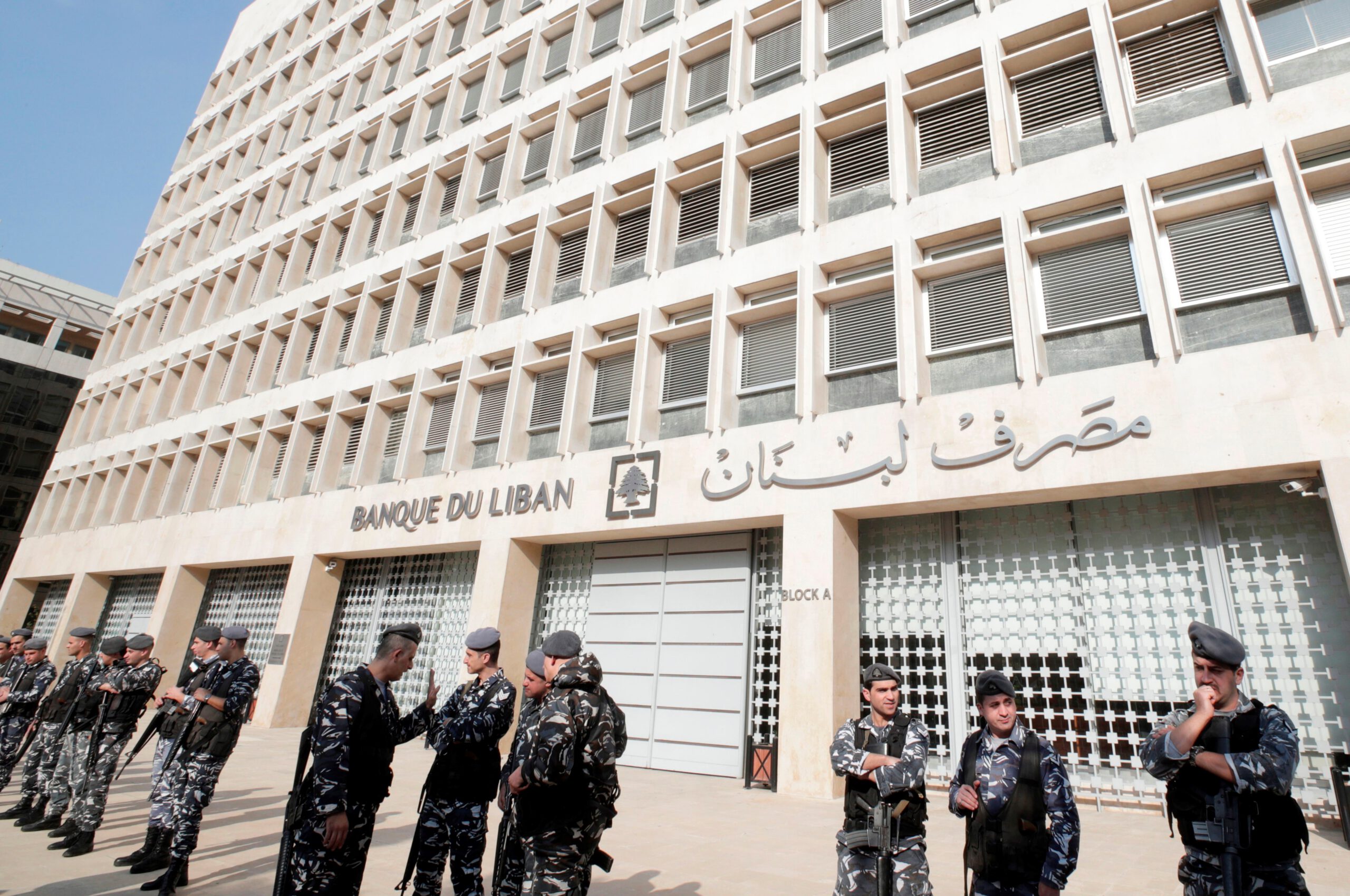
Security sector reform and the Internal Security Forces in Lebanon
Donor-backed reform efforts in the Lebanese Internal Security Forces have shown good results in a jurisdiction in Beirut. While imperfect and limited in scope, these results are encouraging, as obstacles to the provision of fair and effective policing in Lebanon are myriad.
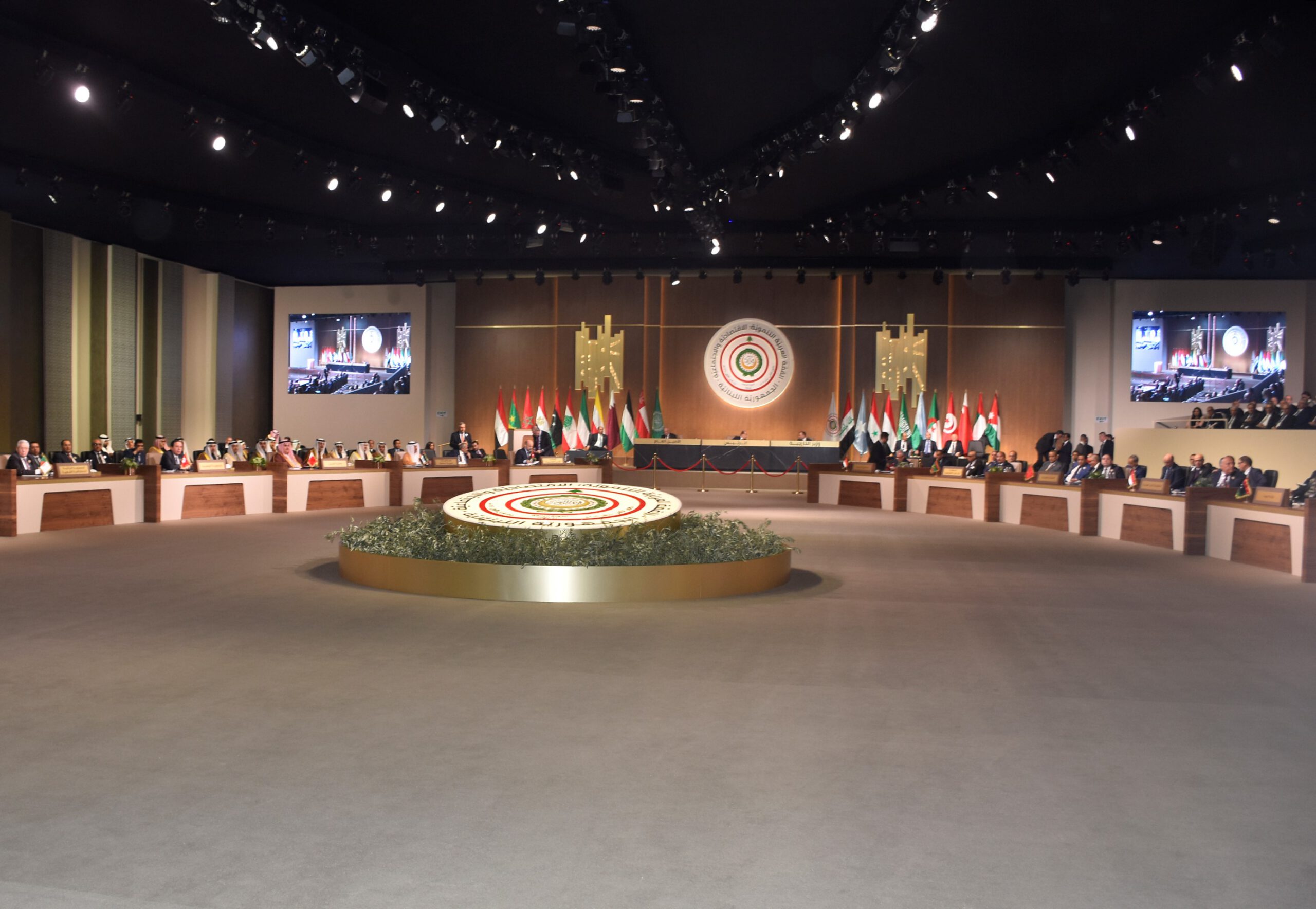
Weekly Briefing: Failed Arab Economic Summit in Beirut underscores divisions
In this week’s Weekly Briefing, contributors Paul Salem, Marvin G. Weinbaum, William Lawrence, Ruba Husari, and Jean-François Seznec provide analysis on recent and upcoming events including the Arab Economic Summit held in Beirut this weekend, Afghanistan’s upcoming presidential elections, strikes in Tunisia, the Trump administration’s next steps on Iranian oil policy, and Saudi Aramco’s $10B bond issue.
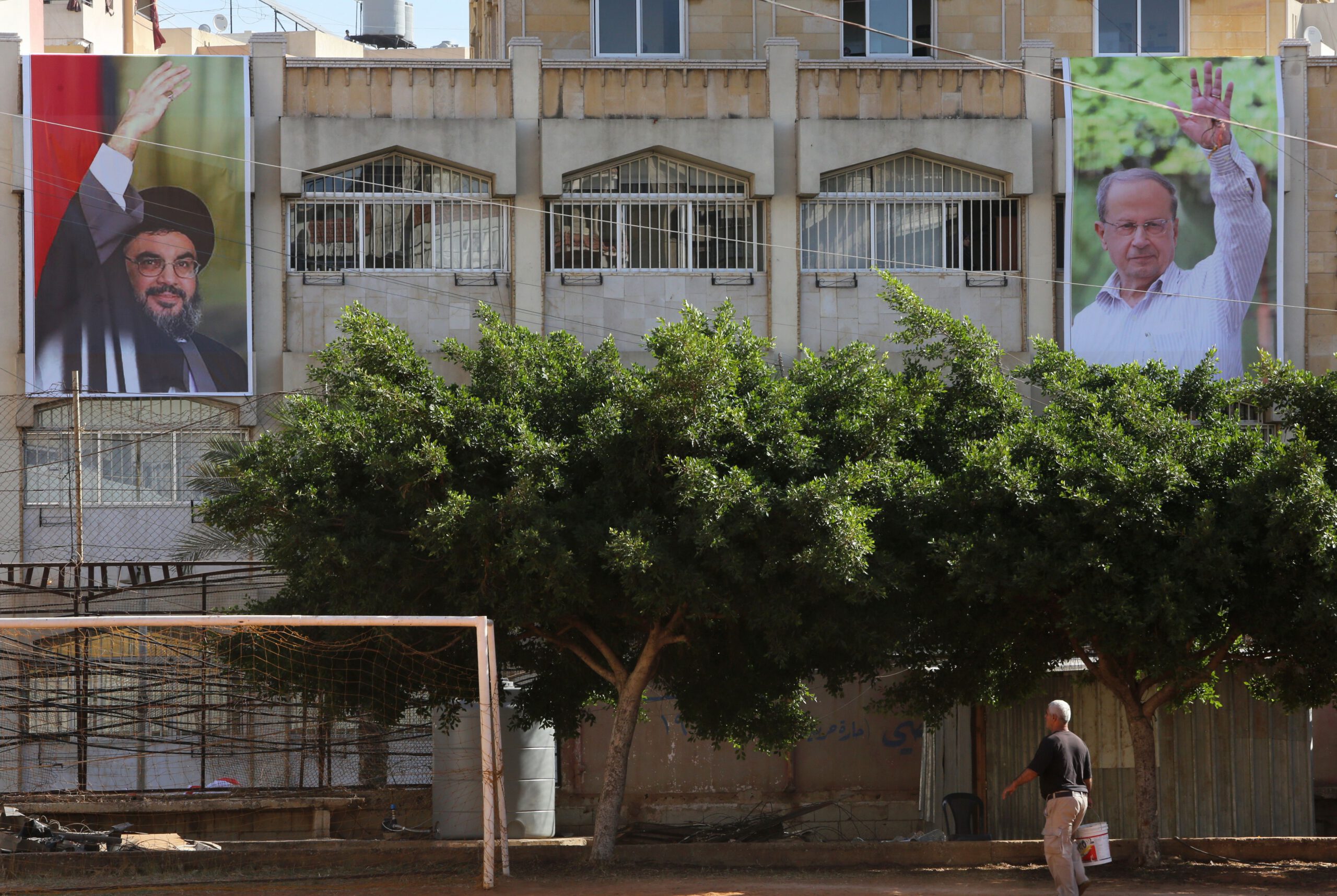
Lebanese President Michel Aoun and Hezbollah remain at loggerheads over the formation of a new government. The dispute has now entered its eighth month and the country is slowly tiptoeing towards a financial crisis.
The fight over the spoils of war in Deir ez-Zor heats up
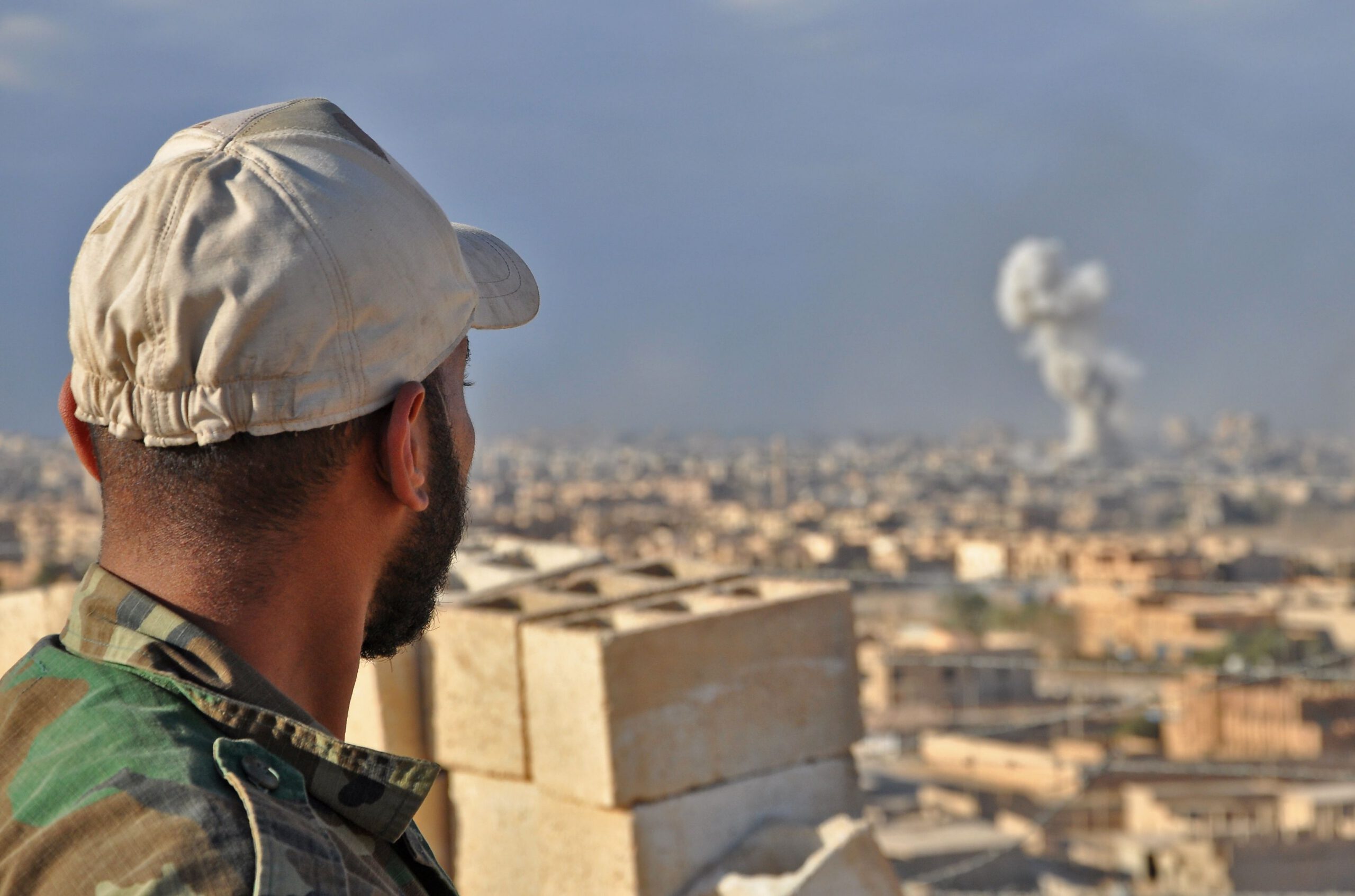
In recent months fighting has repeatedly broken out between Syrian and Iranian-backed militias around Deir ez-Zor, initially over control of taxes and smuggling routes, but increasingly the conflict has taken on a strategic dimension as well.
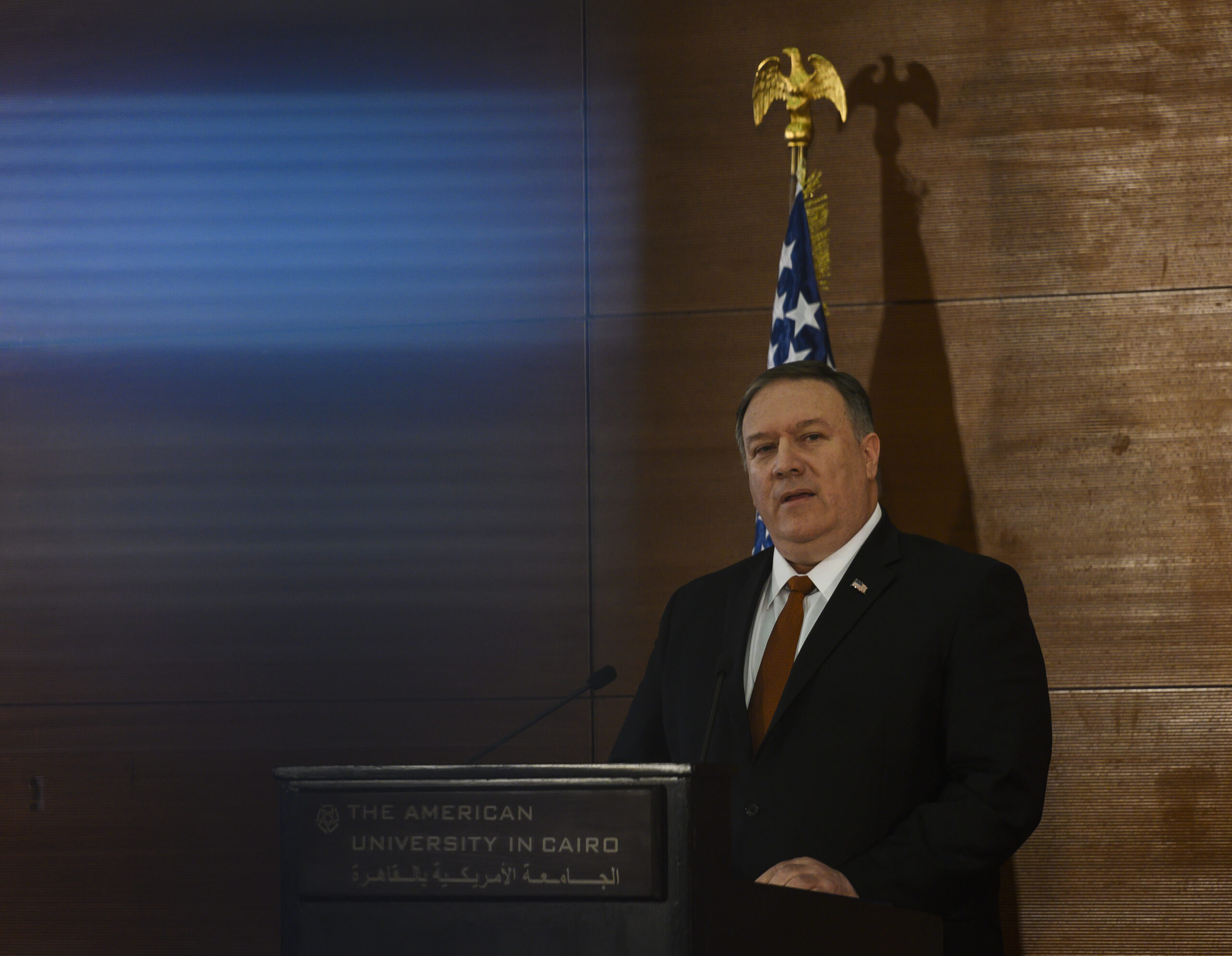
Weekly Briefing: Pompeo’s visit raises more questions than it answers
In this week’s Monday Briefing, MEI experts Gerald Feierstein, Paul Salem, Alex Vatanka, W. Robert Pearson, and Mirette F. Mabrouk provide analysis on recent and upcoming events including Secretary of State Mike Pompeo’s recent visit to the Middle East, recent protests in Sudan, Iranian outreach to Baghdad, President Trump’s discussion with President Erdogan on treatment of the Kurds, and the first meeting of the East Mediterranean Gas Forum.
In our first episode of 2019, MEI experts Paul Salem, Charles Lister, Ahmad Majidyar, Randa Slim, Gonul Tol, Robert Pearson, and Gerald Feierstein discuss the significant policy developments and announcements of the past few weeks and outline the major issues to watch in the year ahead.
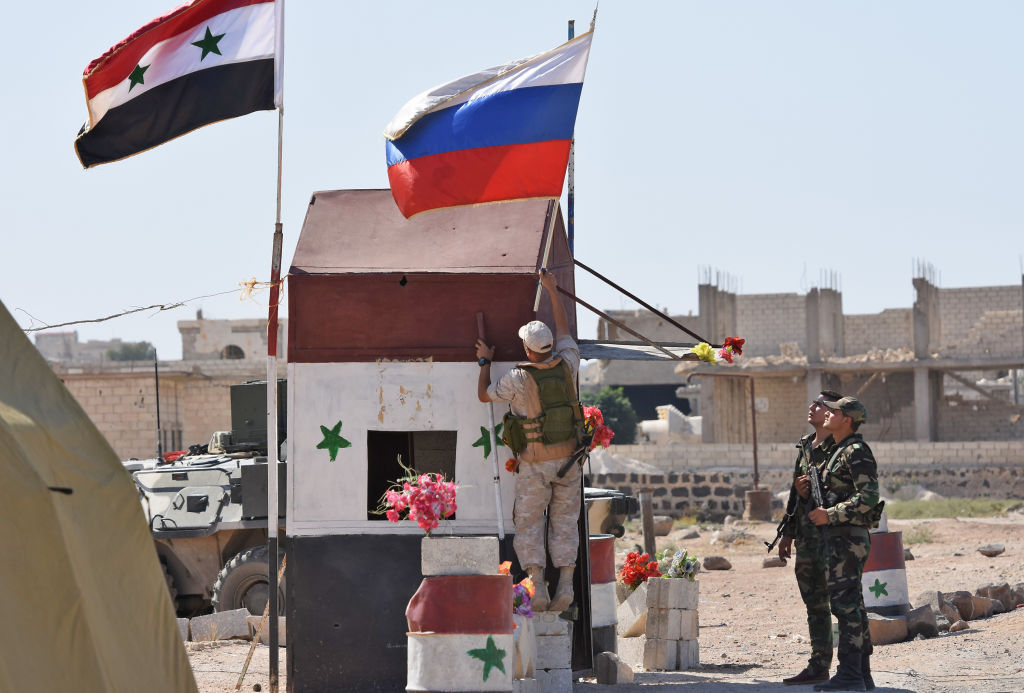
A poisoned chalice? US withdrawal from Syria would create new risks for Moscow
At first glance Trump’s decision to withdraw U.S. troops from Syria might seem to benefit Moscow. But dig a little deeper and the situation becomes much less clear and creates a lot of ambiguity and complexity for Russia.