Cease-fires in Idlib and Libya as Turkey looks to buy time
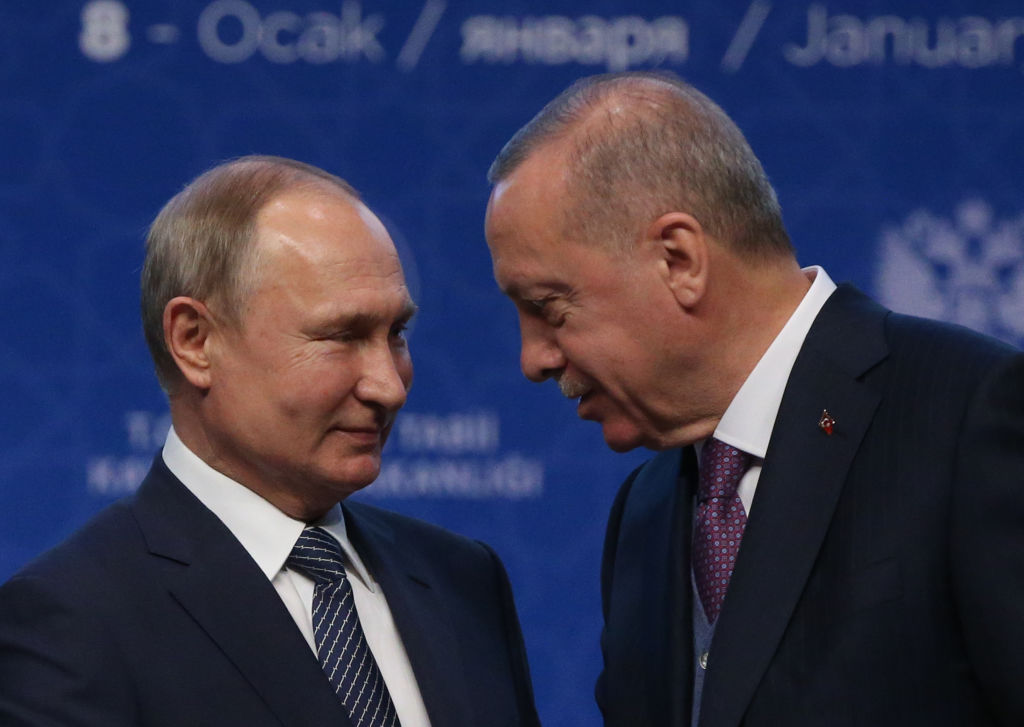
It is increasingly the case that the Russian-Turkish decisions on Idlib or Syria need to be understood as part of a broader Russian-Turkish partnership.
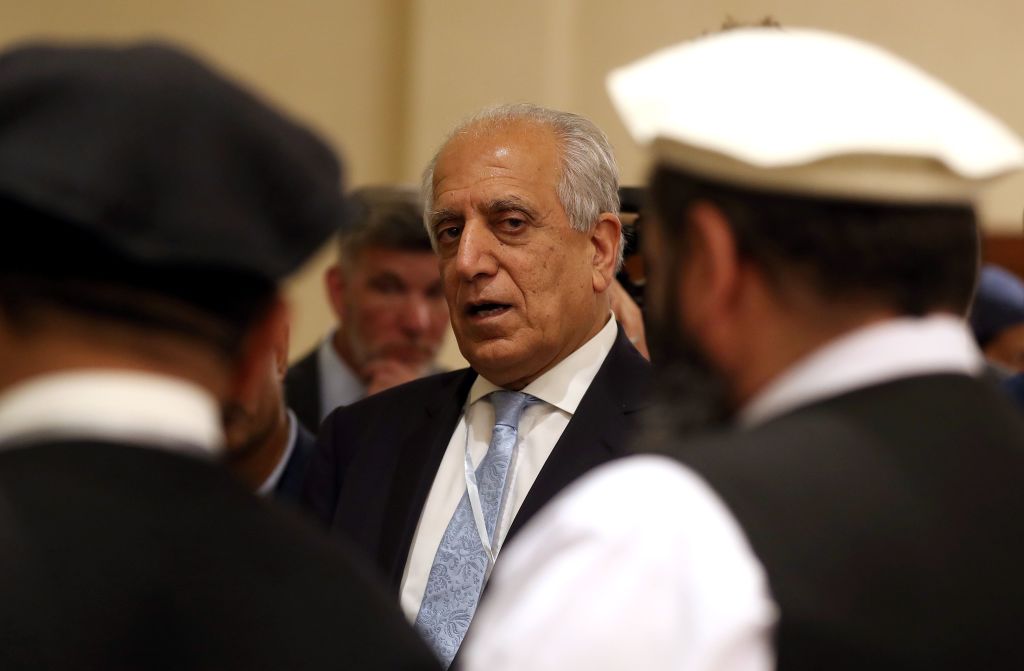
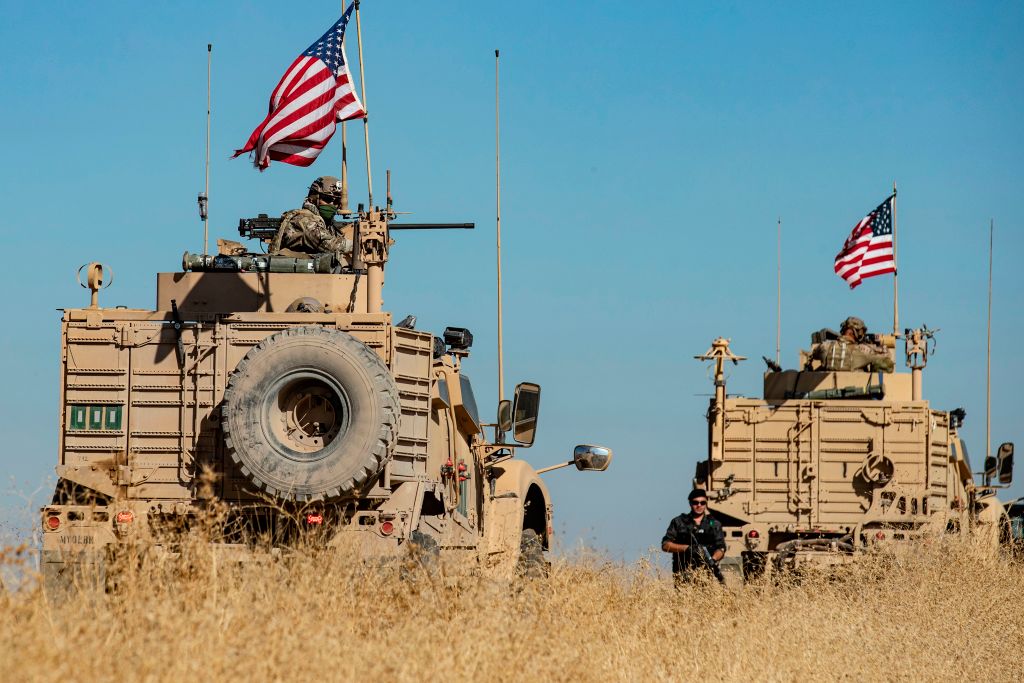
The Taliban still apparently balk at an accord that makes any provision for the retention of an American counter-terrorism force.
Over the past five years, the focus of U.S. counterterrorism strategists has remained on the Middle East, especially after the emergence of ISIS in 2014, while Islamist terrorist organizations operating in South Asia have been considered a secondary threat. However, the fact remains that South Asia is home to more Islamist terrorist organizations than any other region of the world. Al-Qaeda was born there, in Afghanistan, and ISIS has roots in the region. But at the turn of the decade both global jihadist groups are now facing major challenges and the critical question is whether they will manage to survive this period of crisis amid a severe leadership vacuum following the death of ISIS’s supreme leader and caliph, Abu Bakr al-Baghdadi, and the killing of al-Qaeda heir apparent Hamza bin Laden.
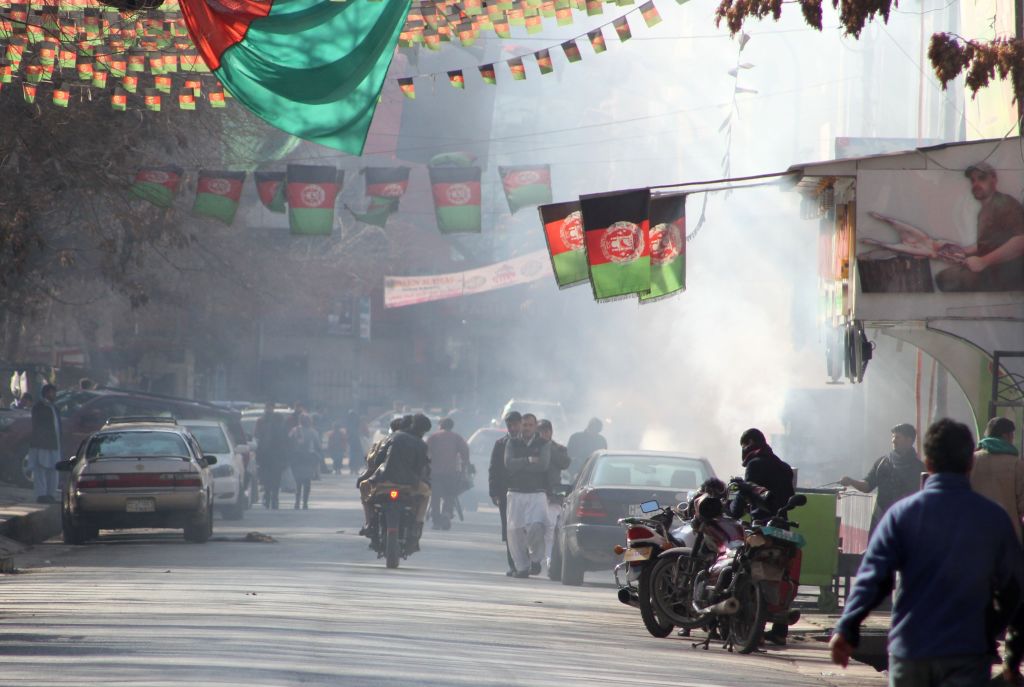
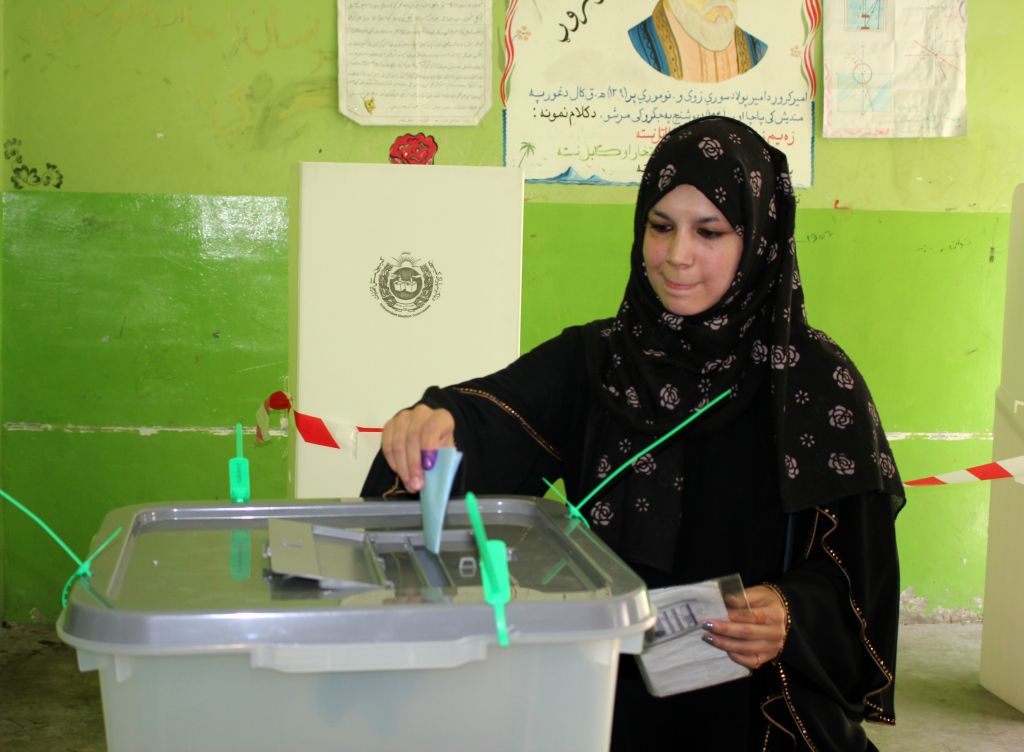
The commitment by its foreign benefactors to underwrite the Afghan regime’s viability and ability to withstand Taliban insurgency is in serious doubt.
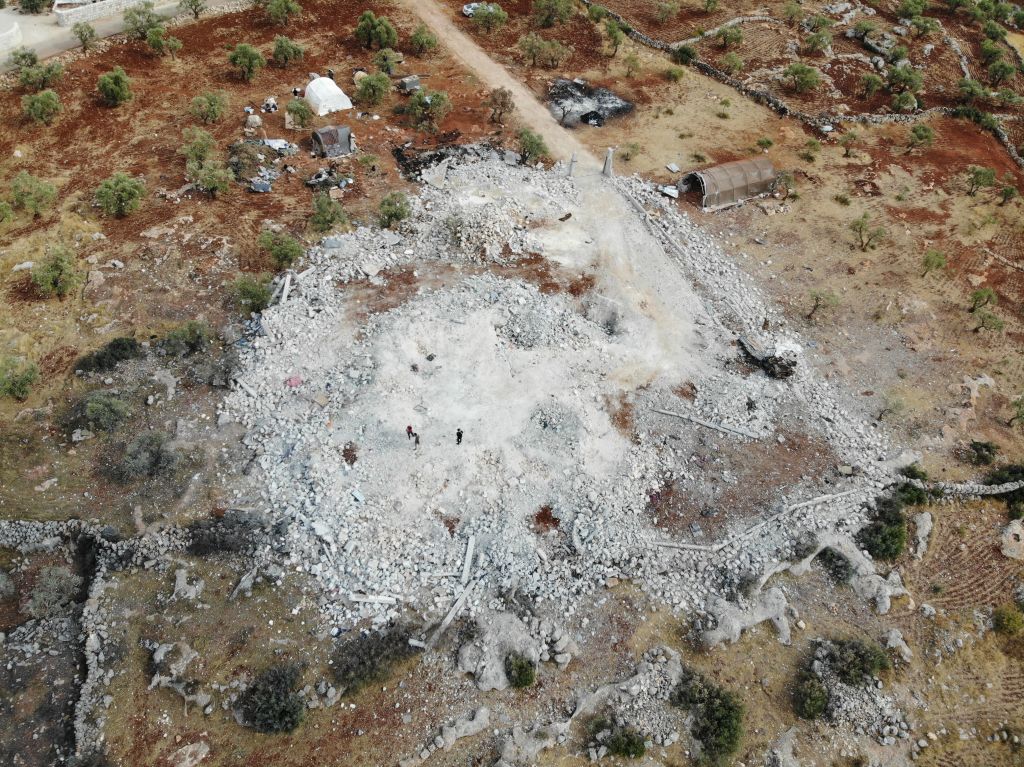
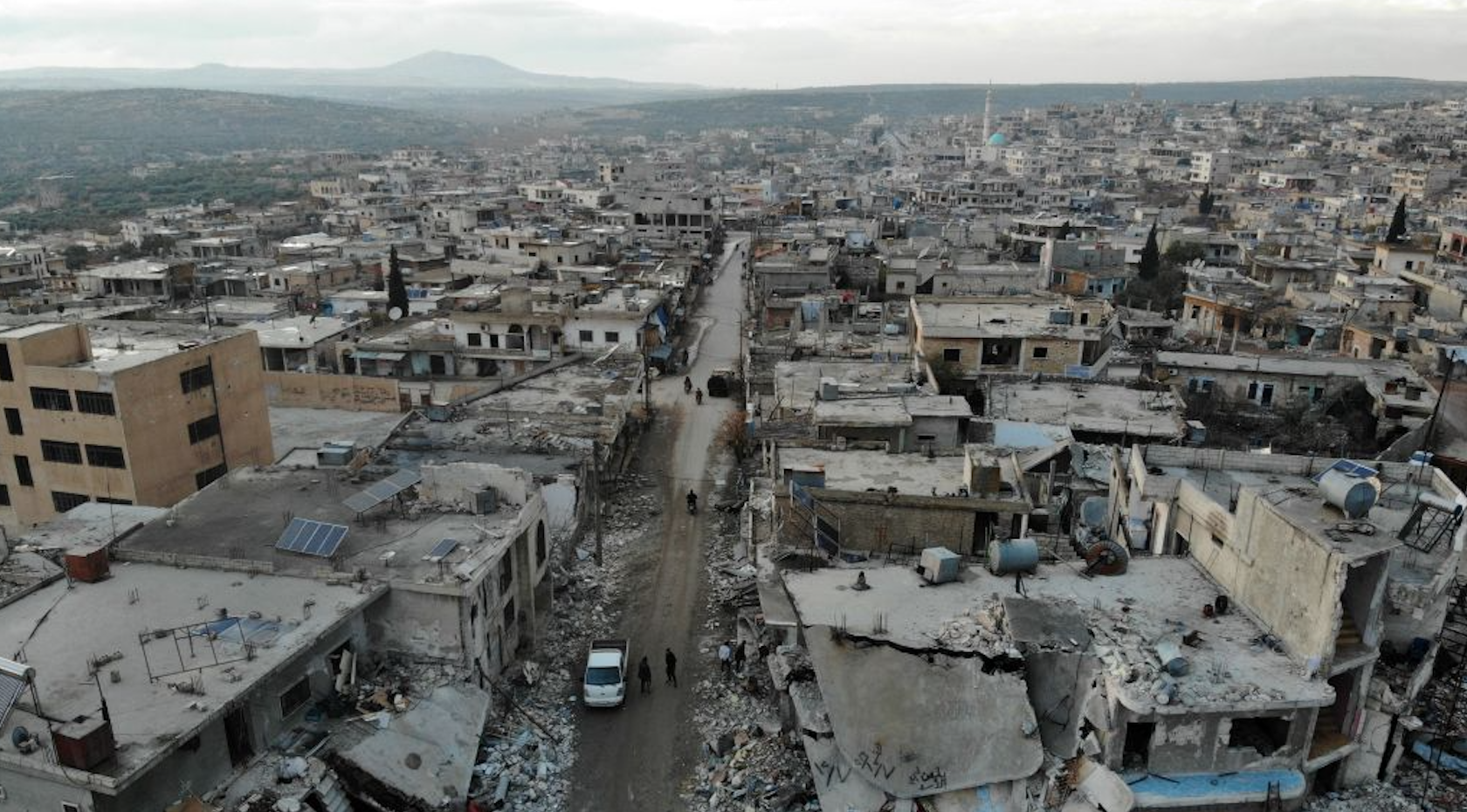
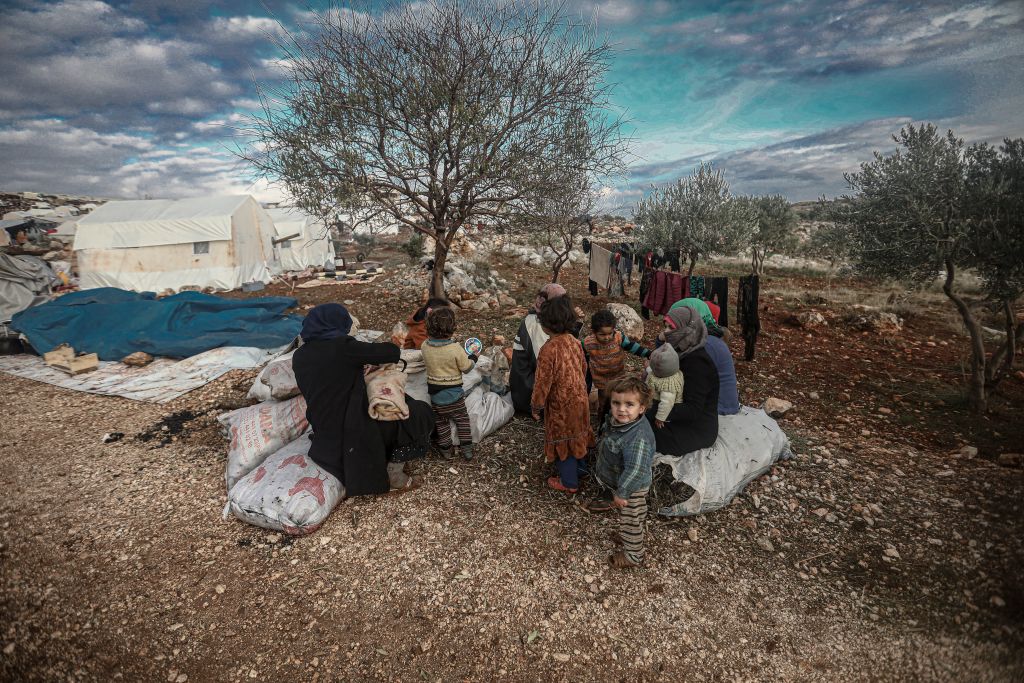
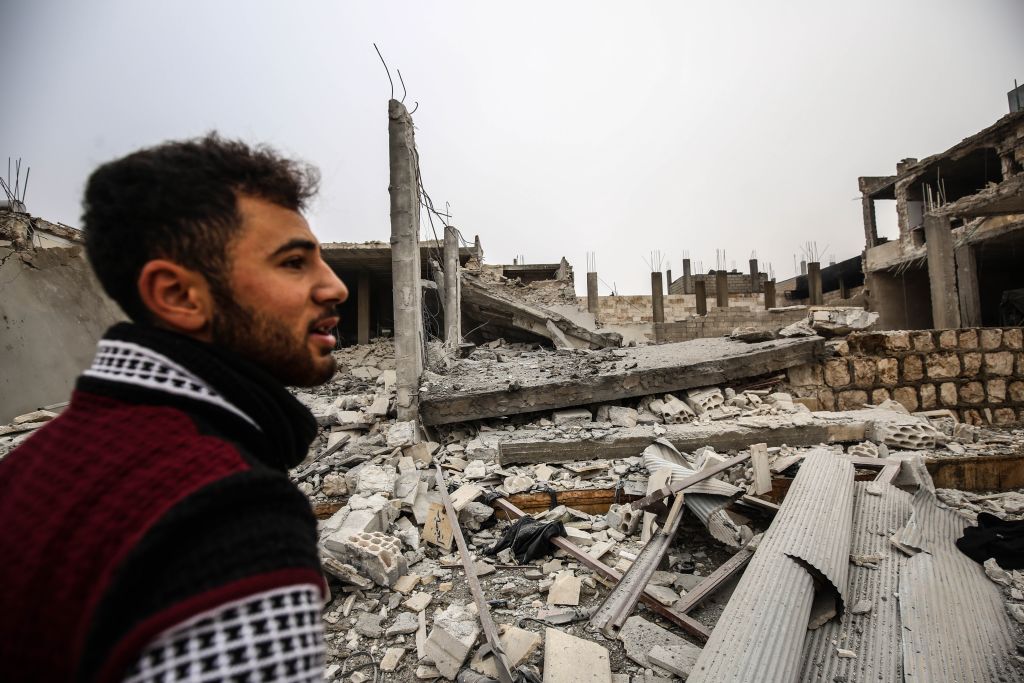
Militarily, the most concerning issue remains the fate of Idlib, where at least three million people remain crammed in a killing-zone that encompasses just 3.5 percent of Syria’s territory
The consequences of what happens in Idlib could come to define the future of Syria — a country already destined for many more years of instability and suffering.
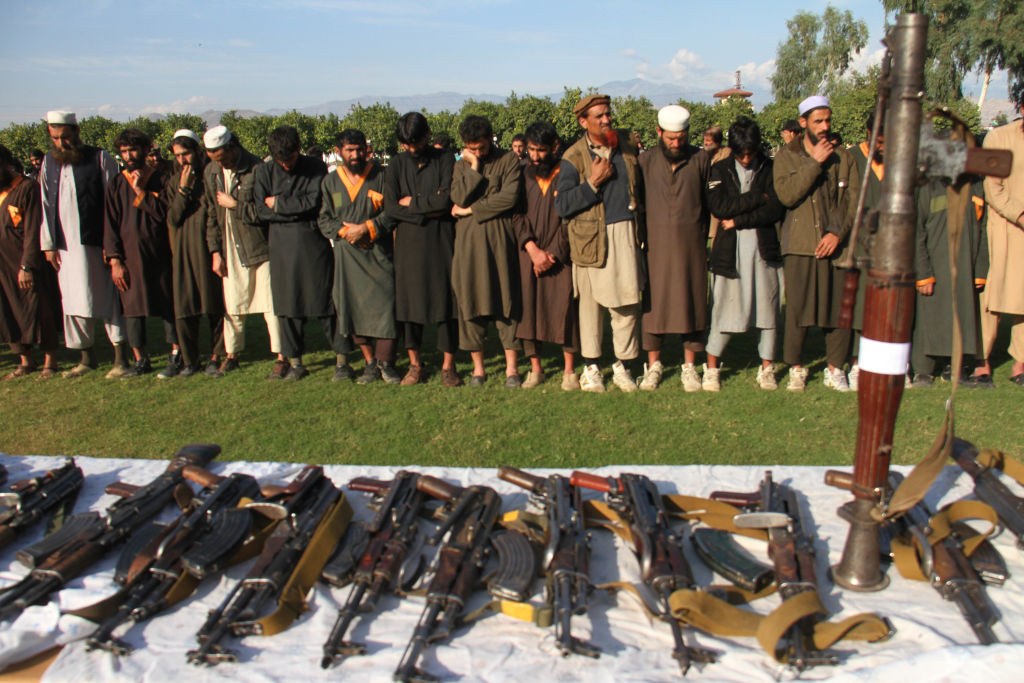
Afghan security forces, working in concert with U.S. airpower, have launched a series of successful attacks in eastern Afghanistan on ISIS forces, which operate locally under the banner of ISKP. Simultaneously, the Taliban has conducted its own military campaign against ISKP in the same region. These campaigns have significantly degraded ISKP’s position in eastern Afghanistan, a development that may well increase the likelihood of an eventual U.S.-Taliban peace deal.
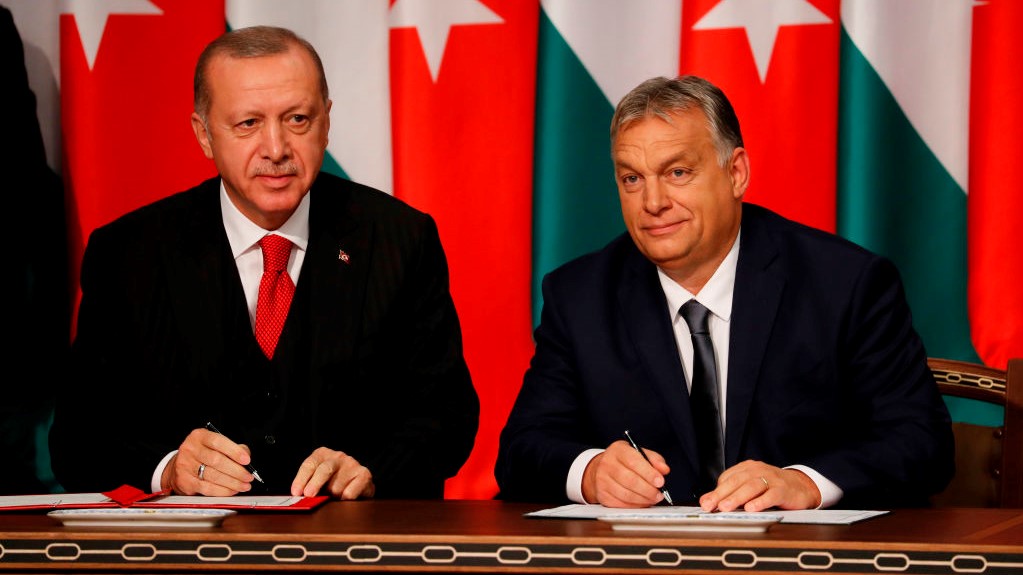
Having raised eyebrows among many European officials with rhetoric targeting Syrian and other Middle Eastern/North African refugees in Hungary, Hungarian Prime Minister Viktor Orbán sees the return of Syrian refugees to their home country as serving vital Hungarian and European interests. As Hungary continues to align closely with Russia while deepening its ties with Turkey and other non-Western governments, Budapest’s foreign policy is eroding an EU consensus.
In our annual year in review episode, MEI experts Paul Salem, Gonul Tol, Charles Lister, Alex Vatanka, Marvin Weinbaum, and Mirette Mabrouk sit with host Alistair Taylor to discuss the key events across the region in 2019, what surprised them, and where things stand as we head into 2020.
After several years of behind-the-scenes efforts, the Caesar Syria Civilian Protection Act will be signed into law in Washington. It is an extraordinarily expansive and aggressive piece of legislation, allowing for a significant expansion of sanctions against Syrian regime figures and bodies, including the Central Bank and multiple sectors of the state economy. More significantly, the “Caesar Bill” will place an expectation on the U.S. government to sanction any individual or organization anywhere in the world who provides any form of financial support to the Syrian regime that furthers its ability to repress its people.
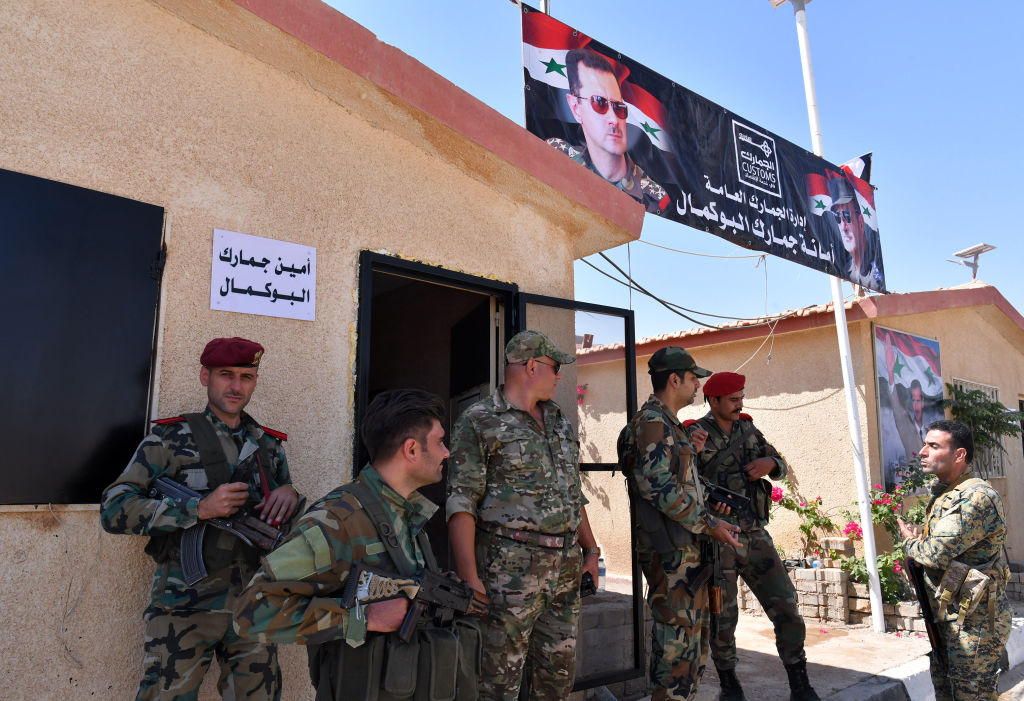
Assad appeared increasingly secure — and confident — in his presidential palace, but also remained a deeply isolated global pariah.
With the 2020 American presidential elections looming, the U.S. seems poised to accept virtually any withdrawal deal, even a bad one.
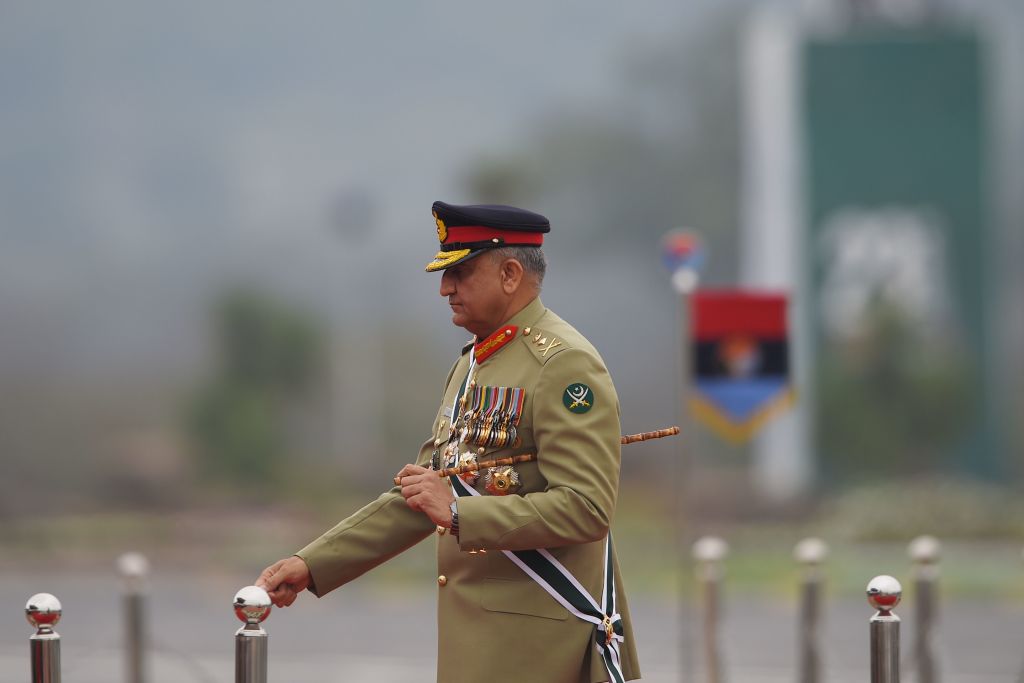
Understanding a state and its society involves understanding how the state treats its military, its record of governance, and the relationship between the military and civilian politicians. By all accounts, Pakistan, a state founded in 1947 as a homeland for the Muslim population of British India, is a unique case where the military dominates all other institutions in both state and society. This was on clear display in the recent court battle over the extension of Army Chief of Staff Gen. Qamar Javed Bajwa’s tenure.
Gen. (Ret.) Joseph Votel discusses the role of Afghanistan in US regional strategic interests, whether a peace deal is possible with the Taliban, and how important Pakistan is to achieving a sustainable political settlement.