The geopolitics of space: Why did the UAE send a probe to Mars?
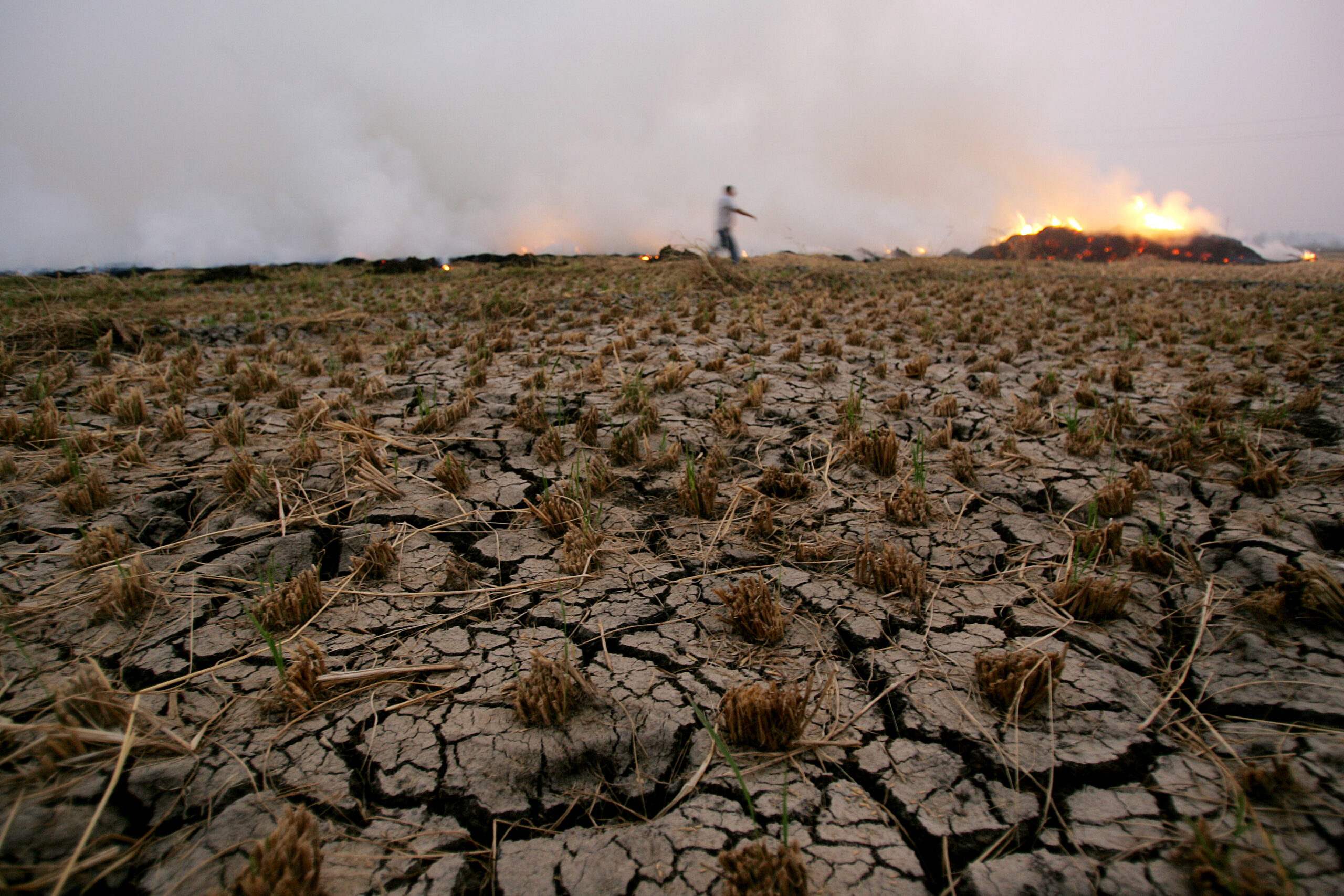
On Feb. 9, 2021, the UAE made history when its Hope Probe reached Mars and communicated back to Earth. This made it just the sixth member of the elite group of countries that have reached the Red Planet, and the first Arab nation to do so. The UAE stressed that the Mars mission is a success for all Arabs and this significant scientific feat positions Abu Dhabi not just as a leader in the Middle East, but also as an important global player in space.
Challenging Israel’s exceptionalism in American politics
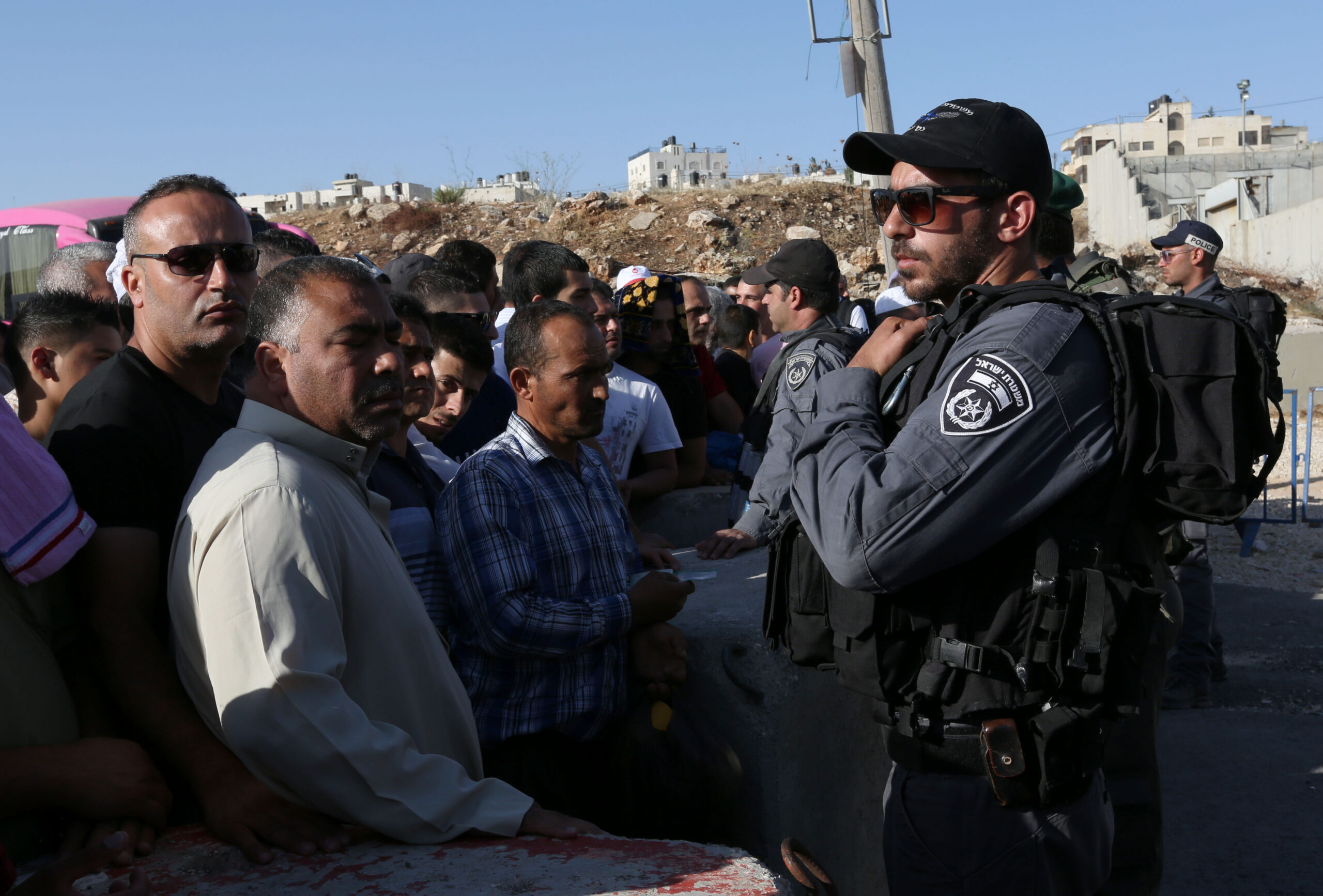
While support for Israel across the political spectrum remains strong in Washington, the traditional bipartisan consensus in favor of unconditional support for Israel has begun to fray in recent years.
As Israelis head to the polls once again, is the fourth time the charm?
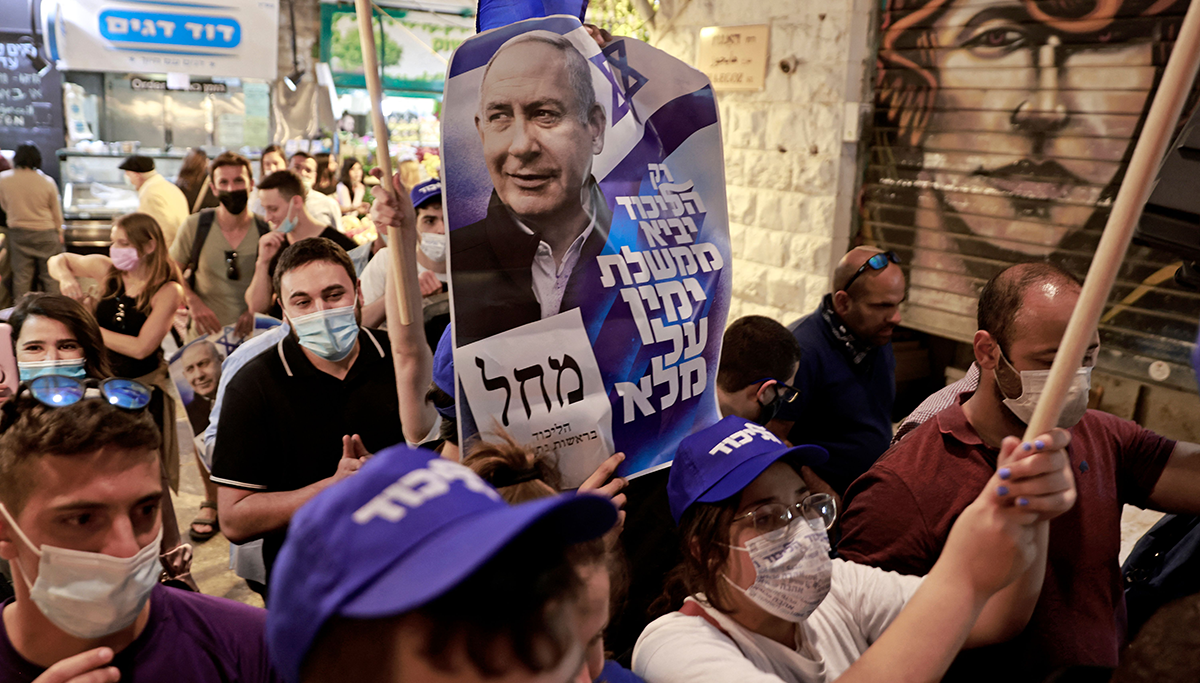
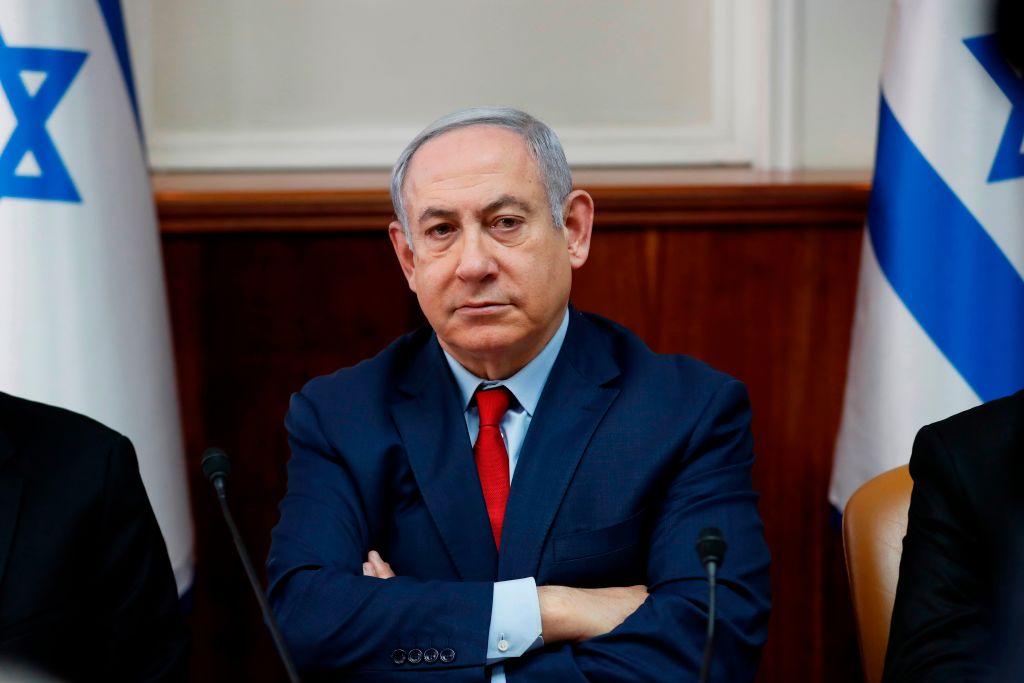
Israelis are going to the polls on Tuesday for the fourth time in two years. But while the main issue in each of these elections has been to decide the fate of a single man, Prime Minister Benjamin Netanyahu, the political landscape has meanwhile been shifting significantly, primarily toward the right.
Definitional doom: How Iran and Israel derail legal application in cyberspace
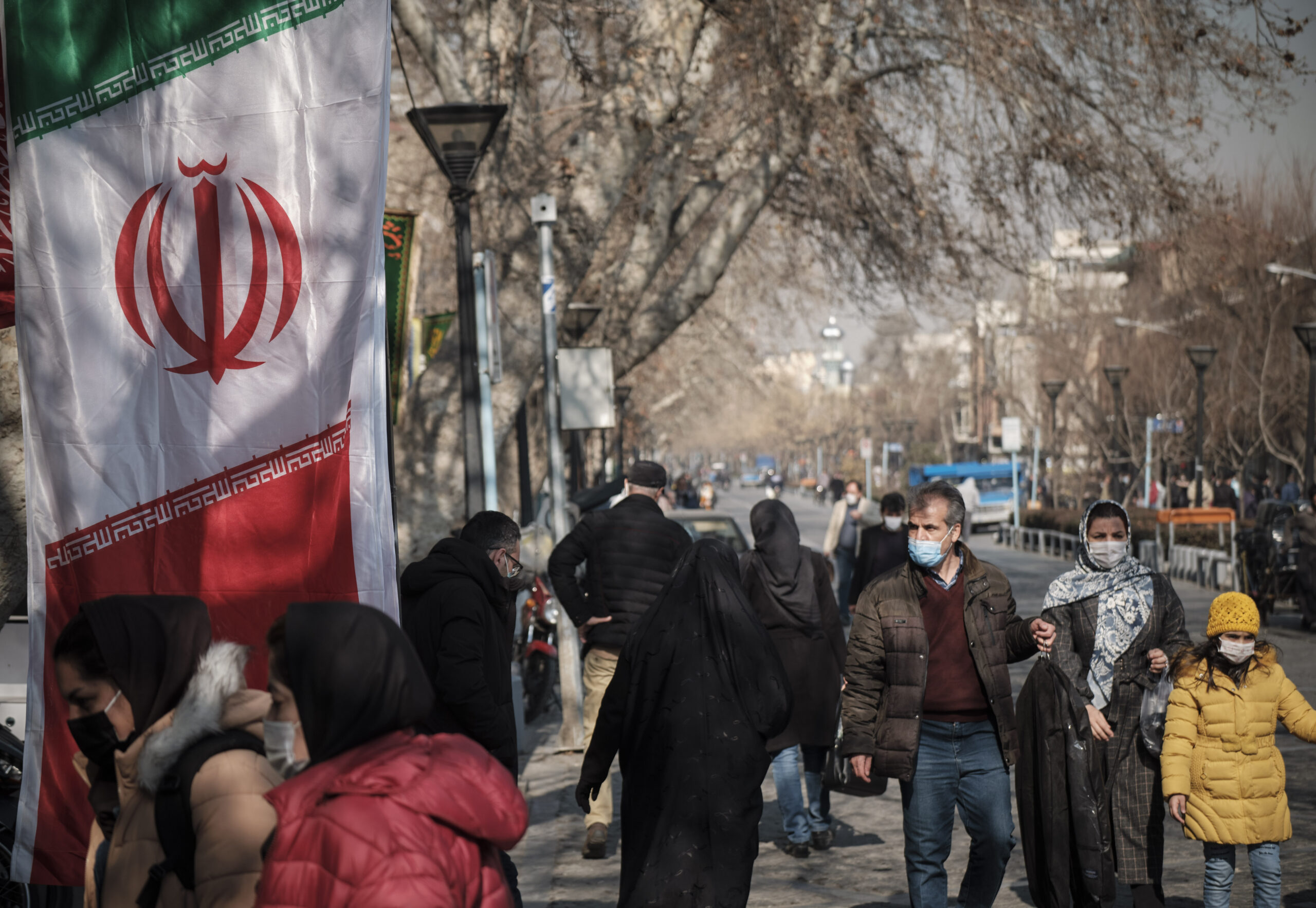
Despite the importance of cyberattacks, little has been written about the relationship between these attacks and the applicable law. States are still struggling with controversies involving definitions, even though there is wide applicability of both laws and norms in this context. As a result, cyberspace remains relatively anarchic and the continued controversies have impeded further progress. Although the global discussion has only just begun, it is clear that the rising prevalence of state-led cyber operations warrants a thoughtful, innovative, and immediate regulatory response. Pressure has been building on the governments of the Middle East to join the conversation as their relevance and power in the cyber domain grows.
Yemen’s prisoners of war and detainees: Lessons learned from local mediation
Prisoners of war and political and civilian detainees are two of the most important humanitarian issues in Yemen. Local mediation has had impressive results, and local mediators, including women, have become key players in resolving this issue. Experience has shown that to bring an end to the war in Yemen, international mediators need to stop ignoring and excluding local efforts and peace builders. Achieving sustainable peace will not happen without the equal involvement of women leaders and the inclusion of those who had no hand in the war.
“الحرب الخفية بين إيران وإسرائيل تدور رحاها الآن في الميادين الثلاثة: الجوي والبري والبحري. لكن نتيجتها ستُحسم في نهاية المطاف في ميدان الدبلوماسية والسياسة، وبشكل أساسي من خلال خيارات السياسة الأمريكية”.
The coming US-China cold war: The view from the Gulf
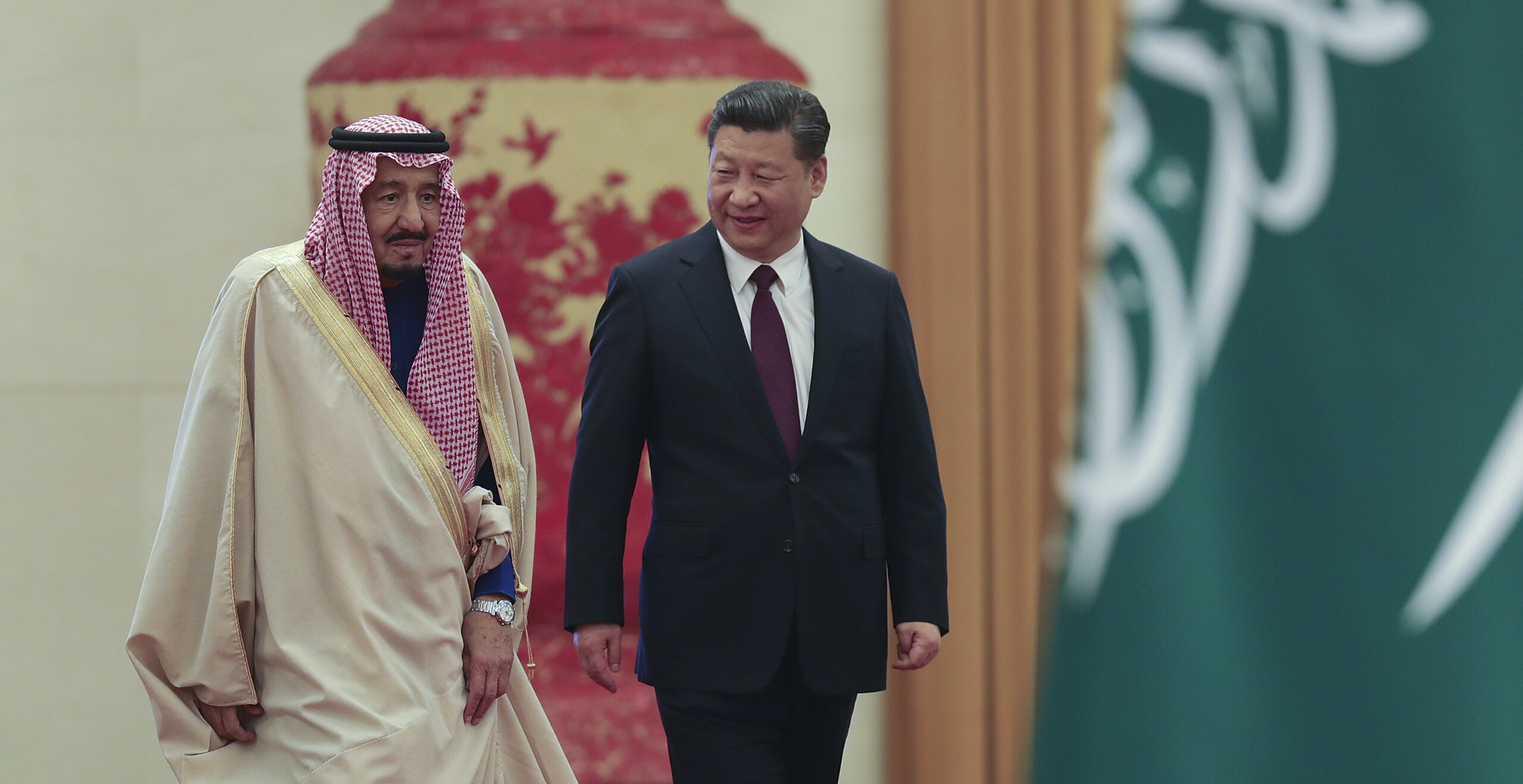
Around the world, leaders are scrambling to define their strategy for dealing with the inevitable U.S.-China cold war to come, and the Gulf is no exception. Considering the different objectives and perspectives that the region has in regard to the two superpowers, any misstep in forming alliances could be detrimental to its future.
After last year’s crisis, Pakistan and Saudi Arabia pursue a reset
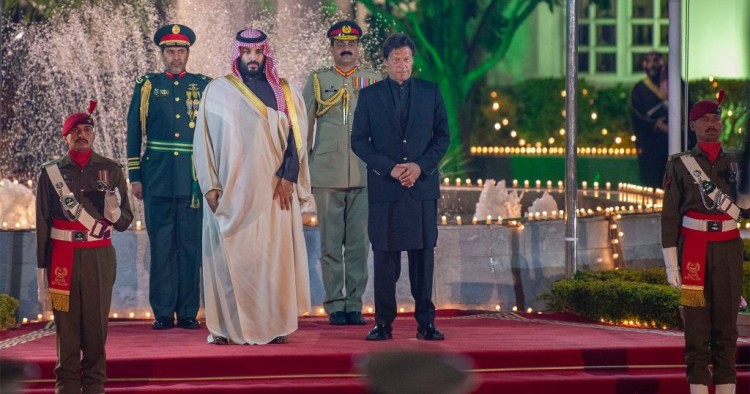
After last year’s much-publicized spat between Pakistan and Saudi Arabia — culminating with Riyadh’s demand for early repayment of $3 billion in loans meant to shore up Islamabad’s foreign exchange reserves — tensions between the two countries have since cooled. Pakistan and Saudi Arabia appear to be in the midst of a reset of relations.
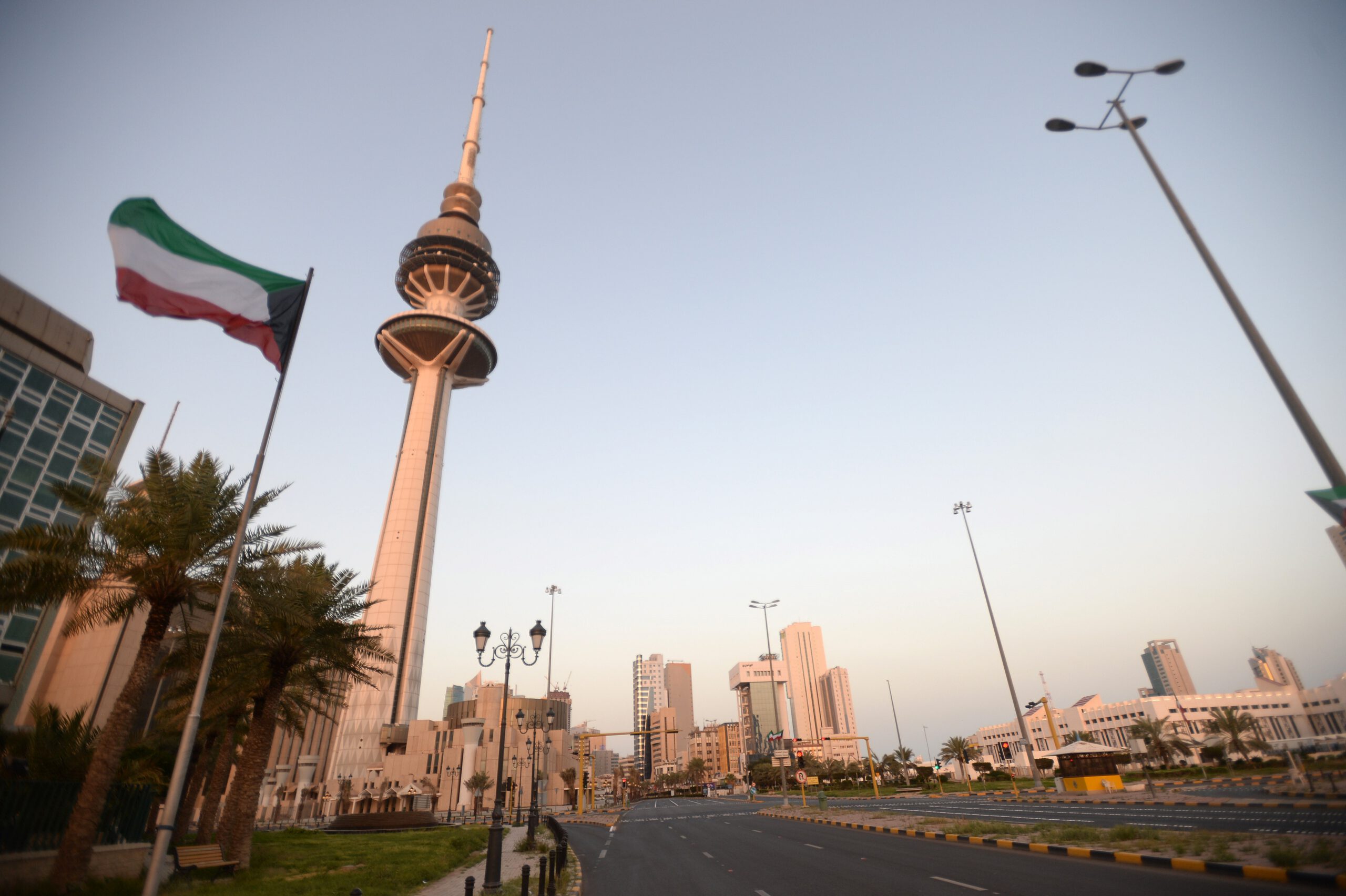
Kuwait is stuck in a major predicament. The government continues to engage in significant deficit spending, even as its readily available funds dwindle, while political gridlock limits the government’s ability to replace those shrinking financial resources.
The Biden Administration and the Middle East: Policy Recommendations for a Sustainable Way Forward
In a new policy briefing book, entitled The Biden Administration and the Middle East: Policy Recommendations for a Sustainable Way Forward, MEI scholars tackle a large number of country-specific and region-wide issue areas, laying out both the abiding U.S. interests and specific recommendations for Biden administration policies that can further U.S. interests amid a region in turmoil.
How is Iran responding to Biden’s policy shift on Yemen?
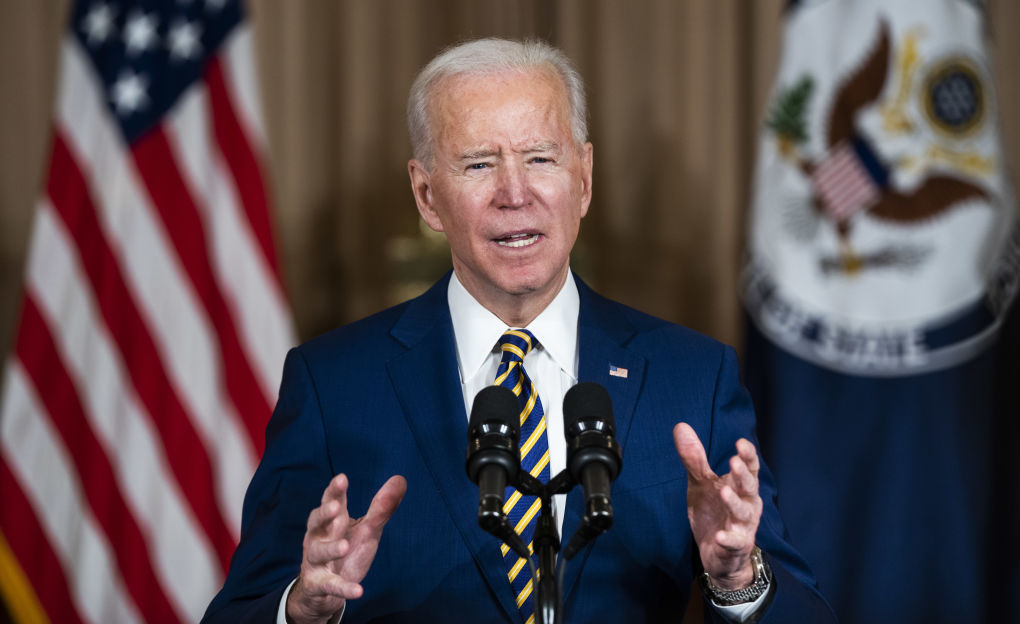
On Feb. 4, President Joe Biden announced the end of U.S. support for the Saudi Arabia-led coalition’s offensive military operations in Yemen. This decision fuelled optimism about a U.S. return to negotiations over the JCPOA with Iran. Instead of engaging with the United States, Iran has supported the Houthi-orchestrated Marib offensive and stepped up its diplomatic efforts in Yemen.