Netanyahu and annexation: Will he or won’t he?
A somewhat surprising assortment of organizations and interest groups are lining up to oppose annexation, alongside the usual opponents.
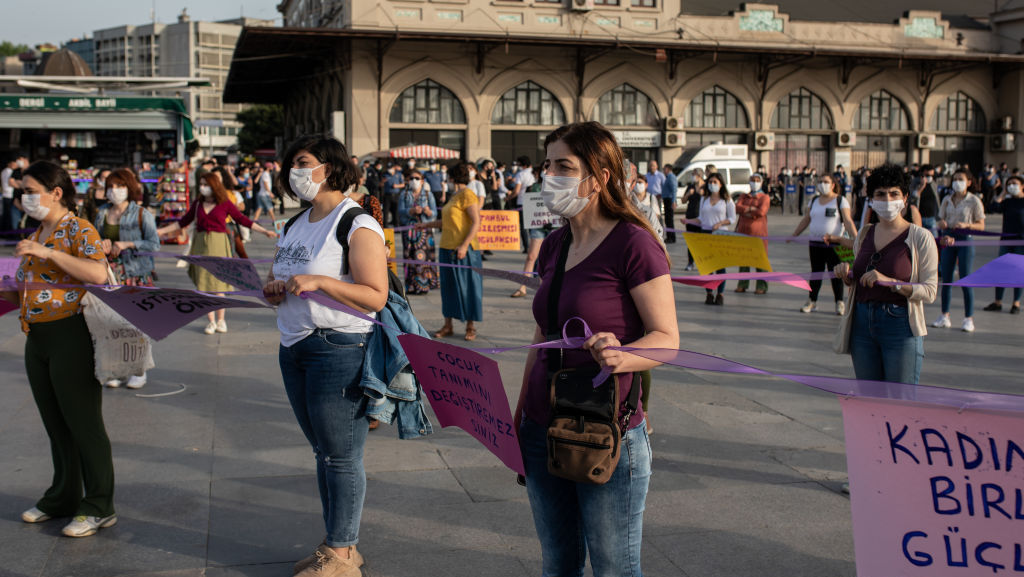
“I urge all governments to put women’s safety first as they respond to the pandemic.”
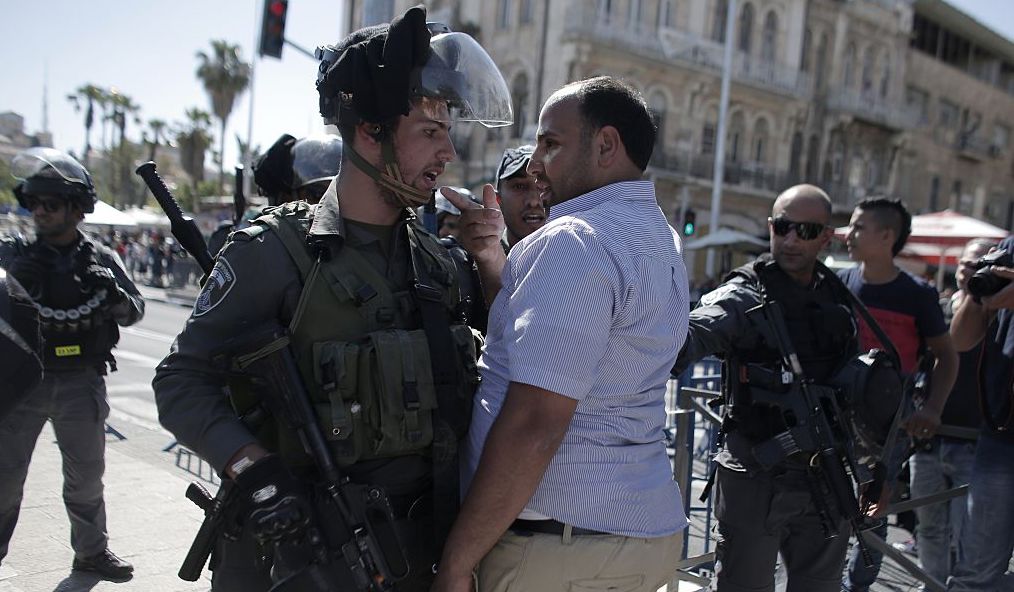
When the video emerged of a Minneapolis policeman pressing his knee on the neck of George Floyd as he lay on the ground, Palestinians were surprised by the image — the technique was all too familiar. But while hundreds of thousands of people have taken to the streets to protest the killing of George Floyd, an African-American male, by police across the U.S. and around the world, the response among Israelis and American Jews to violence against Palestinians is quite different. Many liberal Jewish leaders and thinkers who have spoken out forcefully against the killing of Floyd are silent when it comes to the atrocities committed by Israeli soldiers.
One cannot apply democratic principles selectively, but the opposition has long done exactly that.
Quickly attributing or blaming a country for a cyber incident without technical analysis, proof, and government officials willing to go on record only inflames an already tense situation.
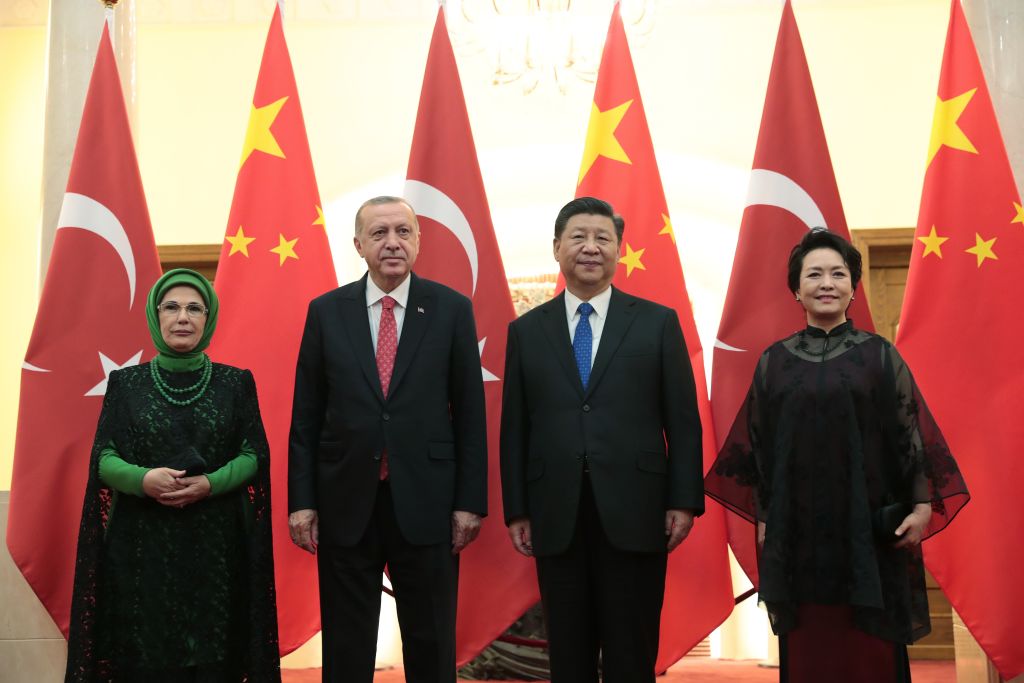
As part of Beijing’s broader strategy of seeking out new markets and cultivating strategic partnerships with countries beyond its backyard, China has been seeking to expand its economic and political ties with Black Sea states. While Beijing’s involvement in the region is still at a nascent stage, it has already prompted fears that its economic engagement masks a political agenda that could hurt Western interests.
The conflict between Turkey and the anti-Turkey bloc is hurting everyone’s energy interests, making an investment in the region costlier for energy companies. Without compromises on all sides, everyone stands to lose.
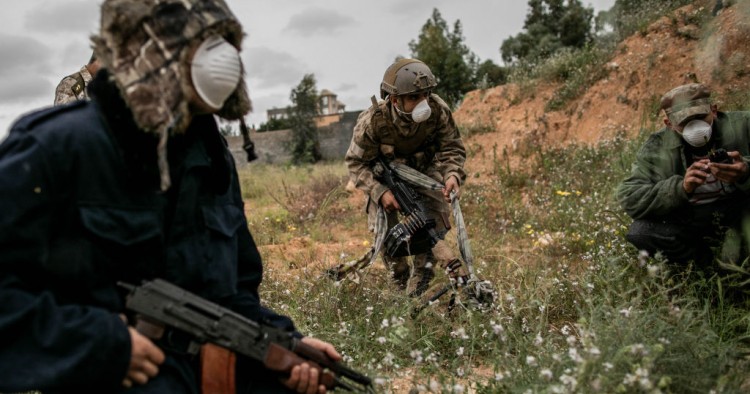
MEI’s Gonul Tol and Jonathan Winer join host Alistair Taylor to discuss the state of the conflict in Libya, where the internationally recognized Government of National Accord (GNA) forces supported by Turkey have made significant gains in recent weeks over Khalifa Haftar’s Libyan National Army (LNA) forces, which are backed by Russia, the UAE, Egypt, and France.
Absent major military escalation by his foreign patrons, Khalifa Hifter has now lost the war he initiated against Libya’s internationally recognized government in Tripoli. The question remains, however, of how to end Libya’s proxy war and restart the necessary political process to bring about sustained peace.
COVID-19 is a humanitarian problem, and containing the pandemic as soon as possible is an urgent obligation to save human lives. Yet we have to deal with the economic fallout from the pandemic just as urgently because the costs are substantial.
The May 20 announcement is something of a watershed, in which Palestinian decision-makers appear to have chosen to leave behind the professionalism of President Abbas and instead adopt the Fatah revolutionary way of making strategic decisions and then implementing them on an ad hoc basis while making adjustments along the way.
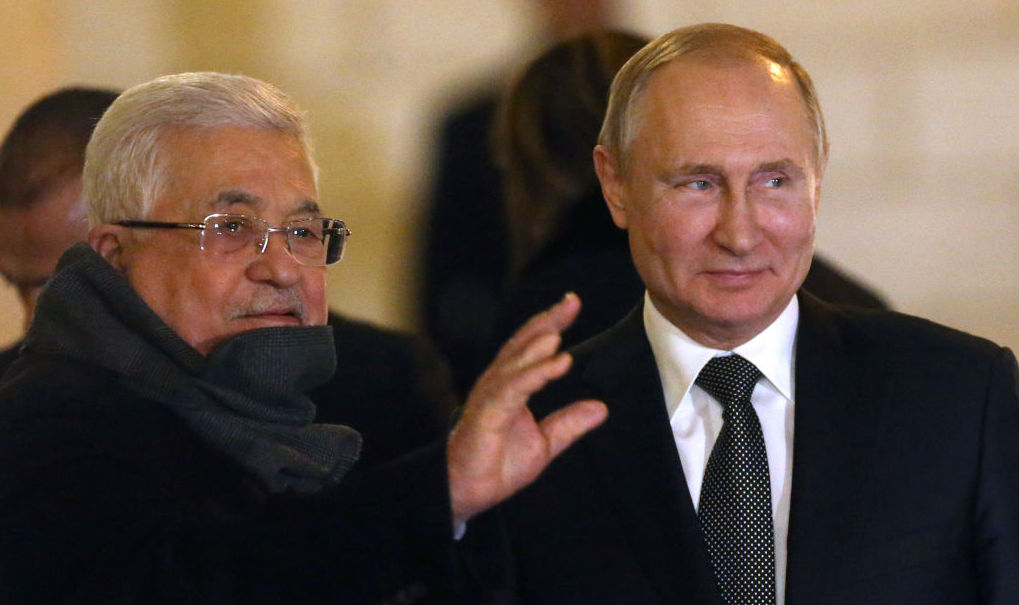
The last few days have seen an unprecedented flurry of Russian activity on the Israeli-Palestinian track. On May 19, Russia’s Deputy Foreign Minister and Vladimir Putin’s Special Envoy for the Middle East and Africa Mikhail Bogdanov spoke on the phone with Assistant to the U.S. President and Special Representative for International Negotiations Avi Berkowitz.
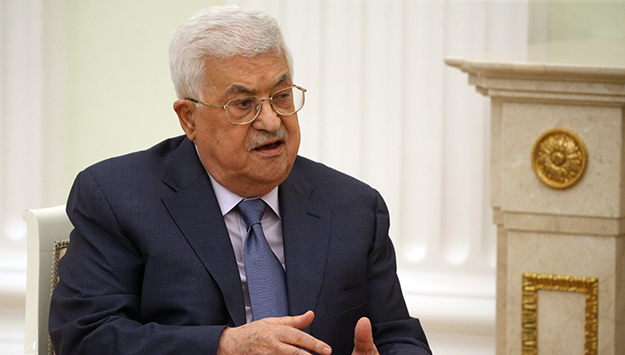
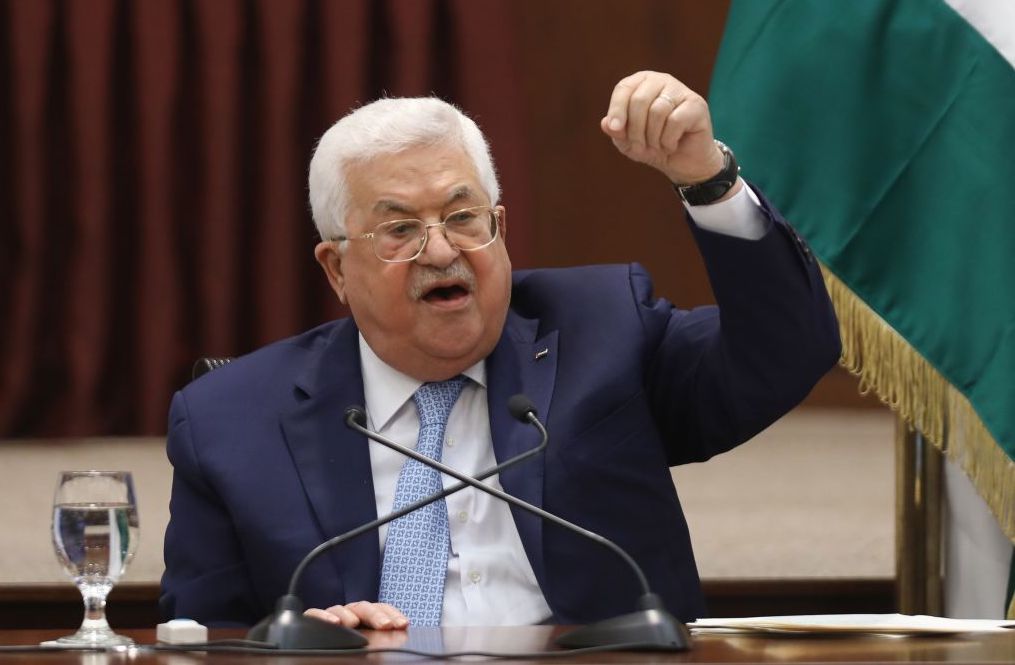
In a dramatic statement delivered yesterday in Ramallah and broadcast on Palestine TV, Palestinian President Mahmoud Abbas declared an end to all agreements signed between the Palestine Liberation Organization (PLO) and both Israel and the United States. In light of the newly sworn in Israeli government’s commitment to the annexation of Palestinian land in the West Bank, declared Abbas, the Palestinian leadership would henceforth be “absolved, as of today, of all the agreements and understandings with the American and Israeli governments and of all the obligations based on these understandings and agreements, including the security ones” — thus implying that the security coordination between the Palestinian Authority (PA) and Israel would come to an end.
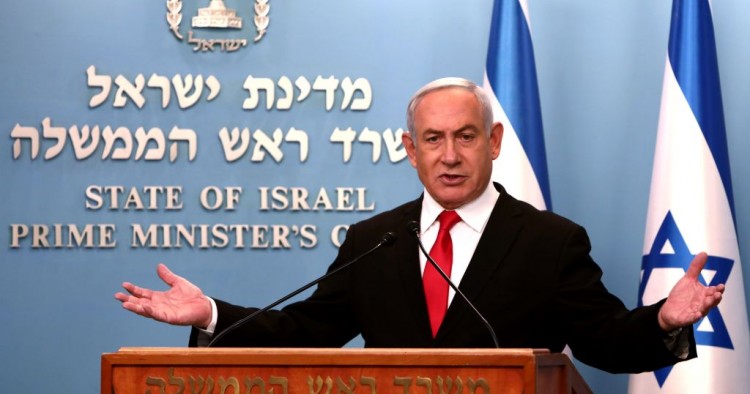
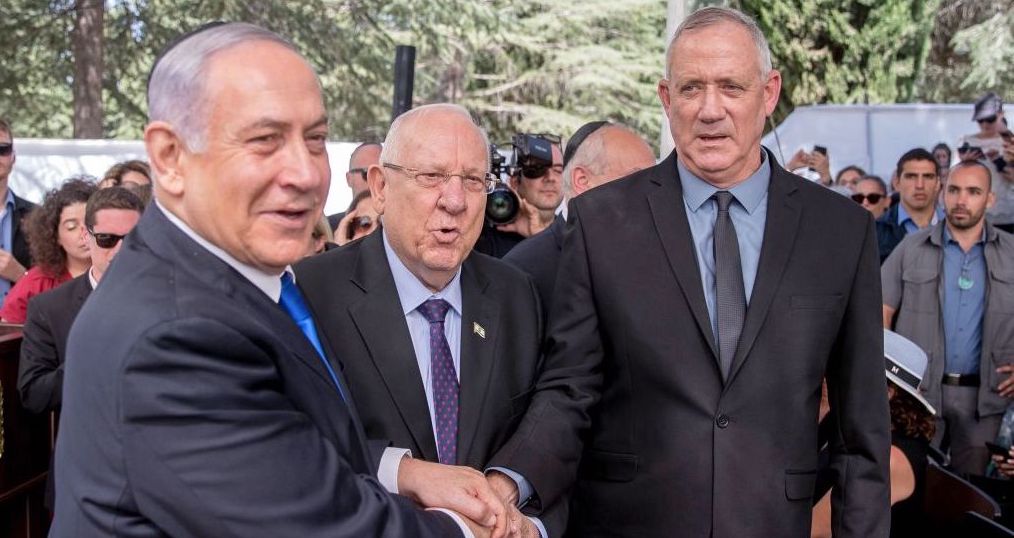
Israel’s 17-month ordeal without a functioning government has mercifully come to an end. An unlikely coalition that agrees on little has given birth to a monstrosity that is the largest government in Israel’s history, with 34 cabinet positions (some reports say 36) plus 16 deputy ministers.
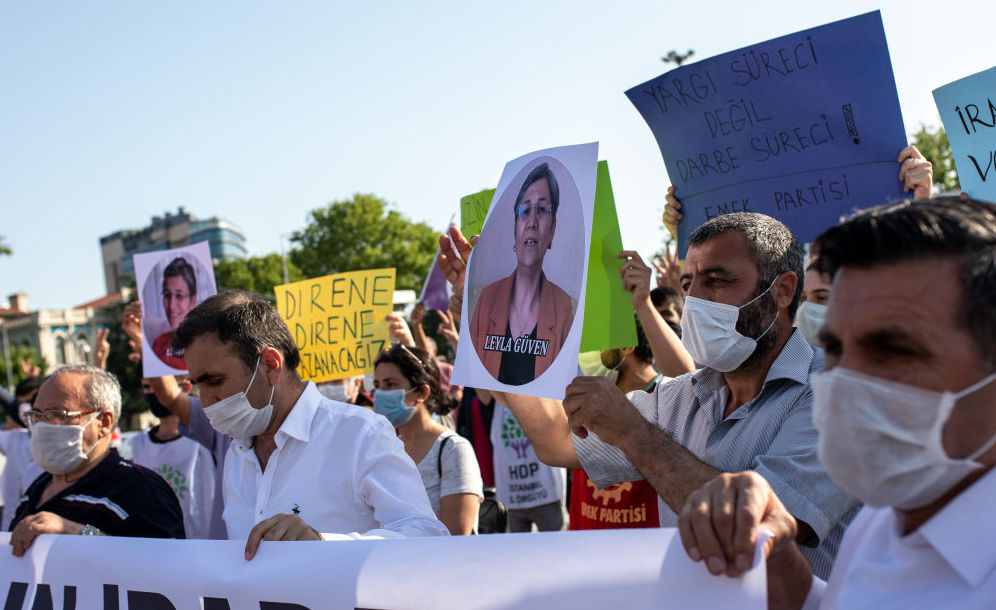
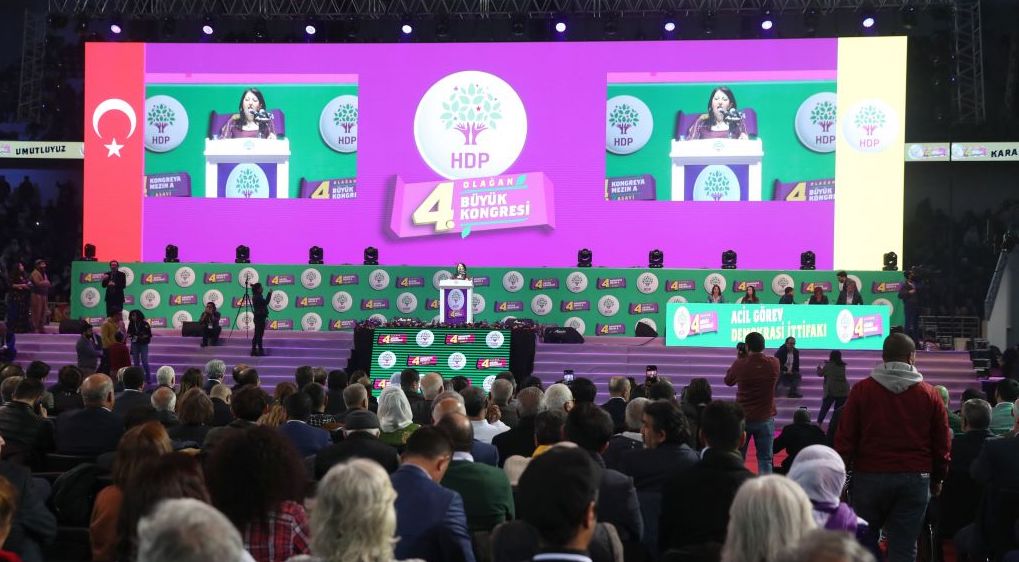
With the recent move, 45 out of the 65 HDP-run municipalities have been placed under state-appointed trustees.