Monday Briefing: Intra-Afghan talks begin with pomp and circumstance
This week’s briefing on recent news and upcoming events in the region featuring Marvin G. Weinbaum, Grace Wermenbol, Jason Pack, Shahla Al-Kli, and Khaldoun Khelil.
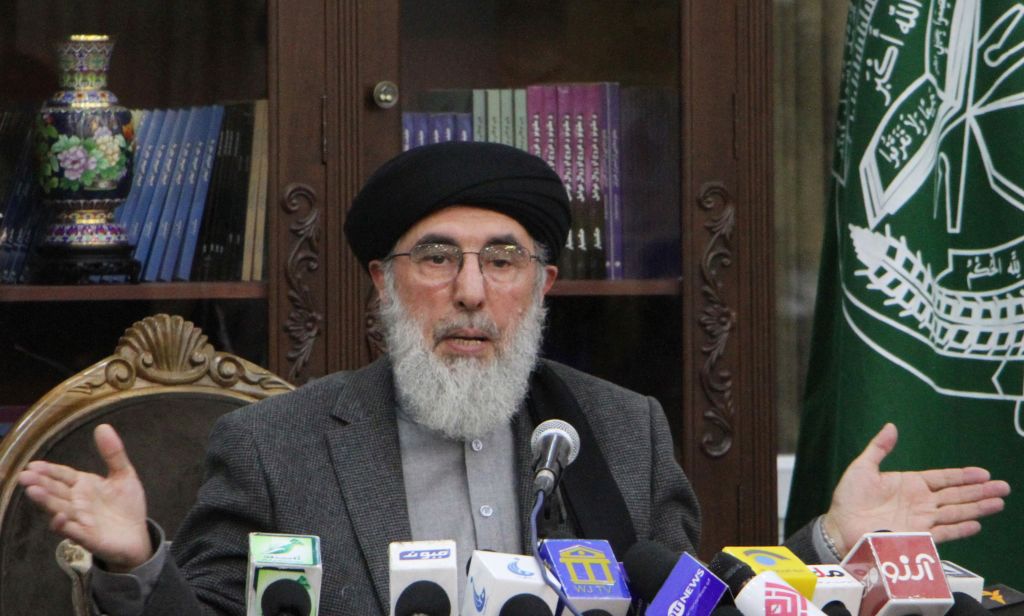
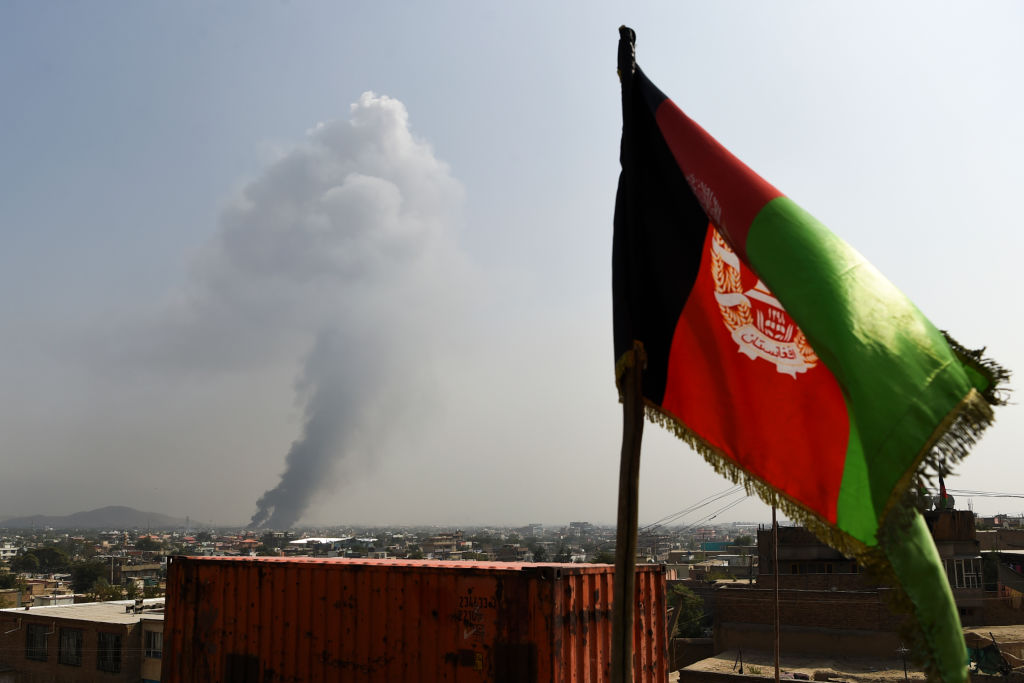
The Durand Line, as the British-Empire-drawn border that separates Afghanistan and Pakistan is known, continues to haunt the region and its leaders. On Sept. 7, Afghanistan’s first vice president, Amrullah Saleh, opened Pandora’s box by saying in an interview that “No Afghan politician of national stature can overlook the issue of Durand Line.”
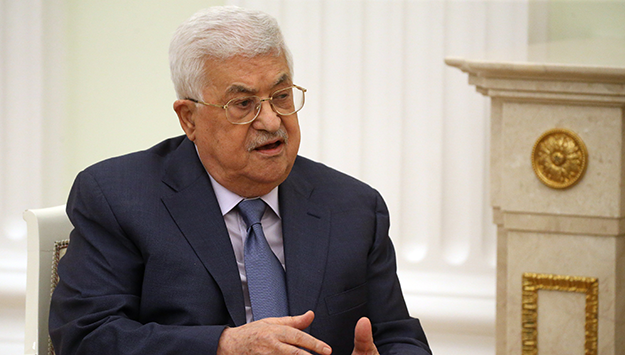
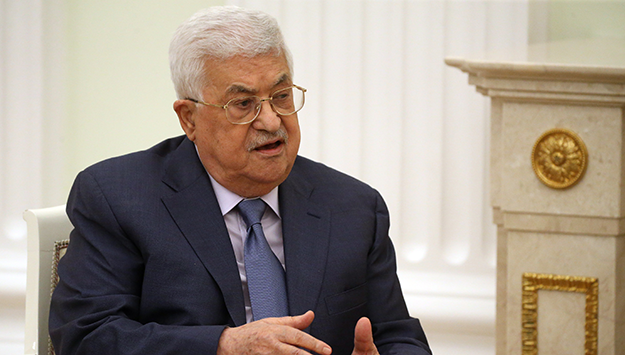
A March 2018 poll by the Palestinian Center for Policy and Survey Research showed that satisfaction with the performance of President Mahmoud Abbas stood at 33 percent; 68 percent of the public wanted him to resign; and had elections been called, he would most likely have lost his presidency to a rival from Hamas.Nearly two and a half years later, however, and Abbas’s political fortunes have been restored, thanks in large part to the Trump administration and the United Arab Emirates
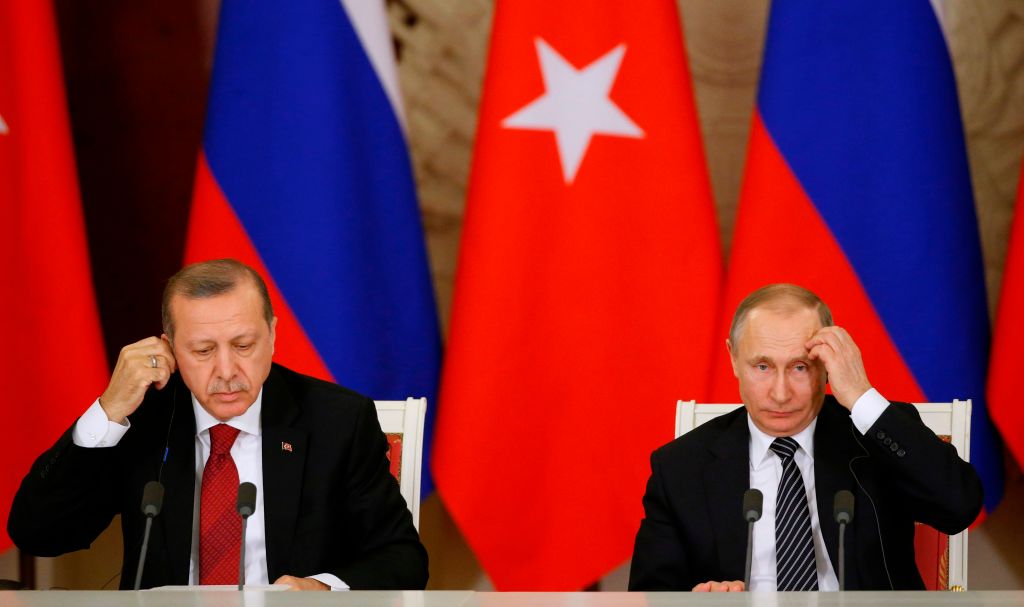
This week’s briefing on recent news and upcoming events in the region featuring Marvin G. Weinbaum, Meliha Benli Altunışık, and Robert S. Ford.
In a new briefing book released ahead of the U.S. elections in November, entitled Election 2020: Challenges and Opportunities for US Policy in the Middle East, MEI scholars lay out key issues across the region, highlight the U.S. interests at stake, and provide policy insights and recommendations for the path forward.
“Between Heaven and Earth,” filmmaker Najwa Najjar’s latest offering about love and divorce under occupation, is part road movie, part mystery, and part deep dive into the Palestinian psyche. To call its whole ethos a wild ride might just be an understatement.
This week’s briefing on recent news and upcoming events in the region featuring Emiliano Alessandri, Randa Slim, and Mark A. Heller.
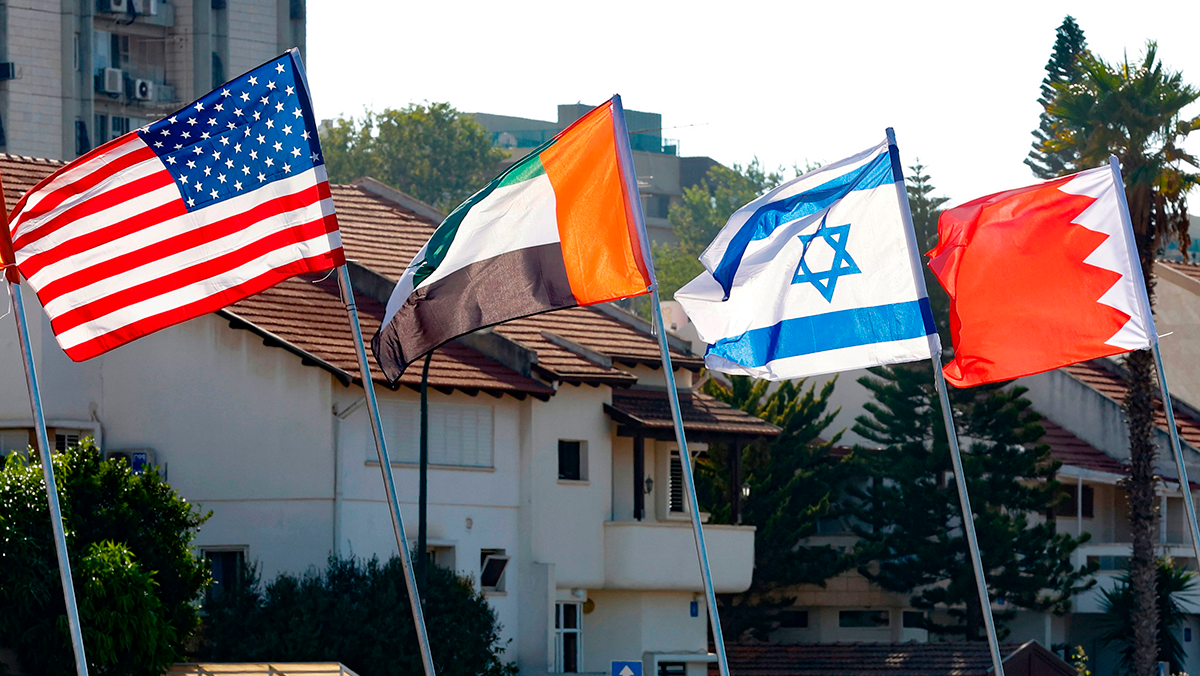
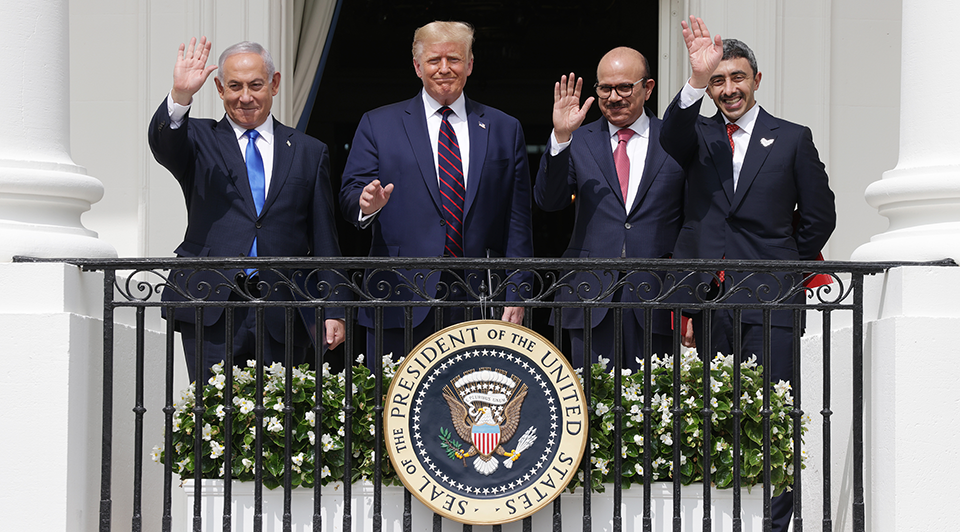
On Aug. 14, Israel and the United Arab Emirates (UAE) agreed to normalize diplomatic relations in exchange for a suspension of Israeli annexation plans in the West Bank. International reactions to this historic deal were sharply polarized, but the two main strategic rivals of the United States, Russia and China, responded cautiously to the announcement.
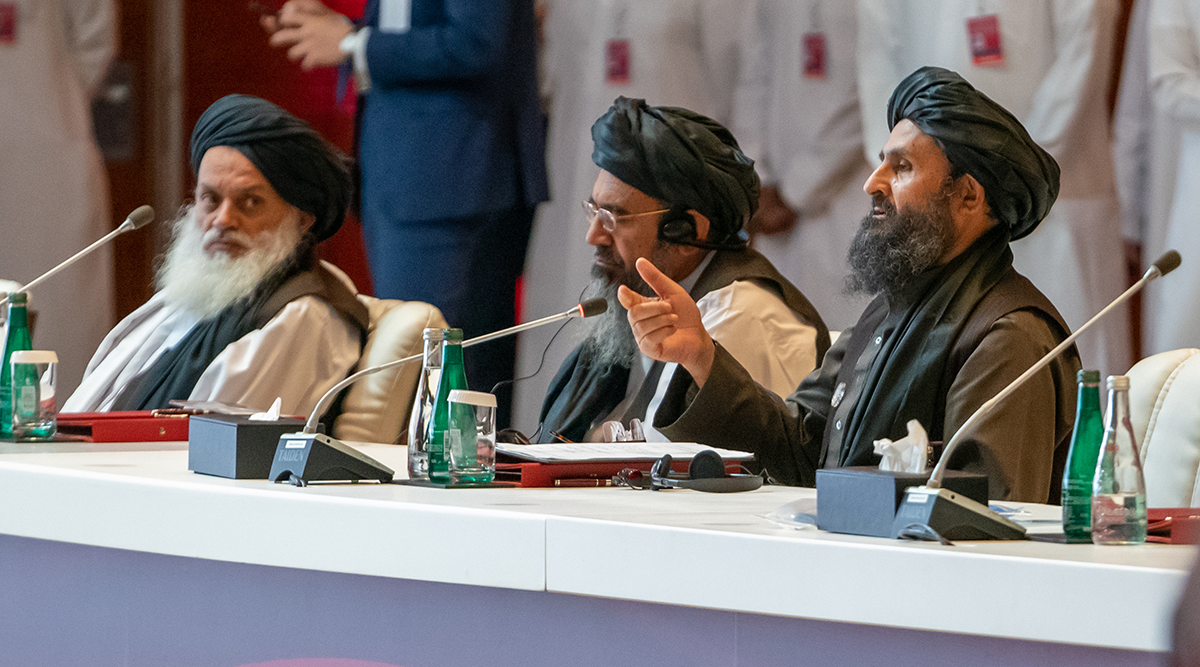
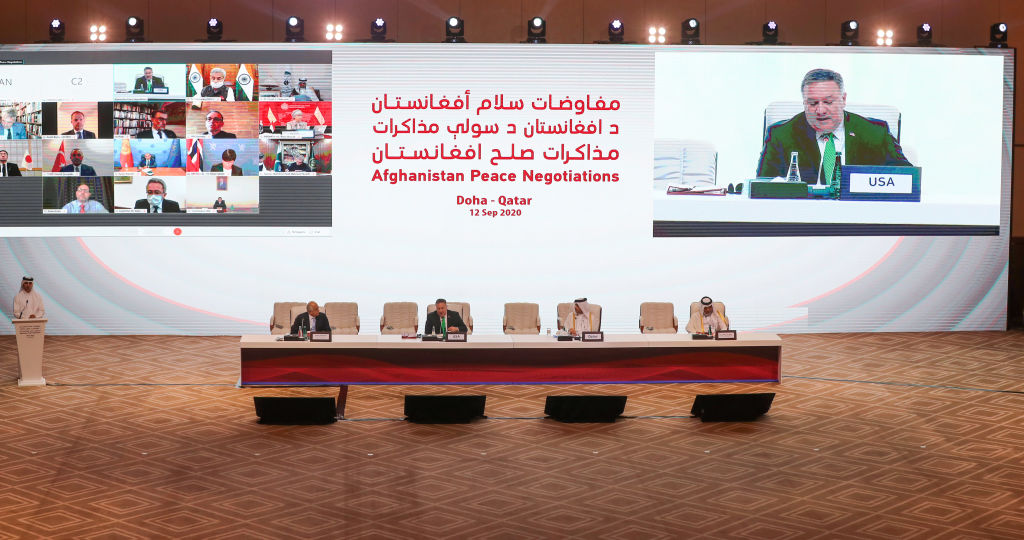
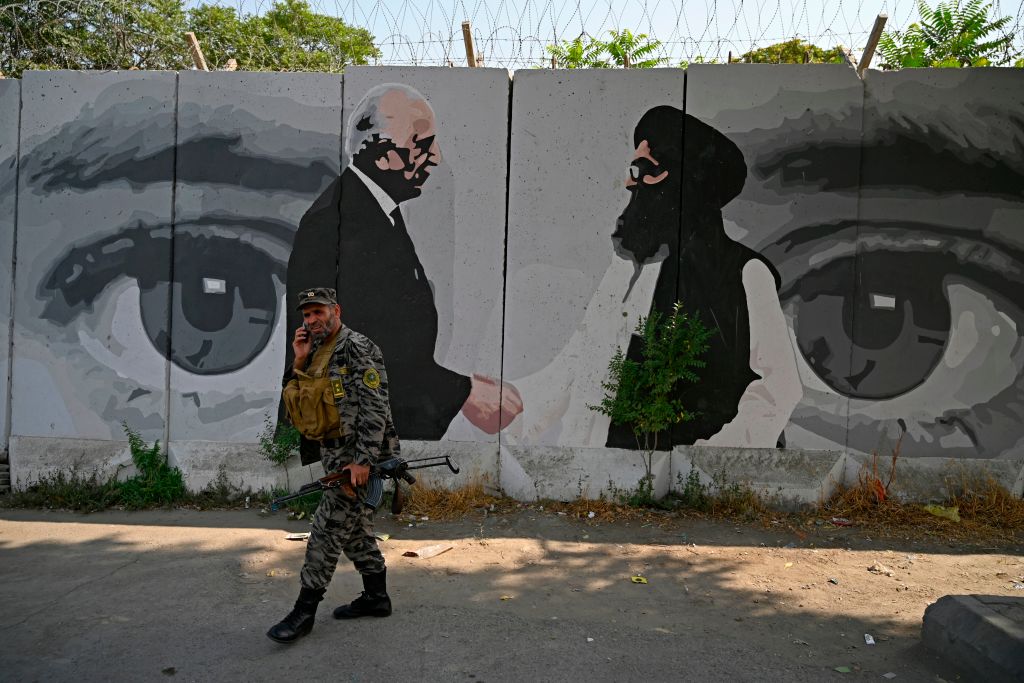
The hurdles encountered in kick-starting the intra-Afghan talks seem to be more daunting than anticipated. This has not only delayed a process that was scheduled to begin immediately after the Doha agreement in February, but has also underlined the bumpy road that lies ahead for various stakeholders to reach a consensus on Afghanistan’s national destiny.
This week’s briefing on recent news and upcoming events in the region featuring Charles Lister, Randa Slim, Jonathan M. Winer, Alex Vatanka, Marvin G. Weinbaum, Robert S. Ford, Mirette F. Mabrouk, and Syed Mohammad Ali.
The leaders of the Hashemite Kingdom of Jordan have traditionally been known as masters at staying as neutral as possible, especially when it comes to inter-Arab relations. This was on clear display in Amman’s response to the recent UAE-Israel rapprochement.
The agreement signed yesterday by Israel and the United Arab Emirates (UAE), in which the two countries agreed to a “full normalization of relations” in return for Israel suspending moves to formally annex parts of the West Bank, has reminded the Palestinians that they cannot count on the Arab states to deliver their freedom or safeguard their rights.
No matter how one reads the diplomatic deal announced Thursday between Israel and the United Arab Emirates—and there will surely be many supporters and detractors given its historic nature—there is one conclusion that seems irrefutable: Israel was the biggest victor.
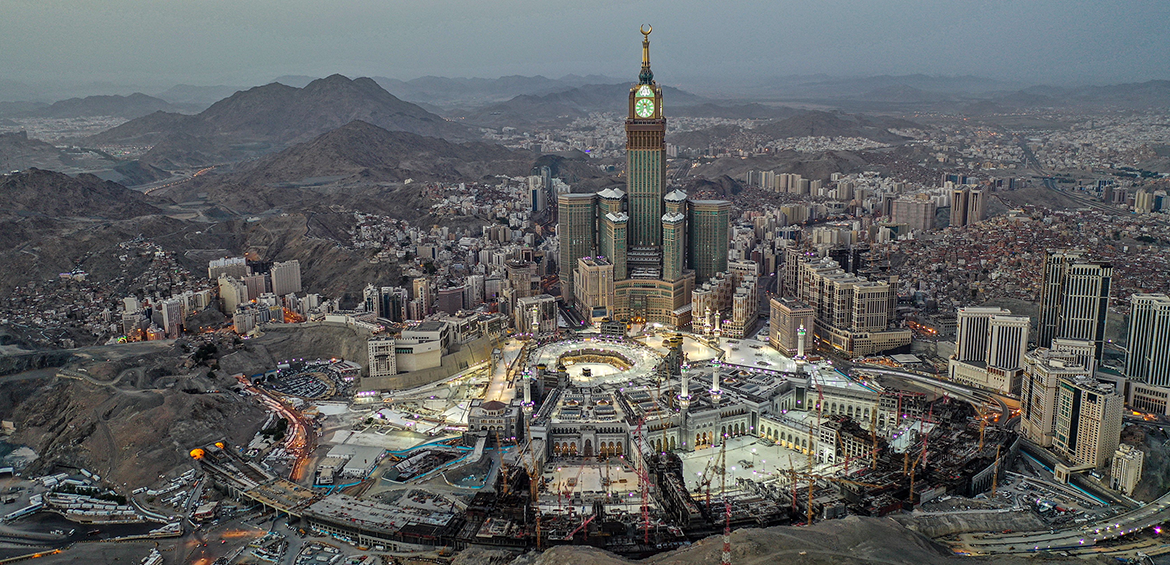
All is not well in Pakistan-Saudi relations, which seem to have gone into a tailspin. In order to repair the fractured ties with one of the country’s strongest allies, Pakistan’s army has swung into action and its chief, Gen. Qamar Javed Bajwa, will travel to Saudi Arabia for talks this weekend.
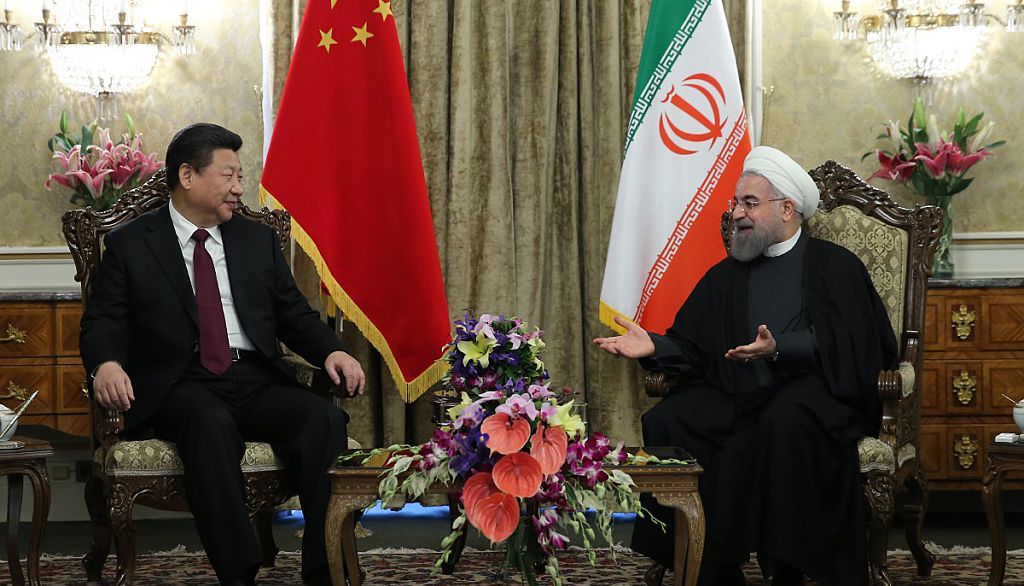
On July 27, Chinese Foreign Minister Wang Yi held a video conference with his counterparts from Afghanistan, Pakistan, and Nepal to suggest expanding their pandemic cooperation and proposed extending the China-Pakistan Economic Corridor into Afghanistan. Although the details about what this quadrilateral framework would entail and how it would work are unclear, any movement toward its institutionalization would be a serious challenge for the United States.