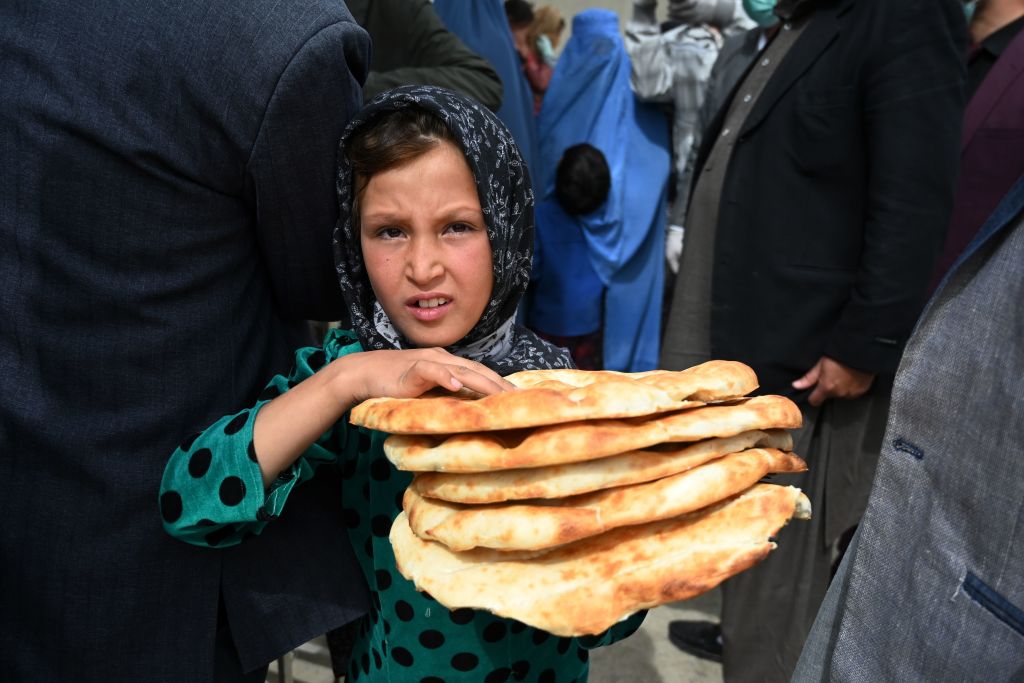
Iulia Joja and Bob Hamilton join host Alistair Taylor to discuss the impact of the coronavirus pandemic on economic migration, with a focus on migration trends in the Western Black Sea and South Caucasus.
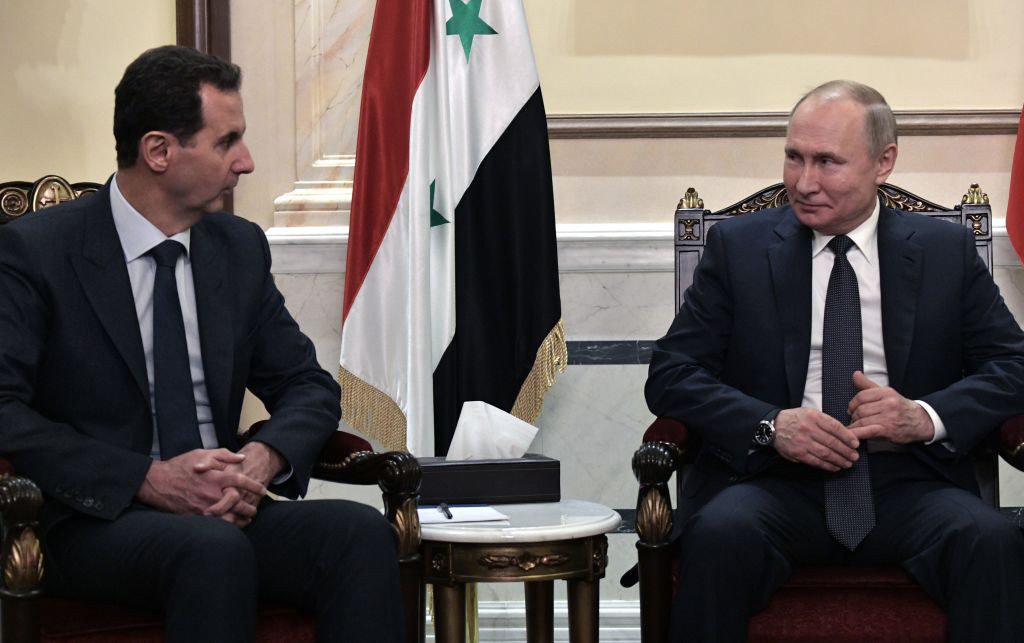
Russia signals growing dissatisfaction with Syria’s Assad regime
In recent weeks, a flurry of commentary from prominent voices and publications in Russia has seen a wave of criticism directed at Syria’s Assad regime. Accusations have been leveled against the regime of corruption, warlordism, and incompetence, as well as an obsession with achieving unrealistic military objectives at the expense of dwindling resources, reconstruction, and political and economic reforms.
The Rami Makhlouf saga poses a dangerous challenge for Assad
In a series of videos posted on Facebook this week, Rami Makhlouf called out the upper echelons of Syria’s political establishment, of which he had been an integral part for over two decades. By making his feud public Makhlouf has created an unprecedented rift within loyalist ranks, transforming his dispute with Syria’s ruling elite from one that was tightly controlled and behind closed doors to an out in the open, nationwide row the likes of which haven’t been seen since Hafez al-Assad’s standoff with his brother Rifaat in 1984.
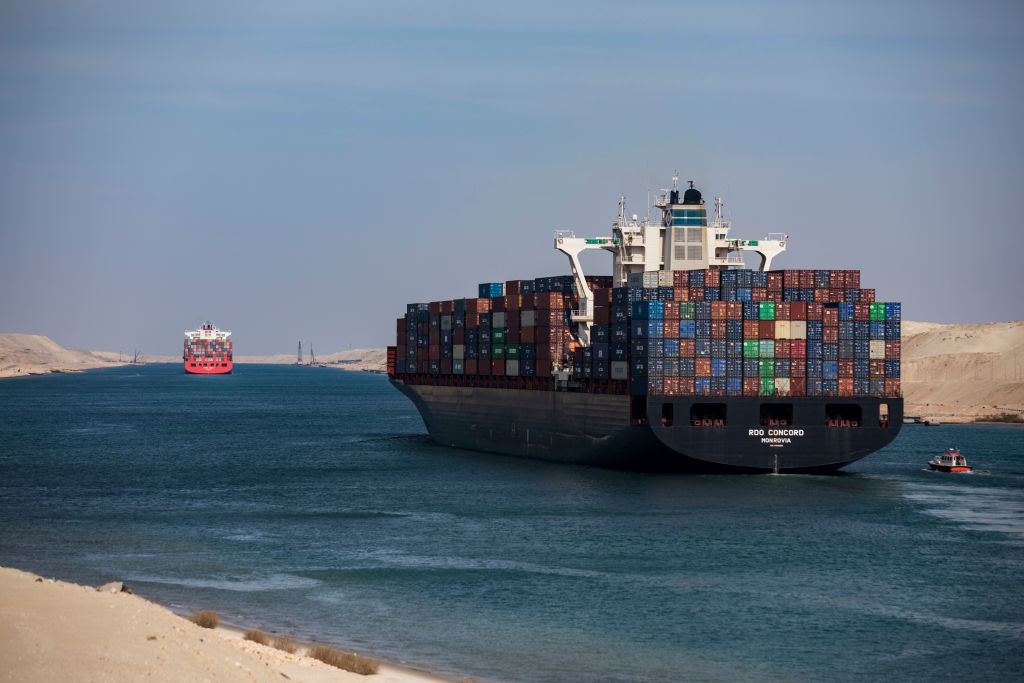
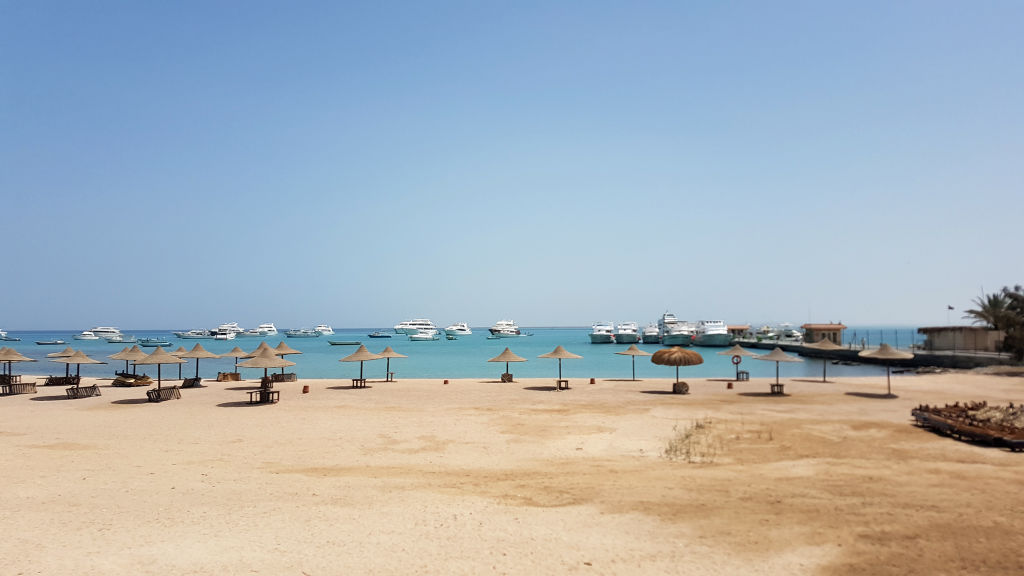
Egypt’s Suez Canal: A ray of light amid the economic gloom
It’s difficult to overstate the importance of the Canal to the international shipping trade, but it’s importance to Egypt economy is even greater still.
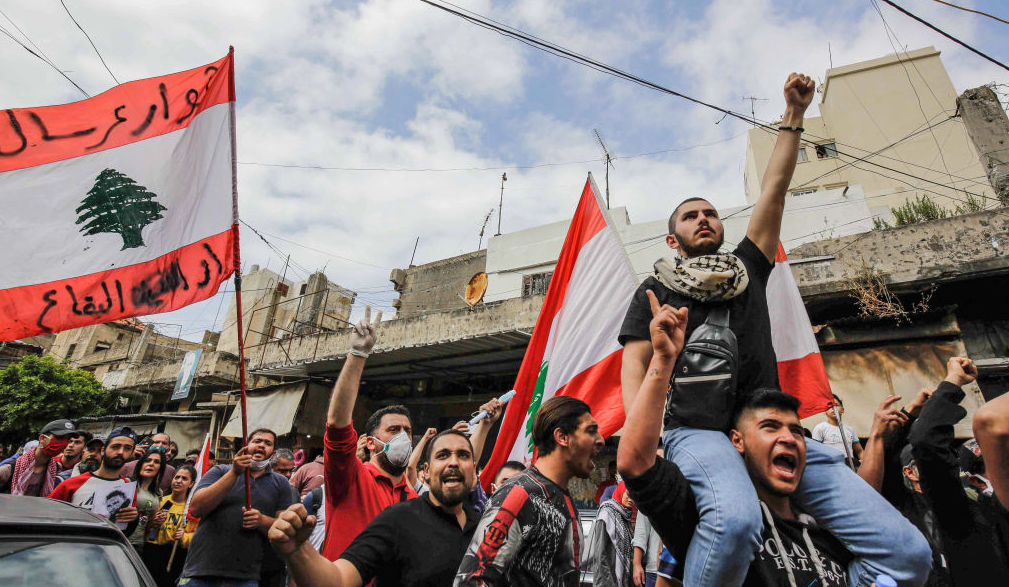
Waiting for the bad to get worse: Lebanon in the time of corona
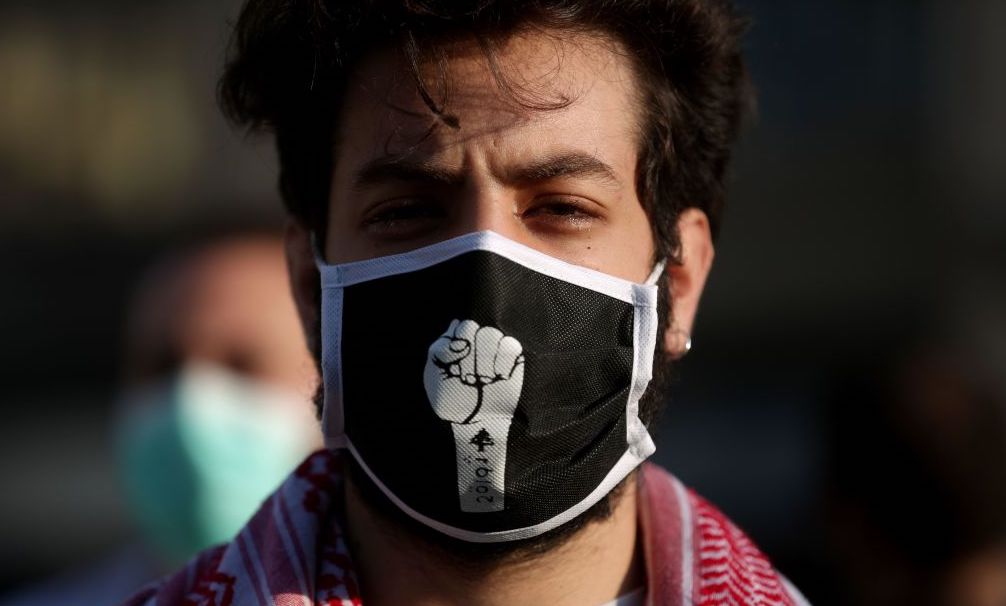
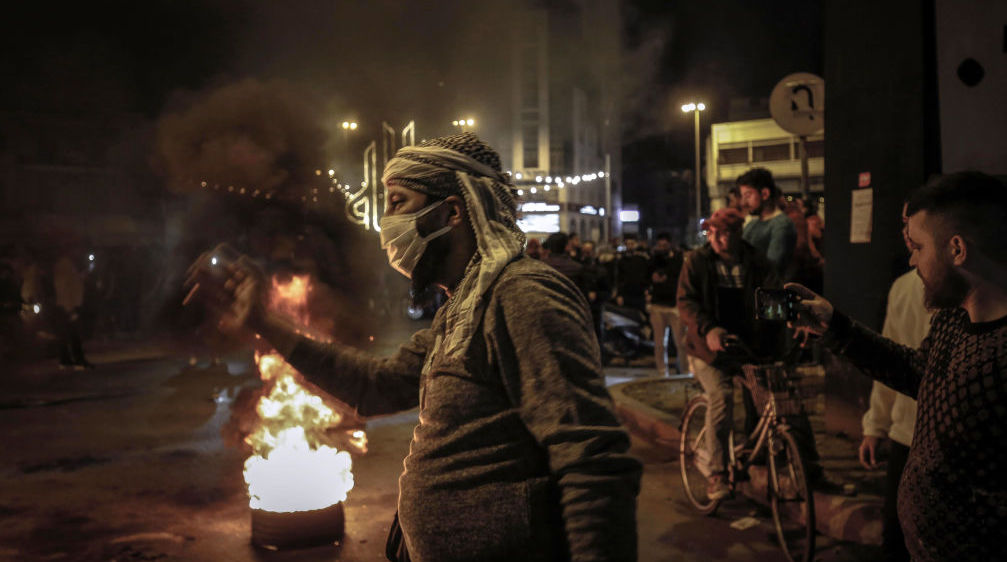
In a country already beset by economic and financial crises, COVID-19-related lockdown measures, without accompanying government assistance, are increasingly pushing impoverished residents to the brink. Lockdown measures will gradually start to lift this week. But the lockdown only accelerated the inevitable economic freefall and lifting the measures will not solve the country’s economic woes. “There is a predicament coming that is much bigger than corona … the economy is the bigger crisis,” a political activist in Dahiyeh says.
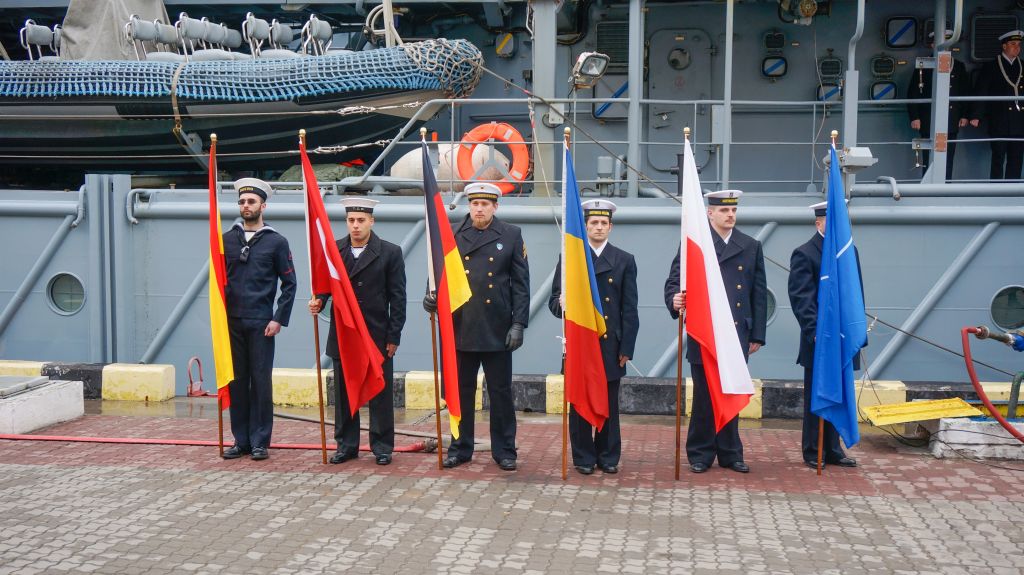
For an organization whose primary mission is collective security in the North Atlantic area, the Black Sea is a very important region for the North Atlantic Security Organization (NATO). This region forms the southeastern frontier of NATO’s area of responsibility. Thanks to Russia’s actions in the region, there are more miles of coastline under illegal military occupation along the Black Sea than in any other place in the world.
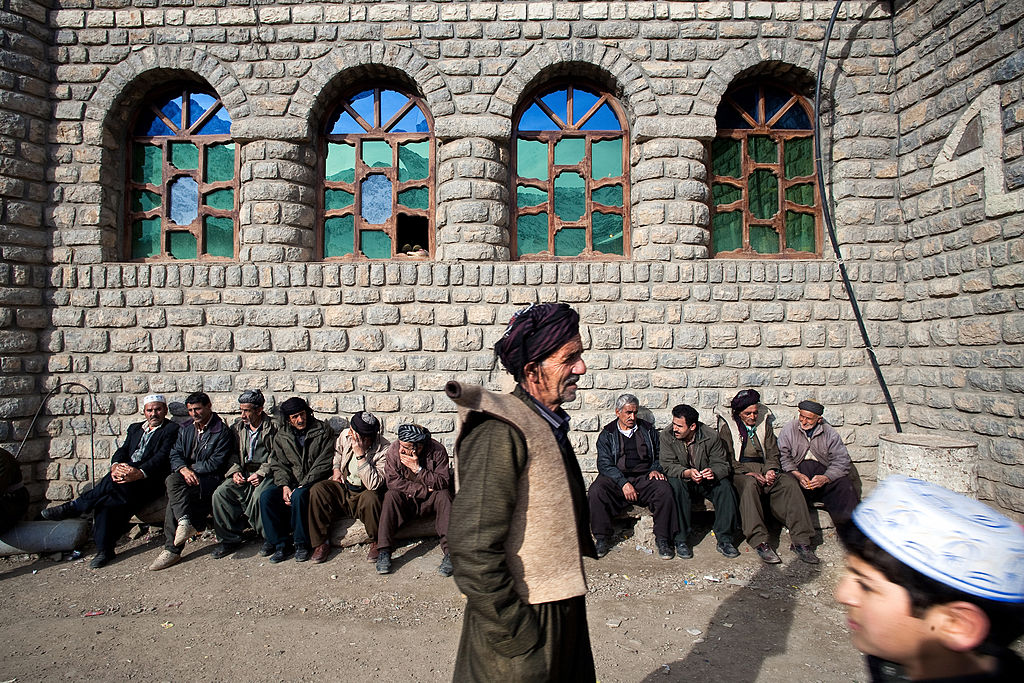
Initial data of Covid-19 mortality rates in the United States suggest that in several regions and cities, the virus hits minority communities harder than the general population. A similar trend has emerged in the Islamic Republic of Iran where published data indicates Iran’s ethnic minorities have higher Covid-19 fatality rates than the general Iranian population.
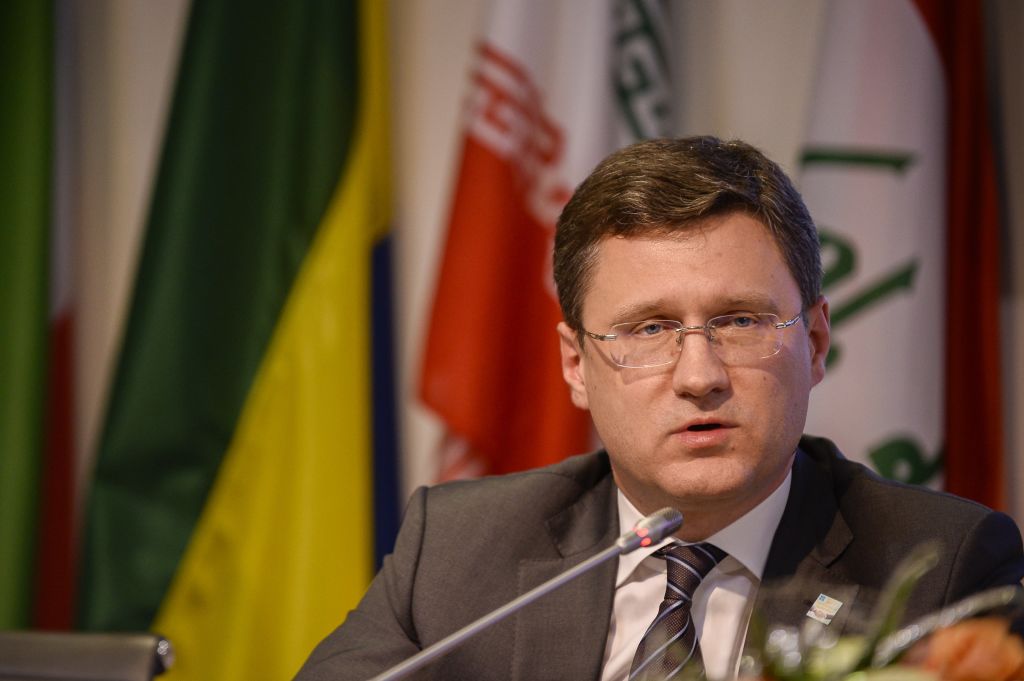
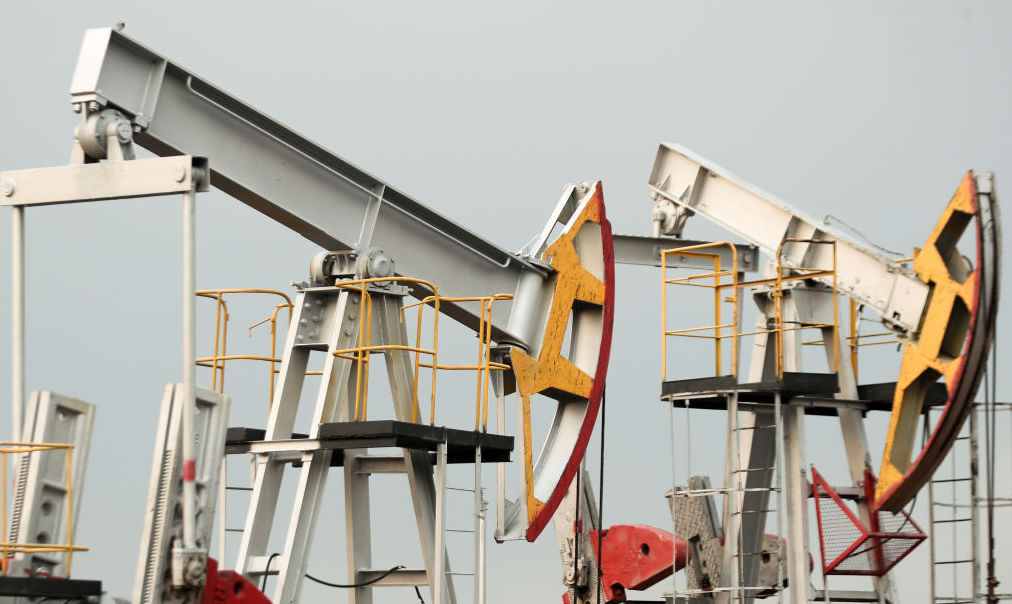
The April 12 OPEC+ deal to cut oil production that ended the disastrous five-week Saudi Arabia-Russia price war is a short-term fix for the global industry, but will not resolve the larger problem of over-production. The price war heightened animosity between Riyadh and Moscow and calls into question whether the OPEC+ partnership will ever be the same again.